One part of an active week
Children and young people aged 5 to 18 need an average of at least 60 minutes a day of moderate-to-vigorous activity across the week, and a mix that builds movement skills, muscles and bones.
Pilates guide
Pilates can be a fun, safe way for children and teenagers to build strength, balance and body control. Small trials found improvements in trunk strength, flexibility and balance, and short Pilates sessions in school PE (physical education) lessons kept teenagers' upper backs from rounding. For younger children it works best as a game.
It's one part of an active week, not the whole of it: children need an average of at least an hour a day of activity that makes them breathe faster, with running and jumping for their bones.
This guide covers what a children's class involves, what the trials found, how Pilates fits with the activity children need, the right age to start, the reformer, staying safe, and the warning signs to know. For a class to do together at home, try our 20-minute Pilates for kids workout.
Children and young people aged 5 to 18 need an average of at least 60 minutes a day of moderate-to-vigorous activity across the week, and a mix that builds movement skills, muscles and bones.
Reviews of Pilates in children found early signs of better flexibility, strength and balance, mostly from small studies.
Short Pilates sessions twice a week in school PE kept teenagers' upper-back curve from increasing and improved trunk endurance, in trials mostly from one research group.
Trials included children from 5 years old. Teachers make classes a game for 5 to 10 year olds, and teenagers can follow a normal beginners' class.
Supervised strength training doesn't harm growth. A Pilates teachers' body advises short classes, simple cues, supervising every position, and caution with upside-down moves and equipment.
A limp, or sudden hip, thigh or knee pain, needs an urgent GP appointment or NHS 111 the same day, and fainting while exercising needs 999.
A Pilates teachers' body in Australia advises keeping classes to about 45 minutes "to accommodate the attention span of the child/adolescent", giving no more than 3 or 4 simple cues per exercise, using imagery children recognise, demonstrating moves because "children learn by imitation", and teaching fewer exercises with variations. It suggests linking moves to the animal kingdom, using small props, and supervising every position.
Source 9
A STOTT PILATES teacher who teaches children in schools suggests turning Pilates into a game for 5 to 10 year olds, such as "Pilates Says" instead of Simon Says, while 12 to 18 year olds can do "real Pilates" because they can concentrate and keep focus. With big groups she adds running on the spot, jumping jacks or pretend skipping, often moves children between standing and sitting, and saves breathing for the end, to calm down. Her advice: kids don't use perfect form, so "Don't be too rigid with them."
Source 8
A 2014 manual sets out guidelines and a school curriculum for children aged 6 to 11 and teenagers aged 12 to 19, covering safety, exercises to avoid and moves suited to each age. We read the publisher's description, not the book.
Source 13
In the school trials, Pilates was a short block of 10 to 15 minutes, twice a week, inside PE lessons.
A 2020 review of 11 studies in children and young people up to 22 found Pilates appeared to improve flexibility, strength and balance, and to reduce pain in children with muscle and joint problems. But 4 of the studies were low quality, the programmes varied widely, and the authors call the research preliminary.
Source 3
A 2024 review found moderate-certainty evidence that Pilates improves upper-back and lower-back posture in children and teenagers compared with doing nothing. In 236 teenagers, 15 minutes of Pilates twice a week in PE for 9 months kept the upper-back curve from increasing, while their classmates' curves increased. In 103 teenagers with a rounded upper back, the same dose for 38 weeks reduced the curve by about 5.6 degrees more than in the comparison group. Both trials come from one research group.
In 441 teenagers, 10 minutes of Pilates twice a week in PE for 12 weeks improved the endurance of the tummy and back muscles and hamstring flexibility, and most of the gains lasted 12 weeks after it stopped; the study doesn't say whether the groups were allocated at random. In 52 teenagers who had had back pain, 6 weeks of Pilates improved back muscle endurance.
In 8 to 12 year olds, 4 months of mat Pilates twice a week didn't improve flexibility, balance or foot arches more than no programme. In 45 teenage girls with rounded shoulders, 6 weeks of Pilates didn't change head, shoulder or upper-back angles, while corrective exercise and the Alexander technique did.
In 62 kindergarten children, Pilates with balls improved balance on one leg. In 193 primary school children, mat Pilates 3 times a week for 12 weeks improved motor skills more than usual PE, and in 66 five and six year olds it improved fitness tests, but neither study reports allocating children at random.
In 80 girls, ten weekly hour-long sessions of Pilates or one of two other body-awareness methods all improved hamstring flexibility, and complaints of back pain fell from 66% to 38%, with no group that did nothing to compare against.
Source 21
In 30 young volleyball players, 8 weeks of Pilates reduced landing errors. In 40 teenagers, one 30-minute Pilates or jumping session was followed by better attention and maths scores, in a small study without random allocation.
Small single trials found Pilates improved quality of life in children with juvenile arthritis, physical performance (but not blood sugar control) in teenagers with type 1 diabetes, and balance and coordination in children with Down syndrome. In children with cerebral palsy it didn't change walking, and three children with very bendy joints had less fatigue or better strength. Ask the child's care team first.
The UK Chief Medical Officers say children and young people aged 5 to 18 "should engage in moderate-to-vigorous intensity physical activity for an average of at least 60 minutes per day across the week", with "a variety of types and intensities of physical activity across the week to develop movement skills, muscular fitness and bone strength". The World Health Organization adds vigorous activity, and activities that strengthen muscles and bones, on at least 3 days a week. For disabled children and young people, the NHS suggests 20 minutes a day, with strength and balance activities 3 times a week.
Pilates builds muscle strength and body control. The Chief Medical Officers say "Bone strengthening involves moderate and high impact activities", so our reading is that Pilates, with little impact, doesn't count towards bone strengthening on its own, and much of it isn't vigorous. In one small study of 11-year-old girls doing daily classes, the average heart rate measured in the 4 who wore monitors was 104 beats a minute, and the girls rated their enjoyment 4.4 out of 5. Pair Pilates with running, jumping and play.
A 20-minute class once or twice a week as part of an active week (our editorial starting point), or a group class of up to about 45 minutes, as the teachers' body suggests.
Source 9
We found no guideline or trial that sets a minimum age, and trials included children from 5 years old. What changes with age is how it's taught: games for younger children, and standard classes for teenagers.
Reformers and other Pilates equipment are built for adults. The teachers' body says the key to safe equipment work is "the size of the child, the appropriateness of load and instability" and whether the equipment fits them, and suggests no more than 4 children per teacher on equipment (8 on the mat). Many studios set their own minimum age: that's a studio policy, not a health rule.
Source 9
The same body asks for a screening chat with a parent before a child starts, a referral where a child is under another health professional's care, and teachers qualified to work with children. Its rules on checks and qualifications are Australian, so ask what applies where you live (our suggestion).
Source 9
We found no study of injury rates in children doing Pilates. One trial that reported on harms, in 8 to 12 year olds, found no adverse or harmful events.
In 22 reports of supervised strength training in children, training didn't affect growth and injuries were rare, and a meta-analysis found children gain strength. The American Academy of Pediatrics and the US National Strength and Conditioning Association support it for children and teenagers. Our exercise for children guide covers this in detail.
The teachers' body advises teaching upside-down moves, such as the jack knife and roll-over, and equipment "with caution", saying they "may be considered contraindicated, due to the potential load on bone growth plates". That's a precaution, not a finding: no study has measured growth plate loads in Pilates, and supervised strength training hasn't been shown to harm growth. They aren't needed in a child's class, so leave them out.
The NHS says children and young people should get medical advice about exercising if they have a health condition, do exercise that suits their age, ability and experience, and start new exercise slowly. Our Down syndrome guide suggests leaving out roll-overs unless a doctor has checked the neck.
Source 2
From a Pilates teachers' body's guidelines and a STOTT PILATES teacher's advice; the timings are our suggestion.
See the movement on the 3D figure: Swimming (Pilates)
Our 20-minute class below gives a starting dose for most of them. In rolling like a ball, roll back only to the shoulder blades, and only on a soft mat.
 3D demoJumping jackBeginner · No equipment
 3D demoStep jack (low-impact jumping jack)Beginner · No equipment
 3D demoSkippingBeginner · No equipment
 3D demoStanding marchBeginner · No equipment
 3D demoHundred (Pilates)Intermediate · No equipment
 3D demoSingle-leg stretch (Pilates one leg stretch)Intermediate · No equipment
 3D demoPelvic tilt into bridgeBeginner · No equipment
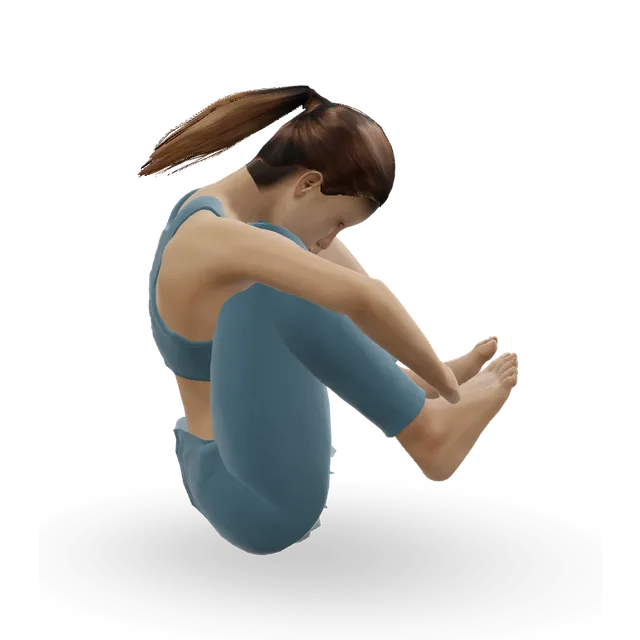 3D demoRolling like a ball (Pilates rolling back)Intermediate · No equipment
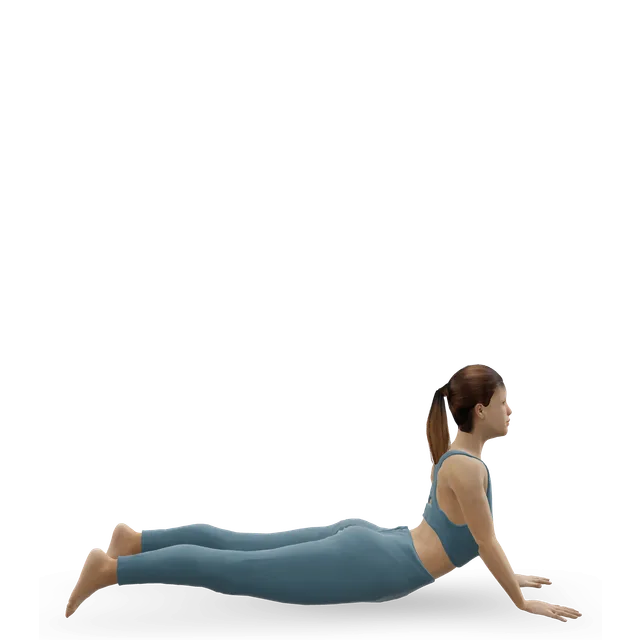 3D demoSwan (Pilates swan dive)Intermediate · No equipment
 3D demoSwimming (Pilates)Intermediate · No equipment
 3D demoSide kick (Pilates side kick series)Beginner · No equipment
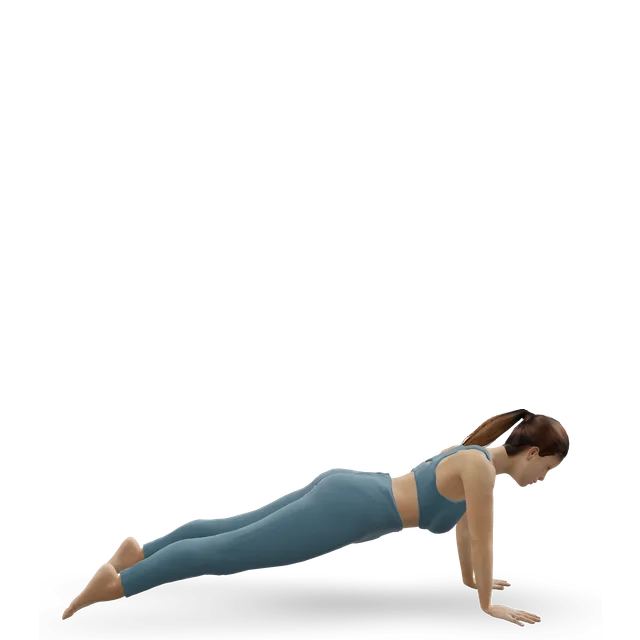 3D demoLeg pull front (Pilates leg pull down)Advanced · No equipment
 3D demoKnee plankBeginner · No equipment
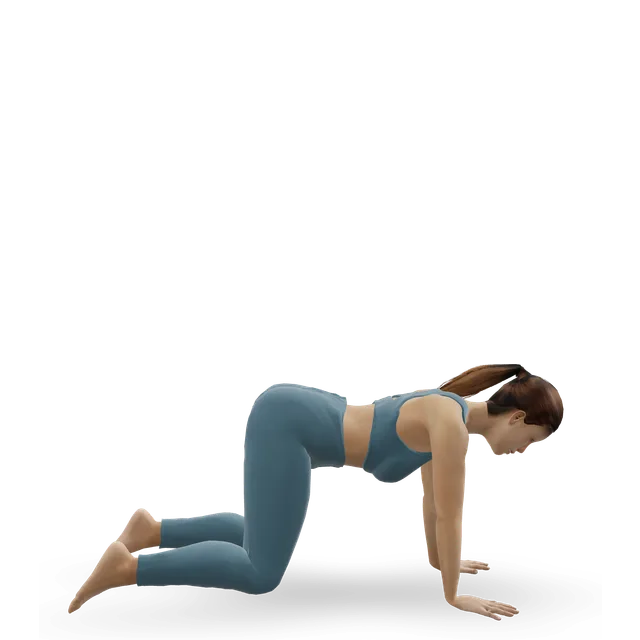 3D demoBear crawlIntermediate · No equipment
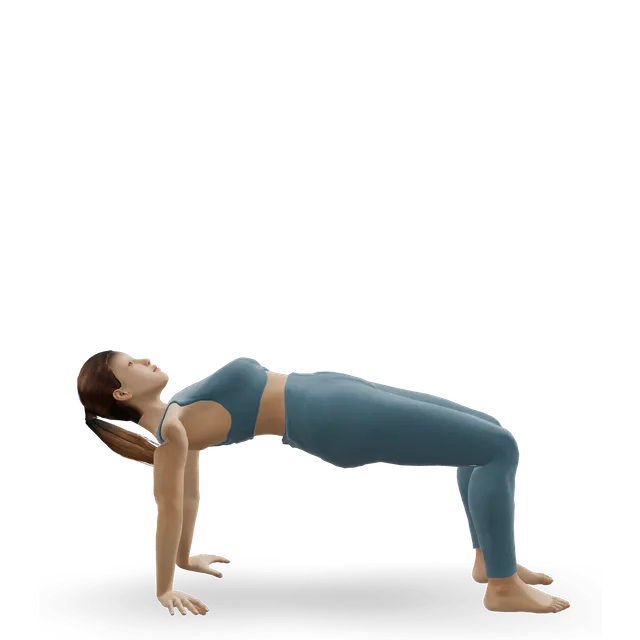 3D demoCrab walkIntermediate · No equipment
 3D demoTree pose (Vrksasana)Beginner · No equipment
 3D demoSingle-leg standBeginner · A wall
 3D demoLateral breathing (Pilates breathing)Beginner · No equipment
Upside-down moves and moves that put weight on the neck: a Pilates teachers' body advises caution with them for children, and none is needed in a child's class.
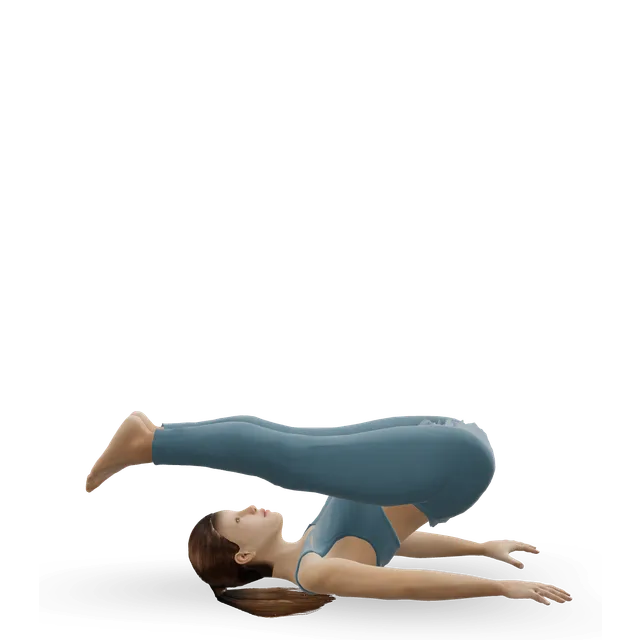 3D demoRoll-over (Pilates roll-over with legs spread)Advanced · No equipment
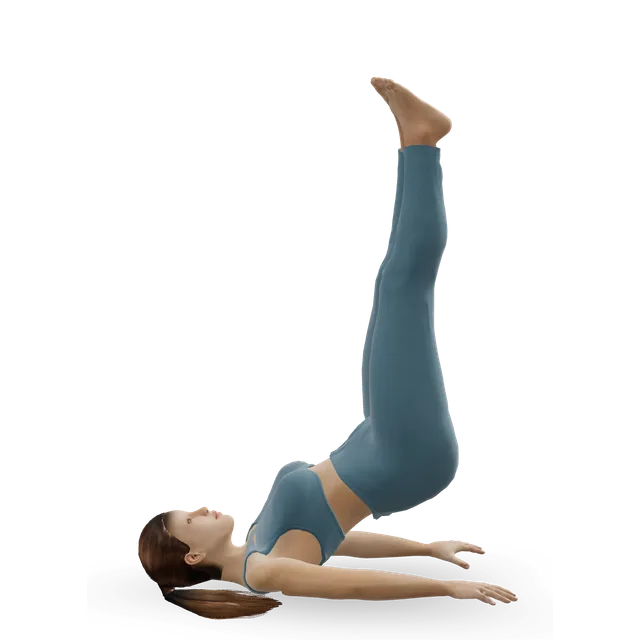 3D demoJack knife (Pilates)Advanced · No equipment
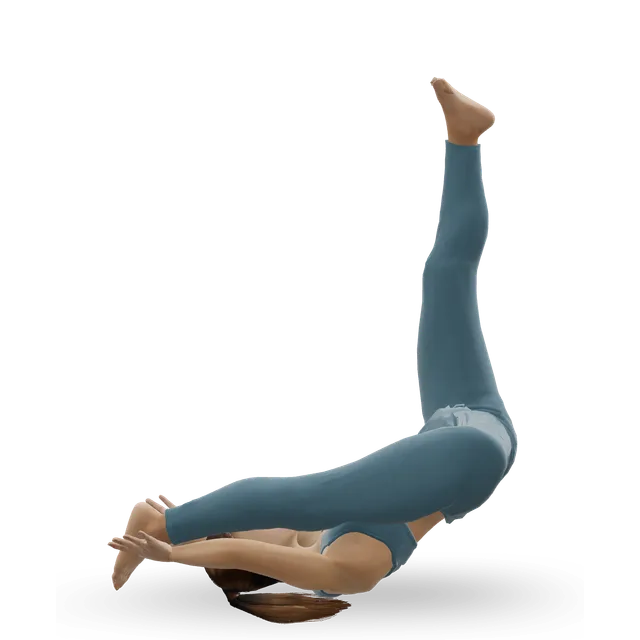 3D demoControl balance (Pilates)Advanced · No equipment
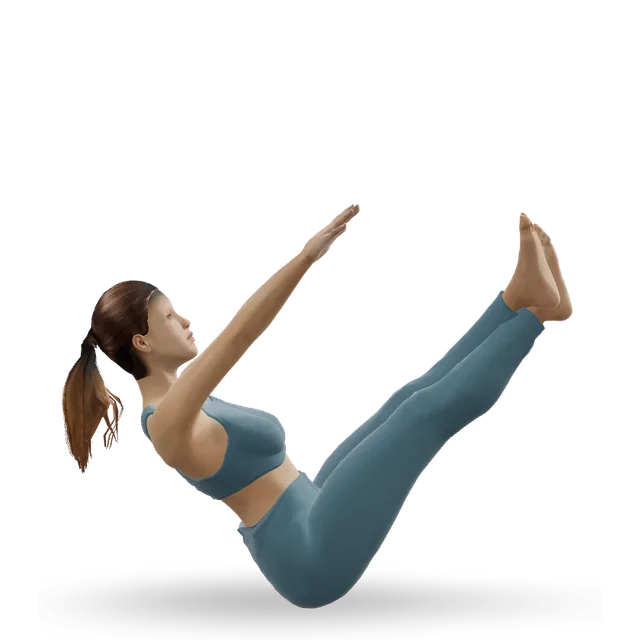 3D demoBoomerang (Pilates)Advanced · No equipment
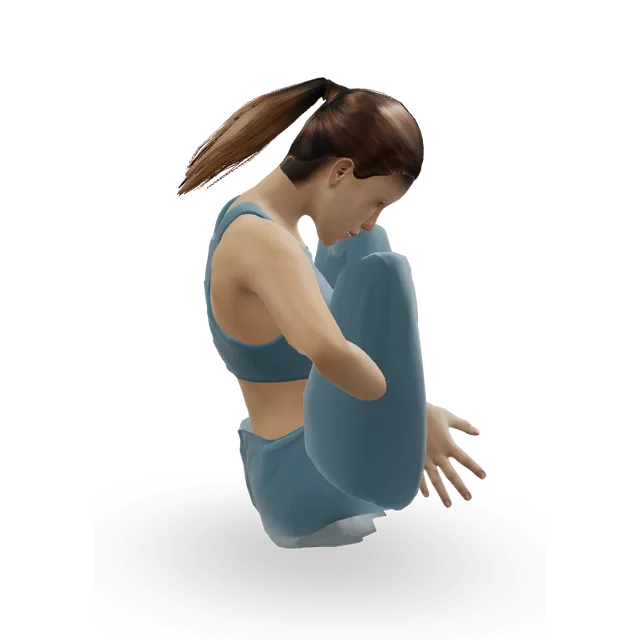 3D demoCrab (Pilates)Advanced · No equipment
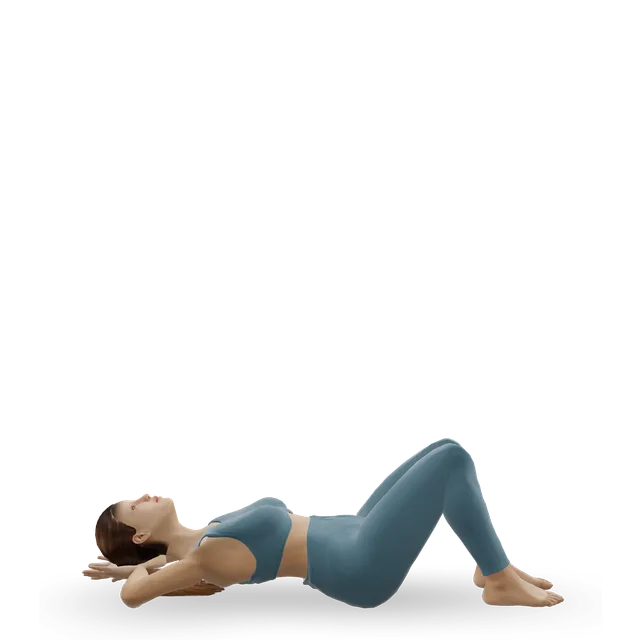 3D demoNeck pull (Pilates)Advanced · No equipment
Start with the 20-minute kids class; the animal moves workout adds more jumping for bones. Teenagers can follow the beginner Pilates workout, resting their head when their neck tires.
A 20-minute Pilates class for children: star jumps, the hundred, swimming, animal crawls and balance games, finishing with slow, calm breathing.
20 minBeginner14 movesNo equipmentFifteen minutes of animal moves, jumps and balance games for children, building the muscle- and bone-strengthening activity they need, with nothing to buy.
15 minBeginner16 movesA wallA 40-minute first strength workout for teenagers: a warm-up, landing and jump drills, then squats, hinges, push-ups, rows, step-ups and carries, kept light.
40 minBeginner19 movesA wall, A dumbbellA 20-minute mat Pilates workout for complete beginners. It covers breathing, spine position and the foundation moves, each with an easier option.
20 minBeginner13 movesNo equipmentA 20-minute full-body workout with no equipment: squats, knee push-ups, bridges, lunges and planks.
20 minBeginner10 movesNo equipmentA 10-minute warm-up for any workout: raise your heart rate, move each joint through its range, rehearse the main movements, then ramp up to your first lift.
10 minBeginner12 movesA wall, A bandA 20-minute beginner yoga sequence: mountain, chair, warrior II, triangle, tree, down dog, cobra and child's pose.
20 minBeginner11 movesA stepFor teenagers who want to get stronger, with Pilates as one of the week's sessions.
From our exercise for children guide, which also lists the signs of a bad asthma attack or a serious head injury:
Source 12
Source 11
Stop any move that hurts: a child shouldn't push through pain to keep up. No rolling onto the neck and no upside-down moves (our suggestion, with the teachers' body's caution).
Source 9
The NHS says to get medical advice about exercising if your child has a health condition. Tell the teacher about any condition, injury or medicine.
Source 2
Supervised strength training didn't affect children's growth, injuries were rare, and it makes children stronger. The American Academy of Pediatrics supports it, and our exercise for children guide says the same.
Children need an average of at least 60 minutes a day of moderate-to-vigorous activity, and a mix that builds bones through impact. Pilates is one part of that: add running, jumping and play.
In teenagers, a few trials from one research group found short PE programmes kept the upper-back curve from increasing, but in another study 6 weeks of Pilates didn't change teenage girls' head, shoulder or upper-back angles. Small differences in posture are common and usually not a health problem; our posture guide explains what's normal.
No guideline or trial sets one, and trials included children from 5. What changes with age is the teaching, games for younger children and standard classes for teenagers, and, on equipment, whether it fits the child.
One small study without random allocation found better attention and maths scores after a single session. Nothing longer-term has been tested.
Source 23
Teachers who work with children say the opposite: kids don't use perfect form and like to fall, so don't be too rigid. Simple cues and showing the move work best.
Yes, as one part of an active week. Trials in children and teenagers found improvements in trunk strength, flexibility and balance, and in teenagers' upper-back posture, though most studies are small. Children still need running, jumping and play every day.
There's no evidence-based minimum: trials included children from 5 years old. For about 5 to 10 year olds, classes work best as games, and teenagers can do a standard beginners' class. Equipment classes often have their own age limits.
Yes, with supervision: one trial that reported on harms found none, and supervised strength training doesn't harm growth. A Pilates teachers' body advises leaving upside-down moves like the roll-over and jack knife to older children, and supervising every position.
Older children and teenagers can, in a supervised class where the equipment fits them; one teachers' body suggests no more than 4 children per teacher on equipment. Many studios set a minimum age because reformers are built for adults. Mat Pilates works well for younger children.
Yes. Teenagers can do a normal beginners' class, and school trials ran Pilates in PE lessons for teenagers aged 12 to 17. For reformer classes, check the studio's age policy and tell the teacher how old your child is.
Partly. Children need an average of at least 60 minutes a day of moderate-to-vigorous activity, plus activities that build muscles and bones. Pilates builds muscle and control but has little impact, so add running, jumping and sport for their heart and bones.
In teenagers, short Pilates sessions in PE twice a week for 9 months kept the upper-back curve from increasing, at moderate certainty, in trials from one research group. But a 6-week study in teenage girls found no change. Our posture guide explains what's normal.
Short classes of up to about 45 minutes, with a few simple cues per move, demonstrations and lots of imagery, often animal names. Teachers of younger children use games like "Pilates says", add bursts of jumping, and finish with calm breathing.
Neither has been shown to be better: both build strength, balance and flexibility, and the best one is the one your child enjoys. In one study of girls aged 10 to 13, Pilates and two other body-awareness methods all improved flexibility.
Often yes, with their care team's agreement: small trials in juvenile arthritis, Down syndrome and type 1 diabetes found some benefits. See our hypermobility and scoliosis Pilates guides, and with Down syndrome, leave out roll-overs unless a doctor has checked the neck.
Follow our 20-minute class with games: jump to warm up, do the hundred and swimming, crawl like animals, balance like a tree, then breathe slowly. Show each move, count out loud and let your child pick the next animal. Use a soft mat, and skip any rolling onto the neck.
Stop any move that hurts. A limp, not putting weight on a leg, or sudden hip, thigh or knee pain needs an urgent GP appointment or NHS 111 the same day, and fainting while exercising needs 999. Back pain in a young child, or with fever, weakness or trouble walking, needs a doctor.
Exercise education, not a personal prescription, and clinical review of these guides is pending. If you are pregnant, have a health condition or have had recent surgery, check with a doctor, midwife or physiotherapist before starting, and stop for sharp or increasing pain. Health disclaimer.










