Strength at home
Strength workout for teenagers: technique first, with jumps and landings
Weeks 1 to 4 of our workout plan for teenagers, and a good first session at any time. Properly designed and supervised strength training is safe for young people and makes them stronger. This session teaches the main movements with body weight and light weights, plus how to land, which the injury-prevention warm-ups in youth sport train too. Do it with an adult who knows the moves watching, 2 or 3 times a week on days that aren't back to back. The plan's phases set the sets: 1 set of each strength move in week 1, then 2.
Warm-up (about 7 minutes)
- Standing march60 sBeginner · Hip flexors, Abs, Glutes · 3D demoBrisk, arms swingingEasier: Seated marchHarder: Standing band hip flexion
- Beginner · Hip abductors, Shoulders, Calves · 3D demoOr jumping jacksEasier: Seated marchHarder: Jumping jack
- Standing hip CARs2 slow circles each way, each legBeginner · Glutes, Hip flexors, Hip abductors · 3D demoHold a wallEasier: Hip circles on all foursHarder: 90/90 hip lift-off
- Inchworm walkout4 repsIntermediate · Abs, Shoulders, Hamstrings · 3D demoBend your knees if the backs of your legs pullEasier: Forearm plankHarder: Plank walk-up
- World's greatest stretch3 each sideIntermediate · Hip flexors, Adductors, Glutes · 3D demoEasier: Low lunge (Anjaneyasana)Harder: Active pancake lift-off
- Hip-hinge practice8 repsBeginner · Glutes, Hamstrings, Back · 3D demoPush your hips back; a broom handle along your back helps keep it longHarder: Dumbbell Romanian deadlift






Land and jump
Rest 60 s between sets
- Snapdown to athletic landing2 sets of 5Beginner · Quads, Glutes, Hamstrings · 3D demoHold each landing for 2 s: hips back, knees in line with your toes, quiet feetHarder: Box drop landing
- Ankle bounces (mini pogo)2 sets of 10 to 15Beginner · Calves, Shins · 3D demoSmall, quick and quietHarder: Pogo hops
- Standing broad jump with stuck landing2 sets of 3Intermediate · Glutes, Quads, Hamstrings · 3D demoFrom week 3, and only if every landing so far has been quiet. Walk back between jumpsEasier: Snapdown to athletic landingHarder: Single-leg hop and stick
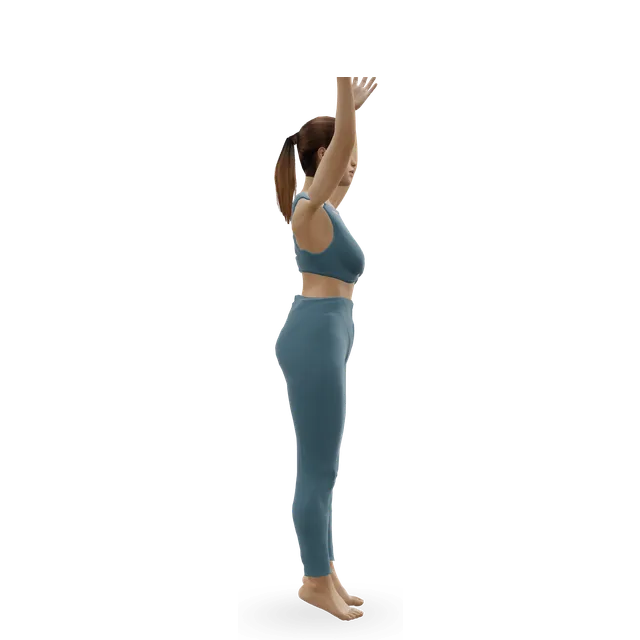

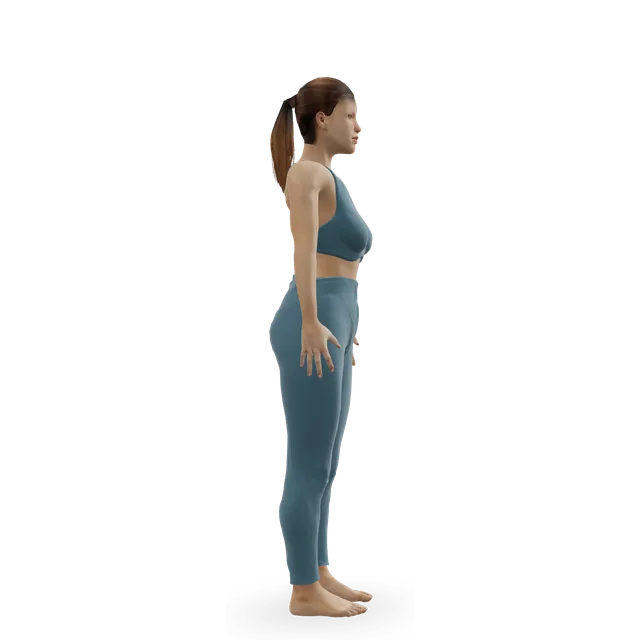
Strength
Rest about 60 s between sets
- Dumbbell goblet squat1 to 2 sets of 10 to 15Intermediate · Quads, Glutes, Abs · 3D demo1 set in week 1, then 2, stopping with 3 or 4 reps to spare. A light dumbbell or kettlebell held at your chest; squat to a box or bench at first. Easier: the bodyweight squatEasier: Bodyweight squatHarder: Barbell front squat
- Push-up1 to 2 sets of 6 to 12Intermediate · Chest, Triceps, Shoulders · 3D demoHands on a bench at first, and lower as it gets easierEasier: Wall push-upHarder: Close-grip push-up (close triceps position)
- Dumbbell Romanian deadlift1 to 2 sets of 10 to 12Intermediate · Hamstrings, Glutes, Back · 3D demoLight dumbbells kept close to your legs, back long. In week 1, hip hinge practice insteadEasier: Hip-hinge practiceHarder: Single-leg Romanian deadlift
- Band row1 to 2 sets of 10 to 15Beginner · Back, Biceps, Shoulders · 3D demoAnchor the band in a closed door on the hinge side and step back until it's taut. Or a single-arm dumbbell row, 10 each side, or an inverted row at a low barHarder: Supported single-arm dumbbell row
- Step-up1 to 2 sets of 8 to 10 each legBeginner · Glutes, Quads, Hamstrings · 3D demoA stable step about knee height, with a hand on a rail at first; drive up and lower slowlyEasier: Low step-upHarder: Dumbbell step-up
- Farmer's carry2 walks of 20 to 30 mBeginner · Forearms, Abs, Shoulders · 3D demoModerate dumbbells or kettlebells; walk tall, and set them down before your posture slipsHarder: Suitcase carry






Trunk
- Dead bug2 sets of 6 to 8 each sideBeginner · Abs, Hip flexors · 3D demoSlowly, with your lower back on the floorEasier: Dead bug heel tapsHarder: Forearm plank
- Side plank2 holds of 15 to 30 s each sideIntermediate · Abs, Hip abductors, Shoulders · 3D demoFrom your knees to startEasier: Knee side plankHarder: Side plank with leg lift


Cool-down (optional)
- Half-kneeling hip flexor stretch30 s each sideBeginner · Quads, Glutes · 3D demoPad the kneeling kneeHarder: Couch stretch
- Supine hamstring stretch with a strap30 s each sideBeginner · Hamstrings, Calves · 3D demoEasier: Leg-up hamstring stretchHarder: Contract-relax hamstring stretch (PNF)


Tips
- An adult who knows the moves watches every set: the NHS says young people can use weights if a qualified adult trains them and supervises them. Never use a barbell on your own.
- Write down each move, the weight and your reps, and add weight only when every rep looks the same. The plan's phases set the sets for each week and when to add weight.
- Never train to failure, and no punishment reps or contests. Stop a set of jumps while every landing is still quiet.
- Growing fast? Cut back the jumps before the strength work (our editorial suggestion), and repeat a week whenever you need to.
- Pain below the kneecap, at the heel or in the lower back that keeps coming back with sport: see our Osgood-Schlatter, Sever's disease or spondylolisthesis guides.
- Stop for chest pain, dizziness, a racing or irregular heartbeat or feeling faint. Call 999 (UK) or 911 (US) if someone faints while exercising.
The doses are suggested starting points, not a prescription. Choose a range you can control and stop for sharp or increasing pain, numbness or tingling. Get individual advice after an injury or surgery, or if you are pregnant or managing a health condition.
Part of these weekly plans
Follow the whole week: which session on which day, and how to progress.
Guides that recommend it
Find more moves like these
More strength at home




Beginner bodyweight workout
A 20-minute full-body workout with no equipment: squats, knee push-ups, bridges, lunges and planks.
20 minBeginner10 movesNo equipmentFull-body bodyweight workout
An intermediate no-equipment workout: push-ups, split squats, single-leg bridges, pike push-ups and core work.
30 minIntermediate11 movesNo equipment
Full-body dumbbell workout
A 35-minute full-body strength workout with dumbbells: goblet squats, presses, rows, Romanian deadlifts and carries.
35 minIntermediate9 movesA band, A dumbbellQuestions people ask
How long does the strength workout for teenagers: technique first, with jumps and landings take?
About 40 minutes, including any warm-up and cool-down listed. Shorten it by doing fewer rounds; lengthen it by adding one.
What equipment do I need?
You need: A wall, A dumbbell, A band, An anchor point, A step, A kettlebell. Each move links to its guide, where you can find an alternative if you are missing something.
Is it suitable for beginners?
It is written for beginners. 13 of its 19 moves have an easier option listed beside them if you need one.
How do I make it easier or harder?
Use the easier or harder option listed under each move, change the number of rounds, or adjust the rest. Progress one change at a time.