Pilates guide

Pilates for scoliosis: what it can and can't do, which moves to adapt, and a routine

Pilates is a safe, sensible way to stay strong and mobile with scoliosis, a sideways curve of the spine. The UK charity Scoliosis Support & Research says it can help posture, muscle tone, balance and back pain, but it won't straighten the curve or stop it growing.

The Pilates trials in scoliosis are few, small and low quality. In the only head-to-head trial, a small one in 24 teenage girls, Schroth, an exercise method designed for scoliosis, reduced the curve more than Pilates. For a growing child, bracing has the strongest evidence, and the scoliosis team's plan comes first.

This guide covers what the NHS, the scoliosis charities and the trials say, Pilates in a brace and after surgery, how to do one-sided moves, twists and side bends evenly, and a free 20-minute routine done the same on both sides.

The short version

It won't straighten the curve

Scoliosis Support & Research says Pilates "will help only to strengthen and exercise muscles, which can help to ease pain but will not reduce or slow the growth of a spinal curve". The Scoliosis Research Society says curves "can't be reversed without surgery".

Sources 1, 2, 3

It's safe, and worth doing as exercise

The NHS says general exercise "should not be avoided unless advised by your doctor", and children with scoliosis only need to avoid activities a specialist tells them to. The charity lists yoga, Pilates and swimming as good for keeping the back muscles strong.

Sources 3, 4, 1

The trials are few and small

The pooled evidence comes from a few small trials of low quality, and a 2023 review called it "very limited". In the only trial that compared the two, 24 teenage girls did 12 weeks of Schroth or Pilates, and the curve fell more with Schroth.

Sources 5, 6, 7

Bracing does more for a growing curve

Even exercise designed for scoliosis changes curves by only a few degrees, and the evidence is low certainty. In teenagers who are still growing, a brace has the strongest evidence for stopping a curve from getting worse.

Sources 8, 9, 10

Do it evenly, and follow your team

Do one-sided moves the same number of times on each side, and keep twists and side bends comfortable (our suggestion). In a brace or after surgery, your team's advice comes first.

Sources 11, 12

Know when to get checked

See a GP if you think you or your child has scoliosis, or if an adult's curve gets worse. Typical teenage scoliosis isn't painful, so back pain or tingling in a teenager with scoliosis needs checking.

Sources 3, 13

Scoliosis in brief

A sideways curve with a twist

On a standing X-ray, the curve is measured as an angle (the Cobb angle). A curve of more than 10 degrees is scoliosis; less than that is a small difference between the sides. The twist shows as a hump of the ribs or lower back when you bend forward.

Signs include uneven shoulders, a shoulder blade or hip sticking out, leaning to one side, the ribs sticking out on one side and clothes not fitting well.

Sources 13, 3

Usually no known cause

In about 8 in 10 cases the cause is unknown (idiopathic scoliosis), and it "is not thought to be linked to things such as bad posture, exercise or diet", the NHS says. Less often, scoliosis is present from birth, comes from a nerve or muscle condition, or develops with wear and tear of the spine in older adults (degenerative scoliosis).

Source 3

Teenagers and adults

Scoliosis in teenagers affects up to 4 in 100 young people aged 10 to 18. Curves grow mainly during growth spurts and most slow down when growth stops, though large curves, especially those over 60 degrees, can keep growing slowly in adult life. In adults, back pain is more common, and degenerative scoliosis can bring back pain, leg weakness and stiffness.

Sources 13, 3, 14

How it's treated

Curves under about 25 to 30 degrees in a growing child are usually watched, with X-rays every 4 to 6 months. A brace is used for curves of about 25 to 45 or 50 degrees while a child is still growing, usually for 23 hours a day in the NHS's description. Larger curves may need surgery to straighten and fuse part of the spine. Adults are mainly treated for pain.

Sources 15, 16, 4, 17, 18

Scoliosis-specific exercise, and where Pilates fits

Exercise methods designed for scoliosis, such as Schroth, teach you to correct your own curve in three dimensions. The International Society on Scoliosis Orthopaedic and Rehabilitation Treatment (SOSORT) says they should be designed for each person and taught one to one by therapists trained in the method. In the UK, Schroth is mostly offered at private clinics, "is not usually available on the NHS and is very costly", the charity says.

Pilates is general exercise. In a 2024 Cochrane review, a Pilates programme counted as general exercise, the kind scoliosis-specific exercise is compared against. A Pilates teacher-training school notes there is "little if no research to guide movement prescription" for people with scoliosis in Pilates.

Sources 11, 8, 1, 19

What the NHS and scoliosis charities say about Pilates

The NHS: keep exercisingStrong evidence

"It's not clear whether back exercises help improve scoliosis, but general exercise is good for overall health and should not be avoided unless advised by your doctor." Regular exercise is important for children with scoliosis, and specific back exercises are "not recommended by all specialists". For adults, the NHS says "It does not matter what type of exercise you choose, the important thing is to keep your back moving", and that physiotherapy exercises "are unlikely to improve the curvature of your spine, but may help with your pain".

Sources 3, 4, 18

Scoliosis Support & Research on PilatesStrong evidence

"Regular Pilates practice can help to improve posture, muscle tone, balance, and joint mobility, as well as help with back pain." Some people with scoliosis can't do every exercise, so don't push too hard, and "if something hurts then stop". The charity suggests checking with your specialist or GP that a class is right for you, and choosing a qualified teacher, ideally one who teaches people with scoliosis. Its pain and adult scoliosis pages say swimming, yoga and Pilates can help with pain.

Sources 1, 20, 14

The Scoliosis Research SocietyStrong evidence

Unless you're in pain or your doctor says otherwise, "you should continue to participate in the activities and sports you love", even if you wear a brace, and "keeping your core trunk strong is good for your back". The society says exercise has a role alongside bracing, and that you should discuss scoliosis-specific exercises with your doctor.

Source 2

SOSORTStrong evidence

SOSORT recommends scoliosis-specific exercise as the first step for mild curves, and says general sport isn't a treatment for scoliosis but is good for well-being and should continue, including during brace treatment. It says nothing about Pilates specifically.

Source 11

What the evidence says

Pilates trials: a few small, low-quality studiesMixed evidence

A 2021 review pooled 10 small trials with 359 people in all. Most were of poor quality, and the results varied so much between trials that the pooled figures can't be trusted. A 2023 review of 7 studies concluded that "the level of evidence regarding the effect of Pilates exercises on scoliosis-related deformity is very limited".

Sources 5, 6

Pain eased; the curve didn't changeEmerging evidence

In the one trial of Pilates against no exercise in people with idiopathic scoliosis, 34 people aged 15 to 30 did 16 sessions of physiotherapist-led Pilates. Pain eased more than without exercise, but the deformity and quality of life didn't change. Nobody in the trial was blinded, and we could read only its summary. A 2024 review rated the evidence that Pilates improves posture in adults with scoliosis very low to low certainty.

Sources 21, 22

Schroth did better than Pilates in one small trialMixed evidence

One small trial in 24 girls aged about 15, with no blinding reported, compared 12 weeks of Schroth or Pilates, 3 times a week. The curve fell from about 24 to 12 degrees with Schroth and from about 24 to 16 degrees with Pilates, a difference in Schroth's favour. These are large changes for 12 weeks, and the 2024 review graded "Schroth is better than Pilates" very low certainty.

Sources 7, 22

Exercise designed for scoliosis changes curves only a littleMixed evidence

The 2024 Cochrane review (13 trials, 583 teenagers) was very uncertain whether exercise reduces the curve, by about 3.6 degrees against no treatment. Against general exercise, including a Pilates programme, scoliosis-specific exercise probably reduced the twist of the trunk by about 3 degrees, and in one trial 7 in 100 teenagers had a curve that grew by more than 5 degrees, against 38 in 100 with general exercise (low certainty). None of the trials measured side effects.

Source 8

Bracing has the strongest evidence for growing teenagersStrong evidence

In a US and Canadian study of 242 teenagers with high-risk curves, 72% of those who wore a brace reached the end of growth without the curve reaching 50 degrees, against 48% of those who were watched, and more hours of wear meant more benefit. In a Swedish trial of 135 teenagers with curves of 25 to 40 degrees, a night brace stopped the curve growing by more than 6 degrees in 76%, against 53% with physical activity alone, while scoliosis-specific exercise (58%) didn't clearly do better than activity alone.

Sources 10, 9, 16

Trials under way

Three trials comparing or combining Schroth and Pilates are registered. One, in 46 people, finished in June 2025 but hasn't posted results; another is due to run until the end of 2027.

Sources 23, 24, 25

Pilates, Schroth or a brace?

They do different jobs

For a growing child with a moderate curve, a brace is the treatment with the best evidence. Scoliosis-specific exercise may help a little, especially alongside a brace, and is offered by some scoliosis teams. Pilates is general strength and fitness: worth doing if you enjoy it, but not a way to treat or hold a curve.

Sources 8, 9, 10, 1

Never instead of a brace or check-ups

In one small trial, exercise alone let the curve grow by about 2.7 degrees more than a brace (very uncertain evidence). If a brace is recommended, the NHS says it usually comes off only for baths, showers, swimming and contact sports.

Sources 8, 4

Many Schroth therapists use Pilates too

In a survey of 173 Schroth therapists, nearly half (46.6%) had used Pilates alongside Schroth at some point. Scoliosis Support & Research says there is "no reliable long-term evidence" that Schroth can reduce a curve or slow its growth, "as clinics sometimes claim", and that anyone who does Schroth should keep seeing a scoliosis specialist.

Sources 26, 1

Pilates for adults with scoliosis

For pain and keeping the back movingStrong evidence

For adults, the NHS says "Activities that strengthen and stretch your back may help reduce your pain", and suggests speaking to a GP, scoliosis specialist or physiotherapist before starting a new programme. Most adults with degenerative scoliosis are treated without surgery, including "low impact exercises to improve strength", and the charity says swimming, yoga and Pilates can help with pain.

Sources 18, 20, 14

A well-run programme helped disabilityEmerging evidence

In 130 adults with milder curves, a 20-week programme of self-correction, everyday task practice and cognitive behavioural therapy (CBT) reduced disability by 12 points more than general physiotherapy, and the gain lasted a year. That wasn't Pilates, and the curve changed by only 4 degrees, which the researchers didn't think mattered.

Source 27

Older adults

No trial has tested Pilates in older adults with degenerative scoliosis. Our suggestion: follow the Pilates for back pain approach and keep balance work in. The NHS says to see a GP if your back "has changed shape", and our osteoporosis guide covers new back pain with height loss.

Sources 14, 28

In a brace and after surgery

Keep up sport in a braceStrong evidence

SOSORT recommends carrying on with physical education (PE) at school and with sport during brace treatment, taking care with contact or very dynamic sports. Whether to do Pilates in or out of the brace is a question for the scoliosis team: we found no advice on Pilates in a brace.

Sources 11, 4, 2

Sport was linked with better brace resultsEmerging evidence

In 785 teenagers braced full time, those who did sport at least twice a week were more likely to see their curve improve at 18 months, and the more often they did it, the better. This was an observational study, so it may partly reflect who chooses sport, but it is reassuring.

Source 29

If a curve is at high risk of getting worse

SOSORT recommends avoiding competitive activities that "greatly mobilize the spine" in people whose curve is at high risk of getting worse. This is expert opinion rather than trial evidence. In a class, keep twists and side bends smooth and comfortable (our suggestion).

Source 11

After a spinal fusion

The fused part of the spine heals into "a solid block of bone which cannot bend" over 4 to 6 months, the Scoliosis Research Society says. Scoliosis Support & Research says regular sports are usually possible 3 to 6 months after surgery, and that you'll usually be told to avoid sports that jar or jolt the back, such as horse riding, squash and contact sports, for a year or more. Many people are back to normal activities at around 6 months.

Our reading for Pilates, from those general timelines: wait for your surgical team's go-ahead, expect less bending and twisting through the fused section and don't force it, and leave out rolling moves and moves that put weight on your neck. No study has tested Pilates after a fusion.

Sources 12, 30, 17

Doing Pilates evenly: one-sided moves, twists and side bends

The one-sided exercise that was testedMixed evidence

Holding a side plank on one side reduced curves by 32% in an uncontrolled series of 25 people, but made no difference in a trial of 64 teenagers, in which only about a third kept it up. The pose's originator says it is meant only for curves in the lower back, and "actually exaggerates thoracic curves" in the upper back. A one-sided exercise copied without knowing your curve could push the wrong way.

Sources 31, 32, 33

Our suggestion: the same on both sides

In a general class, do side-lying, twisting and side-bending moves the same number of times and over the same comfortable range on both sides. Don't add extra sets to one side or try to correct the curve yourself: SOSORT says scoliosis-specific exercise should be designed for each person by a trained therapist.

Source 11

Twists and side bends: keep them, gently

No study has tested whether Pilates twists or side bends affect a curve. SOSORT's only caution is about competitive activities that strongly bend and twist the spine when a curve is at high risk. Our suggestion: keep the spine twist, saw, mermaid and side bend small, upright and smooth, and don't force the stiffer side.

Source 11

Leave out rolling and weight on the neck

Rolling like a ball, the roll-over, the jack knife, the open-leg rocker, the boomerang and control balance roll on the spine or put weight on the neck. There's no scoliosis evidence either way, but a curved spine rolls unevenly, so our suggestion is to leave them out. As the charity says, if something hurts, stop.

Source 1

Choosing a teacher

Scoliosis Support & Research suggests checking with your specialist or GP that a class is right for you, and choosing a qualified teacher, ideally one who teaches people with scoliosis. Some Pilates teacher-training schools run courses on adapting Pilates for scoliosis. Tell your teacher about your curve, and any brace or surgery.

Sources 1, 19

How much, and how often

What the trials used

Two or three sessions a week, for 8 to 12 weeks: 3 times a week for 12 weeks in the Schroth comparison, and 16 sessions in the trial against no exercise.

Sources 7, 21

Our editorial starting point

The 20-minute routine below twice a week, alongside the sport and activity you enjoy, which the scoliosis bodies encourage. Do one-sided moves the same number of times on each side, and stop any move that hurts.

Sources 11, 2

Breathing and on your back

Start each session here. The workout below gives a dose for each move.

On your side and face down, the same each side

Same number, same hold and same range on each side. The knee side plank here is general strength on both sides, not the one-sided curve exercise tested in trials.

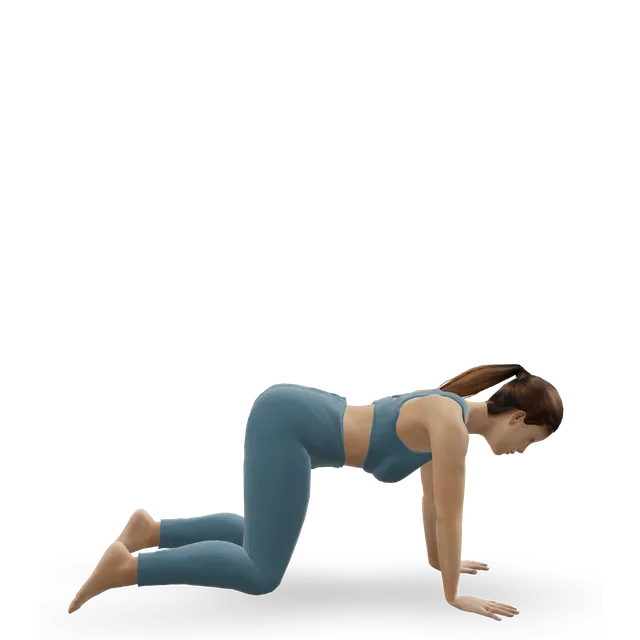
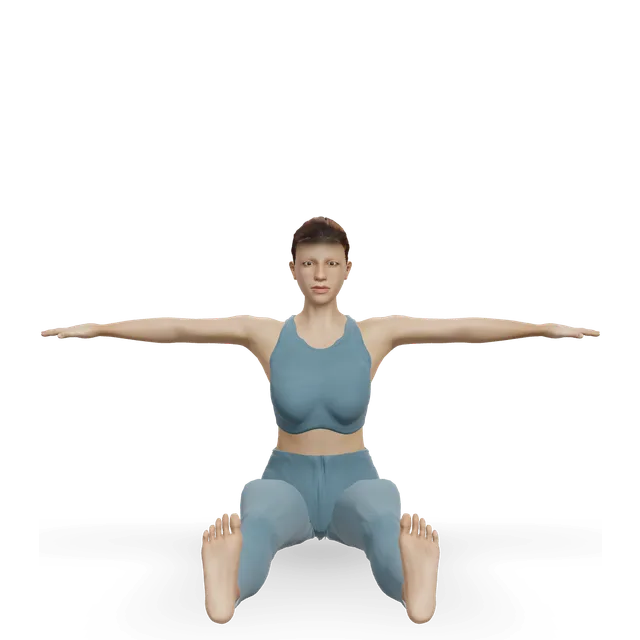
All fours, twists and side bends, small and even

Keep twists and side bends upright and comfortable, and don't force the stiffer side. For older adults, our editorial starting point for the single-leg stand is 3 holds of 20 to 30 seconds on each leg, next to a counter.

Workouts to follow

The Pilates for scoliosis routine is general fitness, done evenly on both sides, not a treatment for the curve. With a brace, after surgery or with a curve your team is watching, follow their advice first.

A weekly plan

Four weeks of beginner Pilates: three short sessions a week, with easy walks in between. Do one-sided moves evenly.

When to get checked

See a GP

See a GP if:

  • you think you or your child has scoliosis: uneven shoulders, a shoulder or hip sticking out, leaning to one side, ribs sticking out on one side, or clothes not fitting well
  • an adult's curve seems to be getting worse: scoliosis "tends to stay the same after you stop growing", the NHS says, so see a GP if it gets any worse
  • your back has changed shape, or back pain isn't improving after a few weeks, is worse at night or comes with weight loss you can't explain

Sources 3, 28

Get a child or teenager seen promptly

Teenagers with idiopathic scoliosis typically have no pain or nerve problems, so back pain, numbness, tingling or weakness in a teenager with scoliosis needs checking for another cause. Doctors usually order an MRI (magnetic resonance imaging) scan for significant pain, nerve signs or an unusual curve. Our scoliosis guide lists the signs to look out for.

Source 13

Call 999 or go to A&E

Call 999 (911 in the US) or go to A&E if you have back pain with any of these. Don't drive yourself.

  • pain, tingling, weakness or numbness in both legs
  • a loss of feeling around your genitals or anus
  • changes in your bladder or bowels, such as difficulty peeing, or peeing or pooing yourself
  • changes in how your penis or vagina feels during sex, not being able to get or keep an erection, or not being able to orgasm

Source 28

During Pilates

"If something hurts then stop", the charity says. Stop any move that brings on leg pain, numbness or tingling, and get it checked if it doesn't settle.

Source 1

Myths

"Pilates straightens a scoliosis curve"Strong evidence

Scoliosis Support & Research says Pilates won't reduce a curve or slow its growth, and the Scoliosis Research Society says curves can't be reversed without surgery. The Pilates trials are few and small, and in the only head-to-head trial, Schroth reduced the curve more.

Sources 1, 2, 5, 7

"Bad posture or the wrong exercise caused it"Strong evidence

Idiopathic scoliosis "is not thought to be linked to things such as bad posture, exercise or diet", the NHS says.

Source 3

"People with scoliosis should avoid Pilates"Strong evidence

The NHS says general exercise shouldn't be avoided unless your doctor advises it, and the Scoliosis Research Society encourages sport, even in a brace. SOSORT recommends carrying on with sport and PE.

Sources 3, 2, 11

"Pilates can replace a brace"Strong evidence

In growing teenagers with moderate curves, a brace has the best evidence. A night brace did better than activity alone, and exercise designed for scoliosis didn't clearly beat activity alone.

Sources 9, 10, 8

"Working one side harder will even out the curve"Mixed evidence

The one simple one-sided exercise tested didn't change curves in a trial, and its originator says it can make upper-back curves worse. Do one-sided moves evenly unless a scoliosis-trained physiotherapist has prescribed something else.

Sources 32, 33

"Schroth Pilates is a proven treatment"Mixed evidence

Schroth is a method designed for scoliosis and taught one to one. Programmes that combine Schroth and Pilates have been tested only without a comparison group, and trials comparing or combining them are still running.

Sources 11, 23, 24, 25

Questions people ask

Is Pilates good for scoliosis?

It's good exercise for people with scoliosis, but not a treatment for the curve. The UK charity Scoliosis Support & Research says Pilates can help posture, muscle tone, balance, joint mobility and back pain, but won't reduce or slow the growth of a curve. The trials of Pilates in scoliosis are few, small and low quality.

Can Pilates fix or straighten scoliosis?

No. The Scoliosis Research Society says curves can't be reversed without surgery, and the Pilates trials that reported smaller curves were small and of low quality. In the only head-to-head trial, Schroth reduced the curve more than Pilates.

Is Pilates safe with scoliosis?

Yes, for most people. The NHS says general exercise shouldn't be avoided unless your doctor advises it, and the scoliosis charity lists Pilates among good exercise for the back. Don't push too hard, stop if something hurts, and check with your specialist or GP if you're unsure.

What Pilates exercises should I avoid with scoliosis?

No study has tested this, so this is our suggestion: leave out the rolling moves and those that put weight on your neck, such as rolling like a ball, the roll-over and the jack knife. Keep twists and side bends small and comfortable, and do every one-sided move evenly on both sides. If a specialist has given you limits, follow them.

Is Schroth better than Pilates for scoliosis?

For the curve, it may be. One small trial in 24 girls found the curve fell more with 12 weeks of Schroth than with Pilates, though the evidence is very low certainty. Schroth is designed for scoliosis and taught one to one by trained therapists; Pilates is general fitness, and many Schroth therapists use both.

Is reformer Pilates good for scoliosis?

We found no trial of reformer Pilates for scoliosis, so the same principles apply as on the mat: even work on both sides, comfortable twists and side bends, and no rolling or weight on the neck. Choose a qualified teacher and tell them about your curve.

Can my teenager do Pilates with scoliosis or a brace?

Yes, unless the specialist says otherwise: the NHS says children with scoliosis only need to avoid activities a specialist advises against, and the international scoliosis society, SOSORT, recommends carrying on with sport during brace treatment. Pilates doesn't replace a brace or check-ups, which have the strongest evidence.

Can I do Pilates after a spinal fusion?

Usually yes, once your surgical team agrees. Scoliosis Support & Research says regular sport is usually possible 3 to 6 months after surgery, with sports that jar or jolt the back avoided for a year or more. The fused section won't bend, so move from your hips and don't force it.

Does Pilates help scoliosis pain?

It may. In a small trial of 34 young people with scoliosis, 16 Pilates sessions eased pain more than no exercise, though the curve and quality of life didn't change. The scoliosis charity says Pilates, yoga and swimming can help with back pain.

Is yoga or Pilates better for scoliosis?

Neither has been shown to change the curve, and we found no trial comparing them for scoliosis. The charity names both, with swimming, as good for keeping the back muscles strong, so choose the one you'll keep doing, and do it evenly on both sides.

Should I work my weaker side more?

Not unless a scoliosis-trained physiotherapist has prescribed it for your curve. The one simple one-sided exercise tested didn't change curves in a trial, and its originator says it can make upper-back curves worse.

Is Pilates good for scoliosis in adults?

Yes, as exercise for pain, strength and balance. The NHS says activities that strengthen and stretch your back may help reduce pain, though physiotherapy exercises are unlikely to change the curve. See a GP if your curve or posture changes.


Sources

  1. Scoliosis Support & Research · Therapies for scoliosis, including Pilates and Schroth (modified February 2025)
  2. Scoliosis Research Society · Living with scoliosis
  3. NHS · Scoliosis
  4. NHS · Scoliosis: treatment in children
  5. Gou 2021 · Pilates for scoliosis: 10 small trials (meta-analysis, Medicine)
  6. Kuru Çolak 2023 · Pilates for idiopathic scoliosis (scoping review, Spine Deform)
  7. Kim 2016 · Schroth or Pilates in 24 girls with scoliosis (RCT, J Phys Ther Sci)
  8. Romano 2024 · Therapeutic exercises for idiopathic scoliosis in teenagers: 13 trials (Cochrane review)
  9. Charalampidis 2024 · Night brace or scoliosis-specific exercise in 135 teenagers with moderate curves: the CONTRAIS trial (RCT, JAMA Netw Open)
  10. Weinstein 2013 · Bracing in teenagers with idiopathic scoliosis: the BrAIST study (trial, N Engl J Med)
  11. Negrini 2018 · 2016 SOSORT guidelines on treating idiopathic scoliosis during growth (guideline, Scoliosis Spinal Disord)
  12. Scoliosis Support & Research · Surgery: before and after (modified February 2025)
  13. Scoliosis Research Society · Adolescent idiopathic scoliosis
  14. Scoliosis Support & Research · Adult degenerative scoliosis
  15. Scoliosis Research Society · Observation
  16. Scoliosis Research Society · Bracing
  17. Scoliosis Research Society · Surgery
  18. NHS · Scoliosis: treatment in adults
  19. Polestar Pilates · Pilates, scoliosis and the Schroth method (teacher-training school)
  20. Scoliosis Support & Research · Pain management
  21. Başaran Özden 2023 · Clinical Pilates or no exercise in 34 young people with scoliosis (RCT, J Health Allied Sci NU)
  22. Roque 2024 · Pilates and postural alignment (systematic review and meta-analysis, Musculoskeletal Care)
  23. ClinicalTrials.gov · NCT06689735: Schroth or Pilates in scoliosis (completed June 2025, no results posted)
  24. ClinicalTrials.gov · NCT06224998: Schroth and Pilates in teenagers with scoliosis
  25. ClinicalTrials.gov · NCT07702812: Schroth with or without Pilates in teenagers with scoliosis
  26. Marchese 2023 · How Schroth therapists use Schroth and other methods: survey of 173 therapists (mixed methods study, J Clin Med)
  27. Monticone 2016 · Self-correction, task-oriented exercise and CBT in 130 adults with scoliosis (RCT, Eur Spine J)
  28. NHS · Back pain
  29. Negrini 2022 · Sport and brace results in 785 teenagers with scoliosis (cohort study, Eur Spine J)
  30. Scoliosis Support & Research · Frequently asked questions
  31. Fishman 2014 · The side plank for idiopathic and degenerative scoliosis in 25 people (case series, Glob Adv Health Med)
  32. Sarkisova 2019 · Side plank exercises in 64 teenagers with scoliosis (RCT, Glob Adv Health Med)
  33. Fishman 2021 · Concerns about the side plank trial in scoliosis (letter, Glob Adv Health Med)

Exercise education, not a personal prescription, and clinical review of these guides is pending. If you are pregnant, have a health condition or have had recent surgery, check with a doctor, midwife or physiotherapist before starting, and stop for sharp or increasing pain. Health disclaimer.