Pilates
Pilates for posture: upper back, shoulders and neck
The order follows the basic principles of one Pilates teacher-training school, STOTT PILATES: breathing and rib position first, then shoulder-blade control and head position. The main blocks are the back-strengthening and shoulder-blade work used in posture trials, from face-down lifts to the knee hover, followed by upper-back mobility and a chest stretch. In trials, exercise like this changed posture by a few degrees at most, so do it for strength and comfort rather than to reach a perfect shape. There's no rounding under load, so it suits people with osteoporosis too. Keep every move pain-free, and stop if you get pins and needles in your arms.
Breathe and set up
- Lateral breathing (Pilates breathing)5 to 8 breathsBeginner · Abs · 3D demoLying on your back, knees bent: feel your ribs widen into your hands, then soften down as you breathe outHarder: Roll-up (Pilates)

Head and shoulder blades
- Chin tuck8 slow reps, 3 to 5 s holdBeginner · Neck · 3D demoSitting or standing tall: slide your head straight back, as if making a double chinEasier: Lying chin tuckHarder: Isometric neck holds (four-way)
- Wall angel8 slow repsBeginner · Back, Shoulders · 3D demoBack of your head, upper back and hips near the wall; slide your arms only as high as you can keep contactEasier: Table slide (seated forward reach)Harder: Prone Y-T-W raises


Face down: back strength
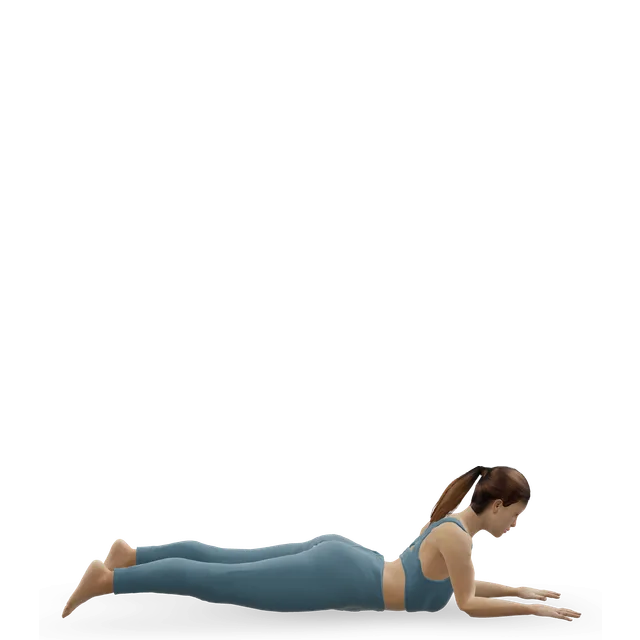
- Swan (Pilates swan dive)5 to 6 repsIntermediate · Back, Glutes, Triceps · 3D demoA small lift of the chest, shoulder blades drawing down your backEasier: Mermaid (Pilates seated side bend)Harder: Double-leg kick (Pilates double kick)
- Single-leg kick (Pilates one leg kick)6 each legBeginner · Hamstrings, Back, Glutes · 3D demoPropped on your forearms, breastbone lifting forwardEasier: Sphinx pose (Salamba Bhujangasana)Harder: Double-leg kick (Pilates double kick)
- Swimming (Pilates)2 sets of 20 to 30 sIntermediate · Back, Glutes, Shoulders · 3D demoLong neck, small quick liftsEasier: Mermaid (Pilates seated side bend)Harder: Leg pull back (Pilates leg pull up)


Trunk
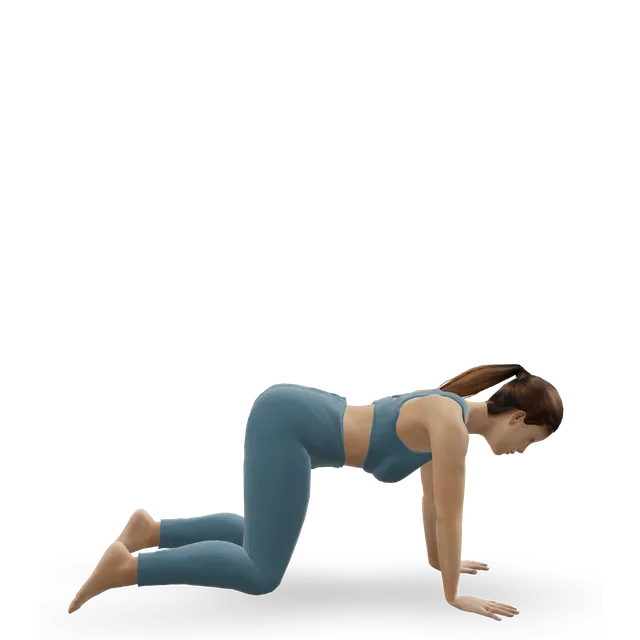
- Knee hover (Pilates tabletop hover)3 holds of 15 to 30 sBeginner · Abs, Shoulders, Quads · 3D demoHands under your shoulders; press the floor away so your shoulder blades sit flatHarder: Straight-arm plank (high plank)
- Bird dog6 each sideBeginner · Back, Abs, Glutes · 3D demoReach long without twistingEasier: Bird dog, one limb at a timeHarder: Bear crawl

Upper-back mobility
- Side-lying open book8 each side, 2 s pauseBeginner · Back, Chest, Shoulders · 3D demoKnees stacked; let the top arm open only as far as is comfortableHarder: Thoracic rotation
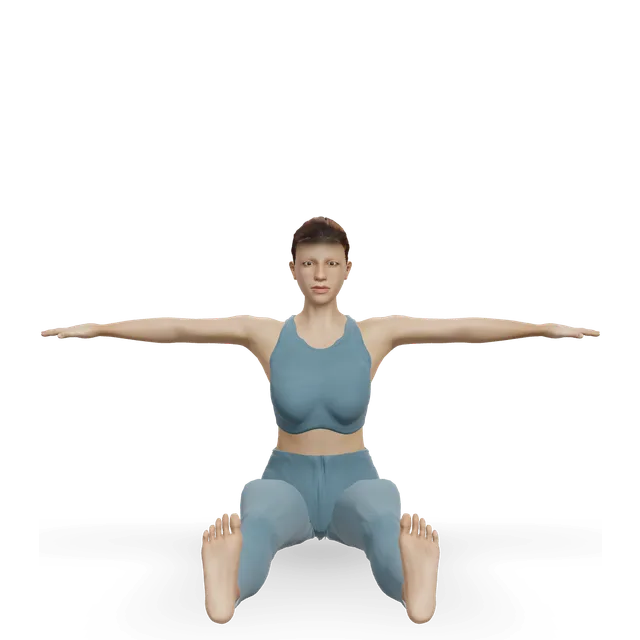
- Mermaid (Pilates seated side bend)3 each direction, each sideBeginner · Back, Abs, Shoulders · 3D demoSit tall on a folded towel or cross-leggedHarder: Side bend (Pilates)
- Spine twist (Pilates)3 to 4 each sideBeginner · Abs, Back, Shoulders · 3D demoSit tall and twist from your ribs, head followingHarder: Saw (Pilates)


Band and stretch
- Band pull-apart2 sets of 12 to 15Intermediate · Shoulders, Back · 3D demoOptional, if you have a band: arms at shoulder height, squeeze your shoulder blades back without shruggingEasier: Prone Y-T-W raisesHarder: Tuck back lever
- Doorway chest opener2 holds of 30 s each sideBeginner · Chest, Shoulders · 3D demoForearm on the door frame; step through gentlyEasier: Elbows backHarder: Fish pose (Matsyasana)


Tips
- Two or three times a week for at least 8 to 12 weeks is what the posture trials used.
- Change position often through the day: physiotherapists say your best posture is your next posture.
- If you have osteoporosis, this routine needs no changes; leave out the spine twist and the mermaid if you've been told your fracture risk is high.
- See a GP if your upper back is becoming more rounded, you've lost height, or you get pins and needles in your arms.
The doses are suggested starting points, not a prescription. Choose a range you can control and stop for sharp or increasing pain, numbness or tingling. Get individual advice after an injury or surgery, or if you are pregnant or managing a health condition.
Guides that recommend it
Find more moves like these
More pilates




Beginner Pilates workout
A 20-minute mat Pilates workout for complete beginners. It covers breathing, spine position and the foundation moves, each with an easier option.
20 minBeginner13 movesNo equipment

10-minute Pilates abs
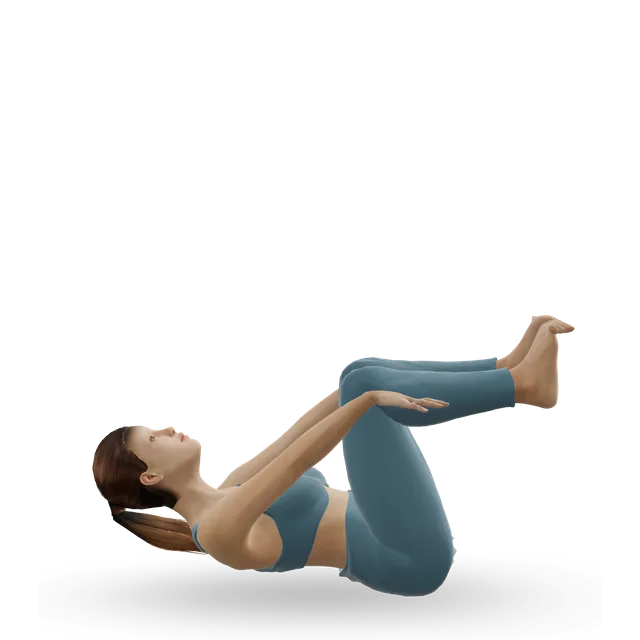
Ten minutes of the classic Pilates abdominal series: the hundred, the roll-up and the series of five, with a plank to finish.
10 minIntermediate11 movesNo equipment
Full-body mat Pilates workout
A 30-minute intermediate mat Pilates class that follows the classical order, from the hundred to the push-up, with prep versions of the hardest moves.
30 minIntermediate22 movesNo equipmentQuestions people ask
How long does the pilates for posture: upper back, shoulders and neck take?
About 20 minutes, including any warm-up and cool-down listed. Shorten it by doing fewer rounds; lengthen it by adding one.
What equipment do I need?
You need: A wall, A band. Each move links to its guide, where you can find an alternative if you are missing something.
Is it suitable for beginners?
It is written for beginners. 8 of its 13 moves have an easier option listed beside them if you need one.
How do I make it easier or harder?
Use the easier or harder option listed under each move, change the number of rounds, or adjust the rest. Progress one change at a time.