Keep moving
The NHS says to "start gentle exercise as soon as you can", and that "even if moving hurts, it's not harmful". NICE recommends carrying on with your normal activities.
Pilates guide
Staying active is the best-supported advice for sciatica, pain that runs down the leg from an irritated nerve in the lower back, and Pilates can be a good way to do it once your leg pain allows. The National Institute for Health and Care Excellence (NICE) suggests group exercise for back pain with or without sciatica, and counts Pilates among the kinds it means.
But very few trials have tested Pilates in people with leg pain: two small ones in people with a slipped disc found less pain and disability after 6 to 8 weeks, with no longer follow-up. The key is to let your leg guide you.
This guide covers what NICE, the NHS and the trials say, which Pilates moves to keep and which to change while leg pain is bad, how Pilates fits with walking and nerve glides, the warning signs that need 999, and how to use our gentle Pilates for back pain routine with two swaps.
The NHS says to "start gentle exercise as soon as you can", and that "even if moving hurts, it's not harmful". NICE recommends carrying on with your normal activities.
NICE suggests a group exercise programme for back pain with or without sciatica, and its guideline counts Pilates as "biomechanical" exercise, alongside core stability work.
NICE's evidence review found no trials of mind-body exercise in sciatica, the Cochrane review of Pilates for back pain left out trials that included people with nerve root problems, and only two small trials have tested Pilates in people with a slipped disc.
Structured exercise eased leg pain a little more than advice to stay active in the short term, with no difference later on. Physiotherapy in general hasn't been shown to beat other care, in trials at high or unclear risk of bias.
Keep moves that ease your leg or leave it the same, and make smaller or leave out moves that send pain further down it (our suggestion, following our sciatica guide). In a trial of 181 people with severe sciatica, exercises chosen by how their symptoms responded did better than sham exercises.
Source 9
Call 999 or go to A&E for sciatica in both legs, numbness around your genitals or bottom, or new trouble peeing or pooing. Don't drive yourself.
Source 1
"Sciatica happens when the sciatic nerve, which runs from your lower back to your feet, is irritated or compressed", the NHS says. It usually affects your bottom and the back of one leg, often down to the foot and toes: a sharp or burning pain, pins and needles, numbness or weakness, often worse when you move, sneeze or cough. Back pain is usually milder than the leg pain, and "You probably do not have sciatica if you only have back pain".
Source 1
A slipped disc is the most common cause. Others include spinal stenosis (narrowing of the space the nerves pass through), a vertebra slipping out of place (spondylolisthesis) and back injuries. Sciatica "usually gets better in a few weeks to a few months but can last longer", and it can come back.
Source 1
Doctors test for an irritated nerve root by lifting your straight leg while you lie on your back (the straight-leg raise), or by straightening your knee while you sit slumped (the slump test). In people having surgery for a slipped disc, the straight-leg raise was positive in 92%. Pilates moves that fold forward over straight legs put the nerve in a similar position.
Source 10
In some people, repeating a movement in one direction, often bending back, eases the leg pain or draws it up towards the back (centralisation). About 40% of people with back pain centralise, and about 2 in 3 have a direction of movement that eases their pain. It's a good sign for recovery, though it hasn't been shown to pick out who does better with a matching exercise, and clinicians often disagree about it.
Source 11
NICE recommends advice to help you manage back pain with or without sciatica yourself, including "encouragement to continue with normal activities". It says to "Consider a group exercise programme (biomechanical, aerobic, mind-body or a combination of approaches)" for a flare-up of back pain with or without sciatica, taking your needs and preferences into account. Hands-on treatment, such as manipulation or massage, should only be part of a package that includes exercise.
Source 2
NICE's full guideline defines biomechanical exercise as exercise aimed at improving how the spine moves, including strengthening, stretching and "motor control exercise (including core stability programmes and Pilates)". Its evidence review found "No evidence ... for the use of mind-body exercise in the sciatica population", and inconsistent evidence for mixed exercise programmes in sciatica.
Source 3
For sciatica, the NHS says to carry on with your normal activities as much as possible, try regular exercises, "start gentle exercise as soon as you can" and not to sit or lie down for long periods. For back pain, it says walking, swimming, yoga and Pilates may help, and for a slipped disc, "The type of exercise is not important as long as it does not cause pain or make your back pain worse".
The NHS sciatica page says moving isn't harmful even if it hurts, while the safety notes on NHS exercise videos, including its sciatica and back pain Pilates videos, say to stop if you feel any pain. Our sciatica guide's rule sits between them: moving may hurt, but the pain shouldn't spread down your leg.
NICE found no trials of mind-body exercise in sciatica. The 2015 Cochrane review of Pilates for back pain (10 trials, 510 people) found Pilates eased pain more than minimal care, but it left out trials in which more than 5% of people had nerve root problems, so it says nothing direct about sciatica.
In 54 people aged 30 to 60 with a bulging disc and back and leg pain for at least 6 weeks, physiotherapist-led Pilates 3 times a week for 6 weeks cut a disability score from about 29 to 15, against about 26 to 23 without exercise, and eased pain. People were put into groups in the order they arrived, the groups differed at the start, and nobody was followed up after 6 weeks.
In 45 women with a slipped disc, adding Pilates to water exercise 3 times a week for 8 weeks improved mobility, disability and quality of life more than water exercise alone. Both trials were small and short.
NICE listed one trial of Pilates or stationary cycling in 64 people under back pain with sciatica. Pilates lowered disability more at 8 weeks, but not at 6 months. The trial itself describes long-term back pain without a specific cause, and the Cochrane review, which left out trials with nerve root problems, included it, so it says little about sciatica.
In 5 trials, structured exercise eased leg pain by about 11 points out of 100 more than advice to stay active in the short term (low-quality evidence), with no difference in disability, and no difference in the long term (moderate-quality evidence).
Source 7
A 2023 review of 18 trials (2,699 people) found physiotherapy no better than control treatments for pain or disability, and all the trials were at high or unclear risk of bias. Two 2025 reviews of 40 and 50 trials of non-surgical treatments found the evidence for every treatment was very low confidence.
In a Danish trial of 181 people with pain below the knee, many of whom would usually be offered surgery, exercises chosen by how their symptoms responded did better on most measures than sham exercises, after an average of about 5 sessions. Both groups got information and advice to stay as active as possible "but to reduce activity if leg pain increased".
Source 9
A 2024 review of rehabilitation in the first 3 months after disc surgery found one trial in which adding Pilates to routine care and cognitive behavioural therapy improved function straight after the programme. No studies in the review looked at side effects. Follow your surgical team's timetable; our guide to exercise after back surgery has more.
Source 19
A little discomfort while you move is fine: the NHS says moving isn't harmful even if it hurts. But make a move smaller, or leave it out for now, if it sends pain, tingling or numbness further down your leg, or leaves your leg worse the next day (our suggestion, following our sciatica guide).
Try a gentle back bend, such as the sphinx, and a gentle knee to chest, and keep whichever eases your leg or draws the pain up towards your back. Easing in one direction is a good sign for recovery, though it hasn't been shown to pick out the best exercise.
Source 11
Our suggestion, based on how doctors test for an irritated nerve root: while your leg pain is bad, swap forward folds over straight legs for knees-bent versions. No trial has tested this, and the one Pilates trial in people with a slipped disc used the saw and the spine stretch in its cool-down, with no harm reported. So test each fold on its own, and keep it if your leg doesn't mind.
In a trial of 152 people with long-term back pain, being taught to keep the tummy relaxed and move smoothly during Pilates gave slightly better disability results than being taught to hold the core tight. Breathe and move; you don't need to brace all the time.
Source 20
Our suggestions, from how nerve root irritation is tested and our back pain guide. Bring each move back on its own as your leg settles.
Bend your knees, sit on a block, or leave them out for now:
Source 10
Leave out the roll-over, jack knife, rolling like a ball, open-leg rocker, corkscrew, neck pull, boomerang, control balance, crab and rocking. For the roll-up, use the half roll back if rounding doesn't spread your leg pain. The NHS says the type of exercise matters less than whether it causes pain or makes it worse.
Source 13
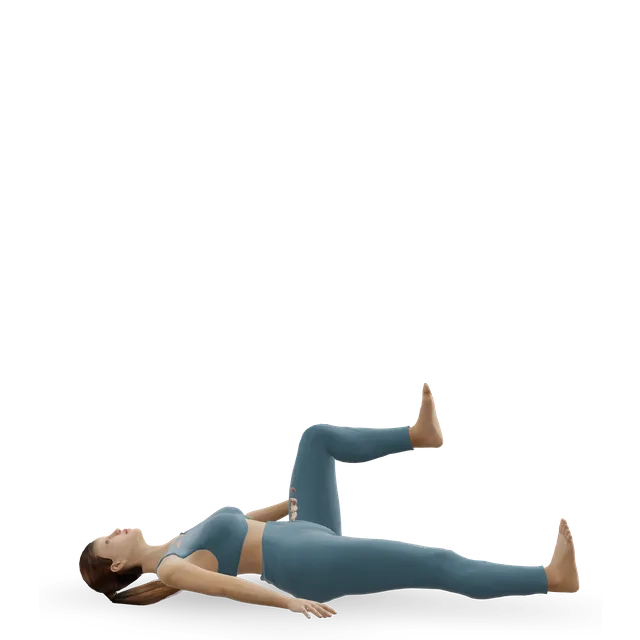
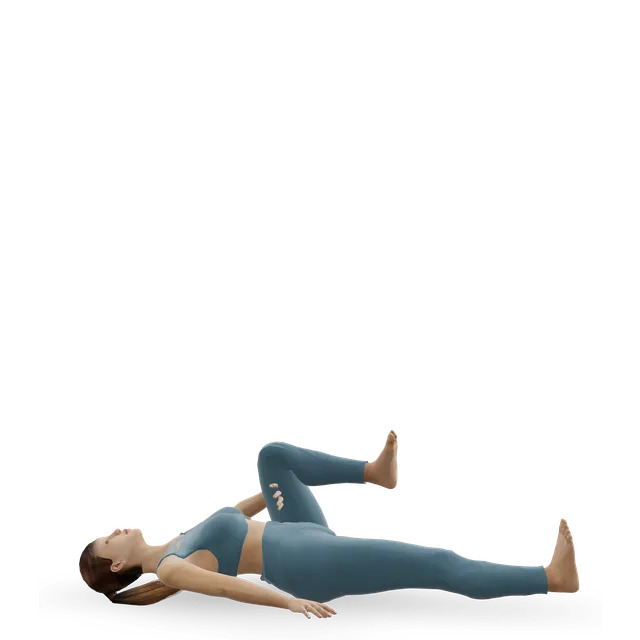
Do the hundred and the double leg stretch with your knees bent and your head down, or use the knee fold and dead bug heel taps instead.
Source 20
Bend the other knee and keep the circles small, or leave them out if they pull down your leg.
Source 10
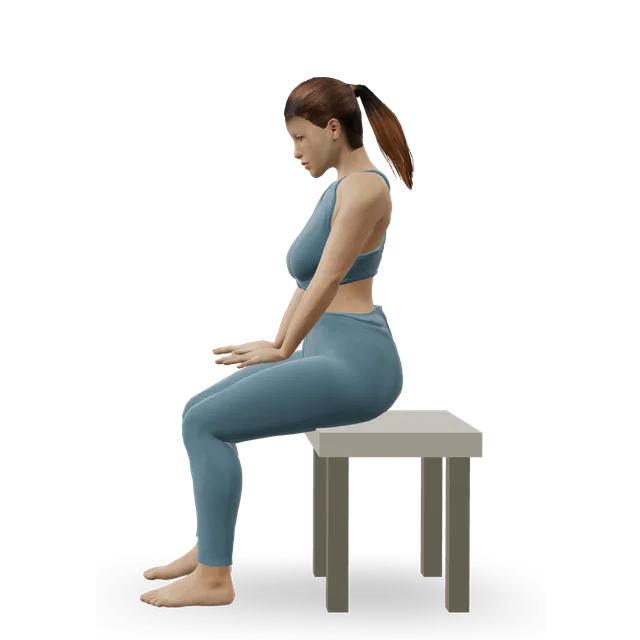
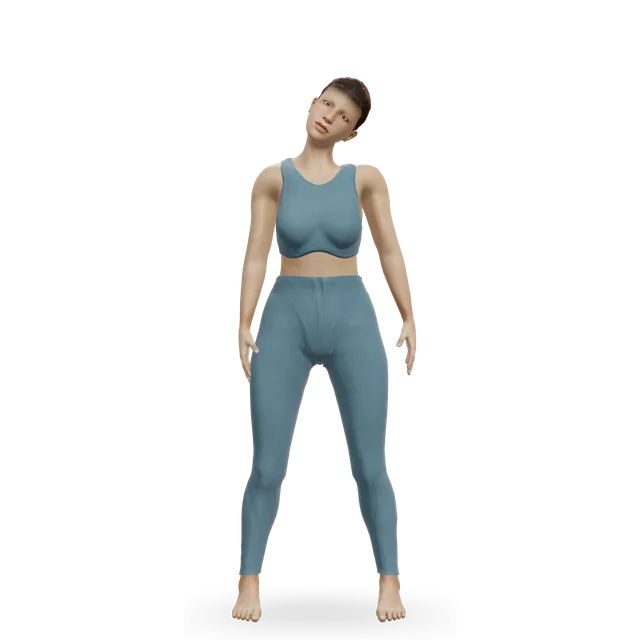
Keep moving: short walks of 5 to 15 minutes several times a day, and the lying or seated nerve slider, 10 slow repetitions 2 to 3 times a day, the move page's dose from an NHS service. Our sciatica guide sets these out in stages.
Source 1
The Pilates trial in slipped discs used physiotherapist-led sessions of 45 to 60 minutes, 3 times a week for 6 weeks, starting with a one-to-one session. Our editorial starting point: the 15-minute Pilates for back pain routine 2 or 3 times a week, with the swaps above, once walking doesn't spread your leg pain.
Source 5
NICE suggests group exercise, and a physiotherapist-led (clinical) Pilates class is closest to the trial. Tell the teacher about your sciatica, and ask for knees-bent versions while your leg is sore.
Walking and gentle nerve sliders come first. With the sliders, a gentle pull is fine, pain is not, and you never hold the end position.
Keep whichever eases your leg or keeps it the same, and stop any that make the pain spread.
Use these once walking doesn't spread your leg pain. Keep the side kick and the swan small, and drop any move that sends pain down your leg.
 3D demoLateral breathing (Pilates breathing)Beginner · No equipment
 3D demoPelvic tilt into bridgeBeginner · No equipment
 3D demoSupine heel slideBeginner · No equipment
 3D demoKnee foldBeginner · No equipment
 3D demoDead bug heel tapsBeginner · No equipment
 3D demoClamshellBeginner · No equipment
 3D demoSide kick (Pilates side kick series)Beginner · No equipment
 3D demoBird dog, one limb at a timeBeginner · No equipment
 3D demoBird dogBeginner · No equipment
 3D demoSwan (Pilates swan dive)Intermediate · No equipment
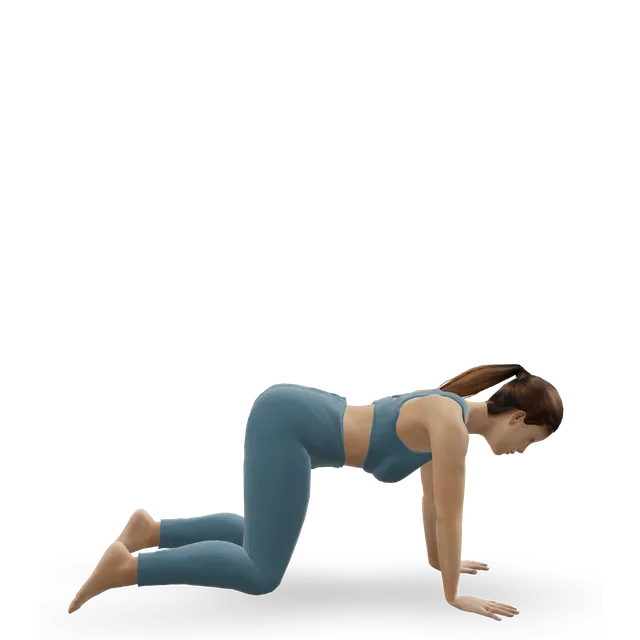 3D demoKnee hover (Pilates tabletop hover)Beginner · No equipment
Use the Pilates for back pain routine with two swaps while your leg is sore (our suggestion): do the single-leg circle with the other knee bent and small circles, or leave it out, and leave out the segmental roll-down if bending forward brings on leg pain. Keep any stretch in the other routines only if it eases your leg.
A gentle 15-minute Pilates-based routine for ongoing low back pain, built from neutral-spine moves with options for backs that dislike bending or arching.
15 minBeginner10 movesNo equipmentSeven gentle stretches and mobility moves for a stiff lower back, done lying and kneeling.
12 minBeginner7 movesA wallA 15-minute routine that moves your neck, upper back and lower back through bending, arching, side bending and twisting, then holds the spine steady.
15 minBeginner12 movesNo equipmentThe NHS says to go to A&E or call 999 (911 in the US) if you:
These can be signs of a serious back problem, cauda equina syndrome, which needs treating in hospital as soon as possible. "Do not drive to A&E. Ask someone to drive you or call 999 and ask for an ambulance."
Source 1
If you have back pain and feel hot, cold, shivery or generally unwell, or the pain is severe and started suddenly or is getting worse quickly. Our sciatica guide lists other same-day signs, such as a foot that drags or slaps down as you walk.
Source 12
If your sciatica hasn't improved after a few weeks of looking after it at home, is getting worse, or is stopping you doing your normal activities. In many areas you can refer yourself to NHS physiotherapy for back problems.
Source 1
The evidence in sciatica is thin: NICE found no trials of mind-body exercise in sciatica, the Cochrane Pilates review left out people with nerve root problems, and the two small Pilates trials in slipped discs had no long-term follow-up. Most sciatica gets better in a few weeks to a few months.
The NHS says not to sit or lie down for long periods, because "even if moving hurts, it's not harmful and can help you get better faster". NICE advises carrying on with normal activities.
No trial shows that a particular move harms sciatica, and the one Pilates trial in slipped discs used forward bends in its warm-up and cool-down. What helps is choosing moves by how your leg responds.
In a trial of 152 people with back pain, Pilates with a relaxed tummy did slightly better for disability than Pilates with the core held tight.
Source 20
Straight-leg positions put an irritated nerve root on stretch, which is how doctors test for it. The nerve sliders in our sciatica guide move the nerve gently without holding a stretch.
Source 10
It can be a good way to stay active once your leg pain allows, but the evidence in sciatica is thin. NICE suggests group exercise for back pain with or without sciatica and counts Pilates among the kinds it means, but only two small trials have tested Pilates in people with a slipped disc and leg pain.
Some moves can irritate a sore nerve, especially forward folds over straight legs, which stretch the nerve the way doctors test for it. If a move sends pain further down your leg, make it smaller or leave it out for now, and see a GP if your sciatica is getting worse.
No trial shows that a particular move harms sciatica, so this is our suggestion rather than a ban. While leg pain is bad, swap the roll-up, spine stretch, saw, straight-leg stretches, teaser and rolling moves for knees-bent, head-down versions, and bring them back one at a time as your leg settles.
Start with walking, gentle nerve sliders and positions that ease your leg: the NHS says to start gentle exercise as soon as you can, and that moving isn't harmful even if it hurts. Add gentle Pilates once walking doesn't spread the leg pain.
Moves that keep your knees bent and your spine still: the bridge, heel slides, knee folds, clamshells, small side kicks and the bird dog, plus whichever of the sphinx or a knee to chest eases your leg. Our Pilates for back pain routine puts most of them in order.
The same rule applies as on the mat: knees-bent work with a still spine is usually fine, and straight-legged folds or heavy rounding may need changing while your leg is sore. Tell the teacher about your sciatica; a physiotherapist-led class is closest to the trials.
Neither has been shown to be better: NICE found no trials of yoga-type exercise in sciatica, and we found no trial comparing the two. Choose the one whose moves you can do without your leg pain spreading.
The NHS recommends gentle exercise and regular exercises for sciatica, and says walking, swimming, yoga and Pilates may help back pain. NICE suggests group exercise programmes, which include Pilates, for back pain with or without sciatica.
In a trial of 54 people with a bulging disc and back and leg pain, 6 weeks of physiotherapist-led Pilates reduced disability more than no exercise, and in 45 women, adding Pilates to water exercise helped more than water exercise alone. Both trials were small and short.
We found no trial of Pilates for piriformis syndrome. The same principles apply: hip strength, gentle movement and nothing that spreads leg pain. Our piriformis syndrome guide covers the condition.
In the main trial, the benefits showed after 6 weeks of 3 sessions a week. Sciatica itself usually gets better in a few weeks to a few months, so Pilates is one part of recovery, not a quick fix.
See a GP if it hasn't improved after a few weeks, is getting worse or is stopping your normal activities. Call 999 or go to A&E for sciatica in both legs, severe or worsening weakness or numbness in both legs, numbness around your genitals or bottom, or new problems peeing or pooing.
Exercise education, not a personal prescription, and clinical review of these guides is pending. If you are pregnant, have a health condition or have had recent surgery, check with a doctor, midwife or physiotherapist before starting, and stop for sharp or increasing pain. Health disclaimer.