Pilates guide

Pilates for back pain: what the research shows, and how to start safely

Pilates is one of the better-studied ways to exercise with back pain that has lasted 3 months or more. In a Cochrane review of 10 trials, it eased pain and disability more than doing little, by about as much as exercise in general does. It isn't clearly better than other exercise, so the best choice is the one you'll keep doing.

The evidence is thinner for back pain that has just started, sciatica, slipped discs and spinal stenosis, and this guide says plainly where trials are missing.

It covers what the trials found, how often to go, whether to see a physiotherapist or join a class, which moves to start with and which to leave until later, and the warning signs that need a doctor first. For a routine to follow today, try our 15-minute Pilates for back pain workout.

The short version

It helps long-lasting back pain more than doing little

In a Cochrane review of 10 trials (510 adults whose back pain had lasted 3 months or more), Pilates eased pain by about 14 points on a 0 to 100 scale in the short term and about 10 points at 3 to 12 months, and eased disability too, compared with minimal care such as advice. Exercise in general does about as well.

Sources 1, 2

It isn't clearly better than other exercise

Compared head-to-head with other exercise, Pilates gave similar results. NICE (the National Institute for Health and Care Excellence) and the World Health Organization (WHO) found no type of exercise clearly better than another, so choose the one you'll keep doing.

Sources 1, 3, 4, 5

Twice a week is a good start

In a 6-week trial of 296 adults, Pilates twice a week helped more than once a week, and three times a week wasn't clearly better than twice. Give it at least 6 weeks: programmes that add up to 20 hours or more tend to do better.

Sources 6, 7, 5

Back pain that has just started: keep moving first

The Cochrane review found no Pilates trials in back pain that had just started, and exercise of any kind made little difference in the first weeks. Stay active and carry on with daily life; a class can wait until you move more freely.

Sources 1, 8, 9

Sciatica, slipped discs and stenosis: little direct evidence

Two small trials in people with a slipped disc found Pilates helped. We found no trials of Pilates for spinal stenosis (a search of Europe PMC, October 2026). Let your symptoms guide which moves you use.

Sources 10, 11, 12, 13

Some back pain needs a doctor first

Numbness around your genitals or bottom, new problems peeing or pooing, or weakness or numbness in both legs need urgent help, not a class. The full list is further down this page.

Source 9

What Pilates for back pain means

What the trials tested

The trials used supervised sessions of about an hour, taught by physiotherapists or instructors trained in Pilates, on a mat or on equipment such as the reformer, the Cadillac and the chair. Programmes averaged about 15 sessions, from daily to 3 times a week, over 10 days to 3 months.

In the largest trial of how often to go, physiotherapists certified in Pilates ran the sessions, with an average of 7.5 years' experience.

Sources 1, 14

Clinical Pilates and studio classes

Clinical Pilates is Pilates-based exercise chosen and supervised by a physiotherapist after an assessment, often built around the movements that ease your pain. A review describes it as a mix of Pilates and the McKenzie method, which is a theory rather than a tested claim.

A studio or gym class is usually a group mat or reformer class led by a Pilates instructor. Thirty Australian physiotherapists suggested supervised sessions of 30 to 60 minutes, twice a week for 3 to 6 months, for long-lasting back pain: an expert view, not a trial result.

Sources 15, 16, 17

Which back pain the trials studied

Almost all trials studied non-specific low back pain: pain with no specific cause, such as a fracture, an infection or a trapped nerve, found. Long-lasting (chronic) means 12 weeks or more. Most new back pain "often improves on its own within a few weeks", the NHS says.

Sources 1, 2, 9

Why it might help

Nobody knows exactly why it helps. Breathing is the only traditional Pilates principle that back pain trials mention, and some of the benefit may come from the attention and expectation that go with any supervised programme, as the authors of the largest trial and NICE's committee both noted. That it works by fixing a weak core or correcting posture hasn't been shown.

Sources 18, 6, 4

What the evidence says

Better than doing littleStrong evidence

In the Cochrane review (10 trials, 510 adults, 7 trials at low risk of bias), Pilates reduced pain by about 14 points out of 100 in the short term (low-certainty evidence) and about 10.5 points at 3 to 12 months (moderate certainty, 2 trials), and disability by about 8 and 11 points, compared with minimal care. An earlier review of 14 trials found an advantage over usual care at 4 to 15 weeks but not at 24 weeks, and a 2024 review of 36 studies agreed on the direction.

For scale, across 249 trials, exercise of any kind reduced long-lasting back pain by about 15 points out of 100, the size its authors count as clinically important. The grade reflects how consistently the reviews agree; each rated its certainty low to moderate.

Sources 1, 19, 20, 2

Better than other exercise? Not clearlyMixed evidence

Head-to-head, Pilates and other exercise gave similar results for disability (moderate certainty) and mixed results for pain. A 2023 review of 11 trials found a small edge for Pilates over general exercise for pain, at low certainty, and no difference from stabilising exercise.

Network meta-analyses, which rank many types of exercise at once, put Pilates at or near the top: first for pain in a review of 89 studies, and among the most effective in reviews of 82, 118 and 217 trials. Another ranked tai chi first. All rated their certainty low or very low, and a ranking is the chance of coming first, not the size of the benefit.

The 89-study review (Owen 2020) received an expression of concern from its journal after comments from other researchers. The editors withdrew it on 27 July 2020, saying the paper needed no changes and that they had "full confidence in the findings".

Sources 1, 3, 21, 22, 23, 7, 24, 25

Guidelines recommend exercise, not Pilates in particularStrong evidence

NICE says to "consider a group exercise programme (biomechanical, aerobic, mind-body or a combination of approaches)" for a flare-up of low back pain, with or without sciatica, taking your needs and preferences into account. Its evidence review counts Pilates as biomechanical exercise, and NICE left this advice unchanged when it updated the guideline in July 2026.

The WHO says a structured exercise programme may be offered to adults, including older people, with long-lasting low back pain (a conditional recommendation, on low-certainty evidence), and found too little evidence to say one type beats another. A US physiotherapy guideline names Pilates among the active treatments to use, and the American College of Physicians recommends exercise for long-lasting back pain. The NHS says "Activities like walking, swimming, yoga and pilates may also help ease back pain".

Sources 26, 4, 5, 27, 28, 9, 29

A fuller Cochrane comparison is on the way

Cochrane published the plan for a network meta-analysis of exercise types, including Pilates, in June 2023. It has no results yet, so the rankings above may change.

Source 30

Side effects are uncommon and minorEmerging evidence

Only 2 of the 10 Pilates trials in the Cochrane review checked for side effects: one found none and the other only minor ones. Across exercise trials for back pain, side effects were mostly minor, such as muscle soreness, and NICE found no evidence of harm.

Sources 1, 2, 4

How often, and for how long

Twice a week beat once a weekEmerging evidence

In a trial of 296 adults with long-lasting back pain, everyone got an advice booklet, and three groups also did Pilates once, twice or 3 times a week for 6 weeks. All three Pilates groups improved more than the booklet group. Twice a week helped pain and disability more than once a week. Three times a week wasn't clearly better than twice in the reported 6-week results, though it was the option most likely to be cost-effective.

The authors noted that some of the effect may have come from extra attention or expectation.

Source 6

More sessions didn't speed things upEmerging evidence

In the same trial, daily pain ratings showed people improved at the same speed whether they went once, twice or 3 times a week.

Source 14

Session and programme length

In a network meta-analysis of 118 trials, the most helpful programmes had at least 1 to 2 sessions a week of Pilates or strength exercise, sessions under an hour (for core, strength or mind-body exercise) and 3 to 9 weeks of Pilates or core exercise. The WHO notes that supervised, tailored programmes adding up to at least 20 hours tend to do better, and an expert panel suggested 30 to 60 minutes twice a week for 3 to 6 months.

Sources 7, 5, 17

Our editorial starting point

Two sessions a week of 30 to 60 minutes, for at least 6 weeks. Think in months: 20 hours is, for example, two 1-hour sessions a week for 10 weeks. Add a short home routine on other days if you like, and keep going once you feel better: in older trials, the advantage over usual care had faded by 24 weeks.

Sources 6, 5, 19

Physiotherapist, class, mat or reformer?

Clinical Pilates did no better than general exerciseEmerging evidence

In a trial of 87 adults with back pain for 3 months or more, both groups had 60-minute sessions with a physiotherapist twice a week for 6 weeks, plus home exercise. The clinical Pilates group got a programme tailored after an examination. Both groups improved, with no difference between them at 6, 12 or 24 weeks.

Source 15

Mat and equipment eased pain equallyMixed evidence

In a trial of 86 adults, 12 sessions over 6 weeks of mat or equipment Pilates eased pain equally. At 6 months, equipment Pilates was slightly better for disability and fear of movement. It is one small trial; our reformer guide compares the two in more detail.

Source 31

Supervised Pilates beat home exercise, but not by muchEmerging evidence

In 145 adults, twice-weekly supervised mat Pilates for 6 weeks eased pain and disability more than home exercise straight afterwards, but by amounts the authors judged too small to matter, and by 6 months only quality of life still differed. In 66 people whose pain had lasted more than a few weeks but less than 3 months, supervised Pilates beat a home programme.

Sources 32, 33

We found no trial of physiotherapists against instructors

We found no trial comparing physiotherapist-led Pilates with instructor-led classes (a search of Europe PMC, October 2026). The trials used physiotherapists or instructors trained in Pilates.

Sources 34, 1

Who should see a physiotherapist first

Our suggestion: see a physiotherapist before a general class if you have leg pain, numbness or weakness, a diagnosed spondylolisthesis or an unstable spine, a recent spinal fracture or surgery, or pain that isn't improving after several weeks. Australian physiotherapists agreed that people with an unstable spondylolisthesis or a fracture may not benefit from Pilates. In many areas of the UK you can refer yourself to NHS physiotherapy without seeing a GP.

Sources 35, 9

Sciatica, slipped discs, spinal stenosis and spondylolisthesis

Our pain guides explain each condition; this section covers what is known about Pilates for each.

SciaticaMixed evidence

NICE's group exercise advice covers back pain with or without sciatica, but its evidence review found no evidence on mind-body exercise in sciatica and mixed results for other exercise. The NHS says to "start gentle exercise as soon as you can" and not to sit or lie down for long periods, because moving isn't harmful even if it hurts. If a move sends pain further down your leg, leave it out.

Sources 26, 4, 36

Slipped (herniated) discMixed evidence

Two small trials found benefits. In 54 people with a slipped disc in the lower back, clinical Pilates 3 times a week for 6 weeks eased pain and disability more than no exercise, though side effects weren't recorded and nobody was followed up beyond 6 weeks. In 45 women, adding Pilates to water exercise improved mobility, disability and quality of life more than water exercise alone.

The NHS says "The type of exercise is not important as long as it does not cause pain or make your back pain worse".

Sources 10, 11, 13

Spinal stenosisMixed evidence

We found no trials of Pilates for spinal stenosis, a narrowing of the spaces the nerves run through in the lower back (a search of Europe PMC, October 2026). Our spinal stenosis guide covers the exercise that has been tested. If arching your back brings on leg symptoms, skip the arching moves.

Source 12

SpondylolisthesisMixed evidence

Spondylolisthesis is where a bone in the spine slips forward. The only Pilates study we found was a report on one patient. Australian physiotherapists agreed that people with an unstable slip may not benefit from Pilates. The NHS advises avoiding activities that make symptoms worse, such as bending, lifting, athletics and gymnastics, and physiotherapy to strengthen and stretch the muscles of the lower back, tummy and legs.

Its pain is often eased by sitting or bending forward, so test backbends such as the swan carefully, or skip them (our suggestion).

Sources 37, 12, 35, 38

Let your symptoms choose the direction

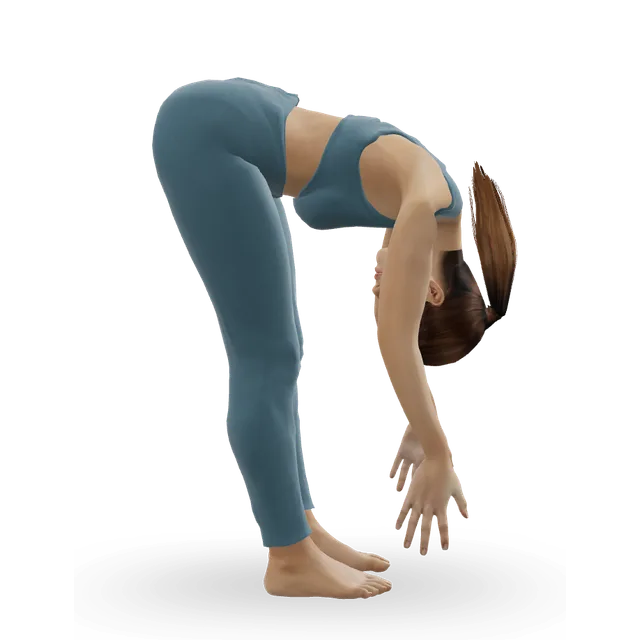
Moves that round your back (the chest lift, spine stretch and roll-downs) and moves that arch it (the swan, swimming and sphinx) suit different backs. If one direction brings on leg pain, or makes it spread further down the leg, leave those moves out and keep the neutral ones. No Pilates move has been shown to harm these conditions, and none has been shown to fix them.

Sources 13, 38

Neck pain

Better than doing nothingEmerging evidence

In a 2025 review of 8 trials (439 people with long-lasting neck pain), Pilates eased pain and disability more than no exercise, at very low to moderate certainty. A network meta-analysis of 40 trials found yoga, Pilates, tai chi and qigong together helped about as much as motor control and strengthening exercise, on very low quality evidence. In one trial of 64 people, Pilates twice a week for 12 weeks, with usual medication, eased pain and cut painkiller use more than medication alone.

Sources 39, 40, 41

Not better than other exerciseMixed evidence

Compared with other exercise, Pilates eased neck pain slightly less straight after treatment, at low certainty, with no difference in disability. Another review of 5 trials found it no better than other treatments. Choose what you'll keep doing.

Sources 39, 42, 40

Spare your neck

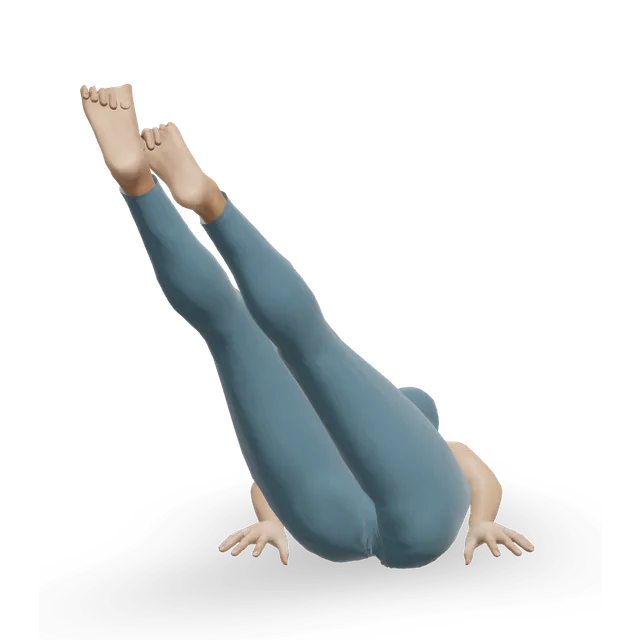
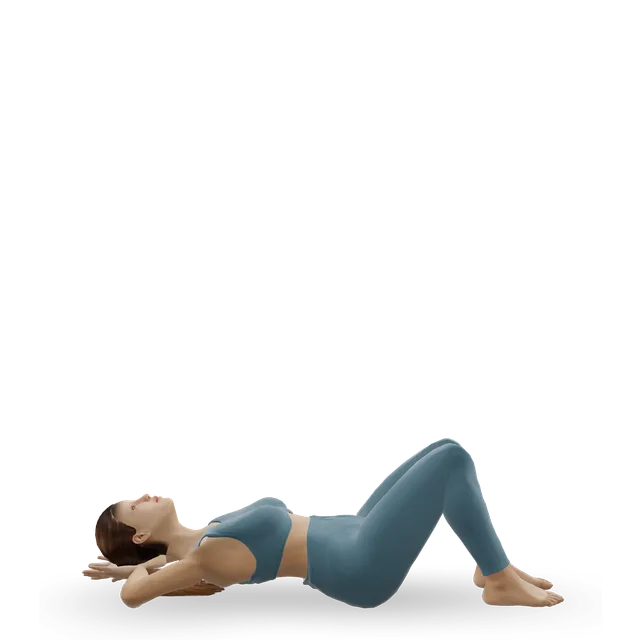
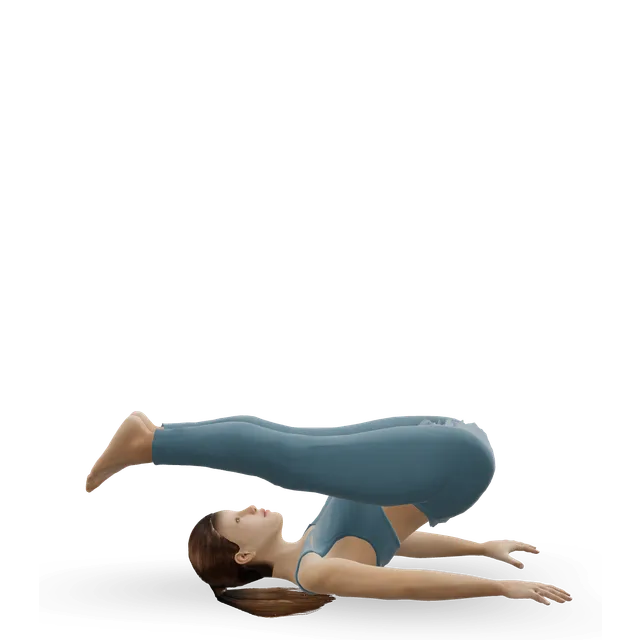
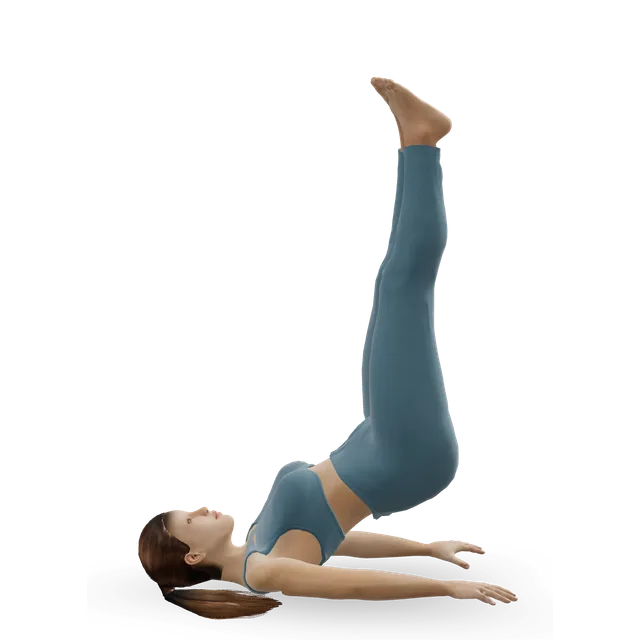
Leave out moves that put weight on your neck, such as the roll-over, jack knife and control balance, while you have neck pain or tingling in an arm. In curl-ups, let your hands carry your head, and rest it between repetitions. Most new neck problems start to settle within 8 weeks, according to NHS inform.

Sources 43, 44

Moves to start with

Neutral-spine moves with your back supported. Start with 5 to 10 slow repetitions of each, or the dose on each move's page (our editorial starting point), twice a week, and stop any move that sends pain down a leg.

Moves to add when those feel easy

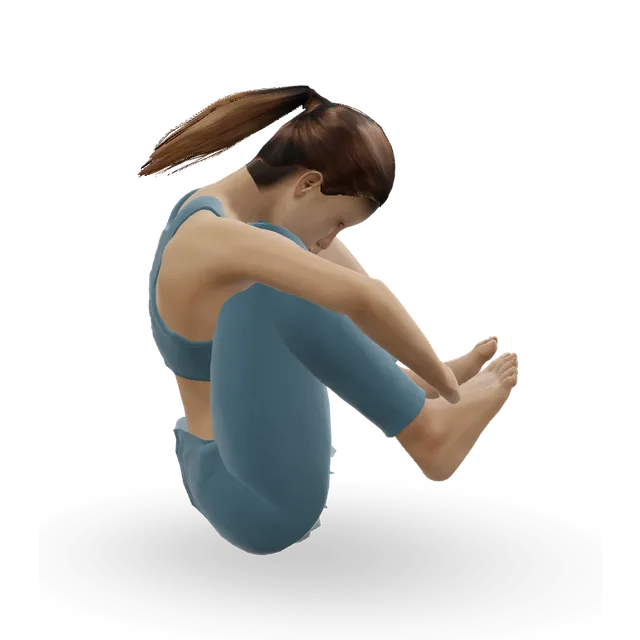
Moves that round the back (chest lift, hundred, spine stretch, roll-downs) and moves that arch it (swimming, swan, sphinx) suit different backs: keep the ones that feel fine and leave out any that bring on or spread leg symptoms.

Moves to leave until your back has settled

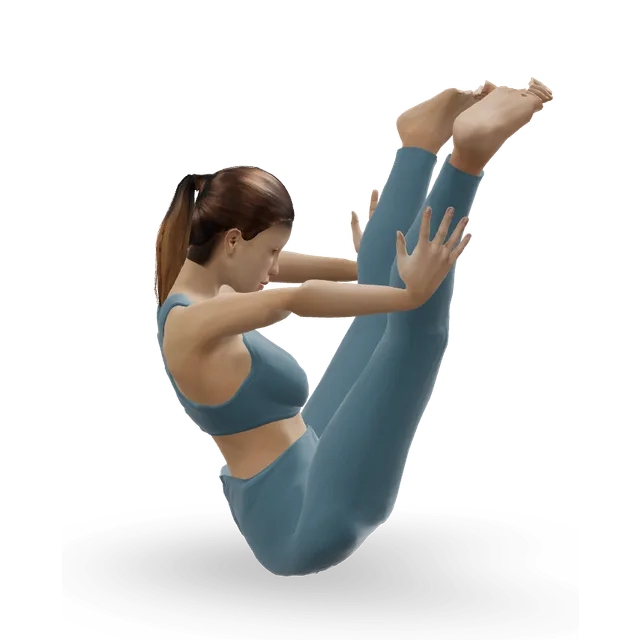
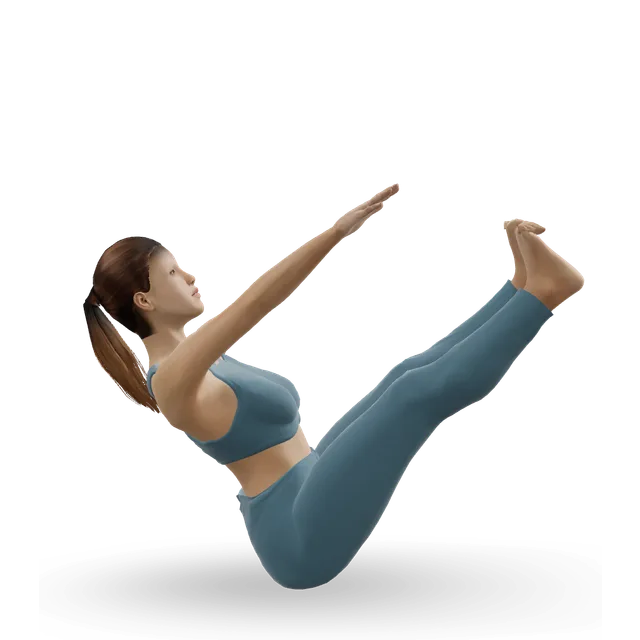
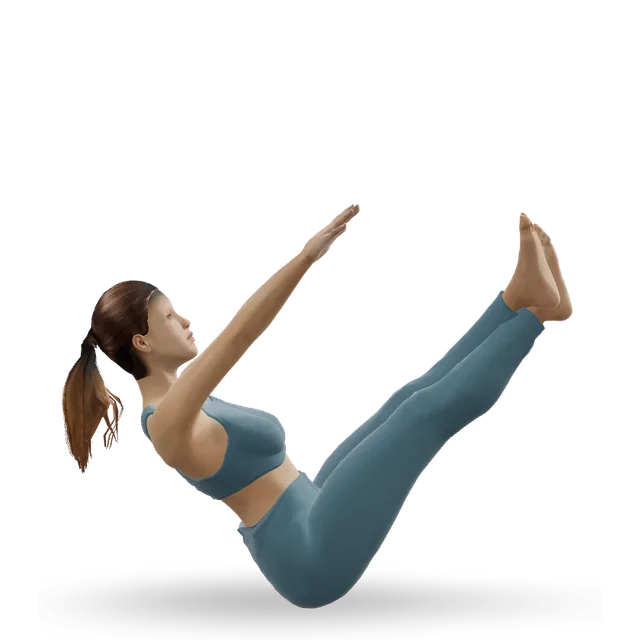
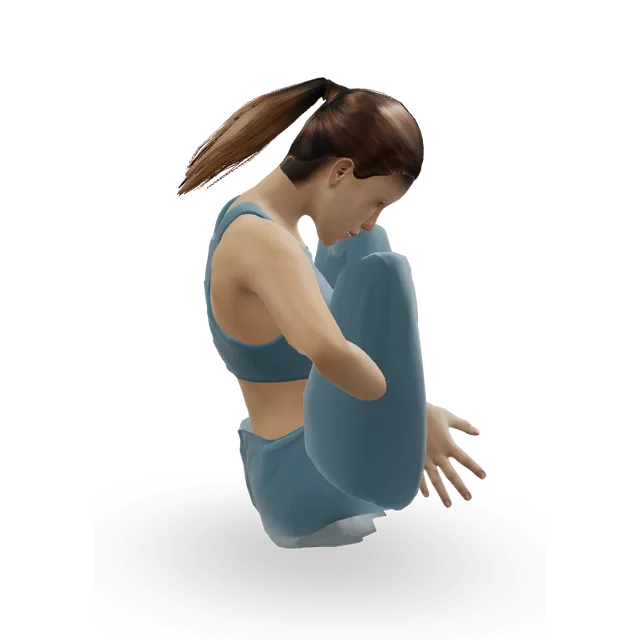
Rolling, deep rounding, weight on the neck and long levers. A Pilates teaching platform advises skipping the jack knife, boomerang and crab with neck or spine injuries, and rocking with back or knee injuries, and says the teaser is "not recommended for those with lower back injuries".

For neck pain

Doses are on each move's page, such as 10 chin tucks held for 5 seconds. Add the moves to start with, above, with your head resting.

Workouts to follow

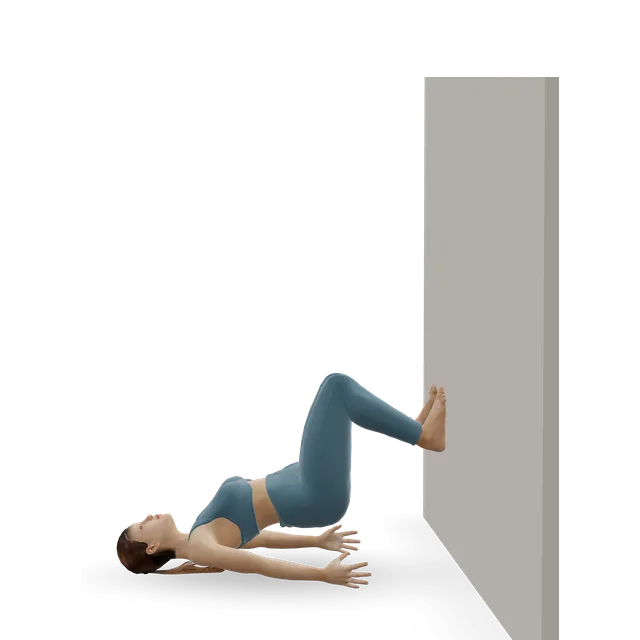
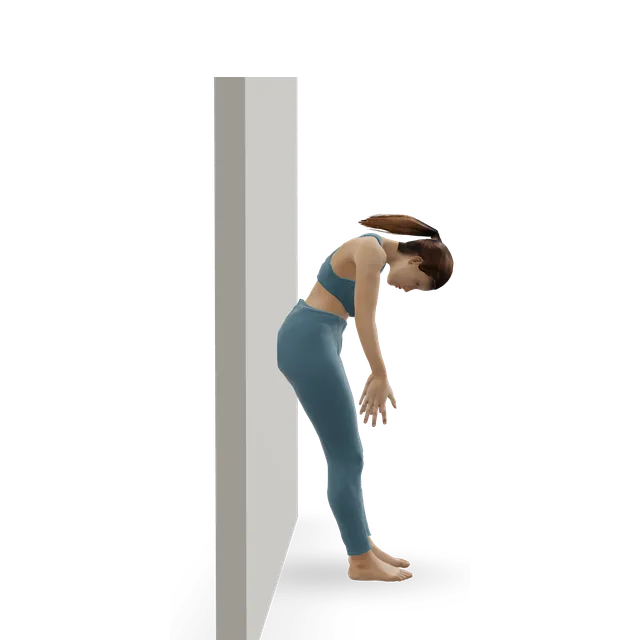
Start with the 15-minute back pain routine, twice a week. The beginner workout is the next step: use the easier versions of its curl-ups and roll-downs if bending bothers your back. The wall workout suits you if getting down to the floor is hard.

A 4-week plan

Two mat days and one wall day a week, in line with the twice-a-week evidence, with rules for when each move steps up.

When to get help first

Call 999 (911 in the US) or go to A&E

If you have back pain and any of these. The first four can be signs of cauda equina syndrome, pressure on the nerves at the base of the spine, which needs treating in hospital urgently. Don't drive yourself: ask someone to drive you or call an ambulance.

  • pain, tingling, weakness or numbness in both legs
  • a loss of feeling around your genitals or anus
  • changes in your bladder or bowels, such as difficulty peeing, or peeing or pooing yourself
  • changes in how your penis or vagina feels during sex, not being able to get or keep an erection, or not being able to orgasm
  • chest pain
  • pain that started after a serious accident, such as a car accident

Source 9

With sciatica, also go to A&E or call 999

If you have:

  • sciatica on both sides
  • weakness or numbness in both legs that's severe or getting worse
  • numbness around or under your genitals, or around your bottom (anus)
  • difficulty starting to pee, not being able to pee, or not being able to control when you pee, if this isn't normal for you
  • not noticing when you need to poo, or not being able to control when you poo, if this isn't normal for you

Source 36

Get an urgent GP appointment or call NHS 111

If you have back pain and you feel hot, cold, shivery or generally unwell, or the pain is severe and started suddenly, or is getting worse quickly. In the US, contact your doctor or urgent care.

Source 9

See a GP

If you have back pain and:

  • it hasn't improved after a few weeks of looking after it at home
  • it's stopping you doing your day-to-day activities
  • you're worried about it or struggling to cope
  • you've lost weight without trying to
  • there's a lump or swelling in your back, or your back has changed shape
  • it doesn't improve with rest, or is worse at night
  • it's worse when you sneeze, cough or poo
  • it's coming from the top of your back, between your shoulders, rather than your lower back

Source 9

Neck pain: contact your GP practice urgently

Or NHS 111 if your practice is closed, if you have any of these. Our neck pain guide lists the signs that need 999.

  • clumsiness in your hands, or numbness, pins and needles or weakness in one or both arms, that is getting worse
  • problems with your balance or walking since your neck pain started
  • neck pain with a severe headache

Source 44

During a session

The NHS says to stop back exercises if your pain gets worse, and to see a GP for advice. As a rule of thumb from our back pain guides, mild pain up to about 5 out of 10 that settles within an hour and is no worse the next morning is fine. Leg symptoms are the exception: stop any move that sends pain, tingling or numbness further down a leg.

Source 9

Myths

"Pilates is the best exercise for back pain"Mixed evidence

Pilates ranks at or near the top in several network meta-analyses, at low certainty, but another ranks tai chi first, and head-to-head trials show no clear winner. The WHO found no type of exercise clearly better. The best exercise for your back is one you'll keep doing.

Sources 21, 23, 7, 25, 3, 5

"Rest until the pain goes"Strong evidence

The NHS advises staying active and carrying on with daily activities, and not staying in bed for long periods. NICE recommends encouraging people to continue with normal activities.

Sources 9, 26

"Pilates is dangerous with a slipped disc"Emerging evidence

The NHS says the type of exercise isn't important as long as it doesn't cause pain or make your back pain worse, and two small trials in people with a slipped disc found Pilates helped. Let your symptoms guide which moves you use.

Sources 13, 10, 11

"Clinical Pilates with a physiotherapist works better than a class"Emerging evidence

Not shown. In a trial, clinical Pilates did no better than general exercise when both were led by physiotherapists, and we found no trial comparing physiotherapists with Pilates instructors. A physiotherapist is the right first step for some people, not for everyone.

Sources 15, 34

"The more sessions a week, the better"Emerging evidence

Three sessions a week weren't clearly better than two in the dose trial's reported results, and more sessions didn't speed up improvement.

Sources 6, 14

"Pilates works by fixing a weak core"Mixed evidence

Pilates helps, but so does other exercise, and part of the benefit may come from the attention and expectation of a supervised programme. A core-strength explanation hasn't been shown.

Sources 6, 4, 3

Questions people ask

Is Pilates good for back pain?

Yes, for back pain that has lasted 3 months or more it helps more than doing little: in a Cochrane review, pain fell by about 14 points out of 100 in the short term and about 10 points at 3 to 12 months. That's similar to exercise in general, and Pilates isn't clearly better than other exercise, so choose what you'll keep doing.

Is Pilates or yoga better for back pain?

Neither has been shown to be better: NICE and the WHO found no type of exercise clearly superior. Some network meta-analyses rank Pilates highest and another ranks tai chi first, all at low certainty. Our Pilates vs yoga guide compares them in general.

How often should I do Pilates for back pain?

Twice a week is the best-supported start: in a 6-week trial of 296 adults, twice a week beat once a week, and three times a week wasn't clearly better than twice. Give it at least 6 weeks, and keep going: programmes adding up to 20 hours or more tend to do better.

Can Pilates make back pain worse?

Some soreness is normal when you start any exercise, and in back pain trials side effects were mostly minor, such as muscle soreness. Stop any move that sends pain down your leg or makes it sharply worse, and leave rolling moves, the teaser and moves that put weight on your neck until later.

Is Pilates good for sciatica?

There's little direct evidence: NICE found no evidence on mind-body exercise in sciatica, and two small trials in people with a slipped disc found Pilates helped. Keep moving, avoid any move that spreads leg symptoms, and see a physiotherapist first if your leg feels weak or numb.

Can I do Pilates with a slipped disc?

Usually, yes: the NHS says the type of exercise isn't important as long as it doesn't cause pain or make your back pain worse. Start with moves that keep your back neutral, and leave out the direction, bending or arching, that brings on leg pain. Our herniated disc guide explains how to find it.

Is Pilates safe with spinal stenosis or spondylolisthesis?

We found no trials of Pilates for spinal stenosis, and only a report on one patient with spondylolisthesis. The NHS advises avoiding activities that make spondylolisthesis worse, such as bending and lifting. Ask a physiotherapist first, especially if you have leg symptoms or have been told the slip is unstable.

Should I see a physiotherapist or join a Pilates class?

For non-specific back pain both are reasonable: clinical Pilates with a physiotherapist did no better than general exercise in a trial, and we found no trial comparing physiotherapists with Pilates instructors. See a physiotherapist first if you have leg symptoms, a diagnosed instability or recent surgery, or you aren't improving after several weeks.

Is reformer or mat Pilates better for back pain?

In a trial of 86 adults, pain improved equally with mat and equipment Pilates, and equipment was slightly better for disability at 6 months. Choose what you can get to and enjoy; our reformer guide covers the difference.

Does Pilates help neck pain?

It helps more than no treatment but no more than other exercise, on low to very low certainty evidence. While your neck is sore, skip moves that put weight on it, such as the roll-over and jack knife, and rest your head in curl-ups.

I've just hurt my back. Should I start Pilates?

Keep moving and carry on with daily activities: exercise of any kind makes little difference in the first weeks. Gentle moves that feel all right are fine, a class can wait until you move more freely, and see a GP if it isn't improving after a few weeks.

When is back pain an emergency?

Call 999 or go to A&E for numbness around your genitals or bottom, new problems peeing or pooing, changes in how your genitals feel during sex, or pain, tingling, weakness or numbness in both legs: these can be signs of cauda equina syndrome. Get an urgent GP appointment or call 111 if you feel hot, cold, shivery or unwell, or the pain is severe and sudden or getting worse quickly.


Sources

  1. Yamato 2015 · Pilates for low back pain: 10 trials, 510 adults (Cochrane review)
  2. Hayden 2021 · Exercise therapy for chronic low back pain: 249 trials (Cochrane review)
  3. Wong 2023 · Pilates vs other exercise for chronic low back pain: 11 trials (systematic review and meta-analysis, Musculoskeletal Care)
  4. NICE 2016 · Low back pain and sciatica: full guideline, chapter 9 on exercise therapies (National Guideline Centre)
  5. WHO 2023 · Guideline for non-surgical management of chronic primary low back pain in adults
  6. Miyamoto 2018 · Pilates once, twice or three times a week for chronic low back pain in 296 adults (RCT with economic evaluation, BJSM)
  7. Fernández-Rodríguez 2022 · Best exercise options for chronic low back pain: 118 trials (network meta-analysis, JOSPT)
  8. Karlsson 2020 · Exercise therapy for acute low back pain: 21 trials (review of systematic reviews, Syst Rev)
  9. NHS · Back pain
  10. Taşpınar 2023 · Clinical Pilates in 54 people with lumbar disc herniation (RCT, J Comp Eff Res)
  11. Moghadasi 2026 · Water exercise with or without Pilates in 45 women with lumbar disc herniation (RCT, Biol Res Nurs)
  12. Europe PMC · Our search for trials of Pilates in spinal stenosis, spondylolisthesis, sciatica or disc herniation (19 October 2026)
  13. NHS · Slipped disc
  14. Silva 2020 · Weekly Pilates frequency and the speed of pain relief in 222 adults (secondary analysis of an RCT, Braz J Phys Ther)
  15. Wajswelner 2012 · Clinical Pilates vs general exercise in 87 adults with chronic low back pain (RCT, MSSE)
  16. Kwok 2021 · The theory behind clinical Pilates for chronic low back pain (narrative review, Biology)
  17. Wells 2014 · Defining Pilates for chronic low back pain: a survey of 30 Australian physiotherapists (Delphi study, Physical Therapy)
  18. Wells 2012 · Defining Pilates exercise: 119 papers (systematic review, Complementary Therapies in Medicine)
  19. Wells 2014 · Pilates for chronic low back pain: 14 trials (systematic review, PLoS One)
  20. Patti 2024 · Pilates and low back pain: 36 studies (systematic review and meta-analysis, Disabil Rehabil)
  21. Owen 2020 · Which modes of exercise training work best for chronic low back pain? 89 studies (network meta-analysis, BJSM)
  22. BJSM 2020 · Expression of concern on Owen 2020, rescinded by the editors on 27 July 2020
  23. Hayden 2021 · Some types of exercise are more effective than others in chronic low back pain: 217 trials (network meta-analysis, J Physiother)
  24. Liang 2024 · Exercise type and dose for low back pain: 82 trials (network meta-analysis, JOSPT)
  25. Zhao 2025 · Exercise prescription for chronic low back pain (network meta-analysis, Front Public Health)
  26. NICE NG59 · Low back pain and sciatica in over 16s (recommendations 1.2.1 and 1.2.2, updated July 2026)
  27. Qaseem 2017 · Noninvasive treatments for acute, subacute and chronic low back pain (American College of Physicians guideline, Ann Intern Med)
  28. George 2021 · Interventions for acute and chronic low back pain (physical therapy clinical practice guideline, JOSPT)
  29. NHS · Back pain Pilates video workout
  30. Hayden 2023 · Exercise treatments for chronic low back pain (Cochrane network meta-analysis protocol)
  31. da Luz 2014 · Mat or equipment-based Pilates for chronic low back pain in 86 adults (RCT, Physical Therapy)
  32. Tottoli 2024 · Pilates vs home exercise in 145 adults with chronic low back pain (RCT, Clin Rehabil)
  33. Asik 2025 · Supervised Pilates vs home exercise in 66 people with subacute low back pain (RCT, Ir J Med Sci)
  34. Europe PMC · Our search for trials comparing physiotherapist-led and instructor-led Pilates for back pain (19 October 2026)
  35. Wells 2014 · Who may benefit from Pilates for chronic low back pain, and the risks (Delphi study of 30 physiotherapists, Physical Therapy)
  36. NHS · Sciatica
  37. Oliveira 2016 · Pilates for traumatic spondylolisthesis in one patient (case study, J Bodyw Mov Ther)
  38. NHS · Spondylolisthesis
  39. Lazoura 2025 · Pilates for chronic neck pain: 8 trials, 439 people (systematic review and meta-analysis, BMC Musculoskelet Disord)
  40. de Zoete 2020 · Exercise types for chronic neck pain compared: 40 trials (network meta-analysis, BJSM)
  41. Cazotti 2018 · Pilates for chronic neck pain in 64 adults (RCT, Arch Phys Med Rehabil)
  42. Martini 2022 · Pilates for neck pain: 5 trials (systematic review and meta-analysis, J Bodyw Mov Ther)
  43. Pilates Anytime 2024 · The 34 Pilates mat exercises: names, order and precautions
  44. NHS inform · Neck problems

Exercise education, not a personal prescription, and clinical review of these guides is pending. If you are pregnant, have a health condition or have had recent surgery, check with a doctor, midwife or physiotherapist before starting, and stop for sharp or increasing pain. Health disclaimer.