Exercise guide

Exercise with cerebral palsy: strength, fitness and staying active at every age

Being active is good for people with cerebral palsy (CP) at every age and every level of ability, and strength training is safe: it makes muscles stronger and doesn't make spasticity worse. This guide is for adults with CP and for parents and carers of children with CP, whether you walk on your own, use a walking aid or use a wheelchair.

It follows guidance from the National Institute for Health and Care Excellence (NICE) and the research on exercise in CP, including where the evidence is weaker than many people expect: strength training improves strength more reliably than walking, and stretching on its own does little to prevent tightness.

You'll find how much activity to aim for, how to start strength and fitness training, honest information on stretching, help with falls, pain and fatigue in adulthood, sports to try, and a follow-along workout.

The short version

Activity matters at every age and level

NICE asks professionals to talk with adults with CP about physical activity for fitness and for physical and mental health, and to point them to accessible local activities and sport. Children's services should tell families about local sports clubs.

Sources 1, 2

How much

Disabled children and young people: about 20 minutes of activity a day, in bite-size chunks if needed, plus challenging but manageable strength and balance activities 3 times a week. Adults: the same guidelines as everyone, adapted to what you can do.

Sources 3, 4, 5

Strength training is safe and builds strength

It makes muscles stronger and doesn't make spasticity worse. Its effect on walking and everyday tasks is smaller and less certain.

Sources 6, 7, 8, 9, 10

Start gently

A few weeks of light, simple exercises twice a week, then functional moves such as step-ups and sit-to-stands, 1 to 4 sets of 6 to 15, for at least 12 to 16 weeks.

Source 10

Be honest about stretching

On its own, stretching makes little difference to how far a joint moves. Staying active and strong, positioning, splints and specialist treatment do more to prevent tightness.

Sources 11, 12, 13, 8

Adults: walking, falls, pain and fatigue

Walking gets harder earlier than for other people in at least a quarter of adults who walk, falls recorded in GP records are about 6 times as common as in other adults, about 7 in 10 adults have pain, and fatigue is common. Staying active and strong is the main tool for all four, though trials are few.

Sources 14, 15, 16, 17, 1

Cerebral palsy

What it is

A group of lifelong conditions that affect movement and co-ordination, caused by a problem with the brain that develops before, during or soon after birth. The brain problem doesn't get worse, but the condition can put strain on the body and cause problems such as painful joints later in life. It's the most common physical disability in childhood.

Sources 18, 19

Types

Spastic (stiff, tight muscles), dyskinetic (movements you can't control), ataxic (problems with balance and co-ordination) and mixed. It can affect one side of the body (hemiplegia), mainly the legs (diplegia) or all four limbs (quadriplegia). About 85% of children with CP have spasticity as the main type.

Sources 20, 8

How common it is

About 1 in 400 children in the UK. In high-income countries it affects about 1.6 in every 1,000 babies born, and the rate is falling.

Sources 21, 22

Levels of movement

Doctors and therapists describe movement with the Gross Motor Function Classification System (GMFCS), from level I to level V. People at levels I and II walk without a walking aid, people at level III walk with a hand-held aid, and levels IV and V are described as non-ambulant. In high-income countries about 3 in 4 children with CP now walk.

Sources 6, 2, 8

Other conditions

About half of children with CP have a learning disability. Others include epilepsy, sleep, vision, hearing, eating and swallowing problems, a curved spine (scoliosis) and hips that dislocate easily. One in 3 children with CP in high-income countries develop hips that gradually move out of place, which is why regular hip checks are recommended.

Sources 20, 8

Why strength and activity matter

Muscle weakness is part of CP itself, not just a result of inactivity: children with CP are significantly weaker than other children. Children and adults with CP spend 76% to 99% of their waking hours sitting or lying down, and only those at levels I to III reach any moderate to vigorous activity, 2% to 7% of waking hours.

Source 10

Adulthood

At least a quarter of adults who walk find walking gets harder earlier than other people do. Pain and fatigue are common, and adults with CP have more depression and anxiety, high blood pressure, diabetes, heart disease, stroke, osteoarthritis and osteoporosis than adults without it. In England, deaths from heart and circulation disease were about 3 times the rate in the general population.

Sources 14, 16, 17, 23, 24, 25

Differences between people

Your GMFCS level, which parts of your body are affected, and your age shape exercise more than anything. Over 16 years, walking speed fell in adults with CP affecting both sides of the body but held in those with one side affected. Women reported pain more often than men; this doesn't change the exercise advice.

Sources 26, 16

What the evidence says

Strength training builds strengthStrong evidence

A Cochrane review (29 trials, 926 people, mostly children, all at high risk of bias) found resistance training increased muscle strength in the short term, though not clearly at the intermediate term. In people aged 8 to 25 at GMFCS levels I to III, progressive resistance training increased leg strength (6 trials, 232 people, moderate certainty), more with gym-based programmes. A 2019 review of reviews rates strength training as effective for strength, and in adults (6 studies, 111 people) strength rose consistently.

Sources 6, 7, 8, 27

Its effect on walking and everyday functionMixed evidence

The Cochrane review found low-quality evidence that resistance training doesn't improve gross motor function, walking speed, participation or quality of life in children. A later review of 27 trials (847 children and young people with spastic CP) found small improvements in balance, walking speed and gross motor function, with most trials at some or high risk of bias. In adults, walking speed improved in 2 of 6 studies, and NICE's committee found little or no improvement in mobility, function or participation from activity programmes.

Sources 6, 9, 27, 28

It doesn't increase spasticityStrong evidence

Strength training was once thought to make muscles stiffer and spasticity worse. Trials found no increase in spasticity.

Sources 10, 9

SafetyEmerging evidence

NICE's adult guideline committee noted that the risk of injury or other side effects wasn't increased by activities such as strength training. The Cochrane review says exercise appears to be safe, though only 55% of trials reported side effects.

Sources 28, 6

Aerobic exerciseMixed evidence

The Cochrane review found aerobic exercise may improve gross motor function a little in the short term (3 studies, 65 people, low quality), but not walking speed, and fitness didn't differ from usual care in 3 small trials. Individual trials reported fitness gains of 9% to 41% after 8 weeks to 9 months of training, with no side effects, and the 2019 review rates fitness training as effective.

Sources 6, 10, 8

Activity programmesEmerging evidence

The 2019 review rates fitness training, strength training (for strength), treadmill training and goal-directed training as effective for children. Physical activity programmes probably improve fitness, activity, mobility, taking part and quality of life, but don't seem to improve gross motor skills.

Source 8

StretchingStrong evidence

Across 18 studies (549 people) with neurological conditions, stretching changed joint range by about 2 degrees, which makes no real difference (high-quality evidence). In children with CP, evidence that stretching increases range, reduces spasticity or improves walking is limited, and longer stretches looked better than short ones. In a small trial, adding calf strengthening to stretching changed the calf muscle and tendon more than stretching alone. A UK trial of a tailored stretching programme for 334 children (SPELL) is expected to report in 2027.

Sources 11, 12, 29, 30, 31

Falls in adultsEmerging evidence

In UK GP records of 1,705 adults with CP, 15.3% had a recorded fall compared with 5.7% of matched adults, and falls recorded in GP records were about 6 times as common (30.5 compared with 6.7 per 1,000 person-years). Because these are falls that reached the GP's records, differences in recording could push the figure either way. In 17 adults who walked, those who fell took shorter strides, and in UK interviews falls and fear of falling were a problem for over half of 26 adults.

Sources 15, 32, 33

Walking over timeEmerging evidence

In 16 studies, walking declined in at least 25% of adults, earlier than in other people; the risk was higher with poorer walking to begin with, CP affecting both sides, older age and more pain or fatigue. Over 16 years, walking speed fell by 0.13 metres a second and 6-minute walk distance by 84 metres in adults with CP affecting both sides, but held in those with one side affected.

Sources 14, 26

FatigueEmerging evidence

Fatigue is common and fairly stable over the years. Adults who did more moderate to vigorous activity reported less fatigue, though that was a snapshot study. A 6-month programme of fitness training and coaching on activity and sport, tested in 57 young people aged 16 to 25, reduced fatigue during the programme and improved pain and mental health scores afterwards, but didn't increase measured daily activity.

Sources 17, 34, 35, 36

PainEmerging evidence

About 70% of adults with CP have pain (data from 1,243 adults), mostly in the legs, and more often women and people at GMFCS levels II and IV. In a review of 63 studies, medicines and surgery didn't reduce pain in trials, while an active lifestyle and sports programme did, though the evidence is low to very low quality.

Sources 16, 37

Mood and heart healthEmerging evidence

In UK GP records, adults with CP were more likely to develop depression (1.28 times) and anxiety (1.40 times) than matched adults. Across 69 studies, adults with CP more often had high blood pressure, type 2 diabetes, heart disease and stroke. In England, deaths from heart and circulation disease were about 3 times, and from lung disease about 14 times, the rates in the general population. These are observational studies.

Sources 23, 24, 25

How much activity

Children and young people

UK guidance made with disabled children and their families: 20 minutes of activity a day for good health, built up slowly and in bite-size chunks if needed, plus challenging but manageable strength and balance activities 3 times a week; small amounts are good too. The World Health Organization's (WHO) goal for all children, including disabled children, is an average of 60 minutes a day across the week, as they're able.

Sources 3, 5

Adults

150 minutes of moderate activity a week and strength (and balance) work on at least 2 days, adapted to what you can do; any activity is better than none. NICE asks for referral to physiotherapy, occupational therapy, orthotic or wheelchair services if you need help to be active.

Sources 4, 38, 1

Strength training

Expert recommendations drawn from the trials: 2 to 4 weeks of very light, simple exercises twice a week, then 1 to 4 sets of 6 to 15 reps including functional moves such as step-ups and sit-to-stands, 2 to 3 times a week, for at least 12 to 16 weeks. Gains fade quickly if you stop. NICE's spasticity guideline describes progressive, repeated exercises against resistance, aimed at specific goals, where weakness limits what you can do.

Sources 10, 13

Aerobic exercise

At least 2 to 3 times a week for at least 20 minutes, kept up for at least 8 weeks (3 times a week) or 16 weeks (twice a week). The trials used running, step-ups, stairs, cycling, arm cranking, pushing a wheelchair and swimming. Judge your effort with the talk test: you can talk but not sing.

Sources 10, 38

Sitting less

Less than 2 hours a day of leisure screen time, and swap some sitting for light activity, little and often through the day.

Source 10

Our editorial weeks

A child who walks: active play and sport most days, building towards 20 minutes a day and beyond, with strength and balance play 3 times a week. An adult who walks: 2 to 3 strength sessions and 2 to 3 sessions of 20 minutes or more of walking, cycling or swimming a week, plus balance practice at a counter. An adult who doesn't walk: seated cardio and strength with bands, supported standing or transfers as advised, and help with stretches and positioning.

Sources 10, 3

Strength training: how to start

Weeks 1 to 4: simple moves

Start with very light, simple exercises that move one joint and don't need balance, twice a week: 1 to 2 sets of 10 (our editorial starting point within the expert recommendations).

Source 10

Then functional moves

Add multi-joint moves such as sit-to-stands, step-ups (forwards or sideways) and squats, which the children's trials used, holding a support for anything standing; 2 to 3 sets of 6 to 12, building up. Adult trials also used gym machines such as the leg press.

Source 10

Keep going

Train for at least 12 to 16 weeks, then keep a lighter version going, because strength fades quickly when you stop. Programmes vary widely; a UK trial (ROBUST) is now testing a tailored strengthening programme in 334 adolescents with spastic CP who walk.

Sources 10, 39

Simple strength moves

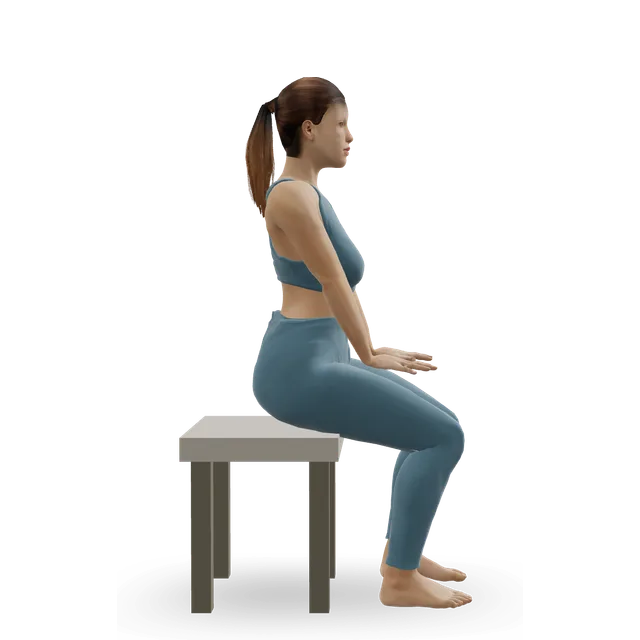
Weeks 1 to 4: 1 to 2 sets of 10, light, twice a week (our editorial starting point).

Functional strength moves

From week 3 to 5: 2 to 3 sets of 6 to 12, 2 to 3 times a week, holding a counter or rail for anything standing. In a gym, the leg press is the machine the adult trials used.

Fitness

What the trials used

Running, step-ups, stairs, cycling, arm cranking, pushing a wheelchair and swimming, 2 to 4 times a week for at least 20 minutes. Treadmill training is rated effective for children.

Sources 10, 8

Choosing by level

Our suggestions, from those trial activities: at GMFCS levels I and II, walking, running, cycling, swimming, team sports and dance; at level III, cycling on a recumbent or adapted bike, frame running, swimming and wheelchair sport; at levels IV and V, arm cranking, pushing a wheelchair, frame running, supported swimming and seated boxing.

Cardio moves

At least 20 minutes, 2 to 3 times a week, at a talk-but-not-sing effort. Hold the rails on a treadmill. The arm crank has no 3D demo yet.

Balance

With your fingertips on a counter: 3 holds of 10 to 20 seconds, building up as you get steadier (our editorial starting point), and 10 side steps each way.

Stretching and tight muscles: the honest picture

Stretching on its own does little

In people with neurological conditions, stretching made no real difference to how far joints move, and in children with CP the evidence for stretching is limited. Strengthening the same muscle may do more than stretching it.

Sources 11, 12, 29

What services do instead, or as well

NICE suggests considering 24-hour postural management (positioning through the day and night) with low-load stretching built into daily life, for example standing at the sink while brushing teeth to stretch the leg muscles, and splints (orthoses) worn for at least 6 hours a day to hold a stretch. Specialists also use active movement, standing support for children at levels IV and V, botulinum toxin, serial casting for early tightness, strength training after casting, and surgery for severe, long-standing tightness.

Sources 13, 8

Hips

Regular hip checks (hip surveillance) are strongly recommended for children, because hips can gradually move out of place. For adults, NICE says not to X-ray the hips or spine unless there is pain or posture or function is affected.

Sources 8, 1

How to use stretches

Hold stretches for longer rather than shorter, build them into everyday life, and do them because they feel good and keep you moving, not as the whole plan.

Sources 12, 13

Stretches

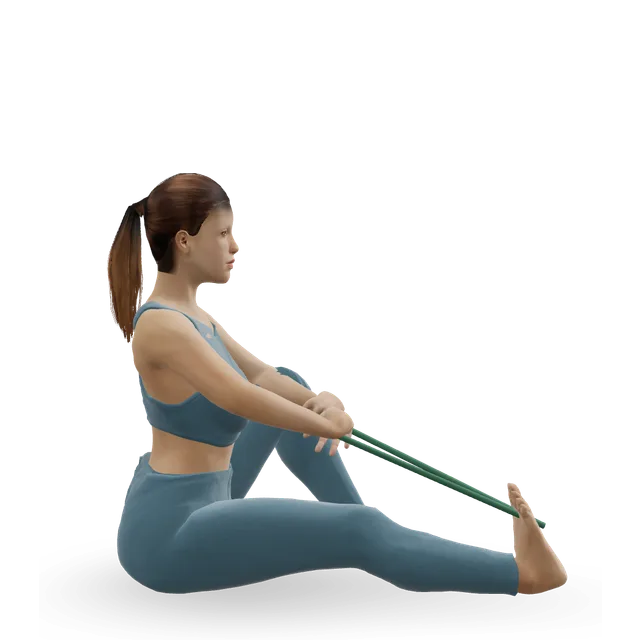
Use each move's own dose: 3 holds of 45 seconds for the calf stretches and 45 to 60 seconds for the hamstring stretch, at a comfortable pull. Longer holds looked better than short ones in children with CP.

Adults with CP: walking, falls, pain, fatigue and mood

Falls

Falls recorded in GP records are about 6 times as common as in other adults, and falls tend to start earlier in life. Adults in UK interviews used their own strategies because specialist help was scarce, and the researchers suggest falls services to keep up strength and balance. Ask your GP about a falls service, and use the balance moves above with a counter to hold.

Sources 15, 33, 40

Walking getting harder

If walking, balance or other movement is getting harder, NICE says the change should be checked for treatable causes, with a referral to a musculoskeletal specialist or orthopaedic surgeon if pain or joint problems stop you being active.

Sources 14, 1

Fatigue

Plan activity around your energy, build up gradually, and keep some activity on tired days (our suggestion). More active adults reported less fatigue, and a fitness and coaching programme reduced fatigue while it ran.

Sources 17, 35

Pain

About 7 in 10 adults with CP have pain. An active lifestyle and sports programme reduced pain in one review's trials, while medicines and surgery didn't; the evidence is weak. New or worsening pain should be assessed.

Sources 16, 37, 1

Mood and heart health

Depression, anxiety, high blood pressure and heart disease are more common in adults with CP. NICE asks professionals to look after mental health alongside physical health. Activity is one tool among several.

Sources 23, 24, 1

Bone health

Low bone density

Low bone density is common, especially in people who don't walk (GMFCS IV or V), have eating difficulties, a low weight, low vitamin D, a previous broken bone from a minor knock, or take some epilepsy medicines. For children, NICE suggests considering an active movement programme, active weight-bearing and a diet with enough calcium and vitamin D, but not standing frames or vibration therapy only to protect bones. For adults, fracture risk is assessed, with a bone density (DXA) scan if there are 2 or more risk factors.

Sources 2, 1

Children: play, PE and family

Keep it fun and part of daily life

Follow the disabled children's guidance: about 20 minutes a day, built up slowly, with strength and balance play 3 times a week. NICE suggests building therapy into daily routines, and taking into account the child's and parents' views and practical things such as the time a programme takes.

Sources 3, 13

Clubs and support

NICE asks services to tell families about local sports clubs, respite care, specialist schools and support groups.

Source 2

Safety

With epilepsy that isn't well controlled, breathing problems, a risk of food or drink going down the wrong way, or fragile bones, equipment and techniques need to be safe and appropriate: plan activity with your child's team.

Source 13

If you don't walk

Exercise still counts

People at GMFCS levels IV and V may also benefit from strength training, though they may find moving one joint at a time harder, and pushing a wheelchair, arm cranking and swimming were among the aerobic activities in trials. Light activity while seated also breaks up time spent still.

Sources 10, 5

Ideas

Seated cardio and strength with bands (see our guide for wheelchair users), supported standing as your team advises, and help from a carer with stretches and positioning.

Sources 8, 10

Workouts to follow

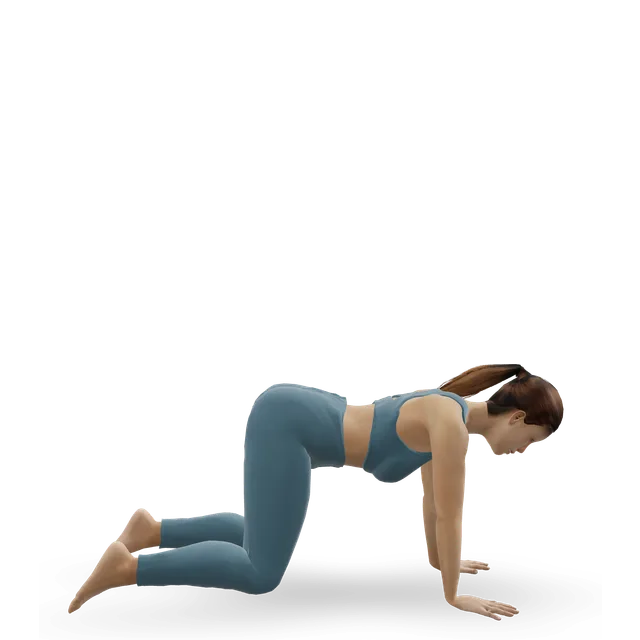
The cerebral palsy strength workout follows the trials' structure for people who walk. The stroke home exercises suit adults who walk with an aid, the seated workout suits people who don't walk or are having a tired day, and the animal moves work for children with adaptations.

Sport and play

Sports for people with CP

CP Sport supports people with CP to take part in sport for life, with regional hubs and national athletics and swimming events. Boccia England calls boccia the most inclusive sport in England, and frame running lets people with significant movement difficulties run and compete.

Sources 41, 42, 43

Finding something near you

WheelPower and Every Body Moves list wheelchair and inclusive sport across the UK. Choose by what you enjoy and what suits your level, and ask a physiotherapist about adaptations.

Sources 44, 45

Warning signs: when to get help

Call 999 (911 in the US)

If someone with CP has a seizure, follow their own seizure plan and our epilepsy guide's first aid.

  • Chest pain that feels tight or spreads to the arms, neck or jaw, severe difficulty breathing, or someone has passed out and isn't responding normally.
  • Signs of a stroke, such as a face drooping on one side, a weak arm or slurred speech, even if they stop.
  • A fall in which someone may have hurt their head, neck, back or hip, or can't get up.
  • Signs of sepsis: very fast breathing, confusion or slurred speech, blue, pale or blotchy skin, or a rash that doesn't fade when you press it.

Sources 46, 47, 40, 48

See a GP or the CP team soon

  • Pain that's new, getting worse or stopping you or your child being active. Pain is common in CP and should be looked into; people who can't easily say they're in pain may show it through their behaviour, and families are key to spotting it.
  • Walking, balance or other movement getting worse.
  • Falls or near-falls, or fear of falling that's stopping you doing things: ask about strength and balance help or a falls service.
  • In an adult, signs of breathing problems: breathlessness, drowsiness in the day, headaches on waking, poor sleep or more chest infections.
  • A bone that breaks after a minor knock, or risk factors for weak bones.
  • Changes in a child's hips, sitting or walking: hips can move out of place in CP.
  • Low mood or anxiety that's affecting daily life. In a crisis, call Samaritans on 116 123 or text SHOUT to 85258, or call or text 988 in the US.

Sources 2, 1, 40, 33, 20, 8, 23, 49, 50

Stop exercising if

Stop if something hurts sharply, or for chest pain, dizziness or unusual breathlessness (our advice). You may take a splint or brace (orthosis) off if it causes pain that doesn't ease after repositioning the limb in it or adjusting the straps, and tell the team if it causes discomfort, sleep problems or sores.

Source 13

Support

Scope's helpline is 0808 800 3333.

Source 18

Myths

"Strength training makes spasticity worse"Strong evidence

It was once thought to, but trials found no increase in spasticity, and strength training makes muscles stronger.

Sources 10, 9, 6

"Stretching every day prevents tightness"Strong evidence

On its own, stretching makes almost no difference to joint range (about 2 degrees in a high-quality review), and the evidence in children with CP is limited. Preventing tightness takes a combination: staying active and strong, positioning, splints, casting and specialist treatment.

Sources 11, 12, 13, 8

"A muscle must stretch before it can strengthen"Emerging evidence

There's no evidence for this popular claim. Strength training builds strength without a stretching phase first, and in one small trial adding calf strengthening to stretching changed the calf muscle and tendon more than stretching alone.

Sources 10, 29

"Cerebral palsy gets worse with age"Mixed evidence

The brain problem itself doesn't get worse, but many adults find walking harder over time, and pain and fatigue are common. Staying active and strong is part of managing them, and changes should be checked for treatable causes.

Sources 18, 14, 16

"Children with CP can't do sport"Strong evidence

NICE asks services to tell families about local sports clubs. CP Sport supports people with CP in sport for life, Boccia England calls boccia the most inclusive sport in England, and frame running lets people with significant movement difficulties compete.

Sources 2, 41, 42, 43

"Exercise can cure CP"Strong evidence

CP is lifelong. Exercise and physiotherapy help keep and, hopefully, improve movement, strength and fitness, which is worth a lot, but they don't remove the condition.

Sources 18, 51

"If you don't walk, exercise isn't for you"Emerging evidence

People at GMFCS levels IV and V may also benefit from strength training, and pushing a wheelchair and arm cranking were among the aerobic activities in trials. Light activity while seated counts too.

Sources 10, 5

Questions people ask

What exercises are good for cerebral palsy?

Strength training, aerobic exercise such as walking, cycling, swimming or pushing a wheelchair, balance work and active play, chosen for your level and goals. NICE recommends physiotherapy programmes aimed at specific goals, with strengthening where weakness limits what you can do.

How much activity should a child with cerebral palsy do?

UK guidance for disabled children is about 20 minutes a day, in bite-size chunks if needed and built up slowly, plus challenging but manageable strength and balance activities 3 times a week. The WHO's goal for all children, including disabled children, is an average of 60 minutes a day, as they're able.

Is strength training safe with cerebral palsy?

Yes. Trials found no increase in spasticity, and NICE's adult guideline committee noted no increase in injury or other side effects. Start with a few weeks of light, simple exercises.

Does strength training improve walking in cerebral palsy?

It makes muscles stronger, but its effect on walking speed and everyday tasks is smaller and less certain. In adults, walking speed improved in 2 of 6 studies.

Does stretching help cerebral palsy?

On its own, stretching makes little difference to how far joints move, and the evidence in children with CP is limited. It can still feel good, but positioning, splints, staying active and strong, and specialist treatment do more to prevent tightness.

Why am I so tired with cerebral palsy?

Fatigue is common in adults with CP and fairly stable over the years. Adults who did more moderate to vigorous activity reported less fatigue, and a programme of fitness training and coaching reduced fatigue while it ran. Build up gradually and plan activity around your energy.

How can adults with cerebral palsy prevent falls?

Falls recorded in GP records are about 6 times as common in adults with CP as in other adults. Strength and balance training, a referral to a falls service, and the NHS advice on falls can help.

Does cerebral palsy get worse with age?

The brain problem doesn't get worse, but many adults find walking harder over time, and pain and fatigue are common. NICE says changes should be checked for treatable causes.

Can you play sports with cerebral palsy?

Yes, adapted to your level. CP Sport runs athletics and swimming events and regional hubs, Boccia England calls boccia the most inclusive sport in England, and frame running lets people with significant movement difficulties compete.

What if I don't walk?

People at GMFCS levels IV and V may also benefit from strength training, and pushing a wheelchair, arm cranking and swimming can all be aerobic exercise. Breaking up long spells of sitting with light activity helps too.

Can exercise help pain in adults with cerebral palsy?

About 7 in 10 adults with CP have pain. In one review, an active lifestyle and sports programme reduced pain while medicines and surgery didn't, though the evidence is low quality.

Should children with cerebral palsy use standing frames to protect their bones?

NICE says not to offer standing frames only to prevent low bone density, but to consider an active movement programme, active weight-bearing and a good diet. Standing may still be used for other reasons, as your child's team advises.

Sources

  1. NICE NG119 · Cerebral palsy in adults (guideline, 2019)
  2. NICE NG62 · Cerebral palsy in under 25s: assessment and management (guideline, 2017)
  3. UK Chief Medical Officers 2022 · Physical activity for disabled children and disabled young people (infographic text)
  4. UK Chief Medical Officers 2019 · UK physical activity guidelines (Department of Health and Social Care)
  5. Bull 2020 · World Health Organization guidelines on physical activity and sedentary behaviour, including people living with disability (guideline, British Journal of Sports Medicine)
  6. Ryan 2017 · Exercise for cerebral palsy: 29 trials (Cochrane review)
  7. Fang 2026 · Progressive resistance training and leg strength in adolescents with cerebral palsy: 6 trials (meta-analysis, Journal of Back and Musculoskeletal Rehabilitation)
  8. Novak 2020 · State of the evidence traffic lights 2019: treatments for children with cerebral palsy (systematic review, Current Neurology and Neuroscience Reports)
  9. Merino-Andrés 2022 · Strength training in children and young people with spastic cerebral palsy: 27 trials (meta-analysis, Clinical Rehabilitation)
  10. Verschuren 2016 · Exercise and physical activity recommendations for people with cerebral palsy (expert recommendations from the trials, Developmental Medicine and Child Neurology)
  11. Harvey 2017 · Stretch for the treatment and prevention of contracture (Cochrane review, abridged, Journal of Physiotherapy)
  12. Pin 2006 · Passive stretching in children with cerebral palsy: 7 studies (systematic review, Developmental Medicine and Child Neurology)
  13. NICE CG145 · Spasticity in under 19s: management (guideline, updated 2016)
  14. Morgan 2014 · Walking and its decline in adults with cerebral palsy: 16 studies (systematic review, Disability and Rehabilitation)
  15. Ryan 2020 · Falls in 1,705 adults with cerebral palsy in UK GP records (cohort study, Developmental Medicine and Child Neurology)
  16. van der Slot 2021 · Pain in 1,243 adults with cerebral palsy (individual participant data meta-analysis, Annals of Physical and Rehabilitation Medicine)
  17. McPhee 2017 · Fatigue, physical activity and body composition in 41 adults with cerebral palsy (cross-sectional study, Developmental Medicine and Child Neurology)
  18. NHS · Cerebral palsy
  19. Cerebral Palsy Alliance · What is cerebral palsy?
  20. NHS · Cerebral palsy: symptoms
  21. Scope · What is cerebral palsy?
  22. McIntyre 2022 · How common cerebral palsy is worldwide (systematic analysis, Developmental Medicine and Child Neurology)
  23. Smith 2019 · Depression and anxiety in adults with cerebral palsy (UK cohort study, JAMA Neurology)
  24. Ryan 2023 · Long-term conditions in adults with cerebral palsy: 69 studies (meta-analysis, Developmental Medicine and Child Neurology)
  25. Ryan 2019 · Deaths from heart disease, lung disease and cancer in adults with cerebral palsy in England (cohort study, Developmental Medicine and Child Neurology)
  26. Klund-Hansen 2025 · Walking, fatigue and pain over 16 years in adults with spastic cerebral palsy (follow-up study, Journal of Rehabilitation Medicine)
  27. Ross 2016 · Strength training and walking in adults with cerebral palsy: 6 studies (systematic review, Disability and Health Journal)
  28. NICE NG119 · Cerebral palsy in adults: rationale for the physical activity recommendations
  29. Kalkman 2019 · Calf strengthening plus stretching compared with stretching alone in 16 children with cerebral palsy (randomised controlled trial, Frontiers in Pediatrics)
  30. Theologis 2025 · The SPELL trial of a stretching programme for children with spastic cerebral palsy (trial protocol, Bone and Joint Open)
  31. Barry 2026 · Developing the SPELL stretching programme (Physiotherapy)
  32. Morgan 2016 · Walking, balance and falls in 17 adults with cerebral palsy (observational study, Gait and Posture)
  33. Shah 2025 · The everydayness of falling: 26 UK adults with cerebral palsy (interview study, Disability and Rehabilitation)
  34. Oude Lansink 2018 · Fatigue in adults with cerebral palsy over 3 years (follow-up study, Journal of Rehabilitation Medicine)
  35. Slaman 2015 · A lifestyle programme, fatigue and mental health in young people with cerebral palsy (randomised controlled trial, Clinical Rehabilitation)
  36. Slaman 2015 · A lifestyle programme and daily activity in 57 young people with cerebral palsy (randomised controlled trial, Developmental Medicine and Child Neurology)
  37. Ryan 2025 · Pain in adults with cerebral palsy: 63 studies (systematic review, Developmental Medicine and Child Neurology)
  38. UK Chief Medical Officers · Physical activity for disabled adults (infographic text, updated 2026)
  39. Hopewell 2025 · The ROBUST trial of strength training for adolescents with spastic cerebral palsy (trial protocol, Bone and Joint Open)
  40. NHS · Falls
  41. CP Sport · Sport and physical activity for people with cerebral palsy
  42. Boccia England · The most inclusive sport in England
  43. Cunha 2026 · Frame running for people with cerebral palsy and similar conditions: 10 studies (systematic review, Adapted Physical Activity Quarterly)
  44. WheelPower · Wheelchair sport, festivals and online classes
  45. Every Body Moves (British Paralympic Association) · Find inclusive sport and activity
  46. NHS · Heart attack
  47. NHS · Symptoms of a stroke
  48. NHS · Sepsis
  49. NHS · Help for suicidal thoughts
  50. 988 Lifeline · Suicide and crisis support in the US
  51. NHS · Cerebral palsy: treatment

Exercise education, not a diagnosis or treatment plan, and clinical review of these guides is pending. Stop and get advice for chest pain, unusual breathlessness, dizziness or fainting, or new pain, and check with your doctor or midwife first if they have told you to limit activity. Health disclaimer.