Yoga guide

Yoga for kids and teenagers: what classes involve, what trials show, and how to start safely

Yoga can be a fun way for children and teenagers to build strength, balance and calm. In school trials it improved mood, attention, flexibility and fitness about as much as physical education (PE) lessons did, and children enjoyed it, though most of the studies are small.

It's one part of an active week, not the whole of it: children need an average of at least 60 minutes a day of activity that makes them breathe faster, with running and jumping for their bones.

This guide covers what a children's class involves, what the trials found, the right age to start, staying safe, poses with animal names, and a 20-minute class to do together. If your child has a limp or sudden pain in the hip, thigh or knee, start with the warning signs.

The short version

One part of an active week

The UK Chief Medical Officers ask children and young people aged 5 to 18 for an average of at least 60 minutes a day of moderate-to-vigorous activity across the week, with a mix that builds movement skills, muscles and bones. Most yoga is gentler than that, so add running, jumping and play.

Sources 1, 2

Games with poses

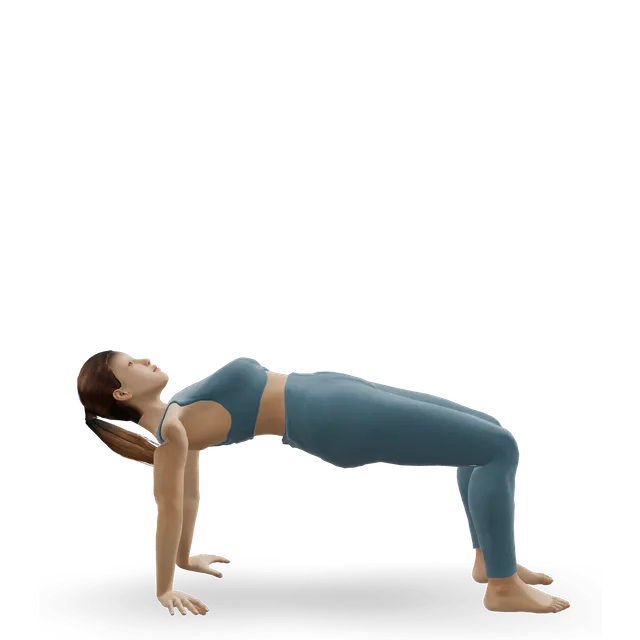
Children's classes use animal poses, breathing games, songs, stories and a short rest at the end. A UK school programme used warrior, downward dog, cobra, tree, boat, chair and bridge, with humming breath and relaxation.

Sources 3, 4

About as good as PE, from small studies

Reviews of school yoga are encouraging for mood and anxiety, but none of 21 school trials was at low risk of bias. Against normal PE lessons, yoga mostly did about as well, not better.

Sources 4, 5, 6

Attention: some promise

In one trial of 131 schoolchildren, yoga twice a week for 12 weeks improved attention more than PE. In children with attention deficit hyperactivity disorder (ADHD), yoga and similar mind-body exercise helped attention but not hyperactivity.

Sources 7, 8

Simple poses and a normal room

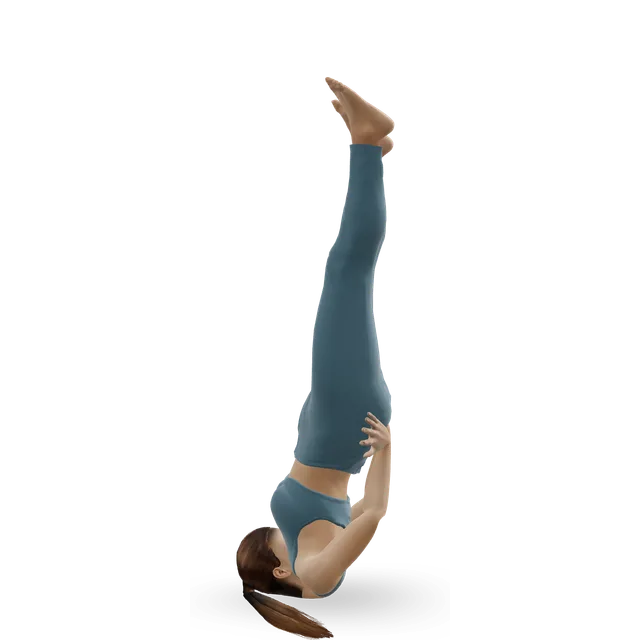
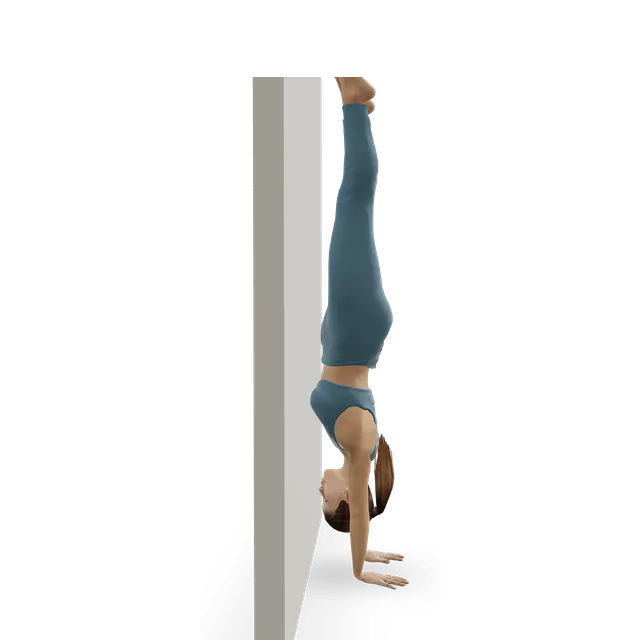
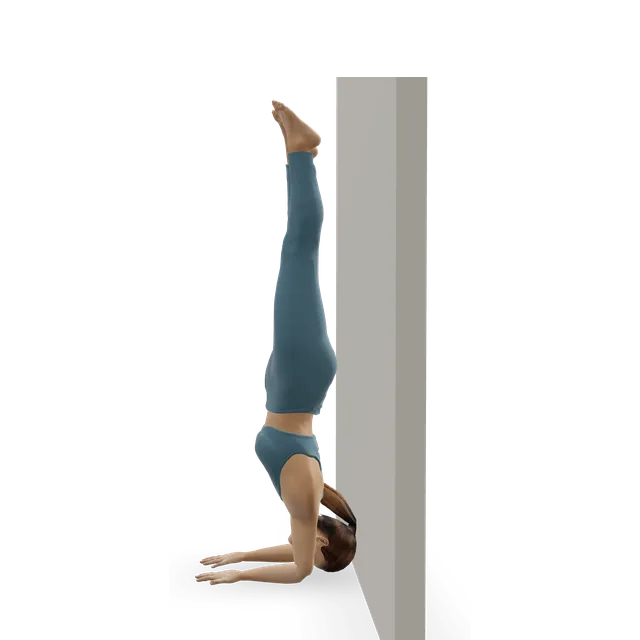
Choose beginner poses, a teacher used to children, and a normal room temperature. Leave out headstands, shoulder stands and fast, forceful breathing, and don't let children push into pain.

Sources 9, 10

A limp needs checking the same day

Sudden pain in the hip, thigh or knee, a limp, or not putting any weight on one leg needs an urgent GP appointment or NHS 111 the same day. The full list is in the warning signs below.

Source 11

What a children's class involves

Animals, games, breathing and stories

Yoga Alliance's standard for schools that train children's yoga teachers (95 hours) covers children's development from age 2 to 15, "yoga-based games and activities, breathing techniques and chanting", teaching through "songs and stories", safe touch, and the law on supervising children. Classes for younger children are mostly play, with poses named after animals and nature.

Source 3

What the school trials did

In India, 98 children aged 8 to 13 did breathing, poses, guided relaxation and chanting for 45 minutes a day, 5 days a week, for 3 months. In south-west England, 9 to 11 year olds had one 40-minute lesson a week for 4 weeks, with poses such as warrior, downward dog, crab, cobra, plank, locust, boat, eagle, tree, chair and bridge, plus humming breath and relaxation.

Other trials used two 30-minute sessions a week for 12 weeks in kindergarten, 40 minutes twice a week for 12 weeks in primary school, and 30 minutes 5 times a week for 6 months.

Sources 6, 4, 5, 12, 7, 13

Teenagers

A US high school trial taught a gentle style of postures, breathing, relaxation and meditation 2 to 3 times a week for 10 weeks, in place of normal PE. Teenagers can usually join a normal beginners' class (our suggestion).

Source 14

Finding a teacher

A school safety resource from the University of Alberta recommends certified teachers and beginner poses for younger children. The British Wheel of Yoga built its child safeguarding policy with the Child Protection in Sport Unit and the NSPCC (the National Society for the Prevention of Cruelty to Children). Ask a teacher about their training with children and their safeguarding policy (our suggestion).

Sources 10, 15, 3

How yoga fits a child's activity

How much activity children needStrong evidence

The UK Chief Medical Officers say children and young people aged 5 to 18 "should engage in moderate-to-vigorous intensity physical activity for an average of at least 60 minutes per day across the week", and in "a variety of types and intensities of physical activity across the week to develop movement skills, muscular fitness and bone strength". Toddlers and pre-school children need at least 180 minutes a day of activity of any kind, which for 3 and 4 year olds includes 60 minutes that is moderate to vigorous.

The World Health Organization adds vigorous activity, and activity that strengthens muscles and bones, on at least 3 days a week. The NHS suggests disabled children and young people aim for 20 minutes of activity a day, split into smaller chunks if needed, with challenging but manageable strength and balance activities 3 times a week.

Sources 1, 2, 16

Where yoga fits

Neither guideline mentions yoga. The Chief Medical Officers say "Bone strengthening involves moderate and high impact activities", and most yoga has little impact, so our reading is that yoga counts as strength and balance work rather than bone work, as our Pilates for kids guide says of Pilates. Our 20-minute class adds star jumps and animal crawls for that reason.

Source 1

What the evidence says

Mood and anxiety: encouraging, from weak studiesMixed evidence

A review of 21 school trials called the results encouraging, but rated 10 trials at high risk of bias, 12 with some concerns and none at low risk, and most were small. In a review of 27 studies, 70% found less anxiety or low mood, but the studies were of weak to moderate quality. Earlier reviews of 9 school trials and 34 controlled studies were also positive, with low-quality studies and no side effects reported.

Sources 4, 17, 18, 19, 20

Harder exercise eased anxiety moreEmerging evidence

In 22 studies of exercise in children and teenagers, exercise training eased anxiety by a moderate amount. Moderate and hard exercise did, but low-intensity programmes and the group of yoga, balance and flexibility programmes didn't make a clear difference.

Source 21

Against PE: about the sameEmerging evidence

In 344 British 9 to 11 year olds, body image and mood improved after 4 weekly yoga lessons, and just as much with normal PE, and the children rated the yoga very highly. In 98 Indian children, the only difference after 3 months favoured PE (social self-esteem). In two small US high school trials, yoga students held steady or improved on mood while PE students worsened on some measures, and in a middle school programme the changes weren't clear.

Sources 5, 6, 14, 22, 23

AttentionEmerging evidence

In one trial of 131 Chinese schoolchildren, 40 minutes of yoga twice a week for 12 weeks improved attention more than PE or no extra activity, with the assessors not told who did what. In 802 Indian teenagers, an hour a day of yoga or of physical exercise for 2 months improved a test of attention and working memory equally.

Sources 7, 24

ADHDMixed evidence

In pooled trials, yoga and similar mind-body exercise improved attention in ADHD but not hyperactivity, emotions or planning skills. A Cochrane review of meditation therapies, two of its four trials of yoga, couldn't draw any conclusions. In 23 preschool children with ADHD symptoms, 6 weeks of yoga gave modest gains on an attention test. Our exercise for ADHD guide says the same: helpful for attention, alongside more active exercise.

Sources 8, 25, 26

Fitness, strength and flexibilityEmerging evidence

In 802 Indian teenagers, aerobic fitness improved just as much with daily yoga as with daily physical exercise. In 232 rural Indian children aged 6 to 11, yoga 5 times a week for 6 months matched PE for muscle force. In one small trial of 54 five-year-olds, two 30-minute yoga sessions a week for 12 weeks improved flexibility, other motor skills and self-esteem more than PE. In rural India, yoga also raised girls' everyday activity. A single session of 10 sun salutations made 100 schoolchildren's trunks more flexible, but there was no comparison group.

Sources 27, 13, 12, 28, 29

Children with autismMixed evidence

A review of 8 studies found the evidence inconclusive: the studies were small and most had no comparison group. A trial of 43 children in special schools reported better gross motor skills, social communication, irritability and withdrawal after 45-minute yoga sessions for 12 weeks. Our exercise for autistic children guide has more.

Sources 30, 31, 32

Asthma, weight and tummy painEmerging evidence

In 5 pooled trials (480 children aged 8 to 16), yoga added to asthma medicines gave small gains in lung function, but asthma control and quality of life didn't change. In 9 studies of children and teenagers with obesity, yoga lowered body mass index (BMI) and body fat.

For long-term tummy pain, one trial (69 children aged 8 to 18) found 58% improved by half or more a year after yoga was added to usual care, against 29% with usual care, though there was no difference during the course. In another, dance and yoga twice a week for 8 months reduced tummy pain in girls aged 9 to 13. Our yoga for digestion guide covers these.

Sources 33, 34, 35, 36, 37

What paediatricians sayEmerging evidence

The American Academy of Pediatrics' report on mind-body therapies, including yoga, says "a growing body of evidence supports the effectiveness and safety of mind-body therapies in pediatrics", and offers them to help concentration, pain, discomfort and anxiety. The review of yoga nidra (guided relaxation lying down) for children that we read was a narrative review, not a trial.

Sources 38, 39

What age can children start?

No set minimum ageEmerging evidence

We found no guideline that sets a minimum age. Children's yoga teachers are trained for ages 2 to 15, and trials included preschool children aged 3 to 5. What changes with age is how it's taught.

Sources 3, 26, 12

By age

Our suggestion, in the spirit of the children's teaching standard and our Pilates for kids guide:

  • Under 5: a few minutes of animal poses and balloon breaths as part of play, with an adult joining in.
  • 5 to 8: short, game-based sessions of 15 to 20 minutes, with lots of moving between poses.
  • 8 to 12: poses with stories, balance challenges and partner poses, and a short relaxation.
  • Teenagers: a normal beginners' class or our beginner yoga flow, alongside sport and strength training.

Staying safe

Children can be hurt in yogaEmerging evidence

In a series of 66 people treated in Canadian emergency departments for yoga injuries (median age 19), sprains were the commonest injury and the legs the commonest area, and children were more often hurt while being taught than adults were. The US National Center for Complementary and Integrative Health (NCCIH) says the most common yoga injuries are sprains and strains, most often of the knee or lower leg, and that serious injuries are rare.

Sources 40, 9

Nothing on the head or neck

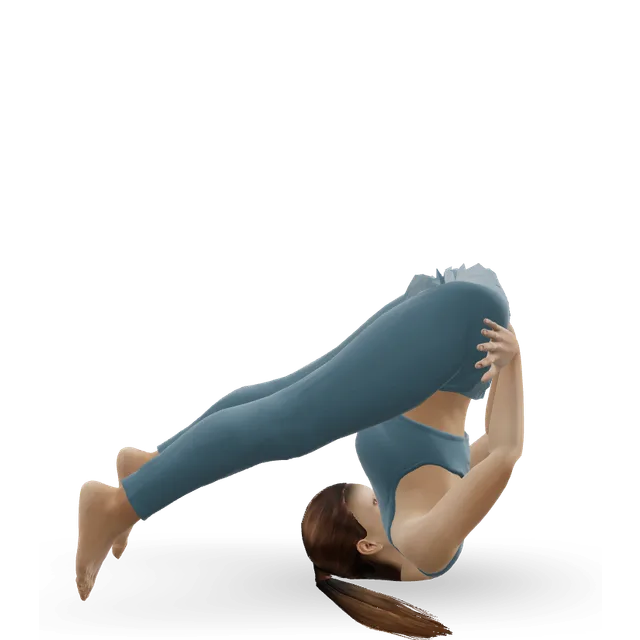
NCCIH advises people new to yoga to avoid headstands, shoulder stands, the lotus position and forceful breathing, and the University of Alberta school resource says advanced poses "should never be taught to beginners / young children". Our Down syndrome guide adds that children with Down syndrome should leave out headstands, shoulder stands and the plough unless a doctor has checked their neck.

Sources 9, 10

Slow breathing, not forceful

Breathing games for children should be slow and gentle, with no holding. Fast, forceful breathing is one of the practices NCCIH tells beginners to avoid, and our exercise for autistic children guide notes that deliberate fast, deep over-breathing can bring on absence seizures in some children.

Source 9

Bendy children

Many children are very flexible. For hypermobile joints, the Hypermobility Syndromes Association suggests "Yoga (focused on strengthening and control rather than increasing flexibility)" and keeping joints out of the end of their range, and the NHS advises gentle exercise and regular breaks. Praise balance and stillness rather than how far a child can bend.

Sources 41, 42

Hot yoga and hot roomsMixed evidence

We found no study of hot yoga in children. The University of Alberta school resource says the room temperature "should not exceed 30°C, i.e., hot yoga is not recommended", and the NHS says to check on children in hot weather because they are more at risk of heat exhaustion and heatstroke.

The American Academy of Pediatrics puts it differently: healthy children and teenagers who drink enough cope with exercising in the heat about as well as adults, and the main risks (too much effort, too little fluid, too little recovery and heavy clothing) can be managed. Our suggestion is to skip hot yoga for children. That is a precaution, not a finding from a trial.

Sources 43, 10, 44, 45

Balloon breaths: a breathing game for children

Our wording and dose for children (editorial). The move's page gives the adult NHS exercise; NCCIH advises beginners to avoid forceful breathing.

  1. Sit cross-legged or lie on your back, and put both hands on your tummy.
  2. Breathe in slowly through your nose and feel your tummy rise, as if you're blowing up a balloon inside it.
  3. Breathe out slowly through your mouth and let the balloon go down, a little longer than the breath in.
  4. Never hold your breath. If you feel dizzy, stop and breathe normally.
  5. Do 5 balloon breaths, or about a minute, at the start or end of a session.

See the movement on the 3D figure: Slow breathing (6 breaths a minute)

Animal and nature poses

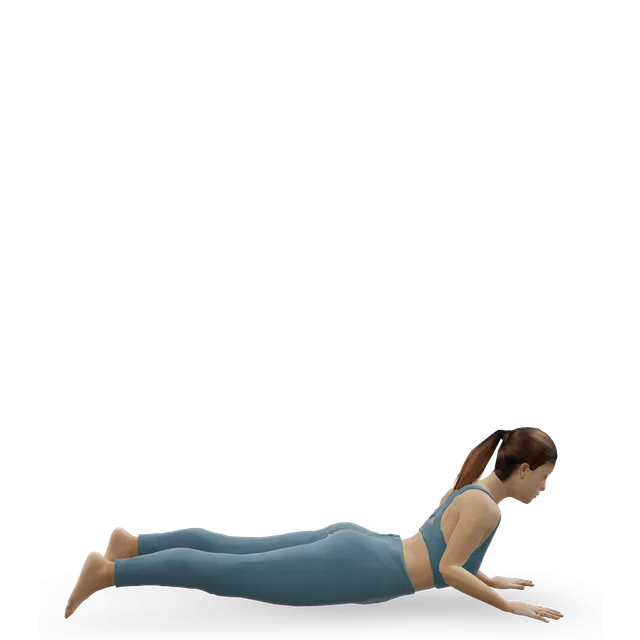
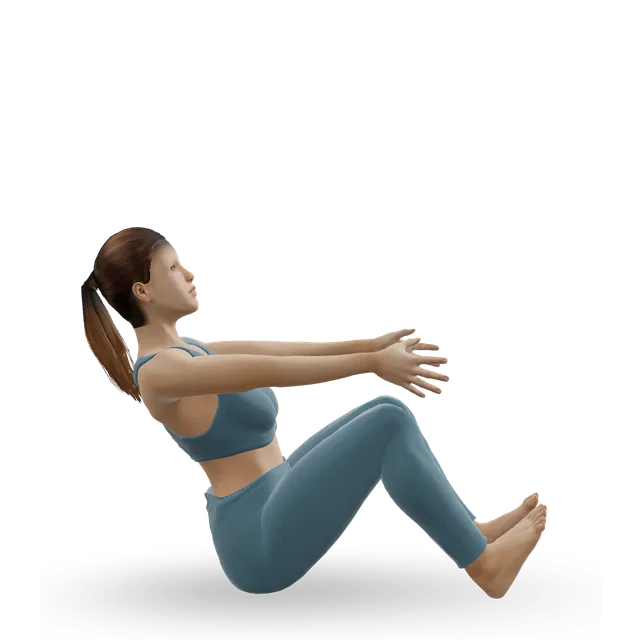
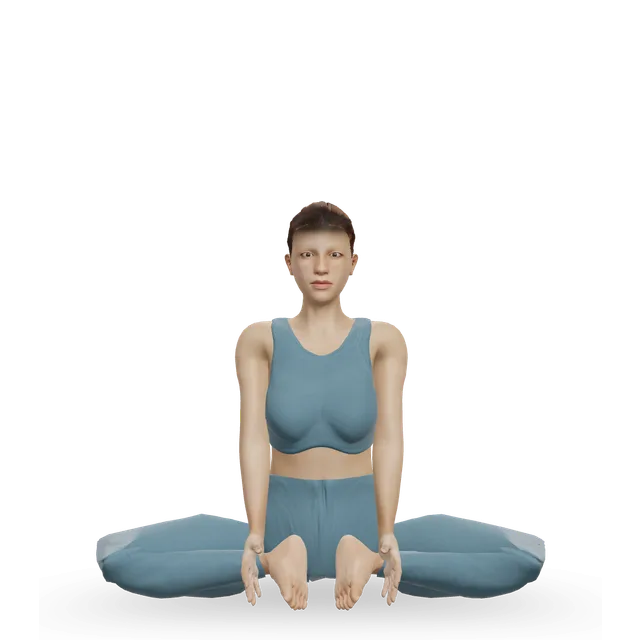
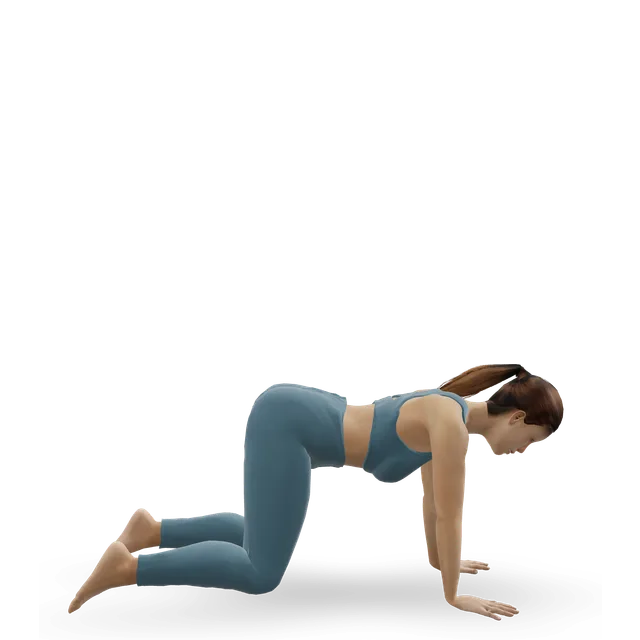
Hold each pose for 3 to 5 breaths, or count slowly to 5 (our editorial starting point for children), and give them names: mountain, tree or flamingo, warrior, lightning bolt (chair), dog, cat and cow, snake (cobra), boat, butterfly, happy baby and mouse (child's pose). Keep the foot off the side of the knee in tree, and bend the knees in downward dog.

Animal moves for heart, muscles and bones

A minute of marching and a few rounds of star jumps warm up, and bear and crab crawls build strength. For children, 2 crawls of about 5 metres each is plenty (our editorial starting point; the moves' pages give adult doses).

Poses to leave out for children

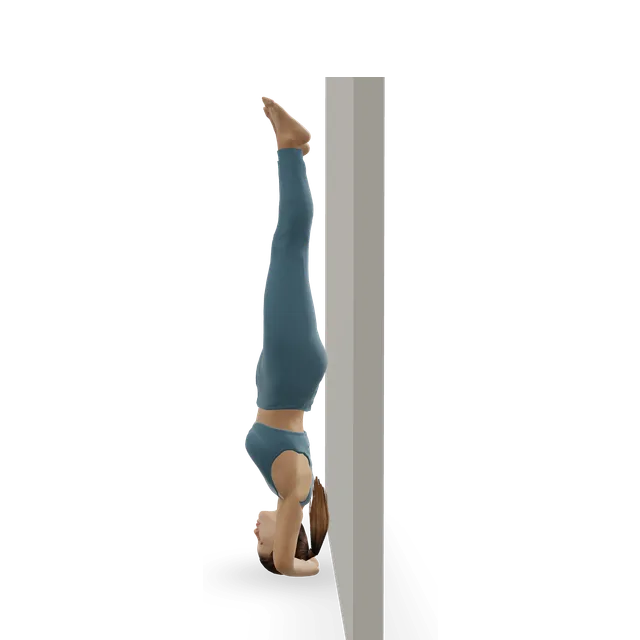
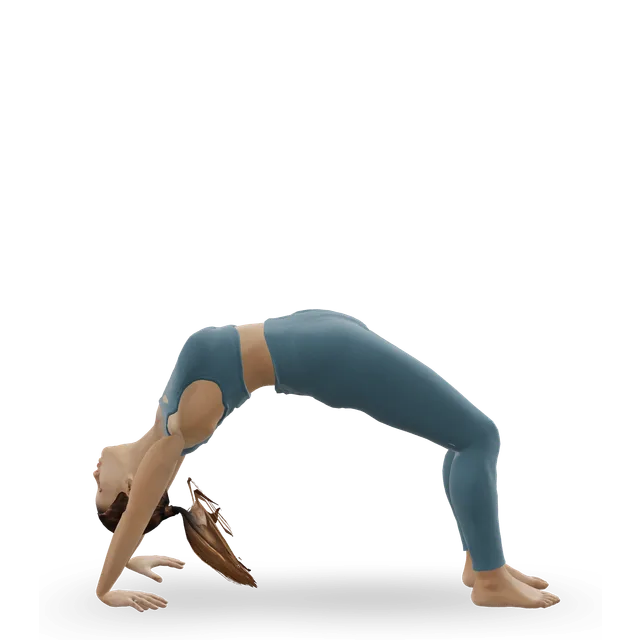
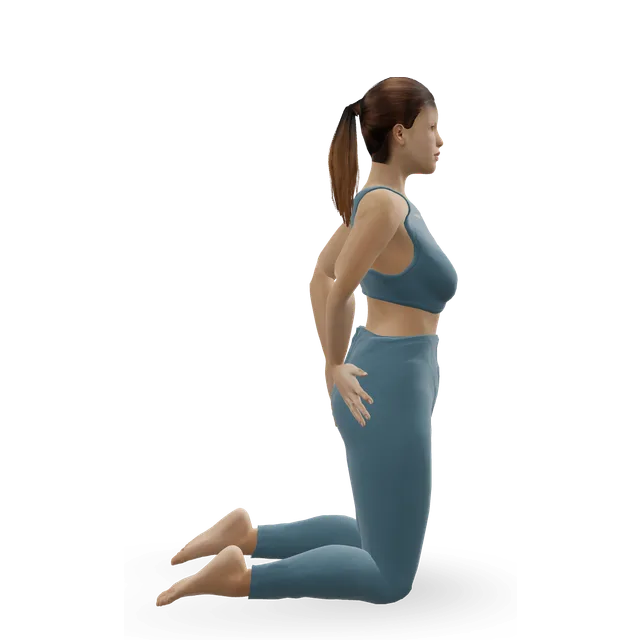
Leave out poses that put weight on the head or neck (headstand, shoulder stand, plough), advanced poses (handstands, forearm stands, wheel and camel) and the lotus position. Legs up the wall, held briefly, gives teenagers an upside-down feeling without weight on the neck (our suggestion).

Workouts to follow

Start with the 20-minute yoga for kids class 2 or 3 times a week. The animal moves workout adds more jumping for bones, the Pilates class is a sister session, and teenagers can follow the beginner yoga flow or the strength workout for teenagers.

A plan for teenagers

For teenagers who want to get stronger, with yoga as one of the week's sessions.

Warning signs every parent should know

Call 999 (911 in the US)

From our exercise for children guide, which also lists the signs of a bad asthma attack or a serious head injury:

  • Your child faints while exercising, or after fainting isn't breathing, can't be woken within a minute, hasn't fully recovered, has chest pain or a pounding or irregular heartbeat, or has a fit.

An urgent GP appointment or NHS 111 the same day

  • Sudden pain in the hip, thigh or knee, a limp, or not putting any weight on 1 leg: an urgent GP appointment or NHS 111 the same day. Hip problems can sometimes be felt in the thigh or knee.

Source 11

See a GP

From our exercise for children guide:

  • Leg pain in one leg only, pain in the morning or during activities, pain bad enough to stop them walking or make them limp, pain in one joint, a rash, swelling or unusual bruising on the legs, leg pain with a high temperature, unusual tiredness, or not eating or losing weight.
  • Any faint, even if your child seems fine afterwards.

During yoga

Stop any pose that hurts: a child shouldn't push through pain to keep up or to copy a bendier friend. If a child feels dizzy, faint or tingly during a breathing game, stop, sit them down and let them breathe normally (our suggestion). No weight on the head or neck, and no fast, forceful breathing.

Sources 9, 10

In the heat

The NHS says the signs of heat exhaustion are often the same in adults and children: tiredness, dizziness, a headache, feeling or being sick, heavy sweating, cramps, a high temperature, being very thirsty and feeling irritable. Move them somewhere cool, give them fluids and cool their skin. Call 999 if they are still unwell after 30 minutes of resting in a cool place, being cooled and drinking fluids, or they have a very high temperature, hot skin that isn't sweating, a fast heartbeat or fast breathing, confusion, a fit or they lose consciousness.

Source 44

Health conditions

The NHS says children and young people should get medical advice about exercising if they have a health condition. Tell the teacher about asthma, epilepsy, diabetes, very bendy joints, Down syndrome, a recent injury or any medicine.

Source 2

If you're worried about a child's safety

The NSPCC helpline is 0808 800 5000, and children and young people can call Childline free on 0800 1111.

Source 15

Myths

"Children can't be hurt in yoga"Emerging evidence

They can: sprains were the commonest yoga injury in Canadian emergency departments, and children were more often hurt while being taught than adults were. Serious injuries are rare, and simple poses with no weight on the head or neck keep the risk low.

Sources 40, 9

"Hot yoga is best for kids"Mixed evidence

No study has tested hot yoga in children. A school safety resource says rooms shouldn't go above 30°C and doesn't recommend hot yoga, and the NHS counts children among those more at risk in the heat. The American Academy of Pediatrics says healthy children who drink enough cope with heat about as well as adults, but nothing shows heat makes yoga better for them.

Sources 43, 10, 44, 45

"Yoga is all the exercise a child needs"Strong evidence

Children need an average of at least 60 minutes a day of moderate-to-vigorous activity, and activities with impact for their bones. Yoga is one part of that: add running, jumping and play.

Sources 1, 16

"Yoga is proven to calm anxious children and boost their grades"Mixed evidence

Reviews are positive, but the trials are small and at risk of bias, gentle exercise didn't clearly ease anxiety in a large analysis, and against PE yoga mostly did as well rather than better. One trial found better attention; none has tested school grades over time.

Sources 4, 21, 5, 7

"Children should be pushed into the splits and backbends because they're bendy"Mixed evidence

Very bendy children need strength and control, not more range, and advanced poses aren't for young children or beginners.

Sources 41, 10

"There's a minimum age for yoga"Emerging evidence

No guideline we found sets one, and trials included preschool children. What changes with age is the teaching: games for young children, beginners' classes for teenagers.

Sources 3, 26, 12

Questions people ask

Is yoga good for kids?

Yes, as one part of an active week. Trials found improvements in mood, attention, flexibility and fitness, often about as much as PE lessons gave, though most studies are small. Children still need an average of an hour a day of activity that makes them breathe harder, with jumping and running for their bones.

What age can kids start yoga?

There's no evidence-based minimum: trials included children from 3 to 5 years old, and children's yoga teachers train to teach ages 2 to 15. Younger children do best with short sessions built around games and animal poses, and teenagers can join a beginners' class.

Is yoga safe for children?

Generally, yes, with simple poses and a teacher used to working with children. Injuries do happen, mostly sprains, so children shouldn't push into pain, go upside down on their head or neck, or do fast, forceful breathing.

Is hot yoga safe for kids?

We suggest skipping it, as a precaution. No study has tested hot yoga in children, and a school safety resource says the room shouldn't go above 30°C. The American Academy of Pediatrics says healthy children who drink enough cope with heat about as well as adults, but there's no evidence heat makes yoga better for them.

Does yoga help children with anxiety?

It may help a little. Reviews of school yoga are encouraging, but the studies are small and none was rated at low risk of bias, and in one large analysis gentle, low-intensity exercise didn't clearly ease anxiety. If worries are affecting your child's daily life, talk to your GP.

Can yoga help a child with ADHD?

It may help attention but not hyperactivity: in pooled trials, mind-body exercise such as yoga improved attention only. Use it as a calming activity alongside more active exercise and your child's usual care.

Can yoga help children with autism?

The evidence is inconclusive. Small studies report better motor skills and social responsiveness, but most had no comparison group. Short, predictable sessions with clear demonstrations are a reasonable thing to try.

What are good yoga poses for kids?

Simple animal and nature poses: mountain, tree, warrior, chair, dog, cat and cow, snake (cobra), boat, butterfly, happy baby and child's pose, with star jumps and bear and crab walks for energy. School trials used poses like these, with breathing and a short relaxation.

What is balloon breathing?

Slow belly breathing for children: hands on the tummy, breathe in through the nose to blow up the balloon, then let it go down slowly. Keep it gentle, with no holding, and stop and breathe normally if your child feels dizzy.

Is yoga or Pilates better for kids?

Neither has been shown to be better, as our Pilates for kids guide says: both build strength, balance and flexibility, and the best one is the one your child enjoys. Both work best as one part of a week with running, jumping and play.

How often should kids do yoga?

Trials ran from one 40-minute lesson a week for 4 weeks to 45 minutes every school day for 3 months. Two or three short sessions a week on top of daily active play is a sensible start.

Can yoga help my child's tummy aches?

In one trial, adding yoga to usual care helped more children with long-term tummy pain a year later, and a dance and yoga programme helped girls aged 9 to 13. See a GP first to check the cause.

Sources

  1. UK Chief Medical Officers · Physical activity guidelines (2019 report; page updated July 2026)
  2. NHS · Physical activity guidelines for children and young people
  3. Yoga Alliance · Standards for Registered Yoga Schools: the children's yoga school standard
  4. Khunti 2023 · Yoga and mental health in school-aged children: 21 randomised trials (systematic review, Clin Child Psychol Psychiatry)
  5. Halliwell 2018 · A 4-week school yoga programme, body image and mood: 344 children aged 9 to 11 (cluster randomised trial, Body Image)
  6. Telles 2013 · Yoga or physical exercise: 98 schoolchildren aged 8 to 13 (randomised trial, Child Adolesc Psychiatry Ment Health)
  7. Yang 2025 · Twelve weeks of yoga and attention: 131 schoolchildren (randomised trial, BMC Public Health)
  8. Peng 2024 · Mind-body exercise for ADHD (systematic review and meta-analysis, Front Psychiatry)
  9. NCCIH 2023 · Yoga: effectiveness and safety (US National Center for Complementary and Integrative Health)
  10. SPHEReS (University of Alberta Injury Prevention Centre) · Yoga: safety guidelines for schools (last revised May 2025)
  11. NHS · Hip pain in children (irritable hip)
  12. Jarraya 2022 · Yoga, motor skills and self-esteem: 54 kindergarten children (randomised trial, Int J Yoga Therap)
  13. Kasture 2024 · Yoga or physical exercise and muscle function: 232 rural Indian children (randomised trial, J Phys Act Health)
  14. Noggle 2012 · Yoga in a US high school PE curriculum: 51 students (preliminary randomised trial, J Dev Behav Pediatr)
  15. British Wheel of Yoga · Welfare and safeguarding
  16. Bull 2020 · World Health Organization 2020 guidelines on physical activity and sedentary behaviour (Br J Sports Med)
  17. James-Palmer 2020 · Yoga for anxiety and depression in children and teenagers: 27 studies (systematic review, Front Pediatr)
  18. Ferreira-Vorkapic 2015 · Yoga in schools: 9 randomised trials (systematic review, Evid Based Complement Alternat Med)
  19. Birdee 2009 · Yoga for children and young people: 34 controlled studies (systematic review, Acad Pediatr)
  20. Kerekes 2024 · Yoga for children and teenagers in schools and psychiatric care: 16 studies (integrative review, J Psychiatr Res)
  21. Ligon 2025 · Exercise training and anxiety in children and teenagers: 22 studies (systematic review and meta-analysis, Scand J Med Sci Sports)
  22. Khalsa 2012 · Yoga and mental health in a US secondary school (preliminary randomised trial, J Behav Health Serv Res)
  23. Bazzano 2022 · Yoga and mindfulness for anxiety and depression in middle school (cluster randomised trial, Int J Environ Res Public Health)
  24. Vhavle 2019 · Yoga or physical exercise for attention and working memory: 802 school students (randomised trial, Int J Yoga)
  25. Krisanaprakornkit 2010 · Meditation therapies for ADHD: 4 trials, 83 people (Cochrane review)
  26. Cohen 2018 · Yoga for 23 preschool children with ADHD symptoms (randomised waitlist trial, J Dev Behav Pediatr)
  27. Satish 2018 · Yoga or physical exercise for aerobic fitness: 802 school students (randomised trial, Int J Adolesc Med Health)
  28. Katapally 2025 · Yoga, aerobic exercise and daily activity: 151 rural Indian children (randomised trial, PeerJ)
  29. Chanpura 2025 · One session of sun salutations and trunk flexibility: 100 schoolchildren (uncontrolled study, Cureus)
  30. Semple 2019 · Yoga and mindfulness for young people with autism: 8 studies (review, Child Adolesc Ment Health)
  31. Shanker 2022 · Yoga and motor skills in 43 children with autism (randomised trial, Adapt Phys Activ Q)
  32. Shanker 2023 · Yoga, social responsiveness and behaviour in 43 children with autism (randomised trial, Explore)
  33. Yadav 2026 · Yoga for children and teenagers with asthma: 6 trials (systematic review and meta-analysis, J Asthma)
  34. Caner 2025 · Yoga, body composition and vital signs in children and teenagers with obesity: 9 studies (systematic review and meta-analysis, Obes Rev)
  35. Korterink 2016 · Yoga therapy for children with long-term tummy pain: 69 aged 8 to 18 (randomised trial, J Pediatr Gastroenterol Nutr)
  36. Högström 2022 · Dance and yoga for functional tummy pain in 121 girls aged 9 to 13 (randomised trial, Eur J Pain)
  37. Högström 2026 · Dance and yoga for girls with functional tummy pain: pain frequency over 24 months (randomised trial, Children)
  38. American Academy of Pediatrics 2016 · Mind-body therapies in children and youth (clinical report, Pediatrics)
  39. Pandya 2024 · Yoga nidra for children's behaviour (narrative review, Int J Yoga)
  40. Russell 2016 · Yoga injuries in Canadian emergency departments, 1991 to 2010: 66 people (case series, Int J Inj Contr Saf Promot)
  41. Hypermobility Syndromes Association · Pain management (reviewed June 2021)
  42. NHS · Joint hypermobility syndrome (last reviewed August 2023, past its review date)
  43. Europe PMC · Search for studies of hot yoga in children and teenagers: 0 records (24 October 2026)
  44. NHS · Heat exhaustion and heatstroke
  45. American Academy of Pediatrics 2011 · Climatic heat stress and exercising children and adolescents (policy statement, Pediatrics)

Exercise education, not a personal prescription, and clinical review of these guides is pending. If you are pregnant, have a health condition such as glaucoma, high blood pressure or osteoporosis, or have had recent surgery, check with a doctor, midwife or physiotherapist before starting, and stop for sharp or increasing pain. Health disclaimer.