Strength at home
Sensory movement break: wake up, focus, calm down
Three parts, always in the same order: moves to wake the body up, balance moves to focus, then slow muscle work and a calm finish. The order follows the sensory circuits the National Autistic Society describes, which occupational therapists use, but this session is our own and hasn't been tested in a trial: it's a movement break, not a therapy. Look through the list first so you know what's coming. Every move has a quieter option. Stimming is fine; skip anything that doesn't feel right, and stop whenever you need to.
Wake up
- Standing march1 minBeginner · Hip flexors, Abs, Glutes · 3D demoBig, steady steps on the spotHarder: Standing band hip flexion
- Beginner · Hip abductors, Shoulders, Calves · 3D demoStep out and back with arm sweeps, or do star jumps if you like jumpingEasier: Seated marchHarder: Jumping jack
- Skipping2 lengths of the room or gardenBeginner · Calves, Hip flexors, Quads · 3D demoOr march faster on the spot if space or noise is a problemEasier: Ankle bounces (mini pogo)Harder: Alternate-leg bounding



Focus
- Single-leg stand2 holds of 10 to 20 s each legBeginner · Hip abductors, Calves, Glutes · 3D demoFingertips on a wall; look at one spotEasier: Tandem stance and heel-to-toe walkHarder: Single-leg reach matrix
- Tandem stance and heel-to-toe walk1 walk of 10 stepsBeginner · Calves, Hip abductors · 3D demoHeel to toe along a line on the floorEasier: Semi-tandem stanceHarder: Single-leg stand
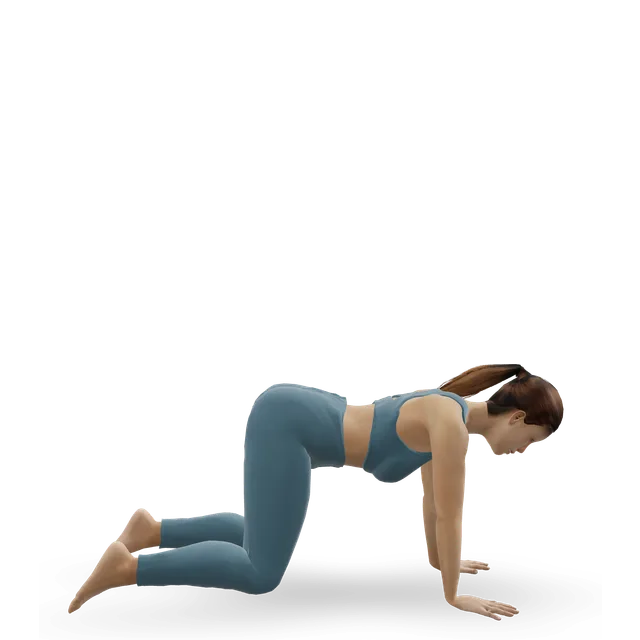
- Bird dog4 each sideBeginner · Back, Abs, Glutes · 3D demoSlowly reach the opposite arm and leg, and hold for 3 countsEasier: Bird dog, one limb at a timeHarder: Bear crawl
- Intermediate · Glutes, Quads, Hamstrings · 3D demoJump and freeze like a statue. Leave it out if you're new to jumping or the floor is hardEasier: Snapdown to athletic landingHarder: Single-leg hop and stick



Calm down
- Bear crawl2 short lengthsIntermediate · Shoulders, Abs, Quads · 3D demoPush the floor away with your hands and feetEasier: Knee hover (Pilates tabletop hover)Harder: Spider crawl (low push-up knee drive)
- Beginner · Glutes, Hamstrings, Abs · 3D demoLift, squeeze for 2 counts, then lower slowlyEasier: Pelvic tilt into bridgeHarder: Glute kickback (quadruped hip extension)
- Beginner · Back, Shoulders, Glutes · 3D demoOr lie on your back if kneeling is uncomfortableHarder: Extended puppy pose (Uttana Shishosana)
- Beginner · 3D demoIn for 4, out for 6, with no holding; or just lie stillEasier: Breath reachHarder: Crocodile breathing (prone diaphragmatic breathing)




Tips
- Keep the order the same each time. Showing the list first, or ticking moves off as you go, helps you know what's next.
- Want it quieter? Swap jumping for stepping, and skipping for marching.
- If something feels wrong in your body or your senses, skip it. You don't need to finish.
- Good after school, before homework or whenever you need a reset. It doesn't replace the hour a day of activity children need.
- Check for bumps or scrapes afterwards: some people don't notice when they've hurt themselves.
- If sensory differences affect daily life, an occupational therapist can build a plan of activities around your own needs, sometimes called a sensory diet.
The doses are suggested starting points, not a prescription. Choose a range you can control and stop for sharp or increasing pain, numbness or tingling. Get individual advice after an injury or surgery, or if you are pregnant or managing a health condition.
Guides that recommend it
Find more moves like these
More strength at home




Beginner bodyweight workout
A 20-minute full-body workout with no equipment: squats, knee push-ups, bridges, lunges and planks.
20 minBeginner10 movesNo equipment


Full-body bodyweight workout
An intermediate no-equipment workout: push-ups, split squats, single-leg bridges, pike push-ups and core work.
30 minIntermediate11 movesNo equipment


Full-body dumbbell workout
A 35-minute full-body strength workout with dumbbells: goblet squats, presses, rows, Romanian deadlifts and carries.
35 minIntermediate9 movesA band, A dumbbellQuestions people ask
How long does the sensory movement break: wake up, focus, calm down take?
About 12 minutes, including any warm-up and cool-down listed. Shorten it by doing fewer rounds; lengthen it by adding one.
What equipment do I need?
You need: A wall. Each move links to its guide, where you can find an alternative if you are missing something.
Is it suitable for beginners?
It is written for beginners. 9 of its 12 moves have an easier option listed beside them if you need one.
How do I make it easier or harder?
Use the easier or harder option listed under each move, change the number of rounds, or adjust the rest. Progress one change at a time.