Yoga for digestion: IBS, bloating and constipation, what the trials show, and when to see a GP
Yoga may ease irritable bowel syndrome (IBS) and bloating a little, mostly by getting you moving and helping you relax, but the trials are small, their results are mixed, and no single pose has been shown to work. Twists don't "detox" your organs. What helps bloating is more ordinary: moving and staying upright help gas move on, and training the breathing and belly-wall muscles eased visible swelling in two trials.
This guide covers what the trials found for IBS, bloating and constipation, the poses and breathing to try, what to skip on a bloated day, children's tummy pain, timing around meals, a 25-minute routine and the NHS warning signs. If you have blood in your poo, black poo or weight loss you can't explain, see a GP first.
IBS: it may help a little, and the evidence is mixed
A 2025 analysis of 11 trials (535 people) found no clear difference between yoga and control groups in IBS symptoms, anxiety, depression or quality of life. A Cochrane review found that physical activity, including yoga, may improve symptoms, at very low certainty, and an older review was more positive but couldn't make a recommendation.
Yoga did about as well as a low-FODMAP diet in 59 people over 12 weeks. Online classes helped 37% of people against 20% with advice alone, a difference that could be chance, and walking's benefit lasted longer than yoga's in a small trial.
The trials tested whole classes with poses, breathing and relaxation. No trial has tested a single pose for digestion and no study has tested twists, so claims that a twist massages or detoxes your organs are untested. Your liver and kidneys do the detoxing.
Gentle pedalling cut the gas retained by people with bloating from 45% to 24%, gas moved through faster upright than lying down, and training the breathing and belly-wall muscles cut the feeling of swelling by 56% and 66% in two trials. The NHS says "exercise regularly to improve your digestion and help prevent bloating".
Exercise trials suggest a benefit, at high risk of bias, and in one trial 3 months of yoga improved constipation-related quality of life in older adults. The NHS says "A daily walk or run can help you poo more regularly", and suggests raising your knees above your hips on the toilet.
See a GP about blood in your poo, black poo, weight loss you can't explain or a change in your bowel habit, and call 999 for a sudden, severe stomach ache or a lot of bleeding from your bottom. The full lists are in the warning signs below.
IBS causes tummy pain or cramps, bloating, diarrhoea or constipation, with days when symptoms are better and days when they're worse. Stress and anxiety are among its triggers. Guts UK describes it as a disorder of gut-brain interaction, and the NHS says to see a GP if you've had symptoms for over 4 weeks.
Guts UK says "Bloating is an uncomfortable feeling of fullness", while distension is "a visible widening of the girth", and that "4 out of 10 people in the general population may experience occasional bloating". In visible swelling, a reflex goes the wrong way: the diaphragm tightens and the belly wall relaxes, so the tummy pushes out.
Whole classes of different styles, for 6 weeks to 8 months, at 40 to 90 minutes a session. One trial in diarrhoea-predominant IBS used 12 poses, including sitting on the heels (vajrasana) and knees to chest (pawanmuktasana, the "wind-relieving pose"), with right-nostril breathing. No trial tested a single pose.
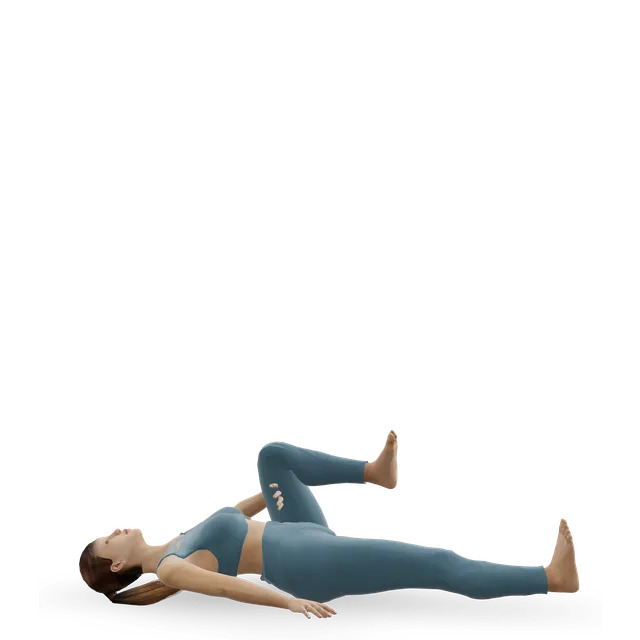
It's lying on your back hugging one or both knees to your chest. Our single and double knee-to-chest moves are the same shape, and our constipation routine already uses them. It was one of the 12 poses in that small IBS trial, and a search found no study of it on its own for digestion.
A 2022 Cochrane review of physical activity for IBS (11 trials, 622 people, 5 of the trials of yoga) found it may improve symptoms against usual care, at very low certainty, with no clear effect on quality of life or tummy pain. Yoga against walking showed no clear difference, and harms were poorly reported.
A 2025 meta-analysis of 11 randomised controlled trials (RCTs) of yoga (535 people, 4 of the trials in children or young people) found no significant difference from control groups in symptoms, anxiety, depression or quality of life, and concluded "Yoga cannot be recommended as a treatment for IBS before conducting further large-scale RCTs". A 2016 review of 6 trials found benefits but said "no recommendation can be made" because of flaws in the studies, and two later reviews were more positive, from studies of low quality.
In 59 people, twice-weekly yoga for 12 weeks did as well as a low-FODMAP diet (which cuts some carbohydrates that gut bacteria ferment), and both groups improved; one person in each group had a serious adverse event. In 79 adults, 8 weekly online hatha-based classes improved quality of life, tiredness and stress more than advice alone, and 37% against 20% had a clinically relevant fall in symptoms, a difference that could be chance.
In 35 adults, Iyengar yoga and walking did about as well as each other, but 6 months later symptoms had drifted back towards where they started with yoga while they kept improving with walking, and more walkers were still practising weekly.
In 22 men with diarrhoea-predominant IBS, 12 poses with right-nostril breathing twice a day for 2 months reduced bowel symptoms and anxiety, as the anti-diarrhoea medicine loperamide did. In 165 patients in India, yoga 5 times a week for 3 months, added to usual treatment, lowered stress and anxiety, but the symptom score barely moved (from 259.2 to 256.1).
The trial doses were one or two classes a week, usually with practice at home, for 8 to 12 weeks. In the online trial, people who practised for more minutes were more likely to respond.
Our 25-minute routine 2 or 3 times a week, or a gentle class once or twice a week with practice at home, for 8 to 12 weeks before you judge it. Diet changes, medicines and talking therapies for IBS have stronger evidence, as our IBS guide explains; yoga is an add-on if you enjoy it.
NICE asks doctors to encourage people with IBS "to make the most of their available leisure time and to create relaxation time", and to advise people who aren't very active to do more. The NHS says "try to find ways to relax" and "get plenty of exercise", and Guts UK suggests regular exercise and activities that help you relax.
In 8 people with bloating given a steady infusion of gas, gentle pedalling while lying down cut the share of gas retained from 45% to 24%, with fewer symptoms. In 8 healthy people, far less gas was retained upright than lying on their backs (13 against 146 mL after an hour), and it cleared faster. These were small laboratory studies, not trials of yoga.
Visible swelling and the diaphragmEmerging evidence
Two placebo-controlled trials used biofeedback, which shows people the activity of their breathing and belly-wall muscles, to correct the reflex behind visible swelling. It cut the feeling of swelling by 56% (against 13% with a placebo) in 48 patients, and by 66% in 42 patients with swelling after meals who were taught to move their diaphragm. The American Gastroenterological Association says diaphragmatic (belly) breathing is used to treat this reflex, and that probiotics shouldn't be used to treat bloating.
The NHS says "exercise regularly to improve your digestion and help prevent bloating", and that "exercise can also help when you're feeling bloated". It also suggests eating smaller, more frequent meals and chewing with your mouth closed, not eating large meals late at night or slouching when eating, and that you "massage your stomach from right to left to release trapped wind".
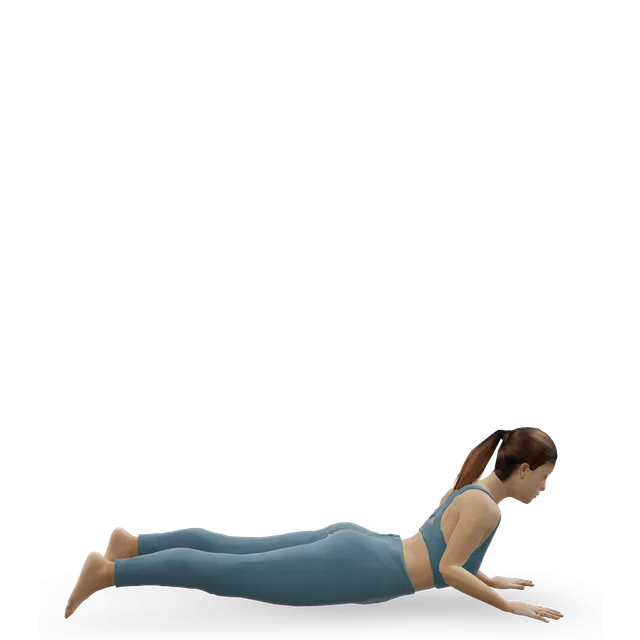
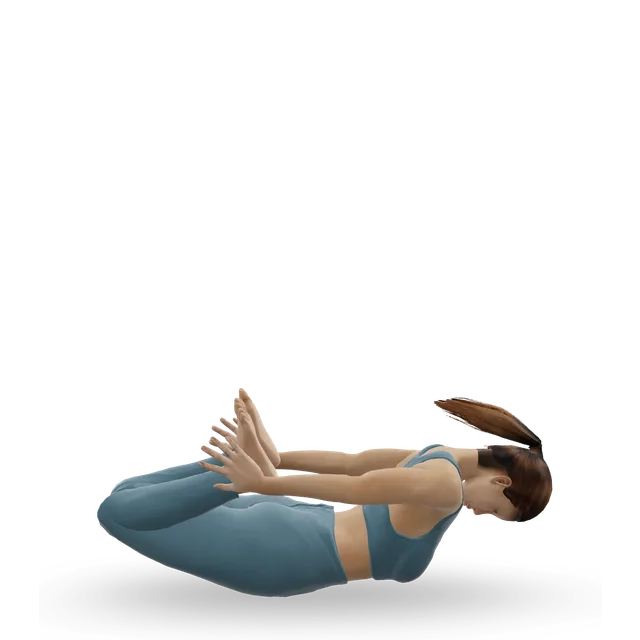
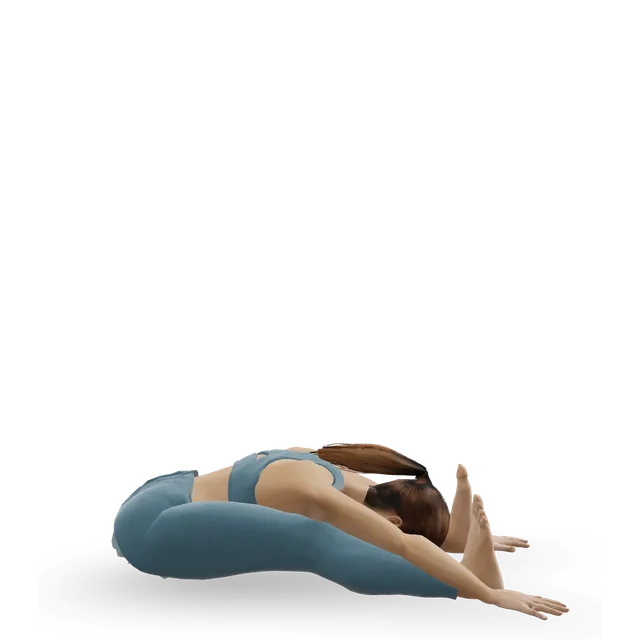
Lying on your front, as in cobra, sphinx, bow or locust, and deep forward folds with your knees together can feel uncomfortable when you're bloated. Choose standing poses, poses on your back, or child's pose with your knees wide so your tummy has room, as our IBS guide suggests. No trial has tested yoga for bloating.
A review of 9 exercise trials (680 people, mostly aerobic exercise such as qigong and walking) found people were about twice as likely to improve with exercise, but the results varied widely between trials and were at high risk of bias.
In 96 adults aged 60 to 75, yoga 3 times a week for 3 months improved constipation-related quality of life and sleep more than in a group put on a waiting list. It's the only randomised yoga trial for constipation we found.
The NHS says "A daily walk or run can help you poo more regularly", and suggests resting your feet on a low stool on the toilet and, if possible, raising your knees above your hips. NICE advises daily physical activity for children and young people with constipation, tailored to their stage of development and ability. Our constipation guide covers tummy massage, the toilet position and the evidence for each.
In one trial of 69 children aged 8 to 18 with long-term tummy pain, 10 weekly yoga sessions added to usual care meant more children had their pain scores at least halved a year later (58% against 29%), though there was no difference at earlier points or in quality of life. Children who did yoga missed less school.
In one trial, 121 girls aged 9 to 13 with long-term tummy pain did dance and yoga twice a week for 8 months. Their worst pain fell more than with standard care, and they had tummy pain on about 1 fewer day a week at 8 and 12 months. Mood, quality of life and school absence didn't differ, and their measured daily activity didn't rise.
In a pilot of 20 children, pain came less often after 10 yoga lessons. In 25 teenagers with IBS, 4 weeks of daily video practice reduced disability and anxiety against a waiting list. In a trial of twice-weekly Iyengar yoga for 6 weeks (51 who finished), 14 to 17 year olds improved in physical functioning and 18 to 26 year olds in symptoms; one person slipped from a rope during a supported headstand.
The NHS says see a GP about stomach pain, bloating or indigestion that does not go away or keeps coming back. For a child, that check comes before any yoga plan (our suggestion), and our yoga for kids guide covers safe poses for children.
Less anxiety and stress, an unclear effect on the diseaseEmerging evidence
In 7 trials (502 people) with inflammatory bowel disease, yoga-based programmes eased anxiety and perceived stress and improved quality of life, but their effect on disease activity was borderline. In 78 young people aged 10 to 17, quality of life and confidence in their own abilities improved after a 12-week programme, in a study without a comparison group. Use yoga alongside your treatment; our Crohn's and colitis guide has more.
A walk or gentle upright poses after eating are fine. If you get heartburn, our reflux guide suggests leaving about 2 hours after a main meal before head-down poses or lying flat; no guideline gives a figure. The NHS advises against eating large meals late at night or slouching when you eat.
In 68 people with diabetes, 20 minutes of yoga poses changed the stomach's electrical rhythm, measured on the skin, more than lying still did. It was one session and an indirect measure, not a test of symptoms.
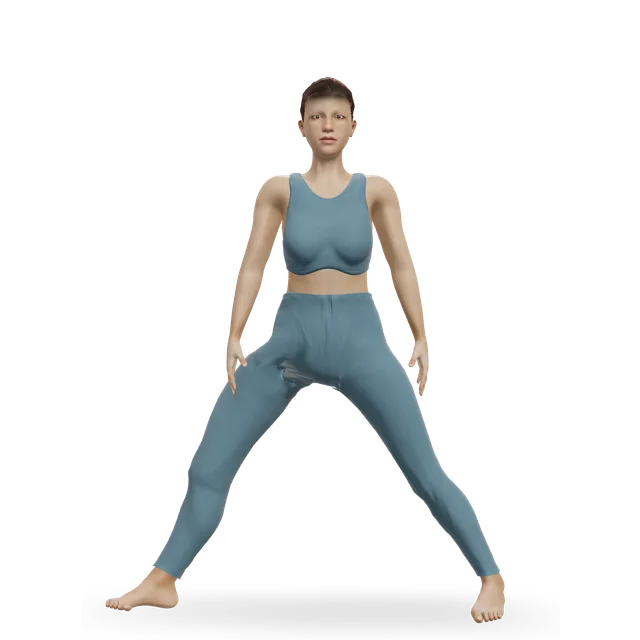
Start by moving: march on the spot for 2 minutes or take a 10-minute walk, then hold the standing poses for 3 breaths each side (our editorial starting point). Mountain pose (5 to 10 slow breaths) and the arm reach (5 breaths) use their pages' doses.
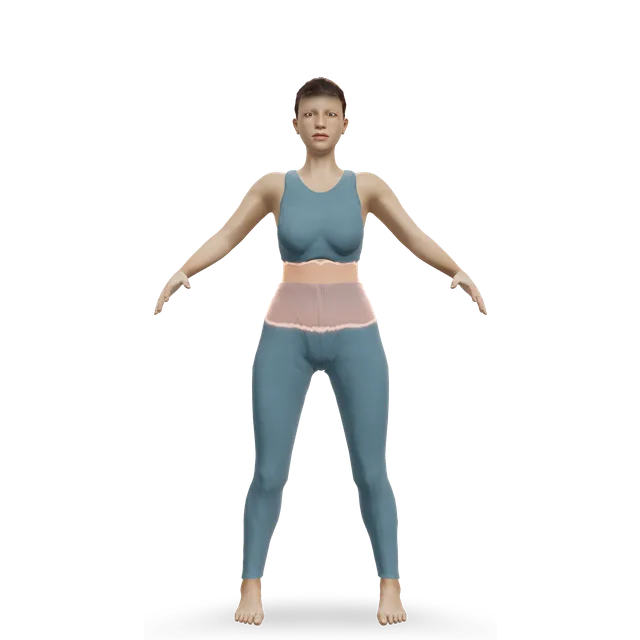
Doses from each move's page: at least 5 minutes of slow breathing, 3 to 5 minutes of slow alternate nostril breathing, and 5 to 10 slow breaths of pelvic floor relaxation 1 to 3 times a day if you strain. Crocodile breathing is done face down, so skip it on bloated days and breathe the same way sitting.
Steps adapted from the move's page, which gives at least 5 minutes; 3 minutes fits our routine (editorial). The American Gastroenterological Association says diaphragmatic breathing is used for the reflex behind visible swelling (Moshiree 2023).
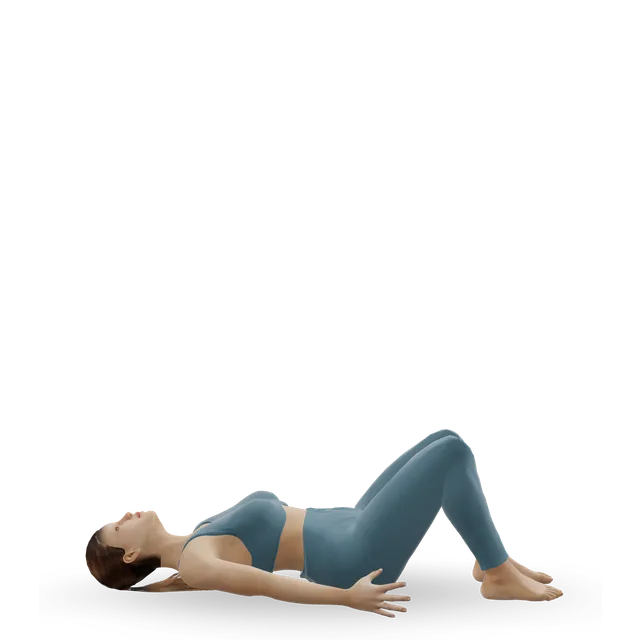
Lie on your back with your knees bent, or sit with your back supported. Loosen anything tight around your waist, and rest one hand on your belly and the other on your lower ribs.
Breathe in gently through your nose for a count of about 4, letting your belly and lower ribs widen under your hands.
Breathe out slowly for a count of about 6, and let your belly soften and fall.
Go straight into the next breath, with no holds. Keep each breath small and quiet; if you feel light-headed, make the breaths smaller.
Carry on for 3 to 5 minutes, or longer if it feels good.
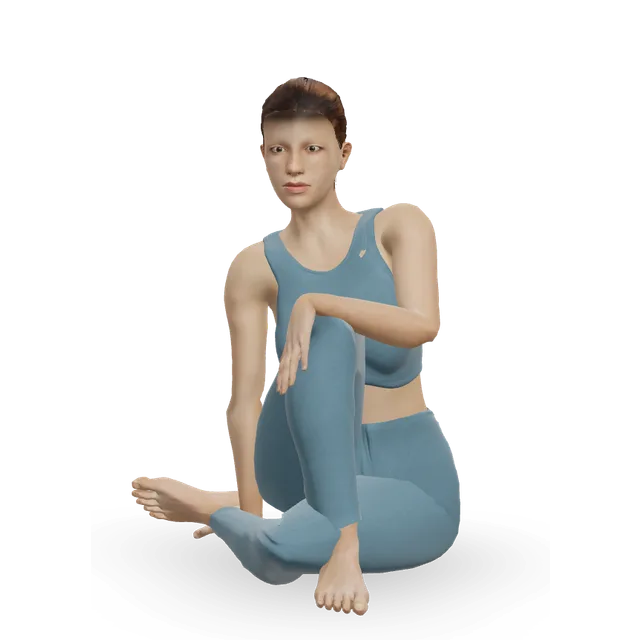
Doses from each move's page: 8 slow waves of cat-cow, 1 to 3 minutes of child's pose with your knees wide, knee hugs held for 20 to 30 seconds 2 to 4 times, happy baby for 30 to 60 seconds, and the supported reclining pose for 2 to 5 minutes. Keep the lying twist gentle, 30 seconds a side (our editorial starting point). Tummy massage and the toilet position have no 3D demo; their pages give written steps.
On bloated days, swap face-down poses for standing poses, poses on your back or a wide-knee child's pose, as our IBS guide suggests. If you get heartburn, leave head-down poses and deep folds for about 2 hours after a main meal (our reflux guide's suggestion), and keep twists gentle rather than deep or forced.
Start with the 25-minute yoga for digestion routine 2 or 3 times a week. The morning routine suits constipation, the pelvic floor relaxation routine helps if you strain, and gentle yoga for beginners is the closest to the IBS trial classes, as our IBS guide notes. In the breathing routine, the holds in box and 4-7-8 breathing are optional.
This is general information, not a diagnosis. These are the same warning signs as our IBS and constipation guides. In the US, call 911 where this page says 999.
Call 999
The NHS says call 999 or go to accident and emergency (A&E) if you have severe tummy pain with vomiting or a swollen tummy, or bleeding from your bottom that won't stop, or a lot of blood or large clots when you poo.
It also says call 999 or go to A&E now if you have a stomach ache and:
it started suddenly and is severe
you're vomiting blood or your vomit looks green or like ground coffee
there is a lot of blood coming from your bottom or your poo is black and sticky
you cannot pee at all
you cannot poo or fart at all
spots or a rash that does not fade when you press it (the rash may be harder to see on brown or black skin)
The NHS says see a GP if you have any symptoms of bowel cancer, such as changes in your poo, blood in your poo, which may look red or black, tummy pain, a lump in your tummy or losing weight without trying. The NHS adds: try not to be embarrassed, because doctors are used to talking about these symptoms.
Stop a pose that brings on sharp tummy pain rather than a stretch. A new lump or bulge in your groin or tummy when you strain or lift your legs needs a GP; our hernia guide explains when it's urgent. If poses on your front or head-down poses bring on heartburn, keep them for an emptier stomach. Yoga isn't a reason to wait with any warning sign above (our suggestions).
If your mood is low
Stress and anxiety can trigger IBS symptoms, and our anxiety and depression guides can help. If you are thinking about suicide or can't keep yourself safe, call 999 or go to A&E. For urgent help, call Samaritans free on 116 123, any time, or in England call 111 and select the mental health option. In the US, call or text 988.
No study has tested twists on digestion, and no yoga study has measured detoxification of the body (two searches, October 2026). A review found no randomised trials of commercial detox diets and "very little clinical evidence" for detox claims. Your liver and kidneys do that job.
"Twists and backbends massage or stimulate your digestive organs"Mixed evidence
No trial has tested a single pose on digestion, so claims that twists stimulate the organs, or that child's pose massages them, are untested. Twists are a comfortable way to move your spine, and that's reason enough to do them.
Reviews disagree: no clear difference from control groups in a 2025 meta-analysis and very low certainty in the Cochrane review, though yoga matched a low-FODMAP diet in one trial of 59 people.
Yoga and walking did about as well as each other, at very low certainty, and walking's benefit lasted longer in a small trial. Our IBS guide says the same: choose the activity you'll keep doing.
"The wind-relieving pose is a proven fix for gas"Mixed evidence
It was one of 12 poses in a small IBS trial, and a search found no study of it on its own for digestion. It's a comfortable knees-to-chest hug, worth trying for trapped wind.
"Salt-water yoga cleanses are a safe home detox"Emerging evidence
Shankha prakshalana, drinking about 2.4 litres of warm salt water in rounds with 5 poses, has been tested once, as a bowel preparation before a colonoscopy, under a yoga trainer's supervision, where it worked at least as well as a standard laxative in 94 patients. That makes it a supervised bowel preparation, not a home detox, and no yoga study has measured detoxification (our reading).
It may help IBS and bloating a little, mostly by getting you moving and helping you relax, but the evidence is mixed and no single pose has been shown to work. Walking, diet changes and IBS treatments have stronger evidence.
Is yoga good for IBS?
In some trials yoga helped symptoms, quality of life and stress, and it did about as well as a low-FODMAP diet, but a 2025 review found no clear difference from control groups. It's a reasonable add-on if you enjoy it.
What are the best yoga poses for bloating?
Start by moving: a walk or marching on the spot, then standing poses, cat-cow, a wide-knee child's pose, knee hugs and slow belly breathing. Gas moves on faster when you move and stay upright.
What is the wind-relieving pose, and does it work?
It's lying on your back hugging one or both knees to your chest (pawanmuktasana). It was one of 12 poses in a small IBS trial but hasn't been tested on its own, and many people find it comfortable for trapped wind.
Do yoga twists help digestion or detox your body?
No study has tested twists on digestion, and no yoga study has measured detoxification. Twists are fine for comfort; your liver and kidneys do the detoxing.
Can yoga help constipation?
Exercise in general may help, and in one trial yoga 3 times a week improved constipation-related quality of life in older adults. A daily walk, fibre, fluids and raising your knees on a step on the toilet come first.
Is it OK to do yoga after eating?
Gentle upright poses or a walk are fine. If you get heartburn, leave about 2 hours after a main meal before head-down or lying poses (our suggestion; no guideline gives a figure), and avoid big meals late at night.
How often should I do yoga for IBS?
Trials used 1 or 2 classes a week, usually with practice at home, for 8 to 12 weeks. Give it about that long before you judge it.
Can yoga help children with tummy pain?
In one trial, adding yoga to usual care meant more children with long-term tummy pain were better a year later (58% against 29%), and a dance and yoga programme helped girls aged 9 to 13. A GP should check the cause first.
Which poses should I avoid when I'm bloated?
Lying on your front, as in cobra, sphinx, bow and locust, and deep folds can feel uncomfortable on a bloated tummy. Choose standing poses, poses on your back or a wide-knee child's pose instead.
Can yoga help Crohn's disease or colitis?
Yoga programmes eased anxiety and stress and improved quality of life, but didn't clearly change disease activity. Use it alongside your treatment; our Crohn's and colitis guide has more.
When should I see a GP about digestive symptoms?
See a GP about blood in your poo, black poo, weight loss you can't explain, a lump in your tummy, or a change in your bowel habit lasting 4 weeks or more. Call 999 for a sudden, severe stomach ache, vomiting blood, or bleeding from your bottom that won't stop.
Exercise education, not a personal prescription, and clinical review of these guides is pending. If you are pregnant, have a health condition such as glaucoma, high blood pressure or osteoporosis, or have had recent surgery, check with a doctor, midwife or physiotherapist before starting, and stop for sharp or increasing pain. Health disclaimer.