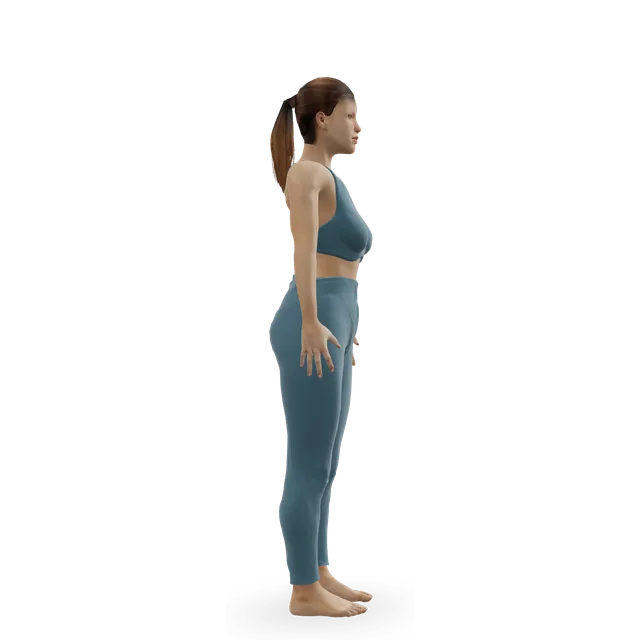
Coordination is a skill, and skills are specific
You get better at what you practise, and the gains spread to other tasks less than people hope. Choose the skill you want (catching, a dance step, your sport) and practise that.
Training guide
Coordination is getting the right muscles working at the right time to move smoothly and accurately, whether you're catching a ball, dancing or doing up buttons. It's a skill, and like any skill it improves with practice at any age: genes explain some of the differences between people, but taught movement programmes improved children's skills, and adults and older adults learned new skills such as juggling in studies. The catch is that practice mostly improves the skill you practise.
This guide covers what coordination is, how to practise so it sticks, hand-eye coordination, what juggling and brain-training apps can and can't do, children's movement skills and developmental coordination disorder (dyspraxia), coordination and falls in older adults, and when clumsiness needs a check. A sudden loss of coordination, with a drooping face, a weak arm or slurred speech, is a 999 call: see the warning signs.
You get better at what you practise, and the gains spread to other tasks less than people hope. Choose the skill you want (catching, a dance step, your sport) and practise that.
Genes explain a good share of the differences between people in the few twin studies, but taught movement programmes improved children's skills, and practice explained 18% of the differences in sport performance: important, not everything.
Break a skill into parts and practise them regularly, as the NHS describes for children with dyspraxia. Once you can do it, mix up how you practise; that helped people keep a skill in lab studies, though less clearly in real-world practice.
Commercial brain-training and vision devices make you better at their own tasks, with little evidence that it carries over to sport. Learning to juggle changes the brain, but no trial shows it improves other skills.
About 5 in 100 children have developmental coordination disorder (DCD, dyspraxia), and practising everyday tasks helps most. For older adults, balance and functional exercise cut falls by 24%, as our balance guide says.
A sudden loss of coordination or balance is a 999 call: it can be a stroke. Clumsiness, a tremor or unsteadiness that builds over weeks or months needs a GP, not more drills. See the warning signs.
Whole-body (gross motor) coordination is walking, running, jumping, throwing and kicking; hand-eye coordination is catching, hitting and driving; fine motor coordination is writing, doing up buttons and typing. The NHS's dyspraxia page describes the fine and whole-body kinds. Balance is part of it too, and our balance guide covers standing still and moving without falling.
Source 15
Early on, a new movement is slow and needs your full attention; with practice it gets faster, smoother and more automatic. Gains are largest on the task you practised: in trials, balance training improved the trained balance task but had little effect on untrained ones.
Your eyes, your inner ear and the sense of where your limbs are, plus strength, speed, attention and practice. In the few twin studies, genes explained about half the differences in early motor development and 27 to 48% in balance.
Children develop movement skills at different rates, and the NHS notes a firm diagnosis of DCD isn't usually made before about age 5. About 5 in 100 children have DCD, more boys than girls. Autistic children and children with ADHD often find coordination harder, as our autism and ADHD guides explain. Older adults learn new skills too: in one study they learned to juggle, less fluently than 20-year-olds.
Being tired, stressed, rushed, unwell or drunk makes most people clumsier (our reading), and the NHS lists tiredness, stress, caffeine and alcohol among the things that make a tremor more noticeable. New or worsening clumsiness, or clumsiness with other symptoms, needs a check: see the warning signs.
Source 18
Most motor learning studies are small lab experiments; the children's, DCD and falls evidence comes from larger reviews.
In 6 trials, balance training improved the trained balance task by a moderate to large amount but had little or no effect on untrained ones. Across 34 studies, the transfer of practice to new tasks was medium in the lab and small and uncertain in real-world settings.
Practising skills in a mixed order rather than in blocks helped people keep them across 54 studies, clearly in labs and in adults and older adults, but the effect was small and uncertain in applied settings and negligible in young people. An older analysis of 61 studies agrees.
Across 73 studies, focusing on the effect of a movement (the ball, the target) beat focusing on your body. But a reanalysis of the same studies that corrected for unpublished null results found the benefit close to zero. It's a reasonable coaching cue, not a proven shortcut.
Across 86 studies of 3,593 athletes, mental rehearsal improved performance by a moderate amount, best at about 10 minutes, three times a week.
Source 22
After a night's sleep, people tapped a finger sequence faster, and a review of 48 studies found a small benefit of sleep. But other analyses found the gain disappeared once other factors and unpublished results were accounted for. Sleep well anyway, without expecting an overnight jump.
Practice explained 18% of the differences in sport performance, and 1% among elite athletes. In the few twin studies, genes explained about 55% of the differences in early motor development, and in 44 female twins the heritability of a thumb control task was 0.68, and of learning it 0.70. Programmes that build skills still clearly improve them.
Learning to juggle changed grey matter in young adults and older adults and white matter in 24 adults over 6 weeks, and the changes didn't track how well people juggled. In 26 active older adults, 4 weeks of juggling (three 45-minute sessions a week) brought modest balance gains and no clear change in reaction time. No trial shows it improves other skills.
Of 43 studies of commercial brain-training devices, only 1 tested a sport task. 3D tracking training improved its own task but not game performance in 62 academy footballers, and in a review of one commercial tracking device, 2 of the 3 studies that tested real-world tasks found no carry-over.
In 27 small trials of athletes, visual training improved decision speed and sport-specific performance by moderate amounts, and strobe glasses sped up reaction time but not decisions in 9 studies. The trials were small and varied, and one review's effect was too large to be believable.
Programmes that teach movement skills improved children's skills, while free play alone didn't in one analysis. School programmes worked best at 60 minutes or more, 3 or more times a week, for 10 to 20 weeks, though many studies had weaknesses.
About 5% of children have DCD (7% of boys and 4% of girls across 18 studies of 31,203 children). Practising the everyday activities themselves worked well, and training underlying abilities worked poorly; international recommendations favour activity-based approaches, with benefits from about 10 sessions.
In a Cochrane review of 108 trials, exercise cut falls by 23%, balance and functional exercise by 24% and tai chi by 19%; programmes that challenged balance for more than 3 hours a week cut falls by 39%, as our balance guide sets out.
Practising balance while doing something that needs thought improved balance in 14 studies of healthy older adults, and exergames (video games you play by moving) cut the number of older adults who fell over a year by 25% in 9 trials, on moderate-certainty evidence.
Hand-eye: catching and throwing. Whole-body: skipping, a jump rope, dance steps or shadow boxing. Your sport: your sport. Practise 10 to 15 minutes on most days (our editorial starting point), keeping it a little hard: if you never miss, make it harder; if you always miss, go back a step.
Source 1
Learn a hard skill in parts, slowly, then put it together. Once you can do it, vary the speed, the side, the direction and the order, which helped people keep skills in adults and older adults.
Picturing the movement for about 10 minutes, three times a week, added a moderate gain in athletes. It adds to practice; it doesn't replace it.
Source 22
Children's programmes ran 10 to 20 weeks, and adults learned to juggle over about 6 weeks. Progress varies with the skill and how often you practise.
Our editorial method, built on the practice studies above. Our jump rope guide teaches the basic bounce in full.
Loading the 3D figure…
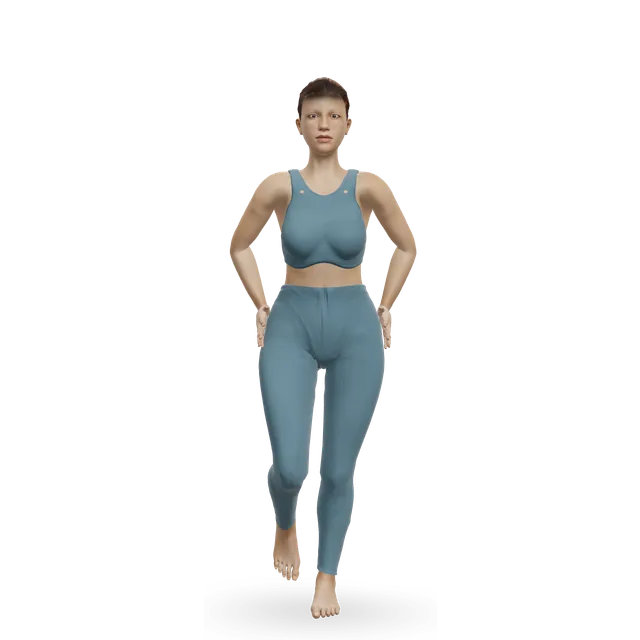
The movement on the figure: Jump rope (basic bounce)
Pick one and practise it little and often: skipping 2 × 20 m (our dance warm-up), carioca 2 × 10 m each way (our lacrosse warm-up), shadow boxing in 2-minute rounds, jab and cross on light feet (our boxing fitness workout).
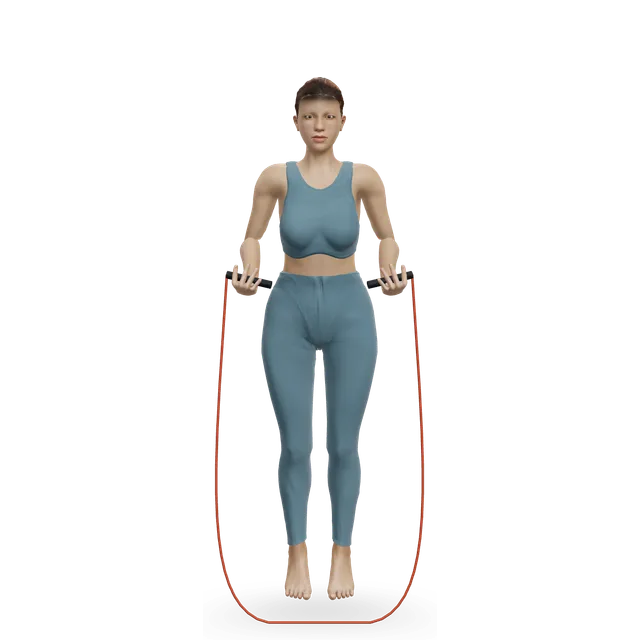 3D demoJump rope (basic bounce)Intermediate · A jump rope
 3D demoSkippingBeginner · No equipment
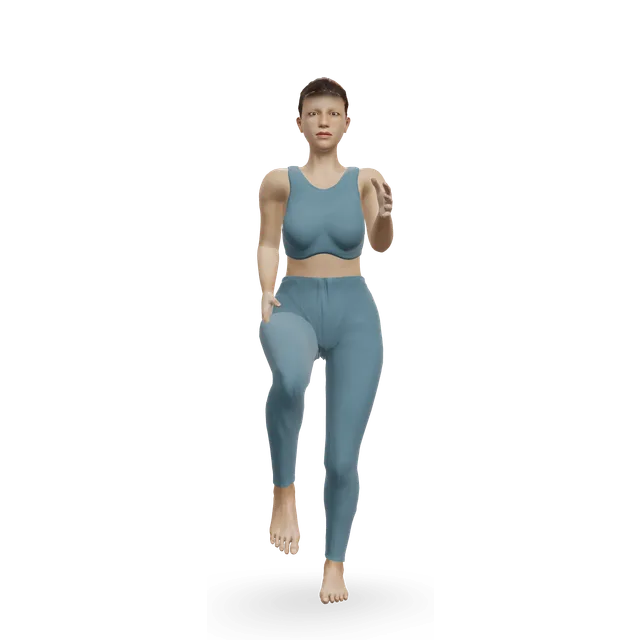 3D demoCarioca quick stepBeginner · No equipment
 3D demoStep jack (low-impact jumping jack)Beginner · No equipment
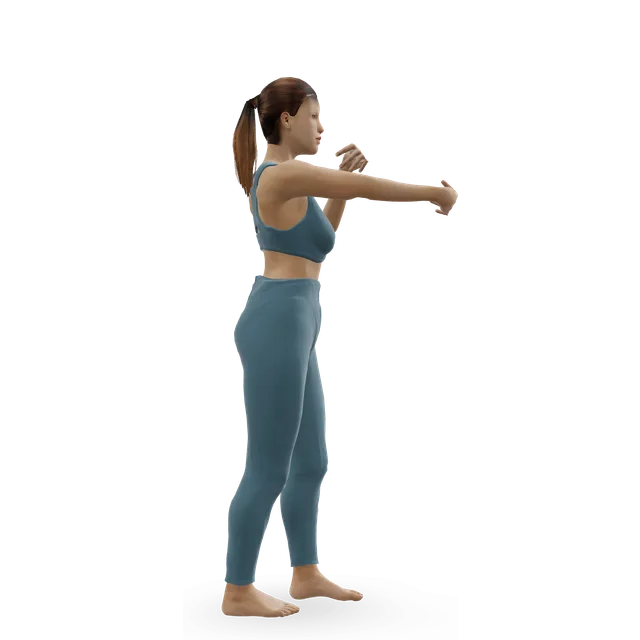 3D demoStanding punches (shadow boxing)Beginner · No equipment
 3D demoJumping jackBeginner · No equipment
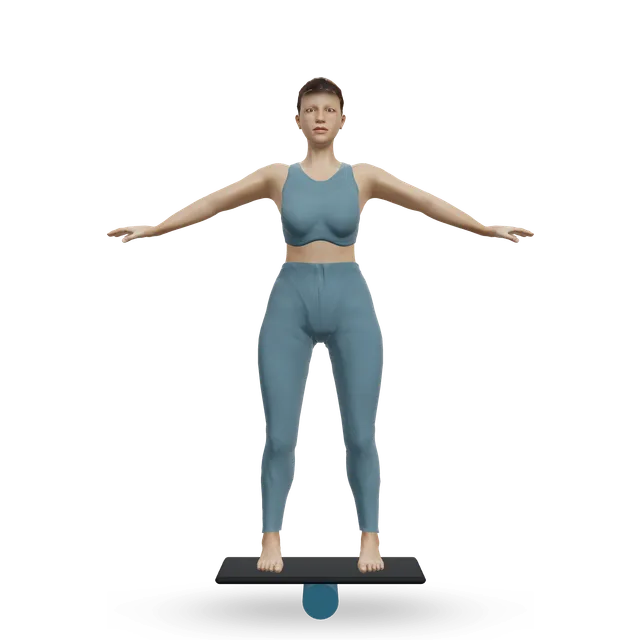
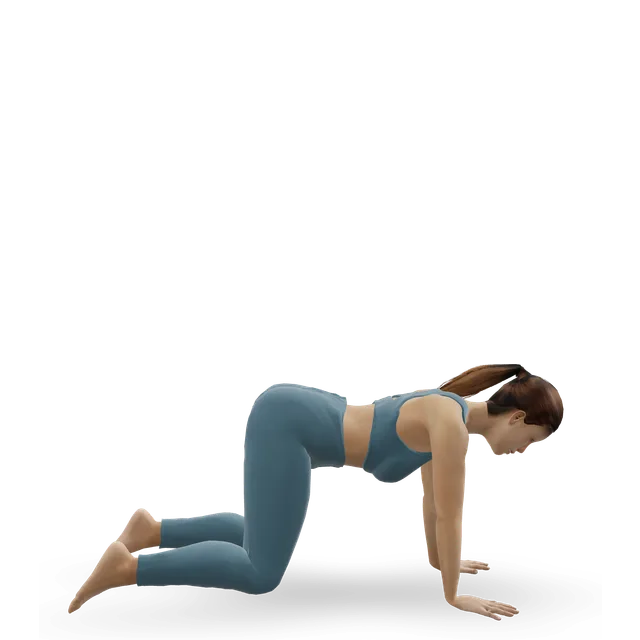
Next to a counter: one-leg stands of 20 to 30 seconds (our arthritis routine), or circling a tennis ball round your standing foot with the other foot (our tennis and padel routine); bird dog 2 × 6 each side (our table tennis workout). Our balance guide has the full ladder.
Hand-eye coordination improves with hand-eye tasks: a ball, a wall and a partner. Devices that train reaction to lights or tracking on a screen improve their own tasks; whether that carries over to catching or your sport is unproven.
Our editorial progression. Move up a step when you catch most throws:
Action video games speed people up in lab tasks, but the published effects are inflated, and a large review found no evidence that game training improves wider thinking skills. Whether they help coordination in sport or daily life is unproven.
The NHS asks children aged 5 to 18 for an average of at least 60 minutes of moderate or vigorous activity a day, with a variety of activities to develop movement skills, muscles and bones. For under-5s, active play counts, including throwing and catching, as our children's guide explains.
Taught movement programmes improved skills more than free play, and children with better movement skills are more active, though shared genes and family habits may explain part of that link.
Talk to a GP or health visitor, or a teacher or the school's special educational needs co-ordinator (SENCO), as the NHS advises. An occupational therapist or physiotherapist can assess them; practising the activities they find hard, broken into parts, helps most. The NHS notes DCD often continues into adulthood, though coping strategies help.
The NHS says to see a GP if you think you have dyspraxia and it's affecting your home life, work or studies; physiotherapy can help balance, coordination, strength and posture, and occupational therapy helps with tasks at home or work.
Source 15
Play first: these come from our animal moves for kids workout (crawls across the room and back, 4 frog leaps, 15 bunny hops and a 20-second flamingo stand each leg).
The NHS asks older adults for activities that improve strength, balance and flexibility on at least 2 days a week, and balance and functional exercise cut falls by 24% in trials. Our older adults guide and balance guide have the programmes.
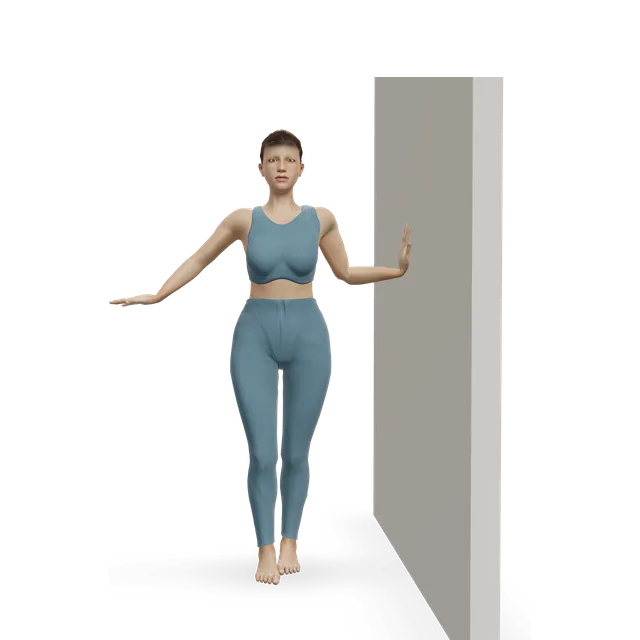
The NHS's balance exercises (sideways walking, the grapevine, heel-to-toe walking, one-leg stands and step-ups) are a start, at least twice a week near a wall or a sturdy chair. Add a second task, such as counting back, or a stepping game once they're easy.
Older adults learned to juggle in studies, and dancing, tai chi and racket sports all train coordination. Choose one you enjoy.
Choose by goal: the balance workout for steadiness, jump rope and dance for whole-body rhythm, shadow boxing for arms and feet together, animal moves for children, and the seniors' routine for older adults.
A 20-minute balance workout for steady adults: harder stances, head turns and eyes closed, single-leg reaches and hinges, step-ups and stuck landings.
20 minIntermediate13 movesA wall, A dumbbellA first jump rope session in about 20 minutes: a springy warm-up, five short rope rounds with equal rest, calf and shin work, and calf stretches.
20 minBeginner7 movesA jump rope, A wallA 35-minute boxing workout with no sparring: a warm-up, three shadow boxing rounds, optional bag rounds, a punching finisher and core work.
35 minBeginner10 movesA band, A wallA dance warm-up for class, rehearsal or performance: easy cardio, ankle circles and rises, leg swings, spine moves, turnout, balance and small jumps.
15 minBeginner16 movesA wall, A dumbbellA 35-minute no-jump dance workout to music: marching, step-touches, step jacks, punches, step-ups and pliés, then trunk and pelvic floor work and a cool-down.
35 minBeginner14 movesA wall, A stepFifteen minutes of animal moves, jumps and balance games for children, building the muscle- and bone-strengthening activity they need, with nothing to buy.
15 minBeginner16 movesA wallA 20-minute Pilates class in short blocks: an active start, counted breathing, coordination moves, another burst, back and side work, balance and a calm finish.
20 minBeginner13 movesA wallA 25-minute routine for racket players: the five-part Shoulder Control programme from handball trials, band rotations, forearm lowering, hops and balance.
25 minBeginner12 movesA dumbbell, A cable machineThirty minutes of standing yoga for balance: strong standing poses, one-leg poses at the wall, and side steps, backward steps, reaches and sit-to-stands.
30 minBeginner16 movesA wall, A bench or boxA 25-minute Pilates class for steadier balance: standing balance and leg strength at a kitchen counter, then mat work for your trunk and hips.
25 minBeginner17 movesA wall, A bench or boxA 40-minute strength and balance session for over-65s, built from the Otago home programme and NHS exercises, using a chair, a counter and a step.
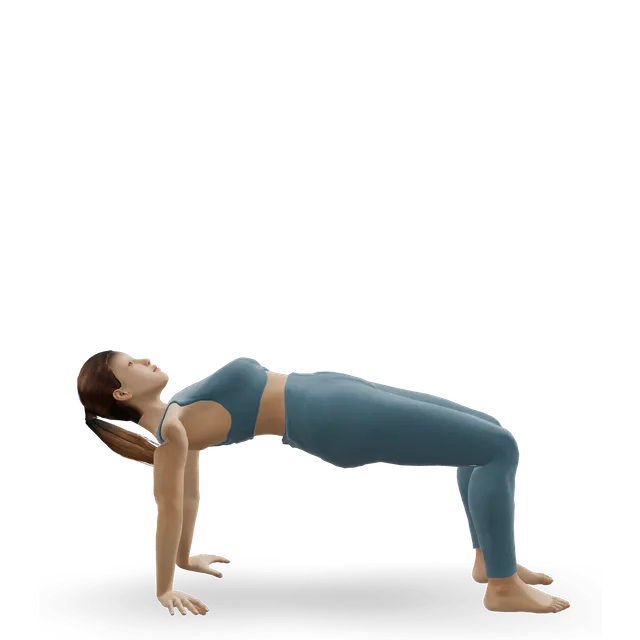
40 minBeginner18 movesA bench or box, Something with weightEach builds balance or skill work into a week of strength training.
A 12-week exercise plan for over-65s: strength and balance three times a week, short balance sessions and daily walks, based on falls-prevention trials.
3 training days40 minBeginner3 days a weekA weekly plan for women over 50: strength, bone-loading and balance on 3 days plus walking, built on UK osteoporosis consensus advice.
3 training days45 minBeginner3 days a weekA 12-week workout plan for 13 to 17 year olds: technique first, then light weights, 2 or 3 sessions a week around sport and school, at home or in a gym.
3 training days40 minBeginnerOur stroke guide covers balance, walking and arm practice once your stroke team has cleared you.
Our MS and Parkinson's guides cover balance and coordination work for each, with the experts' doses.
Our autism and ADHD guides cover movement skills, which trials show improve with practice.
Our vertigo guide covers exercises for dizziness from the inner ear, once a GP has checked it.
Our concussion guide covers the graded return to activity and sport.
Our peripheral neuropathy guide covers balance training in shoes and foot care.
Ataxia is a group of conditions affecting coordination, balance and speech, with many causes; the NHS lists physiotherapy among the treatments for movement problems. Follow your specialist team's advice.
Source 50
Call 999 (911 in the US) or go to A&E if you have sudden weakness or numbness in one arm, sudden loss or blurring of vision, or sudden problems with balance and coordination: these could be signs of a stroke. Call 999 too for chest pain that feels tight or spreads to your arms, neck or jaw, or severe difficulty breathing.
Call 999 if you think you're having, or have had, a stroke, or you've had signs of a stroke in the last 24 hours, even if they've stopped. The NHS uses FAST:
Other signs include weakness or numbness down one side, blurred vision or loss of sight, difficulty speaking or finding words, confusion and memory loss, feeling dizzy or falling over, a severe headache, and feeling or being sick. Don't drive yourself to A&E. In the US, call 911: the CDC uses BE FAST, adding loss of balance and eye changes.
If someone has fallen and may have hurt their head, neck, back or hip, or can't get up. For sudden unsteadiness with signs of a stroke: a face drooping on one side, weakness in one arm, or speech problems; also sudden blurred vision or loss of sight, feeling dizzy or falling over, or a severe headache. Call even if the signs stop. And for vertigo with double vision or loss of vision, hearing loss, trouble speaking, or weakness, numbness or tingling in an arm or leg.
Source 51
Common reasons are weaker legs, less activity, medicines, low blood pressure, eyesight or hearing problems, and conditions such as arthritis, Parkinson's disease or a stroke. See a GP if it's new or getting worse, if you've had a fall, or if it comes with dizziness, hearing changes or numbness. Call 999 if it comes on suddenly with a drooping face, a weak arm or slurred speech.
Any fall or near-fall, new unsteadiness, or a new fear of falling: ask about a falls assessment.
Our suggestion, from the NHS pages: see a GP if a tremor or shaky hands are getting worse over time or affecting daily activities; if you're concerned you may have symptoms of Parkinson's disease (tremor, slowness of movement, stiff muscles); if you think you have symptoms of MS, which include feeling off balance, dizzy or clumsy; or if your movement has changed or got worse.
Any fall, even without injury: they can look for the cause and how to prevent another.
Falls, or difficulty with balance: ask about physiotherapy.
Coordination difficulties are affecting daily life or school: ask about an assessment for developmental coordination disorder (dyspraxia).
If someone has fallen and may be in pain, injured or unwell, or for vertigo with a severe headache, being sick, or a very high temperature. In the US, contact your doctor or urgent care.
If you've had a fall, or you're worried about your balance or getting about; you may be able to refer yourself to a local falls service. See a GP, too, for dizziness that won't go away or keeps coming back, or that comes with hearing loss or ringing in the ears, double or blurred vision, numbness or weakness, fainting or headaches. NICE says a full falls assessment should be offered if you've fallen in the past year and live with frailty, were injured and needed medical treatment, lost consciousness, couldn't get up on your own, or have fallen twice or more in that year.
Anyone who might have a concussion stops at once and doesn't play, train or do PE again for at least 24 hours. Get them assessed within 24 hours by a healthcare professional or NHS 111, and call 999 for red flags such as getting drowsier, repeated vomiting, a fit or a worsening headache (the full list is below). Fewer than 1 in 10 concussions involve being knocked out.
The UK guidelines call these red flags. They need urgent assessment, by ambulance if necessary. If a neck injury is suspected, only a trained healthcare professional should move the person.
Stop if you feel dizzy or light-headed. Keep a counter or wall within reach, and have someone nearby for the hardest moves if you've fallen recently (our suggestion, as in our older adults guide).
If you get chest pain or pressure, feel faint or dizzy, are unusually breathless, or your heart races or beats irregularly during exercise, as our plans advise.
For chest pain that comes on suddenly and doesn't go away, feels tight or like squeezing, spreads to your arms, neck, jaw, stomach or back, or comes with sweating, feeling sick, light-headedness or breathlessness; severe difficulty breathing; someone who faints while exercising; palpitations that don't go away, or come with chest pain, shortness of breath or feeling faint; or a headache that starts suddenly and is extremely painful, especially while lifting or straining, or comes with numbness or weakness, difficulty speaking or loss of vision. The NHS says a bleed on the brain may be more likely when lifting something heavy. Don't drive yourself to A&E.
Source 55
Speak to a GP first if you haven't exercised for some time, or if you have a medical condition or concerns. Get advice first, too, if you have a health problem, an injury or symptoms, have recently had a heart attack or an operation, or are pregnant or have recently given birth.
Genes explain part of the differences between people, but taught programmes improved children's skills, practice explained 18% of the differences in sport, and older adults learned to juggle.
Balance training improved the trained task and little else, and transfer to new tasks was small in real-world settings. Practise what you want to get better at.
They improve their own tasks, but carry-over to sport is unproven, and a tracking device didn't improve game performance in academy footballers.
It makes you better at juggling and changes the brain areas involved, and in older adults it gave modest balance gains. No trial shows it improves other skills.
The NHS says DCD often causes continued problems into adulthood, though coping strategies help; practising the activities themselves improves skills.
That figure came from one finger-tapping study; later analyses found the effect small or explained by other factors and unpublished results.
Choose a skill and practise it little and often: catching and throwing for hand-eye coordination, skipping, dance or a jump rope for whole-body coordination, and your sport for your sport. Make it a little harder as it gets easier, and vary it once you can do it.
Yes. Adults and older adults learned new skills such as juggling in studies, and mixing up practice helped adults keep skills. Genes play a part, but practice works at any age.
Practise catching, throwing and hitting: a ball against a wall, then one hand, then the other, then two balls. Vision and brain-training devices improve their own tasks but haven't been shown to carry over to sport.
It makes you better at juggling and changes the brain areas involved, and in older adults it gave modest balance gains. No trial shows it improves other skills, so enjoy it as a skill in its own right.
Practise both: balance exercises next to a counter, made harder every week or two (our balance guide), plus a coordination skill you enjoy. In older adults, balance and functional exercise cut falls by about a quarter.
Common reasons are tiredness, stress, rushing, alcohol and some medicines, or a skill you haven't practised. See a GP if it's new, getting worse or comes with weakness, numbness, a tremor or dizziness, and call 999 if it comes on suddenly with a drooping face, a weak arm or slurred speech.
Dyspraxia, or developmental coordination disorder, is a condition you're born with that mainly affects movement and coordination; about 5 in 100 children have it. Practising everyday tasks with an occupational therapist or physiotherapist helps most, and a GP, health visitor or the school's SENCO is the place to start.
Active play every day, with throwing, catching, jumping and climbing, plus taught skills through PE or a club: taught programmes improved children's skills more than free play. If coordination problems affect daily life or school, ask about an assessment.
Action games make people quicker in lab tasks, but whether that carries over to sport or everyday coordination is unproven. Active video games can help children with dyspraxia alongside practice, according to international recommendations.
Children's programmes improved skills over 10 to 20 weeks, and adults learned to juggle over about 6 weeks. Progress varies with the skill and how often you practise.
Exercise education, not a personal prescription, and clinical review of these guides is pending. Check with a GP before starting hard training if you have a heart condition, chest pain, dizziness or breathlessness when active, and stop for sharp or increasing pain. Health disclaimer.