Balance tests improve
Across reviews of up to 39 studies, Pilates improved balance tests in older adults against no exercise, most clearly balance on the move, at very low to moderate certainty.
Pilates guide
Pilates improves balance tests in older adults, especially balance on the move, by about as much as other exercise. It hasn't been shown to prevent falls, though, and most Pilates classes spend little time challenging your balance.
The answer is to make your Pilates do it: more standing work, a narrower stance, standing on one leg, stepping and reaching, with a kitchen counter in reach.
This guide covers what balance is, what the trials show for balance, falls and fear of falling, how Pilates compares with tai chi, yoga and balance training, the standing and mat moves to use, how often to practise and when to get help, with a 25-minute standing and mat class.
Across reviews of up to 39 studies, Pilates improved balance tests in older adults against no exercise, most clearly balance on the move, at very low to moderate certainty.
In a network analysis of 423 trials, almost every kind of exercise improved balance, and the authors say their estimates don't show that any one type is better. Head to head, Pilates sometimes matched other training and sometimes did worse.
The one trial that counted falls found fewer fall injuries with Pilates, but the difference could have been chance, and a review of 39 studies found no fall in the number of falls.
Supervised group classes such as Pilates or yoga had among the largest effects on worry about falling.
In trials, most Pilates exercises gave little challenge to balance. Add standing work with a narrower stance, one leg, stepping and reaching, 3 times a week if you can, and keep it up for at least 12 weeks.
Call 999 for signs of a stroke, even if they pass, and see a GP if you've had a fall or you're worried about your balance.
Researchers split balance into holding still (static balance, such as standing on one leg), staying steady while you move (dynamic balance, such as walking and turning), steadying yourself before a movement you plan, such as reaching (proactive balance), and catching yourself after a trip or a push (reactive balance). Different kinds of exercise train different parts.
About 842,000 people died from falls worldwide in 2023, 71% of them aged 60 or over. The NHS lists causes of falls including weaker muscles, conditions such as arthritis, stroke or Parkinson's, low blood pressure, some medicines, eyesight or hearing problems and dementia.
Pilates trains control of the trunk and hips, single-leg and side-lying work, and slow movement with attention. What it often lacks is challenge: in the trials reviewed in 2015, only 2% to 36% of the exercises gave a moderate or high challenge to balance. The world falls guidelines ask for exercise that challenges balance, such as standing with a narrower base, reaching while standing, and stepping and walking in different directions, plus everyday moves such as sit-to-stands, made harder over time.
The UK guidelines name "standing on one leg, backwards walking, activities that involve 3-dimensional movement" as balance activities, alongside strength work. The NHS balance exercises are sideways walking, grapevine steps, heel-to-toe walking, one-leg stands and step-ups, and its strength exercises include slow sit-to-stands, calf raises and sideways leg lifts.
In the largest review (39 studies, 1,770 people, only 14 of good quality), Pilates beat no exercise for balance on the move (standardised mean differences of 0.72 to 1.60) more than for standing still (0.25 to 0.37), at very low to moderate certainty. Another review of 39 trials found a smaller overall effect on balance (0.36, low certainty). Earlier reviews of 6 to 15 trials agree on the direction, and warn that weak trials may overstate it.
In a network analysis of 423 trials in 33,901 people aged 60 or over, read as an abstract, 18 of 19 kinds of exercise improved balance; stretching didn't. Pilates was near the top for balance on the move, as tai chi, perturbation training (practising recovering from slips and trips) and agility stepping were for other parts of balance, but the authors say "these estimates do not establish superiority". A smaller network analysis rated its Pilates evidence very low certainty, and the largest Pilates review found Pilates "comparable to other forms of exercise".
A reformer class once a week for 10 weeks improved balance and walking speed in 55 adults aged 65 to 95 at risk of falls. Twelve weeks of mat Pilates improved standing balance and balance confidence in 110 women aged about 69. Six weeks of Pilates added to physiotherapy helped women over 65 with back pain stand up, walk and turn faster.
In healthy adults, one trial found better standing balance after 8 weeks of Pilates and another found no change after 12. In footballers with unstable ankles, balance training improved a reach test more than Pilates did, while Pilates improved a hopping test more.
Pilates matched traditional balance and strength training in 31 people at risk of falls, and only the Pilates group grew more confident about their balance. It beat a general activity programme and matched a programme of PNF (proprioceptive neuromuscular facilitation) exercises. But Zumba, sensorimotor and water training, aerobic exercise for the same total time, and core training each did better than Pilates in single small trials.
We found no trial comparing Pilates with tai chi. Tai chi has falls trials and a strong recommendation in the world falls guidelines; Pilates has neither yet.
Only two small trials have compared Pilates and yoga for balance, both in younger adults: 20 elite female fencers and 24 stressed adults aged 30 to 39. In both, Pilates and yoga improved balance tests about equally over 8 weeks. Neither was in older adults or counted falls; our yoga for balance guide covers yoga.
Balance improves with regular practice that challenges it, whatever the kind. Pilates is one good way to do that, especially for balance on the move, as long as you add standing work.
The only randomised trial that counted falls (53 people aged 61 to 84; a 60-minute class twice a week for 12 weeks) found 42% fewer fall injuries and 64% fewer injurious falls over 24 weeks, but neither difference was statistically significant, and the authors worked out that a definitive trial would need 804 people. A review of 39 studies found no reduction in the number of falls.
Across 62 trials, holistic exercise such as Pilates or yoga was linked with a bigger drop in fear of falling, and the world falls guidelines say supervised holistic classes in the community, "such as Pilates or yoga", had the largest effects on concerns about falling. One review found no effect.
Exercise cut the rate of falls by about 23% in older people living at home (high certainty), mainly balance and functional exercise. The world falls guidelines recommend exercise that challenges balance, such as sit-to-stands and stepping, 3 or more times a week, made harder over at least 12 weeks, with tai chi or progressive strength training where possible, and say that walking alone is unlikely to prevent falls. The National Institute for Health and Care Excellence (NICE) wants falls programmes led by trained professionals, made harder over time and tailored to you, focused on balance, coordination, strength and power.
Built from the NHS balance exercises and the world falls guidelines' advice that balance exercise should be challenging but safe; the order is our suggestion.
See the movement on the 3D figure: Single-leg stand
Across 5 small trials (122 people), Pilates improved balance, with moderate evidence. Our guide to exercise after a stroke covers the rest.
Source 40
Across 22 trials (901 people), Pilates improved balance and the timed up and go test (standing up, walking 3 metres, turning and sitting down), though no comparison reached high certainty. Our Pilates for MS guide has more.
In 8 small studies of poor to fair quality, Pilates helped balance, and in one trial of 40 people, clinical Pilates improved balance on the move more than standard physiotherapy. Ask your team which exercises suit you; our exercise for Parkinson's guide covers the rest.
Do these beside a kitchen counter, starting with the NHS doses: a 5 to 10 second one-leg stand 3 times each side, at least 5 heel-to-toe steps and 10 side steps each way; the reach matrix and hip airplane are harder steps for later.
 3D demoSemi-tandem stanceBeginner · A wall
 3D demoTandem stance and heel-to-toe walkBeginner · A wall
 3D demoSingle-leg standBeginner · A wall
 3D demoSide-stepping (sideways walking)Beginner · A wall
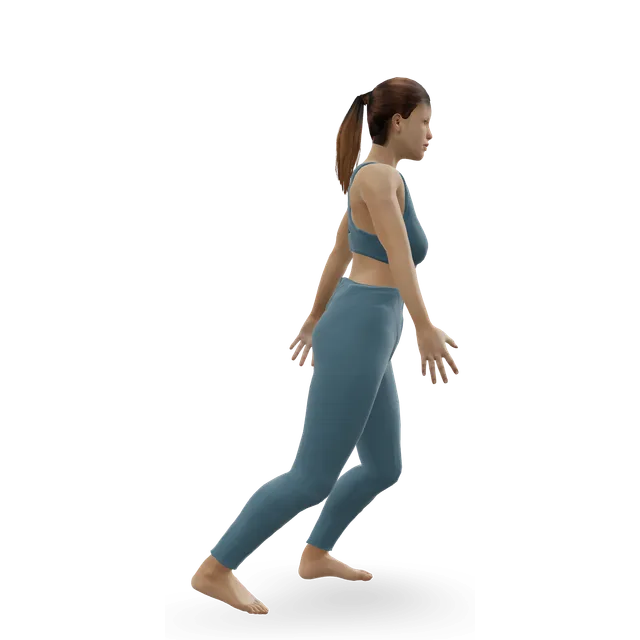 3D demoBackward walkingBeginner · No equipment
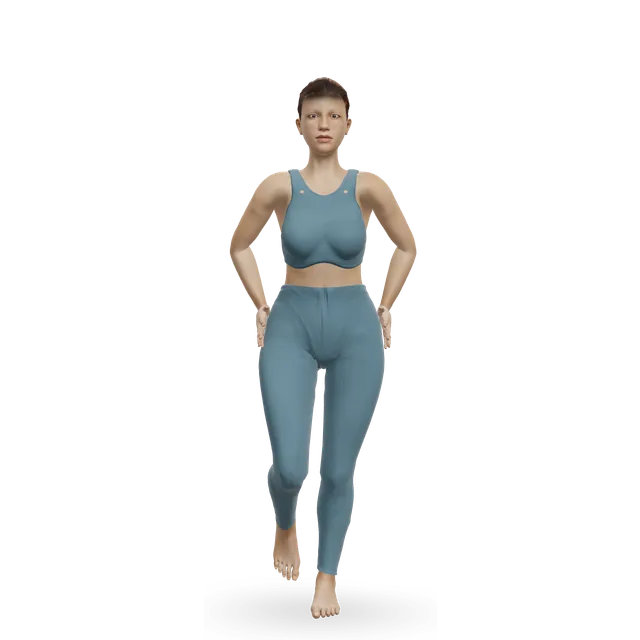 3D demoSingle-leg reach matrixIntermediate · No equipment
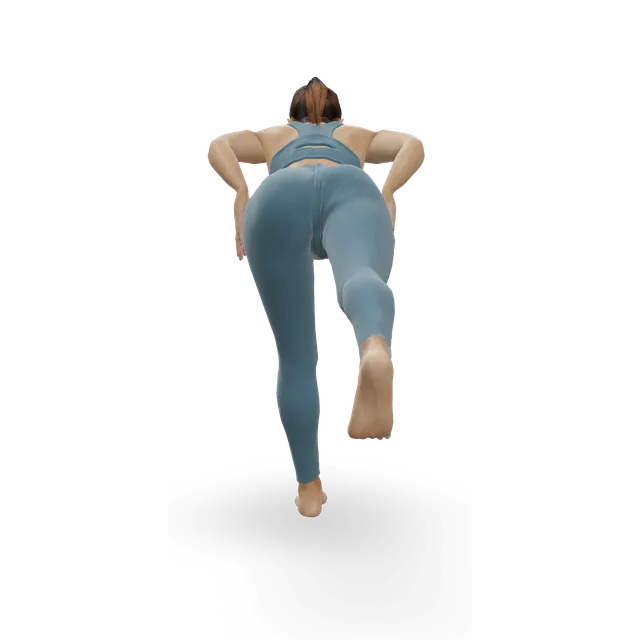 3D demoHip airplaneAdvanced · No equipment
Start with the NHS strength doses (5 slow sit-to-stands, 5 calf raises, 5 side leg lifts each leg) and up to 5 step-ups each leg from its balance routine, and build from there.
Start with 5 to 8 of each, or holds of about 15 seconds (our editorial starting point), and practise getting down to the floor and up again only if it's safe for you.
 3D demoBird dogBeginner · No equipment
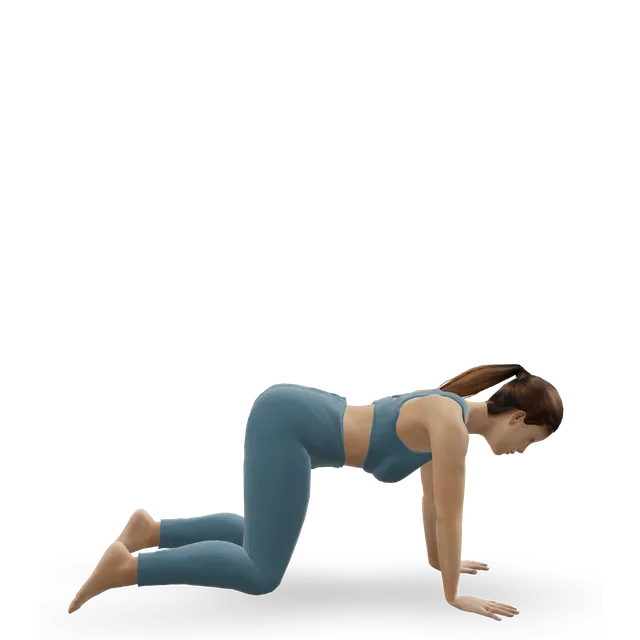 3D demoKnee hover (Pilates tabletop hover)Beginner · No equipment
 3D demoSide kick (Pilates side kick series)Beginner · No equipment
 3D demoKnee side plankBeginner · No equipment
 3D demoSwimming (Pilates)Intermediate · No equipment
 3D demoSingle-leg circle (Pilates one leg circle)Beginner · No equipment
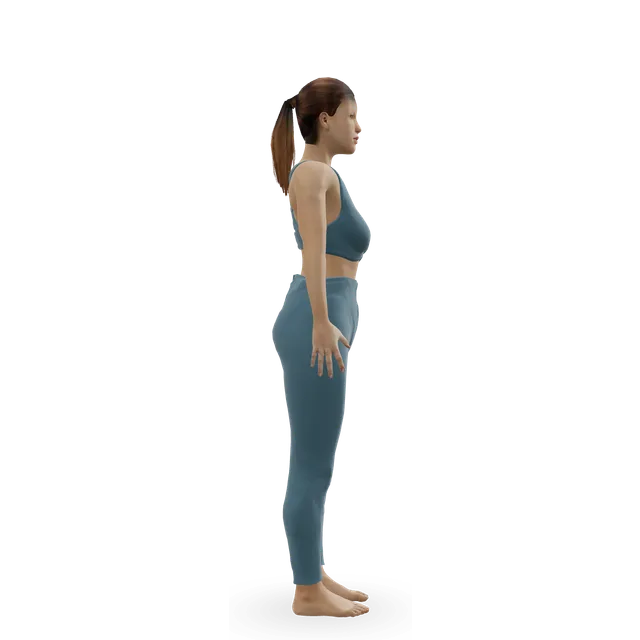 3D demoGet up and down from the floorBeginner · No equipment
Get up slowly from lying and sitting, and keep head-down moves such as the roll-down brief: the NHS advises getting up slowly from sitting to standing if you have low blood pressure.
Source 45
Skip rolling like a ball, the teaser and control balance, which round your spine under load. The standing work and side-lying moves suit you, and the UK consensus recommends balance and strength work at least twice a week.
Source 46
With numb feet, keep a hand on the counter for all standing balance work; with glaucoma, keep head-down positions brief (each move's own caution).
Leave these out unless a physiotherapist sets them: the falls guidelines ask for balance work that is challenging but also safe and achievable.
Source 7
Most Pilates balance trials used 2 or 3 classes a week of 50 to 60 minutes for 8 to 12 weeks. One reformer class a week for 10 weeks still helped, and a review found no clear link between how much people did and how much their balance improved.
Exercise that challenges balance 3 or more times a week, made harder over at least 12 weeks and kept up. The NHS asks older adults for strength, balance and flexibility work on at least 2 days a week, and suggests its balance exercises at least twice a week. In a review of 10 trials that included Pilates, programmes done more often and for longer cut fall risk most.
Our 25-minute standing Pilates class 2 or 3 times a week, a few minutes of balance practice by the counter on other days, and a strength session if you can, for at least 12 weeks (our editorial starting point).
Source 7
Start with our 25-minute standing Pilates class; the 10-minute balance routine fits on other days, and the balance training workout is the next step.
A 25-minute Pilates class for steadier balance: standing balance and leg strength at a kitchen counter, then mat work for your trunk and hips.
25 minBeginner17 movesA wall, A bench or boxBalance practice in 10 minutes: tandem stance, single-leg stands, marches, heel walks, tree pose and floor transfers.
10 minBeginner7 movesA wall, A bench or boxA 20-minute balance workout for steady adults: harder stances, head turns and eyes closed, single-leg reaches and hinges, step-ups and stuck landings.
20 minIntermediate13 movesA wall, A dumbbellA 40-minute strength and balance session for over-65s, built from the Otago home programme and NHS exercises, using a chair, a counter and a step.
40 minBeginner18 movesA bench or box, Something with weightThirty minutes of standing yoga for balance: strong standing poses, one-leg poses at the wall, and side steps, backward steps, reaches and sit-to-stands.
30 minBeginner16 movesA wall, A bench or boxA 20-minute beginner mat Pilates session for over-50s with no deep or repeated rounding of the spine, plus back strengthening and standing balance.
20 minBeginner13 movesA wallA 20-minute beginner wall Pilates workout: standing and floor moves that use a wall for support and feedback. No equipment.
20 minBeginner9 movesA wallWalking, strength and balance across the week, built up gradually.
In the US, call 911.
If you've fallen and may be in pain, hurt or unwell; or you've hit your head and you take medicine that thins your blood (or have a condition that does), or you're being sick or feel dizzy. NICE says people who take blood thinners, other than aspirin alone, and hit their head should be sent to an emergency department. Don't drive yourself to A&E after a head injury.
If you've had a fall or you're worried about your balance (you may be able to refer yourself to a falls service), if you've fainted, if dizziness worries you, or if you keep feeling dizzy or faint when you stand up. NICE offers a full falls assessment to people who have fallen in the last year and are frail, were hurt, blacked out, couldn't get up, or have fallen twice or more.
Vertigo, the feeling that you or the room is spinning, needs a different kind of balance exercise; our vertigo guide covers it, and a GP can check the cause.
Keep a counter or wall in reach and the floor clear, stop if you feel dizzy, faint or unwell, and stand up slowly from the mat (our suggestion).
Source 45
It hasn't been shown to. The one trial that counted falls found fewer fall injuries, but the difference could have been chance, and a review of 39 studies found no fall in the number of falls.
Almost every kind of exercise improved balance across 423 trials, and the authors say their rankings don't show any type is better. Aerobic exercise, sensorimotor training and Zumba each beat Pilates in single trials.
The world falls guidelines say "General physical activity alone (e.g. walking) is unlikely to prevent falls", and ask for exercise that challenges balance and builds strength.
Source 7
Core training improved balance tests in older adults, but the falls guidelines want standing, everyday practice such as sit-to-stands, stepping and reaching, and most Pilates programmes rarely challenged balance.
Balance improved with almost every kind of exercise in 423 trials of people aged 60 or over.
Source 4
NICE offers falls prevention exercise to people who have fallen, and the NHS advises staying active, with strength and balance activities at least twice a week.
Yes, on balance tests in older adults, especially balance on the move: reviews of up to 39 studies found small to large improvements against no exercise, at very low to moderate certainty. It improves balance about as much as other exercise, not more.
It hasn't been shown to. The one trial that counted falls found 42% fewer fall injuries, but the difference could have been chance, and a 39-study review found no reduction in falls. Exercise that challenges balance 3 or more times a week does reduce falls, so make your Pilates challenge your balance.
No trial has compared them directly. Both improved balance in a network of 423 trials, and its authors said the rankings don't show either is better. Tai chi has falls trials and Pilates doesn't yet.
Standing work does most: narrowing your stance, standing on one leg, stepping sideways and backwards, and reaching, holding a counter at first. On the mat, side kicks, bird dog and the knee hover train trunk and hip control. Our 25-minute standing Pilates class puts them together.
For balance, it should be. The falls guidelines ask for exercise that challenges balance standing up and in everyday tasks, and in trials most Pilates exercises gave little challenge to balance. Mat work still helps with trunk and hip strength.
At least twice a week, and 3 times if you can, for at least 12 weeks. The NHS suggests its balance exercises at least twice a week, and the falls guidelines say 3 or more times, made harder over time.
It can be. In 55 adults aged 65 to 95 at risk of falls, one reformer class a week for 10 weeks improved balance and walking speed against no exercise. Mat and standing Pilates improved balance in other trials too.
It has helped in trials: balance improved with Pilates in multiple sclerosis, Parkinson's and after a stroke, at low to moderate certainty. Ask your physiotherapist or specialist team which exercises suit you.
Probably. Supervised classes such as Pilates or yoga had among the largest effects on worry about falling across trials, and in one trial balance confidence improved with Pilates but not with traditional balance training. If fear of falling stops you doing things, a GP can refer you for more help.
It isn't a treatment for them. See a GP if dizziness worries you or keeps happening, and call 999 if it comes with signs of a stroke. Vertigo from an inner ear problem needs specific exercises: see our vertigo guide.
If you're hurt, can't get up, or may have injured your head, back, neck or hip, call 999; if you're in pain or unwell, call 111. After any fall, see a GP, and you may be able to refer yourself to a falls service. If you take blood thinners and hit your head, call 111.
Exercise education, not a personal prescription, and clinical review of these guides is pending. If you are pregnant, have a health condition or have had recent surgery, check with a doctor, midwife or physiotherapist before starting, and stop for sharp or increasing pain. Health disclaimer.


















