Pilates guide

Pilates for legs and thighs: the leg work, what it builds, and the best moves

Pilates works your legs on the mat with leg circles, the side kick series and kicks lying face down, and on the reformer by pushing the carriage away with your feet and working with your feet in straps.

Small trials found stronger legs and better balance in people who weren't doing much, especially older adults, but reviews disagree on how much strength it adds. It won't make your legs bulky, and no move slims one part of them.

This guide covers the leg work in mat and reformer Pilates, what the studies found for strength, power and size, what works your inner and outer thighs, how Pilates compares with weights, and how to look after your knees. For a class to follow today, try our 25-minute Pilates leg workout.

The short version

Leg work on the mat and the reformer

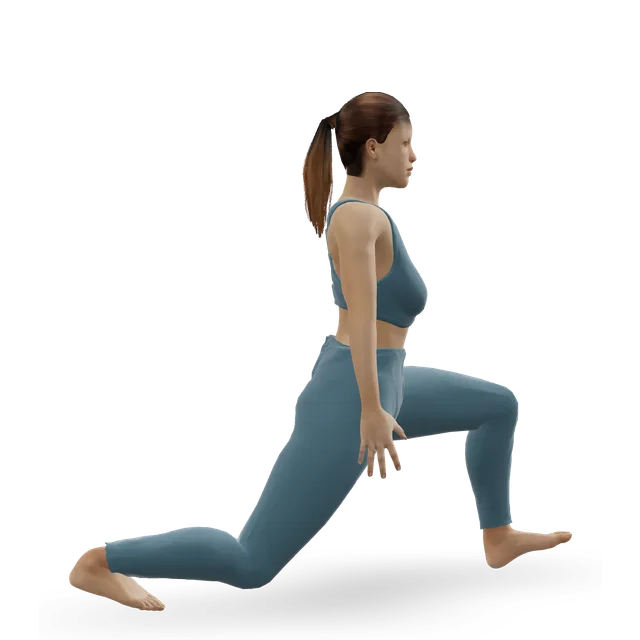
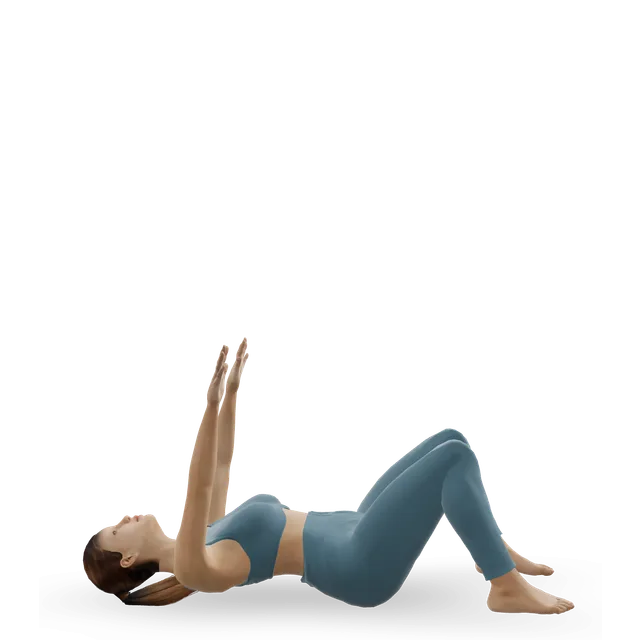
On the mat: leg circles, the side kick series, the single-leg kick and the shoulder bridge. On the reformer: footwork on 4 springs at the start of a classical class, then leg circles and frogs with your feet in straps.

Sources 1, 2, 3

Stronger legs, though the reviews disagree

In older adults, one review found a moderate strength gain against no exercise, while a 2024 review of 24 trials found no clear gain. Small trials found stronger knees and hips after about 12 weeks.

Sources 4, 5

Better balance in older adults

Across 39 studies, Pilates improved balance in older adults compared with no exercise, though it didn't reduce the number of falls.

Source 6

No bulk, and no slimming one spot

Lean mass (muscle and other non-fat tissue) didn't change in pooled trials, and when people trained one leg, fat came off the arms and trunk, not that leg. Slimmer legs come from less body fat overall.

Sources 7, 8, 9, 10

Inner thighs

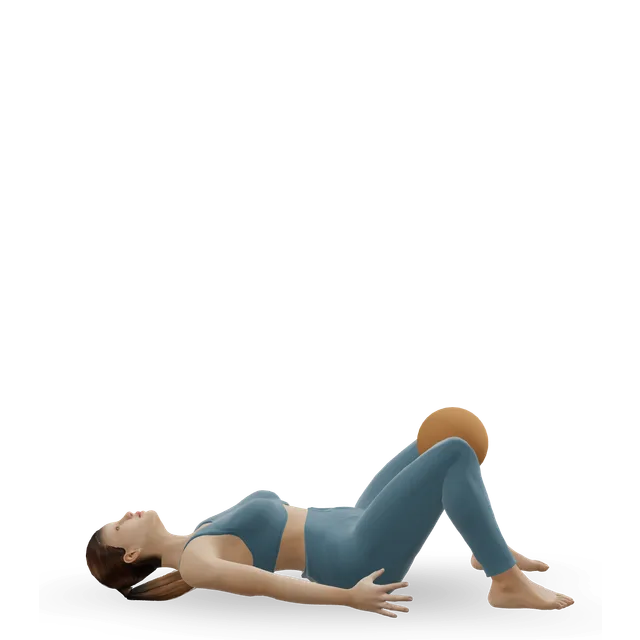
Squeezing a ball between your knees works the inner-thigh muscles at about their maximum, and deep squats grew them in a trial.

Sources 11, 12

The leg work in mat and reformer Pilates

Your leg muscles

The quadriceps at the front of the thigh straighten the knee, the hamstrings at the back bend it and help straighten the hip, the adductors on the inside pull the leg in, and the calves point the foot. The "outer thigh" is mostly the side glutes and the tensor fasciae latae, plus fat.

On the mat

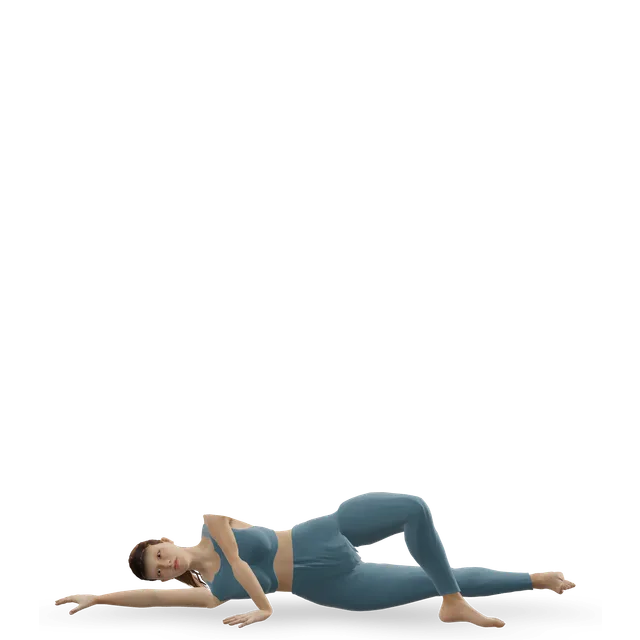
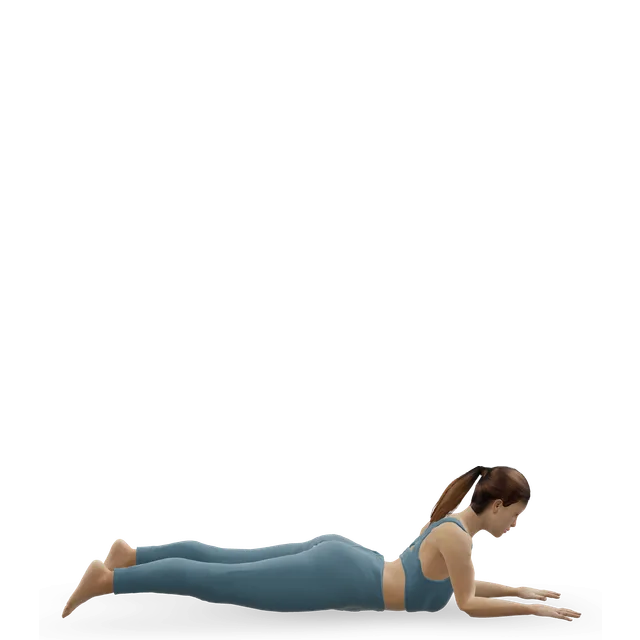
The one-leg circle "works the abdominals and provides pelvic stabilization and mobilization of the hip joint", scissors works "your abdominal and hip muscles, while also improving flexibility in your abs, shoulders, and hips", and the single-leg kick strengthens "the back extensors, the hamstrings, and the glutes". The shoulder bridge and the side kick work the legs too, and the site adds the side-lying inner thigh lift and side leg circles from the side kick series.

Source 1

On the reformer

In one classical school's orders, footwork comes first: pushing the carriage away with your feet on 4 springs, 10 times in each foot position, as a warm-up and for foot flexibility and strength. Frogs and leg circles follow with the feet in straps on 2 springs, then running and the pelvic lift. Side splits, which "Strengthens inner thighs, legs and seat", and front splits come at intermediate level.

Sources 13, 14, 2, 3, 15

How you push changes the work

In 15 people pushing the reformer footbar, some straightened the hip and knee together and others bent the hip as the knee straightened, which changes which thigh muscles do the work. How much load the springs give is hard to judge: force worked out from the spring settings didn't match force measured at the footbar. On the Wunda chair, foot position changed how the front and back thigh muscles worked together.

Sources 16, 17, 18

What the evidence says

Leg strength: the reviews disagreeMixed evidence

In older adults, a review of 39 studies found a moderate strength gain against no exercise, at moderate certainty, and a review of 9 mat Pilates trials found a large gain in lower-limb strength. But a 2024 review of 24 trials (1,190 people) found no clear gain against no exercise, at low certainty, and no difference from other exercise. The first and last report strength in general, not the legs alone.

Sources 4, 19, 5

Small trials found stronger legsEmerging evidence

A research group in Brazil published several small trials of Pilates against static stretching in older women, with the same group sizes and ages, so they may share participants: together they count as one small trial of about 32 people, which found stronger knee muscles after 12 weeks. In 60 older women, Pilates and proprioceptive neuromuscular facilitation (PNF) stretching, a contract-and-relax method, gave similar knee strength gains in a month. Chair stands, stair climbing and hip and knee strength improved over 6 to 12 weeks in small studies without a control group, the sit-to-stand test got 2 seconds faster in a trial in 40 older women, and leg strength improved in 53 women in a study that wasn't randomised.

Sources 20, 21, 22, 23, 24, 25, 26

Not every trial agreesMixed evidence

In adults with overweight or obesity, knee strength didn't change after 8 weeks of mat, equipment and 1 kg dumbbell Pilates, though chair and stair tests improved more than with walking. In 24 sedentary older women, leg strength didn't differ from a control group after 12 weeks.

Sources 27, 7

FootballersEmerging evidence

In 15 young footballers, 15 sessions of mat Pilates over 5 weeks improved leg strength against usual training alone, and in 30 footballers, reformer Pilates beat mat Pilates for agility and single-leg hopping.

Sources 28, 29

Power and jumping barely changeEmerging evidence

Vertical jump didn't change in pooled trials in women, jumps barely changed in 22 hip-hop dancers after 12 weeks of mat Pilates, and a core resistance machine beat Pilates for leg power in 34 older women. In the American College of Sports Medicine's 2026 overview of resistance training, power improved most with moderate loads lifted quickly.

Sources 7, 30, 31, 32

Balance improves, but fewer falls weren't shownEmerging evidence

Across 39 studies (1,770 older adults), Pilates improved balance against no exercise and did about as well as other exercise, but didn't reduce the number of falls or the fear of falling. An earlier review found a large effect on a measure of falls risk. In 44 adults aged 60 to 69 with the same total exercise time, aerobic training improved walking speed and balance more than Pilates. Balance gains from a 5-week course were still there a year later in 30 older adults.

Sources 6, 4, 33, 34

Leg muscle size: we found no studyMixed evidence

We found no study that measured thigh muscle size after Pilates with a scan, and lean mass didn't change in pooled trials.

Sources 35, 7, 8

Inner and outer thighs

Inner thighsEmerging evidence

In 21 footballers, squeezing a ball between the knees worked the main inner-thigh muscle at 118% of its maximal effort (84% with the ball between the ankles). In reformer side splits, lighter springs worked the inner thigh more. For size, full squats grew the inner-thigh muscles 6.2% against 2.7% for half squats, and squats grew them more than hip thrusts.

Sources 11, 36, 12, 37

Outer thighs

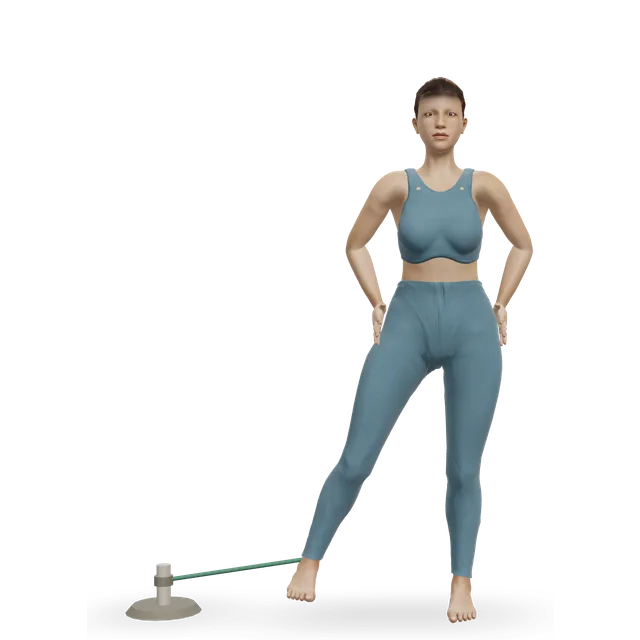
The outer thigh is mostly the side glutes. Side-lying leg lifts and standing side lifts against resistance work them hardest; our Pilates for glutes guide has the moves.

Sources 38, 39

No exercise slims one areaStrong evidence

When 11 adults trained one leg for 12 weeks, fat came off the arms and trunk, not the trained leg, and a review of 13 studies (1,158 people) found no spot reduction. In 20 women who already did Pilates, thigh and waist size fell over 8 weeks along with body fat. Our thigh fat guide covers what reduces body fat.

Sources 9, 10, 40

Will Pilates make my legs bigger, or longer and leaner?

It won't make them bulkyEmerging evidence

Lean mass didn't change in pooled trials in women or in adults with overweight or obesity, and mat Pilates was no better than other exercise for body composition across 10 studies.

Sources 7, 8, 41

It won't make them longer

Exercise can't change where a muscle attaches, so it can't lengthen a muscle or your legs, and there's no such thing as a long, lean muscle versus a bulky one. A leaner look comes from less body fat.

Source 42

For bigger legs

Squats, lunges, step-ups and leg presses with a load you keep increasing build leg muscle, and in beginners, bodyweight squats made harder step by step worked as well as barbell squats. Our guide to bigger legs has the plan.

Sources 12, 43, 32

Pilates or weights for your legs?

We found no trial against heavy leg trainingMixed evidence

We found no trial comparing Pilates with heavy leg training. In 18 women with obesity, a Pilates circuit and a weight circuit, each 3 times a week for 8 weeks, both reduced weight and body fat, with Pilates better for pelvic alignment and balance; it was a small, exploratory trial. In older women, strength in moving hip extension didn't differ between Pilates and a light resistance programme.

Sources 44, 45, 46

Using both

Our suggestion: Pilates for control, balance and single-leg strength, and loaded squats and lunges if you want more muscle.

How often, and where to start

Two or three times a week

Two or three sessions a week (our editorial starting point) fits the NHS advice to do muscle-strengthening activity on at least 2 days a week; adults over 65 should do activities that improve strength, balance and flexibility on at least 2 days.

Sources 47, 48

Starting doses

The NHS strength exercises start with 5 slow sit-to-stands from a chair ("the slower the repetitions, the better"), 5 slow calf raises and 5 sideways leg lifts each side, building up over time. Our class below gives a dose for each Pilates move.

Source 49

The side kick, step by step

From Pilates Anytime's description of the classical side kick, which adds: move the leg only as far forward or back as you can without moving your pelvis or crunching your lower back. With pain on the outside of the hip, see the move page's caution.

  1. Lie on your side in a straight line from your shoulders to your ankles.
  2. Prop your head on your lower hand and place your top hand flat on the mat in front of your chest.
  3. Move both legs a little in front of your hips, on a slight diagonal.
  4. Lift the top leg off the bottom one and kick it forward twice.
  5. Lengthen the leg as you sweep it back behind you.
  6. Do 5 or more, then repeat on the other side.

See the movement on the 3D figure: Side kick (Pilates side kick series)

Moves to start with

Footwork without a reformer (squats and calf raises), the NHS sit-to-stand, leg circles, the side kick and an inner-thigh squeeze. The class below gives a starting dose for each.

Harder moves

Add these as the first moves feel easy. Leave out the inner thigh lift with pain on the outside of the hip, and the Copenhagen plank during groin pain.

Stretches to finish

Stretch to a mild pull, never pain, and stop for a sharp pain at the back of the thigh.

Workouts to follow

Start with the 25-minute Pilates leg class two or three times a week. The reformer-inspired class adds footwork stand-ins, and the dumbbell workout is the next step if you want more muscle.

Follow a plan

The seniors' plan adds walking and balance; the beginner Pilates plan suits you if Pilates is new.

When to get help

Get advice from NHS 111 now if

In the US, call 911 in an emergency, and use your doctor's urgent line or urgent care for NHS 111.

  • Your knee is very painful, or you can't move it or put any weight on it.
  • Your knee is badly swollen or has changed shape.
  • Your knee locks, gives way or clicks painfully (painless clicking is normal).
  • You have a very high temperature, or feel hot, cold or shivery, with redness or heat around your knee.

Source 50

A pulled muscle in the thigh or groin

Get help from NHS 111 if it's very painful or getting worse, there's a lot of swelling or bruising, you can't put weight on it or walk more than a few steps, it feels very stiff, or it isn't getting better with self-care. The NHS advises avoiding strenuous exercise for up to 8 weeks while it heals.

Source 51

See a GP or physiotherapist if

Knee pain doesn't improve within a few weeks. In many areas you can refer yourself to NHS musculoskeletal (MSK) services, such as physiotherapy.

Source 50

Kneeling, deep bends and replacements

Pilates Anytime says those with knee problems should avoid the kneeling side kick. Pad or skip kneeling, keep deep knee bends small while a knee is sore, and after a knee replacement don't kneel on the new knee until your doctor says you can, as the move pages advise. After a hip replacement, follow your team's precautions: the inner thigh lift crosses the top leg over, like crossing your legs. Our Pilates for knee pain guide has the detail.

Source 1

Worries about how your legs look

If you worry a lot about one part of your body or check mirrors often, the NHS suggests seeing a GP (body dysmorphic disorder), and the same if you worry about your weight and shape while eating very little or exercising too much. Beat's eating disorders helpline is 0808 801 0677.

Sources 52, 53

Tell the teacher

Tell the teacher about knee, hip or groin problems before a class. The NHS advises getting advice first if you have a health problem, an injury or any symptoms, and stopping straight away if you feel pain or become unwell.

Source 54

Myths

"Pilates slims your thighs" or "gives you a thigh gap"Strong evidence

Training one leg took fat off the arms and trunk, not that leg, and a review of 13 studies found no spot reduction. The shape of your thighs depends on body fat, muscle and your build.

Sources 9, 10

"Pilates makes your legs longer"

Exercise can't change where muscles attach or how long your bones are.

Source 42

"Pilates will make your legs bulky"Emerging evidence

Lean mass didn't change in pooled trials. Muscle grows with load you keep increasing, and most Pilates is light.

Sources 7, 8

"Inner thigh moves burn inner thigh fat"Strong evidence

They work the inner-thigh muscles hard, a ball squeeze at about their maximum, but they don't take fat off that spot.

Sources 11, 10

Questions people ask

Does Pilates work your legs?

Yes: on the mat through leg circles, the side kick series, the single-leg kick and the shoulder bridge, and on the reformer through footwork, leg circles with your feet in straps and the splits.

Will Pilates make my legs bulky?

No. Lean mass didn't change in pooled trials, and most Pilates is light. If you want bigger legs, squats and lunges with a load you keep increasing are the way.

Will Pilates give me lean, slim legs?

Exercise can't slim one part of you: when people trained one leg, fat came off the arms and trunk, not that leg. "Long, lean" legs come from less body fat overall, and no exercise lengthens a muscle.

Does Pilates make your legs stronger?

Probably, if you're starting from little: small trials in older women found stronger knees and hips after about 12 weeks. But reviews disagree, and one found no clear gain in older adults, and one trial in adults with overweight found no change in knee strength.

Is Pilates good for inner thighs?

Squeezing a ball, cushion or ring between your knees works the inner-thigh muscles at about their maximum, and the side-lying inner thigh lift works them too. They won't burn fat from your inner thighs. Ease off if you have groin pain.

What about outer thighs?

The outer thigh is mostly the side glute muscles plus fat. The side kick series and standing side lifts strengthen those muscles, while fat comes off your whole body, not one spot.

Is reformer Pilates better for legs than mat Pilates?

The reformer adds spring resistance to footwork and the splits, though how much is hard to judge. In footballers, reformer Pilates improved agility and hopping more than mat Pilates, and neither has been tested for leg muscle growth.

Pilates or weights for legs?

We found no trial comparing Pilates with heavy leg training. In one small trial, a Pilates circuit and a weight circuit changed body fat by about the same amount, and for leg size, loaded squats grew the thighs. Many people do both.

Does Pilates help balance?

Yes, in older adults: across 39 studies it improved balance compared with no exercise, though it didn't reduce the number of falls. Balance gains from a short course were still there a year later in one study.

Is Pilates good for your knees?

It can be, with changes for sore knees, and small trials found stronger knee muscles after 12 weeks. Get advice from NHS 111 if your knee locks, gives way, swells badly or can't take your weight. Our Pilates for knee pain guide has a class with no kneeling.

How long until I see a difference in my legs?

Trials found stronger legs and easier standing up from a chair within 6 to 12 weeks of 2 or 3 classes a week. Keep going to keep the gains.

Does Pilates make you jump higher?

Not really: jump height didn't change in pooled trials or in dancers. For power, strength training with moderate loads lifted quickly works better.


Sources

  1. Pilates Anytime · The 34 Pilates mat exercises: names, order and precautions (teaching platform)
  2. Pilatesology · Reformer footwork series: level, springs and goals (exercise encyclopedia)
  3. Pilatesology · Reformer frogs and leg circles (exercise encyclopedia)
  4. Fernández-Rodríguez 2021 · Pilates, physical performance and risk of falls in older adults: 39 studies (meta-analysis, Physiotherapy)
  5. Oliveira 2024 · Pilates and strength, endurance and power in older adults: 24 trials, 1,190 people (systematic review and meta-analysis, J Bodyw Mov Ther)
  6. de Campos Júnior 2024 · Pilates, balance and falls in older adults: 39 studies, 1,770 people (systematic review and meta-analysis, Complement Ther Clin Pract)
  7. Bajčetić 2026 · Pilates programmes and fitness in adult women: 12 studies (systematic review and meta-analysis, Sports; read in full)
  8. Wang 2021 · Pilates for overweight or obesity: 11 trials, 393 people (meta-analysis, Front Physiol)
  9. Ramírez-Campillo 2013 · Training one leg for 12 weeks in 11 adults: where fat came off, measured by DXA (trial, J Strength Cond Res)
  10. Ramirez-Campillo 2022 · Exercise and fat loss in the exercised area (spot reduction): 13 studies, 1,158 people (systematic review and meta-analysis, Hum Mov; read in full)
  11. Krommes 2017 · Adductor muscle activity in groin-injury prevention exercises in 21 footballers (lab study, Int J Sports Phys Ther)
  12. Kubo 2019 · Full or half squats for 10 weeks: muscle growth on MRI in 17 men (RCT, Eur J Appl Physiol)
  13. Pilatesology · Classical reformer basic order with spring settings (PDF, read as its list of exercises)
  14. Pilatesology · Classical reformer intermediate order with spring settings (PDF, read as its list of exercises)
  15. Pilatesology · Reformer side splits (exercise encyclopedia)
  16. Cantergi 2015 · How people push the reformer footbar: muscle strategies in leg extensions in 15 people (lab study, J Electromyogr Kinesiol)
  17. Brodt 2014 · An instrumented footbar for measuring the forces in reformer footwork (lab study, J Appl Biomech)
  18. Panhan 2023 · Thigh muscle activity on the Wunda chair in 16 women (lab study, J Chiropr Med)
  19. Bueno de Souza 2018 · Mat Pilates and physical function in older adults: 9 trials (meta-analysis, Am J Phys Med Rehabil)
  20. Oliveira 2017 · Pilates or static stretching and knee strength in 32 older women (RCT, J Bodyw Mov Ther)
  21. Campos de Oliveira 2015 · Pilates or static stretching in 32 older adults: knee strength, balance and quality of life (RCT, J Phys Ther Sci)
  22. Teixeira de Carvalho 2017 · Pilates or PNF stretching for a month and knee strength in 60 older women (RCT, Exp Aging Res)
  23. Bertoli 2018 · Mat Pilates and hip and knee strength in 14 older women (study, J Bodyw Mov Ther)
  24. Bertoli 2017 · Six weeks of mat Pilates and everyday function in 18 older women (study, J Bodyw Mov Ther)
  25. Vieira 2017 · Pilates-inspired training and function in 40 older women (RCT, J Bodyw Mov Ther)
  26. Kao 2015 · A 12-week Pilates course, leg strength and trunk flexibility in 96 women (non-randomised study, Health Care Women Int)
  27. Rayes 2019 · Pilates or aerobic training in adults with overweight or obesity (clinical trial, PeerJ)
  28. Parolini 2024 · Mat Pilates and leg strength in 15 young footballers (pilot trial, Sensors)
  29. Yılmaz 2025 · Reformer or mat Pilates in 30 footballers (RCT, PLoS One)
  30. Senger 2026 · Mat Pilates in 22 hip-hop dancers (pilot RCT, J Dance Med Sci)
  31. Markovic 2015 · A feedback-based core resistance device or Pilates in 34 older women (RCT, Arch Gerontol Geriatr)
  32. Currier 2026 · ACSM position stand on resistance training for muscle function, size and performance: 137 reviews (overview of reviews, Med Sci Sports Exerc)
  33. Abdullah 2026 · Aerobic or Pilates exercise in 44 adults aged 60 to 69 (RCT, BMC Geriatr)
  34. Bird 2014 · Balance and strength a year after a 5-week Pilates course in 30 older adults (study, J Aging Phys Act)
  35. PubMed · Our search for studies that measured thigh muscle with a scan after Pilates (24 October 2026)
  36. Lee 2023 · Heavy or light springs in reformer side splits in 28 women (lab study, Sports)
  37. Plotkin 2023 · Hip thrusts or back squats for 9 weeks: glute growth on MRI (RCT, Front Physiol)
  38. Distefano 2009 · Glute muscle activity in 12 rehabilitation exercises in 21 adults (lab study, J Orthop Sports Phys Ther)
  39. Moore 2020 · Which exercises work the gluteus medius and minimus hardest: 56 studies (systematic review and meta-analysis, Int J Sports Phys Ther)
  40. Zaras 2023 · Eight weeks of mat Pilates, then 3 weeks off, in 20 Pilates-trained women (study, J Bodyw Mov Ther)
  41. Cavina 2020 · Mat Pilates and body composition: 10 studies (meta-analysis, J Phys Act Health)
  42. Singleton 2025 · What Pilates can (and can't) do for your body (National Geographic, quoting Brad Schoenfeld)
  43. Wei 2023 · Progressive bodyweight squats or barbell squats for 6 weeks in 13 sedentary young women (RCT, Sci Rep)
  44. PubMed · Our search for randomised trials of Pilates against resistance or weight training (24 October 2026)
  45. Oh 2026 · Pilates circuit or weight circuit training in 18 women with obesity (exploratory randomised trial, J Funct Morphol Kinesiol)
  46. Carrasco-Poyatos 2019 · Pilates or light resistance training for 18 weeks in older women: trunk and hip strength (RCT, PeerJ; read in full)
  47. NHS · Physical activity guidelines for adults aged 19 to 64
  48. NHS · Physical activity guidelines for older adults
  49. NHS · Strength exercises
  50. NHS · Knee pain
  51. NHS · Sprains and strains
  52. NHS · Body dysmorphic disorder (reviewed October 2023, past its review date)
  53. NHS · Eating disorders: overview
  54. NHS · Pilates video for beginners, with the exercise video safety information

Exercise education, not a personal prescription, and clinical review of these guides is pending. If you are pregnant, have a health condition or have had recent surgery, check with a doctor, midwife or physiotherapist before starting, and stop for sharp or increasing pain. Health disclaimer.