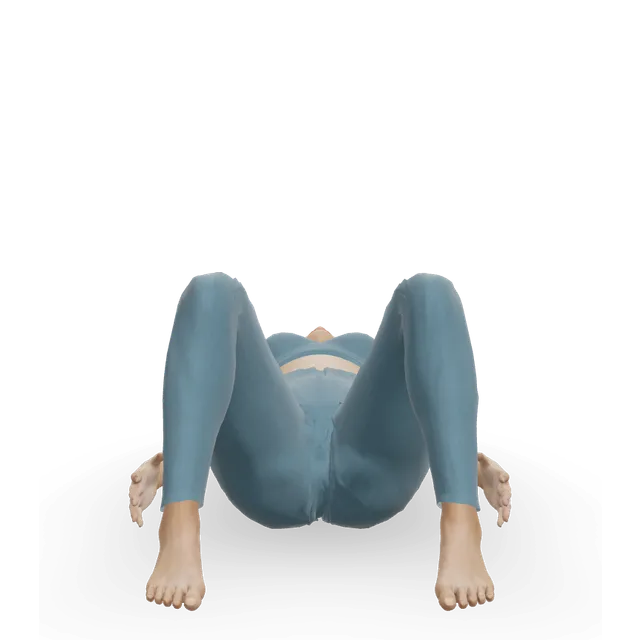
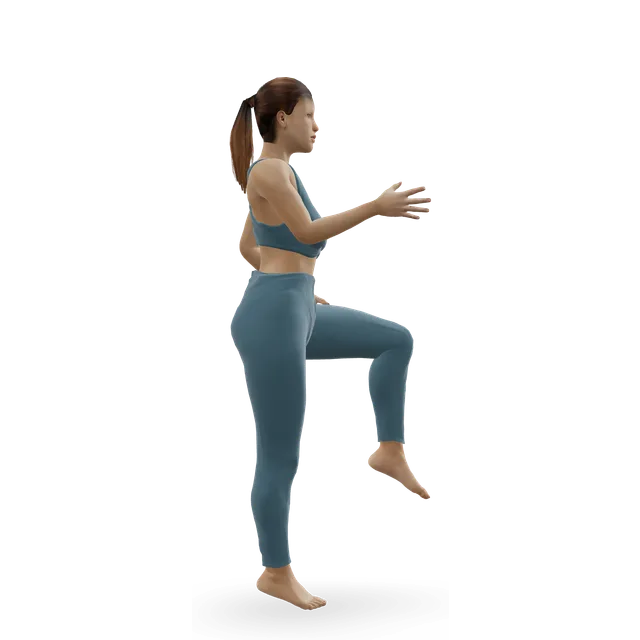
Thigh fat is normal
At the same total body fat, women carry more fat on the hips and thighs than men, a pattern set by sex hormones from puberty. In twins, about 80% of the differences in lower-body fat were down to genes.
Training guide
Storing fat on the hips and thighs is normal, especially for women, and it's largely set by your genes and sex hormones. It isn't the fat doctors worry about most: in studies that follow people over time, more fat on the hips and thighs goes with a lower risk of diabetes and heart disease than fat around the waist, though that's an association, not proof.
Inner and outer thigh exercises don't slim your thighs, because training one area doesn't burn the fat over it. Your thighs change as your overall body fat does, with eating a little less, moving more and strength training.
This guide explains why the body stores fat on the thighs, what works and how long it takes, the leg exercises worth doing, what cellulite is and why no exercise removes it, and how to tell when it might be lipoedema, a painful build-up of fat that needs a GP.
At the same total body fat, women carry more fat on the hips and thighs than men, a pattern set by sex hormones from puberty. In twins, about 80% of the differences in lower-body fat were down to genes.
In studies that follow people over time, more fat on the hips and thighs goes with a lower, not higher, risk of type 2 diabetes and heart disease than fat around the waist. That's an association, not proof.
When adults trained one leg for 12 weeks, fat came off their arms and trunk, not that leg, and across 13 studies training one part of the body didn't take the fat off it.
Eat a little less, move more and strength train twice a week. Your thighs change as your overall body fat does, at the NHS's suggested 0.5 to 1 kg a week.
It affects 80 to 90% of women after puberty because of how bands under the skin hold the fat. No exercise, cream or rolling has good evidence for removing it.
Legs that are painful, bruise easily and are out of proportion with the rest of you may be lipoedema. Swelling and throbbing pain in one leg needs a same-day check for a blood clot.
Thigh fat is the fat under the skin of your hips, bottom and thighs, including the inner thighs and the outer thighs ("saddlebags"). Under it are the quadriceps at the front, the hamstrings at the back and the adductors on the inside; our bigger legs guide covers them.
At the same total body fat, women carry more fat under the skin of the hips and thighs than men. The pattern appears at puberty and is shaped by sex hormones. In scans of 234 adults, men carried more of their fat on the upper body and women more on the lower body.
In Danish twins, about 80% of the differences in lower-body fat were down to genes. Gene studies of up to 224,459 people found 49 regions linked to where fat sits, and most of those that differed by sex acted more strongly in women. Identical twins who were overfed gained fat in the same places as each other.
Fat gain speeds up at the start of the menopause transition while muscle falls, and fat tends to move towards the waist rather than the hips and thighs. With age, lower-body fat under the skin tends to fall anyway.
Hip and thigh fat is a long-term store, and in studies that follow people over time it goes with better blood fat and sugar levels than fat around the waist. In Dutch adults aged 50 to 75, women with bigger thighs had lower odds of type 2 diabetes, and in Danish adults, very small thighs went with a higher risk of heart disease and early death. These are associations, not proof, and no reason to want bigger or smaller thighs.
In 11 adults who did 960 to 1,200 light leg presses with one leg, 3 times a week for 12 weeks, fat fell 10.2% in the arms and 6.9% in the trunk, but not in either leg. Across 13 studies of 1,158 people, training one limb didn't take more fat off it than off the other.
In 10 women who trained one leg for 5 weeks, the tissue over the trained thigh got thinner, but the fat cells didn't shrink: the authors put it down to the layer stretching over bigger muscle.
Source 23
In 10 men doing one-leg knee extensions, the fat next to the working thigh released more fat than the fat next to the resting one. No trial has shown that this adds up to slimmer thighs.
Source 24
Full squats grew the inner thigh muscles 6.2% in 10 weeks in 17 men (half squats 2.7%), leg presses grew the biggest inner thigh muscle 6.2% in 12 weeks, and squats grew the inner thighs more than hip thrusts. The trials were small.
Each 30 minutes a week of aerobic exercise took off about 0.5 kg in 116 trials. Strength training alone trimmed body fat by about 1.5 percentage points across 54 trials, and in an 8-month trial of 119 adults, aerobic exercise took off more fat while weights added more muscle.
In 32 women randomised to small-volume liposuction or not, body fat was back to the same level as in the other group within a year. The thighs stayed smaller, but the fat returned to the belly.
Source 29
Observational studies link more hip and thigh fat with lower diabetes and heart risk, and very small thighs with higher risk. They show associations, not cause and effect.
In the SWAN study (the Study of Women's Health Across the Nation), the rate of fat gain doubled from the start of the menopause transition until 2 years after the last period, while lean mass fell. In 156 women followed for 4 years, only those who went through the menopause gained deep belly fat.
The NHS suggests eating and drinking fewer calories than you use and aiming to lose 0.5 to 1 kg (1 to 2 lb) a week. Our calories per day calculator gives a target if your BMI (body mass index) is 25 or more.
Source 8
Build towards at least 150 minutes a week of moderate activity; in the trials, more minutes took off more. Walking, cycling, the cross-trainer and swimming are gentler on heavy or sore legs than running (our suggestion).
Squats, lunges, step-ups, hip hinges and bridges keep and build the muscle under the fat. Our bigger legs guide's doses: goblet squats at 3 or 4 sets of 8 to 12, lunges at 3 sets of 8 to 12 each leg, and Romanian deadlifts at 3 sets of 8 to 10.
They strengthen the inner thigh muscles, but deep squats and leg presses already grow them, and neither will slim your thighs.
About 1.2 to 1.6 g of protein per kg of body weight a day while losing weight (our protein calculator), no crash diets, and 7 to 9 hours' sleep help you keep your leg muscle while the fat comes off.
Keep up both strength training and aerobic activity as fat gain speeds up; our menopause guide covers the details.
Source 19
Start with sit-to-stands at 2 to 3 sets of 8 to 12 and bridges at 2 to 3 sets of 10 to 15 (our beginner lower body workout), then goblet squats at 3 or 4 sets of 8 to 12 and split squats or lunges at 3 sets of 8 to 12 each leg (our bigger legs guide).
 3D demoSit to stand from a chairBeginner · A bench or box
 3D demoBodyweight squatBeginner · No equipment
 3D demoDumbbell goblet squatIntermediate · A dumbbell
 3D demoLeg pressBeginner · Strength machine
 3D demoSplit squatIntermediate · No equipment
 3D demoReverse lungeIntermediate · No equipment
 3D demoLow step-upBeginner · A step
 3D demoStep-upBeginner · A step
 3D demoGlute bridgeBeginner · No equipment
 3D demoSingle-leg glute bridgeIntermediate · No equipment
 3D demoDumbbell Romanian deadliftIntermediate · A dumbbell
Optional: ball squeezes at 6 holds of 5 to 10 seconds (our Pilates ring workout), pliés as in our barre strength workout, the side-lying inner thigh lift as its move page sets out, and Copenhagen planks only once a 30-second side plank is steady, starting with your top knee on a bench.
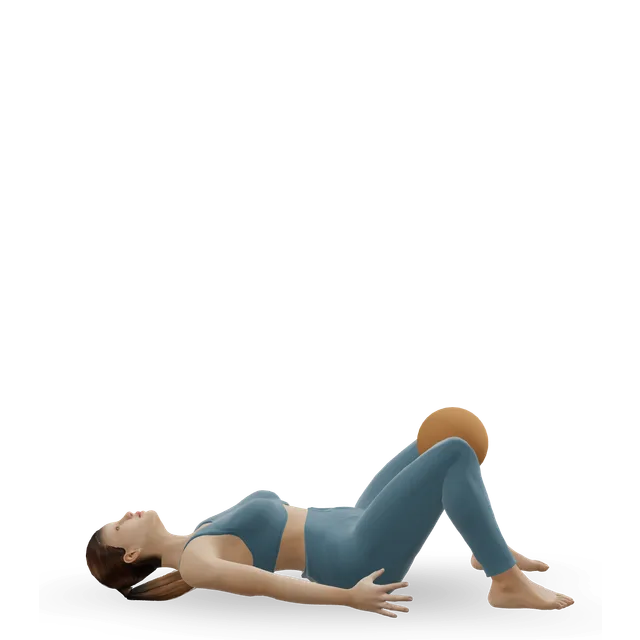 3D demoLying adductor ball squeezeBeginner · Other / check instructions
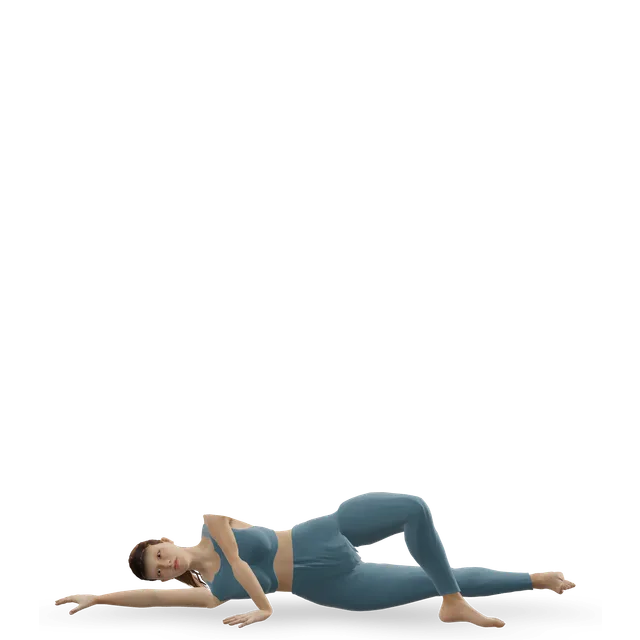 3D demoSide-lying inner thigh lift (Pilates side kick series)Beginner · No equipment
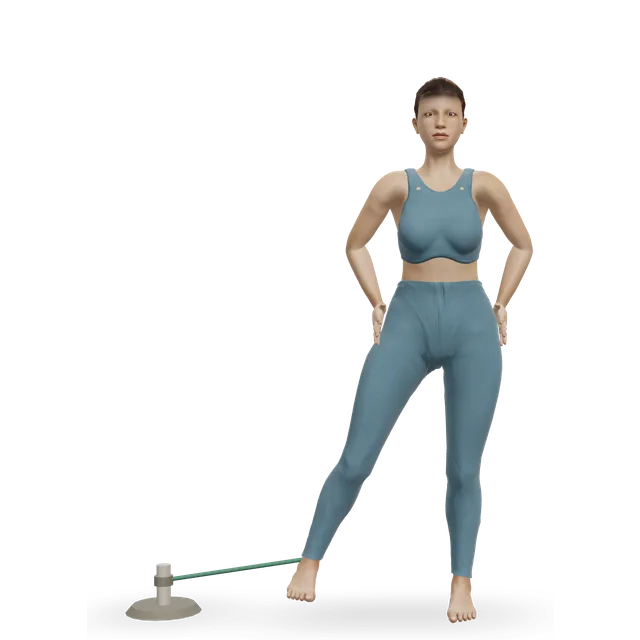 3D demoStanding band hip adductionBeginner · A band + An anchor point
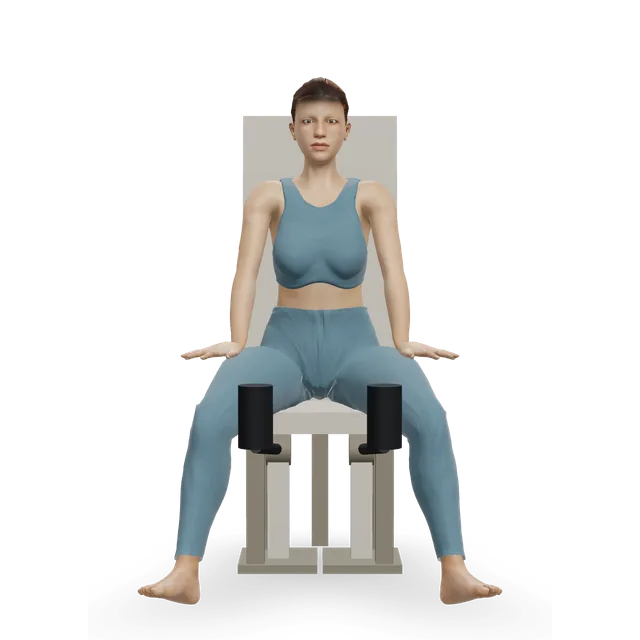 3D demoHip adduction machineBeginner · Strength machine
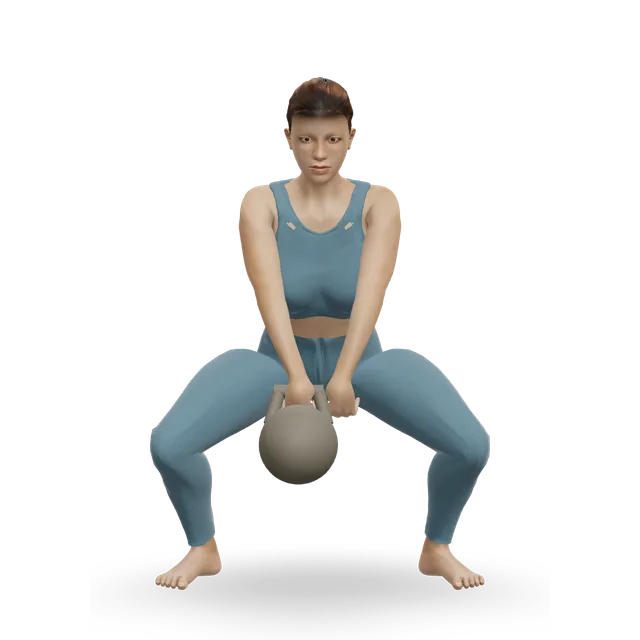 3D demoPlié dumbbell squat (sumo squat)Intermediate · A dumbbell + A kettlebell
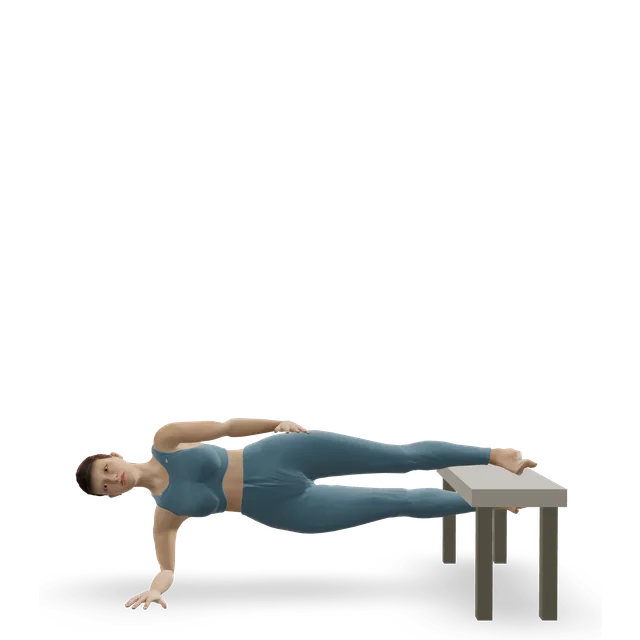 3D demoCopenhagen plankAdvanced · A bench or box
Each counts towards your 150 minutes a week. The recumbent bike, cross-trainer and rowing machine have starting doses on their move pages.
 3D demoTreadmill walkingBeginner · Cardio machine
 3D demoStationary cyclingBeginner · Cardio machine
 3D demoRecumbent exercise bikeBeginner · Cardio machine
 3D demoElliptical trainerBeginner · Cardio machine
 3D demoStair climbingIntermediate · A step
 3D demoIndoor rowing (rowing machine)Beginner · Cardio machine
Leg strength rises in the first few weeks, and in small lab studies thigh muscle growth showed on scans by about weeks 3 to 4.
At 0.5 to 1 kg a week, your thighs change with the rest of you, over months rather than weeks.
Source 8
Hip and thigh fat is a long-term, less active store, so for some women it may be slower to change than fat elsewhere (our reading of the research). People differ, so compare yourself with your own photos and measurements.
Nobody can tell you how your thighs will look, or when. Strong legs, regular activity and a steady, small calorie cut are what you control.
Cellulite, the dimpled look of the skin on the thighs, bottom and hips, affects 80 to 90% of women after puberty, of every size. Men rarely have it.
Fat under the skin sits in pockets held by fibrous bands. In women the bands run straight up to the skin and are fewer, so fat bulges between them; in men they criss-cross and are stronger. In 20 body donors, men's bands took more force to break (about 38 against 23 newtons).
We found no trial in which exercise alone removed cellulite. In one trial, 45 women did aerobic exercise 6 times over 3 weeks, and those who also had shock wave therapy ended with less severe cellulite than those who only exercised.
When women lost weight on medically supervised programmes, cellulite improved for most but got worse for some, more often those who started at a lower weight and lost less. The bands stretch when you gain weight but don't shrink when you lose it.
Of 67 studies of cellulite treatments, only 19 were randomised and placebo-controlled, and none showed clear evidence of working well. A 2025 review of 24 trials found none definitively established, though shock wave therapy, radiofrequency and an injection showed promise.
Our fascia blasting guide found no independent trials showing the tools fix cellulite, and reports of bruising and injury.
The NHS describes lipoedema as an abnormal build-up of fat in the legs and sometimes the arms. It's more common in women, usually affects both sides equally, and can make the bottom, thighs and lower legs look out of proportion with the rest of the body.
Source 13
The feet and hands usually aren't affected, the skin can feel soft and cool, and the legs may hurt, feel tender or heavy and bruise easily. The NHS says it isn't caused by being overweight: you can be a healthy weight and still have it.
Source 13
Only a doctor can diagnose it. A GP may refer you to a specialist, and the main treatments include healthy eating and exercise, compression, skin care and support. Our lipoedema guide explains what exercise can and can't do.
Source 13
As our lipoedema guide explains, lipoedema fat is largely resistant to diet and exercise, so diets that don't change it aren't a personal failing.
No workout burns thigh fat. These strengthen your legs; your weekly cardio and eating do the fat-loss work. The Pilates ring and barre sessions are for strength and enjoyment, not for slimming one area.
A lower body workout at home: split squats, slider hamstring curls, single-leg bridges, step-ups, band walks and calf raises, with dumbbell options.
30 minIntermediate12 movesA wall, A stepLearn to squat, hinge and lunge: a 25-minute beginner lower body workout with bridges, clamshells and calf raises.
25 minBeginner11 movesA wall, A bench or boxA gentle leg strength routine with no jumping: sit-to-stands, step-ups, wall sits, bridges and calf raises.
20 minBeginner7 movesA bench or box, A stepLegs and glutes with dumbbells: goblet squats, Romanian deadlifts, step-ups, split squats and calf raises.
35 minIntermediate10 movesA wall, A dumbbellA 20-minute Pilates ring workout for beginners: squeeze, press and balance with a magic circle, or a cushion and a belt if you don't have one.
20 minBeginner11 movesOther / check instructions, A bandA 25-minute beginner barre session at a chair: pliés, rises, side leg lifts, lunges with pulses, a wall sit and light arm work, then mat work and stretches.
25 minBeginner17 movesA wall, A dumbbellA 45-minute strength session for people who do barre: goblet squats, Romanian deadlifts, pulsing lunges and pliés, wall sits, bridges, arms and core work.
45 minIntermediate21 movesA wall, A dumbbellA 25-minute standing cardio circuit with no jumping: marching, step jacks, sit-to-stands, punches, step-ups and wall push-ups, with a seated option for most moves.
25 minBeginner9 movesA bench or box, A stepA 50-minute walk with hills, outdoors or on a treadmill slope: brisk on the flat, slower on the climbs, building from gentle slopes to about 6%.
50 minBeginner5 movesCardio machine, A stepStrength moves first, then 20 to 30 minutes of steady cardio, with glucose checks built in. In one small type 1 diabetes trial, weights first kept glucose steadier.
45 minBeginner11 movesA dumbbell, A bench or boxThe weight-loss and walking plans do the fat-loss side; the others build strength for your whole body or your glutes.
A 12-week workout plan for weight loss: three strength days, two cardio days and daily steps, building to 200 minutes a week, with honest results.
3 training days45 minBeginner6 days a weekA free 8-week walking plan for beginners: build to 150 minutes of brisk walking a week, with intervals, hills and two short strength sessions.
6 training days40 minBeginner3 days a weekA weekly workout plan for women: three strength days, cardio and pelvic floor training, with the evidence on periods, pregnancy and menopause.
3 training days45 minBeginner4 days a weekAn 8-week glute workout plan: two glute days and two upper-body days a week, with hip thrusts, squats, hinges and side-hip work, plus a home option.
4 training days50 minIntermediate3 days a weekA beginner gym plan: three full-body sessions a week, alternating workouts A and B, with sets, reps, rest and an 8-week progression.
3 training days45 minBeginnerIf you have pain and swelling in a leg with shortness of breath or chest pain, or leg swelling with a tight, heavy or painful chest, coughing up blood, or feeling faint, confused or clammy: it could be a blood clot in the lungs. Don't drive yourself to A&E.
Get help the same day if any of these apply. In the US, contact your doctor or urgent care.
See a GP if:
Excess skin on the inner thighs can increase after big weight loss. See your GP or surgical team if skin folds become sore, red or broken.
Pregnancy isn't the time to diet. Most women gain 10 to 12.5 kg, partly as fat stored for breastfeeding; our pregnancy guide covers exercise.
Source 43
The NHS lists spending a lot of time worrying about your weight and body shape, eating very little food, exercising too much, and having very strict habits or routines around food among the signs of an eating disorder, and says to see a GP as soon as you can. Beat adds rigid or punishing exercise, exercising to make up for eating, and exercising when ill or injured. Beat's helpline in England is 0808 801 0677, and our eating disorders guide has the other numbers.
Training one leg for 12 weeks took fat off the arms and trunk, not the trained leg, and 13 studies found no spot reduction. Inner thigh moves strengthen the inner thigh muscles, as squats and leg presses do.
Observational studies link hip and thigh fat with lower, not higher, diabetes and heart risk than fat around the waist. They show an association, not proof.
Muscle grows slowly, and you control the dose: hold your sets and weights where they are when you're happy. Full squats added about 6% to the inner thigh muscles over 10 weeks in young men.
No exercise has been shown to remove cellulite, and across 67 studies no treatment had clear evidence of working well. Our fascia blasting guide found no independent trials of the tools.
It affects 80 to 90% of women after puberty, of every size. Losing weight improved it for most women in one study but made it worse for some.
In a trial in 32 women, body fat was back to the same level within a year, with the fat returning to the belly.
Source 29
The NHS says lipoedema isn't caused by being overweight, and you can be a healthy weight and still have it. Our lipoedema guide explains why diet doesn't shift it.
Source 13
Lose fat from your whole body by eating a little less, moving more and sleeping well, and strength train your legs to keep and build muscle. Thigh exercises on their own don't burn the fat on your thighs. The NHS suggests aiming to lose 0.5 to 1 kg a week.
No. When adults trained one leg for 12 weeks, fat came off their arms and trunk, not the trained leg, and 13 studies found no spot reduction. Inner thigh moves strengthen the muscles there, as squats and leg presses do.
At the same body fat, women store more fat on the hips and thighs than men, a pattern shaped by sex hormones from puberty and largely inherited. It's normal, and studies link it with lower diabetes and heart risk than fat around the waist. If your thighs are painful, bruise easily and are out of proportion with the rest of you, see a GP about lipoedema.
You can't make one area lose fat faster, and fat comes off the whole body at about 0.5 to 1 kg a week at most on the NHS's advice. In a trial in athletes, losing weight twice as fast kept less muscle, and very fast weight loss can loosen skin and make cellulite look worse.
Lipoedema is a build-up of fat in the legs and sometimes arms, usually equal on both sides, that is often painful, tender or heavy, bruises easily and usually spares the feet. The NHS says it isn't caused by being overweight. Only a doctor can diagnose it, so see a GP, and our lipoedema guide explains what exercise can and can't do.
No exercise has been shown to remove cellulite. It affects 80 to 90% of women after puberty because of how fibrous bands under the skin hold the fat, not because of fitness. Losing weight improved it for most women in one study but made it worse for some.
There's no proven way: in a review of 67 studies, no treatment had clear evidence of working well. Shock wave therapy, radiofrequency and an injection show some promise in trials, but they are cosmetic treatments, and creams, rollers and fascia-blasting tools haven't been shown to work.
Squats build leg muscle slowly: full squats added about 6% to the inner thigh muscles over 10 weeks in young men. If you're also losing fat, your thighs may end up the same size or smaller, and stronger. You control how much you do, and leg muscle is good for your health.
The same way as thigh fat: whole-body fat loss, with strength training. Outer thigh exercises don't burn the fat over them. Hip and thigh fat is a long-term store, so for some women it may be slower to change, but people differ.
Men tend to store more fat around the waist than on the hips and thighs, but genes vary a lot, and some men carry more on their legs. The plan is the same: whole-body fat loss plus leg strength training.
Not reliably. In a trial in 32 women, the treated thighs stayed smaller, but body fat was back to where it was within a year, with more of it on the belly.
Yes. Fat gain speeds up at the start of the menopause transition while muscle falls, and more fat goes to the waist rather than the hips and thighs. Strength training and aerobic activity help, and our menopause guide covers both.
Exercise education, not a personal prescription, and clinical review of these guides is pending. Check with a GP before starting hard training if you have a heart condition, chest pain, dizziness or breathlessness when active, and stop for sharp or increasing pain. Health disclaimer.