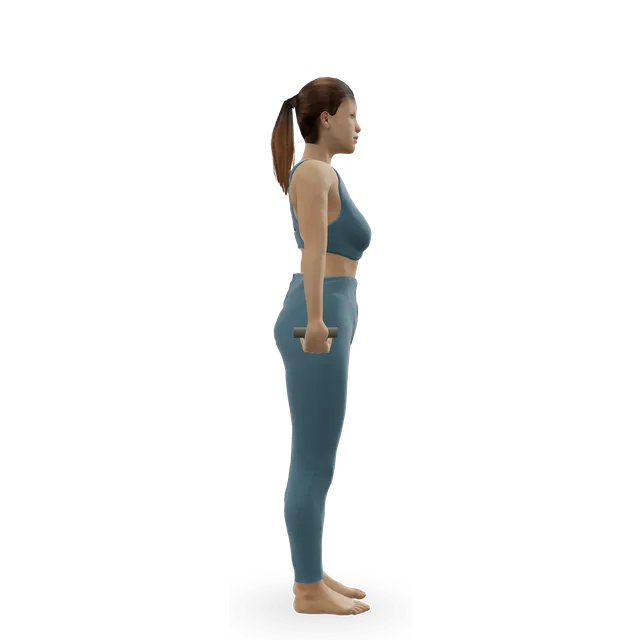
Load your hips through a full range
Hip thrusts and back squats grew the glutes about equally in a 9-week trial that scanned them, and full squats grew them about three times as much as half squats in another trial.
Training guide
Your glutes grow like any other muscle: hard sets, enough of them each week, more weight or reps over time, and months of patience. Hip thrusts and deep squats grew the glutes about equally in the best trial, so you don't have to choose; a hip hinge and some side-hip work cover the rest of the three glute muscles.
A bigger, stronger bum is built with training, not with food, supplements or bands alone, and no plan can promise a shape: trials measure muscle size, and where your body stores fat is partly down to your genes.
This guide covers the three glute muscles, what the growth trials show (and why muscle activity rankings don't), how many sets and how often, training at home and in the gym, how long it takes, and the warning signs for your back, hips and knees.
Hip thrusts and back squats grew the glutes about equally in a 9-week trial that scanned them, and full squats grew them about three times as much as half squats in another trial.
A squat or split squat, a hip thrust or bridge and a hip hinge, plus a side-hip move. Across 11 studies, single exercises and combinations grew the glutes alike, and the upper glutes and the smaller side glutes grew most with side-hip work in one small trial.
Build towards 10 to 20 hard glute sets a week over 2 sessions, counting squats, lunges, deadlifts and leg presses, with 6 to 12 reps on heavy lifts and up to 20 on lighter moves. With the weekly sets matched, training more often didn't add growth.
Light loads build muscle when sets end close to failure, and progressive bodyweight squats grew the glutes as much as barbell squats in a small trial of women new to training.
In 9 and 10-week trials the main glute muscle grew by about 2 to 9%. Strength rises sooner, and people vary hugely in how much they gain, partly through their genes.
The hip thrust lights up the glutes more than a squat does, but it didn't grow them more. Choose moves you can load and progress.
The large outer muscle that gives your bottom its shape. It straightens your hip with force, as when you stand up, climb or sprint, and turns the thigh out. Our gluteus maximus guide covers its anatomy.
Smaller muscles on the outer side of the hip, the minimus under the medius. They hold your pelvis level when you stand on one leg; our gluteus medius and minimus guides cover them.
Loaded hip extension (hip thrusts, squats, deadlifts, split squats, step-ups and leg presses) grows the gluteus maximus. In the 9-week trial, neither hip thrusts nor squats grew the medius and minimus much; in one small trial, hip abduction grew the upper part of the maximus and the side glutes a little.
Trials measure muscle size, not shape. Glute training doesn't remove the fat over your glutes, and where your body stores fat is partly genetic: identical twins overfed by the same amount gained fat in similar places.
Source 13
Women and men gain lower-body muscle at similar rates, both in absolute terms and relative to their starting size. Older adults gain a little more slowly, and people vary hugely in how much they gain from the same training, partly through their genes.
Across 11 studies, strength training had a moderate effect on gluteus maximus size (a standardised mean difference of 0.71), similar for single exercises and combinations, and for trained and untrained people. The studies were small and of moderate quality.
Source 3
In 34 untrained adults training twice a week for 9 weeks (3 to 6 sets of 8 to 12 per session, taken to failure), hip thrusts and back squats grew the glutes by similar amounts on MRI (magnetic resonance imaging) scans; squats also grew the front and inner thighs more. Each group got stronger at its own lift: the hip thrust group added 63% to their hip thrust, the squat group 44% to their squat, and both about 15% to the deadlift. In 19 trained lifters, 6 weeks of hip-thrust-led and squat-led training grew glute thickness similarly.
In 22 trained women over 12 weeks, squats grew the glutes more than hip thrusts (9.4% against 3.7%). A 2025 review criticised its methods, and four other trials by its first author have been retracted; this one hasn't. Treat it as the weakest evidence here.
In 17 men over 10 weeks, full squats (to about 140 degrees of knee bend) grew the gluteus maximus by 6.7%, against 2.2% for half squats, and grew the inner thighs more too. A review of 11 studies found a full range beat partial reps near the top for the glutes and inner thighs.
In one 10-week trial of 17 adults, each person trained one leg with cable hip extension and the other with hip abduction, about 10 sets a week. Hip extension grew the gluteus maximus more overall (9% against 5%), mostly its lower part, while abduction grew its upper part by about 10% and the medius and minimus by about 4%. It's one small trial, and we could read only its summary.
In 33 untrained women over 10 weeks, adding hip thrusts to leg presses and stiff-leg deadlifts grew glute thickness more (9.3% against 6.0%). But the hip thrust group also did more sets, which may explain the difference.
Source 23
In 17 untrained adults who trained one leg on the leg press and the other on knee extensions for 12 weeks, the leg press grew the gluteus maximus by 15.4%, and knee extensions didn't.
Source 24
Step-ups, deadlifts, hip thrusts, split squats and lunges all drew very high glute activity across 16 studies, with step-ups at the top from one small study. But activity in a few reps isn't a validated predictor of growth, and the hip thrust's higher activity didn't grow the glutes more than squats did.
Across 56 studies, the hip hitch, side-lying hip abduction with the hip turned slightly in, single-leg bridges, lateral step-ups, and resisted standing abduction and side-steps drew the most gluteus medius and minimus activity. Our gluteus medius guide notes that clamshells score lower.
Source 26
In 13 sedentary women over 6 weeks, a 10-level bodyweight squat progression, from two legs to one, grew the gluteus maximus as much as barbell squats at 60 to 80% of maximum. A kneeling band hip extension programme also grew the glutes in a trial reported in a 2025 review, and across 28 studies light loads built as much muscle as heavy ones when sets were hard.
Muscle grew more with 10 or more hard sets per muscle a week in an overview of 137 reviews, with smaller returns as the sets went up. With the weekly sets matched, training a muscle once, twice or three times a week grew it about the same.
Across 29 studies, women and men gained similar muscle relative to their size; men gained slightly more in absolute terms in the upper body, but not in the lower body.
Source 14
Pick one squat or split squat, one hip thrust or bridge, and one hinge for your glute days. Each move's how-to guide (hip thrusts, glute bridge, squat, Bulgarian split squat, step-ups, lunges, Romanian deadlift and leg press) covers the technique.
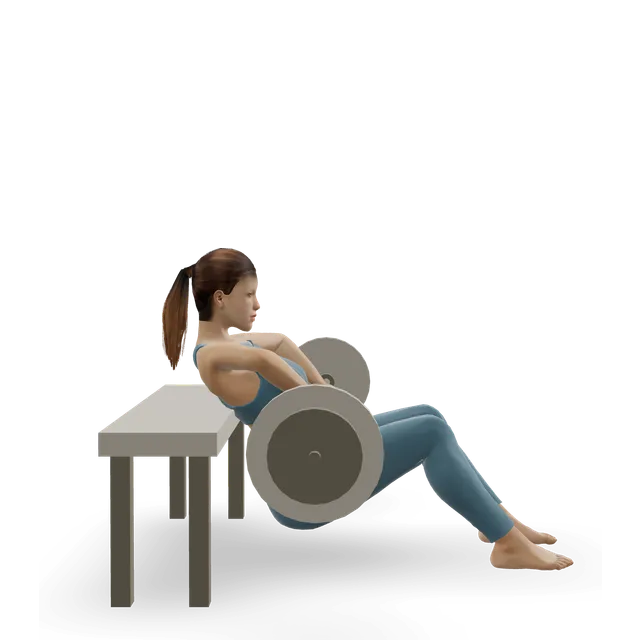 3D demoBarbell hip thrustIntermediate · A barbell + A bench or box
 3D demoGlute bridgeBeginner · No equipment
 3D demoSingle-leg glute bridgeIntermediate · No equipment
 3D demoDumbbell goblet squatIntermediate · A dumbbell
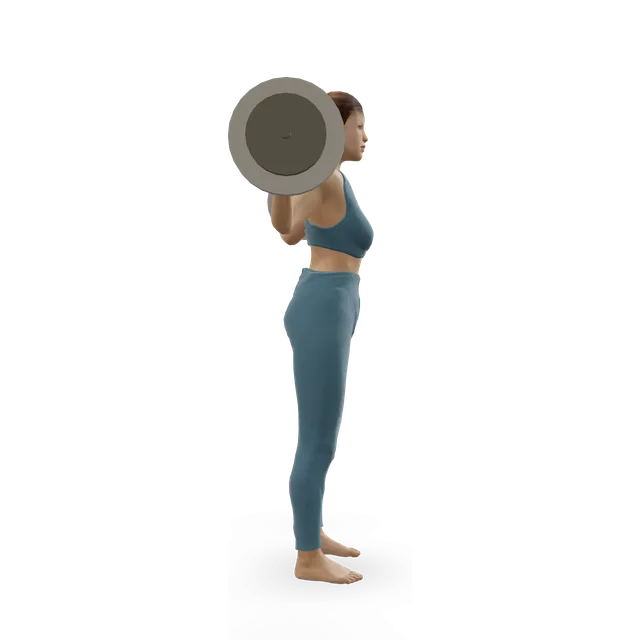 3D demoBarbell back squatAdvanced · A barbell
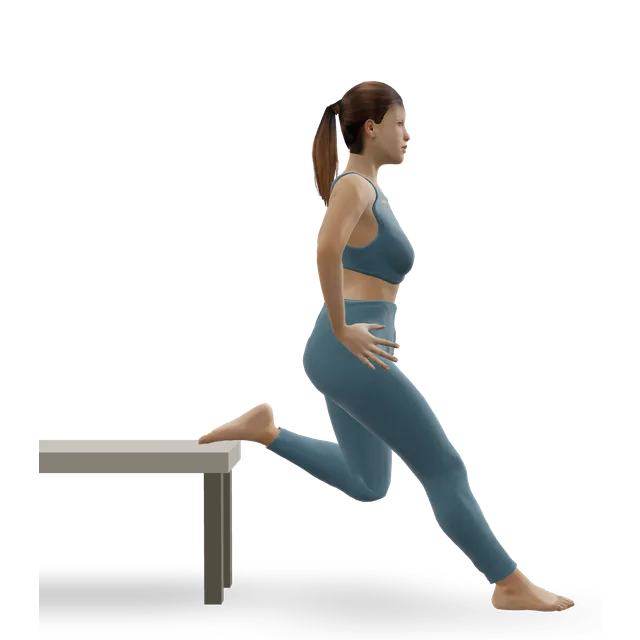 3D demoRear-foot-elevated split squat (Bulgarian split squat)Intermediate · A bench or box
 3D demoReverse lungeIntermediate · No equipment
 3D demoStep-upBeginner · A step
 3D demoDumbbell Romanian deadliftIntermediate · A dumbbell
 3D demoLeg pressBeginner · Strength machine
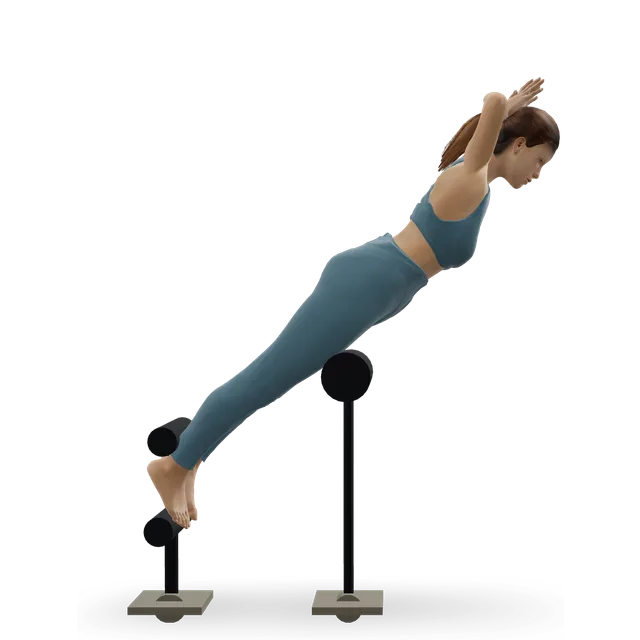 3D demoBack extension on a 45-degree benchIntermediate · A bench or box
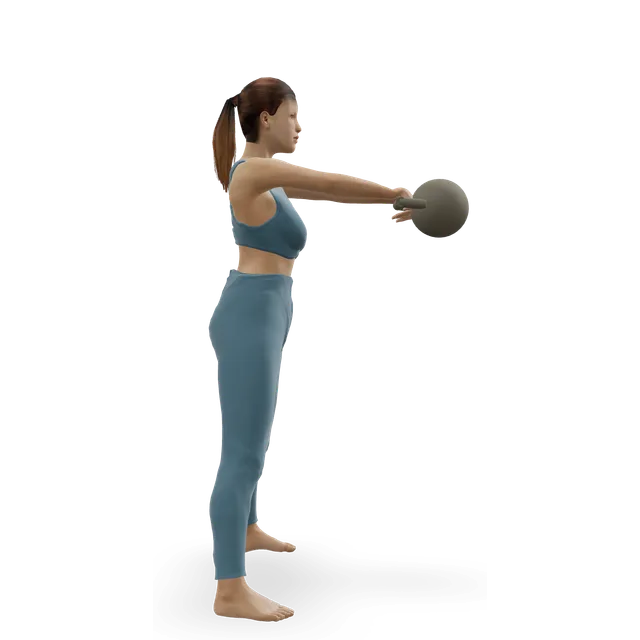 3D demoKettlebell swingIntermediate · A kettlebell
One each glute day: the hip abduction machine at 3 sets of 12 to 20 (our glute gym workout), or side-lying leg raises (12 each side) and band walks (10 steps each way) from our glute workout at home. Clamshells are an easy start; side-lying, standing band and machine abduction work the side of the hip harder.
 3D demoSide-lying leg raiseBeginner · No equipment
 3D demoClamshellBeginner · No equipment
 3D demoLateral band walkBeginner · A band
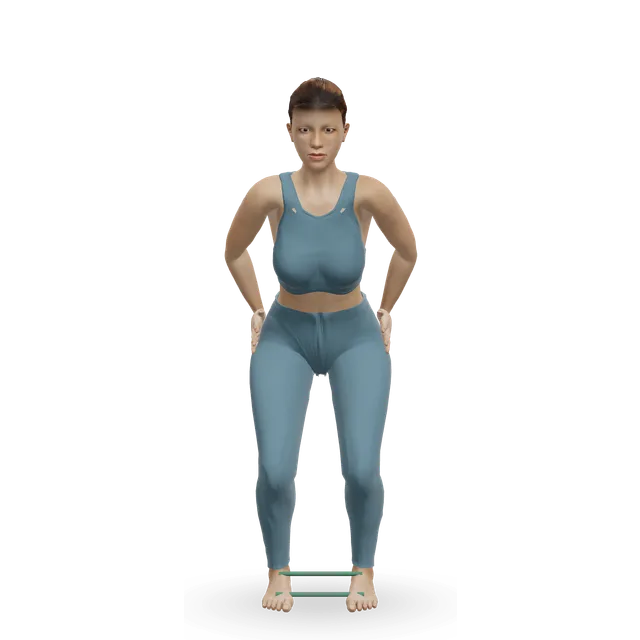 3D demoLateral band walk, band at the feetIntermediate · A band
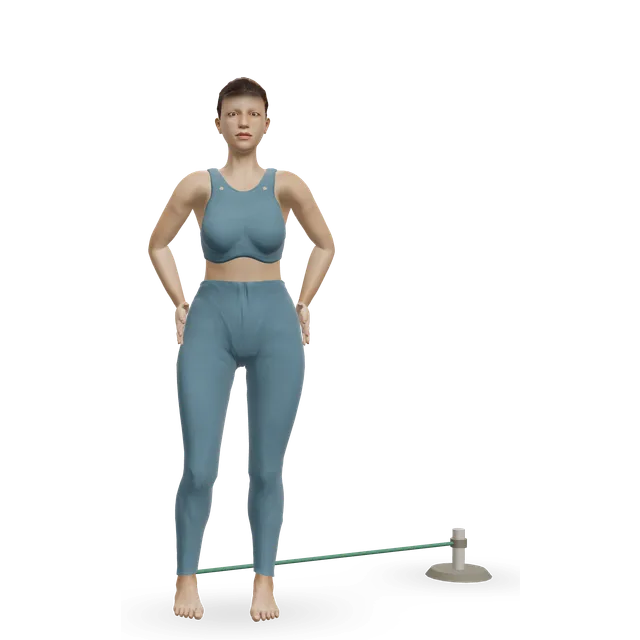 3D demoStanding band hip abductionBeginner · A band + An anchor point
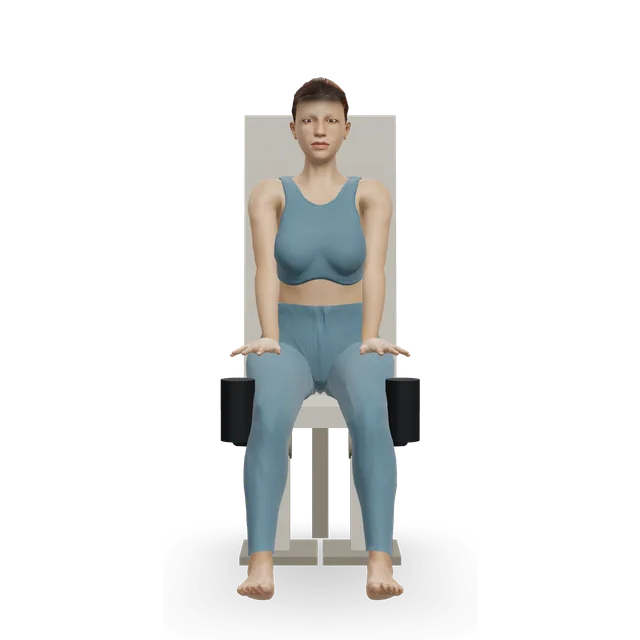 3D demoHip abduction machineBeginner · Strength machine
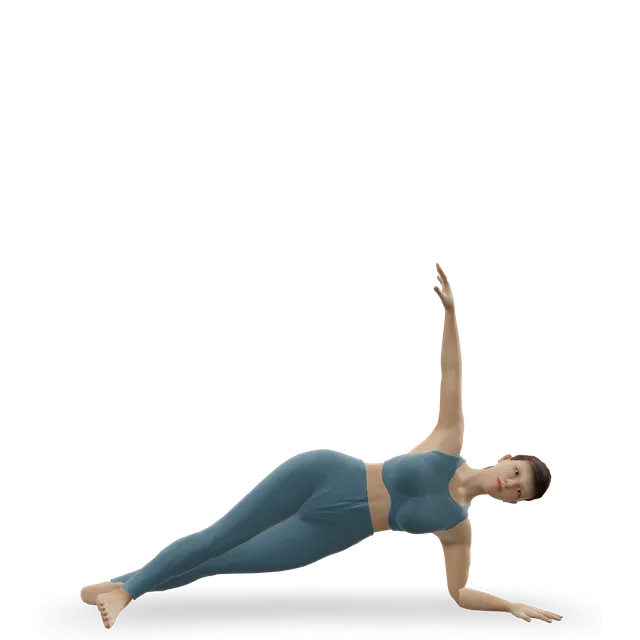 3D demoSide plank with leg liftAdvanced · No equipment
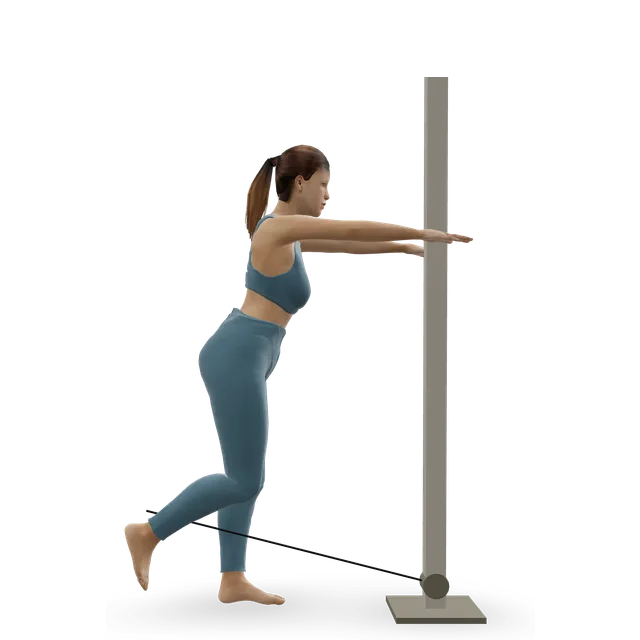 3D demoStanding cable glute kickbackIntermediate · A cable machine
About 10 to 20 hard glute sets a week, counting squats, split squats, lunges, deadlifts and leg presses as glute work. Our glute workout plan gives 16 to 18, about 5 of them side-hip work.
Sets of 6 to 10 on hip thrusts and squats, 8 to 12 on split squats and hinges, and 12 to 20 on side-hip moves. Squats and deadlifts stop 2 or 3 reps short of failure, hip thrusts 1 to 3, and the last set of side-hip work can get within 0 to 2, as our glute plan sets out. Keep 3 or 4 reps to spare in your first two weeks.
Two glute sessions a week suits most people, as in our glute plan. Once the weekly sets match, training more often doesn't add growth.
Source 7
About 2 to 3 minutes between heavy sets of hip thrusts and squats, and 60 to 90 seconds for side-hip moves, as our plans' notes say.
Squat as deep as you can control with your lower back staying still, and use the full range on hip thrusts and hinges. If deep squats pinch your hip or round your back, go a little shallower.
Add reps until every set reaches the top of its range, then add the smallest weight step and start again at the bottom, as our plans' double progression does.
About 1.6 g of protein per kg of body weight a day, and no big calorie cut: a deficit of about 500 calories a day stopped lean-mass gains in pooled trials. You can still build muscle while losing fat, especially as a beginner with plenty of protein. Sleep 7 to 9 hours, as the NHS says adults need.
Doses from our glute gym workout, glute workout plan, Bulgarian split squat guide and Romanian deadlift guide; the order is our editorial suggestion. Set the bench against a wall and pad the bar, as our hip thrust guide explains.
Loading the 3D figure…
The movement on the figure: Barbell hip thrust
Light loads build muscle when the last reps are hard. Single-leg moves, slower lowering, a backpack or dumbbells keep home sets within 1 or 2 reps of failure, as our glute plan's home option does.
Glute bridges at 3 sets of 10 to 15 with a pause, then single-leg bridges at 3 sets of 8 to 12 each side, then a loaded bridge; split squats, then reverse lunges, then Bulgarian split squats at 3 sets of 6 to 10 each leg; step-ups at 2 or 3 sets of 8 to 12 each leg; single-leg Romanian deadlifts; and band walks and standing band abduction for the side of your hip. The doses come from our hip thrust, glute bridge, Bulgarian split squat and step-up guides.
Band kneeling hip extensions grew the glutes in one small trial reported in a 2025 review. Bands work when they make the sets hard, so choose one that leaves you with only 1 or 2 reps to spare.
Source 3
Bodyweight, a band or a pair of dumbbells. Move up the ladder when 3 sets reach the top of the range with good form.
3D demoGlute bridgeBeginner · No equipment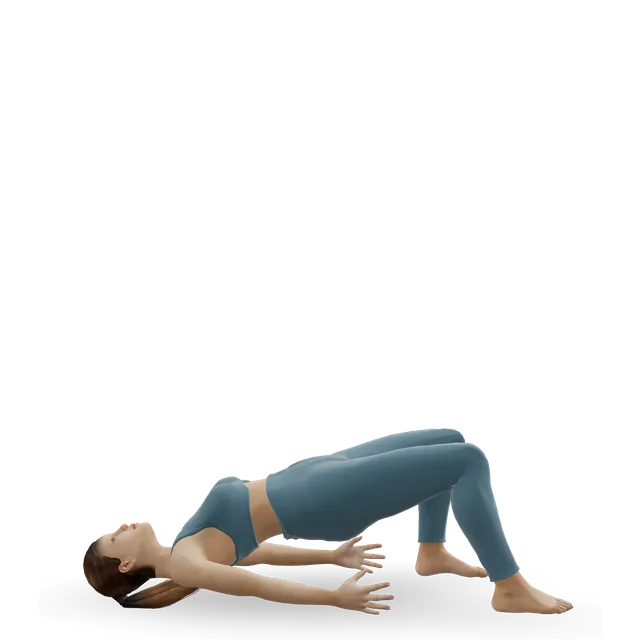 3D demoStaggered-stance bridge (offset bridge)Beginner · No equipment3D demoSingle-leg glute bridgeIntermediate · No equipment
 3D demoSplit squatIntermediate · No equipment3D demoReverse lungeIntermediate · No equipment3D demoRear-foot-elevated split squat (Bulgarian split squat)Intermediate · A bench or box3D demoStep-upBeginner · A step
 3D demoSingle-leg Romanian deadliftAdvanced · A dumbbell3D demoLateral band walkBeginner · A band3D demoStanding band hip abductionBeginner · A band + An anchor point
In untrained adults, 9 weeks of twice-weekly hip thrusts raised their 3-rep maximum by 63% and grew the glutes measurably on MRI scans. In 9 and 10-week trials the gluteus maximus grew by about 2 to 9% overall, and up to 14% in one region.
After the same 12 weeks of arm training, biceps size changed by anything from 2% smaller to 59% bigger in 585 adults, and part of how people respond to training is genetic. Compare yourself with your own log, not with other people.
Log your loads and reps on hip thrusts, squats and split squats. Photos in the same light help; a tape round your hips measures fat as well as muscle, so it can mislead (our suggestion).
The glute gym workout and the glute workout at home are built for glutes; the leg and band workouts add the hinge and single-leg work.
A 50-minute gym glute workout: hip thrusts, deep squats, Bulgarian split squats, back extensions and hip abduction, with sets, reps and rest.
50 minIntermediate11 movesA band, A barbellA 25-minute glute workout with bodyweight and a mini band: bridges, clamshells, band walks, kickbacks and lunges.
25 minBeginner9 movesA wall, A bandA gym lower body workout for legs and glutes: trap bar deadlifts, hip thrusts, reverse lunges, leg curls, hip abduction, calf raises and core.
50 minIntermediate13 movesOther / check instructions, A barbellA lower body workout at home: split squats, slider hamstring curls, single-leg bridges, step-ups, band walks and calf raises, with dumbbell options.
30 minIntermediate12 movesA wall, A stepDumbbell leg workout B: Bulgarian split squats, single-leg Romanian deadlifts, slider curls, single-leg bridges, calf raises and suitcase carries.
45 minIntermediate12 movesA bench or box, A dumbbellA 35-minute full-body band workout: rows and push-ups, split squats and an anchored hip hinge, then bridges, face pulls, raises, triceps and a Pallof press.
35 minBeginner15 movesA wall, A bandA 30-minute step-up workout at home or in the gym: step-ups, split squats, step-downs and calf raises on one step, with the height set to your level.
30 minBeginner9 movesA wall, A stepThe glute workout plan gives two glute days a week for 8 weeks, with a home option for every day.
An 8-week glute workout plan: two glute days and two upper-body days a week, with hip thrusts, squats, hinges and side-hip work, plus a home option.
4 training days50 minIntermediate3 days a weekA weekly workout plan for women: three strength days, cardio and pelvic floor training, with the evidence on periods, pregnancy and menopause.
3 training days45 minBeginner4 days a weekA 4-day upper/lower split: two upper body and two lower body gym days, each muscle trained twice a week, with sets, reps and progression.
4 training days50 minIntermediate4 days a weekA 4-day dumbbell-only plan for home or gym: two upper and two lower days, every set, rep and rest, and how to keep progressing when the dumbbells max out.
4 training days45 minBeginnerSwap the back squat for the leg press, keep hip thrusts and back extensions light, and see our back pain guides, as our glute plan suggests. Our back pain rule: discomfort up to about 5 out of 10 is acceptable if it settles within an hour or so and is no worse the next morning; stop any move that sends pain down a leg.
A pinch at the front of the hip in deep squats or split squats: go a little shallower, or use a lower bench for your back foot, and see our hip impingement guide. With pain on the outside of the hip, keep side-hip work light and aim for no increase in that pain, as our hip bursitis guide advises.
Favour hip thrusts and deadlifts, and shorten your squats. Our knee rule: pain up to 2 out of 10 is fine, and up to 5 is acceptable if it settles by the next morning; for pain at one point just above or below the kneecap, keep it to 3 or less.
In later pregnancy, the NHS advises avoiding lying flat on your back for more than a few minutes. Our rule starts after the first trimester: use a propped-up or side-lying bridge instead of floor bridges, and with pelvic girdle pain, limit one-sided moves such as single-leg bridges, split squats and step-ups, as our hip thrust and pregnancy guides say.
Source 33
Hinge with a long back and avoid lifting with your back rounded, as the UK consensus advises; do back extensions slowly, and learn kettlebell swings with a coach. Our osteoporosis guide has the detail.
Source 34
For back pain with numbness around your genitals or bottom, new problems controlling your bladder or bowels, or pain, tingling or weakness in both legs, as our back pain guide explains. For severe hip pain after a fall or injury, or if you can't walk or put weight on your leg. During any exercise, stop and get help for chest pain or pressure, unusual breathlessness, dizziness or fainting, as our plans advise.
For severe hip pain that started suddenly without a fall, a swollen hip that feels hot, or hip pain with a high temperature and feeling unwell, as our hip pain guide explains. In the US, contact your doctor or urgent care.
If hip pain stops your normal activities, affects your sleep or hasn't improved after 2 weeks, or back pain hasn't improved after a few weeks of looking after it at home. And if your bottom, thighs and lower legs are out of proportion with the rest of your body, feel painful, tender or heavy, and bruise easily: ask your GP about lipoedema, as our weight-loss guide explains.
The NHS lists spending a lot of time worrying about your weight and body shape, eating very little and exercising too much among the signs of an eating disorder, and says to see a GP as soon as you can. Beat adds exercising to make up for eating or because of how you feel about your body, and feeling guilty or anxious when you can't train. Worrying a lot about one part of your body and comparing your looks with others' can be body dysmorphic disorder. Our eating disorders guide has Beat's helplines.
Hip thrusts grew the glutes about as much as squats, and squats barely grew the side glutes, which side-hip work reaches. Deep squats are a great glute exercise, but not the only one.
The hip thrust's higher muscle activity didn't grow the glutes more than squats, and muscle activity readings aren't a validated guide to growth.
They work the side of the hip, but clamshells score low for the gluteus medius, and band work grows muscle only if it's hard enough. The main glute muscle grows from loaded hip extension.
Muscle grows slowly, and you control the dose. If thigh growth isn't what you want, hip thrusts grew the thighs less than squats in the best trial.
Protein supports the growth that training starts, and extra protein stopped adding muscle at about 1.6 g per kg a day in 49 trials. Nothing replaces the training.
Source 29
Training more often didn't add growth once the weekly sets matched. Two good glute sessions a week beat seven rushed ones.
Source 7
Light and heavy loads built similar muscle when the sets were hard. Heavier loads built more maximal strength.
Load your hips through a full range: hip thrusts or bridges, squats or split squats, and a hip hinge such as the Romanian deadlift, plus some side-hip work, twice a week. Build towards about 10 to 20 hard glute sets a week and add reps, then weight, over time. Eat enough protein and give it months.
Both work. In a 9-week trial that scanned the glutes, hip thrusts and squats grew them about equally, and squats also grew the front and inner thighs more. One smaller trial that favoured squats has had its methods criticised.
Strength rises within weeks; size takes longer. In 9 and 10-week trials the main glute muscle grew by roughly 2 to 9%, and people vary a lot. Give it months, and judge your progress by your weights and reps.
Twice a week suits most people: once the weekly sets are matched, training a muscle more often doesn't add growth. Our glute plan has two glute days and an optional third.
Yes, if the sets are hard: light loads build muscle when taken close to failure, and in a 6-week trial, progressive bodyweight squats grew the glutes as much as barbell squats in women new to training. Use single-leg moves, slower lowering and a band, and add a backpack or dumbbells when it gets easy.
Hip thrusts grew the thighs less than squats in a trial, and deadlifts, back extensions and side-hip work focus on the hips too. Squats and lunges grow the thighs as well as the glutes, so lean on the others if thigh growth isn't what you want.
They work the side of the hip, but clamshells draw little effort from the gluteus medius. Standing or side-lying hip abduction against resistance, single-leg bridges and lateral step-ups work it harder, and the main glute muscle grows from loaded hip extension.
There isn't one. Step-ups, deadlifts, hip thrusts, split squats and lunges all work the glutes very hard in muscle activity studies, and squats and hip thrusts grew them equally in the best growth trial. Choose moves you can load and progress, and add side-hip work.
No food grows muscle on its own. Eating enough protein, about 1.6 g per kg of body weight a day, supports the growth that training starts, and a big calorie deficit holds it back.
Yes, especially if you're new to lifting: people have gained muscle while losing fat with hard training and plenty of protein. Keep the calorie cut small, because a deficit of about 500 calories a day stopped lean-mass gains in trials.
It builds muscle, but no plan can promise a shape: trials measure muscle size, the fat over your glutes rises and falls with your overall body fat, and where your body stores fat is partly down to your genes. Stronger, somewhat bigger glutes are a realistic aim.
No. Women and men gain lower-body muscle at similar rates, so the exercises, sets and reps are the same.
Exercise education, not a personal prescription, and clinical review of these guides is pending. Check with a GP before starting hard training if you have a heart condition, chest pain, dizziness or breathlessness when active, and stop for sharp or increasing pain. Health disclaimer.