How do you do a goblet squat properly?
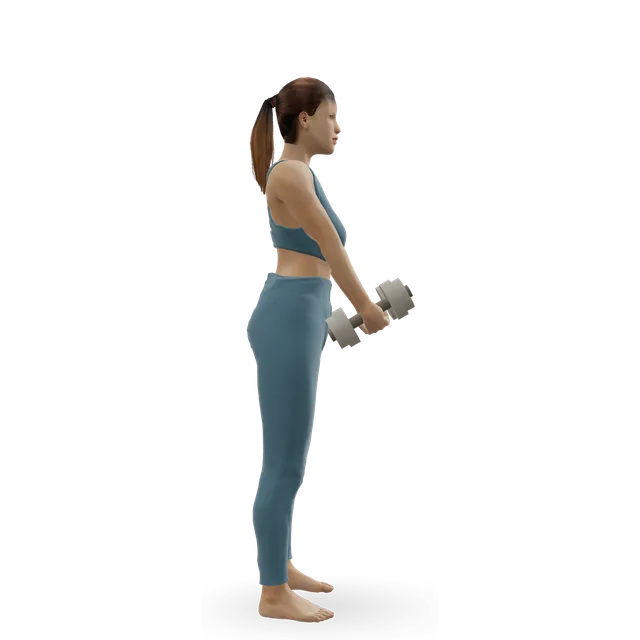
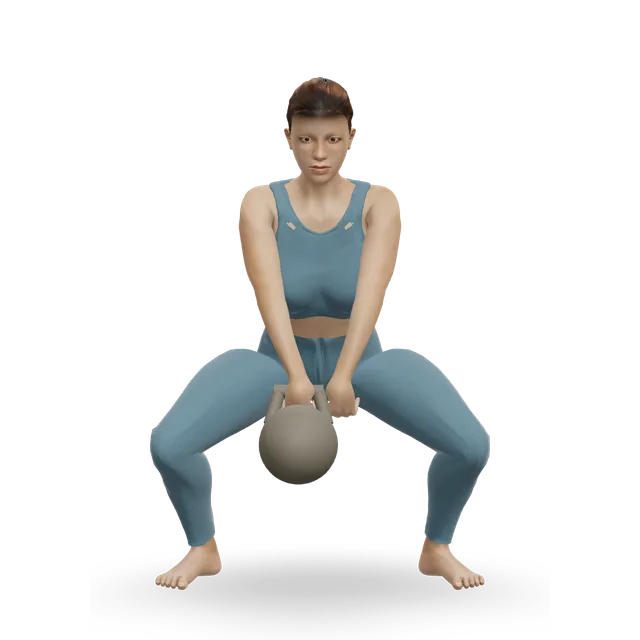
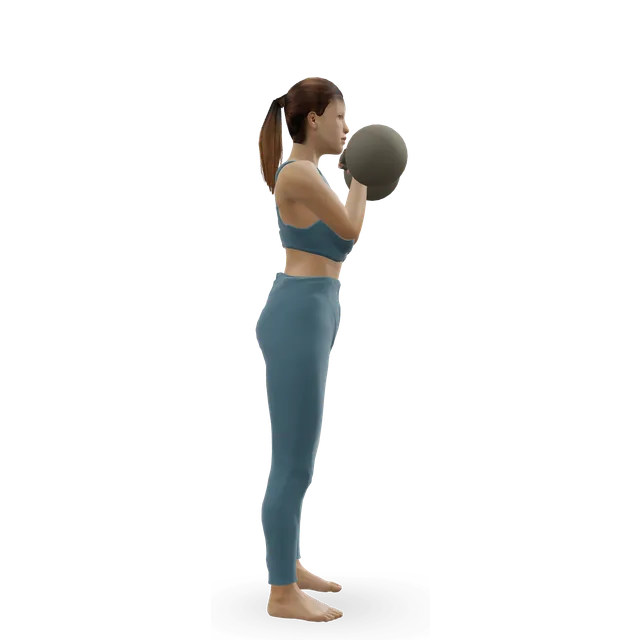
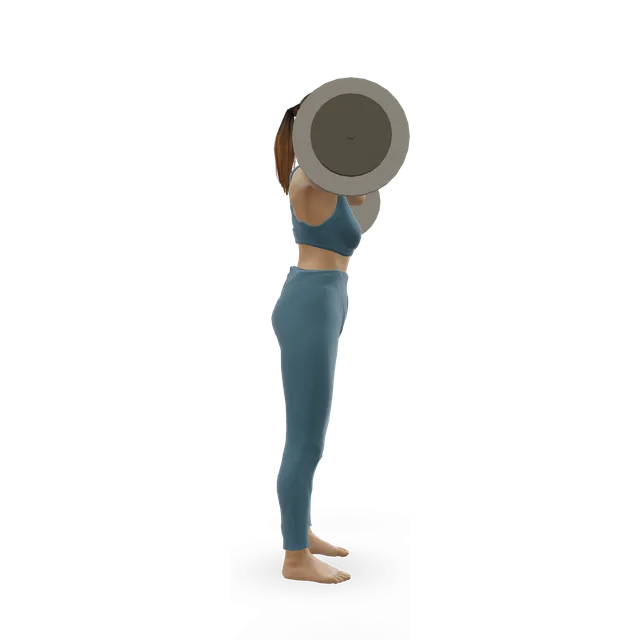
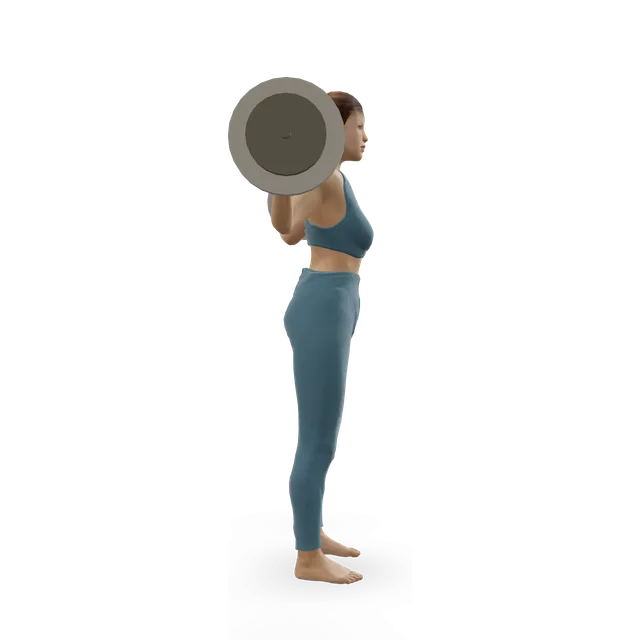
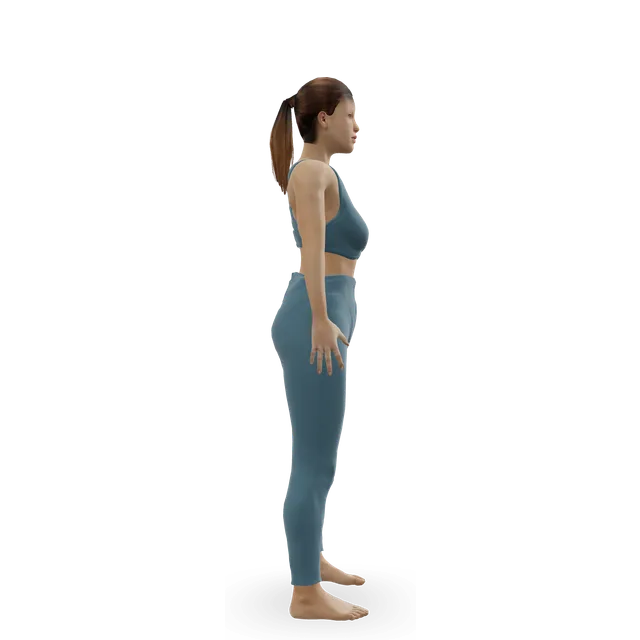
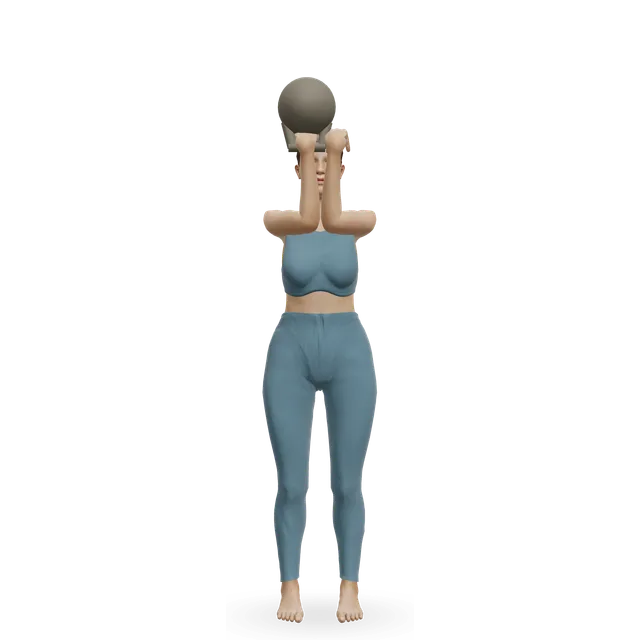
Hold one dumbbell upright against your chest with your elbows close to your ribs, and stand with your feet about shoulder-width apart, toes turned out a little. Sit down between your feet until your thighs are about level with the floor, keeping your heels down and your back's shape, then drive up through your whole foot. If a rep stalls, push the weight away from you and step back.
How deep should a goblet squat be?
As deep as you can go with your heels down and your back keeping its shape. Thighs about level with the floor is the usual target, and deeper is fine with control: full squats built more glute and inner-thigh muscle than half squats, and deep squats haven't been shown to harm healthy knees. With pain at the front of the knee, start shallower.
How heavy should my goblet squat be?
Heavy enough that 8 to 12 reps leave you 2 or 3 reps short of failure, with 3 or 4 to spare in your first two weeks. For most people the limit is how heavy a dumbbell they can hold at their chest. When 3 sets of 10 with the heaviest one you can hold feel smooth, it's time for a barbell.
How many sets and reps of goblet squats should I do?
3 or 4 sets of 8 to 12, about 2 reps short of failure, twice a week, resting 90 seconds to 2 minutes between sets. For muscle, about 10 or more hard sets a week for your thighs works best, and lunges and step-ups count towards them.
What muscles do goblet squats work?
Mainly the front of your thighs, your glutes and your inner thighs, with your hamstrings, trunk and upper back holding the weight in place. Holding the weight in front keeps you upright, which shifts work towards your knees. Your arms only hold the weight, so it isn't an upper-body exercise.
Is the goblet squat as good as the back squat?
For sets of 8 to 12 it builds strength and muscle well, and it's easier to learn. Its limit is the weight you can hold: in young men, barbell training raised back squat strength more than kettlebell training did. Start with the goblet squat and move to a barbell when the dumbbell runs out.
Goblet squat or sumo squat: which is better?
They're close cousins. A wide, toes-out stance drew more inner-thigh activity in one small study, but activity in a few reps doesn't predict growth. Use the stance that lets you squat deepest with your heels down.
Are goblet squats bad for your knees?
Not for healthy knees: a large review found no evidence that deep squats harm them, and knees travelling past your toes is normal. With knee pain, squat shallower and keep the pain to 0 to 2 out of 10, up to 5 if it settles by the next morning. A knee that locks, gives way or swells needs NHS 111, or your doctor or urgent care in the US.
Why does my lower back hurt when I goblet squat?
Usually the weight is too heavy, you're going deeper than your back can keep its shape, or you're tiring and folding forward. Go lighter, squat to a box and keep the weight against your chest. Pain that spreads down a leg, or doesn't settle within an hour, is a reason to stop and read our back pain guides.
Should I raise my heels for goblet squats?
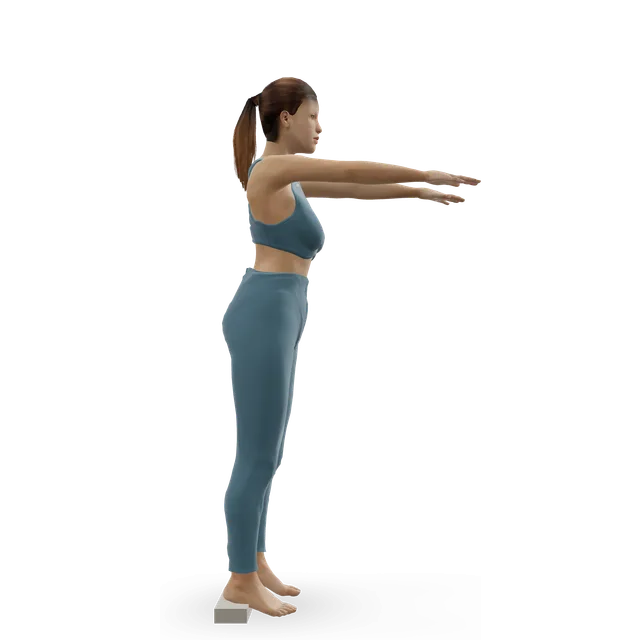
If your heels lift or your ankles are stiff, yes: small plates under your heels let you stay upright and sit deeper. Work on your ankles too, for example with the knee-to-wall rock.
Kettlebell or dumbbell for goblet squats?
Either. Hold a dumbbell upright by its top end, or a kettlebell by the horns, whichever you can keep against your chest for the whole set.
Can older adults do goblet squats?
Yes. In inactive adults aged 59 to 79, kettlebell training that included goblet squats improved chair stands, walking, grip and muscle, with no serious problems, while 100 bodyweight squats a day didn't build strength in another trial. Start with sit-to-stands from a chair, then a light weight, and ask your doctor or physiotherapist first if you've had several broken bones or spinal fractures.