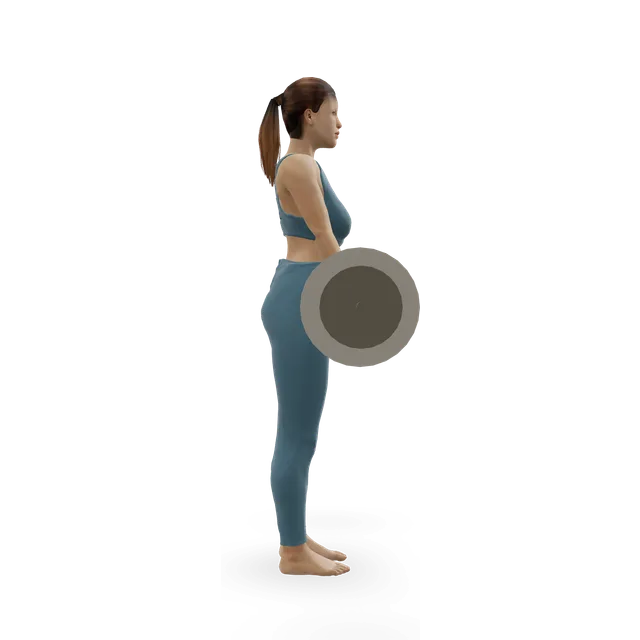
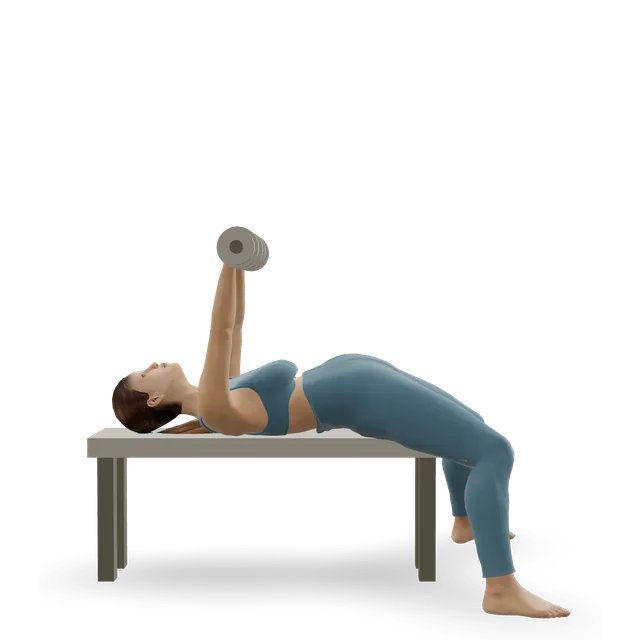
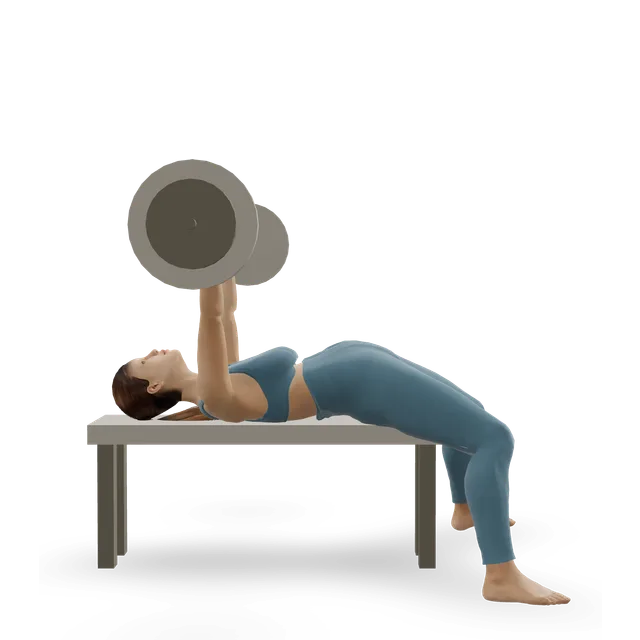
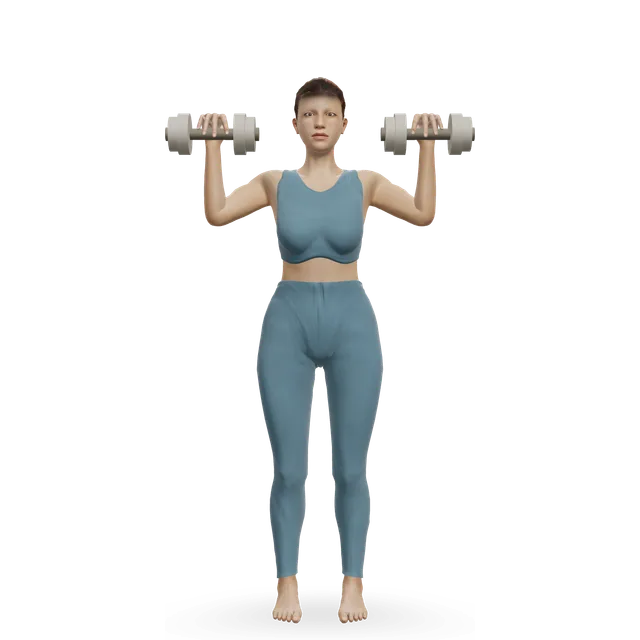
Training guide

Free weights vs machines: which build more muscle and strength?

Free weights and machines build strength about equally: across 13 studies of more than 1,000 adults, there was no difference when they were compared head to head. Muscle growth points the same way, though fewer and smaller studies have measured it.

The real difference is specificity: you get strongest on the kit you train with. So choose by your goal, your space and what you'll keep doing.

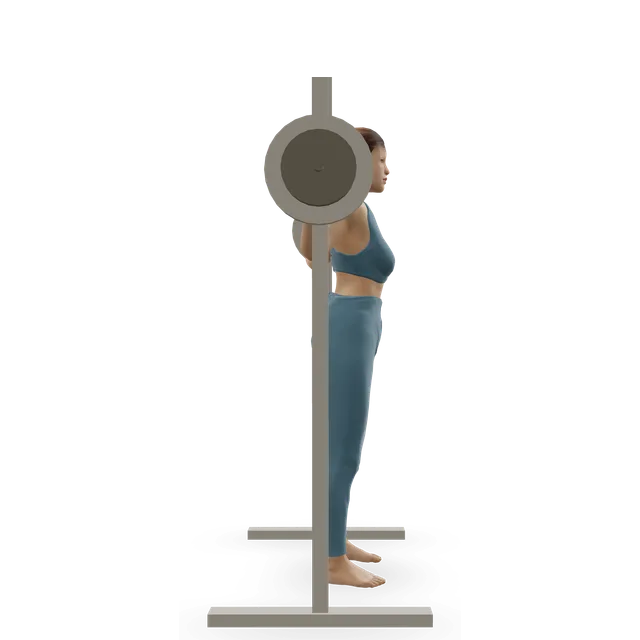
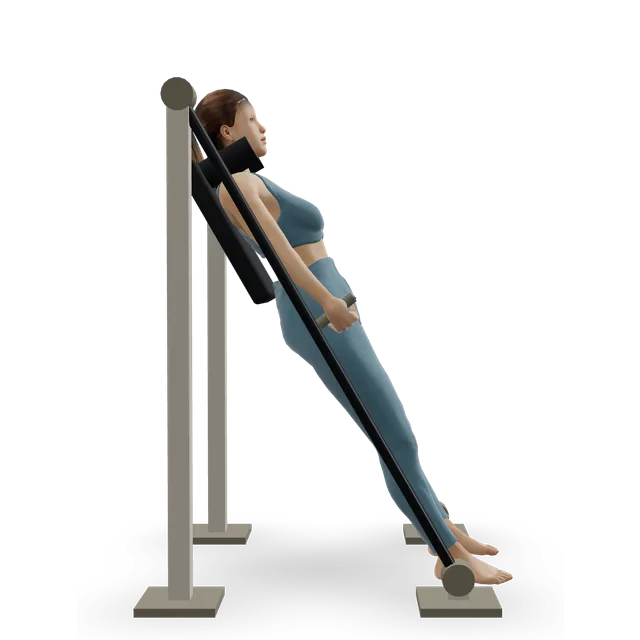
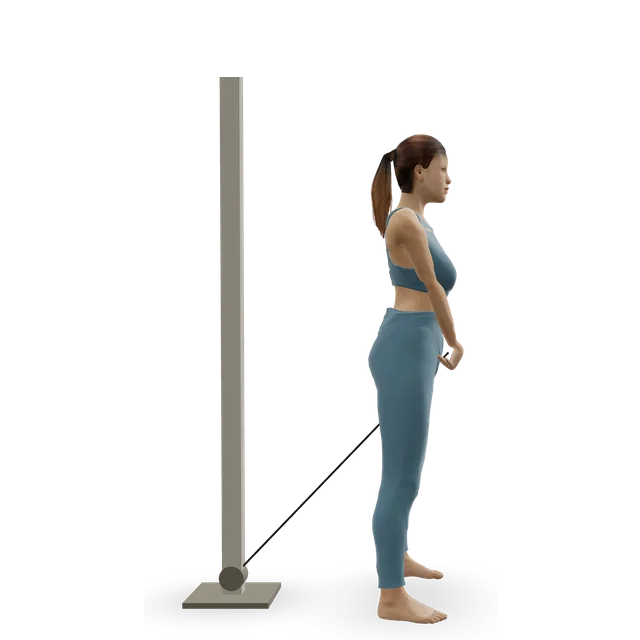
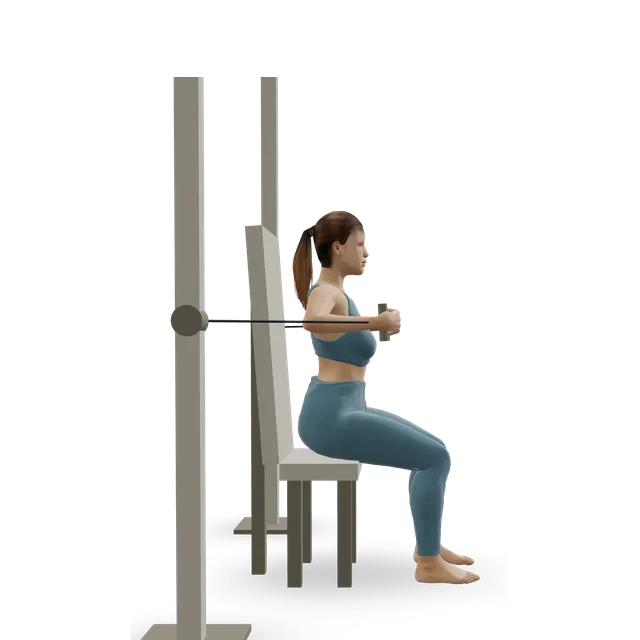
This guide covers what the trials show for strength, muscle, jumping and bone, what's known about safety, what suits beginners and older adults, and how to swap any exercise between free weights, machines, cables and bands, with a 3D demo of each.

The short version

Strength: no clear winner

Across 13 studies of 1,016 adults, strength gains didn't differ when free weights and machines were compared head to head. The 2026 overview of reviews by the American College of Sports Medicine (ACSM) also found the type of equipment didn't change strength gains, and a later trial in 38 trained men agrees.

Sources 1, 2, 3

Muscle: probably no difference, on thinner evidence

Only 5 small studies in the meta-analysis measured muscle growth, some with crude methods, and two trials using ultrasound scans found equal growth. The ACSM overview found too little evidence to judge.

Sources 1, 4, 3, 2

You get best at the kit you train on

Free-weight training raised free-weight strength more, and machine training tended to raise machine strength more. Match the kit to what you want to be strong at.

Sources 1, 4

Neither is proven safer

Most weight-training injuries seen in US emergency departments involved free weights, and the most common cause was a weight dropping on someone, but nobody counted how many people used each kind. Both are considered safe with good technique.

Sources 5, 6

Choose by goal, place and preference

Machines need less technique and let you push close to failure without a spotter; free weights are versatile, need little space at home and are closer to everyday and sport movements. Most of our plans use both.

Source 6

Free weights, machines, cables and bands

Free weights

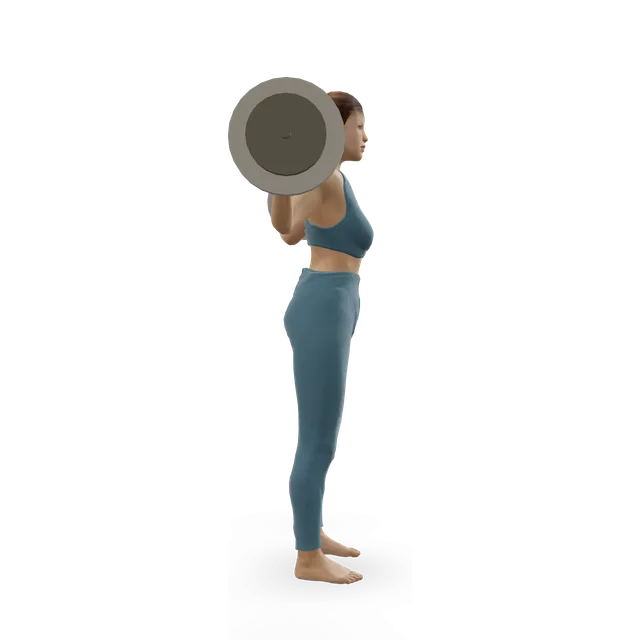
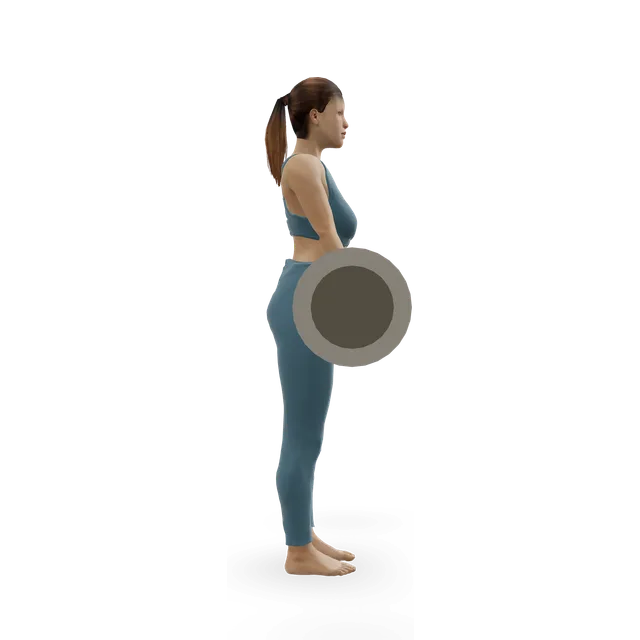
Barbells, dumbbells and kettlebells move freely, so you steady the load and control its path. They need more technique, and sometimes a spotter.

Sources 2, 6

Machines

Weight-stack and plate-loaded machines, and the Smith machine (a barbell on rails), guide the path of the lift. Most allow only one movement pattern, and some may not fit every body.

Sources 2, 6

Cables

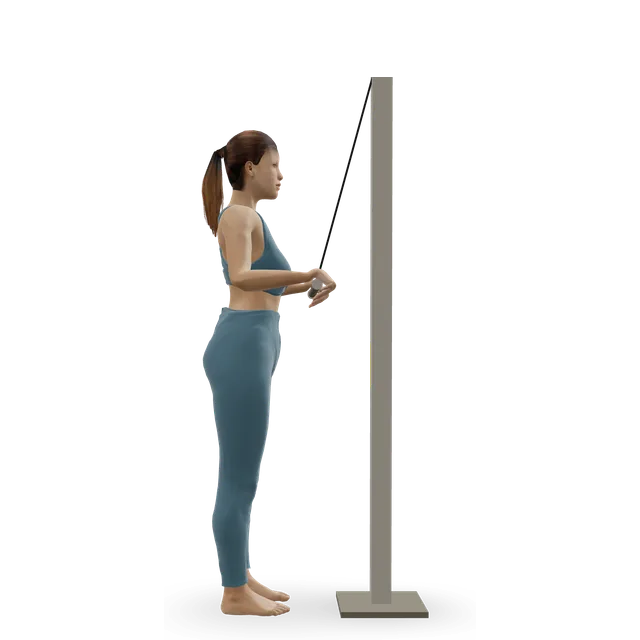
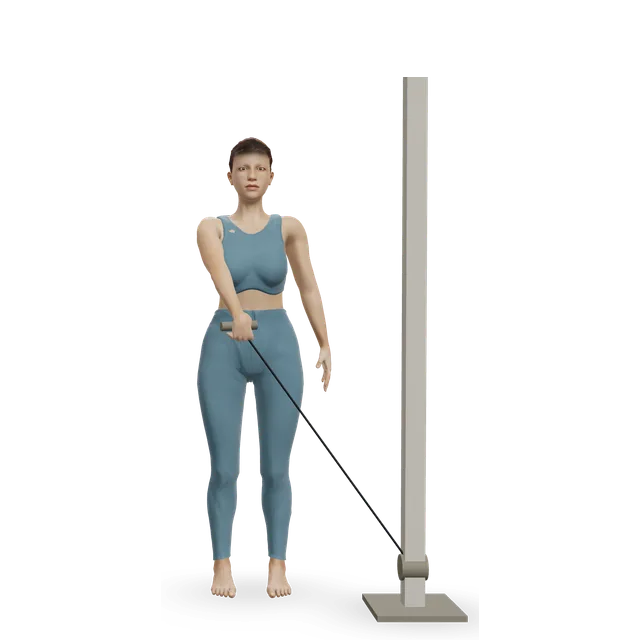
A fixed pulley with free handles: the pulley sets the line of pull, but your hands move freely, so cables sit between the two (our description).

Bands and body weight

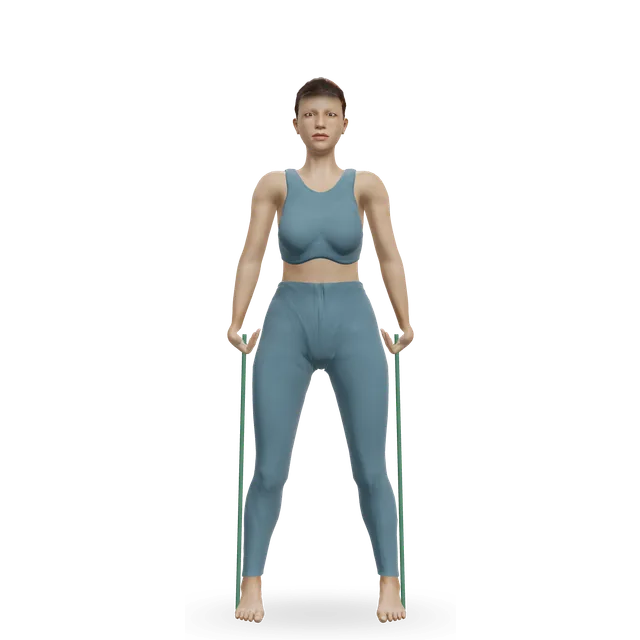
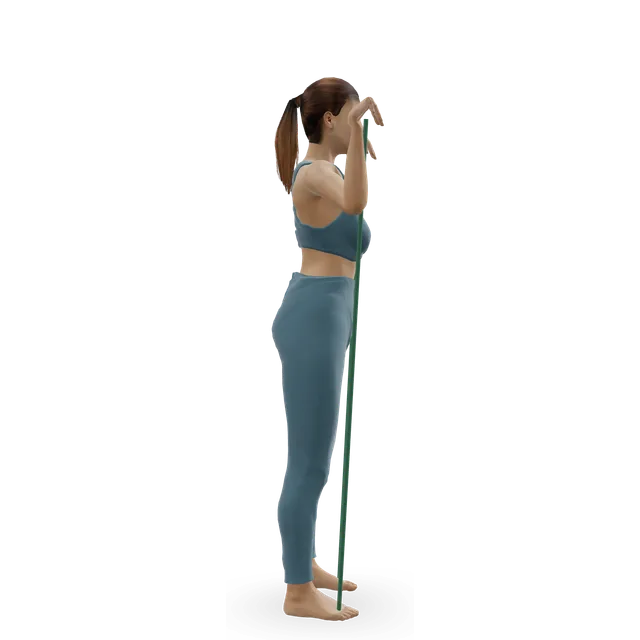
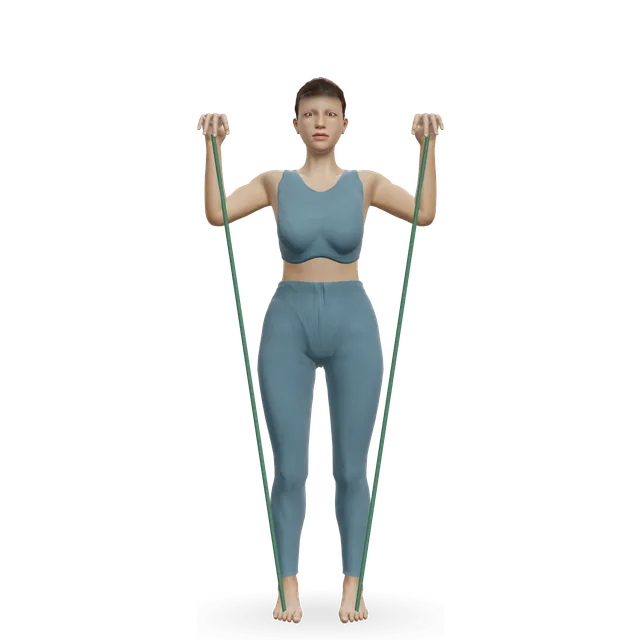
Elastic bands built strength about as well as machines and dumbbells across 8 studies. Body weight is the other load you always have with you.

Source 7

What the evidence says

StrengthStrong evidence

A 2023 meta-analysis pooled 13 studies of 1,016 adults (789 men and 219 women, aged 18 to 60) who trained for 6 to 12 weeks. Compared head to head, free weights and machines raised strength by the same amount, whether it was tested by lifting or by pushing against something that doesn't move.

The ACSM 2026 overview found that machine or free-weight training didn't change strength gains. In a later trial, 38 trained men did the full squat, bench press, prone bench pull and shoulder press on barbells or machines for 8 weeks, and their strength changes were within 1.8% of each other.

Sources 1, 2, 3

Muscle growthEmerging evidence

Only 5 small studies in the meta-analysis measured growth, with mixed methods, and they found no difference. Two trials that measured muscle with ultrasound scans agree: in 46 young adults (26 of them women) over 8 weeks, the biceps and quadriceps grew equally, and in the 38 trained men, changes in muscle size were within 2% of each other. The ACSM overview found too little evidence to judge, so treat this as likely rather than settled.

Sources 1, 4, 3, 2

You get best at what you trainEmerging evidence

Free-weight training raised strength on free-weight tests more than machine training did. Machine training tended to raise strength on machine tests more, though that finding fell just short of statistical significance. In one trial, machine bench-press strength rose 13.9% with machines and 8.6% with free weights, while free-weight bench press and squat strength rose 11 to 19% in both groups.

Sources 1, 4

Jumping and sportMixed evidence

In a trial of 120 men, 8 weeks of squats improved jump height where leg presses didn't. But pooled across 5 studies, including that one, the difference in jumping wasn't significant, and in 34 trained men, barbells and machines improved vertical jump about equally. The free-weight group got better at changing direction and on 2 of 6 balance tests; the machine group gained more upper-body power.

Sources 8, 1, 9

Free weights make more muscles workEmerging evidence

In 6 people, average muscle activity across 7 muscles was 43% higher in a free squat than a Smith-machine squat, most in the calves, hamstrings and inner front thigh. In a bench press, dumbbells worked the biceps more and the triceps less, with chest and front-shoulder activity unchanged. More activity in a single session didn't translate into more growth in the training trials.

Sources 10, 11, 1

How much you can lift on eachEmerging evidence

In 12 trained men, the dumbbell bench-press maximum was 14% below the Smith machine and 17% below the barbell, and the barbell was about 3% above the Smith machine. In 32 men and women, Smith-machine squats were heavier than free squats (clearly so in the women) and free bench presses heavier than Smith presses. Conversion formulas exist but are rough, so find your weight afresh on each.

Sources 11, 12

Pros and cons

Free weights

From a review of time-efficient training:

  • Versatile: one pair of dumbbells or a barbell covers dozens of exercises.
  • Need little space, so they suit a home gym.
  • Fit any body size, and make everyday and sport movements easier to copy.
  • Need more technique, sometimes a spotter, and can feel daunting at first.

Source 6

Machines

From the same review:

  • Need less technique, so you can work hard sooner.
  • Let you take sets very heavy or close to failure without a spotter, which may especially help new lifters.
  • May not fit every body, and in a busy gym you may wait between machines.
  • Good for isolation work and for working around an injury (our addition).

Source 6

Cables and bands

Cables suit isolation moves such as flys, raises and pushdowns (our suggestion). Bands are cheap and portable, and built strength as well as machines and dumbbells in pooled trials.

Source 7

Safety: what the data show

InjuriesEmerging evidence

No trial has compared injury rates. Among 25,335 weight-training injuries seen in US emergency departments from 1990 to 2007, 90% involved free weights, and the most common cause, in 66% of all injuries, was a weight dropping on the person; free weights also caused a larger share of fractures and dislocations. But the study couldn't count how many people used each kind, so it can't give injury rates. People aged 55 and over had about twice the share of their injuries on machines (18% against 9%).

A review of time-efficient training judged both safe with proper technique, noting that most free-weight injuries come from weights falling on people rather than the lifting itself.

Sources 5, 6

JointsEmerging evidence

In 38 trained men who trained for 8 weeks, joint discomfort, scored on standard questionnaires, didn't increase with barbells or with machines.

Source 3

Staying safe

Our editorial checklist:

  • Set the safety pins or arms in a rack just below the bottom of your lift, and use collars on barbells.
  • Learn how to bail out of a failed squat or bench press, or use a spotter.
  • On machines, line the moving joint up with the machine's pivot, and check pins and cables before you start.
  • Put weights back on their racks: weights dropping on people cause more injuries than anything else.

Source 5

How to set up a machine

From our move guides for the chest press, leg extension, leg curl, chest fly and leg press machines, and our plans' starting-weight method (editorial).

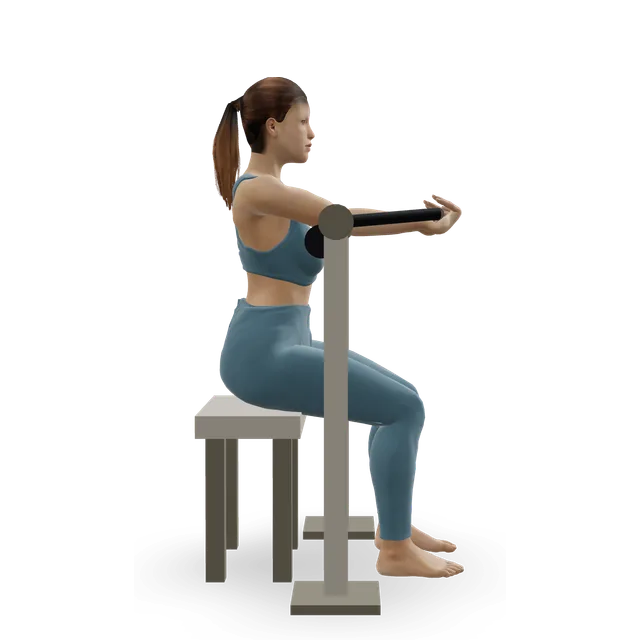
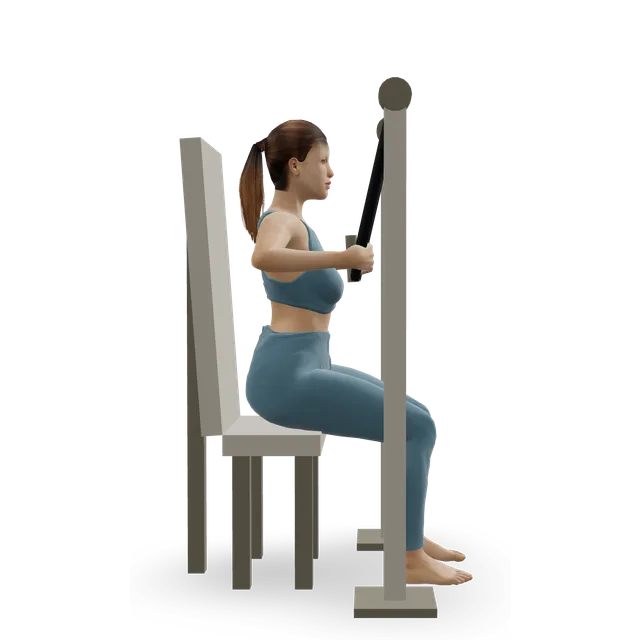
  1. Adjust the seat so the handles or pads start where the move's page shows: for a chest press, level with the middle of your chest.
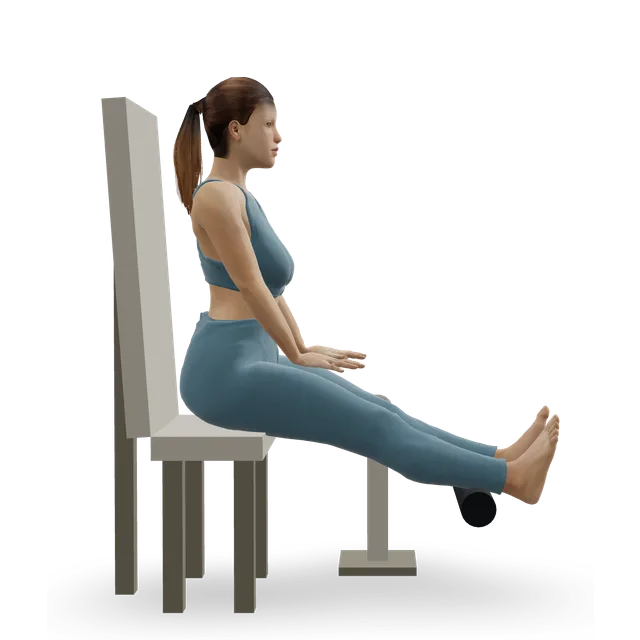
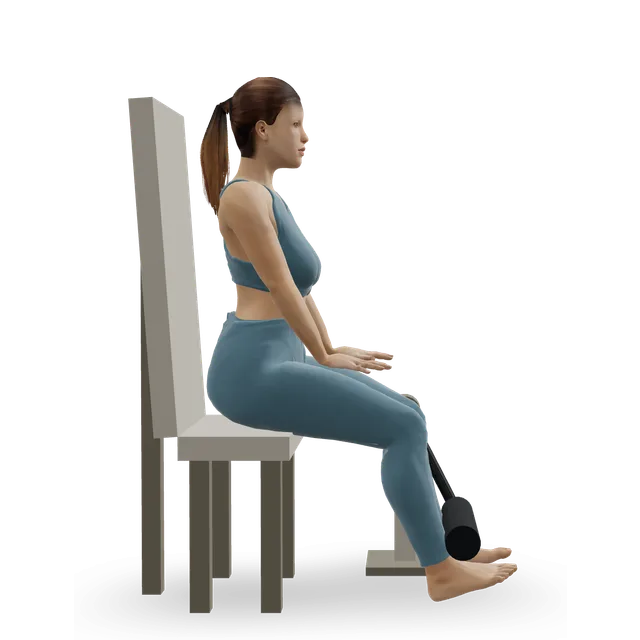
  2. Line the joint you're moving up with the machine's pivot: your knee for leg extensions and leg curls.
  3. Set the range limiter, where there is one, so the first rep starts from a comfortable stretch rather than your end range.
  4. Find the safety catches on plate-loaded machines such as the leg press before your first heavy set.
  5. Pick your weight afresh: one you could lift about 10 to 12 times. Do 8, and if you have 2 or 3 left in the tank, that's your weight.
  6. Lower with control, and don't let the stack slam between reps.

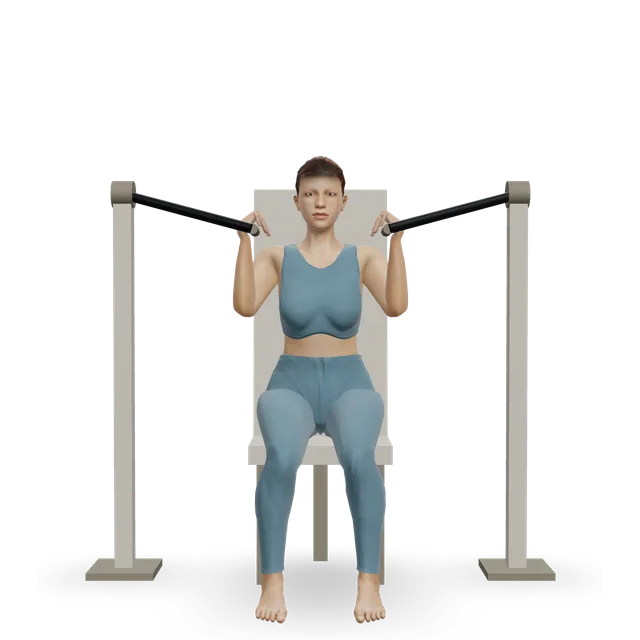
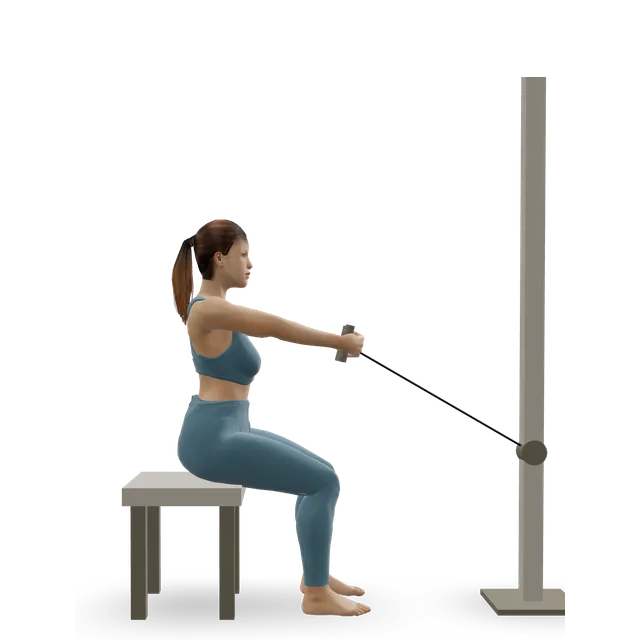
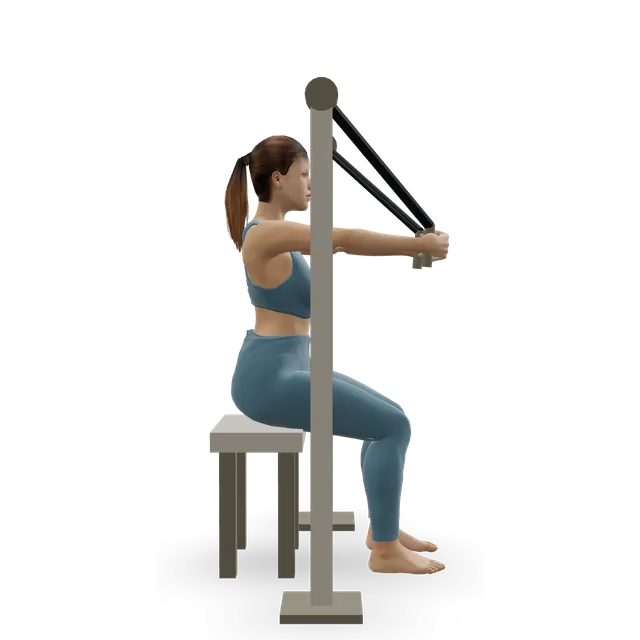
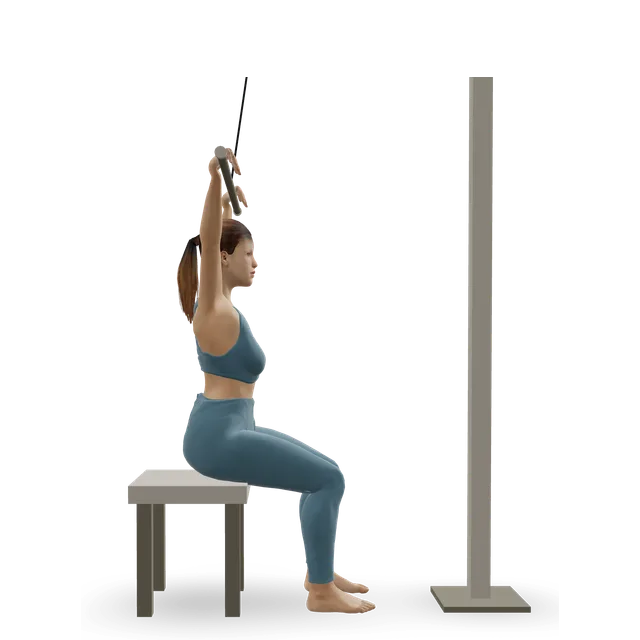
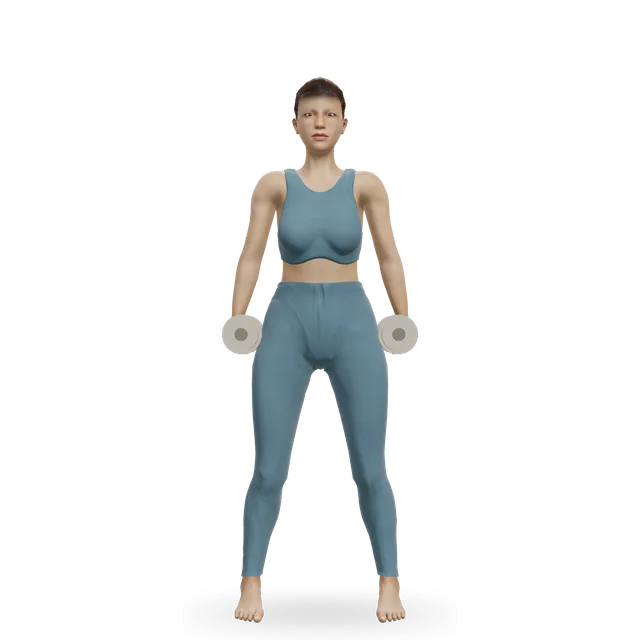
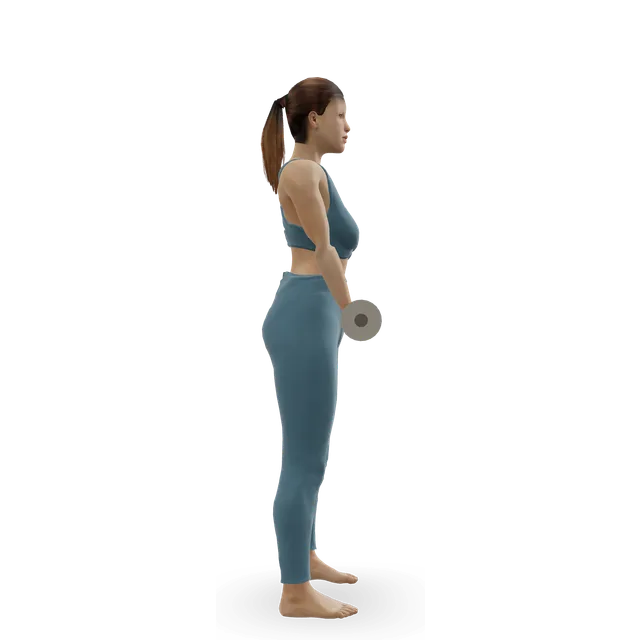
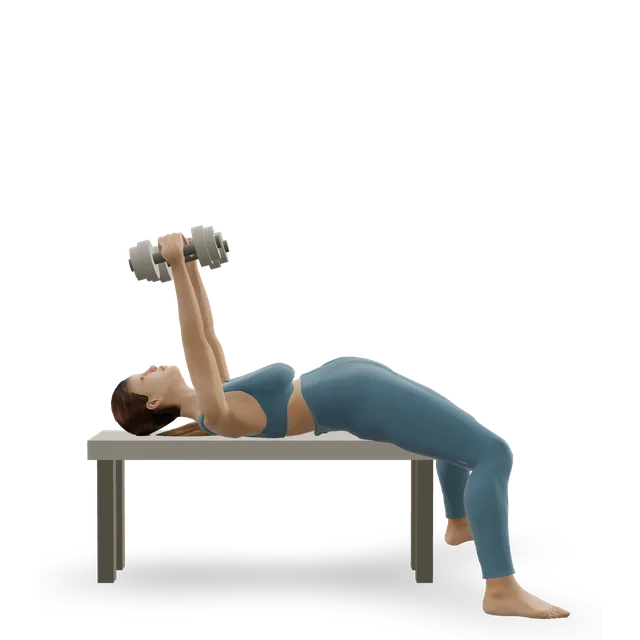
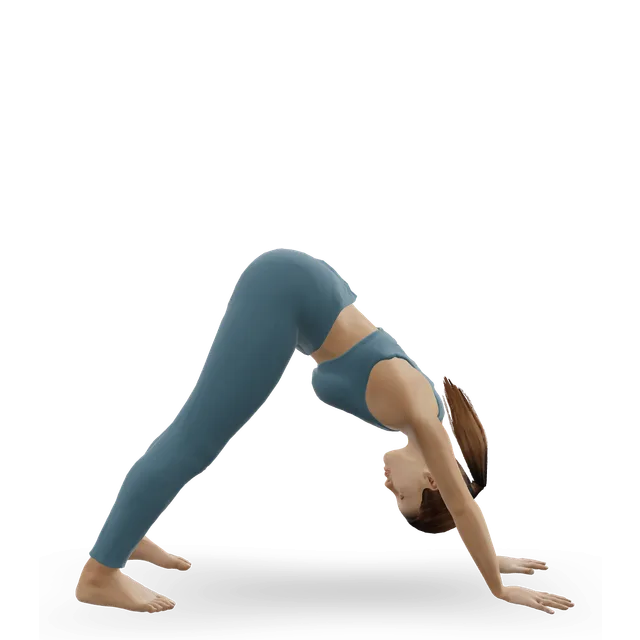
Loading the 3D figure…

Gets into position, then repeats the movement. Technical checks passed; qualified exercise review is pending.

The movement on the figure: Chest press machine

Beginners, older adults, bones and home training

BeginnersEmerging evidence

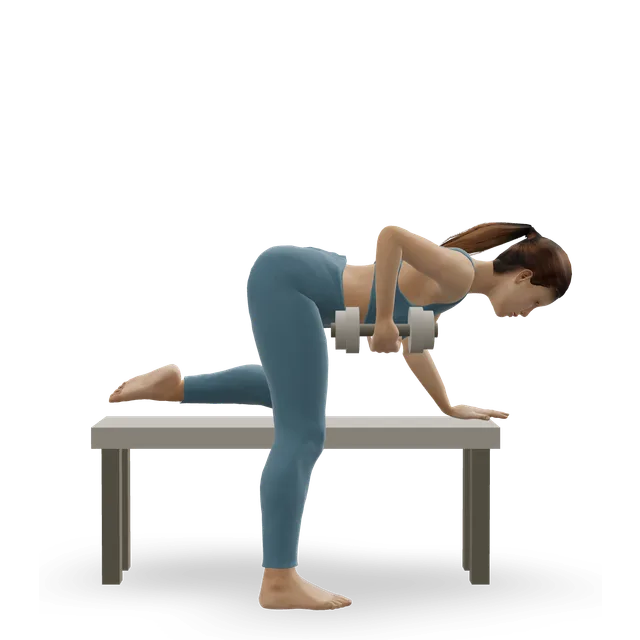
Either works. Machines need less technique, feel less daunting to many people and let you push sets hard without a spotter, which may especially help new lifters. Free weights can be learnt a few at a time: goblet squats, dumbbell presses and one-arm rows are good first moves (our suggestion).

Source 6

Older adultsEmerging evidence

In 32 fit adults aged 60 to 86 who trained for 26 weeks, both kinds raised strength. Free weights gave bigger gains in leg strength (113% against 44%) and triceps strength (89% against 28%), and people rated them more fun and motivating, though they needed more attention to safety; the authors didn't find free weights better overall.

In 29 adults over 65, 12 weeks of standing cable or seated machine training improved everyday function equally; chair stands and carrying favoured the cables, and chest-press strength favoured the machines.

Sources 13, 14

BonesMixed evidence

UK osteoporosis advice is progressive strength training "using exercise bands, weights or body weight", with no preferred equipment. The trials that raised spine bone density used supervised heavy lifting plus impact: twice-weekly sessions of 5 sets of 5 at over 85% of maximum for 8 months raised it 2.9% in 101 women with low bone mass, while it fell 1.2% in a home exercise group, with one minor back spasm reported.

In 93 men, free-weight lifting plus impact raised spine density more than a machine-based method (4.1% against 2.0%), but that method used static pushes, so the trial can't separate the equipment from the load and impact.

Sources 15, 16, 17

Training at homeEmerging evidence

Bands matched machines and dumbbells for strength gains across 8 studies, and free weights are the versatile choice for a home gym. Dumbbells and bands cover every main movement.

Sources 7, 6

Swap any exercise

The same movement, three ways

Free weights first, then machine or cable, then band or body weight. Keep the same sets, reps and reps in reserve on any version, and find the weight afresh when you switch:

  • Squat: barbell back squat or goblet squat; leg press, Smith-machine squat or hack squat; bodyweight squat or split squat.
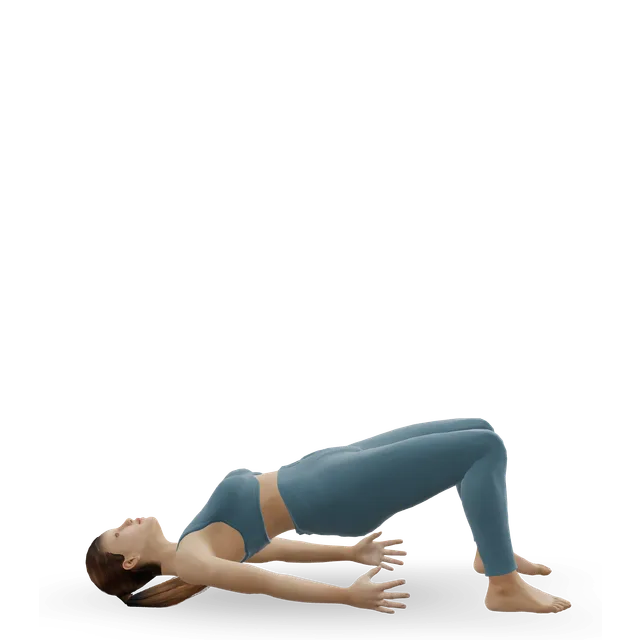
  • Hip hinge: Romanian deadlift with a barbell or dumbbells; cable pull-through; hip hinge practice or glute bridge.
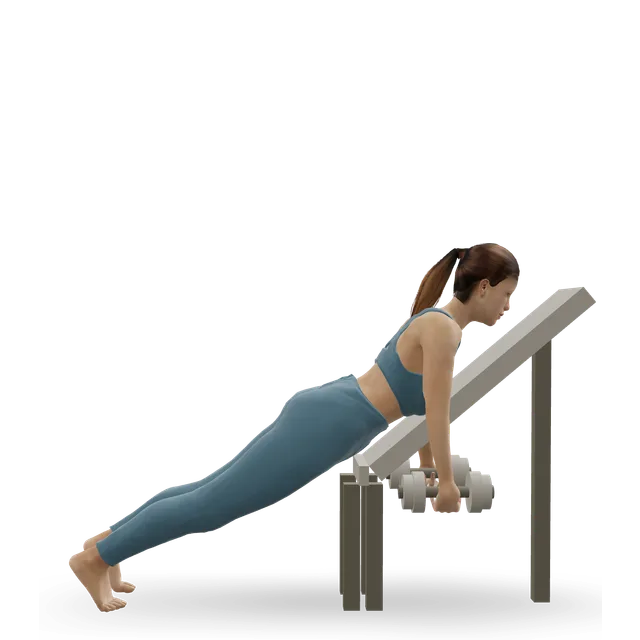
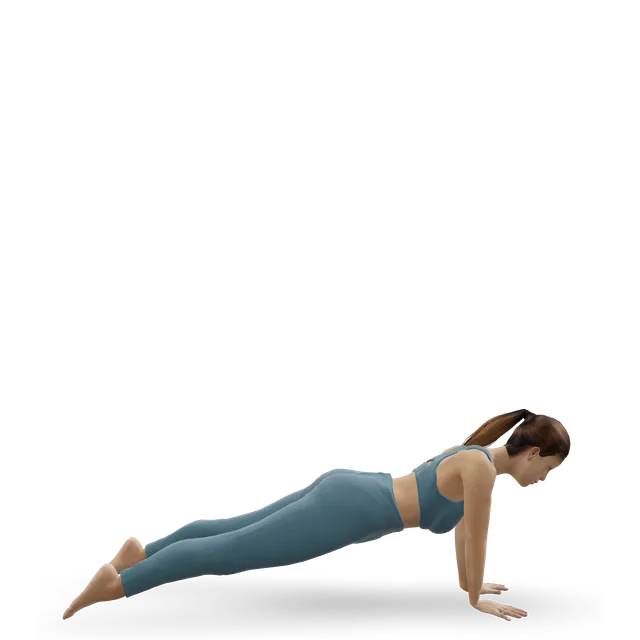
  • Chest press: bench press or dumbbell bench press; chest press machine or cable chest press; push-up.
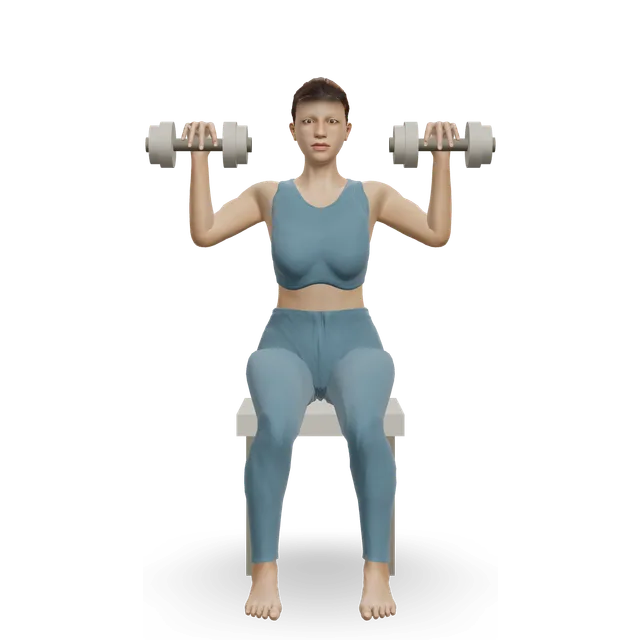
  • Overhead press: standing barbell press or seated dumbbell press; shoulder press machine; pike push-up or band press.
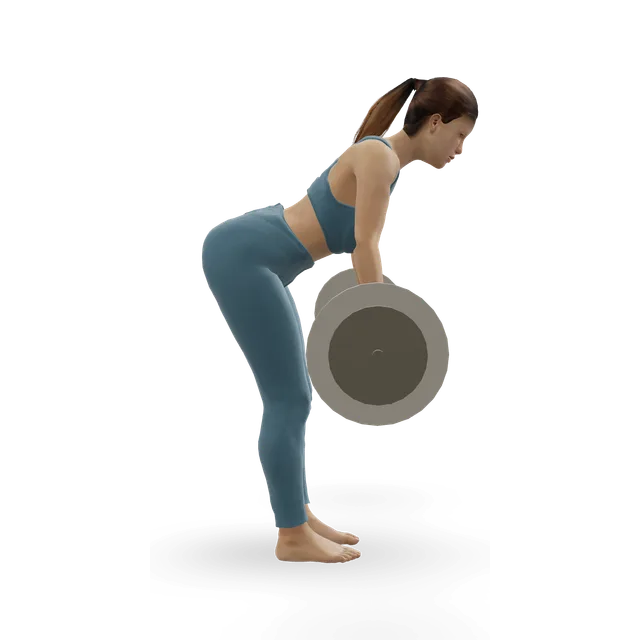
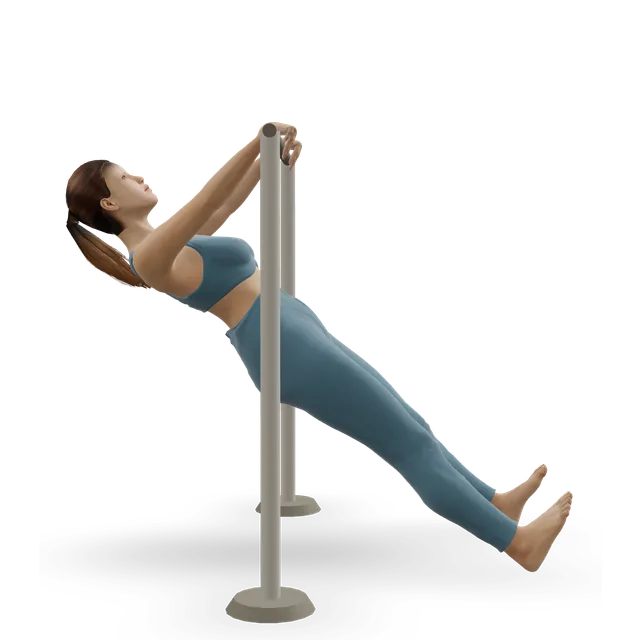
  • Row: bent-over barbell row, one-arm dumbbell row or chest-supported row; seated cable row or machine row; band row or inverted row.
  • Vertical pull: pull-up or chin-up; lat pulldown or assisted pull-up machine.
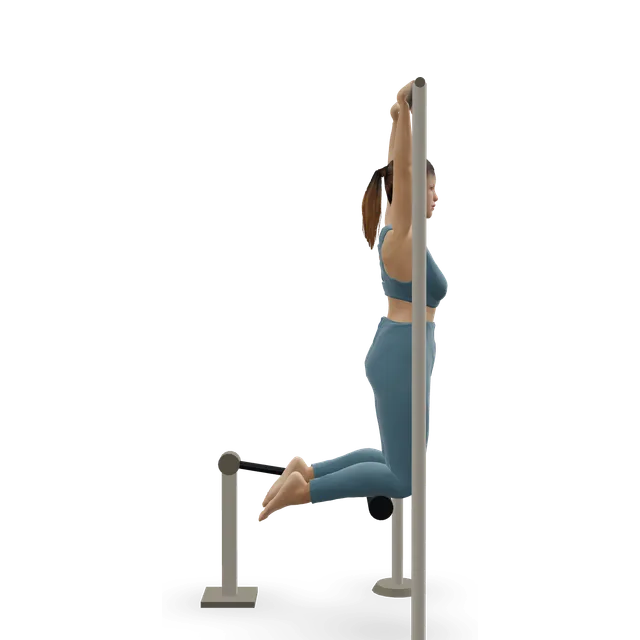
  • Leg curl: lying or seated leg curl machine; slider hamstring curl or Nordic curl.
  • Biceps: dumbbell or EZ-bar curl; machine or cable curl; chin-up.
  • Triceps: lying triceps extension; cable pushdown or overhead cable extension; close-grip push-up.
  • Lateral raise: dumbbell; cable; band.

Sources 11, 12

Machine and cable exercises

Set each one up as in the steps above, and use the same sets and reps as the free-weight version.

Free-weight exercises

Learn two or three of these at a time with light weights, starting with the goblet squat, dumbbell bench press and one-arm row (our suggestion).

Band and bodyweight versions

For home or travel: count your reps, and move to a stronger band or a harder version when your sets get easy.

Workouts to follow

The machine workout is the light day of our intermediate full-body plan; the dumbbell, barbell and band workouts cover the same movements with other kit.

Plans for each kind of kit

The full-body plan mixes machines and free weights; the dumbbell and home plans need only dumbbells or body weight.

When to stop and get help

Feeling faint during a heavy lift

Straining and holding your breath under a heavy lift can make you light-headed. Breathe out on the effort, rack the weight and sit down if you feel dizzy, and see a GP if you faint.

Sources 18, 19

Call 999 now (911 in the US)

Stop and call 999 (don't drive yourself to A&E) for:

  • Chest pain that feels tight, like squeezing or pressure, or like burning or indigestion and doesn't go away, or pain that spreads to your arms, neck, jaw, stomach or back.
  • Chest pain with sweating, feeling sick, light-headedness or breathlessness.
  • Severe difficulty breathing: gasping, choking or not able to get words out.
  • Someone who faints while exercising, can't be woken within a minute, or hasn't fully recovered.
  • A headache that starts suddenly and is extremely painful, or comes with numbness or weakness, trouble speaking, confusion or loss of vision.

Sources 20, 21, 19, 22

Get help the same day: NHS 111 (in the US, your doctor or urgent care)

  • You're suddenly more short of breath than usual, or have chest pain with a heartbeat that races, slows, skips or flutters.
  • A headache that exercise brings on or makes worse: ask for an urgent GP appointment or contact 111.
  • An injury that is very painful or getting worse, swells a lot, or that you can't put weight on. Call 999 or go to A&E if you heard a crack or the injured part has changed shape.
  • In the days after an unusually hard session: dark, red or cola-coloured urine, passing less urine, or muscle pain, stiffness or weakness far worse than normal soreness. These can be signs of rhabdomyolysis, a breakdown of muscle that can harm the kidneys.

Sources 20, 22, 23, 24

See a GP

  • After any faint, even if you feel fine now.
  • Before you start, if you haven't exercised for some time or have a medical condition or concerns.
  • If new symptoms appear as you do more. Light or moderate activity doesn't usually need a check first if you have no health conditions.

Sources 19, 25, 26

Stop and swap

Stop straight away if you feel pain or become unwell, and contact NHS 111 if a symptom worries you or doesn't go away. A joint pain that is sharp, gets worse during a set, lingers into the next day or changes how you move is a reason to use the move's easier option, and to see a GP or physiotherapist if it keeps happening (the rule in our plans). Muscle soreness for a day or two after something new is normal.

Source 27

Myths

"Machines don't build real strength"Strong evidence

Strength gains didn't differ head to head across 13 studies, the ACSM 2026 overview agrees, and a later trial in trained men found the same. You do get best at the kit you train on.

Sources 1, 2, 3

"Free weights build more muscle because they work more stabiliser muscles"Emerging evidence

They do make more muscles work: 43% more activity in a free squat than a Smith-machine squat. But muscle growth matched in the trials that measured it, although there are few of them.

Sources 10, 1, 3

"Machines are safer"Emerging evidence

No trial has compared injury rates. In US emergency departments, most weight-training injuries came from weights dropping on people, and people aged 55 and over had a larger share of their injuries on machines.

Sources 5, 6

"Smith-machine squats work more muscles than free squats"Emerging evidence

The opposite was found when muscle activity was measured: the free squat was 43% higher on average across 7 muscles.

Source 10

"Free weights are more functional"Mixed evidence

Training the movement you need does carry over: squats improved jump height more than leg presses in one trial. But in adults over 65, standing cables and seated machines improved everyday function equally, and in trained men athletic gains were about the same.

Sources 8, 14, 9

"You need a gym to get strong"Emerging evidence

Bands matched machines and dumbbells for strength gains across 8 studies. Body weight and a pair of dumbbells go a long way.

Source 7

Questions people ask

Are machines as good as free weights?

For building strength, yes: in 13 studies of 1,016 adults there was no difference head to head, and a later trial in trained men agrees. For muscle, the fewer studies that measured it found no difference either. You get best at whichever you train on, so match the kit to your goal.

Can you build muscle with machines only?

Yes. Machine and free-weight training built similar muscle in the trials that measured it, though there are only a few. What matters is hard sets, enough of them each week, and adding weight or reps over time.

Are free weights or machines better for beginners?

Either works. Machines need less technique, can feel less daunting and let you push hard without a spotter; free weights are versatile and need little space at home. Many beginners start with machines and learn a few free-weight basics as they go.

Are machines safer than free weights?

No trial has compared injury rates. In US emergency departments, most weight-training injuries came from weights dropping on people, and people aged 55 and over had a larger share of their injuries on machines. Use safety pins and collars, and set machines up to fit you.

Do free weights build more strength?

On free-weight lifts, yes, and machine training tends to win on machine tests. Overall strength gains were the same in pooled trials and in the ACSM's 2026 overview.

Why can I lift more on a machine than with free weights?

A machine or a barbell steadies the load, so less effort goes into balance: in a bench press, people lifted about 14 to 17% less with dumbbells than with a barbell or Smith machine. Machine weights also vary with pulleys and levers. Numbers don't transfer, so find your weight afresh on each piece of kit.

Is the Smith machine as good as a barbell squat?

It builds leg strength, but a free squat produced about 43% more muscle activity on average across the legs and trunk, and a squat maximum on one doesn't convert exactly to the other. Use whichever lets you train hard and safely, and practise the free squat if that's the lift you want.

Leg press or squat: which is better?

Both build the thighs; in a 12-week trial the leg press also grew the glutes and inner thighs. Squats improved jump height more in one trial. Neither grows the rectus femoris much, so add leg extensions if that matters to you.

Are free weights or machines better for older adults?

Both work. In people aged 60 to 86, free weights gave bigger gains in leg and triceps strength and were enjoyed more, and cable and seated machine training improved everyday function equally. Start with whichever feels safest and build up.

Free weights or machines for bone density?

UK osteoporosis advice is progressive strength training with bands, weights or body weight. The trials that raised bone density used heavy, supervised lifting plus impact, so the load and impact seem to matter more than the tool. Our osteoporosis guide has the detail.

Are resistance bands as good as weights?

For strength gains, bands matched machines and dumbbells in 8 studies. Progress is harder to measure with bands, so count your reps and move to a stronger band when your sets get easy.

Should I use cables?

Cables sit between the two: the pulley guides the line of pull, but your hands move freely. They make good isolation moves such as flys, raises and pushdowns, and cable and dumbbell lateral raises grew the shoulders equally in a trial.

Sources

  1. Haugen 2023 · Free-weight against machine training for strength, muscle and jumping: 13 studies (systematic review and meta-analysis, BMC Sports Sci Med Rehabil)
  2. Currier 2026 · Resistance training prescription for strength, muscle and performance in healthy adults (ACSM position stand, overview of reviews, MSSE)
  3. Hernández-Belmonte 2023 · Free-weight and machine training for strength and muscle in 38 trained men (randomised trial, MSSE)
  4. Schwanbeck 2020 · Free weights or machines for 8 weeks in 46 young adults (randomised trial, JSCR)
  5. Kerr 2010 · Weight-training injuries in US emergency departments, 1990 to 2007 (descriptive study, Am J Sports Med)
  6. Iversen 2021 · No time to lift? Designing time-efficient training programmes for strength and muscle (narrative review, Sports Med)
  7. Lopes 2019 · Elastic bands against machines and dumbbells for strength: 8 studies (systematic review and meta-analysis, SAGE Open Med)
  8. Wirth 2016 · Squats or leg presses for 8 weeks: strength and jumping in men (randomised trial, J Hum Kinet)
  9. Hernández-Belmonte 2023 · Free weights or machines: athletic performance and muscle architecture in 34 trained men (randomised trial, Scand J Med Sci Sports)
  10. Schwanbeck 2009 · Free squats against Smith-machine squats: muscle activity in 6 people (EMG study, JSCR)
  11. Saeterbakken 2011 · Smith-machine, barbell and dumbbell bench presses: strength and muscle activity in 12 trained men (crossover study, J Sports Sci)
  12. Cotterman 2005 · Smith-machine against free-weight squat and bench press maxima in 32 adults (study, JSCR)
  13. Schott 2019 · Free weights or machines for 26 weeks in 32 fit adults aged 60 to 86 (training study, Exp Gerontol)
  14. Balachandran 2016 · Standing cable or seated machine training and everyday function in adults over 65 (randomised trial, Exp Gerontol)
  15. Brooke-Wavell 2022 · Strong, steady and straight: UK consensus on physical activity and exercise for osteoporosis (consensus statement, BJSM)
  16. Watson 2018 · Heavy lifting and impact training for bone density in 101 women with low bone mass: LIFTMOR (randomised trial, J Bone Miner Res)
  17. Harding 2020 · Heavy lifting with impact, or machine-based static loading, for bone in 93 men: LIFTMOR-M (semi-randomised trial, J Bone Miner Res)
  18. Halliwill 2014 · What happens when the muscle pump is lost: low blood pressure and fainting after exercise (review, Eur J Appl Physiol)
  19. NHS · Fainting
  20. NHS · Heart attack
  21. NHS · Chest pain
  22. NHS · Headaches
  23. NHS · Sprains and strains
  24. MedlinePlus (US National Library of Medicine) · Rhabdomyolysis
  25. NHS · Physical activity guidelines for adults aged 19 to 64
  26. Bull 2020 · World Health Organization 2020 guidelines on physical activity and sedentary behaviour (BJSM)
  27. NHS · How to warm up before exercising

Exercise education, not a personal prescription, and clinical review of these guides is pending. Check with a GP before starting hard training if you have a heart condition, chest pain, dizziness or breathlessness when active, and stop for sharp or increasing pain. Health disclaimer.