What is the difference between compound and isolation exercises?
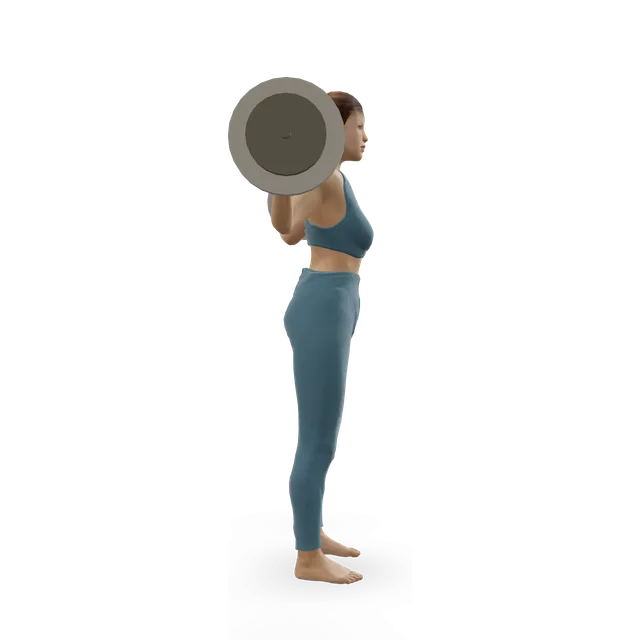
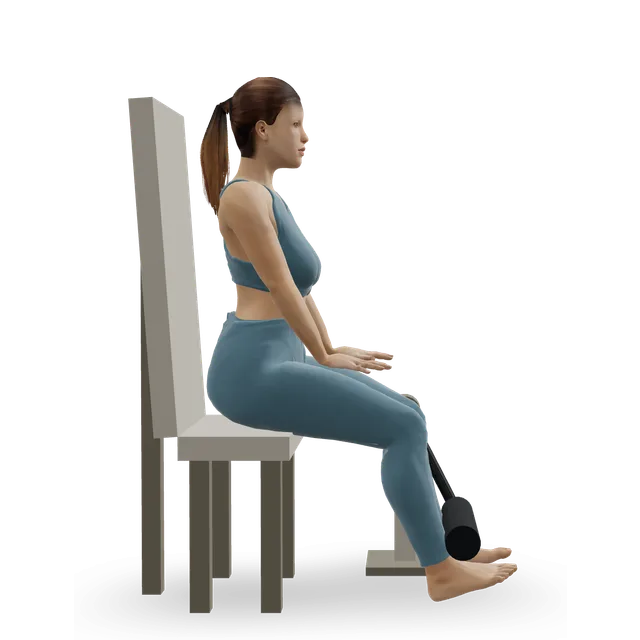
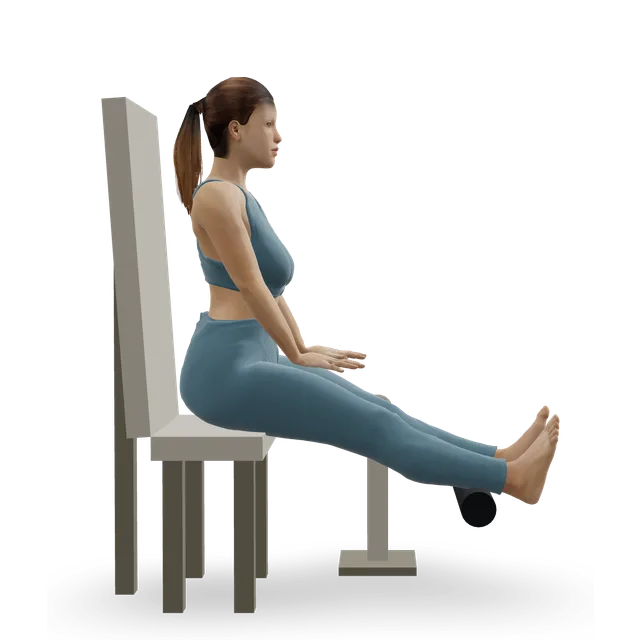
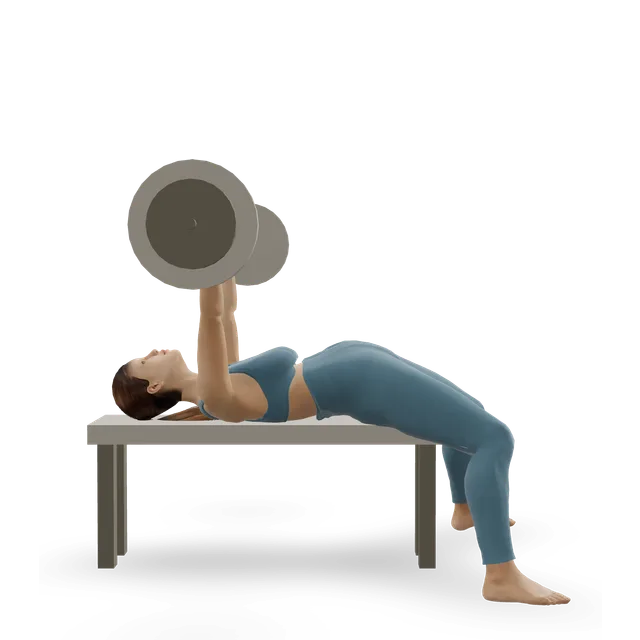
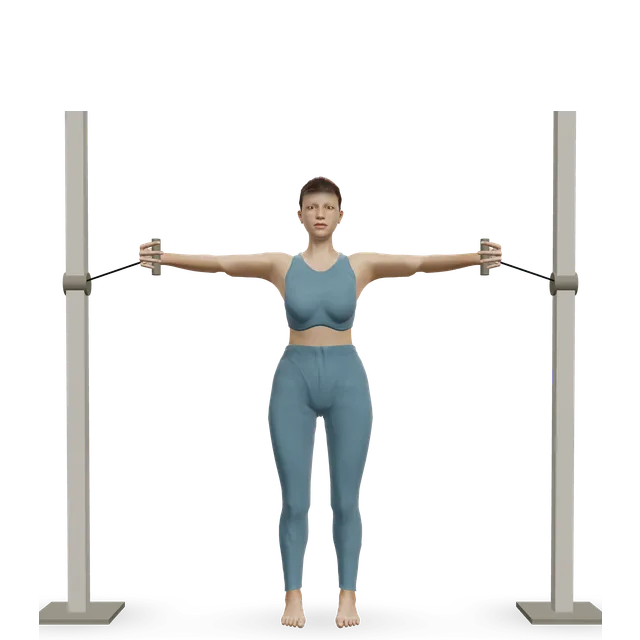
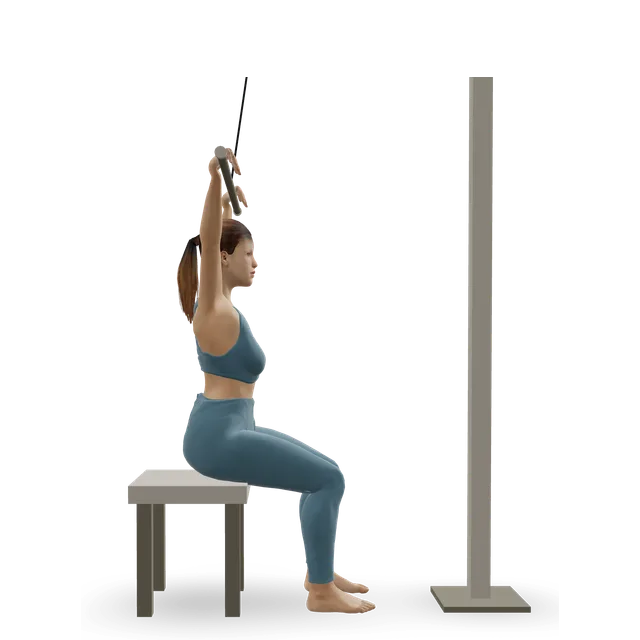
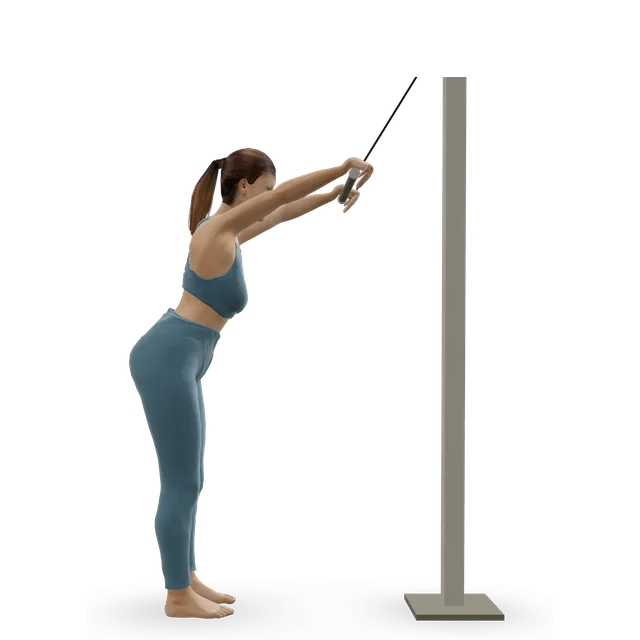
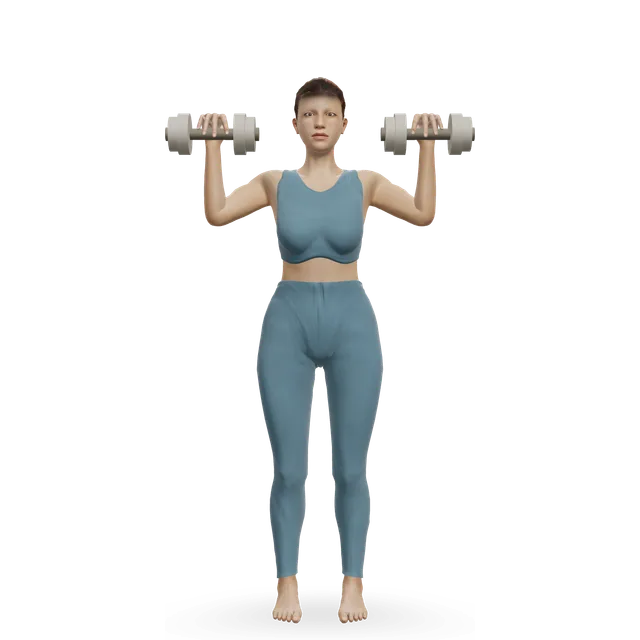
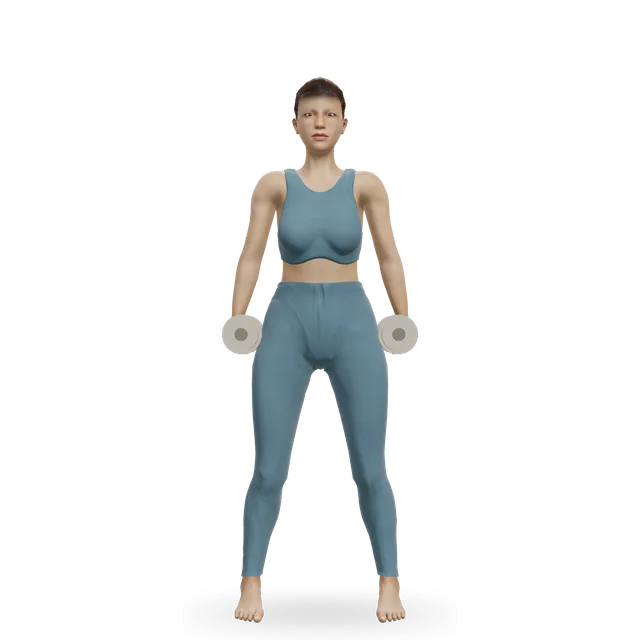
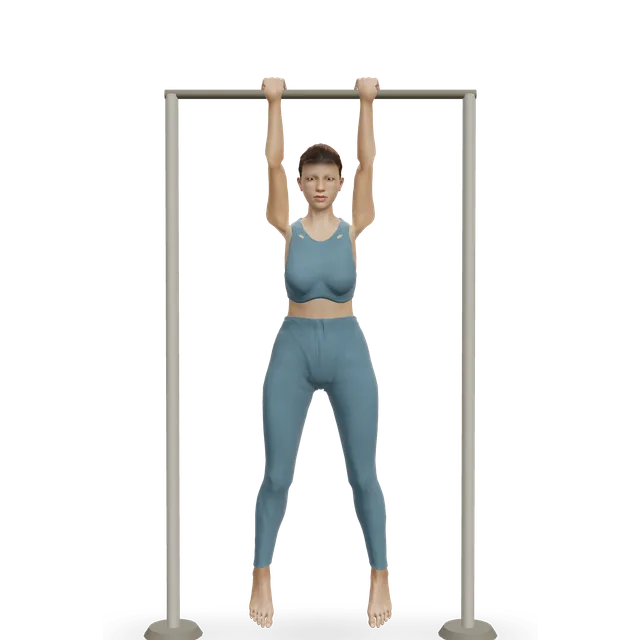
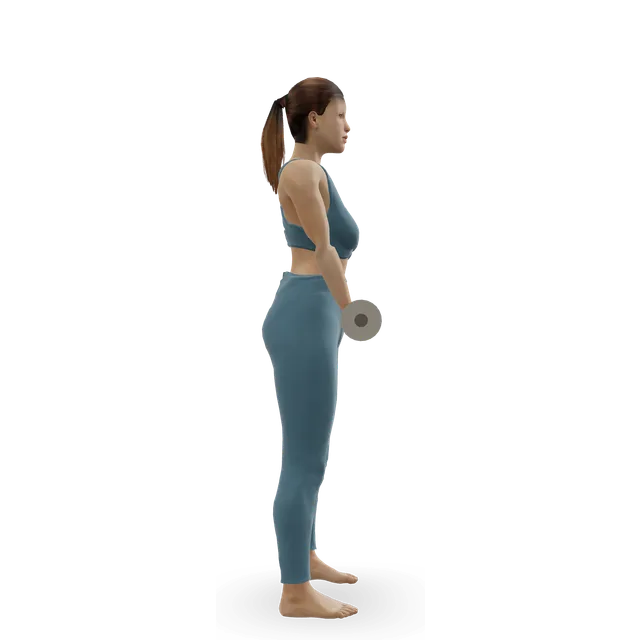
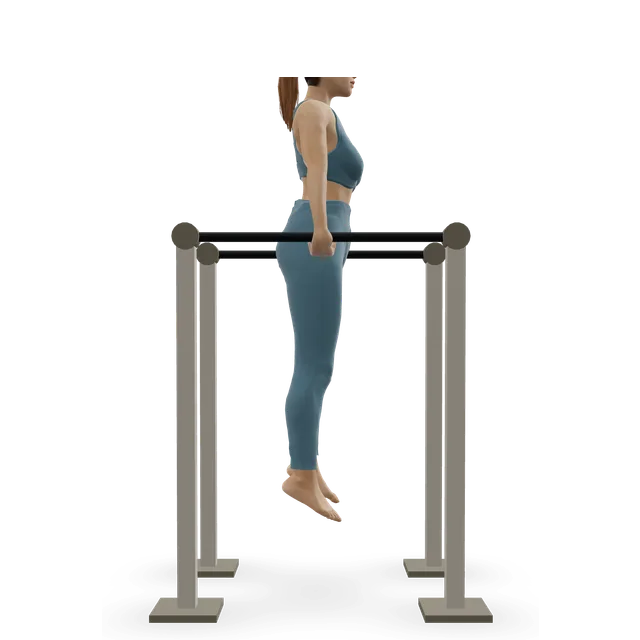
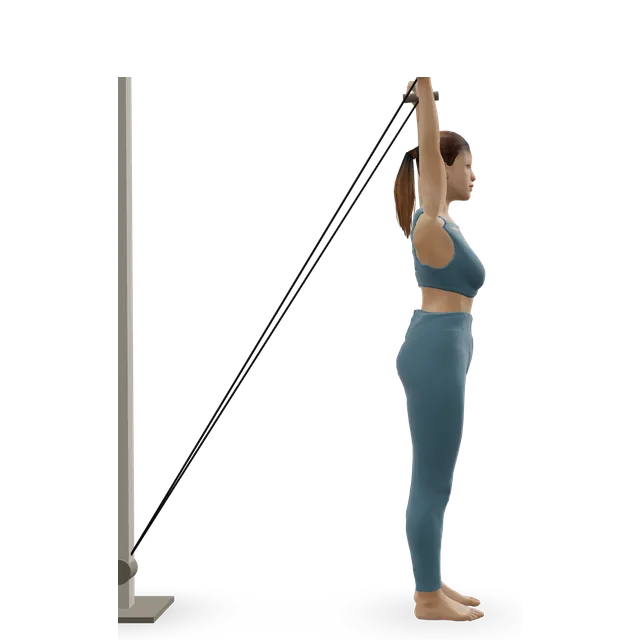
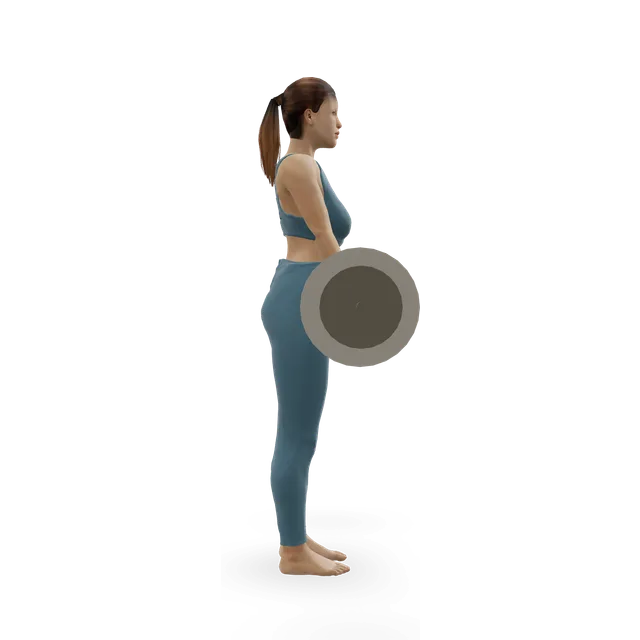
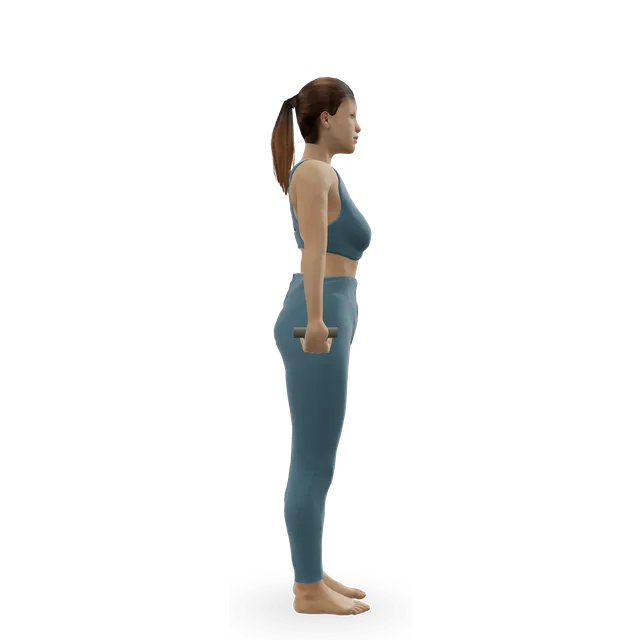
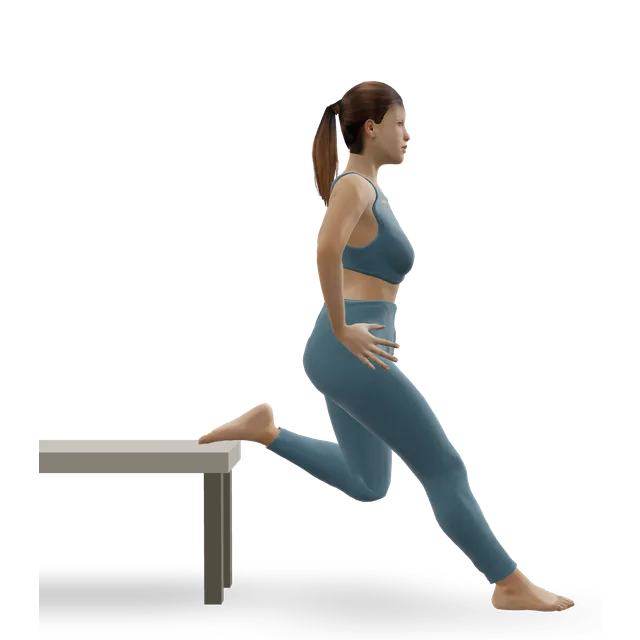
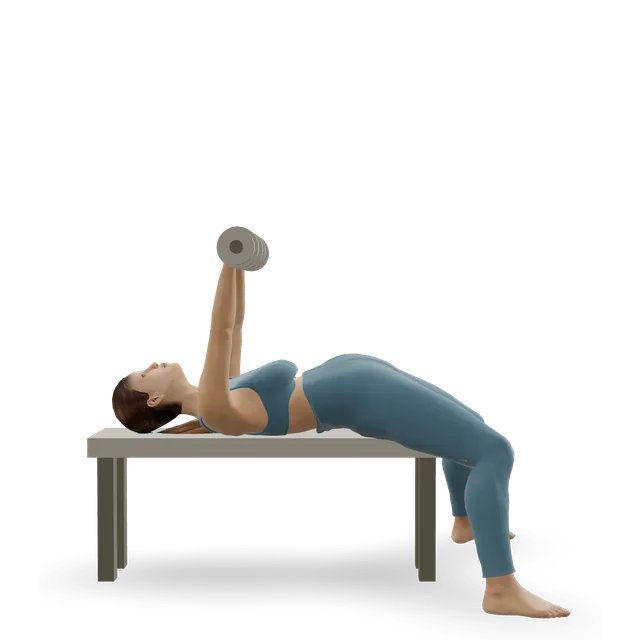
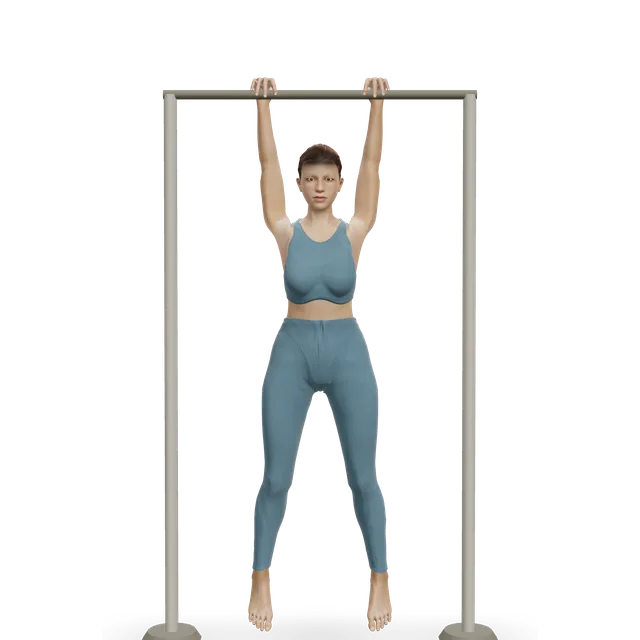
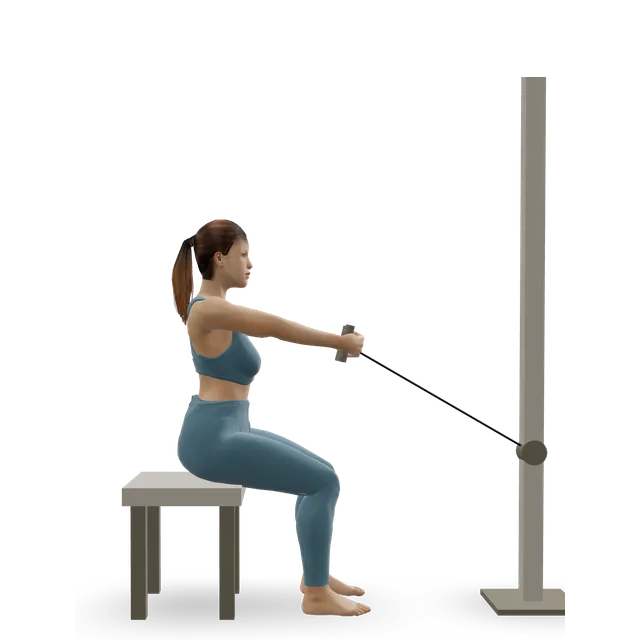
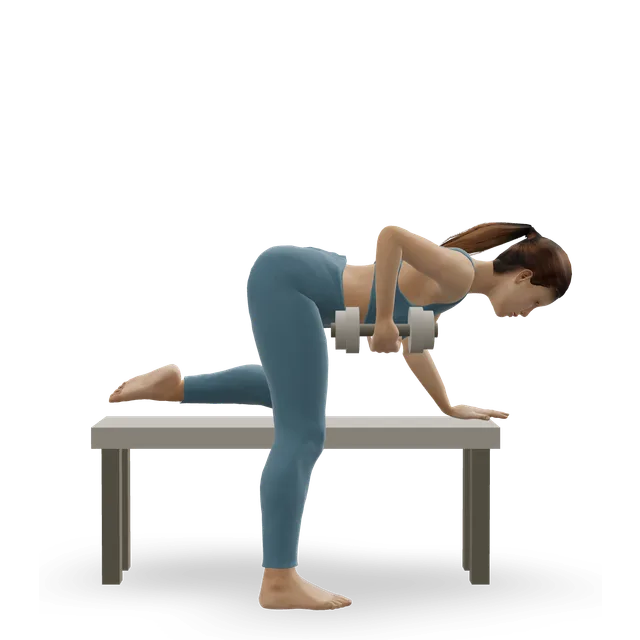
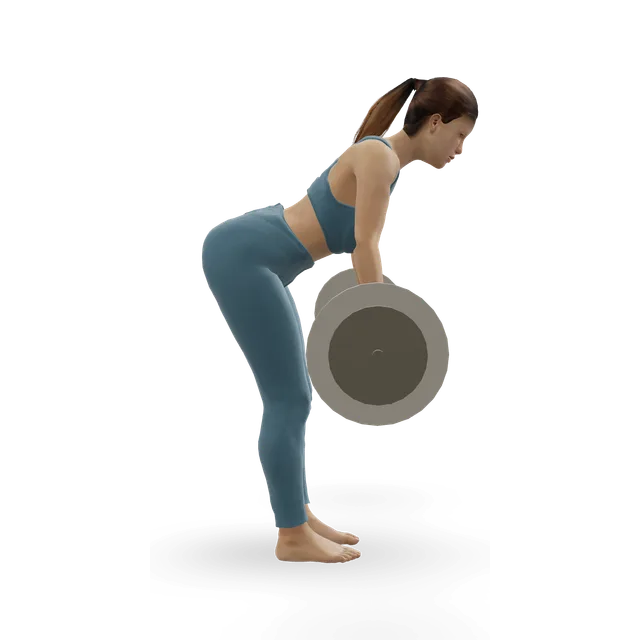
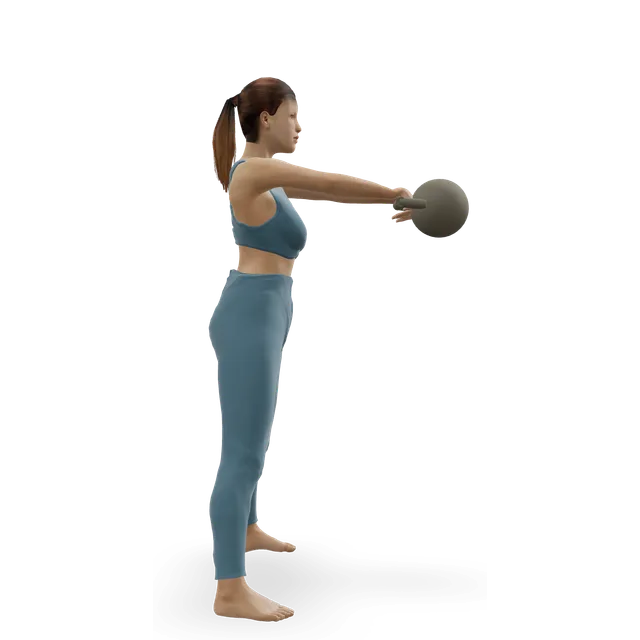
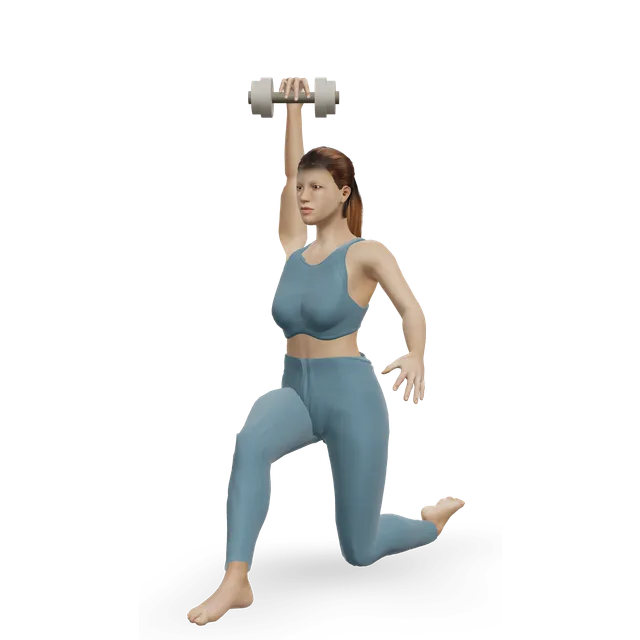
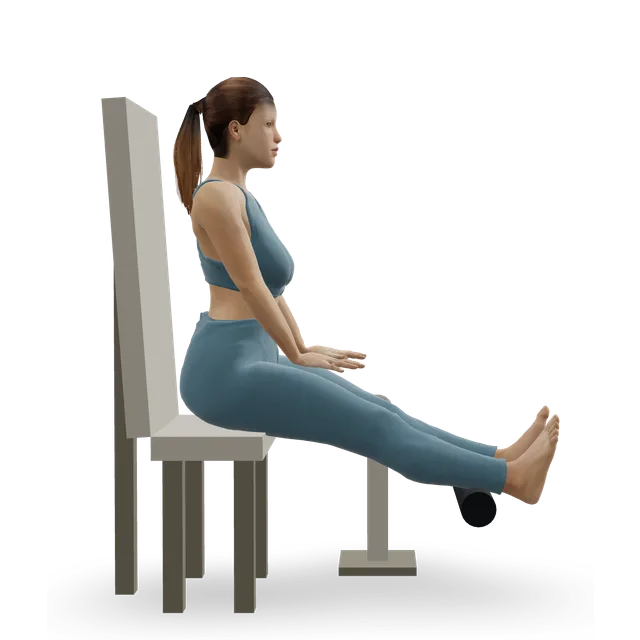
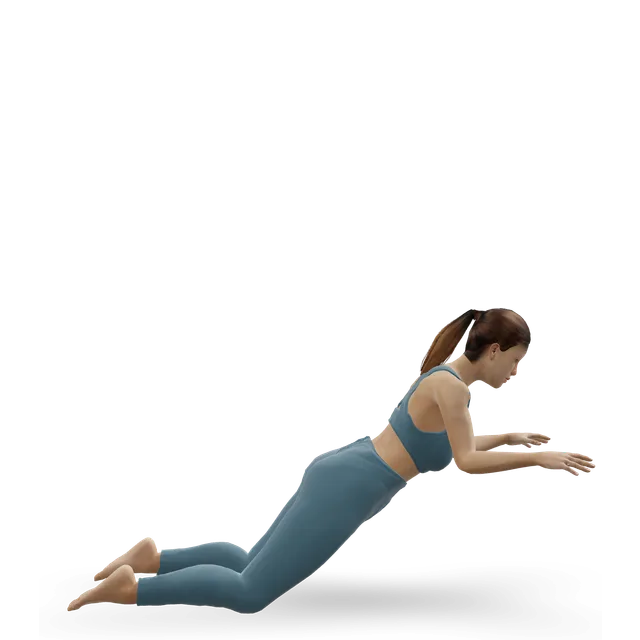
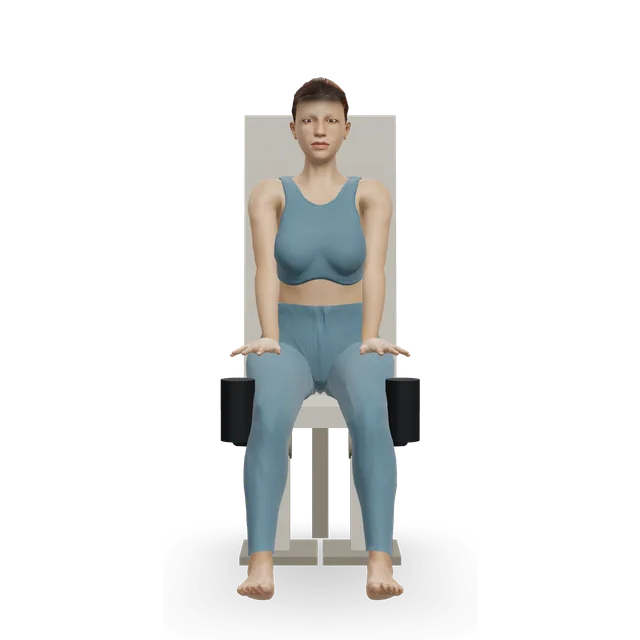
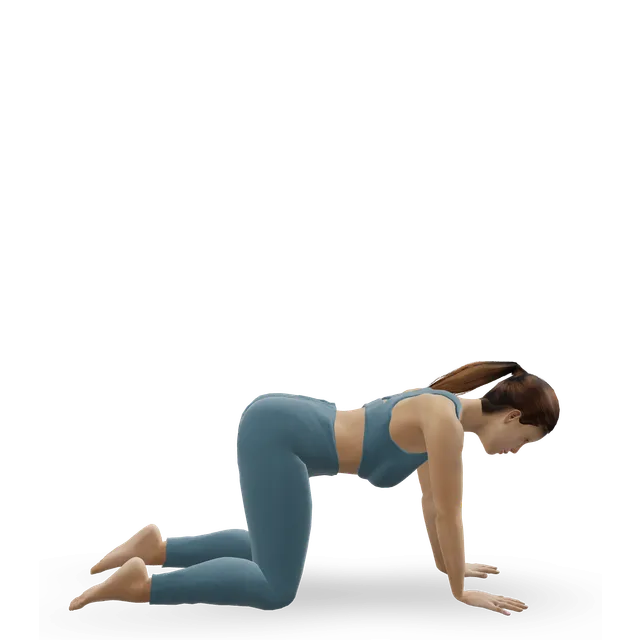
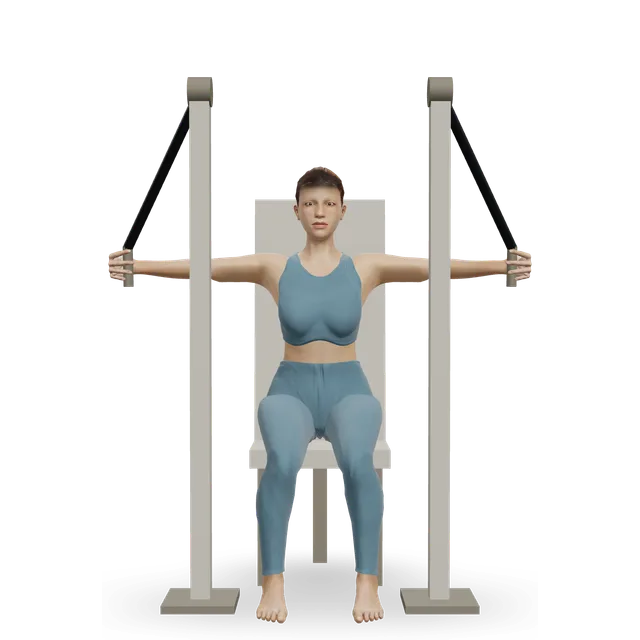
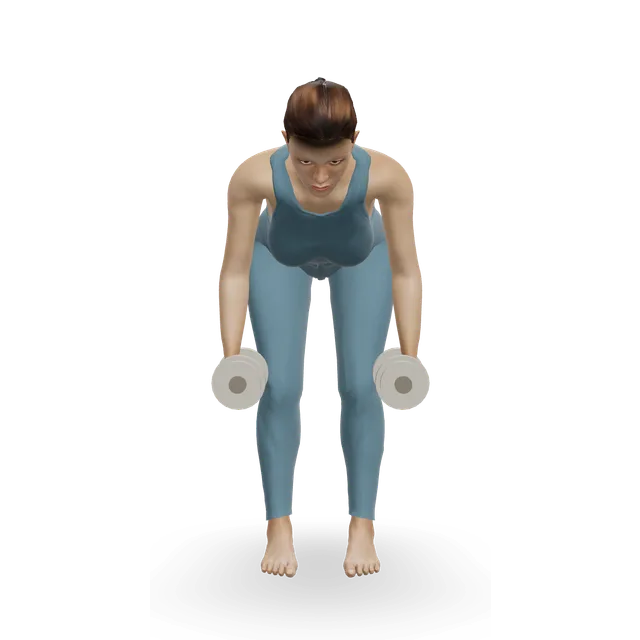
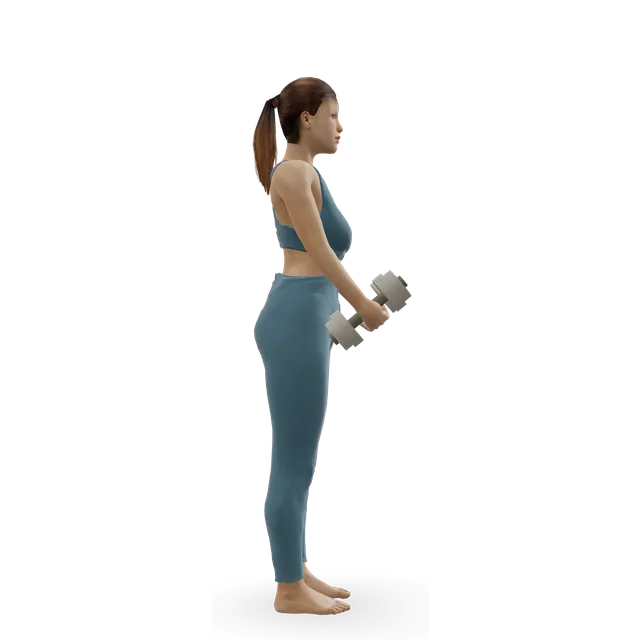
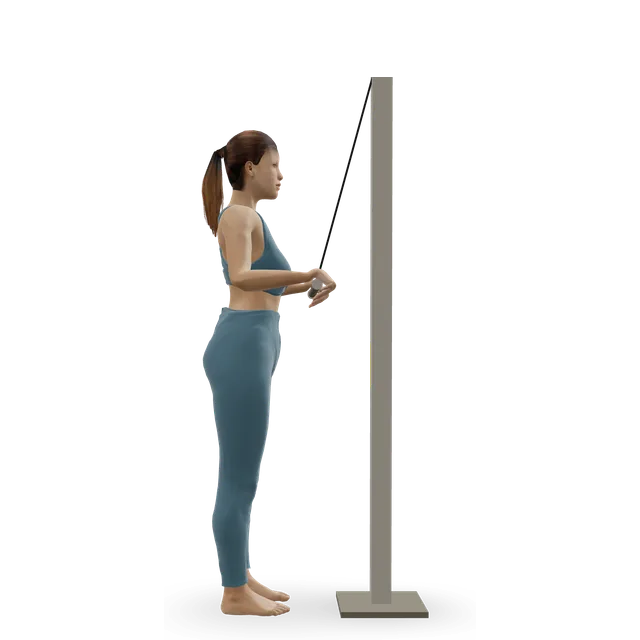
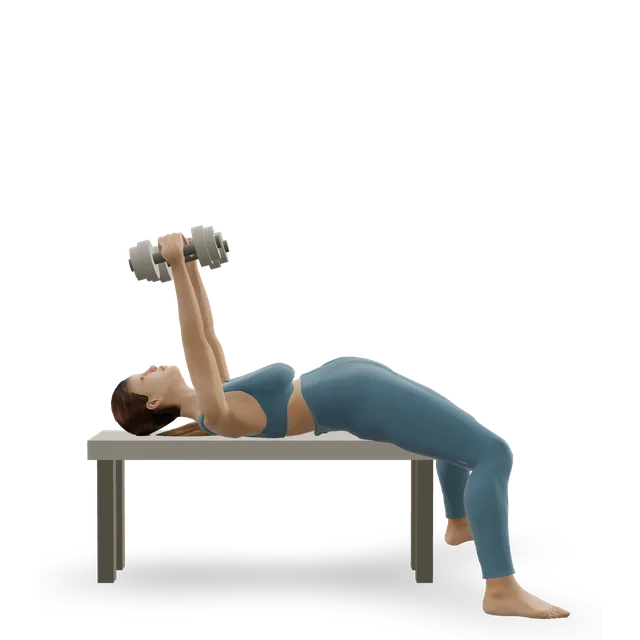
Compound exercises move two or more joints and work several muscle groups at once, like squats, presses, rows and pull-ups. Isolation exercises move one joint to aim at one muscle group, like curls, leg extensions and lateral raises. Both come as machine, free-weight and bodyweight versions.
Which is better for building muscle, compound or isolation?
The trials are small and mixed: pooled studies found similar whole-muscle growth, but one trial found curls grew the biceps twice as much as rows. The clearer difference is which muscles grow: leg presses grew the glutes and inner thighs but barely touched the rectus femoris, which leg extensions grew by 13%. Most people do best with mostly compound moves plus a few isolation moves for the gaps.
Are compound exercises enough?
For health and general strength, yes: a squat or leg press, a hip hinge, a push and a pull train most major muscles. They leave a few muscles under-trained, notably the rectus femoris and the hamstrings, so add leg extensions and leg curls if leg size or strength matters to you.
Are isolation exercises necessary?
Not for most goals, but they're useful. They fill the gaps compound lifts leave, add sets for a muscle you want to grow, and let you train around an injury. In short trials, adding curls and triceps work to presses and pulldowns didn't add arm size.
Should I do compound or isolation exercises first?
Usually compound first: strength rose most in whichever exercises came first, and muscle growth was the same in either order. If you most want to grow one muscle, doing its isolation move earlier in the session is fine. Doing it straight before the compound lift for the same muscle is pre-exhaustion, which our supersets guide covers.
Do I need curls if I do rows and pull-ups?
Not necessarily: in one trial, lat pulldowns alone grew the biceps as much as curls. In another, curls grew them about twice as much as rows. If bigger arms matter to you, two or three sets of curls a week are cheap insurance.
Do squats work the hamstrings?
Barely. After 10 weeks of squats, the hamstrings and the rectus femoris didn't grow, while the other quads, the adductors and the glutes did. Leg curls train the hamstrings directly, and seated curls grew them more than lying curls in a trial.
Are compound exercises better for weight loss?
They use more energy per set than small moves: in one study, 5 sets on the leg press used about 90 kcal against about 50 for chest flys. That's a small part of a day, so what you eat and your total activity matter far more. Our weight-loss guide has the detail.
How many compound exercises should I do per workout?
Three to five, covering a squat or leg press, a hip hinge, a push and a pull, is enough for most sessions, with 1 to 3 isolation moves after, as in our gym workouts. Weekly sets per muscle matter more than the number of exercises; our sets and reps guide has the numbers.
How do I count sets for compound lifts?
Count a full set for the muscle the move mainly targets, and about half a set for muscles it works indirectly, such as the biceps in a row. The largest analysis of training dose found this predicted results best.
Are isolation exercises easier on the joints?
They load one joint at a time with lighter weights, which is why physiotherapists use moves like the leg extension to rebuild knees, but they aren't proven safer overall. Choose the moves you can do without pain, and use an easier option if a joint complains.
Do compound lifts raise testosterone and build more muscle?
They raise it for a short while, but that rise didn't add muscle in a 15-week trial, and in 56 men the size of the rise didn't predict their gains. Compound lifts are worth doing because they train a lot of muscle at once, not because of hormones.