Drop sets, rest-pause and cluster sets: do they build more muscle?
A drop set takes a set close to failure, then carries on straight away with a lighter weight. Rest-pause adds short breathers to squeeze out more reps, and cluster sets do the opposite, splitting a set with short rests to keep every rep fast. Drop sets and rest-pause are often sold as ways to build more muscle.
The best evidence so far says they don't build more than normal sets. In the newest meta-analysis, drop sets matched normal sets for muscle and strength and felt much harder, and in the two trials that timed them, they took half the time or less. Rest-pause and cluster sets also matched normal sets in most trials.
This guide shows what each method is good for, how to do it safely, and a 20-minute drop-set workout.
Take a set close to failure, cut the weight by about 20 to 25% and keep going with no rest, usually for 1 to 3 drops. A mechanical drop set switches to an easier version of the move instead (our description: no trial has tested it).
In the newest meta-analysis (12 studies, 274 people, including 9 long-term trials of 6 to 12 weeks), muscle growth, strength and muscular endurance didn't differ from normal sets. Earlier and broader analyses agree.
In the two trials that timed it, one drop set took about half to a third of the time of three normal sets: 145 seconds against 316, and 2.1 minutes against 6.8.
Effort ratings and lactate were clearly higher, and people found drop sets more unpleasant, and more painful at the end of a session, though not 24 hours later.
Rest-pause matched normal sets for muscle in small trials, sometimes with a little more strength or endurance, in less time. Cluster sets add short rests to keep reps fast: they matched normal sets for strength and muscle, with less fatigue.
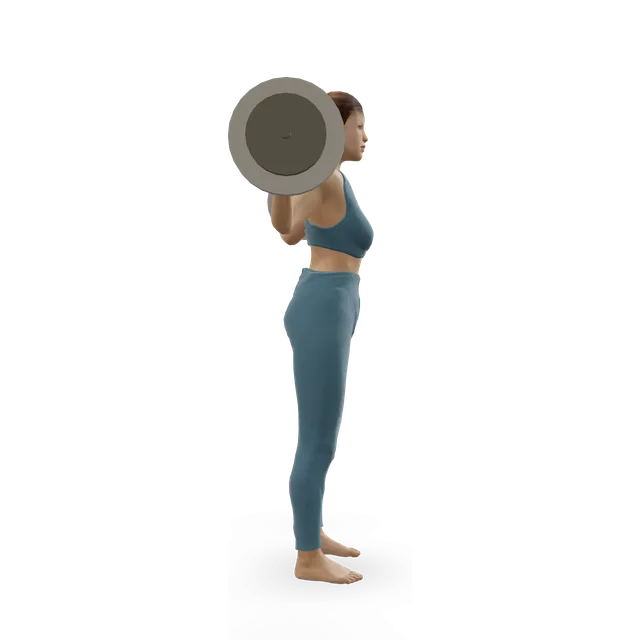
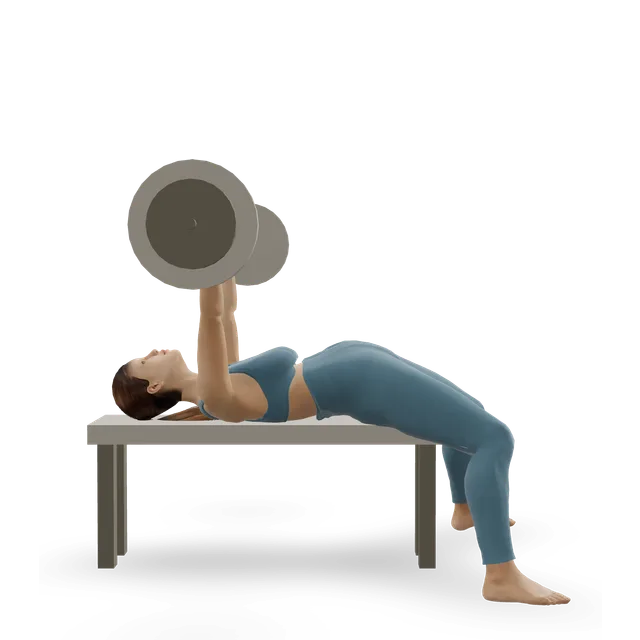
Use them on single-joint moves with machines, cables or dumbbells, not heavy barbell lifts, and not in your first months of lifting (our suggestion). Skip sets to failure if your blood pressure is high or you have heart disease, unless your clinician agrees: blood pressure rises steeply near failure.
A set taken to, or close to, failure; then the weight comes down and you carry on with minimal rest, often 1 to 3 times. Drops of about 20 to 25% are typical: one trial used three drops of 20%, and another stepped down from 80% of each person's one-rep max (the most they could lift once) to 30%.
With dumbbells, working down the rack like this is sometimes called running the rack, and drop sets are also called strip sets.
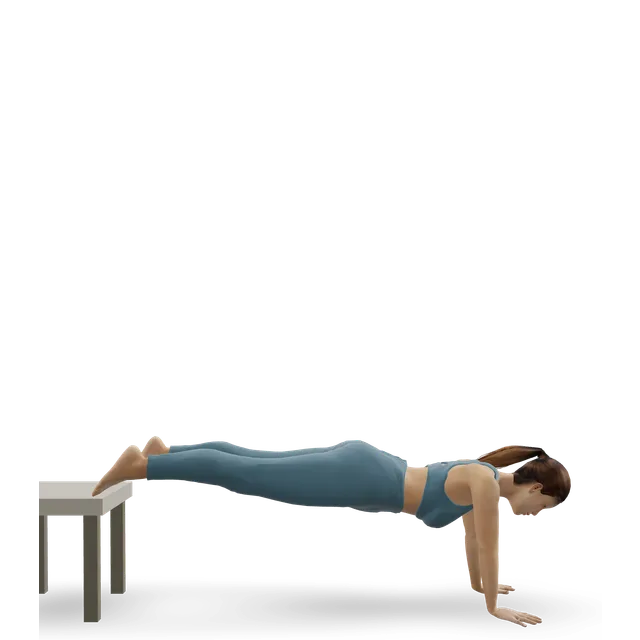
Instead of a lighter weight, you switch to an easier version of the move, such as feet-raised push-ups, then floor push-ups, then incline push-ups. No trial has tested this: it's our suggestion, built on the same idea.
Drop set or superset?
A drop set carries on one move with a lighter weight; a superset pairs two different moves. Our supersets guide covers those.
What the evidence says
Muscle and strength: the same as normal setsEmerging evidence
The newest meta-analysis pooled 12 studies with 274 people, including 9 long-term trials of 6 to 12 weeks. Muscle growth, strength and muscular endurance didn't differ from normal sets, in trained and untrained people, and whether or not the total work was matched. An earlier meta-analysis of 6 studies (142 people) also found no difference in growth.
A 2026 network meta-analysis of 62 studies found no advanced method, drop sets included, clearly better than normal training for strength; of 5 drop-set trials that measured muscle, 2 favoured drop sets and 3 found no difference. In trained people, advanced methods as a group gave no extra growth across 10 trials.
In the two trials that timed it, one drop set took 145 seconds against 316 for three normal sets, and 2.1 minutes against 6.8. Both tested a single exercise (triceps pushdowns or dumbbell curls) for 6 to 8 weeks.
One drop set against three normal setsEmerging evidence
In 16 young men doing triceps pushdowns for 6 weeks, one drop set with three 20% drops grew the triceps by 10%, against 5% for three normal sets, while 12-rep strength rose 16% against 25%; neither difference was clear. In 9 untrained men, one curl set with drops from 80% to 30% of their one-rep max grew the arm as much as three heavy or three light sets, and improved both strength and endurance.
In 32 well-trained men over 12 weeks, drop sets, pyramids and normal sets with the same total work grew the thigh by 7.8, 7.5 and 7.6%. In 16 men, drop sets on the leg extension grew parts of the front thigh muscle more than normal sets, with similar strength.
Effort ratings and lactate were clearly higher than with normal sets. People found drop sets more unpleasant and, at the end of a session, more painful, though not 24 hours later. Drop sets also cut jump height and force more in the short term.
The American College of Sports Medicine's (ACSM) 2026 position stand found that set structures such as drop sets and cluster sets made no consistent difference to strength or power, and that there were too few data to judge muscle size.
A broader analysis with a different resultMixed evidence
A 2026 meta-analysis of advanced training systems in recreationally trained adults found no extra growth but more strength, which its authors put down mainly to methods other than drop sets: training by bar speed and training with heavier lowering, with a modest growth advantage for rest-pause. It pooled several results from each study, so we give it less weight.
The drop size follows a review (Iversen 2021) and the trials, which used drops of about 20%. Stopping 1 rep short, the number of drops and how often are our editorial starting points: most trials went to failure, and one that stopped close to it got the same results as normal sets.
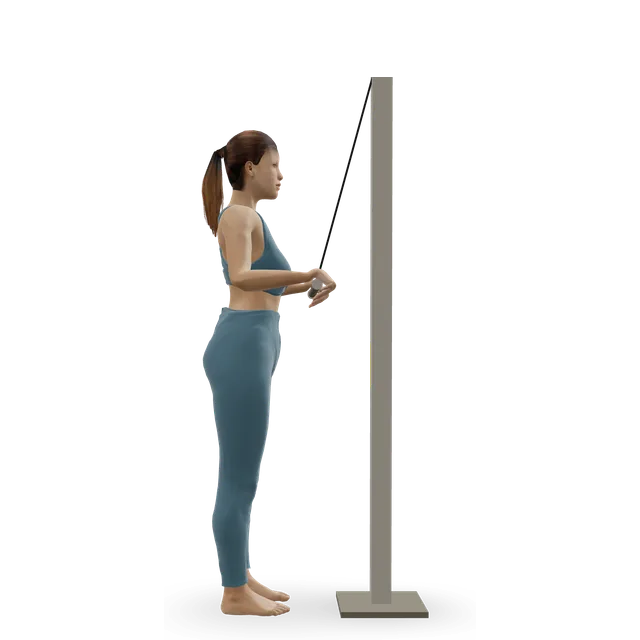
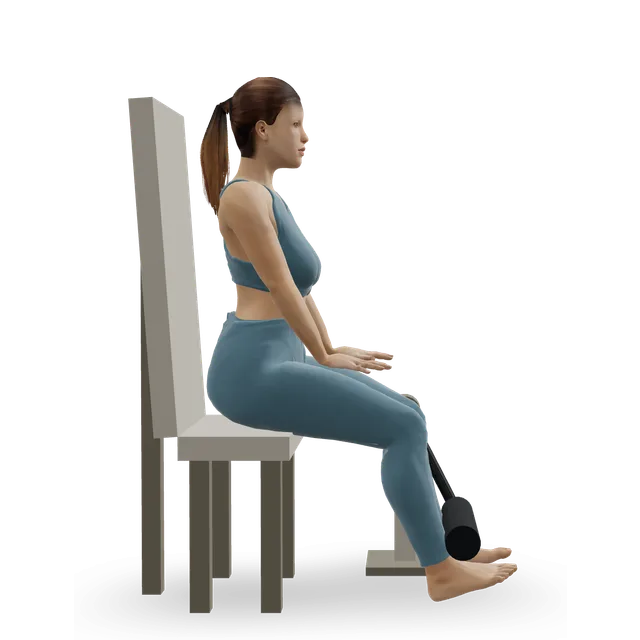
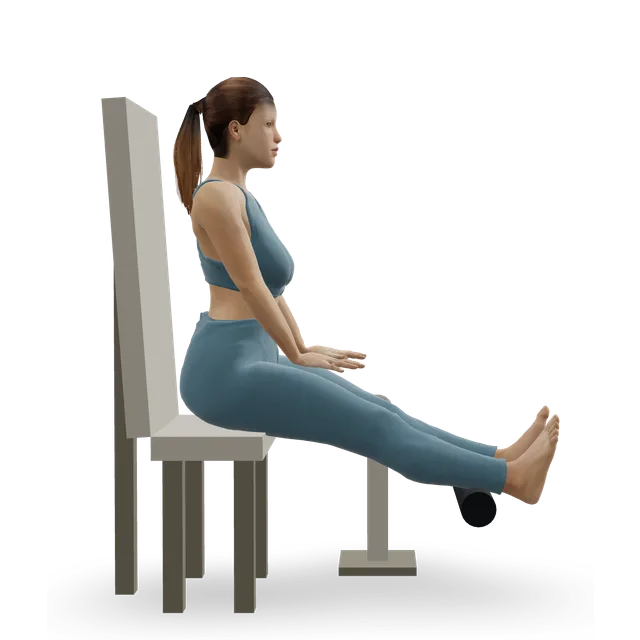
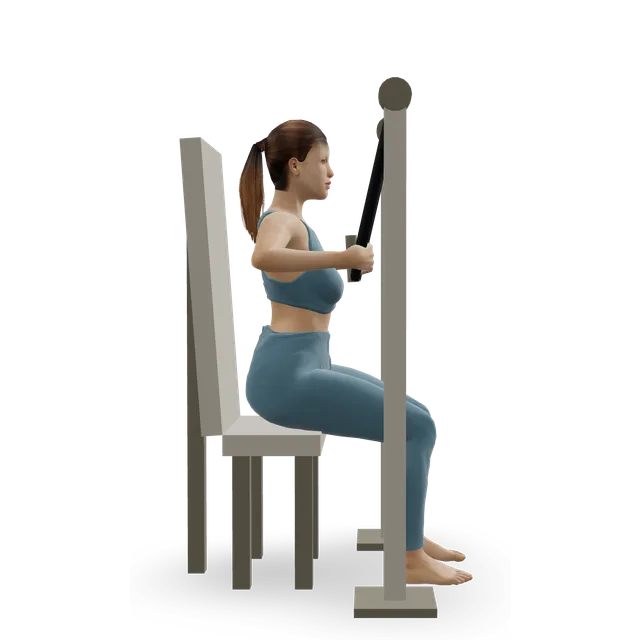
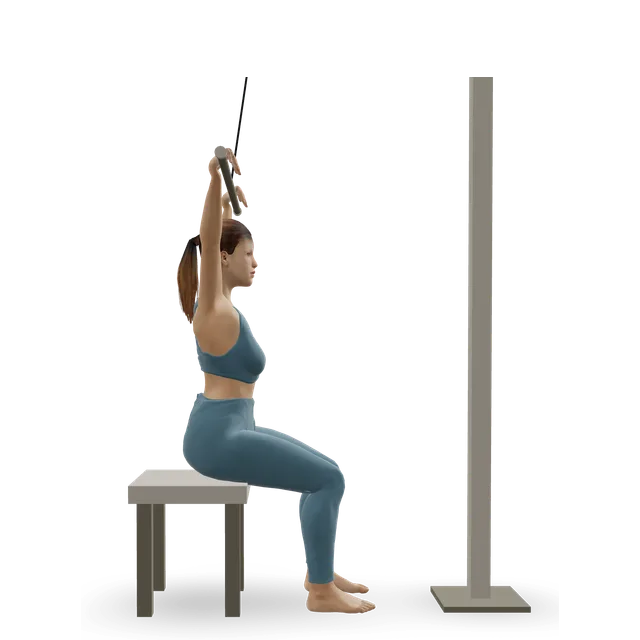
Choose a single-joint move on a machine, cable or dumbbells: a pushdown, curl, lateral raise or leg extension.
Do a first set of 8 to 15 reps, stopping about 1 rep short of failure.
Straight away, cut the weight by 20 to 25%: move the pin up a plate or two, or pick up the next dumbbells down.
Carry on to about 1 rep short of failure again.
Do one or two drops, then rest before your next exercise.
Use the drop set in place of the last 2 or 3 sets of that move, not on top of them.
Once or twice a week per muscle is plenty.
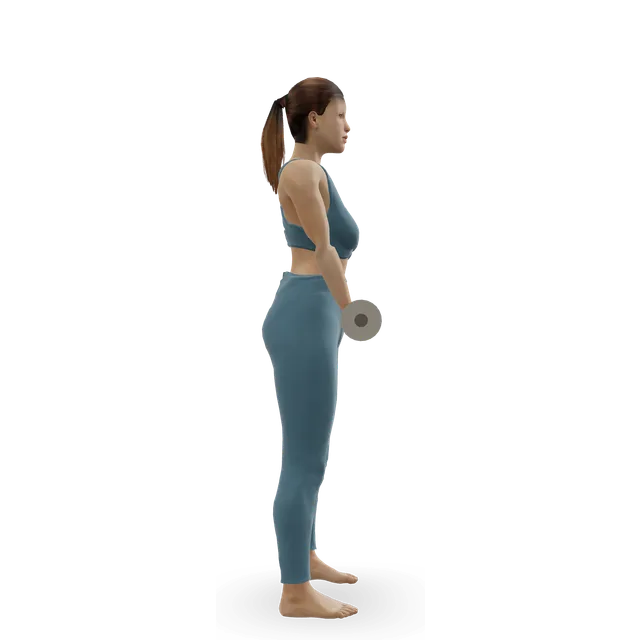
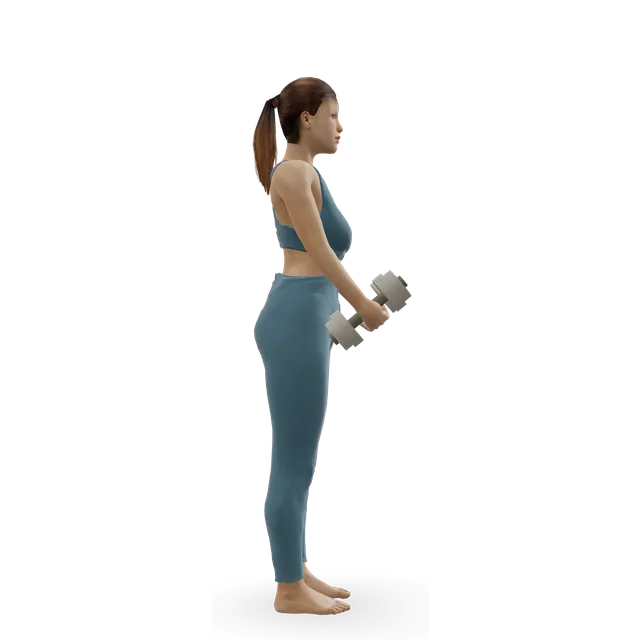
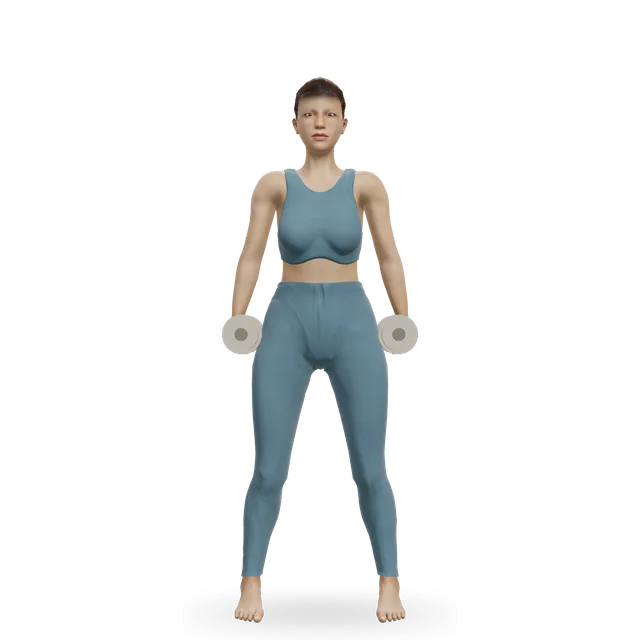
Loading the 3D figure…
Drag to turn
Gets into position, then repeats the movement. Technical checks passed; qualified exercise review is pending.
One set of 8 to 15 reps to about 1 rep short of failure, then 1 or 2 drops of 20 to 25% with no rest between them (drop size from a review; the rest is our starting point).
Our editorial ideas: no trial has tested mechanical drop sets.
Push-ups at home
Feet-raised push-ups to about 1 rep short of failure, then straight on to floor push-ups, then incline push-ups with your hands on a bench (or push-ups from your knees), each to about 1 short with no rest between.
Lateral raises to presses
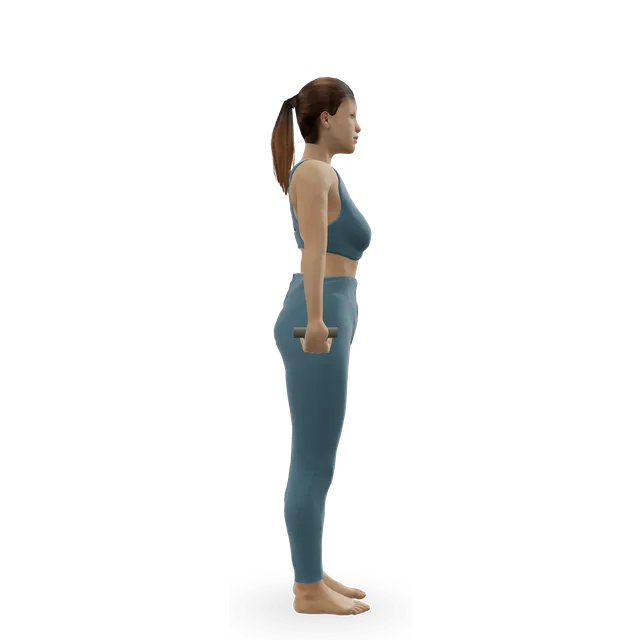
With the same dumbbells, do 10 to 15 lateral raises, then go straight into overhead presses to about 1 rep short of failure: the press is easier, so you can keep going.
The push-up ladder
Work down from hardest to easiest, each to about 1 rep short of failure, with no rest between (our suggestion).
Two things go by this name. Most often it's a set close to failure, a breather of about 20 seconds, another short set, and so on to a target number of reps. Some trials use it for pauses of a few seconds between single reps.
A version of rest-pause: one longer set, then several mini-sets with a few breaths between. In 22 trained men over 8 weeks, myo-reps built similar muscle and strength to normal sets with about 30% less total weight lifted, in shorter sessions.
In 18 trained people over 6 weeks, rest-pause matched normal sets for strength, with more thigh growth (11% against 1%) and leg press endurance, in 35 minutes against 57; the normal sets stopped well short of failure. With the total work matched in 28 trained men, rest-pause gave slightly more squat strength and similar thigh growth.
In another trial, rest-pause gave more strength than drop sets and drop sets more endurance; in a third, the two built similar muscle and bench press strength.
Pick a weight you could lift about 8 to 12 times on a machine such as the chest press, leg press or lat pulldown. Do a set to about 1 rep short of failure, rest 15 to 20 seconds, then do 2 or 3 more mini-sets, each to about 1 short. The numbers are our editorial starting point; the 20-second breaks come from the trials.
Short planned rests inside a set, such as a set of 6 done as 3 lots of 2 with 20 to 30 seconds between (our example), while keeping your normal rest between sets. Rest redistribution spreads the same total rest into shorter, more frequent breaks. The aim is the opposite of a drop set: keeping reps fast and fresh rather than chasing fatigue.
Across 17 studies, cluster and rest-redistribution sets matched normal sets for strength and muscle, gave a little more speed and power with lighter weights, and a little less muscular endurance. Across 29 studies, there were no differences in any outcome.
One meta-analysis found cluster training better for maximal strength over 4 to 8 weeks and normal sets better over 9 to 12, but the studies varied a lot.
For heavy lifts and power work, or when you want less fatigue rather than more. Our EMOM guide shows a cluster-style EMOM: a few reps at the start of every minute.
Drop sets, rest-pause and supersets all cut session time and gave similar results to normal sets in trials. They feel harder, so choose the one you'll keep doing.
Normal sets. The ACSM found no set structure better for strength or power, and no advanced method was clearly better for strength in the network meta-analysis.
Our drop-set workout is a 20-minute finisher for shoulders and arms. In the arm and upper-body workouts, you can swap the last set of pushdowns or lateral raises for a drop set, and the EMOM workout's strength option breaks sets up with rest built in, like cluster sets.
For healthy adults, strength training is safe: in trials with more than 38,000 people, it didn't raise serious adverse events. Speak to your GP or cardiac team before hard sets if:
You have a heart condition, or get chest discomfort, unusual breathlessness or dizziness when you're active.
Your blood pressure is high and not yet controlled. Once it's controlled, low to moderate-intensity strength training with steady breathing is safe, the American Heart Association says.
Call NHS 111 (in the US, your doctor or urgent care)
Get advice the same day for:
A headache brought on or made worse by exercising, coughing, sneezing or bending down.
In the days after a hard session, especially a new or much bigger one: muscle pain or weakness far worse than normal soreness, with dark (tea or cola-coloured) urine or passing less urine than usual. These can be signs of rhabdomyolysis, a rare but serious breakdown of muscle, so get medical help straight away.
Blood pressure rises steeply near failure, especially with a held breath: in 5 bodybuilders measured directly, it peaked at an average of 320/250 mmHg in double-leg presses to failure. Breathe out on every effort, and avoid drop sets and rest-pause to failure with high blood pressure, heart disease or after recent surgery, unless your clinician agrees. Stop for sharp pain.
You take a set close to failure, cut the weight by about a fifth to a quarter and keep going with no rest, usually once or twice more. With dumbbells this is sometimes called running the rack.
Do drop sets build more muscle?
Not more, but as much: in the 2026 meta-analysis, which included 9 long-term trials, muscle growth and strength were the same as with normal sets. Their advantage is time.
Are drop sets good for strength?
Strength rose about as much as with normal sets in pooled trials, though most trials used single-joint moves. For your heaviest lifts, normal sets with full rest are more specific.
How much weight should I drop?
About 20 to 25% per drop, which with dumbbells is usually the next pair down; trials used steps of about 20%. One or two drops are enough, in our view.
Should drop sets go to failure?
Most trials went to failure, but one that stopped close to failure got the same results as normal sets. Stopping each part about 1 rep short is our suggestion.
How often should I do drop sets?
Once or twice a week per muscle, in place of the last 2 or 3 sets of a small move, is our suggestion. They feel much harder than normal sets, so use them selectively.
What is a mechanical drop set?
Instead of a lighter weight, you switch to an easier version of the move, such as feet-raised push-ups, then floor push-ups, then incline push-ups. It follows the same idea, but no trial has tested it.
What is a rest-pause set?
A set close to failure, about 20 seconds' rest, then more short sets until you reach a target number of reps. In small trials it matched normal sets for muscle, sometimes with a little more strength, in less time.
What are myo-reps?
A version of rest-pause: one longer set, then several mini-sets with a few breaths between. In 22 trained men, myo-reps built similar muscle and strength to normal sets over 8 weeks, in less time.
What are cluster sets?
Short rests inside a set, such as 3 pairs of reps with 20 to 30 seconds between, to keep every rep fast. In meta-analyses they matched normal sets for strength and muscle, gave a little more speed and power, and caused less fatigue.
Are drop sets safe?
For healthy adults on machines and dumbbells, yes, but they're very demanding. Avoid them on heavy barbell lifts, and skip sets to failure if your blood pressure is high or you have heart disease, unless your clinician agrees.
Exercise education, not a personal prescription, and clinical review of these guides is pending. Check with a GP before starting hard training if you have a heart condition, chest pain, dizziness or breathlessness when active, and stop for sharp or increasing pain. Health disclaimer.