Training guide

How to get bigger legs: squats, hinges, machines and single-leg work for every thigh muscle

Bigger legs mostly means bigger thighs: the quads at the front, the hamstrings at the back, the inner thighs and the glutes. No single exercise builds them all. In a 10-week trial, full squats grew the front of the thigh, the glutes and the inner thighs, but not the hamstrings or the quad muscle that crosses the hip, so a complete plan adds a hinge, a leg curl and a leg extension.

To build leg muscle, work towards about 10 hard sets a week for the front of your thighs and the same again for the back, over 2 sessions, and add weight or reps over months. You can do it at home or in the gym: free weights and machines built similar muscle in trials, and so did one-leg and two-leg training.

This guide covers your thigh muscles, which exercises grow which, how deep to squat, how many sets and how often, how to measure your thighs, how long it takes, and the knee and back warning signs. Calves and glutes have their own guides.

The short version

No single exercise grows every thigh muscle

Full squats grew the front of the thigh, the glutes and the inner thighs, but not the rectus femoris (the quad muscle that crosses the hip) or the hamstrings. The leg press grew the quads, glutes and inner thighs, and leg extensions grew the rectus femoris far more (13.2% against 1.1%).

Sources 1, 2

The hamstrings need their own work

Seated leg curls grew the hamstrings more than lying curls (14% against 9%), and Romanian deadlifts grew them as much as Nordic curls.

Sources 3, 4

Go deep if your joints allow

Full squats grew the glutes and inner thighs more than half squats, with the front of the thigh about equal, and in another trial they built strength at every depth with less pain than partial squats.

Sources 1, 5

Enough hard sets

Build towards about 10 hard sets a week for the front of your thighs and, separately, for the back, over 2 sessions.

Sources 6, 7

Gym or home, one leg or two

Free weights and machines built similar muscle, single-leg and two-leg training did too in pooled trials, and progressive bodyweight squats matched barbell squats in a small trial. Use what you have and can progress.

Sources 8, 9, 10

Months, and people vary

Results vary a lot between people, partly through their genes. In the legs, women and men gained similar amounts from the same training, in absolute as well as relative terms.

Sources 11, 12

Your thigh muscles

The quadriceps

Four muscles at the front of the thigh straighten your knee: the vastus lateralis, vastus medialis and vastus intermedius, and the rectus femoris, which also crosses the hip and helps lift your thigh. Together they're the largest muscle group in the body.

Source 2

The hamstrings

Three muscles at the back of the thigh bend your knee, and all but one part of them also straighten your hip, so they work at their longest when your hip is bent, as in a seated leg curl or a Romanian deadlift.

Source 3

The inner thighs

The adductors draw your leg inwards. The largest, the adductor magnus, also helps straighten your hip, which is why deep squats and the leg press grew it.

Sources 1, 2

The glutes

Full squats and the leg press grew the gluteus maximus too, and lunges and hip thrusts train it. Our glute guide covers it in full.

Sources 1, 2

What squats do and don't grow

In 17 men, full squats twice a week for 10 weeks grew the muscles that straighten the knee, the glutes and the inner thighs, while the rectus femoris and the hamstrings didn't change. That's why a legs plan needs a hamstring move and, for the whole quad, a leg extension or similar.

Source 1

Thigh size is muscle plus fat

A tape measure takes in the skin and fat over the muscle as well, so your thighs can measure smaller while you lose fat even as the muscle grows (our reading).

Source 13

Where people differ

In the legs, women and men gain similar amounts from the same training, in absolute as well as relative terms. Gains slow as you become more trained and come a little more slowly with age, and people vary hugely.

Sources 12, 11, 14

What the evidence says

Squat depthEmerging evidence

In 17 men over 10 weeks, full squats grew the glutes (6.7% against 2.2%) and the inner thighs (6.2% against 2.7%) more than half squats, while the front of the thigh grew about the same (4.9% against 4.6%). In a separate trial of 17 male students over 12 weeks, deep squats (to 120 degrees of knee bend) increased front-thigh size by 4 to 7%, more than shallow squats (to 60 degrees). In 53 trained men over 10 weeks, only full squats raised strength at every depth, and half squats brought more pain.

Sources 1, 15, 5

Leg press against leg extensionEmerging evidence

17 untrained adults trained one leg on a leg press and the other on a leg extension: 5 sets of 10 at 70% of their maximum, twice a week for 12 weeks. The rectus femoris grew 13.2% with leg extensions and 1.1% with the leg press, the other quad muscles grew similarly, and the whole quadriceps grew by a comparable amount (7.1% and 4.9%). The leg press also grew the gluteus maximus by 15.4% and the adductor magnus by 6.2%.

Source 2

Training at long muscle lengthsEmerging evidence

In 45 untrained women, partial leg extensions in the deep-bend part of the range gave more growth in some parts of the thigh than partials in the straighter part. A review of 11 studies found training at long muscle lengths tended to grow muscle more, though not in every study.

Sources 16, 17, 18

Seated leg curls beat lying curlsEmerging evidence

20 adults trained one leg with seated curls and the other with lying curls: 5 sets of 10 at 70% of their maximum, twice a week for 12 weeks. The whole hamstrings grew 14% against 9%, with the muscles that cross both the hip and the knee gaining most, because sitting puts them at a longer length.

Source 3

Hinges and Nordic curlsEmerging evidence

In 32 adults over 6 weeks, lowering-focused Romanian deadlifts and Nordic curls each grew hamstring area by about 10%, with no difference between them. In 36 untrained adults over 9 weeks, stiff-leg deadlifts grew the hamstrings by 7.0% and Nordic curls by 11.4%, a similar amount. In 30 male athletes, a hip-extension exercise and Nordic curls both grew the hamstrings, but different parts of them.

Sources 4, 19, 20

Free weights or machinesEmerging evidence

In 38 trained men over 8 weeks, machine and free-weight training grew the thighs by similar amounts, and in 8 untrained women, free-weight lunges and an inclined leg press grew the quads similarly.

Sources 8, 21

One leg or twoEmerging evidence

Across 24 randomised trials, single-leg and two-leg training built similar muscle, and each did better for strength when tested its own way. The trials were small, so it's promising rather than settled.

Source 9

Bodyweight squats can be enough to startEmerging evidence

In 13 sedentary young women, a 10-level progressive bodyweight squat programme grew the glutes, the rectus femoris and the calves as much as barbell squats over 6 weeks. It's one tiny trial, but it fits the wider evidence that hard sets build muscle at any load.

Sources 10, 22

More sets, more growth, with diminishing returnsStrong evidence

Each extra weekly set added about 0.4% growth across 15 studies, and an overview of 137 reviews found 10 or more sets a week built more muscle. The returns shrink as the sets go up.

Sources 23, 6, 7

Light or heavy, if the sets are hardStrong evidence

Across 28 studies of 747 adults, light, moderate and heavy loads built similar muscle when the sets went to failure, and heavier loads built more strength. Across 15 studies, stopping a few reps short of failure cost little growth.

Sources 24, 22, 25

How often matters littleStrong evidence

With the weekly sets matched, 25 studies found no real difference between training a muscle once, twice or three times a week.

Sources 26, 7

Squats and leg presses

Back squats at 4 sets of 6 (our leg day workout) and leg presses at 3 sets of 8 to 12 (our leg press guide), stopping 2 or 3 reps short of failure, with 2 to 3 minutes' rest between heavy sets. Goblet squats at 3 or 4 sets of 8 to 12 are the way in; our squat, front squat, goblet squat and leg press guides cover technique.

Single-leg moves

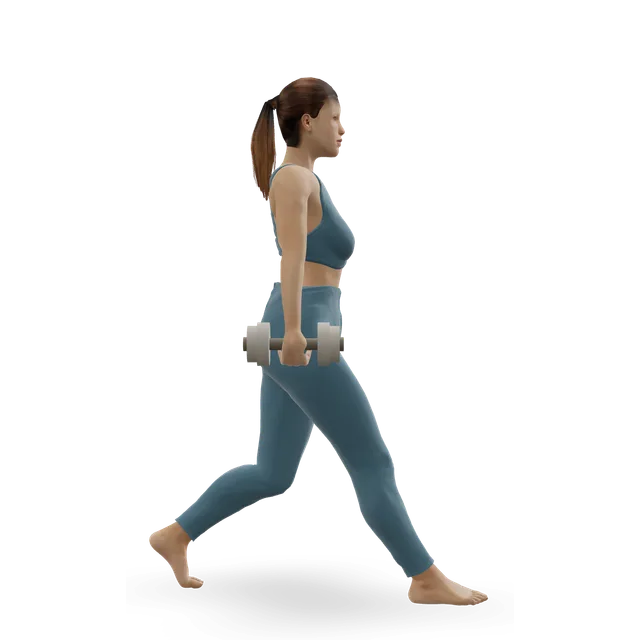
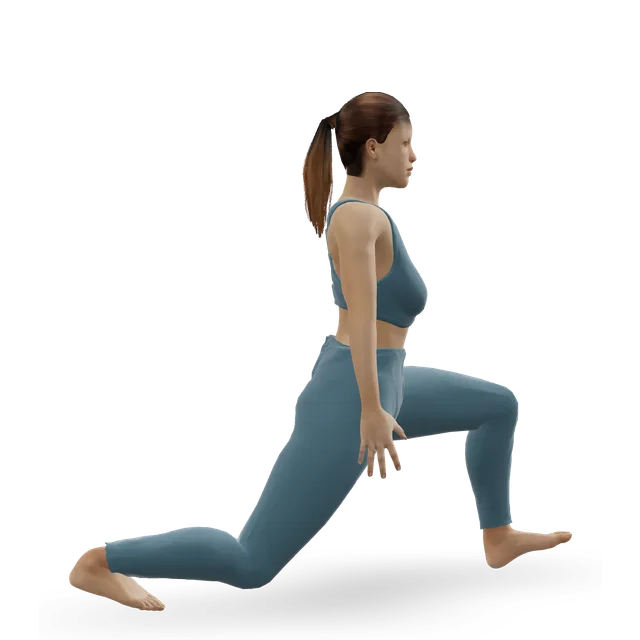
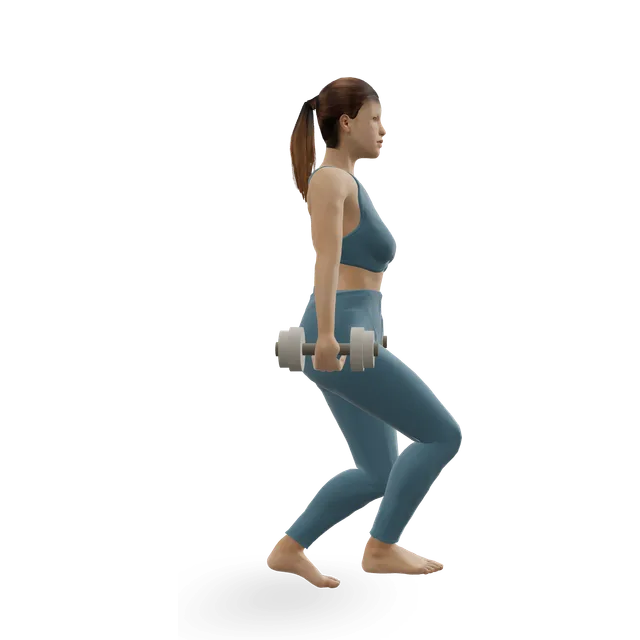
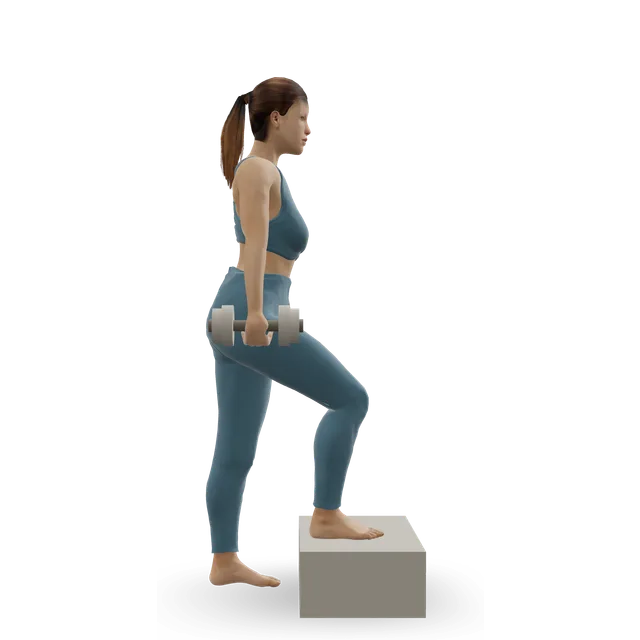
Bulgarian split squats at 3 sets of 6 to 10 each leg, lunges at 3 sets of 8 to 12 each leg, and step-ups at 2 or 3 sets of 8 to 12 each leg, stopping 2 or 3 reps short, as our Bulgarian split squat, lunge and step-up guides set out.

Hinges and curls for the hamstrings

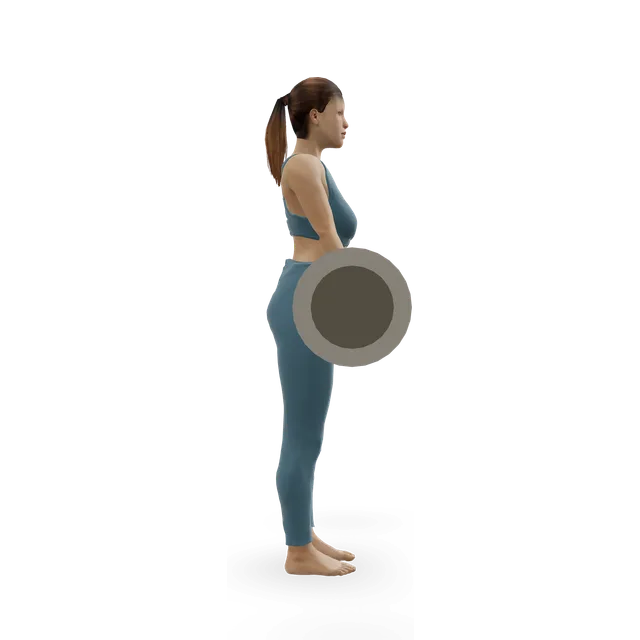
Romanian deadlifts at 3 sets of 8 to 10, lowering for about 3 seconds (our deadlift guide's editorial starting point), and seated leg curls at 3 sets of 10 to 15 (our machine leg workout), with the last set of curls 0 to 2 reps short of failure. Nordic curls and slider curls work without a machine.

Leg extensions and the inner thighs

Leg extensions at 2 sets of 12 to 15 (our leg day workout), with the last set 0 to 2 reps short of failure. Inner-thigh work is optional: deep squats and the leg press already grew the inner thighs in trials, and it won't slim your thighs, as our thigh fat guide explains.

How deep to squat

As deep as you can control

Squat as deep as you can with control and without pain. Full squats grew the glutes and inner thighs more than half squats, and they built strength at every depth.

Sources 1, 5

More weight in a half squat isn't more muscle

You can lift more in a half squat, but in two trials the shallower squat built less muscle, or the same in the front of the thigh, than the deeper one.

Sources 1, 15

With back or knee pain

Squat only as deep as your lower back stays still, as our back pain after deadlifts guide says, and within the limits in our knee pain when squatting guide. The leg press lets you control the depth.

How many sets, reps and days

Weekly sets

Build towards about 10 hard sets a week for the quads and, separately, for the hamstrings, over 2 sessions. Count squats, leg presses, lunges and step-ups as quad sets (they also work the glutes and inner thighs), but count them as little or nothing for the hamstrings, which squats didn't grow (our reading of the trials).

Sources 6, 7, 1

A starting point

Twice a week: a squat or leg press, a hinge, a single-leg move and a leg curl, 2 or 3 sets of each (our editorial starting point). In your first two weeks, do 2 sets of each and stop every set with 3 or 4 reps to spare, as our plans advise.

A fuller week

Session A: squats for 3 or 4 sets of 6 to 10, Romanian deadlifts for 3 sets of 8 to 10, leg extensions for 2 or 3 sets of 12 to 15 and seated leg curls for 3 sets of 10 to 15. Session B: the leg press for 3 sets of 8 to 12, Bulgarian split squats for 3 sets of 6 to 10 each leg, seated leg curls for 3 sets of 10 to 15 and leg extensions for 2 sets of 12 to 15. That's about 15 quad sets and 9 to 12 hamstring sets a week (our editorial layout, with doses from our guides and workouts).

Reps and how hard

Squats, leg presses and hinges: 6 to 12 reps, stopping 2 or 3 reps short of failure, which our guides call RIR (reps in reserve: how many more you could have done). Leg extensions and curls: 10 to 15 reps, with the last set 0 to 2 reps short.

Sources 22, 25

Rest

2 to 3 minutes between heavy sets of 5 to 8, 90 seconds to 2 minutes for other squats, presses and single-leg work, and 60 to 90 seconds for leg extensions and curls, as our plans' notes say.

How often

Twice a week is a practical default. With the weekly sets matched, training more often doesn't add growth.

Source 26

Progress

Add reps until every set reaches the top of its range, then add the smallest weight step you have. For single-leg moves at home, hold dumbbells or wear a loaded backpack.

A leg session

Session A of our editorial layout, the shape our compound vs isolation guide describes; doses from our squat, deadlift and leg press guides and our leg day and machine leg workouts.

  1. Warm up for 3 to 5 minutes, then do 1 or 2 lighter sets of squats.
  2. Squat: 3 or 4 sets of 6 to 10, as deep as you can control, stopping 2 or 3 reps short of failure. Rest 2 to 3 minutes.
  3. Romanian deadlift: 3 sets of 8 to 10, lowering for about 3 seconds with your back flat. Rest about 2 minutes.
  4. Leg extension: 2 or 3 sets of 12 to 15, with the last set 0 to 2 reps short of failure. Rest 60 to 90 seconds.
  5. Seated leg curl: 3 sets of 10 to 15, with the last set 0 to 2 reps short. Rest 60 to 90 seconds.
  6. On your second leg day, swap in the leg press and Bulgarian split squats for the squat and the Romanian deadlift.

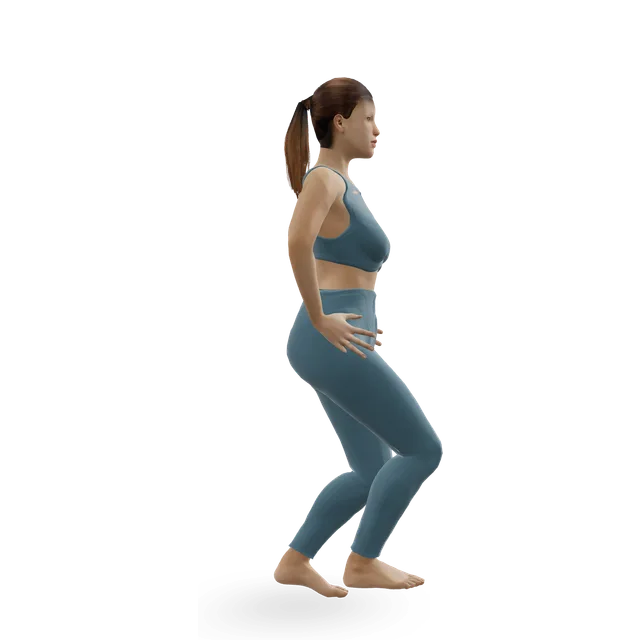
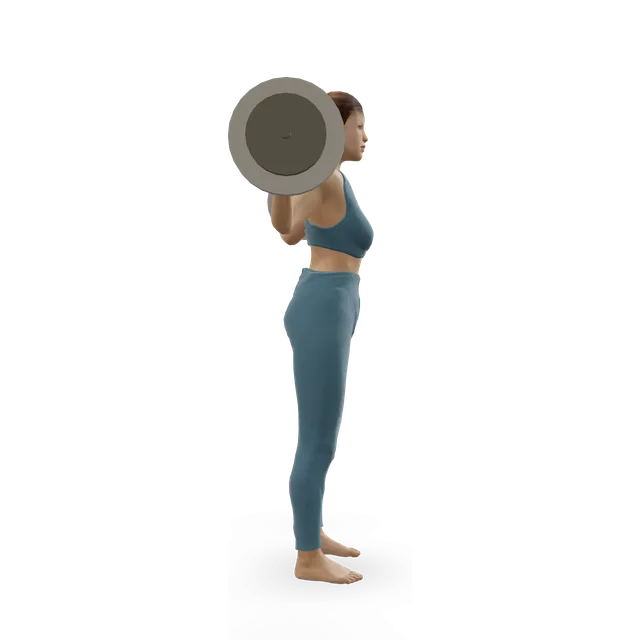
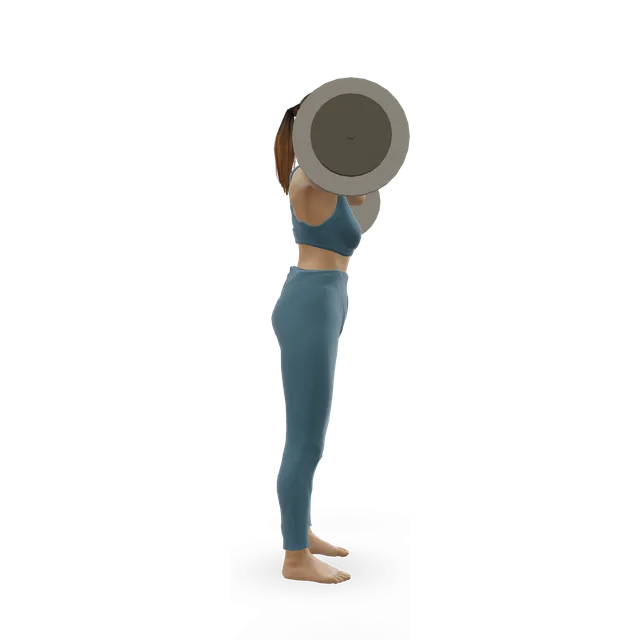
Loading the 3D figure…

Gets into position, then repeats the movement. Technical checks passed; qualified exercise review is pending.

The movement on the figure: Barbell back squat

Bigger legs at home

Without weights

Hard sets build muscle at any load: in a small trial, progressive bodyweight squats grew the thighs and glutes as much as barbell squats in women new to training. Split squats, Bulgarian split squats, step-ups and single-leg Romanian deadlifts let you keep progressing.

Sources 10, 22

The hamstrings at home

Slider hamstring curls (3 sets of 6 to 12 in our lower body workout at home) and Nordic curls train the back of the thigh without a machine, and single-leg Romanian deadlifts with a backpack or dumbbells add the hinge.

With dumbbells

Our two dumbbell leg workouts combine goblet squats, Romanian deadlifts, step-ups, split squats and slider curls.

Leg moves for home

Split squats at 3 sets of 8 to 12 each leg, slider curls at 3 sets of 6 to 12 and step-ups at 2 or 3 sets of 8 to 10 each leg (our lower body workout at home). The pistol squat is an advanced step.

How to measure your thighs

From the thigh measurement in the US National Health and Nutrition Examination Survey's measuring manual; measuring every 4 weeks is our editorial suggestion.

  1. Stand up straight with your weight on your other leg.
  2. Put the leg you're measuring slightly forward, with the knee a little bent and relaxed.
  3. Find the point halfway between the crease at the top of your thigh and the top of your kneecap, and mark it.
  4. Wrap the tape round your thigh at the mark, at right angles to the thigh, snug but not squashing the skin.
  5. Measure the same leg at the same spot and time of day every 4 weeks, and remember the tape includes the fat over the muscle.

How long it takes

What the trials found

In 10 to 12-week trials, the thigh muscles an exercise trained well grew by about 5 to 15%, and muscles it didn't train grew a few percent or not at all. Expect months rather than weeks.

Sources 1, 2, 3

People vary hugely

The same training can change one person's muscle size a lot and another's barely at all, and part of that is genetic. Compare yourself with your own training log.

Sources 11, 27

How to track it

Track your lifts first, and measure your mid-thigh every 4 weeks as above. Bathroom body-fat scales estimate fat poorly, so don't judge your progress by them.

Sources 28, 29

Eating for it

In trials, extra protein stopped helping at about 1.6 g per kg of body weight a day, a deficit of about 500 calories a day stopped lean-mass gains, and in trained lifters a bigger surplus mainly added fat. Our guide to building muscle covers the rest.

Sources 30, 31, 32

Leg workouts to follow

Pair the leg day workout with the machine leg workout or the bodybuilding lower body workout later in the week; with dumbbells, the two dumbbell leg workouts; with no weights, the lower body workout at home twice a week (our suggestion).

Leg day workout (gym)

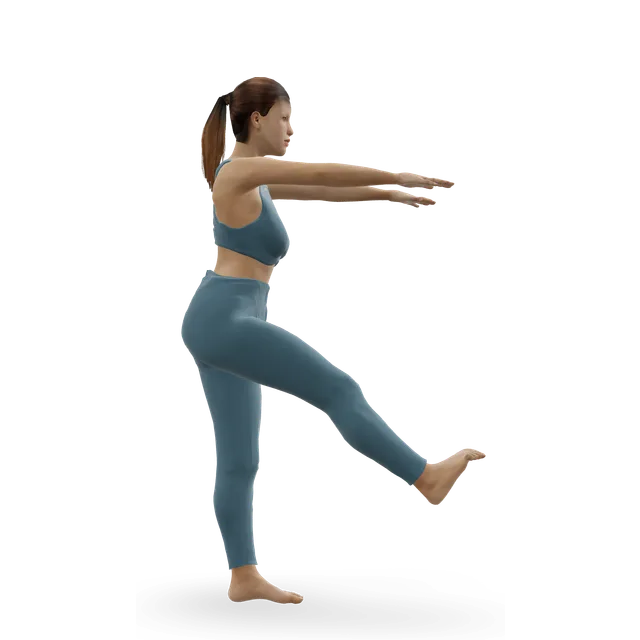
A gym leg day: back squats, leg press, leg curls, Bulgarian split squats, leg extensions and calf raises.

55 minIntermediate9 movesA wall, A barbell

Machine leg workout: leg press, leg extension, leg curl and calves

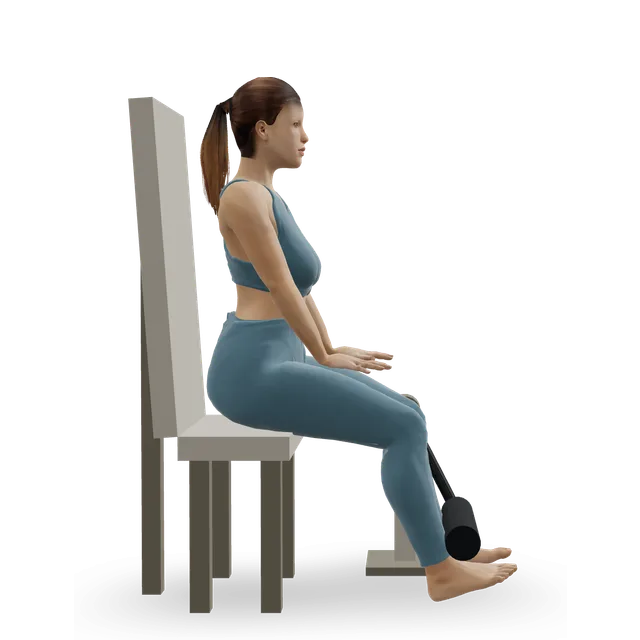
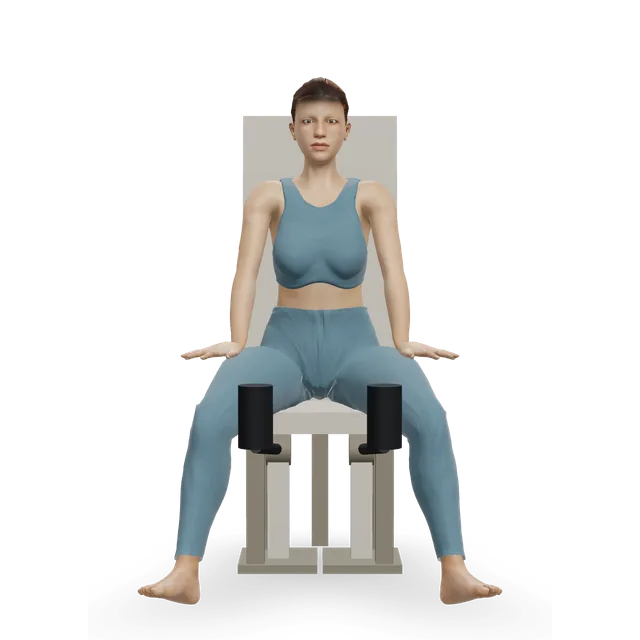
A 45-minute leg day on machines only: the leg press, then leg extensions and seated leg curls for the muscles it misses, hip abduction and calf presses.

45 minBeginner10 movesCardio machine, Strength machine

Bodybuilding lower-body workout: quads, hamstrings, glutes and calves

A 60-minute lower-body session for muscle growth: hack squats, Romanian deadlifts, leg curls, leg extensions, hip thrusts and standing and seated calf raises.

60 minIntermediate11 movesCardio machine, A wall

Dumbbell leg workout

Legs and glutes with dumbbells: goblet squats, Romanian deadlifts, step-ups, split squats and calf raises.

35 minIntermediate10 movesA wall, A dumbbell

Dumbbell leg workout B: single-leg and hinge

Dumbbell leg workout B: Bulgarian split squats, single-leg Romanian deadlifts, slider curls, single-leg bridges, calf raises and suitcase carries.

45 minIntermediate12 movesA bench or box, A dumbbell

Lower body workout at home

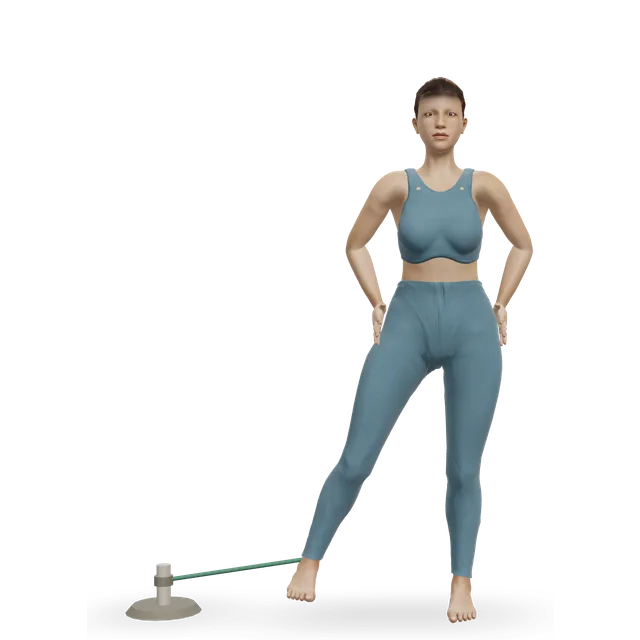
A lower body workout at home: split squats, slider hamstring curls, single-leg bridges, step-ups, band walks and calf raises, with dumbbell options.

30 minIntermediate12 movesA wall, A step

Hamstring workout: Romanian deadlifts, curls and Nordics

A 35-minute gym hamstring workout: Romanian deadlifts for the hip, seated leg curls for the knee, single-leg Romanian deadlifts, then Nordic curls when ready.

35 minIntermediate7 movesA dumbbell, Strength machine

Lower body gym workout

A gym lower body workout for legs and glutes: trap bar deadlifts, hip thrusts, reverse lunges, leg curls, hip abduction, calf raises and core.

50 minIntermediate13 movesOther / check instructions, A barbell

Plans

The 4-day split, the 5-day split and push pull legs give about 18 quad sets and 12 glute and hamstring sets a week; the 3-day plan gives about 12 of each. The 30-day squat challenge builds bodyweight squats.

Women, older adults, knees and backs

Women

In the legs, women and men gained similar amounts, in absolute as well as relative terms. Leg training won't make your thighs bulky by accident: muscle comes slowly and follows the sets you choose.

Sources 12, 33

Older adults

Adults over 50 gained lean mass in 49 studies, a little less at older ages, and training didn't raise the risk of serious harm. Machines, sit-to-stands and step-ups are good places to start.

Sources 14, 6

Knees and backs

Use the limits in our knee pain when squatting and back pain after deadlifts guides, and choose the leg press or single-leg moves if heavy squats hurt.

Osteoporosis

The UK consensus on osteoporosis recommends strength training for the legs, with safe lifting and no loaded bending of the spine or movements at the end of your range. Our osteoporosis guide covers heavy squats and deadlifts.

Source 34

Pregnancy, after the birth and blood pressure

In pregnancy and after the birth, follow our pregnancy and postpartum guides before heavy squats, deadlifts or leg presses; the NHS says to keep up strength training you already do in pregnancy, adjusted as needed. If your blood pressure is high, breathe out as you push on the leg press rather than holding your breath.

Source 35

Warning signs: when to get help

Call 999 or go to A&E (911 in the US)

For loss of feeling or numbness around the genitals or bottom, new trouble peeing or controlling your bladder or bowels, changes in genital sensation during sex or problems with erections or orgasm, or pain, tingling, weakness or numbness in both legs. These can be signs of cauda equina syndrome, which needs treating in hospital urgently: don't drive yourself, as our back pain after deadlifts guide says. Call 999 too for chest pain that feels tight or spreads to your arms, neck or jaw.

Same day: a possible torn knee tendon

A pop or tearing feeling at the front of the knee after a fall, a jump, a landing or a heavy squat, then you can't straighten the knee or lift the straight leg, there's a dent above or below the kneecap, or the kneecap sits higher or lower than on the other side. Go to A&E or an urgent treatment centre, or get help from NHS 111, as our knee pain when squatting guide explains. In the US, go to urgent care or the emergency department.

Pain spreading down a leg

Pain, pins and needles or numbness that travels down your leg from your back points to a nerve rather than the muscle. Stop or shrink any move that sends it further down your leg, and see a GP if it spreads below the knee, as our back pain after deadlifts guide says.

Keep knee and back pain in check

Knee pain of 0 to 2 out of 10 is safe, and up to 5 is acceptable if your knee is back to normal by the next morning; for pain at one point just above or below the kneecap, keep it to 3 or less. Back pain should stay at about 5 out of 10 or less, settle within an hour or so and be no worse the next morning. These are the limits in our knee and back guides.

Muscle strains

A sudden sharp pain at the back, inside or front of the thigh during a sprint, a heavy hinge or a lunge can be a strain. Stop, and see our hamstring, groin and thigh strain guides.

When training becomes a worry

Beat says a drive to be more muscular, sometimes called muscle dysmorphia, can be part of an eating disorder, especially in men. The NHS lists exercising too much and very strict routines around food among the signs of an eating disorder, and says people with body dysmorphic disorder may take anabolic steroids because they don't see themselves as big or strong enough. See a GP; our eating disorders guide has Beat's helplines.

Sources 36, 37, 38, 39

Myths

"Squats alone build the biggest legs"Emerging evidence

Full squats didn't grow the rectus femoris or the hamstrings in a 10-week trial. Leg extensions grew the rectus femoris 13.2% against 1.1% with the leg press, and seated curls grew the hamstrings. A squat is a great base, not the whole job.

Sources 1, 2, 3

"Half squats build more muscle because you can lift more"Emerging evidence

Full squats grew the glutes and inner thighs more and the front of the thigh as much; deeper squats grew the front of the thigh more in another trial; and half squats brought more pain and no strength gain at every depth.

Sources 1, 15, 5

"You need a barbell, or a gym, to build big legs"Strong evidence

Hard sets build muscle with light or heavy loads, machines matched free weights for thigh growth, and in a small trial, progressive bodyweight squats matched barbell squats. A barbell makes loading easy; it isn't essential.

Sources 24, 22, 8, 10

"Leg extensions are a waste of time"Emerging evidence

Leg extensions grew the rectus femoris 13.2% against 1.1% with the leg press: they fill a gap that squats and leg presses leave.

Source 2

"Leg training will make your thighs bulky by accident"Strong evidence

Muscle comes slowly, women and men gain similarly in the legs, and growth follows the sets you choose.

Sources 12, 33

"High reps tone, low reps bulk"Strong evidence

Light and heavy weights grew muscle similarly when the sets were hard; heavier weights built more strength.

Sources 24, 22

Questions people ask

What is the best exercise for bigger legs?

No single exercise grows every thigh muscle. Full squats grew the front of the thigh, the glutes and the inner thighs, but not the rectus femoris or the hamstrings, so add a hinge or a leg curl for the back of your thighs and a leg extension for the whole quad.

Can you build big legs without squats?

Yes. The leg press grew the quads by a similar amount to leg extensions overall and grew the glutes and inner thighs too, lunges matched an inclined leg press, and single-leg training built about as much muscle as two-leg training in pooled trials. Choose the moves that suit your body and equipment.

How deep should I squat for bigger legs?

As deep as you can with control and without pain. Full squats grew the glutes and inner thighs more than half squats, with the front of the thigh about equal, and built strength at every depth with less pain than partial squats.

How many sets do I need to build leg muscle?

Build towards about 10 hard sets a week for the front of your thighs and, separately, for the back, over about 2 sessions. Squats and leg presses count for the quads, glutes and inner thighs, but barely for the hamstrings, which squats didn't grow.

Can I get bigger legs at home without weights?

Yes, if the sets are hard. In a small trial, progressive bodyweight squats grew the thighs and glutes as much as barbell squats over 6 weeks in women new to training, and split squats, step-ups, single-leg Romanian deadlifts and slider curls let you keep progressing. Our lower body workout at home is built this way.

Leg press or squats for bigger legs?

Both work. In one trial, the leg press grew the whole quadriceps 4.9%, the glutes 15.4% and the big inner-thigh muscle 6.2%, and squats grow the same muscles; free weights and machines built similar muscle overall. Use what you can load and progress safely.

How do I grow my hamstrings?

Use a hinge and a curl each week. Seated leg curls grew the hamstrings more than lying curls (14% against 9%), and Romanian deadlifts grew them about as much as Nordic curls over 6 weeks.

How do I get bigger thighs as a woman?

The same way as anyone: squats or leg presses, hinges, single-leg work and curls, building towards about 10 hard sets a week for each muscle group. Women and men gain similarly in the legs, in absolute as well as relative terms, and growth is slow and follows the sets you choose.

How long does it take to get bigger legs?

Months. In 10 to 12-week trials, the thigh muscles an exercise trained well grew by about 5 to 15%, and results vary a lot between people. Track your lifts, and measure your mid-thigh the same way every 4 weeks if you like.

How should I measure my thighs?

Stand with your weight on your other leg and the measured leg slightly forward with a soft knee, then measure halfway between the crease at the top of your thigh and the top of your kneecap, with the tape at right angles to the thigh. Measure at the same time of day every 4 weeks or so.

My knee hurts when I squat. Should I stop?

Pain up to 2 out of 10 is fine, and up to 5 is acceptable if your knee is back to normal by the next morning. Get help the same day for a pop at the front of the knee followed by a knee you can't straighten, and see our knee pain when squatting guide for the other warning signs.

Do I need to eat more to build bigger legs?

A small surplus helps, but a big one mostly adds fat, and a deficit of about 500 calories a day stopped lean-mass gains in trials. Protein of about 1.6 g per kg of body weight a day covers most people's needs.
Sources

  1. Kubo 2019 · Full against half squats and lower-limb muscle volumes in 17 men (randomised trial, Eur J Appl Physiol)
  2. Kinoshita 2026 · Leg extension against leg press for muscle growth in 17 untrained adults (within-person trial: one leg on each machine, Med Sci Sports Exerc)
  3. Maeo 2021 · Seated against lying leg curls for hamstring growth in 20 adults (within-person trial, Med Sci Sports Exerc)
  4. Crawford 2025 · Romanian deadlifts against Nordic curls for hamstring size in 32 adults (trial, Med Sci Sports Exerc)
  5. Pallarés 2020 · Full against partial squats over 10 weeks in 53 trained men (trial, Eur J Sport Sci)
  6. Currier 2026 · Resistance training for muscle strength, size and performance in healthy adults: 137 reviews (ACSM position stand, Med Sci Sports Exerc)
  7. Pelland 2026 · Weekly volume and frequency, muscle growth and strength: 67 studies (meta-regressions, Sports Med)
  8. Hernández-Belmonte 2023 · Free weights against machines for strength and muscle growth in 38 trained men (trial, Med Sci Sports Exerc)
  9. Xin 2026 · One-limb against two-limb training: 24 randomised trials (meta-analysis, BMC Sports Sci Med Rehabil)
  10. Wei 2023 · Progressive bodyweight against barbell squats in 13 sedentary young women (trial, Sci Rep)
  11. Hubal 2005 · Variability in muscle size and strength gains after 12 weeks of arm training in 585 adults (trial, Med Sci Sports Exerc)
  12. Refalo 2025 · Sex differences in absolute and relative muscle growth with training: 29 studies (Bayesian meta-analysis, PeerJ)
  13. US National Center for Health Statistics · NHANES 1999 to 2000 body measurements manual: thigh and calf circumference (measuring manual)
  14. Peterson 2011 · Strength training and lean mass in adults over 50: 49 studies (meta-analysis, Med Sci Sports Exerc)
  15. Bloomquist 2013 · Deep against shallow squats in 17 male students (randomised trial, Eur J Appl Physiol)
  16. Pedrosa 2022 · Partial leg extensions at long and short muscle lengths in 45 untrained women (trial, Eur J Sport Sci)
  17. Kassiano 2023 · Range of motion and muscle growth: 11 studies (systematic review, J Strength Cond Res)
  18. Wolf 2025 · Partial reps at long muscle lengths against full reps in 30 trained adults (trial, PeerJ)
  19. Morin 2025 · Nordic curls against stiff-leg deadlifts in 36 untrained adults (blinded randomised trial, J Strength Cond Res)
  20. Bourne 2017 · Nordic curls against a hip-extension exercise and hamstring size in 30 male athletes (trial, BJSM)
  21. Amanuma 2025 · Lunges against an inclined leg press for thigh growth in 8 untrained women (randomised within-person trial, J Bodyw Mov Ther)
  22. Lopez 2021 · Training load, muscle growth and strength: 28 studies (network meta-analysis, Med Sci Sports Exerc)
  23. Schoenfeld 2017 · Dose-response relationship between weekly resistance training volume and muscle growth (meta-analysis, J Sports Sci)
  24. Schoenfeld 2017 · Light against heavy loads for strength and muscle growth: 21 studies (meta-analysis, J Strength Cond Res)
  25. Refalo 2023 · Training close to failure and muscle growth: 15 studies (meta-analysis, Sports Med)
  26. Schoenfeld 2019 · How many times a week to train a muscle for growth: 25 studies (meta-analysis, J Sports Sci)
  27. Thomis 1998 · Strength training and genetic factors in 41 pairs of male twins (twin study, Med Sci Sports Exerc)
  28. Frija-Masson 2021 · Accuracy of smart scales for weight and body composition (observational study, JMIR mHealth uHealth)
  29. Siedler 2023 · Reliability and validity of 15 bioelectrical impedance devices (validation study, Br J Nutr)
  30. Morton 2018 · Protein supplements and gains from strength training: 49 trials (meta-analysis, BJSM)
  31. Murphy 2022 · An energy deficit, lean mass and strength gains from training (meta-analysis, Scand J Med Sci Sports)
  32. Helms 2023 · Small against large energy surpluses in trained lifters (randomised trial, Sports Med Open)
  33. Roberts 2020 · Sex differences in resistance training (systematic review and meta-analysis, J Strength Cond Res)
  34. Brooke-Wavell 2022 · Strong, steady and straight: exercise for osteoporosis (UK consensus statement, BJSM)
  35. NHS · Exercise in pregnancy
  36. Beat · Do men get eating disorders?
  37. NHS · Body dysmorphic disorder (BDD)
  38. NHS · Eating disorders: overview
  39. NHS · Anabolic steroid misuse

Exercise education, not a personal prescription, and clinical review of these guides is pending. Check with a GP before starting hard training if you have a heart condition, chest pain, dizziness or breathlessness when active, and stop for sharp or increasing pain. Health disclaimer.