Can you make your calves bigger?
Yes. Calves grew by about 9 to 15% over 8 to 12 weeks in trials that trained them hard with straight-knee raises and a full stretch at the bottom. They can be slow, and your genes shape their size, but they do respond.
Are calves genetic?
Partly. In twins, genes explained most of the differences in calf and other limb girth, a measure that includes bone and fat as well as muscle, and the same programme gives very different results in different people. But calves grew in the trials that trained them hard, so training still makes a difference.
Why won't my calves grow?
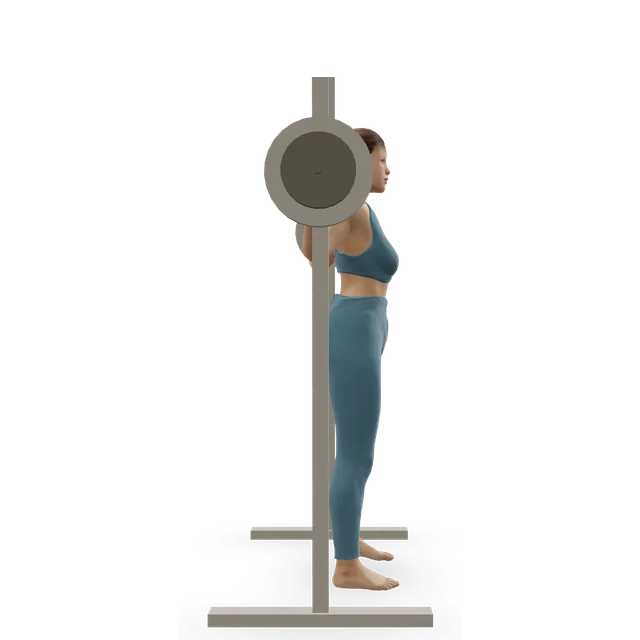
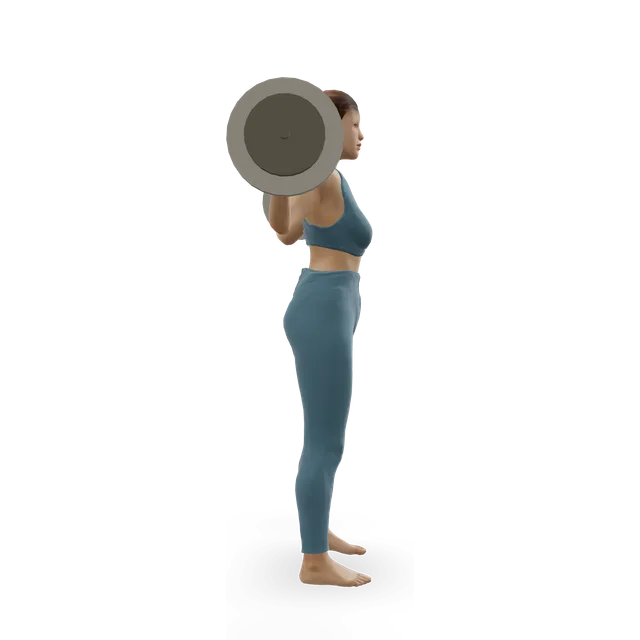
Common reasons are doing only seated raises, cutting the range short, too few sets or not enough time. Seated raises barely grew the main calf muscle in a trial, and the stretched bottom half of the raise grew it most. Do straight-knee raises with a pause at the bottom, about 12 hard sets a week, for 8 to 12 weeks before you judge.
Standing or seated calf raises?
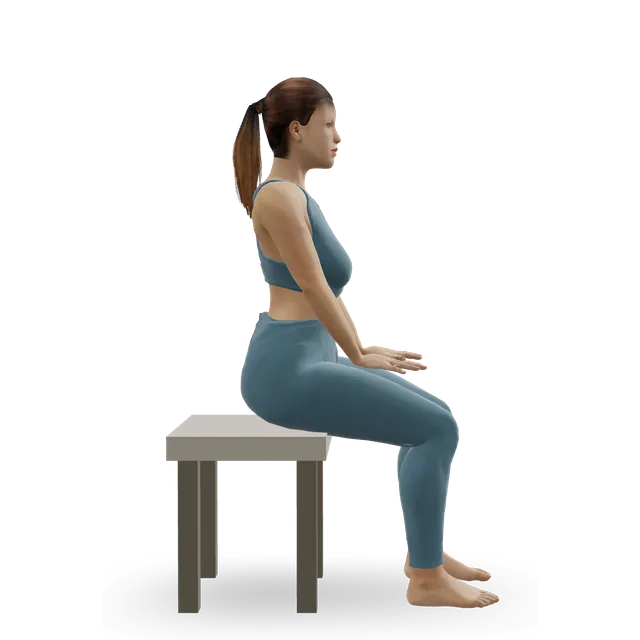
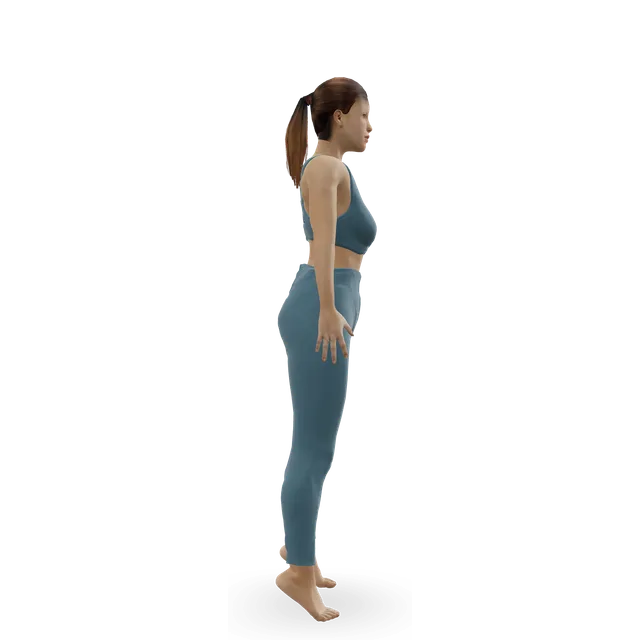
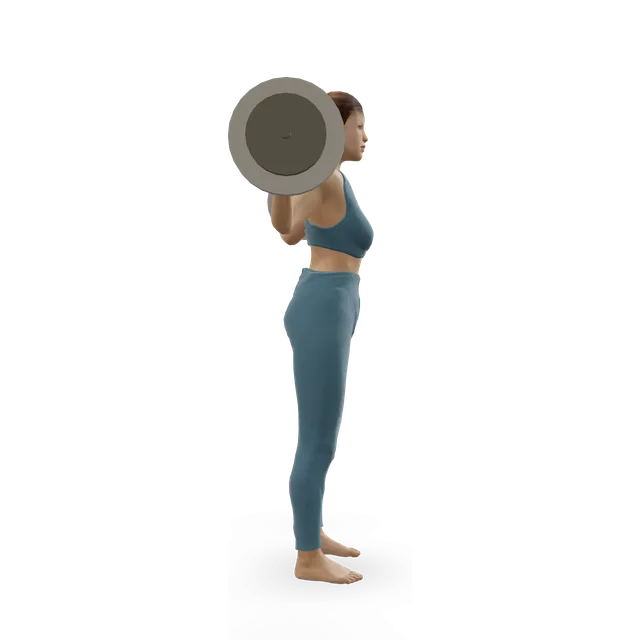
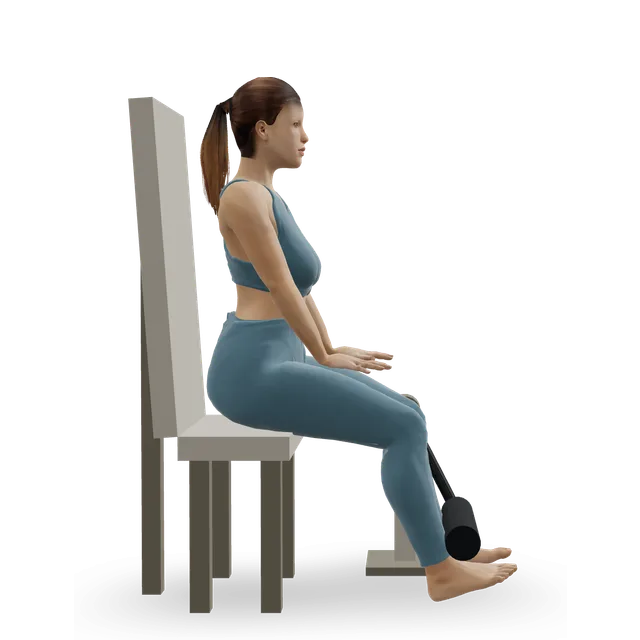
Mostly standing. Standing raises grew the gastrocnemius by 9 to 12% in 12 weeks against under 2% for seated raises, and the deeper soleus grew about the same with either. Seated raises are optional extra work.
How many sets and reps for calves?
2 or 3 sets of 10 to 20 per exercise, with the last set 0 to 2 reps short of failure and 60 to 90 seconds' rest. About 12 hard sets a week beat 6 in a 6-week trial.
How often should you train calves?
About twice a week. The trials that grew calves trained them 2 or 3 times a week, and how often you train matters little once your weekly sets are the same. Every day isn't needed.
Do calves need really high reps?
No. Calves grew with 10 reps at 70% of maximum and with sets of 15 to 20, and light and heavy loads build similar muscle when the sets are hard. The inner calf muscle was about two-thirds slow fibres in one study: a mix, not a reason for 50-rep sets.
Can I build calves at home?
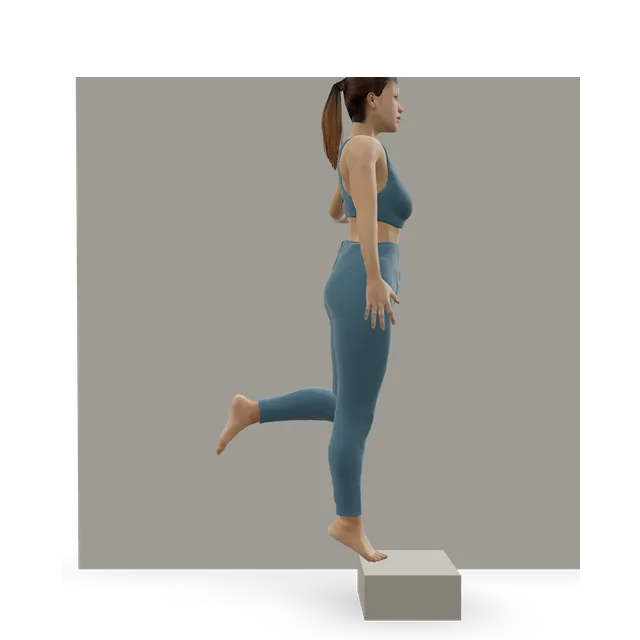
Yes. Single-leg calf raises off a step, with your heel dropping below it, are hard enough for most people; when you reach 20 reps, hold a dumbbell or wear a loaded backpack. Our calf workout needs only a step.
How long does it take to grow calves?
Give it 8 to 12 weeks before you judge. In trials, the main calf muscle grew by about 9 to 15% over 8 to 12 weeks, but some people grow faster than others. Count your single-leg raises every 4 weeks.
Should I turn my toes in or out?
You don't need to. In one trial, toes out grew the inner head of the calf more and toes in the outer head more, so turning them is an option if one part lags; straight feet work well.
How do I measure my calves?
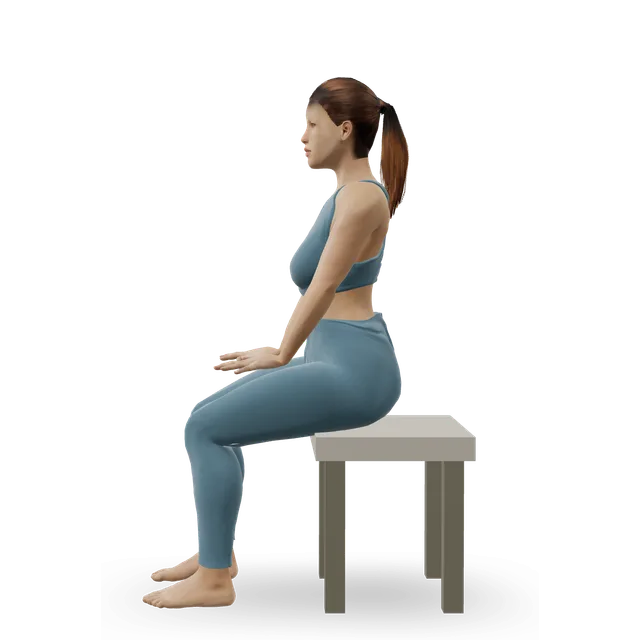
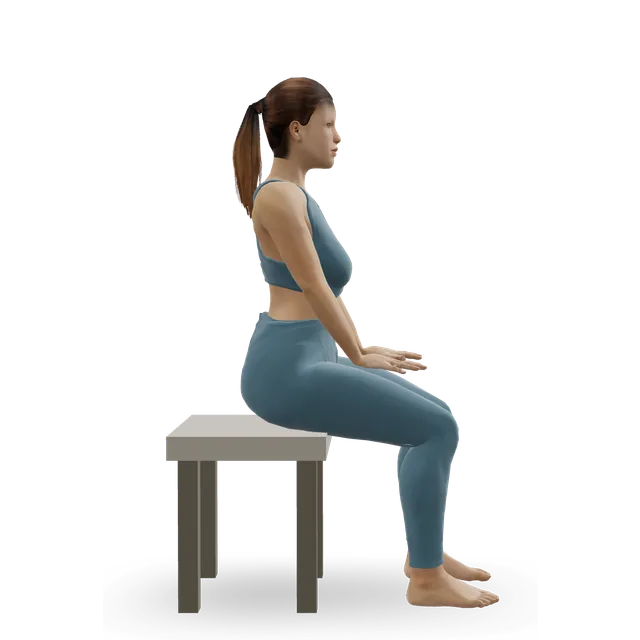
Sit down with the leg relaxed, wrap a tape round the thickest part of your calf at right angles to your lower leg, and slide it up and down to find the widest point. Keep it snug but not tight, and measure the same leg at the same time of day every 4 weeks or so.
I felt a snap at the back of my heel during calf raises. What should I do?
Stop and get seen the same day at A&E or a minor injuries unit, or contact NHS 111 (urgent care in the US), especially if you're walking flat-footed and can't push off or stand on tiptoe. A snap, a pop or a feeling of being kicked there can be a torn Achilles tendon.