Strength at home
Calf workout: straight-knee and bent-knee raises with a step
Calf raises with a straight knee grew the big calf muscle in a 12-week trial and seated raises didn't, so this session does both. Every rep goes down into the stretch below the step, where growth was greatest in an 8-week trial. Twice a week gives about 12 hard calf sets a week, the dose that beat 6 in a trial of 61 women. The trials were small, and the sets and reps are our starting point.
Warm-up
- Ankle CARs (controlled articular rotations)5 slow circles each way, each ankleBeginner · Calves, Shins · 3D demoSitting, or holding a supportEasier: Ankle circlesHarder: Toes-tucked kneeling (toe squat)
- Beginner · Calves · 3D demoBoth feet on the floor, easyEasier: Seated bent-knee calf raise (soleus raise)Harder: Standing dumbbell calf raise


Straight knee
3 rounds · Rest 60 to 90 s
- Single-leg calf raise from a step12 to 20 each legIntermediate · Calves · 3D demoFace the step, a hand on a rail. Heel down into a comfortable stretch, pause, then all the way up, about 2 seconds each way. Add a dumbbell in your free hand once 20 are easy. Gym: the standing calf machine or Smith machineEasier: Slow calf raiseHarder: Single-leg pogo hops

Bent knee
3 rounds · Rest 60 s
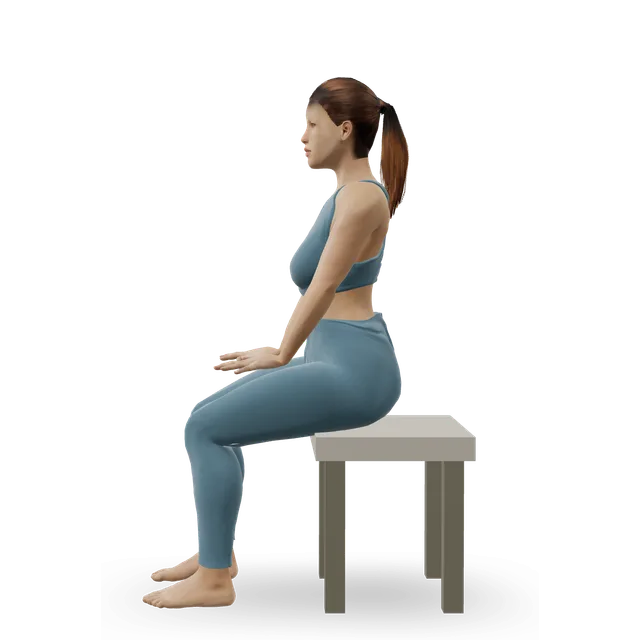
- Seated one-leg calf raise with a dumbbell12 to 20 each legBeginner · Calves · 3D demoBall of the foot on a block or thick book, a padded dumbbell on that knee. Or both feet with a loaded backpack on your thighs. Gym: the seated calf machineEasier: Seated bent-knee calf raise (soleus raise)Harder: Slow calf raise
Front of the shin (optional)
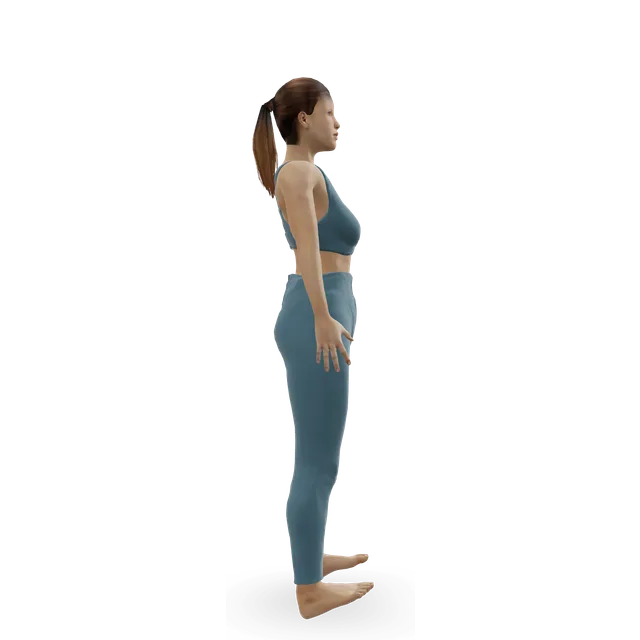
- Tibialis raise1 to 2 sets of 15 to 20Beginner · Shins · 3D demoBack against a wall; lift the fronts of both feetHarder: Single-leg tibialis raise
Cool-down
- Wall calf stretch (gastrocnemius)30 s each legBeginner · Calves · 3D demoBack knee straight, heel downEasier: Seated calf stretch with a towelHarder: Heel-on-step calf and hamstring stretch
- Soleus wall stretch30 s each legBeginner · Calves · 3D demoBack knee bent, heel downEasier: Seated calf stretch with a towelHarder: Toes-tucked kneeling (toe squat)


Tips
- Twice a week, two or three days apart. The last set of each move can end 0 to 2 reps short of failure; stop the others 1 to 3 short.
- When you can't rise all the way, finish the set with a few half reps from the bottom: the stretched half grew the calves most in a trial.
- No step? Do them on the floor: you'll lose the stretch, so add reps or a weight.
- Achilles or heel pain: keep it at 5 out of 10 or less and settled by the next morning, and with pain where the tendon meets the heel, stay on flat ground, as our Achilles guide says. A sudden snap at the back of the heel needs a same-day check.
- Ball-of-foot pain or big toe arthritis: stop short of full tiptoe.
- Calves can be slow: give it 8 to 12 weeks before judging, and count your single-leg raises every 4 weeks.
The doses are suggested starting points, not a prescription. Choose a range you can control and stop for sharp or increasing pain, numbness or tingling. Get individual advice after an injury or surgery, or if you are pregnant or managing a health condition.
Guides that recommend it
Find more moves like these
More strength at home




Beginner bodyweight workout
A 20-minute full-body workout with no equipment: squats, knee push-ups, bridges, lunges and planks.
20 minBeginner10 movesNo equipment


Full-body bodyweight workout
An intermediate no-equipment workout: push-ups, split squats, single-leg bridges, pike push-ups and core work.
30 minIntermediate11 movesNo equipment


Full-body dumbbell workout
A 35-minute full-body strength workout with dumbbells: goblet squats, presses, rows, Romanian deadlifts and carries.
35 minIntermediate9 movesA band, A dumbbellQuestions people ask
How long does the calf workout: straight-knee and bent-knee raises with a step take?
About 25 minutes, including any warm-up and cool-down listed. Shorten it by doing fewer rounds; lengthen it by adding one.
What equipment do I need?
You need: A wall, A step, A dumbbell, A bench or box. Each move links to its guide, where you can find an alternative if you are missing something.
Is it suitable for me?
It is written at intermediate level. 6 of its 7 moves have an easier option listed beside them; use them freely.
How do I make it easier or harder?
Use the easier or harder option listed under each move, change the number of rounds, or adjust the rest. Progress one change at a time.