3D demo
Heel-on-step calf and hamstring stretch
Stretching · Calves, Hamstrings
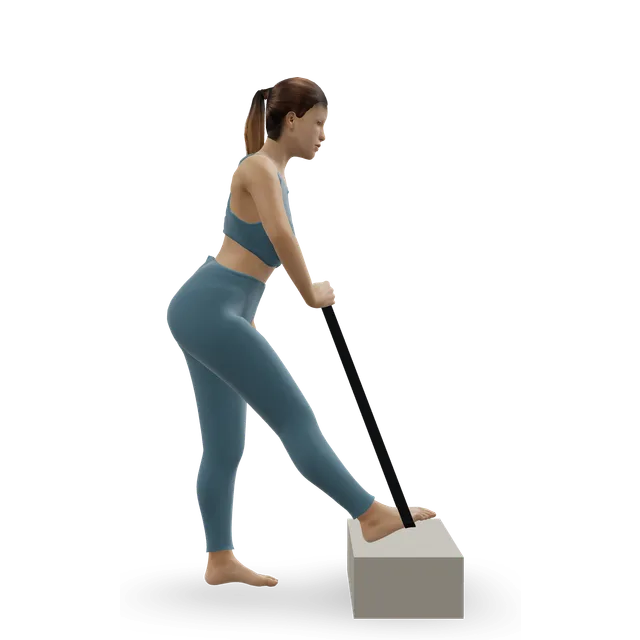
Loading the 3D figure…
The figure repeats the movement from its starting position. Drag to turn it; the arrows open the demos either side.
Standing on one leg with the other heel on a step and that knee straight, you lean forward with a flat back, take hold of your toes and pull them toward your knee, stretching the calf and the back of the thigh. Drawing the toes back adds the calf to a hamstring stretch, as ACE notes for its lying version. Calf stretching adds a small amount of ankle bend, about 2 to 3 degrees in a review.
Movement guide
Heel-on-step calf and hamstring stretch
Make it easier or harder
Choose a version that fits your control and comfort.
Easier option
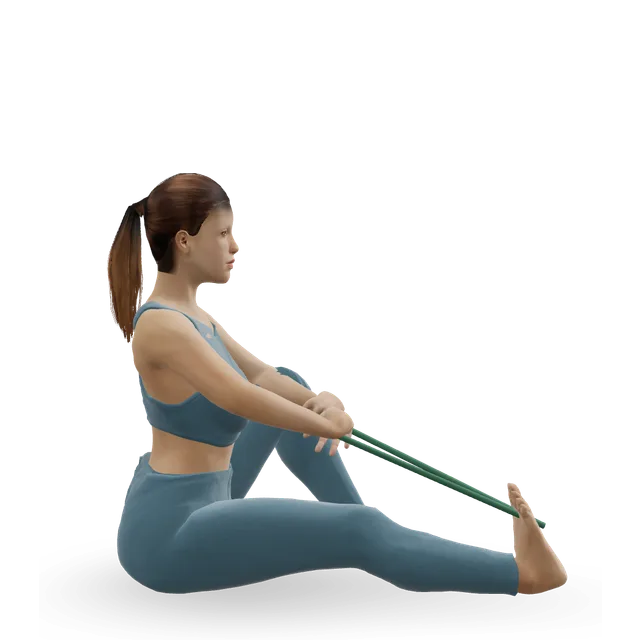 3D demoSeated calf stretch with a towelBeginner · Other / check instructions
Suggested next step, beginner grade.
Harder option
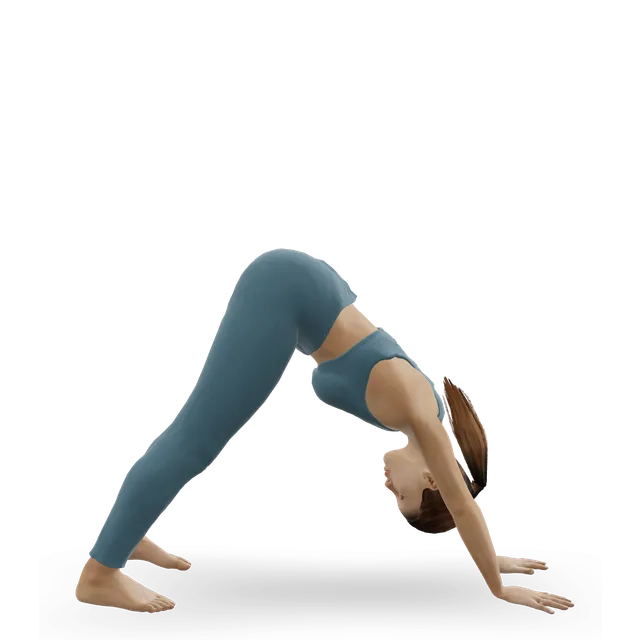 3D demoDownward-facing dog (Adho Mukha Svanasana)Beginner · No equipment
Suggested next step, beginner grade.
Source-researched guide.
Form cues
- Lean from the hips with a flat back.
- Keep the raised knee straight but not locked.
- Avoid: rounding your back to reach the toes.
Practice and cautions
Hold 20 to 30 seconds, 2 to 4 times each side (our editorial starting point). The ACSM suggests about 60 seconds of stretching in all per exercise, on at least 2 days a week.
Use a stable step, and hold a support if your balance is unsure. This is movement education, not an assessment or treatment prescription. Stop for sharp or increasing pain, dizziness, numbness or tingling; seek individual guidance for symptoms, injury or restrictions.
Sources and review status
Sources support the educational description; they do not establish that this exercise is suitable for you.
- ACE · Supine hamstrings stretch (beginner; the leg up a wall; drawing the toes back adds the calf) ↗
- Radford 2006 · Calf stretching adds a small amount of ankle bend, about 2 to 3 degrees (systematic review and meta-analysis of 5 trials, BJSM) ↗
- Garber 2011 · ACSM position stand: flexibility exercise for each major muscle group, about 60 seconds in all per exercise, on 2 or more days a week (Med Sci Sports Exerc) ↗
- Free Exercise DB · community text ↗
Unlicense · Free Exercise DB contributors; derived from wrkout/exercises.json. Text import; no photographs or media. · Revision f00c92c7dcf1216a928a52c3706c7ce8e2f71ed5
No variation is labeled clinically validated.
What it works
Muscles
Main: Calves. Also: Hamstrings.
Anatomy: Gastrocnemius, Soleus, Tibialis posterior, Popliteus, Plantaris, Flexor hallucis longus.
Equipment
A step
Level
Beginner. See the easier and harder options above.
Similar moves
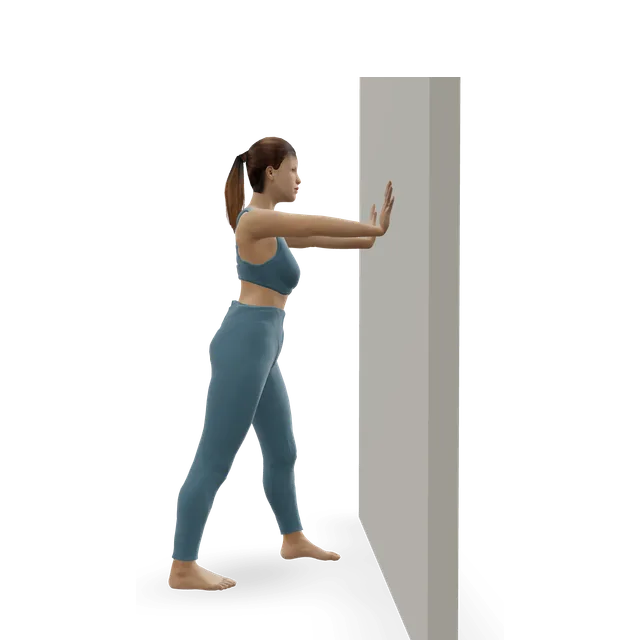 3D demoForearms-on-wall calf stretchBeginner · A wall
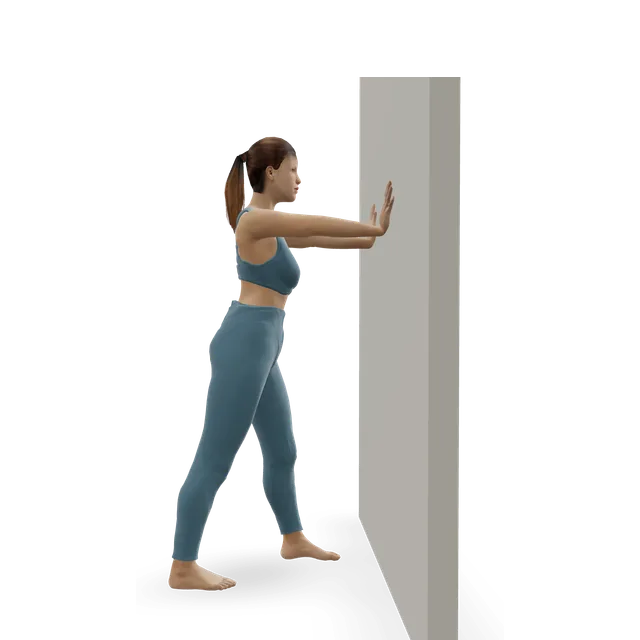 3D demoLeaning wall calf stretchBeginner · A wall
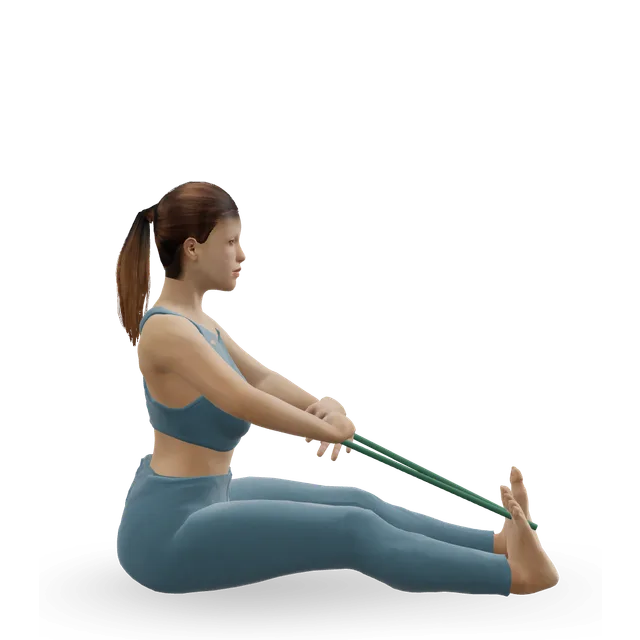 3D demoSeated peroneal stretch with a strapBeginner · Other / check instructions
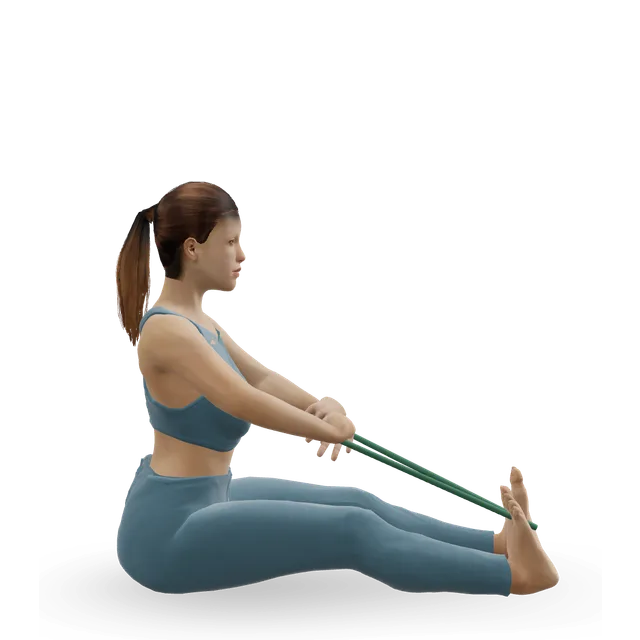 3D demoSeated tibialis posterior stretch with a strapBeginner · Other / check instructions
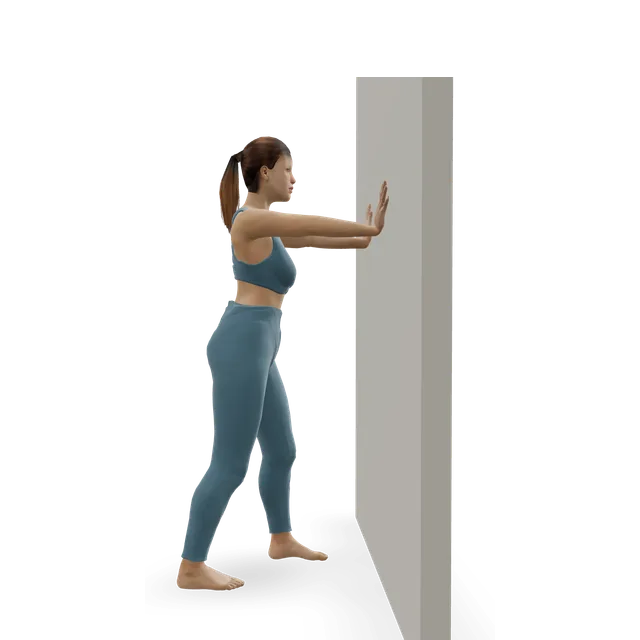 3D demoSoleus wall stretchBeginner · A wall
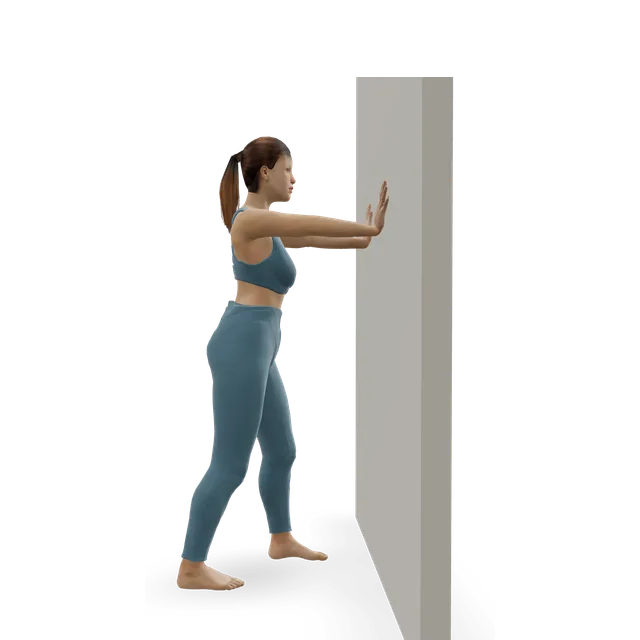 3D demoStanding soleus and Achilles stretchBeginner · No equipment
Browse more
Questions people ask
What muscles does the Heel-on-step calf and hamstring stretch work?
Mainly the calves, with help from the hamstrings.
What equipment do I need for the Heel-on-step calf and hamstring stretch?
A step.
Is the Heel-on-step calf and hamstring stretch good for beginners?
It is graded beginner, so it suits most people starting out. When it feels easy, try the Downward-facing dog (Adho Mukha Svanasana).
What is an easier alternative to the Heel-on-step calf and hamstring stretch?
Try the Seated calf stretch with a towel or the Wall calf stretch (gastrocnemius). It is the suggested step down from this move.
How do I make the Heel-on-step calf and hamstring stretch harder?
Progress to the Downward-facing dog (Adho Mukha Svanasana). Follow that guide’s technique and any stated timing.