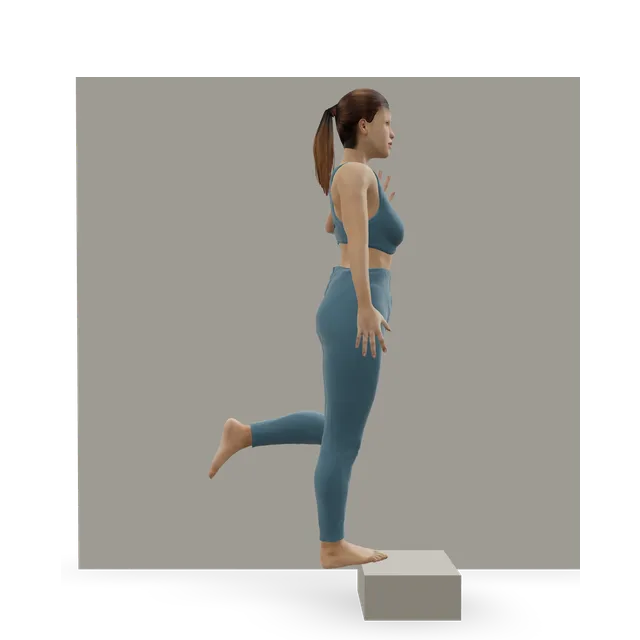
The flexor hallucis longus is a deep calf muscle that bends the big toe. It starts on the back of the fibula, the thin outer bone of the shin, and its long tendon runs behind the inner ankle bone and along the sole to the tip of the big toe.
It does its biggest job at push-off, pressing the big toe into the ground, and it helps hold up the inner arch. Dancers know it best: pointe work strains its tendon behind the ankle, and that pain, like pain under the heel, is easily mistaken for something else.
Where the flexor hallucis longus is and what it does
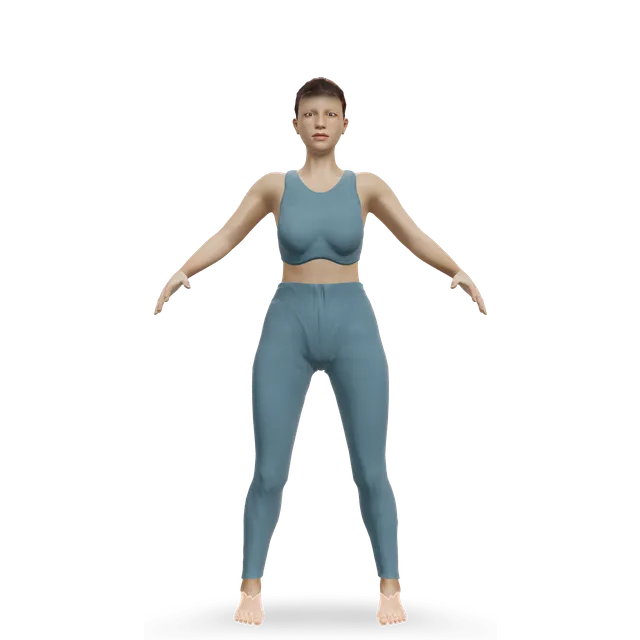
Shaded: the calves area. It marks the region, not the exact outline of the flexor hallucis longus.
Starts at (origin)
The lower two-thirds of the back of the fibula, the thin outer shin bone, and the membrane between the two shin bones.Inferior two-thirds of the posterior fibula and the interosseous membrane
Attaches to (insertion)
The underside of the bone at the tip of the big toe.Plantar surface of the base of the distal phalanx of the hallux
What it does
Bends the big toe down at both of its joints: pressing the toe into the ground as you push off.Flexion of the hallux at the metatarsophalangeal and interphalangeal joints
Helps a little to point the foot and turn the sole inward.Assists ankle plantarflexion and inversion
Helps hold up the inner arch.Dynamic support of the medial longitudinal arch
Nerve supply
Tibial nerve (L4 to S3; mainly S1 and S2, with some L5).
Its tendon runs behind the inner ankle bone as the rearmost structure in the tarsal tunnel, the passage that carries the main nerve and blood vessels into the sole. It slides in a groove at the back of the ankle, beside the spot where some people have a small extra bone (an os trigonum), then under a ledge of the heel bone, past the long flexor tendon of the other toes, and between the two halves of the short big toe flexor.
It is the largest flexor of the big toe. In a study using electrodes on the skin, its activity rose with the effort of pointing the foot and with walking speed, and the force under the big toe rose faster than under the rest of the foot as walking sped up. It also helps hold up the inner arch, though the tibialis posterior is the arch's main support.
In over-60s, stronger toe flexors went with better balance in every study a review found. Among 312 older people, those who fell over the following year had weaker big toes. Toe-strength training builds strength, but no trial has yet shown that it prevents falls.
Pointe and demi-pointe work hold the foot fully pointed while the big toe bends, which overloads this muscle. In one study, dancers relied more on their toe flexors than non-dancers to balance and to rise onto their toes.
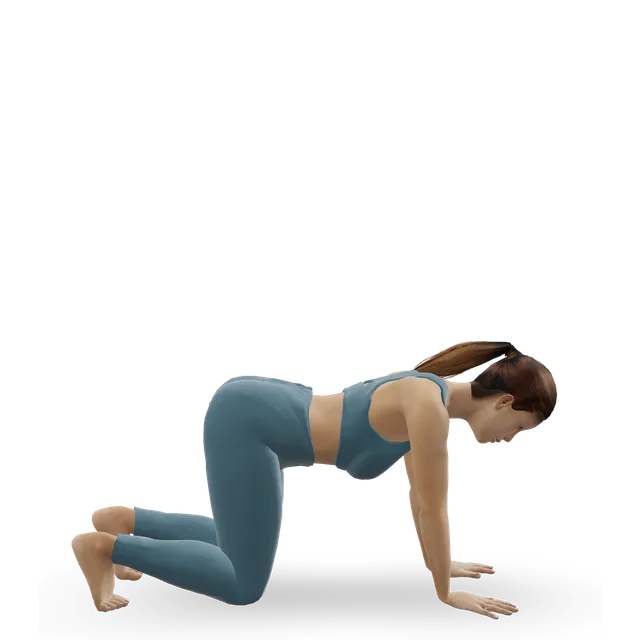
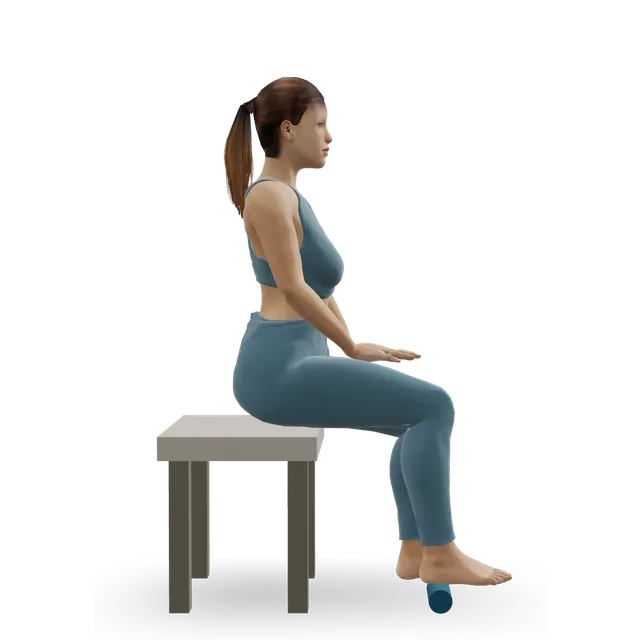
The first two rest on one study of 17 young women with bunions, in which towel curls and calf raises drew the most flexor hallucis longus activity of nine foot exercises. Its electrodes sat on the skin over a deep muscle, so neighbouring muscles may have been picked up. The last two follow from the muscle's actions. Activity is not growth, but a 12-week progressive toe-strength programme did raise big toe strength by up to 36% in older people. The most direct move, pressing the big toe into the floor (the big toe press in our big toe arthritis guide), has no 3D demo yet.
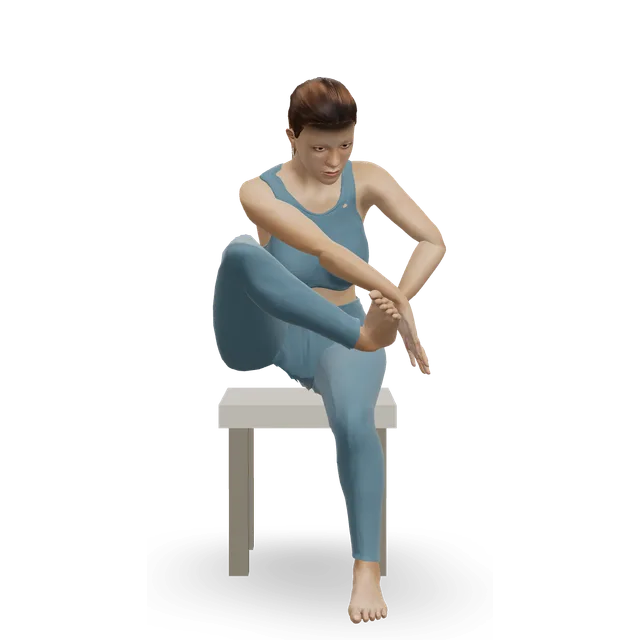
Bending the big toe back while the ankle is bent up stretches it. A big toe that won't bend back in that position is the clinical test for a tight or stuck flexor hallucis longus. Ease off with a bunion or big toe arthritis, and stop for sharp pain behind the inner ankle.
Irritation of the tendon and its sheath behind the inner ankle is common in ballet dancers, and dancer's tendinitis is its everyday name. It causes pain behind the inner ankle, sometimes with creaking or a big toe that catches. Rest and physiotherapy come first, and in one series 64% of people treated without surgery did well.
When it doesn't settle, surgery to free the tendon got all 13 ballet dancers in one series back to dancing, within 5 months on average. It isn't only dancers: in a series of 81 people with it, only 27 were athletically active at all, and partial tears of the tendon were found in both dancers and non-dancers treated for it.
An extra ankle bone and pain at the back of the ankleEmerging evidence
Some people have a small extra bone at the back of the ankle (an os trigonum), right beside this tendon. Repeated or sustained full pointing can pinch it, and in professional and pre-professional dancers with this problem, the tendon was also irritated in 63% to 85%. Treatment starts without surgery.
Heel or arch pain mistaken for plantar fasciitisEmerging evidence
In 81 people with irritation of this tendon, the pain was behind the inner ankle in 40, under the heel in 23 and under the middle of the foot in 22, and 45 had already had treatment that failed, usually for plantar fasciitis. A clue is pain or tightness when the big toe is bent back with the ankle bent up.
One idea is that a tendon that can't glide freely overloads the big toe joint. That is a hypothesis from one clinical series and one cadaver study: 10 people with symptoms of a stiff big toe but no significant bone spurs improved when the tendon's gliding was restored, and in cadavers holding the tendon back raised the load on the joint.
Separately, big toe flexor strengthening was part of a programme that eased pain in 20 people with a stiff big toe.
When an old, retracted Achilles rupture can't be repaired directly, this tendon is the one most often moved to replace it, because it lies right beside the Achilles and pulls the same way. In 7 patients the muscle grew by about half afterwards; the trade-off can be a weaker big toe.
Heel and arch pain is always plantar fasciitisEmerging evidence
Irritation of the flexor hallucis longus tendon can cause pain under the heel or arch. In one series, more than half of the patients had already had treatment that failed, usually for plantar fasciitis.
Towel curls isolate the flexor hallucis longusMixed evidence
Towel curls drew some of its highest activity in one study, but scans show that toe-grip strength comes mainly from the small muscles inside the foot. Toe curls work both, and no exercise has been shown to isolate it.
Weaker big toes went with falls in older people, toe strength tracks balance, and a progressive programme raised toe strength by up to 36%. Whether that prevents falls is still untested.
It bends the big toe at both of its joints, helps point the foot and helps hold up the inner arch. It is the largest flexor of the big toe, and it works harder the faster you walk and the harder you push off.
Where is the flexor hallucis longus?
Deep in the calf on the outer side, starting from the back of the fibula. Its tendon runs behind the inner ankle bone, under a ledge of the heel bone and along the sole to the tip of the big toe.
What is dancer's tendonitis?
The everyday name for irritation of the flexor hallucis longus tendon. Ballet dancers get it because pointe and demi-pointe work hold the foot fully pointed while the big toe bends. It causes pain behind the inner ankle, sometimes with creaking or a big toe that catches.
Is it flexor hallucis longus (FHL) tendonitis or plantar fasciitis?
They can overlap. In 81 people with irritation of this tendon, 45 had already had treatment that failed, usually for plantar fasciitis, and the pain was behind the inner ankle in 40, under the heel in 23 and under the middle of the foot in 22. A clue is pain or tightness when the big toe is bent back with the ankle bent up.
How do you stretch the flexor hallucis longus?
Pull the big toe back towards the shin with the ankle bent up, as in the seated sole stretch. A big toe that won't bend back in that position is the clinical stretch test for this muscle, and stretching was part of the care that helped 64% of people treated without surgery in one series.
What exercises strengthen the flexor hallucis longus?
Towel toe curls and calf raises drew the most activity from it of nine foot exercises in one small study, though that shows activity, not strength gained. A 12-week progressive toe-strength programme raised big toe strength by up to 36% in older people.
Can flexor hallucis longus tendonitis heal without surgery?
Treatment usually starts with rest, physiotherapy and stretching, and 64% did well without surgery in one series. When it doesn't settle, freeing the tendon got all 13 ballet dancers in one series back to dancing, within 5 months on average.
Why is the flexor hallucis longus used to repair the Achilles?
It lies right beside the Achilles and pulls the same way, so it is the tendon most often moved when an old rupture can't be repaired directly. In one small study the muscle grew by about half afterwards; the trade-off can be a weaker big toe.
Do weak toes matter?
In older people, those who fell over the following year had weaker big toes, and toe strength tracks balance. Toe-strength training builds strength, though no trial has yet shown it prevents falls.
Anatomy and movement education, not a diagnosis or treatment plan. If you have pain that follows an injury, is severe or getting worse, or comes with numbness, weakness or swelling, get it assessed. Health disclaimer.