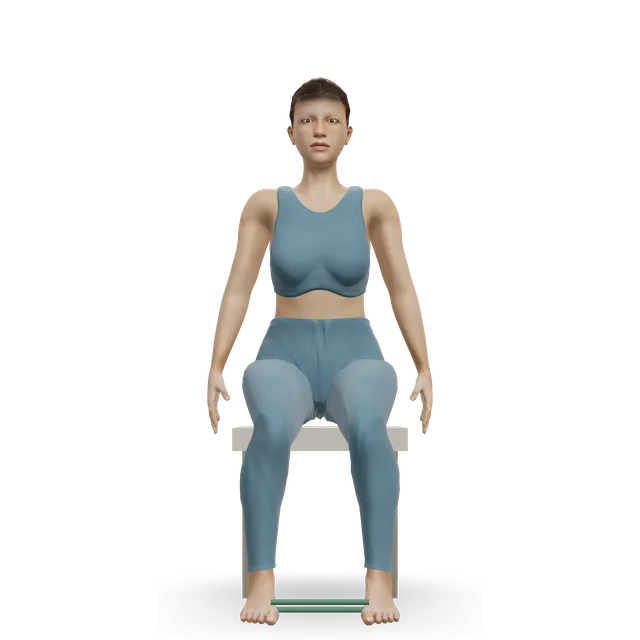
The abductor hallucis is the long muscle along the inner edge of the sole, running from the heel bone to the base of the big toe. It is the largest of the foot's own small muscles, and it works harder when you balance on one foot.
Its name says it spreads the big toe, but its real work is holding up the inner arch and steadying the big toe joint as you push off. That puts it at the centre of three common questions: flat feet, bunions, and which foot exercises are worth doing.
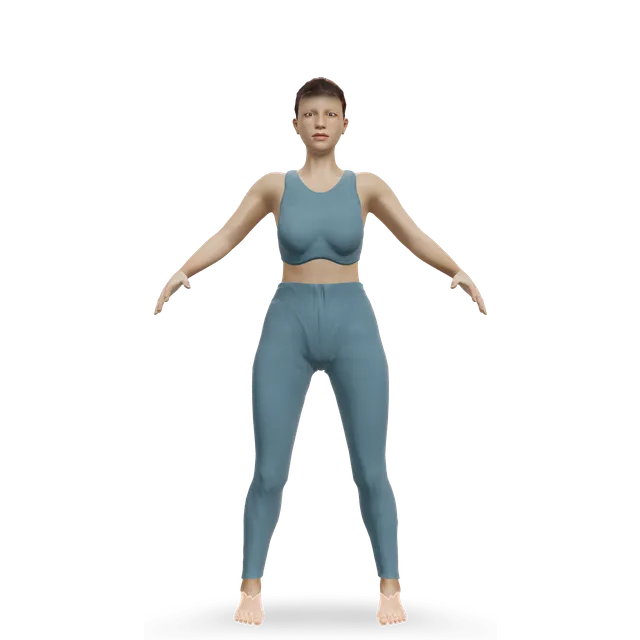
Shaded: the calves area. It marks the region, not the exact outline of the abductor hallucis.
Starts at (origin)
The inner side of the heel bone, the band over the inner ankle tunnel, and the thick band under the sole.Medial process of the calcaneal tuberosity, flexor retinaculum and plantar aponeurosis
Attaches to (insertion)
The inner side of the base of the big toe, often by way of the small inner sesamoid bone under the joint.Medial base of the proximal phalanx of the hallux, often via the medial sesamoid
What it does
Holds up the inner arch and stiffens it under load.Dynamic support of the medial longitudinal arch
Steadies the big toe joint and helps bend the big toe at its base.Stabilisation and flexion of the first metatarsophalangeal joint
Moves the big toe away from the others, though few people can do this well on purpose.Hallux abduction
Nerve supply
Medial plantar nerve, a branch of the tibial nerve (L4 to S3). No source used here gives the muscle's own root levels, and one StatPearls article also lists it under the lateral plantar nerve, which the others contradict.
StatPearls calls it a tie beam of the inner arch, and in cadaver feet pulling on it raised the arch. Stimulating it with the other big sole muscles stopped the arch flattening as much under load, and the muscles were recruited more as the load rose.
When the small foot muscles were numbed with a nerve block, the arch dropped 3.8 millimetres further, and after tiring them it dropped about 2 millimetres more. But in another study, tiring the abductor hallucis did not lower the arch at all in standing or walking, so other structures can take over.
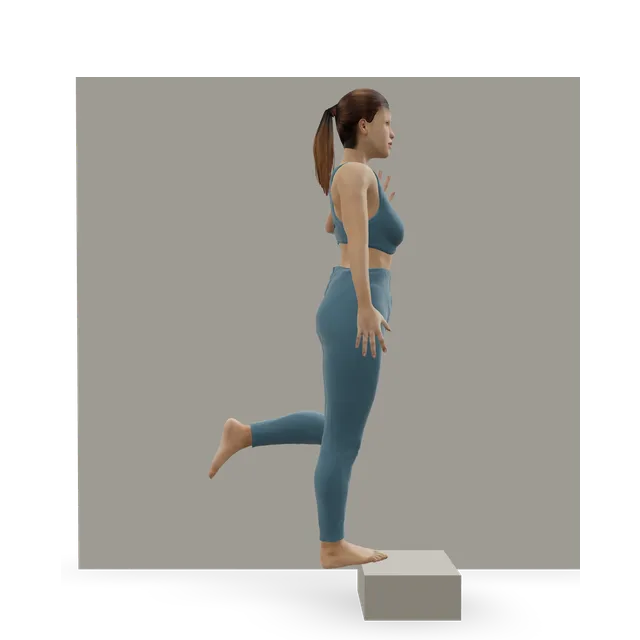
In a study that recorded it with fine-wire electrodes, it worked harder standing on one leg than on two, along with the other small muscles of the sole, as they steered the body from side to side.
Its tendon runs under the big toe joint, so it bends the toe as well as spreading it. Only 3 of 13 healthy adults could fully switch it on by trying, and only 14 of 80 people could do the short foot exercise at the first attempt.
In a randomised trial of 118 recreational runners, those not given foot-strengthening training were injured at about 2.4 times the rate over a year. Walking in minimalist shoes strengthened foot muscles as much as exercises did, but runners who switched to them for running had more injuries, and a review rates the certainty of these benefits low to very low.
The first two rest on measurements: its activity rose from two-leg to one-leg standing in a fine-wire study, and calf raises drew more of it than towel curls in a study of 17 women with bunions that used electrodes on the skin. The next two follow from those findings and its actions. Towel curls are an easy seated start but drew the least activity of the nine foot exercises tested. The exercises that worked it most, the short foot (drawing the arch up without curling the toes) and toe spreading, have no 3D demo yet; see the short foot and toe splay move. Activity is not growth, but 8 weeks of the short foot with insoles did enlarge the muscle more than insoles alone in people with flat feet.
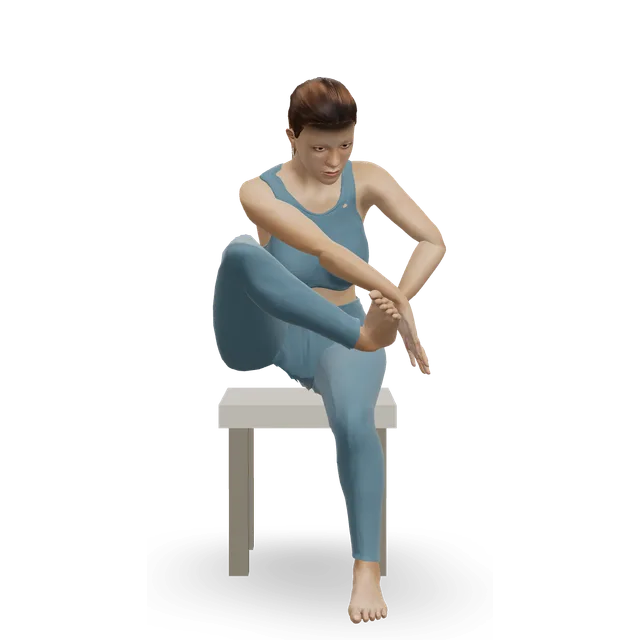
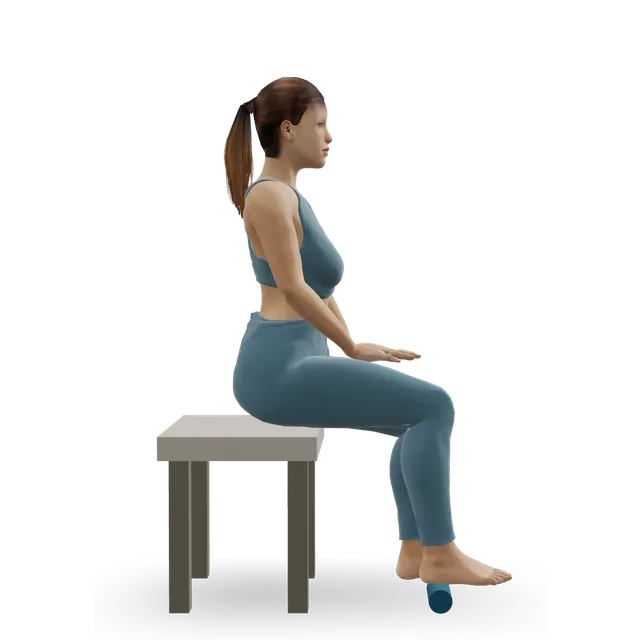
No study has tested a stretch for the abductor hallucis, and tightness in it isn't an established problem. The seated sole stretch takes the big toe back, and rolling the arch on a ball is for comfort only.
In 102 feet, the muscle was thinner and smaller in moderate and severe bunions than in feet without one. It steadies the big toe joint from the inner side, while the adductor hallucis, a small muscle on the other side, adds to the pull as a bunion develops.
Toe spreading drew more of its activity than the short foot in mild bunions, and in 24 people, 8 weeks of toe spreading with insoles reduced the bunion angle and enlarged the muscle, while insoles alone did not. That is one small study. The NHS says you cannot get rid of bunions or stop them getting worse yourself, though you can ease the pain, and our bunions guide covers what helps.
In 21 people, short foot training reduced how far the arch dropped by 1.8 millimetres at 4 weeks and 2.2 millimetres at 8 weeks. A review of 4 trials found arch movement changed by 8 weeks but not at 4, on low-quality evidence. In a trial in people with flat feet, 8 weeks of the short foot exercise with insoles enlarged the muscle more than insoles alone.
In 15 people with a failing tibialis posterior tendon, 4 weeks of the short foot exercise changed how their muscles worked in walking but not the shape of the foot. The NHS says treatments for flat feet won't change their shape but can help with pain or stiffness.
Heel and arch pain is usually plantar fasciitis, but nerves to the sole pass under or through this muscle and can be pinched there. The first branch of one of them, sometimes called Baxter's nerve, runs through it, and nerve entrapments are on the list of other causes of heel pain. Burning, tingling or numbness points that way.
Strengthening is part of care for heel pain: an expert-agreed programme includes the short foot, towel scrunches and heel raises with the toes bent up.
The branches of the tibial nerve that serve the sole run under or through this muscle. An enlarged or extra abductor hallucis can press on them, causing pain at the inner ankle that spreads into the arch and sole, often with tingling or numbness. Surgery to free the nerve releases the muscle's deep covering.
Its tendon runs below the big toe joint and often through the inner sesamoid, so it bends the toe as well as spreading it, and only 3 of 13 healthy adults could fully switch it on. Its everyday jobs are holding up the arch and steadying the big toe joint.
Towel curls are the best arch exerciseEmerging evidence
The short foot exercise drew more abductor hallucis activity than toe curls, and towel curls ranked lowest of nine foot exercises for it. Activity is not proof of strength gained, but the pattern is the same in both studies.
Foot exercises will rebuild a fallen arch or straighten a bunionMixed evidence
The changes are small: about 2 millimetres less arch drop, and one small trial of toe spreading for bunions. The NHS says treatments don't change the shape of flat feet and that you can't stop bunions getting worse yourself.
Numbing or tiring the small foot muscles let the arch drop a little further in two studies, but in a third, tiring them did not lower the arch. Other structures share the load.
Barefoot or minimalist shoes are the best way to strengthen itMixed evidence
Walking in minimalist shoes strengthened foot muscles as much as exercises did in a trial, but runners who switched to them for running had more injuries, and the overall certainty is low. If you try them, change slowly.
It runs along the inner arch and helps hold it up, and it steadies the big toe joint as you push off. Despite its name, its tendon passes under the joint, so it bends the big toe as well as moving it outward, and few people can fully switch it on at will.
Where is the abductor hallucis?
Along the inner edge of the sole, from the inside of the heel bone to the base of the big toe. It is the outermost muscle layer on that side of the sole, and the nerves to the sole pass under or through it.
What are the best abductor hallucis exercises?
The short foot exercise and toe spreading work it more than towel curls, and standing on one leg works it more than standing on two; calf raises work it too. The short foot takes practice: only 14 of 80 people managed it at the first attempt.
Can strengthening the abductor hallucis fix a bunion?
It is unlikely to straighten one. The muscle is thinner in moderate and severe bunions, and a small trial of toe spreading reduced the angle a little, but the NHS says you cannot get rid of bunions or stop them getting worse yourself. Its first advice is wide shoes with a low heel and a soft sole.
Can the abductor hallucis lift a flat foot?
A little, but it won't change the foot's shape. In some studies the arch dropped a few millimetres more when these muscles were numbed or tired, and short foot training reduced arch drop by about 2 millimetres. The NHS says exercises won't change the shape of flat feet but can help with pain and stiffness.
Is pain on the inside of my arch plantar fasciitis?
Heel and arch pain usually is, but nerves to the sole can be pinched where they pass under or through this muscle, as in tarsal tunnel syndrome. Burning, tingling or numbness points that way and needs checking.
Is it called the abductor hallucis brevis?
No. The anatomy sources describe a single abductor hallucis in the foot, with no short or long version, though the name slips into some texts by mistake.
Do barefoot or minimalist shoes strengthen it?
Walking in minimalist shoes strengthened foot muscles as much as foot exercises did in a trial of 57 runners. But runners who switched to minimalist shoes for running had more injuries, so change slowly.
Which nerve supplies the abductor hallucis?
The medial plantar nerve, a branch of the tibial nerve (L4 to S3). Doctors test it in nerve studies for tarsal tunnel syndrome.
Anatomy and movement education, not a diagnosis or treatment plan. If you have pain that follows an injury, is severe or getting worse, or comes with numbness, weakness or swelling, get it assessed. Health disclaimer.