Big toe arthritis (hallux rigidus): exercises, shoes and when surgery helps
Big toe arthritis (hallux rigidus) is osteoarthritis of the joint at the base of the big toe: a stiff, painful big toe, often with a bony bump on top, worst as you push off when walking. The big toe is the foot joint most often affected by osteoarthritis; 20% to 30% of people over 50 have it, though not all have pain.
Few treatments have been tested well. Shoes that stop the joint bending, a short daily toe routine, and general strength and fitness are the sensible core, and surgery helped walking pain a lot in one recent trial.
Exercise is for pain that has been checked or is clearly mild and settling.
Get urgent medical help if
Same day: a sudden, very painful, hot, swollen, red joint, often the big toe, especially with a high temperature, feeling shivery or being unable to eat. It may be gout, but it could be a joint infection (septic arthritis), which is urgent.
Call 999 or go to A&E: after an injury, you heard a crack, the foot or ankle has changed shape or points at an odd angle, a bone is sticking out, there is a bad cut over it, you're in severe pain, or the toes look blue or white, feel numb or are cold to touch. These can mean a broken bone. Don't drive yourself.
Same day: you have diabetes and a new foot problem, such as an ulcer or wound, signs of infection, or a hot, swollen foot with a change in colour, even if it doesn't hurt. Contact your diabetes foot team or GP: NICE asks for these to reach a specialist foot service within 1 working day, and a suspected Charcot foot is kept off weight until it has been checked.
Same day: skin on the foot that is painful, hot and swollen. It could be a skin infection (cellulitis).
See a doctor or physiotherapist if
Pain that isn't better after 2 weeks of looking after it yourself, is getting worse, keeps coming back, or stops you doing normal things.
Tingling or loss of feeling in the foot, or a foot that feels weak.
Any foot pain if you have diabetes: foot problems can be more serious.
Understand it
Big toe arthritis or a bunion?
A bunion pushes the big toe towards the others, with a bony lump on the side of the joint. Big toe arthritis makes the same joint stiff, often with a bump on top, and it hurts as you push off. The bunions guide covers the first.
A sudden hot, red, swollen big toe is differentStrong evidence
Sudden severe pain in the big toe joint with hot, red, swollen skin is often gout, and with a fever it could be an infection. Get it checked (the same day if you feel unwell or have a high temperature), and skip the toe exercises until it has settled.
A 2024 Cochrane review (6 trials, 547 people) found moderate-certainty evidence of no clinically important benefit from arch-shaped foot orthoses against sham insoles, shoe-stiffening inserts against sham inserts, or a hyaluronic acid injection against placebo.
Insoles: no better than flat sham insolesStrong evidence
Shaped foot orthoses were no better than flat sham insoles for walking pain in 88 people (a difference of 0.3 out of 10). In 102 people, ready-made orthoses and rocker-sole shoes reduced pain about equally, but people wore the orthoses more and had fewer side effects.
Stiff-soled inserts and rocker solesMixed evidence
Carbon-fibre shoe-stiffening inserts reduced foot pain slightly more than sham inserts at 12 weeks in 100 people (6.7 points on a 0 to 100 scale; 61% against 34% felt better), though some people won't get a worthwhile change and Cochrane judged the difference probably not clinically important. Rocker-sole shoes eased pain about as much as orthoses, and Arthritis UK suggests adding a rocker to shoes for foot osteoarthritis.
Exercise: thin evidence, a sensible routineMixed evidence
In one small trial (20 people), adding mobilisation of the small bones under the big toe joint, big toe strengthening and walking practice to standard physiotherapy gave more movement, more strength and less pain after 4 weeks.
In the SIMPLE trial, everyone did a daily home routine: 10 minutes of warmth, 2 minutes of self-mobilisation of the big toe joint, 10 toe-flexor holds of 10 seconds, then 10 minutes of cold, daily for 12 weeks and three times a week after that. Both groups improved, so the routine's own effect is unknown. NICE advises tailored exercise and weight management for osteoarthritis in any joint.
Surgery helped walking pain in a trialEmerging evidence
In 90 adults aged 40 and over with painful big toe arthritis, fusing the joint reduced walking pain far more than watchful waiting at 12 months (1.3 against 5.7 out of 10). A review notes that about half of people given injections go on to have surgery within 1 to 2 years. It is a shared decision with a surgeon.
Some discomfort during exercise is fine. Aim for pain you would call mild to moderate, no more than about 5 out of 10, that settles within an hour, with no more swelling or stiffness the next morning. If it's worse the next day, do a little less (a smaller range, fewer reps, a lighter band), not nothing.
With arthritis, NICE warns that joint pain may rise when you start exercising, but regular exercise will still help.
The exceptions: pain in one spot on a bone should be pain-free, because it could be a stress fracture; burning, tingling or numbness means stop that movement; and if your feet are numb, pain won't warn you, so check your skin after exercise.
If pain climbs day after day, or you notice a warning sign, stop and get it checked. The 5 out of 10 figure is an editorial starting point that matches this site's other pain guides, not a tested rule.
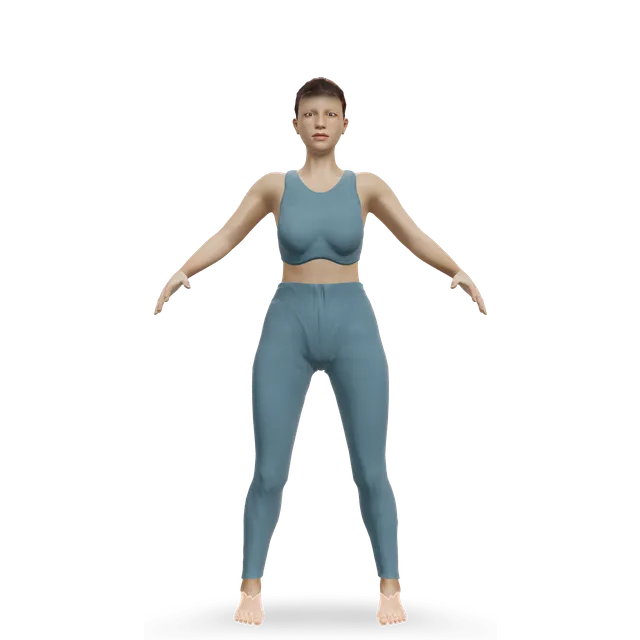
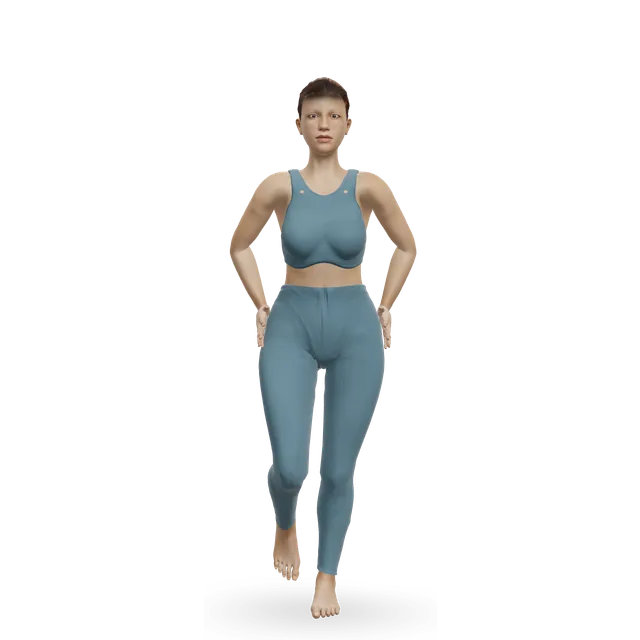
Start at the first stage. Each move opens a full guide with a 3D demo.
Stage 1
A daily toe routine
Weeks 0 to 4, daily, following the SIMPLE trial's home routine. Warmth for 10 minutes before and cold for 10 minutes after are optional, as in the trial. Doses come from that trial where named; the rest are editorial starting points.
Shoes that stop the big toe joint bending: a rocker sole or a stiff sole. Rocker-sole shoes eased pain about as much as orthoses in a trial, and stiffening inserts helped slightly. Avoid thin, flexible shoes and high heels.
Do insoles help big toe arthritis?
Not much. Shaped orthoses were no better than flat sham insoles in a trial, and a Cochrane review found no clinically important benefit. Use them only if they feel better.
What exercises help big toe arthritis?
A short daily routine: 2 minutes of gentle big toe mobilisation and 10 toe presses of 10 seconds, as in the SIMPLE trial, plus calf stretches and general strength. The evidence is thin: one small trial, and a routine everyone did in a larger one.
Is it hallux rigidus or a bunion?
A bunion is a lump on the side of the joint with the big toe drifting towards the others. Hallux rigidus is a stiff, painful joint, often with a bump on top, that hurts as you push off.
When is surgery worth it for big toe arthritis?
When walking pain still limits you despite shoes and exercise. In a trial of 90 adults, fusing the joint cut walking pain far more than waiting. It is a shared decision with a surgeon.
Exercise education, not a diagnosis or treatment plan. It is written from the guidelines and studies listed above; review by a clinician is pending. If your pain follows an injury, is severe, is getting worse, or comes with any warning sign listed on this page, get it assessed. Health disclaimer.