Big toe joint self-mobilisation
Sitting with the foot across the other knee, you hold the foot just behind the big-toe knuckle, ease the big toe gently away from the foot, and glide it in small, slow movements up and down. It keeps a stiff or arthritic big toe joint moving, which you need to push off when you walk.
Movement guide
Big toe joint self-mobilisation
Source-researched guide. Clinical review is pending.
How to move
- Sit and rest the foot across the other knee, or on a stool.
- With one hand, hold the foot firmly just behind the big-toe knuckle.
- With the other hand, hold the big toe close to its base, not at the tip.
- Gently ease the toe away from the foot, along its length, and hold for a few seconds.
- Keeping that light pull, glide the base of the toe a little towards the top of the foot and back towards the sole, in small, slow, comfortable movements.
- Finish by bending the toe gently up and down within comfort. Keep going for about 2 minutes.
Form cues
- Hold near the joint, not the tip of the toe.
- Small and slow: this is a glide, not a stretch.
- Avoid: forcing the toe back into a sharp pinch on top of the joint.
Practice and cautions
About 2 minutes once a day, then three times a week after 12 weeks: the self-mobilisation time and schedule in the SIMPLE trial's home routine for big toe arthritis. Everyone in that trial did the routine, so its effect on its own is unknown.
Skip it if the joint is suddenly hot, red and swollen, which could be gout or an infection: see a GP. After recent foot surgery or a broken toe, ask your team first. Stop for sharp pain, and see a GP about numbness or tingling in the foot. This is movement education, not an assessment or treatment prescription. Stop for sharp or increasing pain, dizziness, numbness or tingling; seek individual guidance for symptoms, injury or restrictions.
Sources and review status
Sources support the educational description; they do not establish that this exercise is suitable for you.
- Munteanu 2017 · The SIMPLE trial protocol, including its daily home routine for big toe joint osteoarthritis (Trials) ↗
- Munteanu 2021 · Shoe-stiffening inserts for big toe joint osteoarthritis: the SIMPLE trial (RCT, Osteoarthritis and Cartilage) ↗
- Shamus 2004 · Sesamoid mobilisation, flexor hallucis strengthening and gait training for hallux limitus (clinical trial, JOSPT) ↗
- Abdalbary 2018 · Foot mobilisation and exercise with a toe separator for moderate bunions: 1-year results (RCT, J Am Podiatr Med Assoc) ↗
- NHS · Gout ↗
No variation is labeled clinically validated.
What it works
Equipment
A bench or box
Level
Beginner.
Pain guides that use it
Part of a staged plan, with when to get help first.
Similar moves
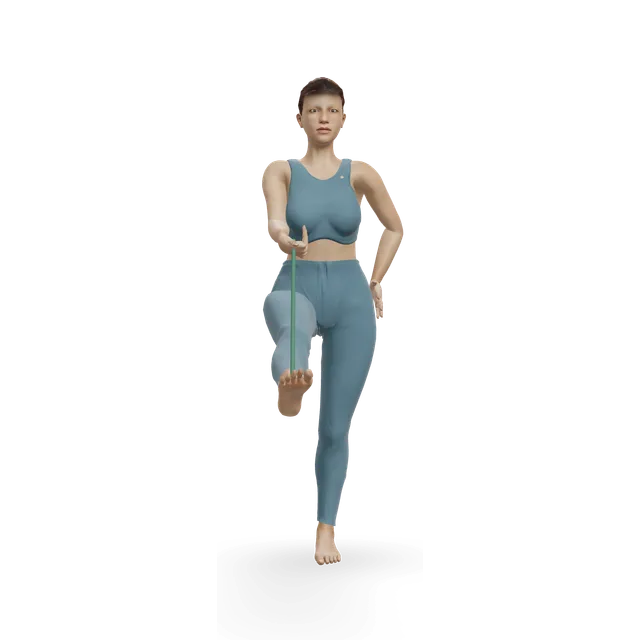 3D demoStanding hand-to-big-toe pose (Utthita Hasta Padangusthasana)Advanced · No equipment
 3D demoTandem stance and heel-to-toe walkBeginner · A wall
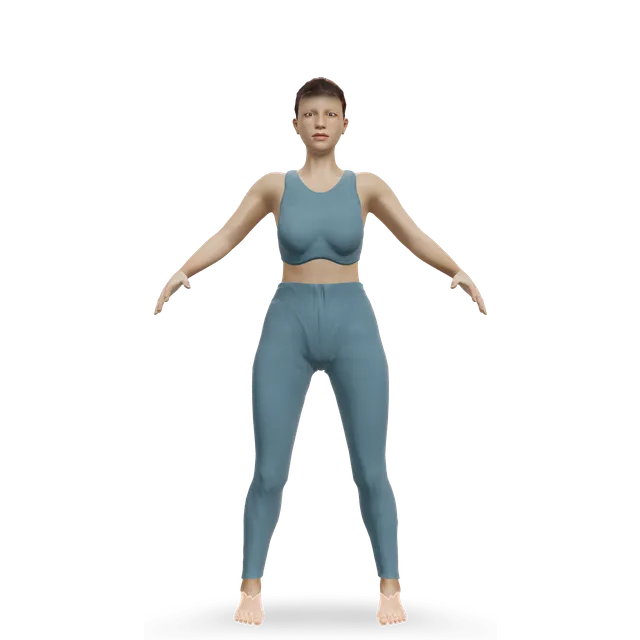 Short foot + toe splayBeginner · No equipment
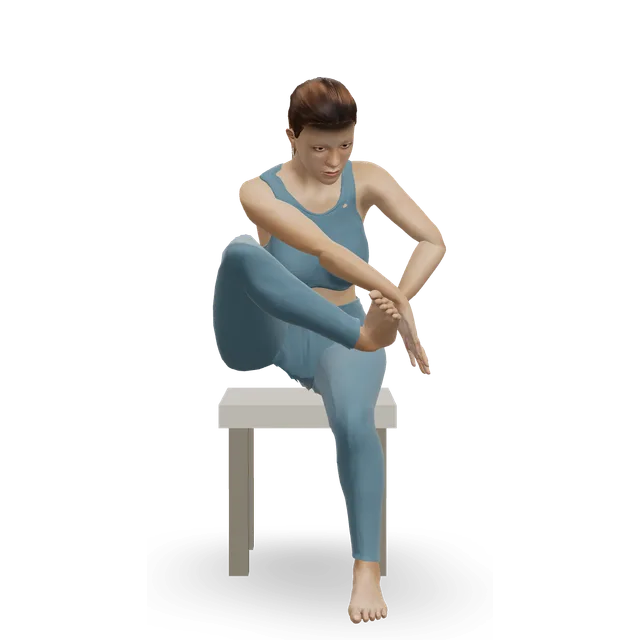 3D demoPlantar fascia stretch (seated)Beginner · A bench or box
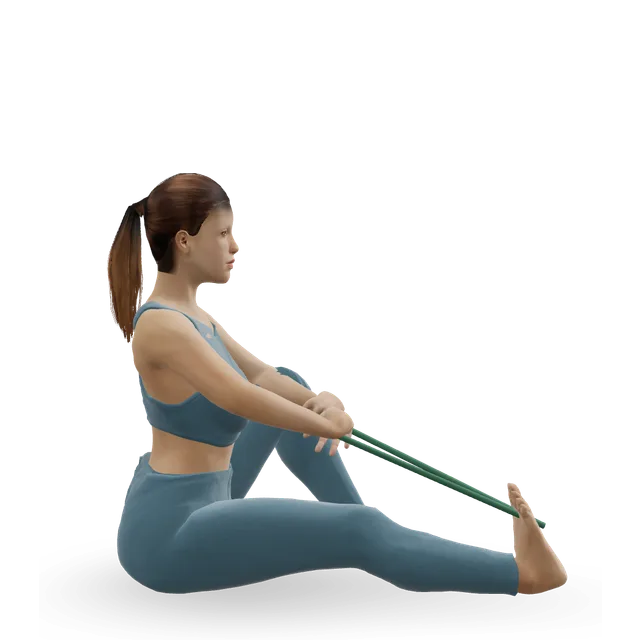 3D demoSeated calf stretch with a towelBeginner · Other / check instructions
 3D demoSoleus wall stretchBeginner · A wall
Browse more
Questions people ask
What muscles does the Big toe joint self-mobilisation work?
Mainly the calves.
What equipment do I need for the Big toe joint self-mobilisation?
A bench or box.
Is the Big toe joint self-mobilisation good for beginners?
It is graded beginner, so it suits most people starting out.