How do you do calf raises properly?
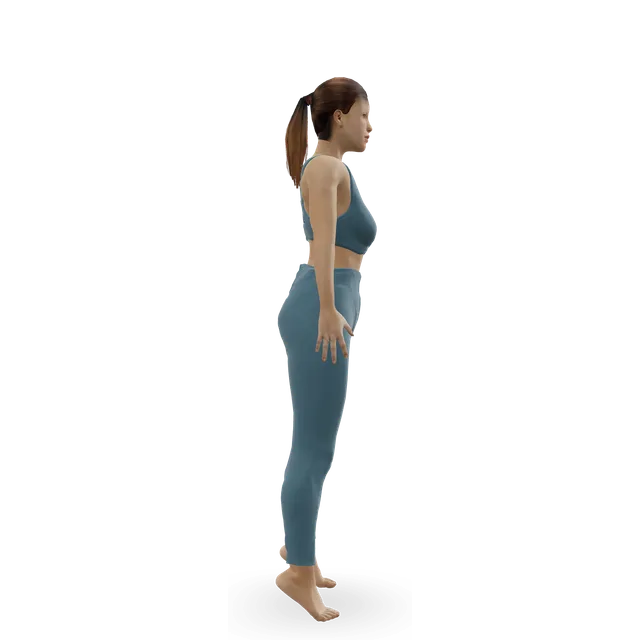
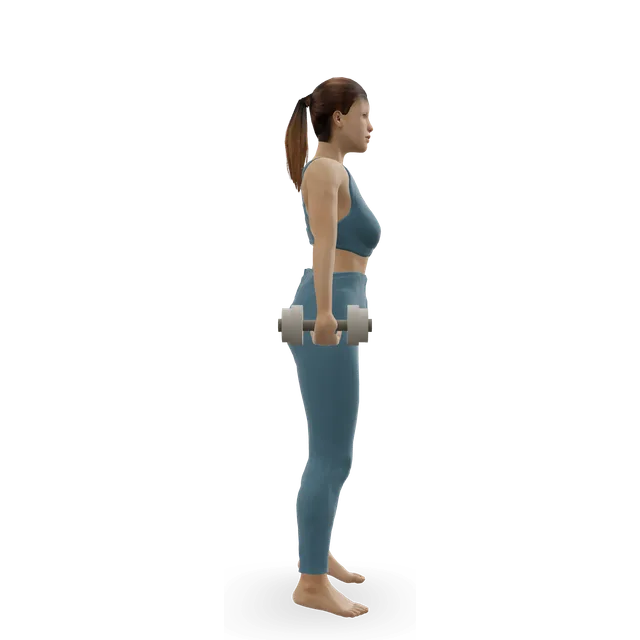
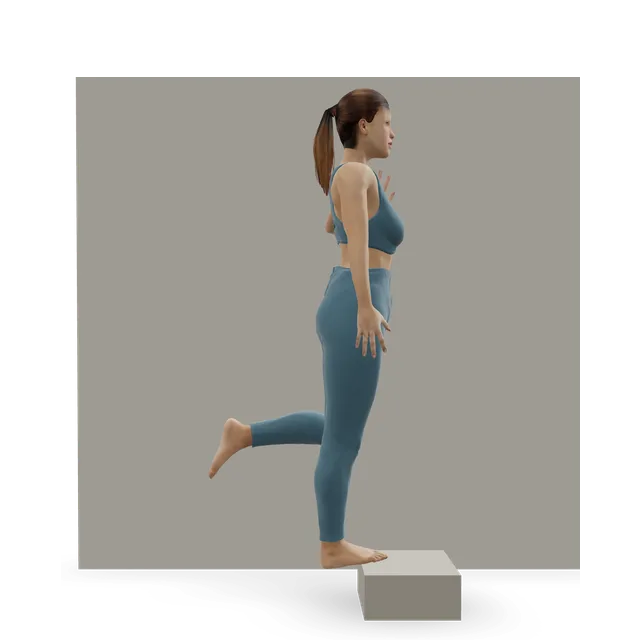
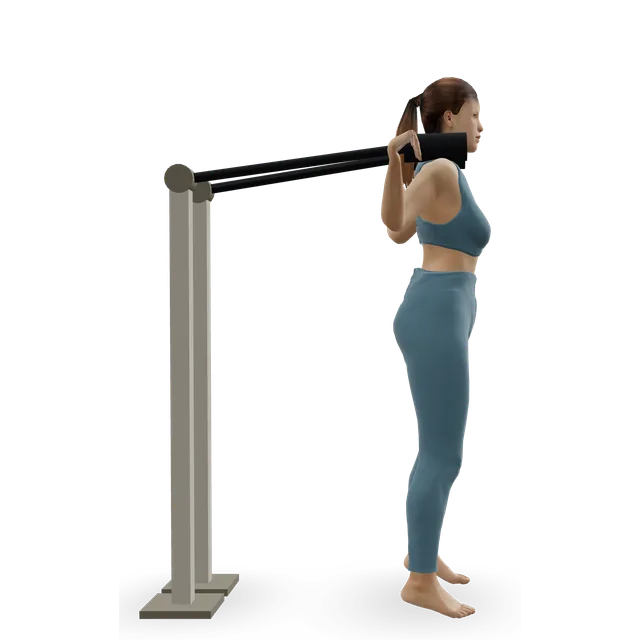
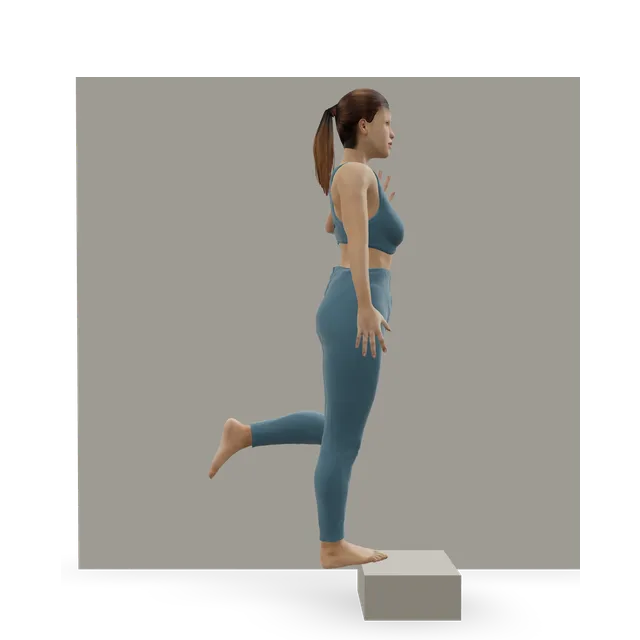
Stand with your fingertips on a wall, rise onto the balls of your feet over about 2 seconds, pause, and lower slowly without bouncing. When that's easy, do them on one leg from a step, letting your heel sink below the step into a stretch.
How many calf raises should I do?
For stronger calves, 2 or 3 sets of 10 to 20 straight-knee raises plus a few sets of bent-knee raises, twice a week, with the last set 0 to 2 reps short of failure. About 12 hard sets a week grew calves more than 6 in one trial. For balance and everyday strength, start with 5 slow raises holding a chair.
How many calf raises should I be able to do?
Healthy adults aged 20 to 59 averaged about 28 single-leg heel raises in a row, and 25 is used as the mark of normal. Over 60, the average was about 12. Fewer is a reason to train, not to worry.
Seated or standing calf raises: which is better?
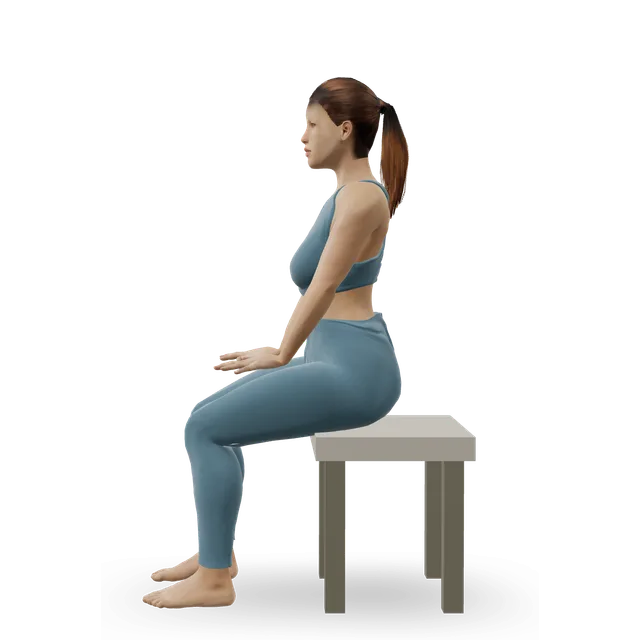
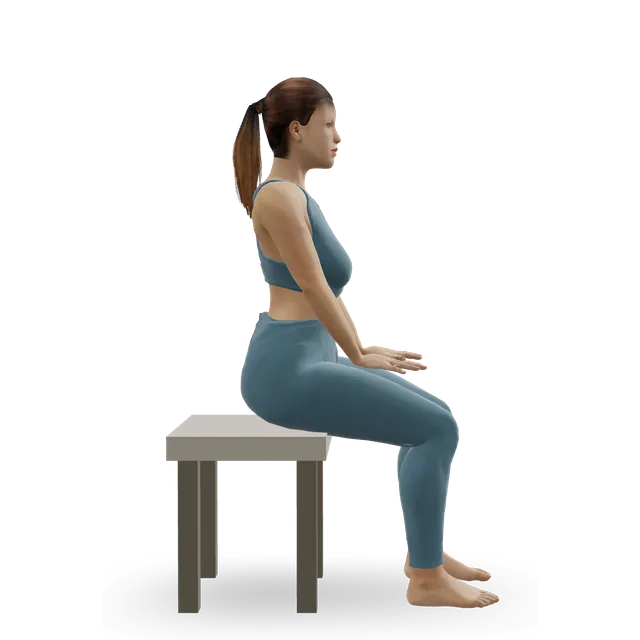
Standing, for the big calf muscle: it grew about 9 to 12% in 12 weeks with standing raises and under 2% with seated ones. The deeper soleus grew about the same with either, so add seated raises as an extra.
Should I point my toes in or out for calf raises?
It makes a small difference. In 22 young men, toes out grew the inner calf more and toes in the outer calf more over 9 weeks, so forward or a mix of positions is fine.
Why won't my calves grow?
Calves can be slow, and small trials disagree on how slow: one found only about 2 to 6% growth in the whole calf in 12 weeks, others 7 to 15% in 6 to 8 weeks with more sets and a full stretch at the bottom. Check you're doing enough hard sets through the whole range, for at least 8 to 12 weeks.
Can I do calf raises every day?
Gentle sets, yes, as in our calf pump exercises. Hard sets twice a week are enough to build your calves, with a day or two between to recover.
Are calf raises good for Achilles tendonitis?
Usually, yes: heavy slow calf raises helped Achilles tendon pain as much as heel drops, and people stuck with them better. Keep pain at 5 out of 10 or less and settled by the next morning, and with pain where the tendon meets the heel, stay on flat ground.
Do calf raises after eating lower blood sugar?
In a lab study, seated heel raises kept up for 3 hours with muscle sensors cut the blood sugar rise after a glucose drink by about half, in people without diabetes. A small pilot in prediabetes found about a third, but a few sets after a meal haven't been tested. A walk after meals is the better-tested habit.
Are calf raises good for balance and older adults?
Yes, and they're part of the NHS strength exercises, holding a chair at first. Stronger ankles went with faster walking in older adults, and foot and ankle exercises were part of a programme that cut falls by about a third.
Do calf raises help plantar fasciitis or shin splints?
For plantar fasciitis, heavy heel raises with a towel under the toes improved foot function faster than stretching, though the two were level by a year. Our plantar fasciitis and shin splints guides give staged plans.
Should I do calf raises before bed for cramps?
The NHS suggests calf stretches rather than raises, the last one just before bed. See a GP if cramps disturb your sleep, last longer than 10 minutes or come with numbness or swelling.