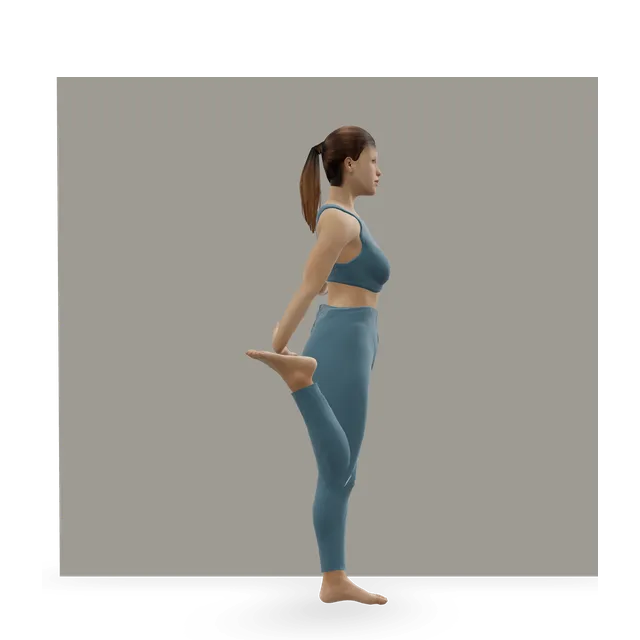
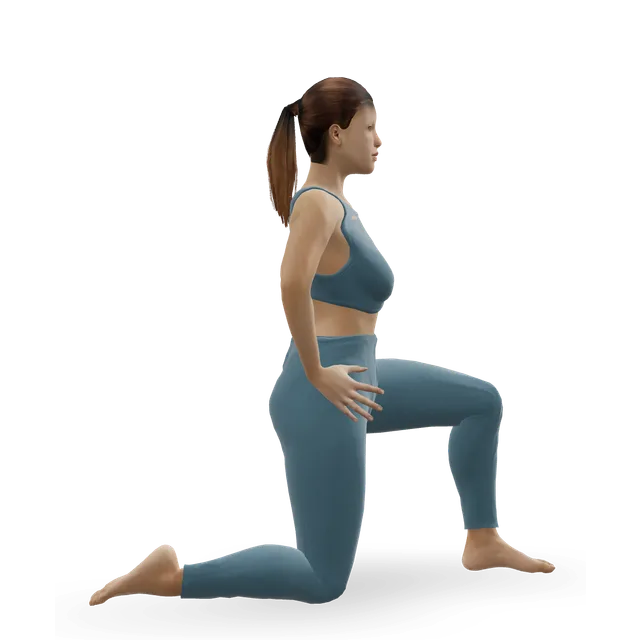
Cramp or clot?
A cramp comes on suddenly and passes. A clot brings throbbing pain and swelling in one leg that does not pass, often with red, blue or darkened skin or swollen veins. Swelling with a cramp needs a GP check.
Pain guide · Leg pain
A leg cramp is a sudden, painful tightening of a muscle, usually in the calf or foot, often at night. The NHS says regular calf stretching may help to reduce cramps but may not stop them completely.
The evidence is thin, so this guide says plainly what it rests on: mostly one trial of nightly calf and hamstring stretching in adults over 55.
Exercise is for pain that has been checked or is clearly mild and settling.
A cramp comes on suddenly and passes. A clot brings throbbing pain and swelling in one leg that does not pass, often with red, blue or darkened skin or swollen veins. Swelling with a cramp needs a GP check.
Quinine is a GP decision and not suitable for everyone. If cramps are frequent, or you are pregnant, ask your GP or midwife before trying anything beyond stretching.
Source 1
The NHS advises stretching and massaging the muscle, and says standing up and putting weight on the leg may help. No trials of in-the-moment relief were found.
Source 1
A 2021 Cochrane review found that daily calf and hamstring stretching for 6 weeks may reduce the severity of night cramps in people aged 55 and over, but the effect on how often they happen is uncertain (very low-certainty evidence).
Source 2
In 80 adults over 55 who were not taking quinine, calf and hamstring stretches just before sleep for 6 weeks reduced cramps by about 1.2 a night, and their severity by 1.3 cm on a 10 cm scale.
Source 3
In people aged 60 and over, calf stretching on its own for 12 weeks made little or no difference to how often cramps happened. The routine that helped stretched the hamstrings too.
Source 2
For the bedtime routine, this site suggests stretching to a mild, steady pull and holding it without bouncing. During a cramp, ease into the stretch gradually; the cramp may hurt, the stretch should not add to it.
Source 1
Start at the first stage. Each move opens a full guide with a 3D demo.
Stretch and massage the cramping muscle, or stand up and put your weight on the leg.
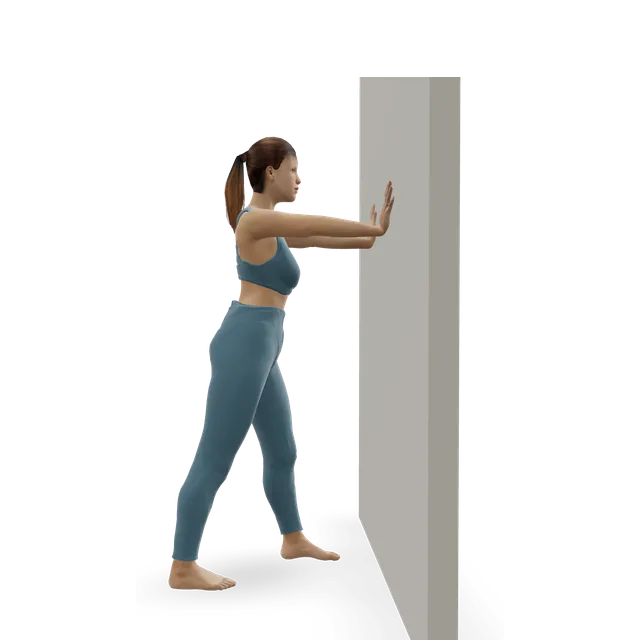 3D demoWall calf stretch (gastrocnemius)Beginner · A wall
Hold until the cramp eases
Easier: Seated calf stretch with a towel · Harder: Peroneals Stretch
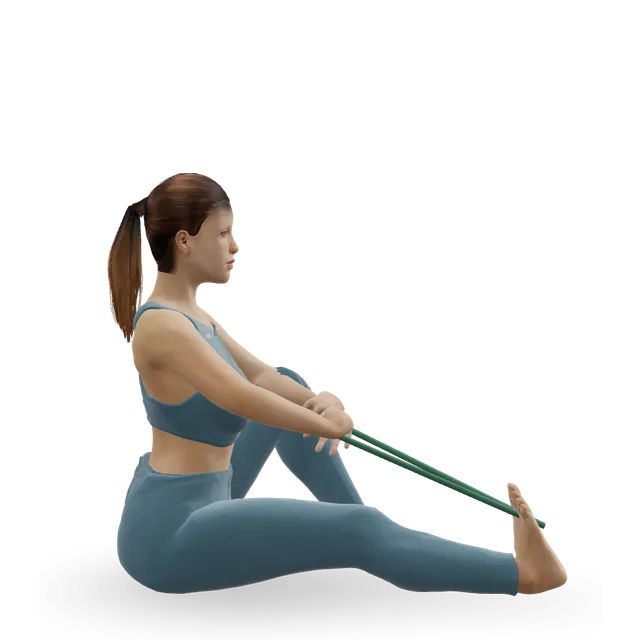 3D demoSeated calf stretch with a towelBeginner · Other / check instructions
Hold until the cramp eases · In bed: pull the toes toward you with a towel or your hand
Move on when: The cramp has passed. If cramps keep coming back, start the bedtime routine.
Just before bed, every night, for at least 6 weeks, the length of the trial. The holds are this site's suggestion.
3D demoWall calf stretch (gastrocnemius)Beginner · A wall3 holds of 20 to 30 s each side
Easier: Seated calf stretch with a towel · Harder: Peroneals Stretch
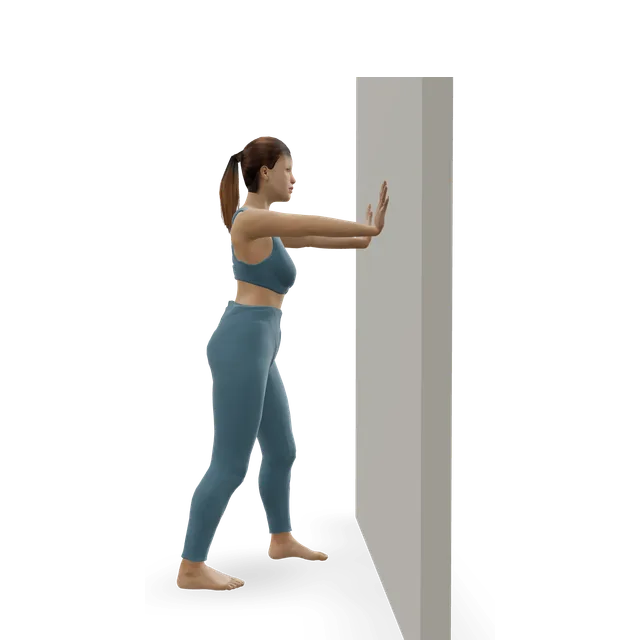 3D demoSoleus wall stretchBeginner · A wall
3 holds of 20 to 30 s each side
Easier: Seated calf stretch with a towel · Harder: Peroneals Stretch
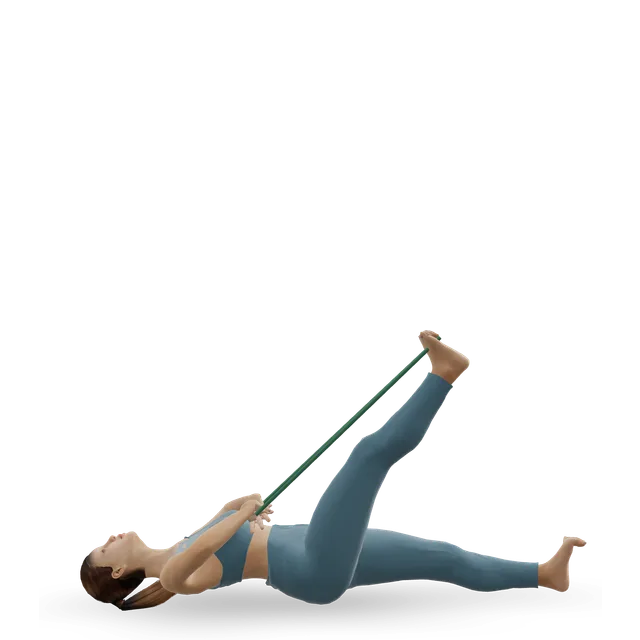 3D demoSupine hamstring stretch with a strapBeginner · No equipment
3 holds of 20 to 30 s each side
Easier: Leg-up hamstring stretch · Harder: Contract-relax hamstring stretch (PNF)
3D demoSeated calf stretch with a towelBeginner · Other / check instructions3 holds of 20 to 30 s each side · In place of the wall stretches if standing is hard
Move on when: After 6 weeks, take stock: keep going if cramps are fewer or milder. If not, or they disturb your sleep, see your GP.
Stretch the muscle: for the calf, pull your toes up toward you or stand and lean into a wall calf stretch, and massage it. Standing and putting weight on the leg may help.
They may make them milder. In one trial of adults over 55, calf and hamstring stretches before bed for 6 weeks reduced cramps a little; calf stretching alone did not help in another. Expect fewer or milder cramps, not none.
If they disturb your sleep, last longer than 10 minutes, or come with numbness or swelling.
A cramp passes; a clot causes throbbing pain and swelling in one leg that does not pass, often with red or darker skin. One swollen, painful calf needs a same-day check, and with breathlessness or chest pain, call 999.
Only if a GP prescribes it; it is not suitable for everyone.
Exercise education, not a diagnosis or treatment plan. It is written from the guidelines and studies listed above; review by a clinician is pending. If your pain follows an injury, is severe, is getting worse, or comes with any warning sign listed on this page, get it assessed. Health disclaimer.