Shin splints exercises: settle, strengthen, return to running
Shin splints (medial tibial stress syndrome) is pain and tenderness along the inner edge of the shin, brought on by running or other impact. The NHS says it usually gets better within a few weeks.
The first job is to rule out a stress fracture, which needs a different approach. The honest second point: no treatment for shin splints is proven, so the backbone of recovery is a gradual return to running, with calf and hip strength alongside.
Exercise is for pain that has been checked or is clearly mild and settling.
Get urgent medical help if
Go to A&E: sudden swelling, redness, heat and pain in the calf; severe pain after an injury, which can mean a broken bone; or you cannot put any weight on the leg.
Go to A&E: after an injury, pain far worse than the injury seems to explain, a tight, full-feeling muscle, pain that gets worse when the muscle is stretched, and tingling or burning. These are signs of acute compartment syndrome, a medical emergency.
Call 999 or go to A&E: a leg that is suddenly cold, pale, numb, weak or very painful. A sudden loss of blood supply to a leg is a vascular emergency.
Same day (GP or NHS 111): throbbing pain and swelling in one leg, usually the calf or thigh, with red, blue or darkened skin or swollen veins. This can be a deep vein thrombosis (DVT). It is more likely after surgery, a hospital stay, 3 or more days in bed, a journey of over 4 hours, pregnancy or a recent birth, cancer, a previous clot, or oestrogen-containing contraception or HRT.
See a doctor or physiotherapist if
Pain in one spot on the shin or a foot bone that you can point to with a fingertip, worse with impact and later present at rest or at night: a possible stress fracture.
Shin pain that is not settling after a few weeks of changing your training, or is getting worse.
Understand it
Shin splints or a stress fracture?Strong evidence
Both come from repeated impact, and they sit on one continuum: bone stress runs from a stress reaction to a stress fracture to a complete fracture. How they feel differs.
Where: shin splints hurt along a longer strip on the inner edge of the shin. A stress fracture is one spot you can point to with a fingertip.
Pattern: shin splints hurt during exercise such as running. A stress fracture builds gradually, can become a constant ache, including at night, and is sharp with each step.
What to do: for shin splints, stop the exercise that caused it and switch to gentle exercise such as swimming or yoga. For a stress fracture, stop and rest so the bone heals, sometimes with a boot or crutches, for about 6 to 8 weeks.
Tests: shin splints are diagnosed reliably from your history and an examination. A stress fracture often needs an X-ray or another scan.
A meta-analysis of mostly observational studies linked shin splints with a higher body mass index, a greater drop of the arch, more ankle pointing (plantarflexion) range and more hip turn-out range. Ankle bend (dorsiflexion) and the knee's Q-angle were not risk factors.
People with shin splints also have less calf endurance and smaller lean leg girth; whether that is a cause or an effect is unknown. In one Dutch study, 32% of athletes with shin splints had another lower-leg injury at the same time.
A 2013 systematic review found no treatment for shin splints free enough of bias to recommend. Stretching and strengthening, compression stockings, braces and laser have not been proven to work.
A graded return to running did the workEmerging evidence
In a trial of 74 athletes, a graded running program on its own did as well as the same program plus calf stretching and strengthening, or plus a compression stocking.
Relative rest, then a stepwise returnMixed evidence
Reviews describe relative rest, cutting running volume, frequency and intensity, calf work and a stepwise return, while noting that most of the evidence is expert opinion. For bone stress injuries, a 2024 review of return-to-run guidance puts checks first (bone tenderness gone, pain-free walking, strength and hop tests), then walk-run intervals, adding distance before speed, guided by symptoms.
Prevention: neuromuscular training, not stretchingEmerging evidence
A 2025 review found neuromuscular training prevents shin splints (4 studies, 3,887 people), while static stretching programs did not. Insoles for flat-footed runners may also help prevent it.
Expert commentary on bone stress injuries suggests the load on the shin bone can be lowered through how training is planned, softer landings or a quicker step rate, and stronger calf muscles.
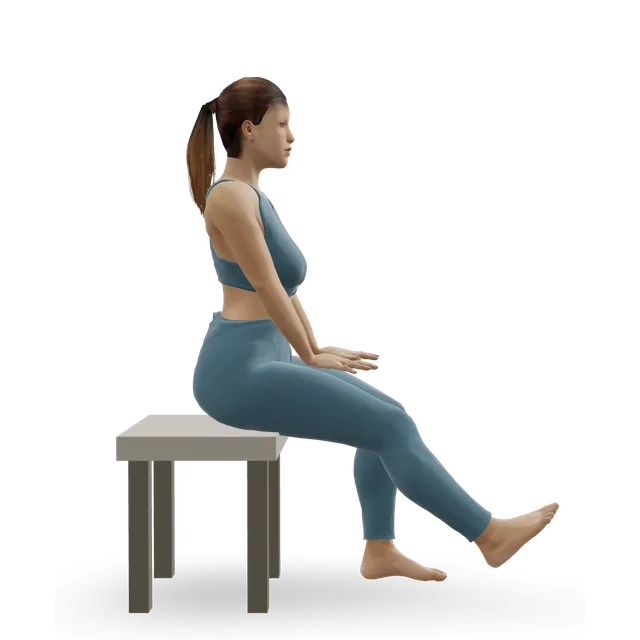
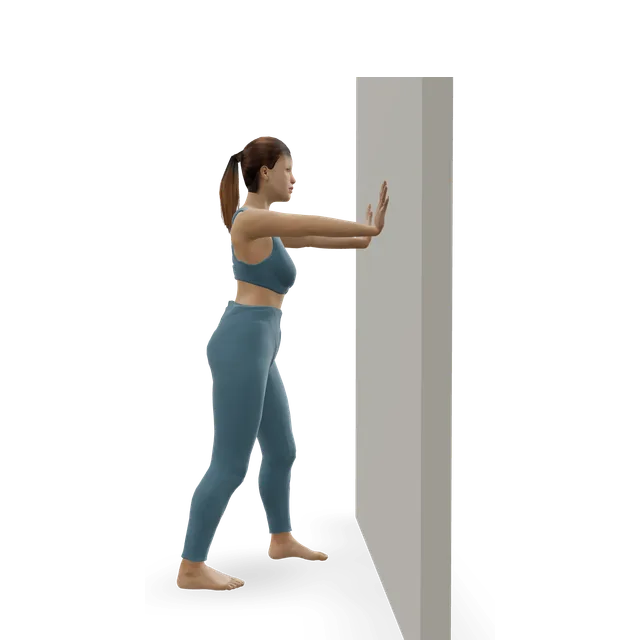
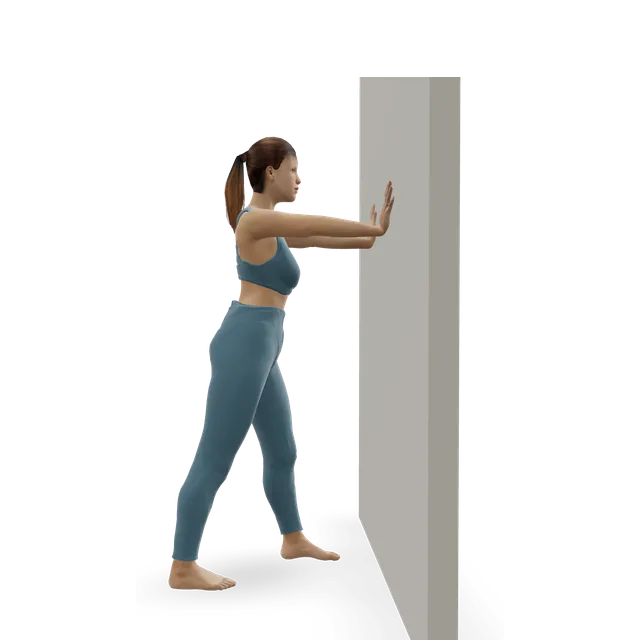
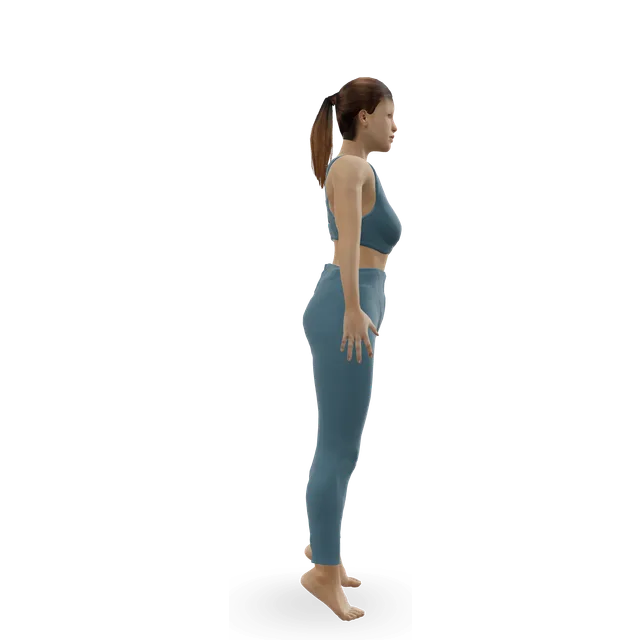
Strength work: mild discomfort. Running: pain-free. Bone: no pain at all
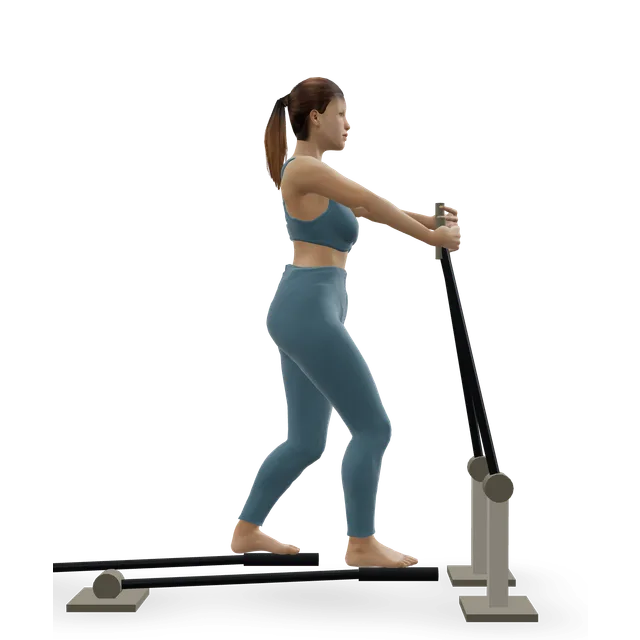
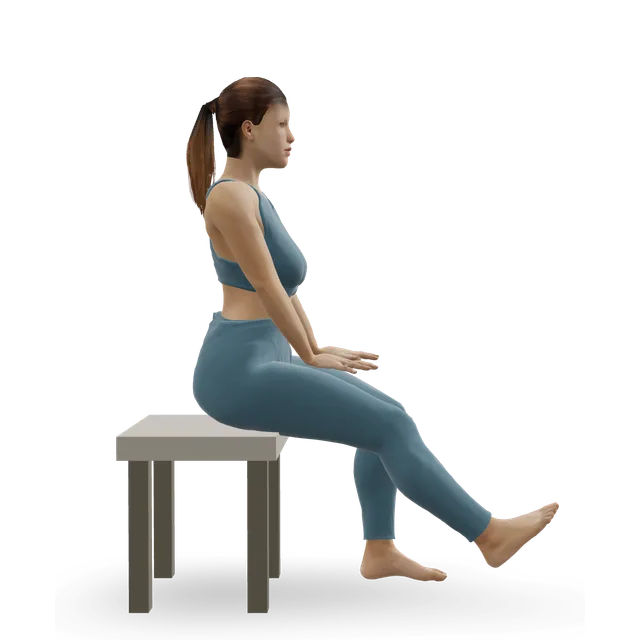
For shin splints, this site suggests mild discomfort during strength exercises is acceptable if it has settled by the next day. Running should be pain-free, or close to it.
If you suspect a stress fracture, the rule is stricter: do not push through pain. Health New Zealand advises stopping as soon as you feel pain during a return to activity.
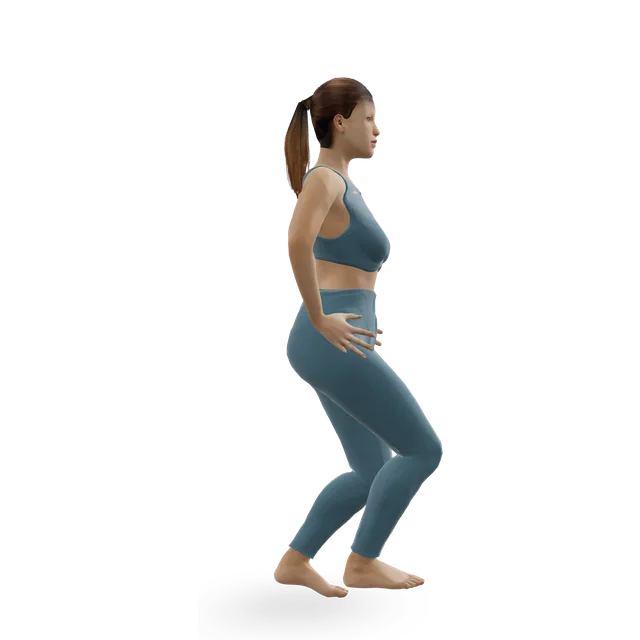
Leave out the running or jumping that brought it on until walking is pain-free. Do not rely on stretching as prevention: static stretching programs did not prevent shin splints. Bring back hopping before running, and distance before speed.
A fingertip-sized sore spot on the bone, pain at night, or pain with every step points to a stress fracture: get it checked. Shin splints hurt along a longer strip and mostly during exercise.
Can I run with shin splints?
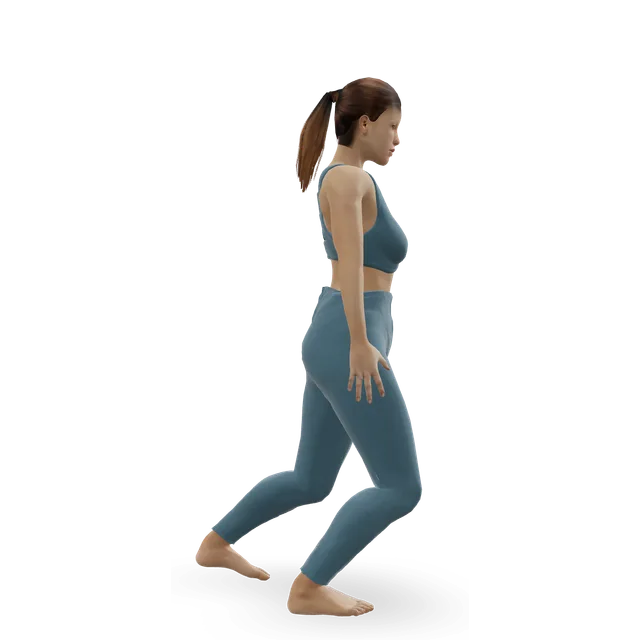
The NHS advises stopping the exercise that caused it while it settles. Cross-train meanwhile, then return with walk-run intervals once walking and hopping are pain-free.
Do calf raises help shin splints?
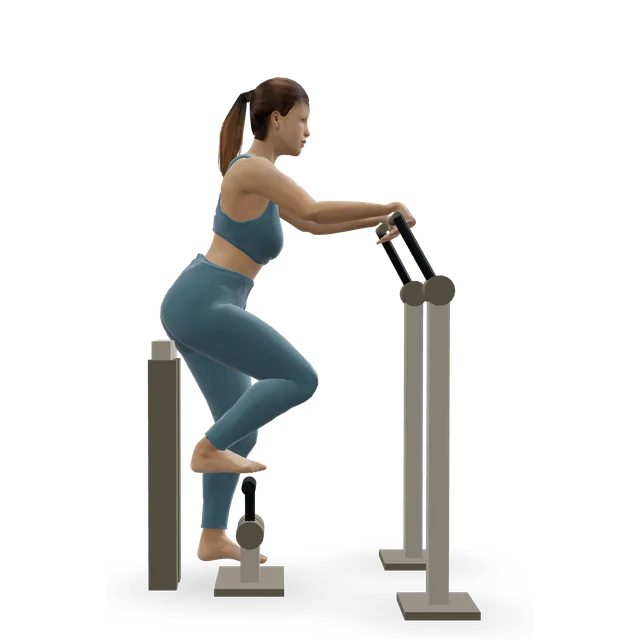
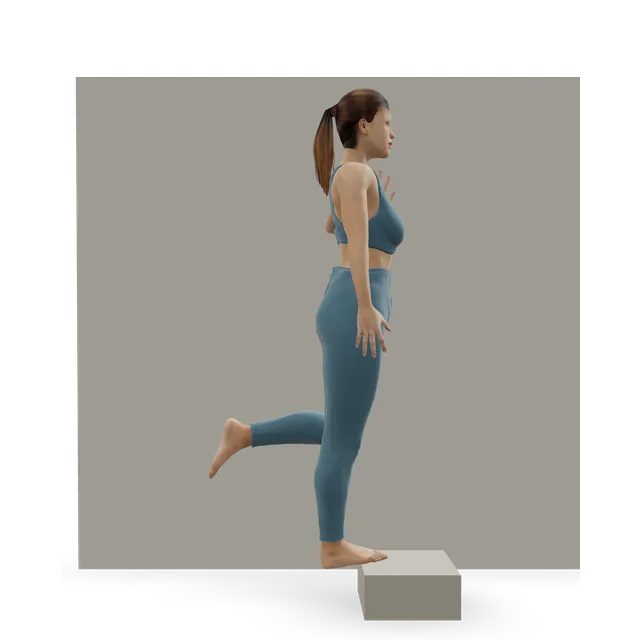
Probably as part of the plan, since people with shin splints have less calf endurance. But in the one trial that added calf exercises to a graded running program, they gave no extra benefit.
What are the best stretches for shin splints?
Calf stretches can feel good, but stretching has not been shown to treat or prevent shin splints. Use them for comfort and put your effort into strength and a gradual return to running.
Do insoles or compression socks help shin splints?
Neither has been shown to treat shin splints. Insoles for flat-footed runners may help prevent it.
How long do shin splints take to heal?
Usually a few weeks. A stress fracture takes about 6 to 8 weeks to heal.
Exercise education, not a diagnosis or treatment plan. It is written from the guidelines and studies listed above; review by a clinician is pending. If your pain follows an injury, is severe, is getting worse, or comes with any warning sign listed on this page, get it assessed. Health disclaimer.