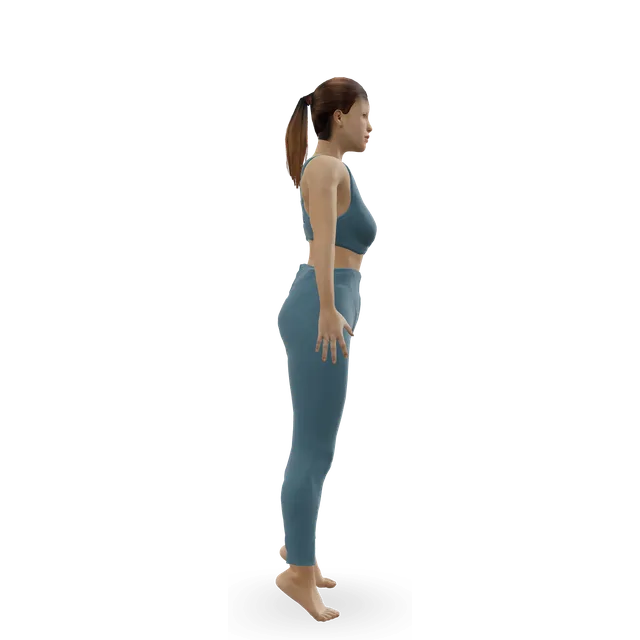
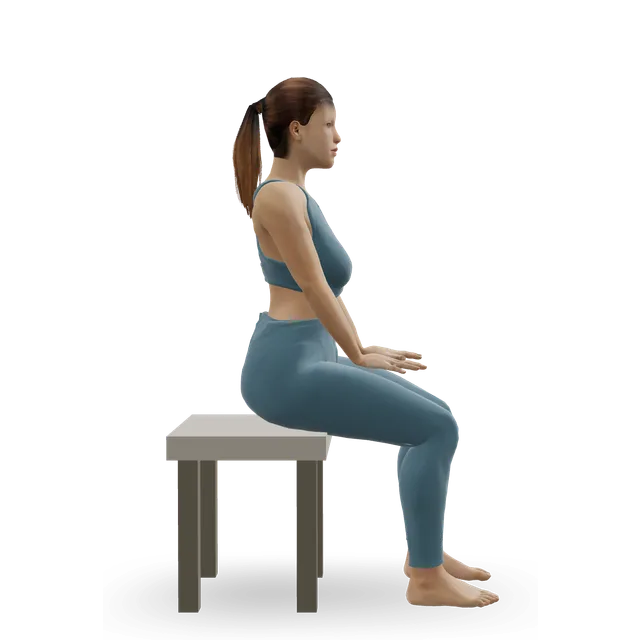
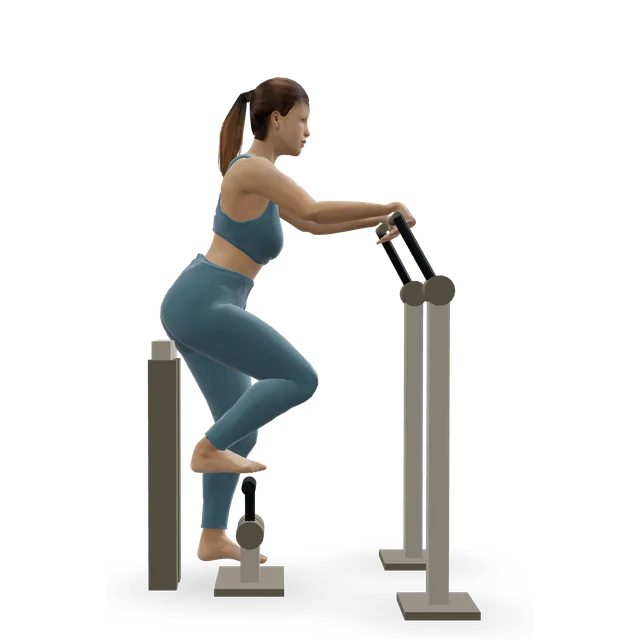
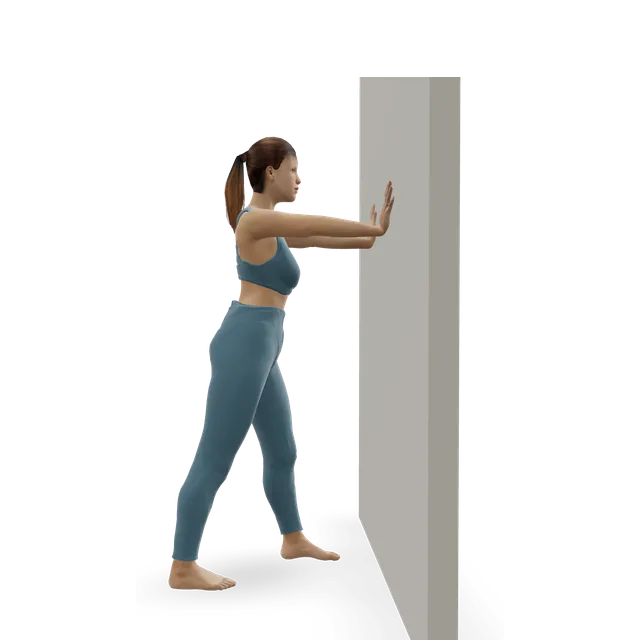
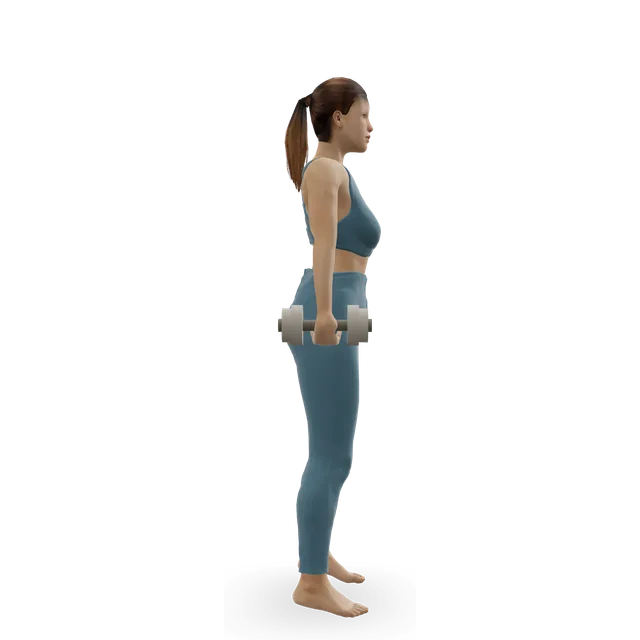
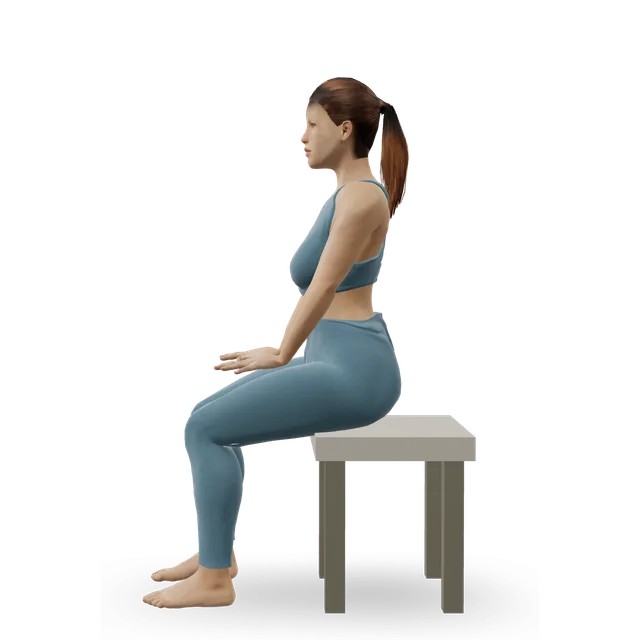
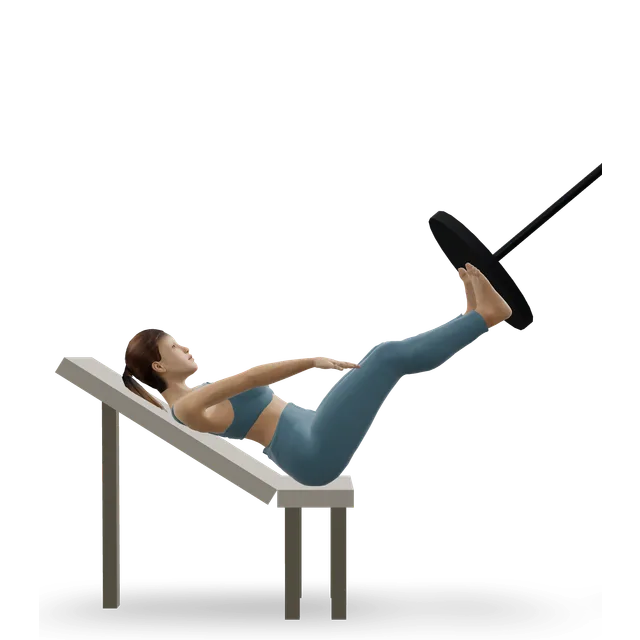
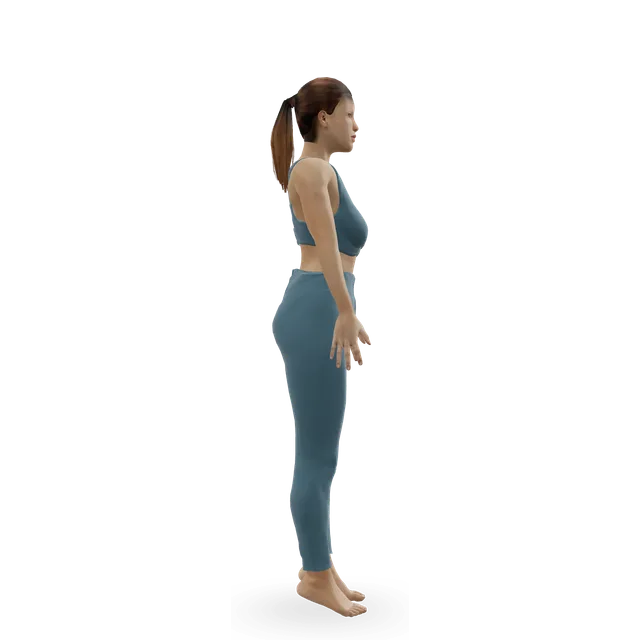
Pain and stiffness in the Achilles tendon, the cord above the heel, often worst first thing in the morning. Most people call it Achilles tendonitis; tendinopathy is the preferred name because inflammation is not assumed.
The 2024 clinical practice guideline is clear: load the calf as heavily as you can tolerate, at least three times a week. Complete rest is not the answer, and recovery takes months rather than weeks.
Exercise is for pain that has been checked or is clearly mild and settling.
Get urgent medical help if
Same day: a sudden snap, or a feeling of being hit in the back of the lower leg, then walking flat-footed and being unable to push off or stand on tiptoe. This can be an Achilles tendon rupture.
Go to A&E: sudden swelling, redness, heat and pain in the calf; severe pain after an injury, which can mean a broken bone; or you cannot put any weight on the leg.
Same day (GP or NHS 111): throbbing pain and swelling in one leg, usually the calf or thigh, with red, blue or darkened skin or swollen veins. This can be a deep vein thrombosis (DVT). It is more likely after surgery, a hospital stay, 3 or more days in bed, a journey of over 4 hours, pregnancy or a recent birth, cancer, a previous clot, or oestrogen-containing contraception or HRT.
Call 999: calf or leg pain or swelling with breathlessness or chest pain. It could be a clot that has reached the lungs. Do not drive yourself to A&E.
See a doctor or physiotherapist if
Pain in one spot on the shin or a foot bone that you can point to with a fingertip, worse with impact and later present at rest or at night: a possible stress fracture.
Pain that is getting worse week on week despite cutting back, or is stopping your normal activities.
Understand it
Mid-tendon or insertional? Where it hurts changes the planMixed evidence
Mid-portion: pain more than 2 cm above where the tendon joins the heel bone. The 2024 guideline covers this type.
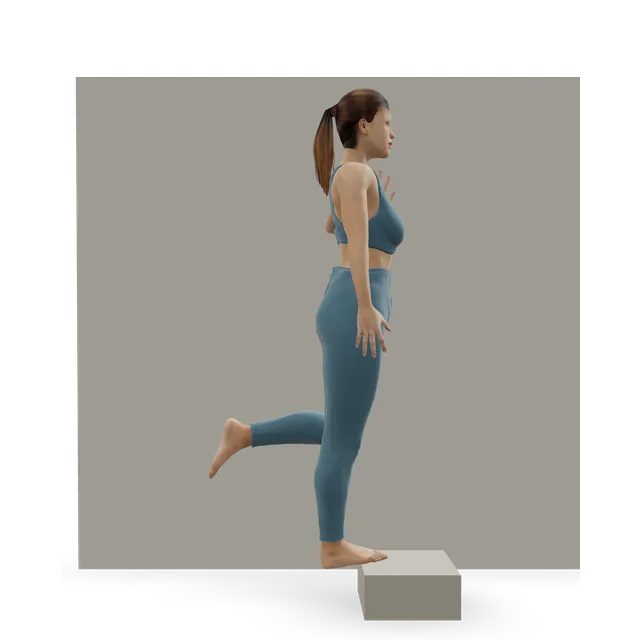
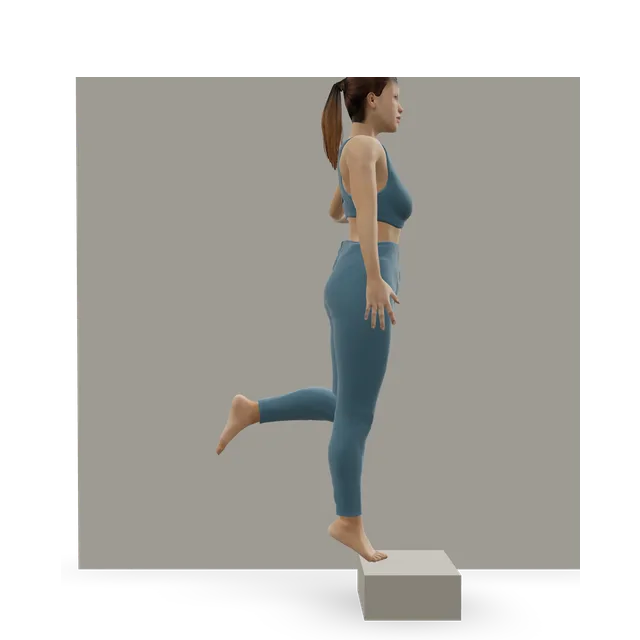
Insertional: pain where the tendon attaches to the heel bone. The Dutch guideline advises starting exercises on a flat surface. In a small pilot study, the standard heel-drop program, lowering below a step, gave good results in only 32% of people with insertional pain, while lowering only to the floor satisfied 67% of 27 patients.
The Dutch guideline advises at least 12 weeks of progressive calf strengthening. A return-to-sport program describes recovery taking up to a year, and an NHS trust tells patients most people need 6 to 9 months to return to full pain-free activity.
Heavy calf loading is the first-line treatmentStrong evidence
The 2024 JOSPT guideline gives its top grade to tendon-loading exercise, with loads as high as tolerated, as a first-line treatment, and suggests at least three sessions a week (a weaker, expert-based recommendation). A network meta-analysis found exercise improved scores by about 20 points on a 100-point Achilles questionnaire at 3 months compared with wait-and-see.
The guideline advises against complete rest and supports carrying on with activity within pain limits. In a trial, carrying on running and jumping while keeping pain at or below 5 out of 10 did no harm.
Eccentric heel drops are not better than other heavy loadingStrong evidence
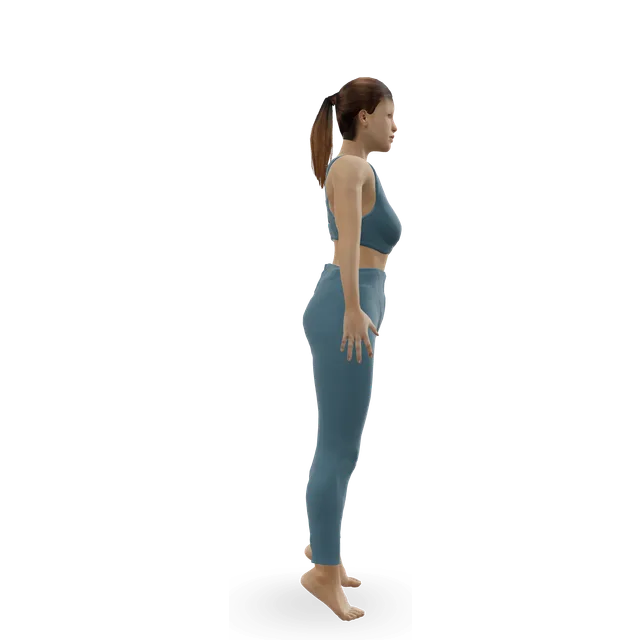
Eccentric, heavy slow resistance, progressive and isometric loading all work, and no type is clearly better; the guideline says clinicians are not restricted to eccentric exercise. In a trial of 58 people, heavy slow calf raises matched eccentric training at 12 and 52 weeks, and people completed more of their sessions (92% against 78%). Training daily or three times a week, for 6 weeks or 6 months, did not seem to change outcomes.
Exercise is cheap, low risk and a sensible first stepEmerging evidence
Across 29 trials, no active treatment was clearly better than another, and every trial had some concerns or a high risk of bias. Exercise costs little and carries little risk, which makes it the sensible place to start.
Most people recover with exercise aloneEmerging evidence
In a 5-year follow-up, 80% of people had fully recovered with exercise alone. Fear of movement was linked with poorer calf recovery, which is one more reason to keep loading rather than protect the tendon.
Stretching and heel lifts are helpers, not the treatmentEmerging evidence
The guideline suggests calf stretching, knee straight and bent, if your ankle is stiff, and says heel lifts may temporarily reduce strain on the tendon. It advises against low-level laser or ultrasound on their own.
The Dutch guideline advises carrying on with calf exercise after recovery, and warns that a return to sport within days raises the chance of it coming back.
Up to 5 out of 10, checked the next morningEmerging evidence
In Silbernagel's trial, people kept pain at or below 5 on a 0 to 10 scale during all activities, and carrying on running and jumping that way did no harm. The 2024 guideline recommends using pain monitoring to guide activity, and the Dutch guideline advises using a pain scale.
This site's suggested rule: pain during exercise up to 5 out of 10, back to its usual level by the next morning, and not creeping up week on week. If it is worse the next morning, lighten the load for a few sessions rather than stopping.
Move on when: Running and jumping stay within the pain rule on the day and the next morning. Add hills and speed last.
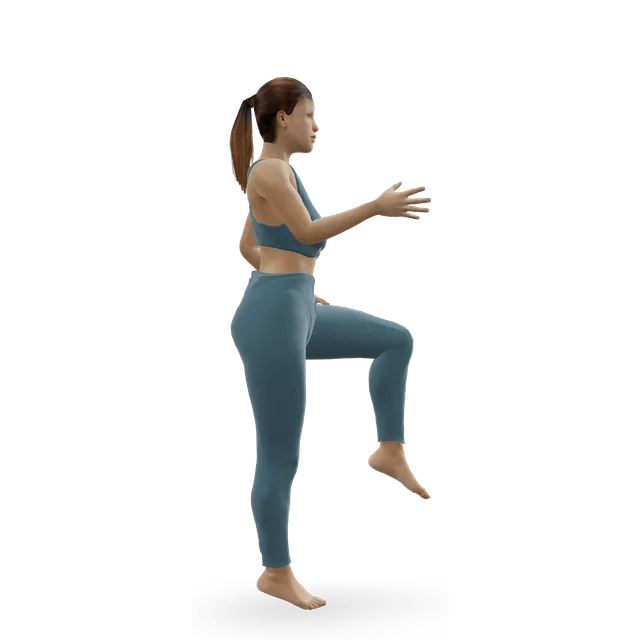
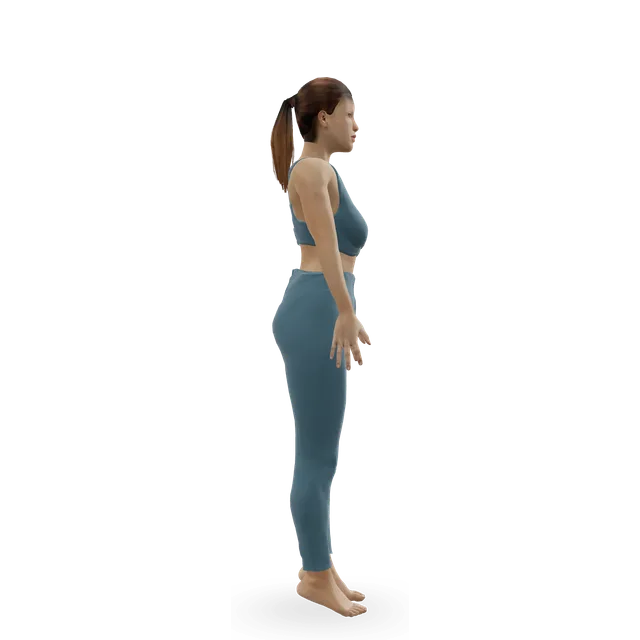
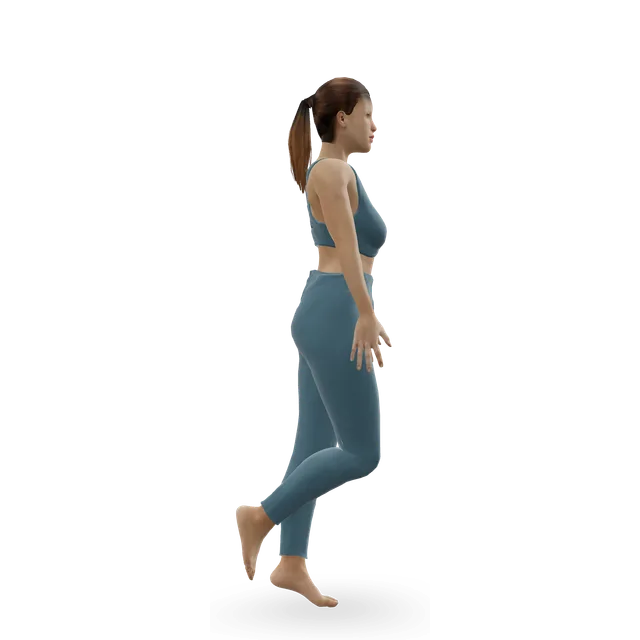
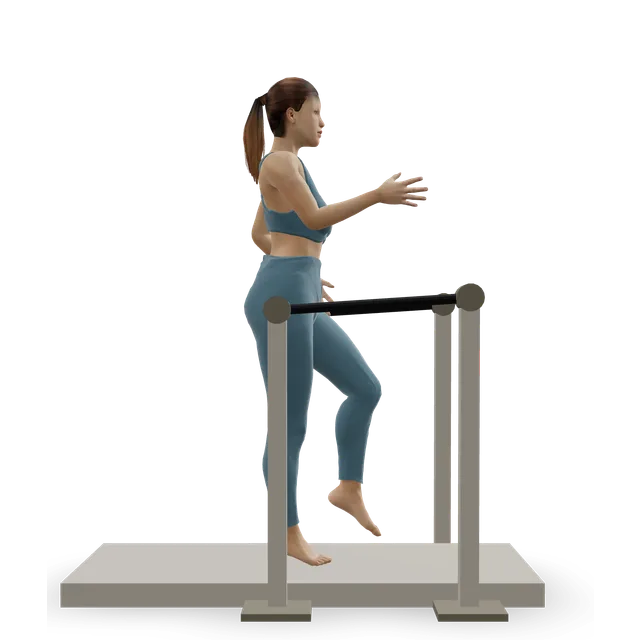
Follow along: a timer, a cue and the next move, one step at a time.
What to change for now
Achilles exercises to avoid, for nowMixed evidence
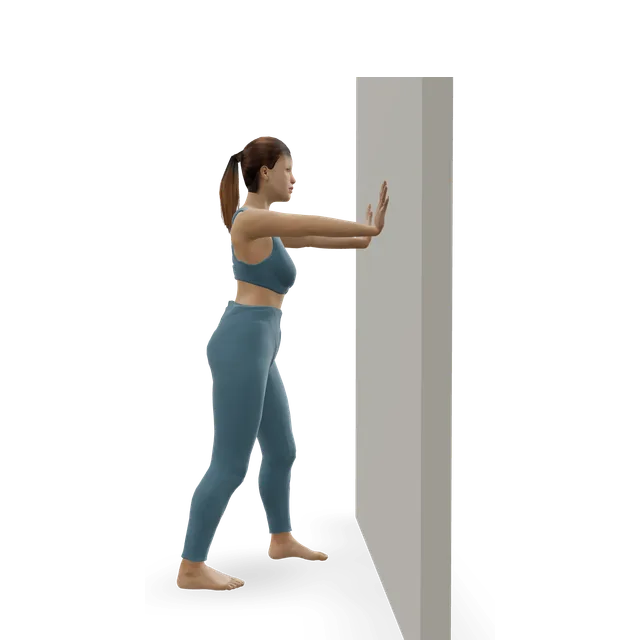
Early on, avoid sudden increases in running, hills and jumping. With insertional pain, do not drop the heel below a step, in exercises or in calf stretches; for stretches this is a sensible inference from the same studies rather than a tested rule.
Are eccentric heel drops the best exercise for Achilles tendonitis?
They work, but heavy slow calf raises, isometric holds and other progressive loading work as well. The 2024 guideline says you are not limited to eccentric exercise.
Should I stop running with Achilles pain?
Not necessarily. In a trial, carrying on running and jumping while keeping pain at or below 5 out of 10 did no harm. Cut back if pain goes above that or is worse the next morning.
Should I stretch my Achilles?
Only if your ankle is stiff. For pain where the tendon meets the heel bone, avoid stretches that drop the heel below a step.
What are the best exercises for insertional Achilles tendonitis?
The same calf raises, done on flat ground with the heel lowered only to the floor. In a small study that approach satisfied 67% of patients, against 32% good results with the standard heel drop below a step.
How long does Achilles tendinopathy take to heal?
Months: at least 12 weeks of progressive calf strengthening, and often 6 to 12 months to full pain-free activity.
Is it Achilles tendonitis or tendinopathy?
The same complaint. Tendinopathy is now the preferred name because inflammation is not assumed.
Exercise education, not a diagnosis or treatment plan. It is written from the guidelines and studies listed above; review by a clinician is pending. If your pain follows an injury, is severe, is getting worse, or comes with any warning sign listed on this page, get it assessed. Health disclaimer.