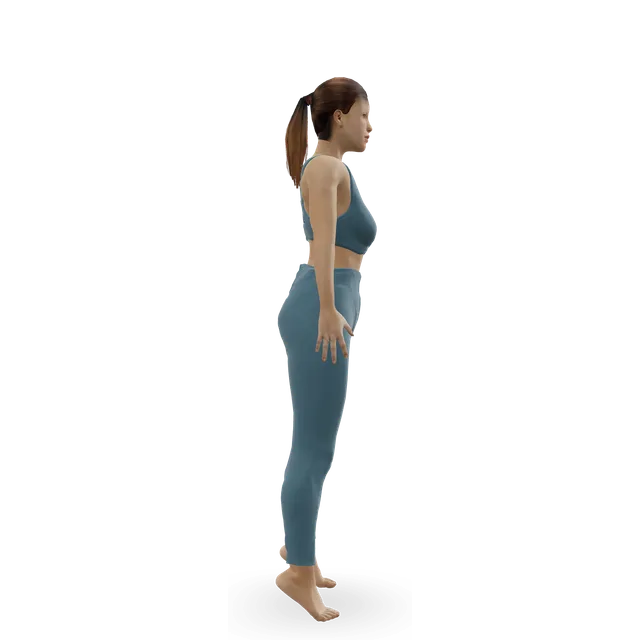
Two different calf strainsEmerging evidence
An NHS trust leaflet (Essex Partnership University NHS Foundation Trust) describes two kinds. The upper calf muscle (gastrocnemius) is "more commonly injured during sudden, explosive movements, such as sprinting, lunging or jumping". The deeper, lower calf muscle (soleus) is "generally injured following slower repetitive activities such as steady running", and a mild strain "may not be painful until after the activity is over", with a feeling of cramp or tightness.
In a study of 20 expert clinicians (expert opinion, not a trial), upper calf strains felt like being shot in the back of the leg and were almost always obvious straight away, while lower calf strains were a tightness or cramp that was hard to pinpoint, crept up and stopped the run, often after a recent break from running or a sudden increase. The NHS says calf and hamstring strains often affect new runners and feel as if someone has kicked you.
Sources 1, 2, 3
Who gets itEmerging evidence
Calf strains were 4.2% of new running injuries in pooled studies, and in new runners, soleus injuries (5%) were commoner than gastrocnemius ones (3%). Across sports, older age and a previous calf strain are the strongest risk factors, in a review of mostly football studies. In 3,647 muscle strains in professional Australian football, age was a risk factor for calf strains in its own right, and a recent calf strain raised the odds of another about 13 times. Runners aged 40 and over reported more calf injuries than younger runners.
Sources 4, 5, 6, 7, 8
Cramps in runners: fatigue, not mainly fluid or saltEmerging evidence
The NHS says leg cramps can be caused by putting too much strain on muscles during exercise, which can be worse in hot or humid weather, and lists dehydration, some medicines and age among other causes. Studies of cramp during endurance events point mainly to fatigue and pace. In 210 Ironman triathletes, the 43 who cramped didn't differ from the rest in body weight change or blood salts; a faster race pace and a history of cramps were the only independent predictors. In 72 ultra-distance runners, those who cramped weren't more dehydrated, and in matched triathletes, cramping muscles showed raised electrical activity, which points to the nerve control of a tired muscle.
Triathletes with a history of cramp raced faster and more often had a family history of cramps. An evidence-based review advises gentle static stretching until a cramp eases, and prevention matched to your own risk factors rather than general advice to drink more. On this evidence, extra fluid or salt is unlikely to stop exercise cramp if you aren't dehydrated (our reading); pacing and gradual training matter more.
Sources 9, 10, 11, 12, 13, 14, 15
The clot and the other things not to miss
The NHS describes a blood clot in a leg vein (deep vein thrombosis, DVT) as throbbing pain in one leg (rarely both), usually in the calf or thigh, with swelling, red, blue or darkened skin (harder to see on brown or black skin) and swollen veins. It's more likely over 60, after surgery or a hospital stay, after 3 or more days in bed, after a journey of more than 4 hours, in pregnancy and the 6 weeks after birth, with the contraceptive pill or hormone replacement therapy, with cancer or a past clot, and when you're dehydrated. A long trip to or from a race fits that list (our observation, not a running study).
A strain starts at a moment during activity and is tender in one spot; a clot usually isn't tied to a moment and brings swelling and a colour change. If in doubt, get it checked the same day. Exertional compartment syndrome is pain, numbness, swelling or difficulty moving part of the leg that comes with exercise and goes with rest. Popliteal artery entrapment is rarer, often in both legs with tingling in the foot, and in one surgical series the diagnosis took almost 5 years on average. An Achilles rupture can feel like being hit in the back of the leg.
Sources 16, 17, 18, 19, 20
When a scan helps, and what it can't tell youEmerging evidence
Most calf strains are diagnosed from the story and an examination; an NHS trust leaflet keeps an ultrasound or magnetic resonance imaging (MRI) scan for a suspected severe injury or one that isn't improving as expected. Expert clinicians said progress (pain-free walking, single-leg calf raise strength, hopping) predicted recovery better than MRI, and in Australian football the first MRI didn't predict who would strain the calf again.
A suspected clot needs an ultrasound scan, usually within 24 hours. Compartment syndrome may need a pressure test, and artery entrapment needs blood flow tests done while the calf muscles work.
Sources 1, 2, 21, 16, 17, 22
How it usually goesEmerging evidence
In new runners, the middle time to recovery was 31 days for a soleus injury and 40 for a gastrocnemius injury. An NHS trust says mild strains may take a few days and more severe ones weeks or months, and that return to sport has taken 21 to 79 days depending on how bad the strain is. In Australian football, players with severe damage to the sheet of tendon inside the muscle took longer (31 against 19 days), as did those injured while running.
The risk of another calf strain stays raised after you're back: older age and a past calf strain predicted it coming back, and in Australian football the risk stayed raised for about 15 weeks. No one can promise a date.
Sources 5, 1, 21, 7