Pain guide · Ankle pain

Ankle pain when running: where it hurts, the stress fractures to rule out, and how to build back

Ankle pain is one of the commonest running injuries, and where it hurts is the best clue: the outside after a roll (a sprain, or an ankle that keeps going over), behind either ankle bone (a tendon), the back (the Achilles) or the front (a pinch as your shin moves over your foot). Most of it settles with changes to where and how you run and steady strength and balance work. One sore spot on a bone is the exception: it needs checking for a stress fracture, and an early X-ray can look normal.

This guide starts with the warning signs and the X-ray rules after a twist, then maps the likely causes, what to change in your running today (routes, cambers, trails, hills, shoes, braces), how much pain is fine, and a three-stage plan back through ankle strength, balance and hops to the walk-jog programme an NHS sports medicine service uses, with a 3D demo of every move. It teaches; it doesn't diagnose.

When to get help first

Exercise is for pain that has been checked or is clearly mild and settling.

Get urgent medical help if

  • Call 999 or go to A&E: after an injury, you heard a crack, the foot or ankle has changed shape or points at an odd angle, a bone is sticking out, there is a bad cut over it, you're in severe pain, or the toes look blue or white, feel numb or are cold to touch. These can mean a broken bone. Don't drive yourself.
  • Same day (urgent GP appointment or NHS 111): after an injury, you can't put weight on it or walk more than a few steps, the pain is very bad or getting worse, there is a lot of swelling or bruising or it is getting worse, or it feels very stiff. If you think it's broken, don't treat it yourself.
  • Contact NHS 111: after an injury, severe ankle pain, feeling faint, dizzy or sick from the pain, a snap, grinding or popping noise at the time of the injury, the ankle or foot at an odd angle, or not being able to walk. These might be signs of a broken ankle or an infection.
  • Same day: a sudden snap or pop at the back of the heel, then being unable to walk on tiptoe or climb stairs. It could be an Achilles tendon rupture or a broken heel bone.
  • Call 999 or go to A&E: a foot or leg that is suddenly cold, pale, numb, weak or very painful without an injury. A sudden loss of blood supply is a vascular emergency.
  • Same day: a sudden, very painful, hot, swollen, red joint, often the big toe, especially with a high temperature, feeling shivery or being unable to eat. It may be gout, but it could be a joint infection (septic arthritis), which is urgent.
  • Call 999: calf or leg pain or swelling with breathlessness or chest pain. It could be a clot that has reached the lungs.
  • Same day (GP or NHS 111): throbbing pain and swelling in one calf, with red or darker skin. It could be a blood clot (DVT). Watch for it after an ankle injury or time in a cast or boot.

See a doctor or physiotherapist if

  • Pain in one spot on the inner ankle bone, or a deep ankle pain that is hard to pinpoint, that builds with running and later hurts with every step or at night, sometimes with swelling over the bone: stop running and get it checked promptly. Stress fractures of the inner ankle bone and of the talus (the bone at the top of the ankle joint) heal less well, and the first X-ray can look normal.
  • Pain in one spot on the shin or a foot bone that you can point to with a fingertip, worse with impact and later present at rest or at night: a possible stress fracture. Stop running and jumping until it has been checked.
  • Pain in the middle of the foot that is hard to pinpoint, on the outer edge of the midfoot, or on the front of the shin bone in a running or jumping athlete. These sites heal less well and need prompt assessment, often with a scan.
  • A stress fracture from ordinary activity, more than one stress fracture, periods that have stopped or become irregular, or worries that you're eating too little for your training: see a GP about bone health and energy intake.
  • An ankle that keeps giving way months after a sprain.
  • Pain, clicking, locking or swelling that carries on despite a good rehab programme. Cartilage, tendon and other problems are common alongside an unstable ankle and need assessing.
  • Pain or swelling still there 6 to 12 weeks after a sprain, or deep pain inside the joint with catching or locking: see your GP. A damaged patch of cartilage and bone on the talus (an osteochondral lesion) is one cause, X-rays often miss it, and it has its own guide.
  • Pain that isn't better after 2 weeks of looking after it yourself, is getting worse, keeps coming back, or stops you doing normal things.
  • Tingling or loss of feeling in the foot, or a foot that feels weak.
  • Tightness in the shin or calf, with tingling on the top of the foot or a foot that slaps down, that comes on at the same point in every run and eases within minutes of stopping: see a GP or sports physiotherapist. It can be exertional compartment syndrome.
  • Any foot pain if you have diabetes: foot problems can be more serious.

Where does it hurt?

Location narrows the likely causes; it does not diagnose.

Outside of the ankle, after it rolled in

At the moment of the roll, on a trail, kerb, root or pothole, then swelling and bruising: a lateral ankle sprain. Check the X-ray rules below first.

Read: Sprained ankle →
Outside of an ankle that keeps going over

Months after a sprain, on uneven ground, trails and cambers, with swelling after runs and poorer balance on that leg: chronic ankle instability.

Read: Chronic ankle instability →
Behind or below the bony bump on the outside

Builds during runs and is worse on cambered roads, trails and turning, sometimes with clicking or a tendon you can feel slipping, often after sprains: the peroneal tendons.

Read: Peroneal tendinopathy →
The soft hollow just in front of and below the outer ankle bone

Worse on uneven ground, often months after a sprain, with a feeling that the ankle is unstable: sinus tarsi syndrome.

Read: Sinus tarsi syndrome →
Inside, behind and below the inner ankle bone, into the arch

Builds with running and walking, the arch drops on that side, and rising onto tiptoe on that leg is hard: often the tibialis posterior tendon.

Read: Posterior tibial tendon dysfunction →
Inside the ankle, with burning or tingling into the sole

After runs and at night, sometimes with numbness in the sole: a trapped nerve behind the inner ankle bone (tarsal tunnel syndrome).

Read: Tarsal tunnel syndrome →
The back of the ankle, a few centimetres above the heel

Stiff on the first steps and early in a run, aching afterwards, worse uphill and with speed, with a thickened, tender cord: Achilles tendon pain (tendinopathy).

Read: Achilles tendinopathy →
Where the Achilles meets the heel bone

Worse uphill and where shoes press: Achilles pain at the heel bone, which is loaded a little differently. A tender bump that shoes rub is Haglund's.

Read: Haglund's deformity →
A sudden snap, or a feeling of being kicked at the back of the ankle

At push-off, then walking flat-footed and unable to stand on tiptoe: a possible Achilles rupture. Get it checked the same day.

Read: Achilles rupture →
The front of the ankle, a pinch as your shin moves over your foot

Worse uphill, on steep trails, squatting and lunging, often after repeated sprains: anterior ankle impingement.

Read: Anterior ankle impingement →
Deep at the back of the ankle when the foot points down

Pushing off hard and running downhill, and commoner in dancers and footballers: posterior ankle impingement.

Read: Posterior ankle impingement →
One spot on the inner ankle bone

Builds over runs, then hurts with every step and at night, sore to press, sometimes with swelling over the bone: a possible stress fracture at a site that heals less well. Get it checked promptly.

Read: Stress fracture →
One spot on the outer leg bone, a few centimetres above the ankle

Builds over runs and is sore to press, sometimes with swelling on the outside of the ankle: a possible stress fracture of the fibula, a lower-risk site.

Read: Stress fracture →
Deep ankle or heel pain that's hard to pinpoint, or vague pain on top of the inner midfoot

Builds with running, is worse pushing off and doesn't settle with lighter running: a possible stress fracture of the talus or the navicular, sites that heal less well. Get it checked promptly.

Read: Stress fracture →
Above the ankle, between the shin bones

After the foot was planted and forced outwards, with pain hopping or turning the foot out: a high ankle sprain, which needs assessing the same day.

Read: High ankle sprain →
Deep in the joint, still swollen, catching or locking 6 weeks after a sprain

During and after runs: possibly a damaged patch of cartilage and bone on the talus (an osteochondral lesion), which X-rays often miss.

Read: Talus cartilage lesion →
A stiff, deep ache in the joint from mid-life

After runs and stiff in the morning, often years after a bad sprain or a fracture: ankle arthritis.

Read: Ankle arthritis and stiff ankles →
A tight shin or calf, with tingling on top of the foot or a foot that slaps

At the same point in every run, easing within minutes of stopping, often in both legs: possibly exertional compartment syndrome.

Read: Exertional compartment syndrome →
A hot, red, swollen ankle without an injury

With a high temperature or feeling unwell: gout or a joint infection. Get help the same day, as the warning signs say.

The heel, arch, top or ball of the foot rather than the ankle

Our foot pain when running guide maps these.

Read: Foot pain when running →

Understand it

Do I need an X-ray? The Ottawa ankle rulesStrong evidence

After a twisted ankle, clinicians use the Ottawa ankle rules to decide who needs an X-ray. An ankle X-ray is needed if the back edge or tip of either ankle bone is tender to press, or you couldn't take four steps straight after the injury or when you are examined. A foot X-ray is needed if the navicular (the bony bump on the inner midfoot) or the base of the fifth metatarsal (the bump halfway along the outer edge of the foot) is tender, or the same four-step test fails.

The rules are very good at ruling fractures out. In the study that refined them, they picked up every fracture and could cut ankle X-rays by about a third; a review of 27 studies (15,581 people) found they missed almost no ankle or midfoot fractures, in children too, and could cut X-rays by 30 to 40%.

They are a guide for clinicians, not a self-test. If you can't walk four steps, if pressing on one of those bony points hurts, if the foot looks out of shape, or if you're unsure, get it checked the same day. Ligament damage is best judged 4 to 5 days after the injury, once the swelling has gone down.

Sources 1, 2, 3, 4

Who gets itEmerging evidence

The ankle takes about 1 in 5 new running injuries (19%), and about a third of injuries in ultramarathon runners. Achilles tendon pain (about 10% of new running injuries) and ankle sprains (about 6%) lead the diagnoses. Running loads the leg with about 2 to 3 times your body weight with each step, against about 1 to 1.5 times when walking, in a lab study of 12 men.

In pooled studies, sprains were 8.5% of injuries in distance runners but about a quarter in orienteers and cross-country runners, and a review of trail running calls them its commonest sudden injury. Across sports, women and children sprain their ankles more than men and adults.

Gradual ankle pain usually comes from a tendon: the Achilles at the back, the peroneal tendons on the outside or the tibialis posterior on the inside. In 1,929 recreational runners, 5.2% developed Achilles tendon pain between signing up for an event and a month after it (7.4% of marathon entrants), and a past episode raised the odds about 6 times; in another cohort, more running went with more Achilles pain. The NHS says ankle pain is often caused by exercising too much or wearing shoes that are too tight.

Sources 5, 6, 7, 8, 9, 10, 11, 12

The stress fractures not to missEmerging evidence

Stress fractures at the ankle are uncommon, but some matter a lot. The inner ankle bone (medial malleolus), the talus (the bone at the top of the ankle joint) and the navicular (on top of the inner midfoot) are high-risk sites: they heal less well and are often treated off weight in a cast or boot. In 8 people with a stress fracture of the inner ankle bone, the pain was in one spot on the inner ankle, the first X-ray showed the fracture in only 3, and those treated without surgery avoided running and jumping for at least 3 months; all healed within 5 months.

The fibula, the thin outer leg bone, is a lower-risk site, and a stress fracture a few centimetres above the outer ankle can make the outside of the ankle swell. Return to sport took about 8 weeks on average (56 days) after a fibula bone stress injury and about 4 months (127 days) after one in the navicular. Most foot and ankle stress fractures heal in about 6 to 8 weeks.

Sources 13, 14, 15, 16, 17, 18

When a scan helps, and what it can't tell youEmerging evidence

After a twist, the X-ray rules above decide. For one sore spot on a bone, an X-ray comes first, but it is often normal in the first weeks; magnetic resonance imaging (MRI) or a bone scan is more sensitive, and a computed tomography (CT) scan or MRI is used if a navicular fracture is suspected. For Achilles pain, a Dutch guideline uses ultrasound only when the diagnosis is unclear, and advises against scans to predict how it will go or to check progress. Tendon pain and impingement are mostly diagnosed from the story and an examination.

Sources 16, 15, 19

How it usually goesEmerging evidence

In new runners whose injuries a physiotherapist diagnosed, the middle time to recovery was 53 days for an ankle sprain, 82 for Achilles tendon pain and 86 for peroneal tendon pain, from small numbers. The NHS says most sprains feel better after 2 weeks, advises avoiding strenuous exercise such as running for up to 8 weeks, and says severe sprains can take months. An NHS hospital leaflet says healing takes about 6 to 12 weeks, and pain and swelling can last 3 to 6 months.

Repeat sprains are the main problem: a third of athletes in the comparison group of a large trial sprained the same ankle again within a year, and not managing jump-landing tasks 2 weeks after a first sprain predicted an ankle that keeps giving way. For the Achilles, the Dutch guideline expects a return to full sport only after a few months of active treatment; 85% of athletes return, and going back within days raises the chance of it coming back. No one can promise a date.

Sources 20, 4, 21, 22, 23, 19

What helps, and how strong the evidence is

After a sprain: early exercise, then balance training or a braceStrong evidence

A guideline update advises tape or a brace with exercise rather than immobilisation, prefers supervised exercise to passive treatments, and keeps surgery for ankles that don't respond to thorough exercise-based care. An overview of 46 reviews rates bracing as strong evidence, and balance (neuromuscular) training as moderate evidence, for preventing a repeat sprain.

In 522 athletes after a sprain, an 8-week home balance programme cut repeat sprains within a year from 33% to 22%: 9 people trained to prevent one. In a trial of 384, a brace worn for sport for a year cut them more than 8 weeks of balance training (15% against 27%). None of these trials was in runners.

Sources 24, 25, 22, 26

Back to running after a sprain: checks, not a dateEmerging evidence

The NHS advises avoiding strenuous exercise such as running for up to 8 weeks after a sprain. An NHS hospital leaflet brings in balance and calf raises from about week 2, then single-leg calf raises and jumping, and hopping on the injured leg only once balance and single-leg calf raises are easy without discomfort, from about 6 weeks.

An international consensus of 155 professionals bases the return to sport on pain during sport and over the next 24 hours, ankle strength and range, confidence, balance, and hopping and sport-specific tasks. That's expert agreement, not a trial in runners.

Sources 4, 21, 27

Achilles pain: load it, and keep running within a limitStrong evidence

The Dutch multidisciplinary guideline advises education, load management guided by a pain scale, and progressive calf strengthening for at least 12 weeks, starting on a flat surface when the pain is where the tendon meets the heel bone. Surgery is considered only after at least 6 months of active treatment.

In a trial of 38 people with Achilles tendon pain, carrying on running and jumping with pain up to 5 out of 10, using a pain-monitoring model, did as well as stopping.

Sources 19, 28

Trails, cross-country and orienteering: more sprainsEmerging evidence

In a meta-analysis of 19 studies whose definitions varied a lot, sprains were about a quarter of injuries in orienteers and cross-country runners, against 8.5% in distance runners. A review of trail running names uneven ground, fatigue and balance as the likely reasons. No trial has compared surfaces or treadmills with road running for ankle injuries, so the advice to start back on flat, even ground is our suggestion.

Sources 7, 8

Shoes: comfort first, and no sudden switchMixed evidence

No running shoe type has been shown to prevent injuries, and choosing shoes by foot type made no difference in a Cochrane review. Switching to minimalist shoes raised injuries, mostly forefoot bone stress and Achilles and calf pain, in a trial of 99 runners and a meta-analysis of 7 studies, which suggests taking at least 12 weeks over any change.

In 553 runners, low-drop shoes went with more injuries in regular runners but fewer in occasional ones. In a lab study of 19 runners, landing on the forefoot raised the modelled stress on the Achilles tendon.

Sources 29, 30, 31, 32, 33

A quicker step: a lab-based idea for Achilles painEmerging evidence

In lab studies of healthy runners, about 5% more steps a minute at the same speed lowered modelled Achilles tendon stress, whether they landed on the heel or the forefoot, and 5 to 10% more lowered the load at the knee and hip. A meta-analysis calls the evidence on pain very limited, and a quicker step felt harder and more awkward at first. It's worth trying for Achilles pain, but it hasn't been tested as a treatment.

Sources 33, 34, 35

How much pain is OK while you exercise?

The foot and ankle pain rule, and runningEmerging evidence

For the exercises, this guide uses the foot and ankle hub's rule. Some discomfort during exercise is fine. Aim for pain you would call mild to moderate, no more than about 5 out of 10, that settles within an hour, with no more swelling or stiffness the next morning. If it's worse the next day, do a little less (a smaller range, fewer reps, a lighter band), not nothing.

The exceptions: pain in one spot on a bone should be pain-free, because it could be a stress fracture, and experts managing these fractures aim for no symptoms during, after or the day after loading. Burning, tingling or numbness means stop that movement. After a sprain, an NHS hospital leaflet moves on when the exercises are easy without discomfort, and starts hopping once jumping causes little or no discomfort.

Running: with Achilles tendon pain, a trial let people keep running with pain up to 5 out of 10 that had settled by the next morning, and found no harm. The NHS running page says not to run in pain, so our middle way is editorial: a mild, steady ache is fine for tendon pain, but stop the run for pain that is sharp, builds as you go, or makes you limp or change how you run. If it's worse the next morning, drop back a level of the walk-jog programme rather than stopping, as the NHS service's programme does. After a sprain, the return-to-sport checks include pain during running and over the next 24 hours. The 5 out of 10 figure is an editorial starting point that matches this site's other pain guides, not a tested rule.

Sources 17, 36, 21, 28, 37, 38, 27

The exercise plan: 3 stages

Start at the first stage. Each move opens a full guide with a 3D demo.

Stage 1

Settle: change the running, start loading

About weeks 0 to 2. After a twist, follow the X-ray rules and the sprain guide's first two weeks; one sore spot on a bone follows the stress fracture guide and your clinician first. With tendon or impingement pain, keep running only within the pain rule, on flat, even ground, or cycle instead, with the written steps below. After a sprain, walk as comfort allows and don't run yet. Doses are editorial unless a source is named.

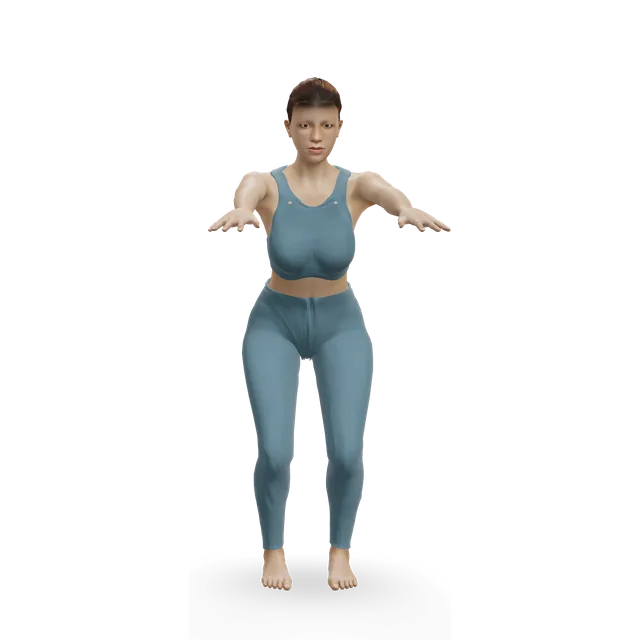
Ankle CARs (controlled articular rotations) demonstrated on the 3D figure3D demoAnkle CARs (controlled articular rotations)Beginner · No equipment

5 slow circles each way with each ankle, morning and evening · The move page's dose. After a sprain, an NHS hospital leaflet does ankle movements 10 times each, 3 to 4 times a day

Easier: Ankle circles · Harder: Toes-tucked kneeling (toe squat)

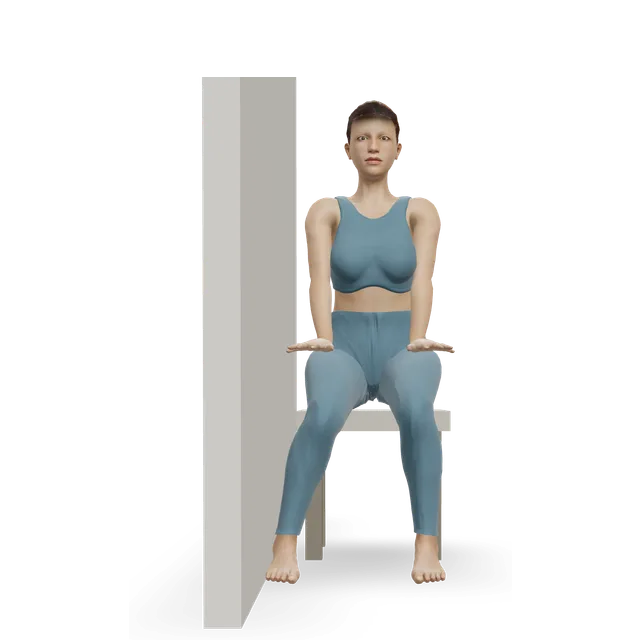
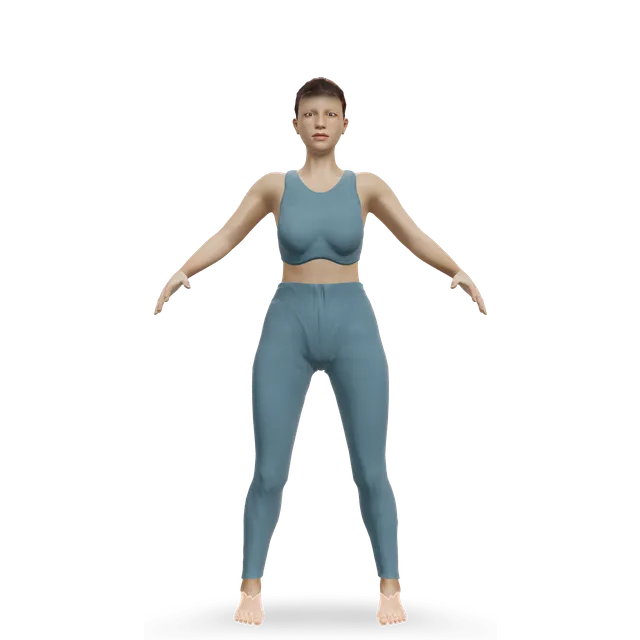
Isometric ankle eversion against a wall demonstrated on the 3D figure3D demoIsometric ankle eversion against a wallBeginner · A wall + A bench or box

8 to 12 holds of about 6 s, once or twice a day · For pain on the outside of the ankle. The holds are from the move page's steps; how often is our suggestion

Harder: Band ankle eversion

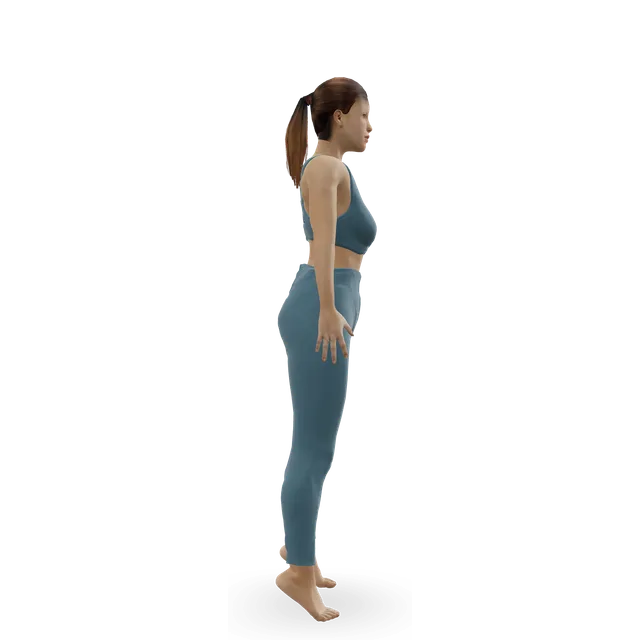
Isometric calf raise hold demonstrated on the 3D figure3D demoIsometric calf raise holdBeginner · A wall

5 holds of 30 to 45 s, once or twice a day, with pain 5 out of 10 or less · For pain at the back of the ankle. The move page's dose; the pain cap is the Achilles trial's

Easier: Seated bent-knee calf raise (soleus raise) · Harder: Slow calf raise

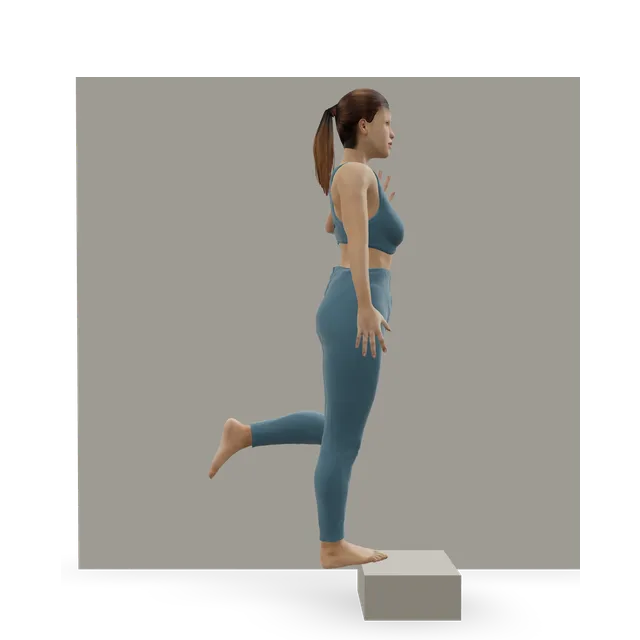
Single-leg stand demonstrated on the 3D figure3D demoSingle-leg standBeginner · A wall

Up to 30 s, holding a support, then without · The NHS hospital leaflet's first balance levels, from about week 2 after a sprain

Easier: Tandem stance and heel-to-toe walk · Harder: Single-leg reach matrix

Stationary cycling demonstrated on the 3D figure3D demoStationary cyclingBeginner · Cardio machine

20 to 30 min, easy, on days you don't run · Keeps you fit while the ankle settles; only if it's pain-free at any sore bone

Easier: Recumbent exercise bike · Harder: Air bike intervals

Move on when: Walking is normal, any swelling is settling, these exercises stay within the pain rule, and no spot on a bone hurts to press.

Follow along: a timer, a cue and the next move, one step at a time.
Stage 2

Build: ankle strength in every direction, calf strength and balance

About weeks 2 to 6, three sessions a week, building up to 30 minutes of brisk walking. With tendon pain, running carries on within the pain rule. Doses are editorial unless a source is named.

Slow calf raise demonstrated on the 3D figure3D demoSlow calf raiseBeginner · A wall

12 times, 3 times a day · The NHS hospital leaflet's calf raise

Easier: Seated bent-knee calf raise (soleus raise) · Harder: Standing dumbbell calf raise

Single-leg calf raise from a step demonstrated on the 3D figure3D demoSingle-leg calf raise from a stepIntermediate · A step + A wall

12 times, 3 times a day, on the floor first and then on the step · The leaflet's single-leg level. With pain where the Achilles meets the heel bone, stay on the flat floor, as the Dutch guideline advises

Easier: Slow calf raise · Harder: Single-leg pogo hops

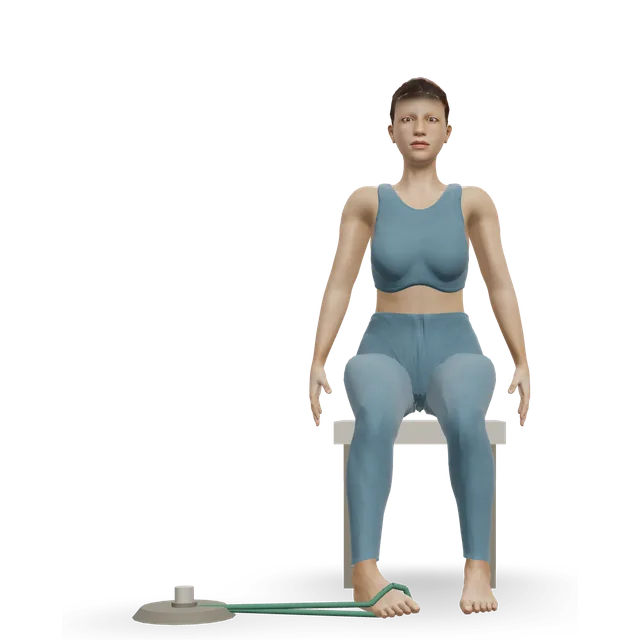
Band ankle inversion demonstrated on the 3D figure3D demoBand ankle inversionBeginner · A band + A bench or box

After a sprain, 2 to 3 sets of 5 to 8; for an ankle that keeps going over, 3 sets of 10 at 3 to 5 s a rep; for inner ankle tendon pain, 3 sets of 15 · The move page's dose for each problem

Harder: Single-leg calf raise from a step

Knee-to-wall ankle rock demonstrated on the 3D figure3D demoKnee-to-wall ankle rockBeginner · A wall

10 slow rocks per side, daily · The move page's dose. Use a smaller range if the front of the ankle pinches

Single-leg reach matrix demonstrated on the 3D figure3D demoSingle-leg reach matrixIntermediate · No equipment

3 rounds of 5 reaches in each direction, each leg · The move page's dose. Ease off the deep reaches in the first weeks after a sprain

Easier: Standing crossed-leg side reach · Harder: Single-leg Romanian deadlift

Move on when: 20 slow single-leg calf raises on each side within the pain rule (the stress fracture guide's target), 30 seconds on one leg with your eyes closed (the hospital leaflet's hardest balance level), and 30 minutes of brisk walking without pain (the NHS service's starting point for running).

Follow along: a timer, a cue and the next move, one step at a time.
Stage 3

Hop, then walk-jog back

From about week 6, then ongoing; a high-risk bone site waits for your specialist's go-ahead. Impact comes back every other day, distance before speed, as an expert review on bone stress and the NHS service's programme advise. Flat, even ground first, then trails, cambers, hills and speed, one at a time (our suggestion). After a sprain, keep a balance routine going 3 times a week for 8 weeks, the length of the home programme that cut repeat sprains, and consider a brace for trails and races (our suggestion, from the bracing trials).

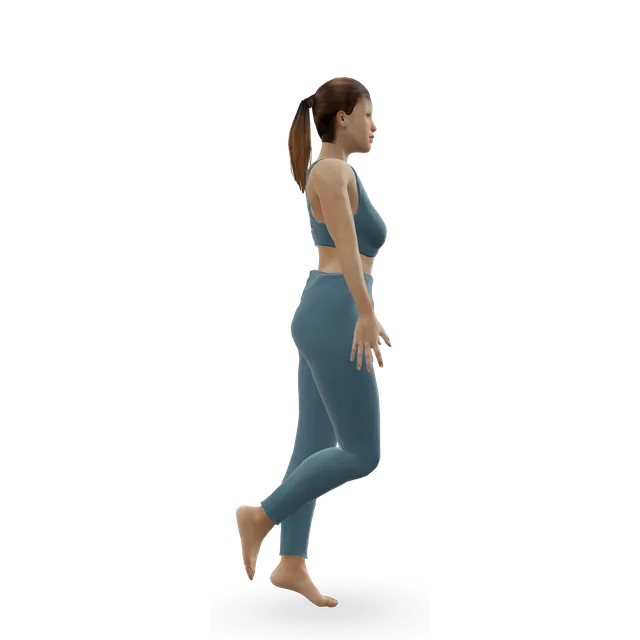
Ankle bounces (mini pogo) demonstrated on the 3D figure3D demoAnkle bounces (mini pogo)Beginner · No equipment

2 to 3 sets of 20, every other day · Only once no bone is sore: 30 seconds of easy bounces without pain is the last check before running, as in the stress fracture guide

Harder: Pogo hops

Pogo hops demonstrated on the 3D figure3D demoPogo hopsIntermediate · No equipment

3 sets of 8 to 12, every other day · The NHS hospital leaflet's jumping level

Easier: Ankle bounces (mini pogo) · Harder: Single-leg pogo hops

Single-leg pogo hops demonstrated on the 3D figure3D demoSingle-leg pogo hopsAdvanced · No equipment

3 sets of 30 to 60 s, every other day · The leaflet's hopping level, once jumping is comfortable

Easier: Pogo hops

Single-leg hop and stick demonstrated on the 3D figure3D demoSingle-leg hop and stickIntermediate · No equipment

3 sets of 5 each leg: forwards, then sideways and diagonally

Easier: Standing broad jump with stuck landing · Harder: Alternate-leg bounding

Lateral cone hops demonstrated on the 3D figure3D demoLateral cone hopsIntermediate · Other / check instructions

3 sets of 10, side to side · As in the chronic ankle instability guide; useful before trails

Easier: Single-cone quick-feet drill · Harder: Single-leg cone hops

Treadmill jogging demonstrated on the 3D figure3D demoTreadmill joggingIntermediate · Cardio machine

Every other day for 30 min: week 1, jog 1 min and walk 1 min; week 2, jog 2 and walk 1; week 3, jog 4 and walk 1; week 4, jog 9 and walk 1; week 5, jog 15 and walk 1; week 6, jog 30 min · The NHS service's programme: move up a level after a week without pain, and down a level if you get pain. Flat ground outdoors counts

Easier: Treadmill walking · Harder: Sprint intervals

Move on when: From week 7 of the walk-jog programme, add no more than about 10% a week and don't increase distance and time in the same week, as the NHS service advises. After a sprain, use the return-to-sport checks: pain during running and over the next 24 hours, ankle strength and range, confidence, balance and hopping. Bring back trails, cambers, hills and speed one at a time (our suggestion).

Follow along: a timer, a cue and the next move, one step at a time.

What to change for now

What to change in your running today (written steps)

Our 3D figure can't show these changes. They come from an NHS service's return to running programme, NHS pages, a large cohort of runners, lab studies and shoe trials, and where a step is our suggestion, it says so. Keep what passes the pain rule.

  • 1. One sore spot on a bone: stop running and get it checked. Cycle or swim only if it's pain-free at the bone.
  • 2. After a sprain: no running until walking, balance and single-leg calf raises are easy and hopping is comfortable. The NHS advises avoiding strenuous exercise such as running for up to 8 weeks.
  • 3. Tendon pain (the Achilles, or the outer or inner ankle): cut back to what you can run within the pain rule, every other day, with at least one rest day a week, as the NHS service advises. About half your usual weekly running, at an easy pace, is our starting suggestion.
  • 4. Keep each run within your longest pain-free run of the past month: in 5,205 runners, single runs more than 10% longer than the longest of the past 30 days went with more injuries. The NHS suggests doing a similar run 3 or 4 times before adding pace or distance.
  • 5. Run on flat, even, predictable routes for now. Cambered roads tilt the ankle and trails add rolls (our suggestion; sprains are commoner off-road). A treadmill makes pace, walk breaks and stopping easy.
  • 6. With Achilles pain or a pinch at the front of the ankle, leave steep hills and long descents for later: uphill running asks more of the ankle push, and downhill running more braking.
  • 7. With Achilles pain, try a slightly quicker step, about 5% more steps a minute at the same speed: it lowered modelled Achilles stress in lab studies of healthy runners. Count your steps for 30 seconds on an easy run and double it, then run to a metronome about 5% higher (our method).
  • 8. Don't switch to a forefoot landing, minimalist shoes or low-drop shoes to fix it: they move load to the Achilles and calf. If you want to change, take at least 12 weeks.
  • 9. Choose shoes by comfort. Using two pairs in turn went with fewer injuries in a cohort, and the NHS service suggests replacing trainers every 300 to 500 miles.
  • 10. After a sprain, a brace for trails and races in the following season is a reasonable choice (our suggestion, from bracing trials in other sports), alongside the balance work rather than instead of it.

Sources 38, 37, 4, 39, 7, 8, 40, 33, 30, 31, 32, 29, 41

Braces, tape, insoles, injections and surgery

After a sprain, tape or a brace with exercise is the first choice, and bracing prevents repeat sprains; a brace doesn't train balance, so do both. In a cohort of 7,347 runners, those who used ankle tape had more injuries, probably because people with problems use it, so tape isn't a fix on its own. Insoles have small trials behind them only for tibialis posterior tendon pain, which its own guide covers.

Surgery for a sprain is kept for ankles that don't respond to thorough exercise-based treatment, and for Achilles tendon pain after at least 6 months of active treatment. High-risk stress fractures are often treated off weight in a cast or boot, and some need surgery: a specialist's decision.

Sources 24, 25, 26, 42, 19, 14, 16

Positions to swap, and why

Habit or positionWhy it mattersInstead
Trails, cross-country and cambered roads while it settlesSprains are commoner off-road, and a camber tilts the ankle (our reading).Flat, even routes or a treadmill; trails come back last.Try: Treadmill jogging
Running before you can balance and hop after a sprainThe NHS advises avoiding running for up to 8 weeks, and the hospital leaflet's jumps and hops come first.Work through the hop levels first.Try: Single-leg pogo hops
Stopping the ankle exercises once the pain goesA third of athletes sprained the same ankle again within a year without the balance programme.Keep a balance routine going 3 times a week for 8 weeks after you're back.Try: Single-leg stand
A brace or tape instead of trainingA brace prevents repeat sprains but doesn't train balance, and runners who used tape had more injuries (an association).A brace for trails if you like, plus balance and strength work.Try: Single-leg reach matrix
Hill sprints and steep climbs with Achilles or front-of-ankle painUphill running asks more of the ankle push and the calf, and a pinch at the front comes with the ankle fully bent.Flat, easy running for now.Try: Treadmill jogging
Dropping the heel below a step with pain where the Achilles meets the heel boneThe Dutch guideline starts these exercises on a flat surface for that pain.Calf raises on the flat floor.Try: Slow calf raise
Switching to minimalist or low-drop shoes, or to a forefoot landingRunners who switched to minimalist shoes had more Achilles and calf problems, low-drop shoes went with more injuries in regular runners, and a forefoot landing raised Achilles stress in a lab study.Keep your usual shoes, or change over at least 12 weeks.
Running on one sore spot on a boneThe inner ankle bone, the talus and the navicular heal less well, and stress fractures there need prompt checks.Stop and get it checked; cycle only if it's pain-free at the bone.Try: Stationary cycling
Hopping to test a sore boneBone pain should be gone before you hop, as our hop moves' pages say.Calf raises within the pain rule.Try: Slow calf raise

Routines to follow

More moves for this area

Questions people ask

Can I keep running with ankle pain?

It depends on the cause. With tendon pain, often yes, within the pain rule: in a trial, running and jumping with Achilles pain up to 5 out of 10 did no harm. After a sprain, not yet: the NHS advises avoiding strenuous exercise such as running for up to 8 weeks, and comfortable hopping comes first. Not with one sore spot on a bone.

Why does my ankle hurt when I run but not when I walk?

Running loads the leg with about 2 to 3 times your body weight with each step, against about 1 to 1.5 times when walking, and hills, speed and uneven ground add more for the ankle and calf. Pain only when you run is a sign the ankle needs less load for a while, not necessarily a sign of damage.

What does pain on the outside of my ankle mean?

After a roll it's usually a sprain, and in an ankle that keeps going over, chronic instability. Pain behind the bony bump is often the peroneal tendons, and the soft hollow in front of it, sinus tarsi syndrome. One sore spot on the outer leg bone a few centimetres up can be a stress fracture. Each has its own guide.

What does pain on the inside of my ankle mean?

Pain behind the inner ankle bone with a dropping arch is often the tibialis posterior tendon, and burning into the sole points to a trapped nerve (tarsal tunnel syndrome). Pain in one spot on the inner ankle bone itself needs a prompt check: a stress fracture there heals less well, and the first X-ray can look normal.

Why does the back of my ankle hurt when I run?

Usually the Achilles tendon: stiff on the first steps and worse uphill. Pain where it meets the heel bone is treated a little differently, with calf raises on the flat floor rather than off a step. A sudden snap, then walking flat-footed, needs a same-day check.

Why does the front of my ankle hurt when I run?

A pinch as your shin moves forward over your foot, worse uphill and squatting, is often anterior ankle impingement, especially after repeated sprains. Pain on top of the foot along the laces is covered in our foot pain when running guide.

Do I need an X-ray?

After a twist, clinicians use the Ottawa ankle rules: tenderness at the back edge or tip of either ankle bone, at the navicular or at the base of the fifth metatarsal, or being unable to take four steps. A stress fracture may not show on the first X-ray, so an MRI or bone scan may be needed.

When can I run after a sprained ankle?

When walking, balance and single-leg calf raises are easy and jumping and hopping are comfortable. An NHS hospital leaflet brings these in from about 6 weeks, and the NHS advises avoiding running for up to 8 weeks. Start on flat, even ground and bring trails back last.

Should I wear an ankle brace or tape to run?

After a sprain, a brace worn for sport cut repeat sprains in a trial (15% against 27%), though the trial wasn't in runners. A brace doesn't train balance, so keep the balance exercises going too. Tape on its own isn't a fix.

Is trail running bad for my ankles?

Not in itself, but sprains are a bigger share of injuries in cross-country and orienteering than in road running, and a review calls them the commonest sudden trail injury. Build back on flat ground, keep up balance and hopping work, and bring trails back gradually.

Do I need different running shoes?

Choose a pair that feels comfortable: no shoe type has been shown to prevent injury. Avoid a sudden switch to minimalist or low-drop shoes, which moves load to the Achilles and calf.

Related exercise guides

Other pain guides

Sources

  1. Bachmann 2003 · Accuracy of the Ottawa ankle rules to exclude fractures of the ankle and midfoot (systematic review, BMJ)
  2. Stiell 1993 · Decision rules for X-rays in acute ankle injuries: refinement and prospective validation (JAMA)
  3. Martin 2021 · Lateral ankle ligament sprains: JOSPT clinical practice guideline, revision 2021
  4. NHS · Sprains and strains
  5. Kakouris 2021 · Running injuries by body site and diagnosis (systematic review, Journal of Sport and Health Science)
  6. Nilsson 1989 · Ground forces at different speeds of walking and running (lab study of 12 men, Acta Physiologica Scandinavica)
  7. Hansoulle 2024 · How often runners sprain an ankle (systematic review and meta-analysis of 19 studies, Physical Therapy in Sport)
  8. Vincent 2022 · Injury prevention, rehabilitation and return to sport in trail runners (review, Arthroscopy, Sports Medicine, and Rehabilitation)
  9. Doherty 2014 · The incidence and prevalence of ankle sprain injury (meta-analysis of 181 studies, Sports Medicine)
  10. Lagas 2020 · Achilles tendinopathy in 1,929 recreational runners (cohort, Journal of Science and Medicine in Sport)
  11. Jandacka 2026 · Running and the risk of Achilles tendinopathy: the 4HAIE study (cohort, BJSM)
  12. NHS · Ankle pain
  13. Boden 2000 · High-risk stress fractures: evaluation and treatment (review, J Am Acad Orthop Surg)
  14. McInnis 2016 · High-risk stress fractures: diagnosis and management (review, PM&R)
  15. Orava 1995 · Stress fracture of the inner ankle bone (case series of 8, Journal of Bone and Joint Surgery)
  16. AAOS OrthoInfo · Stress fractures of the foot and ankle
  17. Health New Zealand · Stress fractures of the foot and shin bone
  18. Hoenig 2023 · Return to sport after low-risk and high-risk bone stress injuries (systematic review and meta-analysis of 76 studies, BJSM)
  19. de Vos 2021 · Dutch multidisciplinary guideline on Achilles tendinopathy (guideline, BJSM)
  20. Nielsen 2014 · Time to recovery in 254 injured new runners (cohort, PLoS One)
  21. King's College Hospital NHS · Ankle sprain: information for patients (2021)
  22. Hupperets 2009 · Unsupervised home balance training and repeat ankle sprains: the 2BFit trial (RCT, BMJ)
  23. Doherty 2016 · Recovery from a first ankle sprain and predictors of chronic ankle instability (cohort, AJSM)
  24. Vuurberg 2018 · Diagnosis, treatment and prevention of ankle sprains: an evidence-based clinical guideline update (BJSM)
  25. Doherty 2017 · Treatment and prevention of acute and recurrent ankle sprain: an overview of systematic reviews (BJSM)
  26. Janssen 2014 · Bracing vs neuromuscular training to prevent repeat ankle sprains (RCT, BJSM)
  27. Smith 2021 · Return to sport after an ankle sprain: the PAASS framework (international consensus, BJSM)
  28. Silbernagel 2007 · Continued running and jumping with a pain-monitoring model in Achilles tendon pain (RCT of 38, AJSM)
  29. Relph 2022 · Running shoes for preventing running injuries in adults (Cochrane review)
  30. Malisoux 2016 · Heel-to-toe drop and injury in 553 leisure-time runners (RCT, AJSM)
  31. Ryan 2014 · Minimalist shoes and injury in 99 runners (RCT, BJSM)
  32. Río 2027 · Injury risk when switching to minimalist shoes (systematic review and meta-analysis of 7 studies, Gait & Posture)
  33. Lyght 2016 · Foot strike, step rate and Achilles tendon stress in 19 runners (lab study, Journal of Applied Biomechanics)
  34. Heiderscheit 2011 · Step rate and joint loading in 45 runners (lab study, Medicine & Science in Sports & Exercise)
  35. Anderson 2022 · Changing running step rate: injury, performance and biomechanics (systematic review and meta-analysis, Sports Medicine Open)
  36. Warden 2021 · The best load for low-risk shin and metatarsal bone stress injuries in runners (clinical commentary, JOSPT)
  37. NHS · Knee pain and other running injuries
  38. Oxford University Hospitals NHS · Return to Running Programme (OxSport patient leaflet, 2024)
  39. Frandsen 2025 · Single running sessions and injury risk in 5,205 runners (cohort, BJSM)
  40. Lu 2025 · Uphill and downhill running: biomechanics and physiology (review, Frontiers in Bioengineering and Biotechnology)
  41. Malisoux 2015 · More than one pair of running shoes and injury risk in 264 runners (cohort, Scand J Med Sci Sports)
  42. Pedersen 2025 · Running equipment and injury in 7,347 runners: the Garmin-RUNSAFE study (cohort, Translational Sports Medicine)
  43. Cambridge University Hospitals NHS · Achilles tendon rupture: management and rehabilitation
  44. NHS · Deep vein thrombosis (DVT)

Exercise education, not a diagnosis or treatment plan. It is written from the guidelines and studies listed above; review by a clinician is pending. If your pain follows an injury, is severe, is getting worse, or comes with any warning sign listed on this page, get it assessed. Health disclaimer.