Band ankle inversion
Sitting with a band pulling the forefoot outwards, you sweep the foot inwards, big toe leading, while the heel stays still, then let it back slowly. It strengthens the tibialis posterior, the main support of the inner arch, and is the core exercise in trials for tibialis posterior tendon pain.
Movement guide
Band ankle inversion
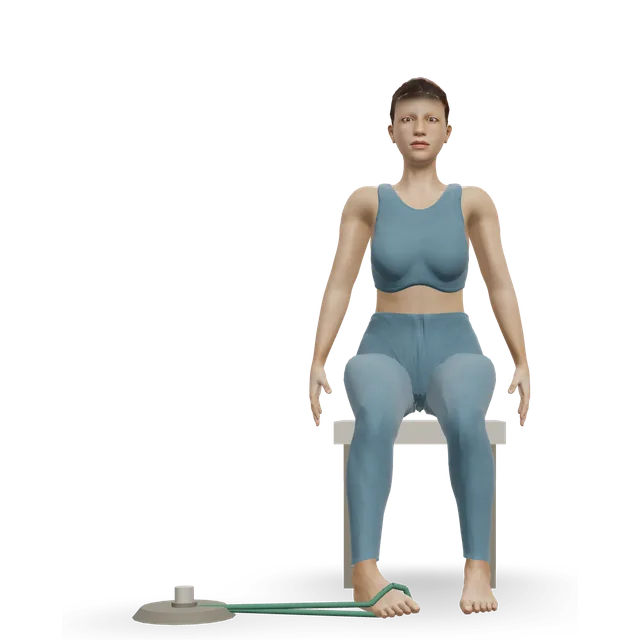
Loading the 3D figure…
Make it easier or harder
Start where you can move well, then step up.
Easier option
This is already one of the gentlest options for these muscles.
Harder option
 3D demoSingle-leg calf raise from a stepIntermediate · A step + A wall
Suggested next step, intermediate grade.
Source-researched guide. Clinical review is pending.
How to move
- Sit on a chair with the working foot flat and the heel on the floor. Loop a band round the inside of the forefoot, just behind the big-toe knuckle.
- Anchor the other end to a table leg on the outside of that foot, or cross the other foot over to hold it, so the band pulls the foot outwards.
- Point the foot slightly, about a quarter of the way.
- Keeping the heel planted and the knee still, sweep the forefoot inwards, big toe leading, as far as is comfortable.
- Pause for a second, then take 2 to 3 seconds to let the foot return.
- Repeat for the set, then change feet if both need it.
Form cues
- Turn at the ankle, not at the hip.
- Slow on the way back: in a trial, the group that lowered slowly improved most.
- Avoid: lifting the heel, curling the toes to help, or swinging the knee.
Practice and cautions
After a sprain, 2 to 3 sets of 5 to 8 (an NHS hospital leaflet's dose). For chronic ankle instability, 3 sets of 10 at 3 to 5 seconds a rep, rising to 4 sets of 10 with a heavier band, three times a week for 6 weeks (the Hall 2018 trial). For tibialis posterior tendon pain, 3 sets of 15 at a resistance you can only just complete, twice a day for 12 weeks, with a slow return (the Kulig 2009 trial); starting with a lighter band is an editorial step.
In the first 2 weeks after a sprain, stay in a pain-free range. With pain on the inner ankle, keep to the tendon pain rule: up to about 5 out of 10, settled by the next morning. A flat foot that has changed quickly or only on one side, or a hot, swollen inner ankle, needs a GP first. This is movement education, not an assessment or treatment prescription. Stop for sharp or increasing pain, dizziness, numbness or tingling; seek individual guidance for symptoms, injury or restrictions.
Sources and review status
Sources support the educational description; they do not establish that this exercise is suitable for you.
- Kulig 2009 · Orthoses and resistive exercise for posterior tibial tendon dysfunction (RCT, Physical Therapy) ↗
- Ross 2018 · Exercise for posterior tibial tendon dysfunction: a systematic review of trials and guidelines (BMJ Open Sport & Exercise Medicine) ↗
- Houck 2015 · Orthosis with stretching, or with stretching and strengthening, for stage II tibialis posterior tendon dysfunction (RCT, Foot & Ankle International) ↗
- Hall 2018 · Balance and strength training protocols for chronic ankle instability, part I (RCT, Journal of Athletic Training) ↗
- United Lincolnshire Hospitals NHS · Ankle sprain exercises (2025) ↗
- NHS · Flat feet ↗
No variation is labeled clinically validated.
What it works
Equipment
A band + A bench or box
Level
Beginner. See the easier and harder options above.
Pain guides that use it
Part of a staged plan, with when to get help first.
- Ankle pain: where it hurts, what helps, and when to get it checked
- Sprained ankle: what to do now, exercises, and stopping the next one
- Chronic ankle instability: exercises for an ankle that keeps rolling
- Ankle arthritis and stiff ankles: what exercise can and cannot do
- Flat feet and fallen arches: when to treat them, and exercises for tibialis posterior pain
Similar moves
 3D demoAnkle bounces (mini pogo)Beginner · No equipment
 3D demoBand ankle eversionBeginner · A band + A bench or box
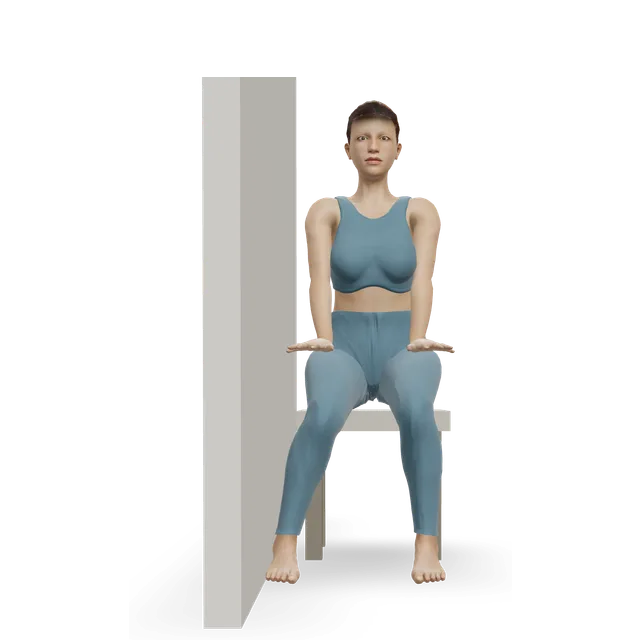 3D demoIsometric ankle eversion against a wallBeginner · A wall + A bench or box
 3D demoPogo hopsIntermediate · No equipment
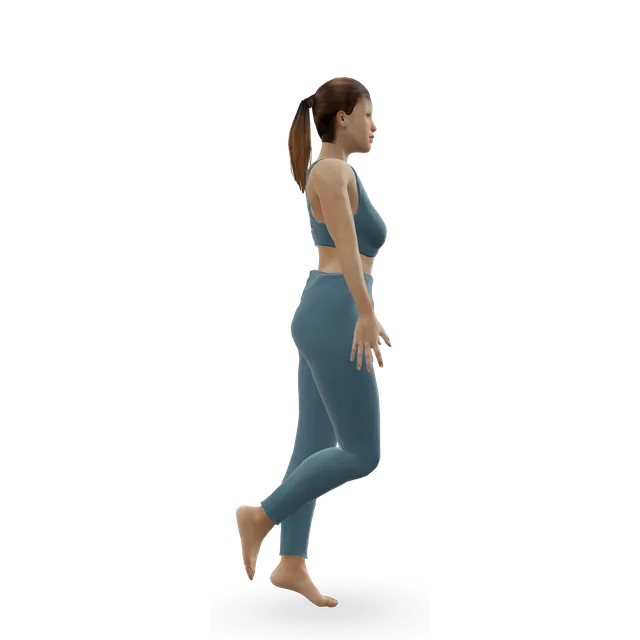 3D demoSingle-leg pogo hopsAdvanced · No equipment
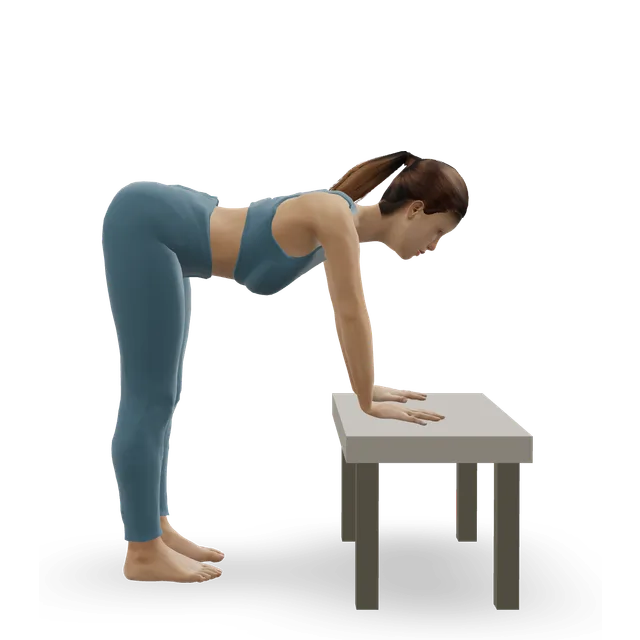 3D demoDonkey calf raiseIntermediate · Other / check instructions
Browse more
Questions people ask
What muscles does the Band ankle inversion work?
Mainly the calves, with help from the shins.
What equipment do I need for the Band ankle inversion?
A band + A bench or box.
Is the Band ankle inversion good for beginners?
It is graded beginner, so it suits most people starting out. When it feels easy, try the Single-leg calf raise from a step.
How do I make the Band ankle inversion harder?
Progress to the Single-leg calf raise from a step, or add load, range or slower lowering once your form is solid.