Pain guide · Ankle pain

Sprained ankle: what to do now, exercises, and stopping the next one

A sprain is an injury to the ligaments. Most happen when the ankle rolls inwards on a sudden change of direction, injuring the ligaments on the outside. The ligaments may be stretched, partly torn or fully torn, and the amount of damage varies.

Most sprains recover with early, protected movement, not rest. The bigger problem is the next one: up to a third of people sprain the same ankle again. This plan takes you from the first days to the balance training that cuts repeat sprains.

When to get help first

Exercise is for pain that has been checked or is clearly mild and settling.

Get urgent medical help if

  • Call 999 or go to A&E: after an injury, you heard a crack, the foot or ankle has changed shape or points at an odd angle, a bone is sticking out, there is a bad cut over it, you're in severe pain, or the toes look blue or white, feel numb or are cold to touch. These can mean a broken bone. Don't drive yourself.
  • Call 999: calf or leg pain or swelling with breathlessness or chest pain. It could be a clot that has reached the lungs.
  • Same day (urgent GP appointment or NHS 111): after an injury, you can't put weight on it or walk more than a few steps, the pain is very bad or getting worse, there is a lot of swelling or bruising or it is getting worse, or it feels very stiff. If you think it's broken, don't treat it yourself.
  • Same day: a sudden snap or pop at the back of the heel, then being unable to walk on tiptoe or climb stairs. It could be an Achilles tendon rupture or a broken heel bone.
  • Same day (GP or NHS 111): throbbing pain and swelling in one calf, with red or darker skin. It could be a blood clot (DVT). Watch for it after an ankle injury or time in a cast or boot.
  • Same day: in a cast or boot, pain that is getting worse, toes that are numb or burning, a cast that feels too tight, toes that are swollen, blue or white, or a bad smell from under the cast.

See a doctor or physiotherapist if

  • Pain that isn't better after 2 weeks of looking after it yourself, is getting worse, keeps coming back, or stops you doing normal things.
  • An ankle that keeps giving way months after a sprain.
  • Tingling or loss of feeling in the foot, or a foot that feels weak.
  • Any foot pain if you have diabetes: foot problems can be more serious.

Understand it

Do I need an X-ray? The Ottawa ankle rulesStrong evidence

After a twisted ankle, clinicians use the Ottawa ankle rules to decide who needs an X-ray. An ankle X-ray is needed if the back edge or tip of either ankle bone is tender to press, or you couldn't take four steps straight after the injury or when you are examined. A foot X-ray is needed if the navicular (the bony bump on the inner midfoot) or the base of the fifth metatarsal (the bump halfway along the outer edge of the foot) is tender, or the same four-step test fails.

The rules are very good at ruling fractures out. In the study that refined them, they picked up every fracture and could cut ankle X-rays by about a third; a review of 27 studies (15,581 people) found they missed almost no ankle or midfoot fractures, in children too, and could cut X-rays by 30 to 40%.

They are a guide for clinicians, not a self-test. If you can't walk four steps, if pressing on one of those bony points hurts, if the foot looks out of shape, or if you're unsure, get it checked the same day. Ligament damage is best judged 4 to 5 days after the injury, once the swelling has gone down.

Sources 11, 12, 8, 1

Grades, in plain words

You may see sprains graded 1 to 3. In plain words, the ligaments are stretched, partly torn or fully torn. The clinical guideline grades severity on examination, and says ligament damage is best judged 4 to 5 days after the injury, once swelling has gone down. Healing times vary too much to give a fixed time for each grade, so this page gives ranges instead.

Most sprains are on the outside of the ankle. High ankle and inner ankle sprains are less common.

Sources 6, 8, 13

How long a sprained ankle takesStrong evidence

The NHS says most sprains feel better after 2 weeks, that you should avoid strenuous exercise such as running for up to 8 weeks, and that severe sprains can take months. NHS hospital leaflets say most improve within 6 to 12 weeks, but swelling and pain can continue for 3 to 6 months, often worse at the end of the day.

In a review of 31 studies, pain fell fast in the first 2 weeks, but 5% to 33% still had pain at a year, and 36% to 85% reported full recovery within 3 years. A Dutch guideline suggests returning to desk work at about 2 to 6 weeks and to physical work and sport at 6 to 8 weeks. Recovery is slower with older age, a higher BMI, more pain, being unable to take weight on it, and previous sprains.

Sources 1, 5, 6, 14, 8, 9

High ankle sprainEmerging evidence

Pain above the ankle, between the shin bones, usually after the foot is forced outwards, is a high ankle (syndesmosis) sprain. It is often more than a simple sprain: in 83 such injuries in American football players, only 13% were isolated. Return to full play took a median of 27 days without a fracture or a major tear of the inner ligament, 175 days with a complete tear of the deep inner ligament or a widened joint, and 250 days with a fracture.

Those were elite players assessed by MRI, but the message holds: get a suspected high ankle sprain assessed.

Sources 27, 8

What helps, and how strong the evidence is

Protect, then load: a brace and early walking beat a castStrong evidence

The clinical guideline's top grade goes to a brace or tape with gradually more weight through the foot. For more severe sprains, a semi-rigid brace or a below-knee cast for up to 10 days may help. In the CAST trial of 584 people with severe sprains, a 10-day below-knee cast gave faster recovery than a tubular compression bandage (ankle function 9% better at 3 months), a semi-rigid brace 8% better and a walking boot no better; by 9 months there were no differences. Four weeks in a cast delayed the return to work and sport compared with functional treatment.

NHS hospital leaflets: walk as comfort allows; a boot or crutches may be given for comfort but haven't been proven to help healing; wean off a support after 2 to 3 weeks.

Sources 8, 9, 17, 5, 6

Start gentle exercise in the first weekEmerging evidence

In 101 people with mild to moderate sprains (grade 1 or 2), an accelerated programme with exercise in week 1 gave better function at weeks 1 and 2, and more walking, than standard rest, ice, compression and elevation, with no extra re-injury (4% in each group). The guideline recommends structured exercise for range, stretching, strength and balance, in clinic and at home, and an overview of reviews found strong evidence for early mobilisation and moderate evidence for exercise.

Sources 16, 8, 10

Rest, ice, compression and elevation: standard first aid, thin evidenceMixed evidence

For the first 2 to 3 days, the NHS advises protection, rest, ice (up to 20 minutes every 2 to 3 hours), compression and elevation, and avoiding heat, alcohol and massage; then keep the ankle moving once pain doesn't stop you. A review of 11 trials (868 people) found too little evidence to judge rest, ice, compression and elevation, and the guideline says repeated ice may be used alongside exercise.

Sources 1, 15, 8

Painkillers: short-term relief, with a cautionMixed evidence

Anti-inflammatories reduce pain and swelling in the short term, but the Dutch guideline urges care because of side effects and possibly slower healing. The NHS suggests paracetamol and ibuprofen gel first, then tablets if needed. Ask a pharmacist.

Sources 10, 9, 1

Balance training and a brace cut repeat sprainsStrong evidence

Exercise-based rehab lowered re-injury over the following year in two meta-analyses (odds ratios 0.53 and 0.60), with no link between how much training people did and the benefit. In the 2BFit trial of 522 athletes, an unsupervised 8-week home balance programme cut repeat sprains from 33% to 22%: one fewer sprain for every 9 people who trained, even though only 23% completed it fully. Sessions were three a week of up to 30 minutes, ideally as a warm-up, starting once usual care had ended and sport had resumed, and progressed from standing on a flat surface, to eyes shut, to a balance board.

A brace for sport cuts repeats too: in one trial 15% re-sprained with a brace against 27% with home training alone, and lace-up braces cut ankle injuries in 1,460 school basketball players. The guideline recommends both a brace and balance training after a first sprain.

Sources 18, 19, 20, 21, 24, 25, 8

Balance training to prevent a first-ever sprain is unprovenMixed evidence

Balance training reduced sprains in sporting groups overall and in people who had sprained before, but the evidence for preventing a first sprain is inconclusive. In volleyball, a balance board programme reduced sprains only in players with a previous sprain.

Sources 23, 22, 8

Back to sport: more than timeEmerging evidence

An international consensus of 155 professionals bases the return to sport on five checks (PAASS): Pain during sport and over the next 24 hours; Ankle range, strength, endurance and power; the Athlete's confidence and feeling of stability; Sensorimotor control, meaning balance; and Sport performance: hopping, jumping, agility, sport drills and finishing a full session. In one cohort, not being able to complete jump-landing tasks 2 weeks after a first sprain predicted later chronic instability.

If recovery stalls, a physiotherapist can check how the injury happened, the bones and ligaments, and the movement and balance problems linked to an ankle that keeps giving way.

Sources 26, 28, 29

What not to rely onStrong evidence

The guideline advises against therapeutic ultrasound. An overview of reviews found too little evidence for ultrasound and conflicting evidence for acupuncture and surgery, and the Dutch guideline keeps surgery for sprains that don't respond to thorough exercise-based treatment.

Sources 8, 10, 9

How much pain is OK while you exercise?

The foot and ankle pain rule

Some discomfort during exercise is fine. Aim for pain you would call mild to moderate, no more than about 5 out of 10, that settles within an hour, with no more swelling or stiffness the next morning. If it's worse the next day, do a little less (a smaller range, fewer reps, a lighter band), not nothing.

After a sprain, NHS hospital leaflets say the exercises should not increase your pain, and gentle exercise from the first week was safe in a trial: re-injury was 4% with or without it.

The exceptions: pain in one spot on a bone should be pain-free, because it could be a stress fracture; burning, tingling or numbness means stop that movement; and if your feet are numb, pain won't warn you, so check your skin after exercise.

If pain climbs day after day, or you notice a warning sign, stop and get it checked. The 5 out of 10 figure is an editorial starting point that matches this site's other pain guides, not a tested rule.

Sources 30, 31, 5, 16

The exercise plan: 3 stages

Start at the first stage. Each move opens a full guide with a 3D demo.

Stage 1

Protect and move: the first two weeks

Days 0 to 14. A brace or tape for comfort, walking as comfort allows, and rest, ice, compression and elevation for the first 2 to 3 days. Doses come from NHS hospital leaflets where named; the rest are editorial starting points.

Ankle CARs demonstrated on the 3D figure3D demoAnkle CARsBeginner · No equipment

10 circles each way, 3 to 4 times a day · A comfortable range; pointing the foot up and down counts too. King's College Hospital leaflet

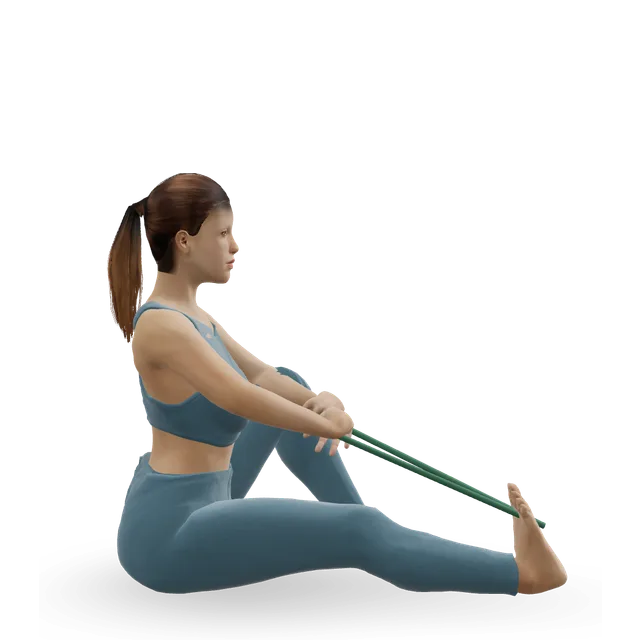
Seated calf stretch with a towel demonstrated on the 3D figure3D demoSeated calf stretch with a towelBeginner · Other / check instructions

3 holds of up to 30 s · From about week 2; King's College Hospital leaflet

Harder: Wall calf stretch (gastrocnemius)

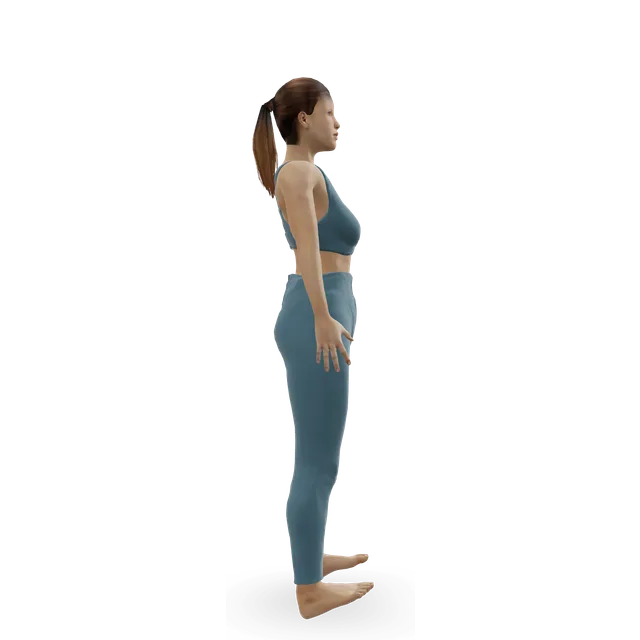
Single-leg stand demonstrated on the 3D figure3D demoSingle-leg standBeginner · A wall

Up to 30 s · Holding a support; the leaflet's first level

Easier: Tandem stance and heel-to-toe walk · Harder: Single Leg Reach Matrix

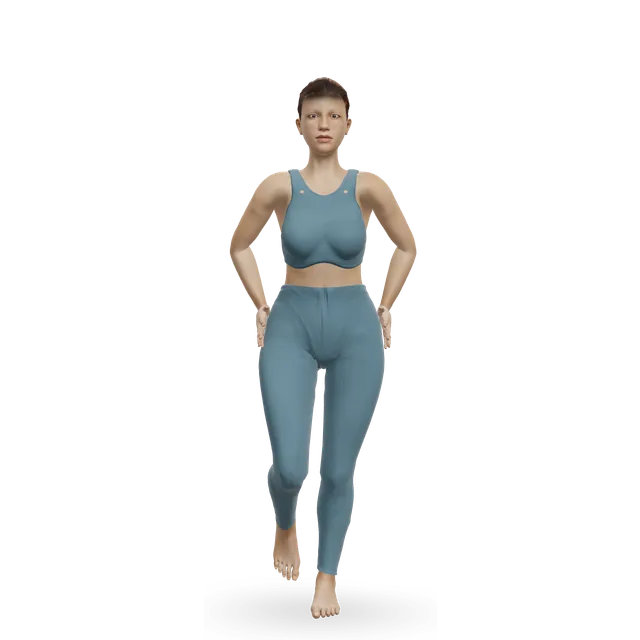
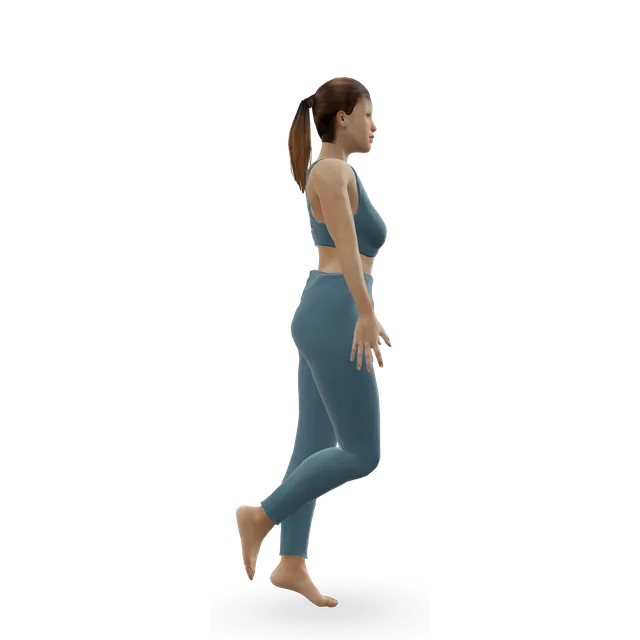
Treadmill walking demonstrated on the 3D figure3D demoTreadmill walkingBeginner · Cardio machine

As comfort allows · Little and often, indoors or out

Harder: Treadmill jogging

Move on when: You can walk with little or no limp, and swelling is settling.

Follow along: a timer, a cue and the next move, one step at a time.
Stage 2

Build: strength in every direction, and balance

About weeks 2 to 6. Wean off the brace or tape after 2 to 3 weeks.

Knee-to-wall ankle rock demonstrated on the 3D figure3D demoKnee-to-wall ankle rockBeginner · A wall

10 slow rocks · Move the foot back 2 cm at a time as it improves; St George's Hospital leaflet

Harder: Frog rock

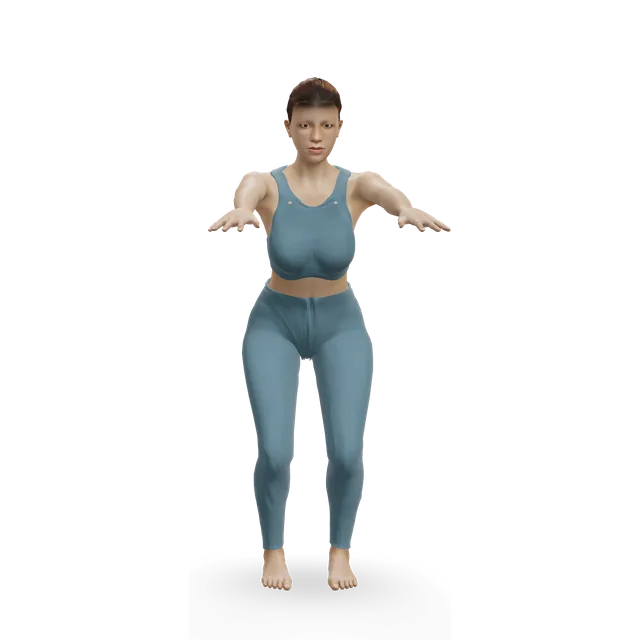
Slow calf raise demonstrated on the 3D figure3D demoSlow calf raiseBeginner · A wall

12 reps, 3 times a day · King's College Hospital leaflet

Easier: Seated bent-knee calf raise (soleus raise) · Harder: Standing dumbbell calf raise

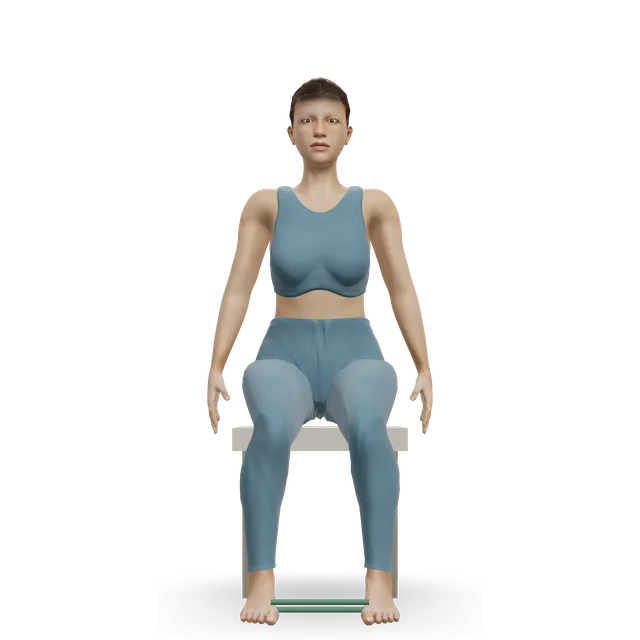
Band ankle eversion demonstrated on the 3D figure3D demoBand ankle eversionBeginner · A band + A bench or box

2 to 3 sets of 5 to 8 · United Lincolnshire Hospitals leaflet

Easier: Isometric ankle eversion against a wall · Harder: Pogo hops

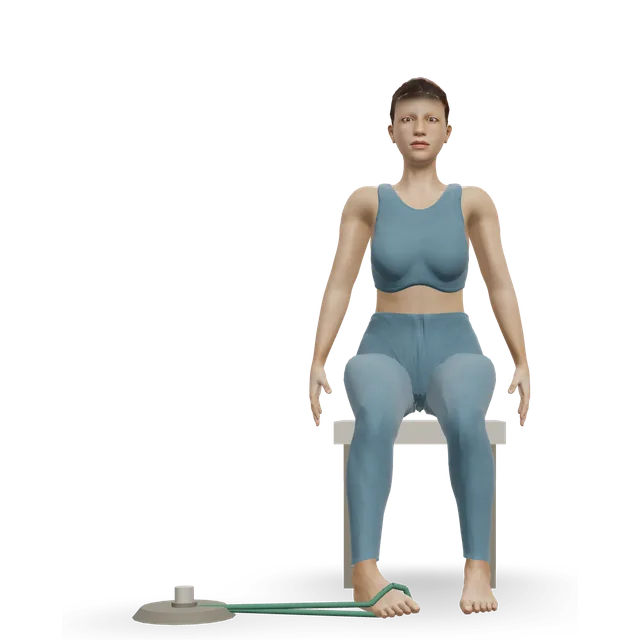
Band ankle inversion demonstrated on the 3D figure3D demoBand ankle inversionBeginner · A band + A bench or box

2 to 3 sets of 5 to 8 · A pain-free range; United Lincolnshire Hospitals leaflet

Harder: Single-leg calf raise from a step

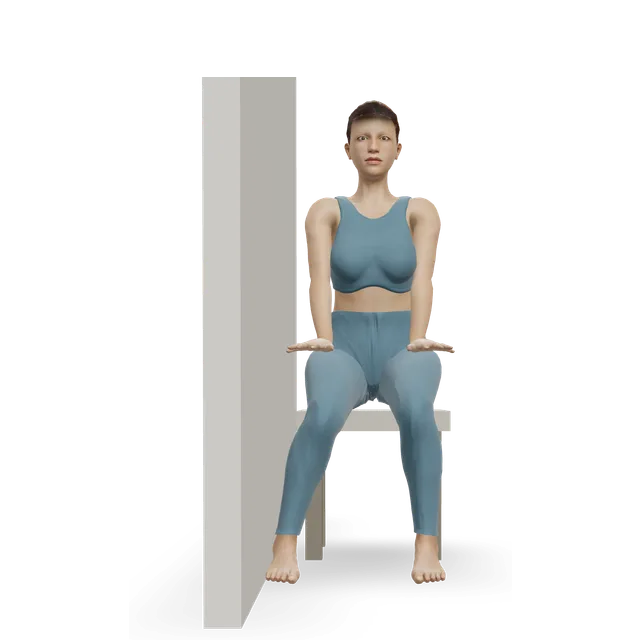
Tibialis raise demonstrated on the 3D figure3D demoTibialis raiseBeginner · No equipment

2 to 3 sets of 8 to 10 · The leaflet lifts the foot against a band; this swap is editorial

Harder: Single-leg tibialis raise

Single-leg stand demonstrated on the 3D figure3D demoSingle-leg standBeginner · A wall

Up to 30 s · Without support, then with your eyes closed: the leaflet's next levels

Easier: Tandem stance and heel-to-toe walk · Harder: Single Leg Reach Matrix

Tandem stance and heel-to-toe walk demonstrated on the 3D figure3D demoTandem stance and heel-to-toe walkBeginner · A wall

3 to 5 lengths · United Lincolnshire Hospitals leaflet

Easier: Semi-tandem stance · Harder: Single-leg stand

Wall calf stretch (gastrocnemius) demonstrated on the 3D figure3D demoWall calf stretch (gastrocnemius)Beginner · A wall

3 holds of 20 to 30 s · United Lincolnshire Hospitals leaflet

Easier: Seated calf stretch with a towel · Harder: Peroneals Stretch

Move on when: You can do 12 calf raises without pain and stand on the injured leg for 30 seconds with your eyes closed.

Follow along: a timer, a cue and the next move, one step at a time.
Stage 3

Return and prevent: hops, sport, and the balance habit

From about week 6. Hop every other day, not daily. Once you're back in sport, keep a balance warm-up going 3 times a week for 8 weeks, as in the 2BFit trial (sessions of up to 30 minutes, moving from the floor to eyes shut to a wobble or balance board), and wear a brace for sport for the following season, especially court and field sports.

Single-leg calf raise from a step demonstrated on the 3D figure3D demoSingle-leg calf raise from a stepIntermediate · A step + A wall

12 reps, 3 times a day · King's College Hospital leaflet

Easier: Slow calf raise · Harder: Single-leg pogo hops

Ankle bounces (mini pogo) demonstrated on the 3D figure3D demoAnkle bounces (mini pogo)Beginner · No equipment

3 sets of 8 to 12, every other day · The King's College Hospital leaflet's last stage

Harder: Pogo hops

Pogo hops demonstrated on the 3D figure3D demoPogo hopsIntermediate · No equipment

3 sets of 8 to 12, every other day · Once ankle bounces are easy

Easier: Ankle bounces (mini pogo) · Harder: Single-leg pogo hops

Single-leg pogo hops demonstrated on the 3D figure3D demoSingle-leg pogo hopsAdvanced · No equipment

3 sets of 30 to 60 s, every other day · Hopping on the injured leg; King's College Hospital leaflet

Easier: Pogo hops

Lateral cone hops demonstrated on the 3D figure3D demoLateral cone hopsIntermediate · Other / check instructions

3 sets of 30 to 60 s, every other day · Side to side; King's College Hospital leaflet

Easier: Treadmill walking · Harder: Single-leg cone hops

Single-leg stand demonstrated on the 3D figure3D demoSingle-leg standBeginner · A wall

3 holds of up to 30 s each leg · Part of the balance warm-up: eyes shut, then on a cushion or board

Easier: Tandem stance and heel-to-toe walk · Harder: Single Leg Reach Matrix

Shuttle runs demonstrated on the 3D figure3D demoShuttle runsAdvanced · No equipment

4 to 6 runs · When you pass the return-to-sport checks

Easier: Treadmill jogging

Move on when: You can hop, land, change direction and finish a full training session with no pain or swelling the next day.

Follow along: a timer, a cue and the next move, one step at a time.

Positions to swap, and why

Habit or positionWhy it mattersInstead
Resting until it's pain-free, or weeks in a cast for a mild sprainEarly, protected movement beats immobilisation, and 4 weeks in a cast delayed the return to work and sport.A brace or tape, walking as comfort allows, and gentle moves from week 1.
Heat, alcohol and massage in the first 2 daysThe NHS advises against them early on, to limit swelling.Ice and raising the ankle.
Turning the foot inwards hard, early onRolling the sole inwards is the movement that sprains the outer ligaments (editorial reasoning from how sprains happen).Gentle circles and band work in a pain-free range.
Running, cutting and jumping before you can balance and hop without painThe NHS advises avoiding running for up to 8 weeks, and the risk of another sprain is highest soon after the first.Work through the hops and the return-to-sport checks.
Stopping rehab once the pain goesRepeat sprains and chronic instability are common.Keep balance work 3 times a week for 8 weeks after you're back, and wear a brace for sport.

Routines to follow

More moves for this area

Questions people ask

Can I walk on a sprained ankle?

Yes, as comfort allows: NHS hospital leaflets advise walking as comfort allows, and early weight-bearing beats rest. The exceptions are the X-ray signs: if you couldn't take four steps, or pressing on a bony point of the ankle or midfoot hurts, get it checked first.

Heat or ice for a sprained ankle?

Ice, and no heat for the first 2 to 3 days, the NHS says. Trial evidence for ice is limited, so use it for comfort alongside moving the ankle, not instead.

Do I need an X-ray for a sprained ankle?

Not always. Clinicians use the Ottawa ankle rules: an X-ray if the back edge or tip of either ankle bone is tender, the navicular or the base of the fifth metatarsal is tender, or you can't take four steps. The rules miss very few fractures. If you're unsure, get it checked.

How long does a sprained ankle take to heal?

Most feel better by 2 weeks and most improve within 6 to 12 weeks, but swelling and aching can last 3 to 6 months. The NHS advises avoiding running for up to 8 weeks, and severe sprains can take months.

Should I wear a brace for a sprained ankle?

Early on, yes: a brace or tape with walking is the guideline's first choice, and NHS leaflets suggest weaning off it after 2 to 3 weeks. For sport afterwards, a brace cuts repeat sprains; train your balance alongside it.

Why is my ankle still swollen weeks later?

Swelling and pain can continue for 3 to 6 months after a sprain, often worse at the end of the day. If it is getting worse, very stiff, or the calf is swollen and throbbing, get it checked.

Is a rolled ankle the same as a sprain?

A rolled ankle is the usual way an outer ankle sprain happens: the foot rolls inwards and stretches or tears the ligaments on the outside. Treat it as a sprain, and check the X-ray signs.

How do I know if it's a high ankle sprain?

Pain above the ankle, between the shin bones, after the foot was forced outwards, suggests a high ankle sprain. These are often more than a simple sprain and take longer, so get it assessed.

Other pain guides

Sources

  1. NHS · Sprains and strains
  2. NHS · Broken ankle
  3. NHS · Ankle pain
  4. NHS · Deep vein thrombosis (DVT)
  5. St George's University Hospitals NHS · Ankle sprains (patient leaflet, 2025)
  6. King's College Hospital NHS · Ankle sprain: information for patients (2021)
  7. United Lincolnshire Hospitals NHS · Ankle sprain exercises (2025)
  8. Martin 2021 · Lateral ankle ligament sprains: JOSPT clinical practice guideline, revision 2021
  9. Vuurberg 2018 · Diagnosis, treatment and prevention of ankle sprains: an evidence-based clinical guideline update (BJSM)
  10. Doherty 2017 · Treatment and prevention of acute and recurrent ankle sprain: an overview of systematic reviews (BJSM)
  11. Bachmann 2003 · Accuracy of the Ottawa ankle rules to exclude fractures of the ankle and midfoot (systematic review, BMJ)
  12. Stiell 1993 · Decision rules for X-rays in acute ankle injuries: refinement and prospective validation (JAMA)
  13. Doherty 2014 · The incidence and prevalence of ankle sprain injury (meta-analysis of 181 studies, Sports Medicine)
  14. van Rijn 2008 · What is the clinical course of acute ankle sprains? (systematic review, American Journal of Medicine)
  15. van den Bekerom 2012 · Rest, ice, compression and elevation for ankle sprains in adults (systematic review, Journal of Athletic Training)
  16. Bleakley 2010 · Accelerated rehabilitation after ankle sprain (RCT, BMJ)
  17. Lamb 2009 · Mechanical supports for acute, severe ankle sprain: the CAST trial (RCT, Lancet)
  18. Bleakley 2019 · Rehabilitation exercises reduce reinjury after ankle sprain (meta-analysis, Archives of Physical Medicine and Rehabilitation)
  19. Wagemans 2022 · Exercise-based rehabilitation reduces reinjury after ankle sprain (meta-analysis update, PLoS One)
  20. Hupperets 2009 · Unsupervised home balance training and repeat ankle sprains: the 2BFit trial (RCT, BMJ)
  21. Hupperets 2008 · The 2BFit study: design of a balance board programme to prevent repeat ankle sprains (BMC Musculoskeletal Disorders)
  22. Verhagen 2004 · A balance board programme to prevent ankle sprains in volleyball (prospective controlled trial, AJSM)
  23. Schiftan 2015 · Balance training to prevent ankle sprains in sport (meta-analysis, Journal of Science and Medicine in Sport)
  24. Janssen 2014 · Bracing vs neuromuscular training to prevent repeat ankle sprains (RCT, BJSM)
  25. McGuine 2011 · Lace-up ankle braces and injury rates in high school basketball players (RCT, AJSM)
  26. Smith 2021 · Return to sport after an ankle sprain: the PAASS framework (international consensus, BJSM)
  27. Kuhn 2025 · High ankle (syndesmosis) injuries in the National Football League and time to return (Sports Health)
  28. Doherty 2016 · Recovery from a first ankle sprain and predictors of chronic ankle instability (cohort, AJSM)
  29. Delahunt 2018 · ROAST: clinical assessment of acute lateral ankle sprains (International Ankle Consortium consensus, BJSM)
  30. Health New Zealand Te Whatu Ora · Stress fractures of the foot and shin bone
  31. Bus 2024 · Guidelines on the prevention of foot ulcers in people with diabetes (IWGDF 2023 update)

Exercise education, not a diagnosis or treatment plan. It is written from the guidelines and studies listed above; review by a clinician is pending. If your pain follows an injury, is severe, is getting worse, or comes with any warning sign listed on this page, get it assessed. Health disclaimer.