Foot pain when running: heel, arch, top or ball of the foot, stress fractures to rule out, and shoes
Where your foot hurts is the best clue: under the heel on the first steps (plantar heel pain), the top of the foot (tight laces, a tendon or a stress fracture), the arch, or the ball of the foot. Most of it settles with less running, the right shoes and steady strength work. One sore spot on a bone is the exception: it needs checking for a stress fracture, and an early X-ray can look normal.
This guide covers the warning signs, a map of the likely causes, what shoes, laces and insoles can and can't do, the pain rule, and a three-stage plan back to running through calf and foot strength and the NHS walk-jog programme, with a 3D demo of every move.
Exercise is for pain that has been checked or is clearly mild and settling.
Get urgent medical help if
Call 999 or go to A&E: after an injury, you heard a crack, the foot or ankle has changed shape or points at an odd angle, a bone is sticking out, there is a bad cut over it, you're in severe pain, or the toes look blue or white, feel numb or are cold to touch. These can mean a broken bone. Don't drive yourself.
Same day (urgent GP appointment or NHS 111): after an injury, you can't put weight on it or walk more than a few steps, the pain is very bad or getting worse, there is a lot of swelling or bruising or it is getting worse, or it feels very stiff. If you think it's broken, don't treat it yourself.
Same day: a sudden snap or pop at the back of the heel, then being unable to walk on tiptoe or climb stairs. It could be an Achilles tendon rupture or a broken heel bone.
Same day: a sudden, very painful, hot, swollen, red joint, often the big toe, especially with a high temperature, feeling shivery or being unable to eat. It may be gout, but it could be a joint infection (septic arthritis), which is urgent.
Call 999 or go to A&E: a foot or leg that is suddenly cold, pale, numb, weak or very painful without an injury. A sudden loss of blood supply is a vascular emergency.
Same day: you have diabetes and a new foot problem, such as an ulcer or wound, signs of infection, or a hot, swollen foot with a change in colour, even if it doesn't hurt. Contact your diabetes foot team or GP: the National Institute for Health and Care Excellence (NICE) asks for these to reach a specialist foot service within 1 working day, and a suspected Charcot foot is kept off weight until it has been checked.
See a doctor or physiotherapist if
Pain in one spot on the shin or a foot bone that you can point to with a fingertip, worse with impact and later present at rest or at night: a possible stress fracture. Stop running and jumping until it has been checked.
Pain in the middle of the foot that is hard to pinpoint, on the outer edge of the midfoot, or on the front of the shin bone in a running or jumping athlete. These sites heal less well and need prompt assessment, often with a scan.
A stress fracture from ordinary activity, more than one stress fracture, periods that have stopped or become irregular, or worries that you're eating too little for your training: see a GP about bone health and energy intake.
Tightness in the shin or calf, with tingling on the top of the foot or a foot that slaps down, that comes on at the same point in every run and eases within minutes of stopping: see a GP or sports physiotherapist. It can be exertional compartment syndrome.
Pain that isn't better after 2 weeks of looking after it yourself, is getting worse, keeps coming back, or stops you doing normal things.
Tingling or loss of feeling in the foot, or a foot that feels weak.
Any foot pain if you have diabetes: foot problems can be more serious.
An ankle that keeps giving way months after a sprain.
A child's heel or foot pain that isn't clearly linked to activity, or that comes with swelling, redness or a fever.
Where does it hurt?
Location narrows the likely causes; it does not diagnose.
In pooled studies, the ankle and the foot took about a third of new running injuries. Plantar heel pain (plantar fasciitis) was about 6% of new running injuries and 8% of current ones, and stress fractures about 4 to 6%.
The NHS names running and tight shoes among the causes of pain in the top, the bottom and the ball of the foot, and a lot of running among the causes of Morton's neuroma. A higher body weight is linked with plantar heel pain, most strongly in people who aren't athletes: a body mass index (BMI) over 27 went with about 3.7 times the odds.
Most foot stress fractures are in the metatarsals, especially the second and third, which take the most force as you push off. The pain is in one spot you can point to with a fingertip and gets worse with activity, and later it becomes a constant dull ache, even at night. Most heal in about 6 to 8 weeks, and as long as you can feel pain, the bone is still fragile.
Two sites heal less well. The navicular, on top of the inner midfoot, causes pain that is hard to pinpoint, may need a computed tomography (CT) or magnetic resonance imaging (MRI) scan, and took about 4 months on average to return to sport; treatment off weight in a cast did better than treatment that allowed walking on it. The base of the fifth metatarsal has a poor blood supply: without surgery it means at least 6 weeks off weight, and sport usually not before 12 weeks. A stress fracture of the heel bone can feel like plantar fasciitis. Low-risk sites usually heal with less activity followed by a gradual return to loading, while time off weight, medicines or surgery are mostly kept for the high-risk sites.
When a scan helps, and what it can't tell youStrong evidence
If a stress fracture is suspected, an X-ray comes first, but it's often normal in the first weeks and may only show the fracture once healing starts; MRI or a bone scan is more sensitive. For plantar heel pain, the NHS says a GP will usually suggest things to try, such as stretches and insoles, and doesn't mention scans. For pain in the top or the ball of the foot, the NHS says to see a GP if it hasn't improved after 2 weeks of looking after it at home.
Plantar heel pain is slow: in new runners, the middle time to recovery was 159 days, from 12 people. Stress fractures usually heal in 6 to 8 weeks, and the high-risk sites take longer. No one can promise a date.
Heel pain: stretching, taping and education firstEmerging evidence
A best practice guide built from 51 trials (4,351 people), expert interviews and a patient survey puts plantar fascia stretching and taping, with education and advice on footwear, at the core of care for heel pain; both eased first-step pain in the short term. People who don't improve can be offered shockwave therapy, then custom insoles. These trials weren't only in runners. The NHS adds cushioned heels and arch support, gentle stretches and low-impact exercise.
Insoles gave a small reduction in heel pain in the medium term against fake insoles (19 trials, 1,660 people), and custom ones were no better than ready-made; it's uncertain whether the change is big enough to matter.
Low-risk stress fractures: load guided by symptomsEmerging evidence
Stress fractures of the metatarsal shafts and the shin make up more than half of runners' bone stress injuries. For these, an expert review advises load that causes no symptoms during, after or the day after, a return to running once daily activities have been pain-free for 5 days in a row, and distance before speed. Strengthening the foot muscles is suggested for metatarsal fractures. This is clinical reasoning, not a trial.
Shoes: change slowly and choose comfortEmerging evidence
Switching to minimalist shoes raised injuries in a trial of 99 runners and in a meta-analysis of 7 studies (313 runners), mostly bone stress in the forefoot and Achilles and calf pain; the review suggests a supervised change over at least 12 weeks. Softer shoes went with fewer injuries than harder ones in lighter runners, but not in heavier ones (848 runners).
A highly cushioned (maximalist) shoe raised impact loading in a lab study of 12 men, thicker soles lowered loading rates in a low-certainty review, and we found no injury trial of maximalist shoes. No shoe type has been shown to prevent injuries, so comfort is a sensible guide; one blinded trial found motion-control shoes helped only runners whose feet rolled in.
Shaped insoles and stress fracturesEmerging evidence
In a meta-analysis, shaped foot orthoses reduced injuries overall by about a quarter and stress fractures by about 40%, while cushioned (shock-absorbing) insoles didn't reduce any injury. In 94 recreational runners, ready-made orthoses felt more comfortable, but the drop in injuries over 8 weeks could have been chance.
In 118 recreational runners, a foot strengthening programme cut running injuries over a year: the control group was 2.42 times as likely to be injured. In 57 runners, walking in minimalist shoes built foot muscle as well as foot exercises did. But in 325 new runners, an ankle and foot programme didn't prevent injuries, while a supervised hip and core programme did.
This guide uses the foot hub's pain rule. Some discomfort during exercise is fine. Aim for pain you would call mild to moderate, no more than about 5 out of 10, that settles within an hour, with no more swelling or stiffness the next morning. If it's worse the next day, do a little less (a shorter run, a smaller range, fewer reps), not nothing.
The exceptions: pain in one spot on a bone should be pain-free, because it could be a stress fracture, and experts managing these fractures aim for no symptoms during, after or the day after loading. Burning, tingling or numbness means stop that movement.
Running follows the same rule, and stop the run if a pain is sharp, makes you limp or change how you run, or builds as you go. With heel pain, check your first steps the next morning: they should be no worse than usual (our suggestion). The 5 out of 10 figure is an editorial starting point that matches this site's other pain guides, not a tested rule.
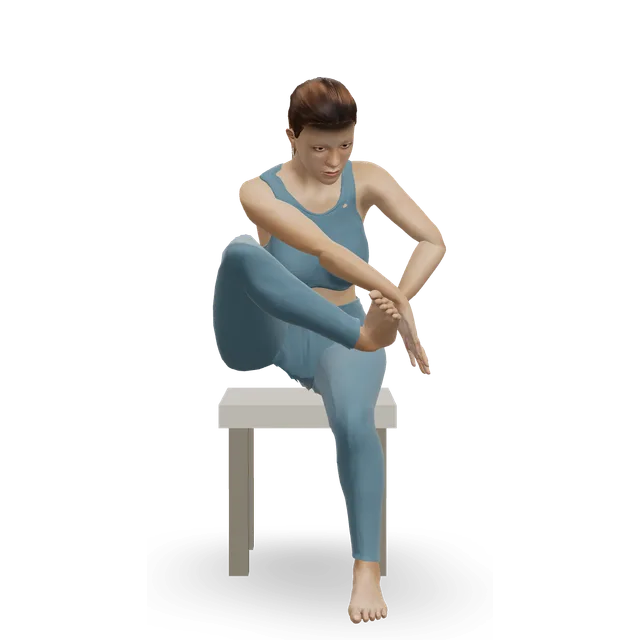
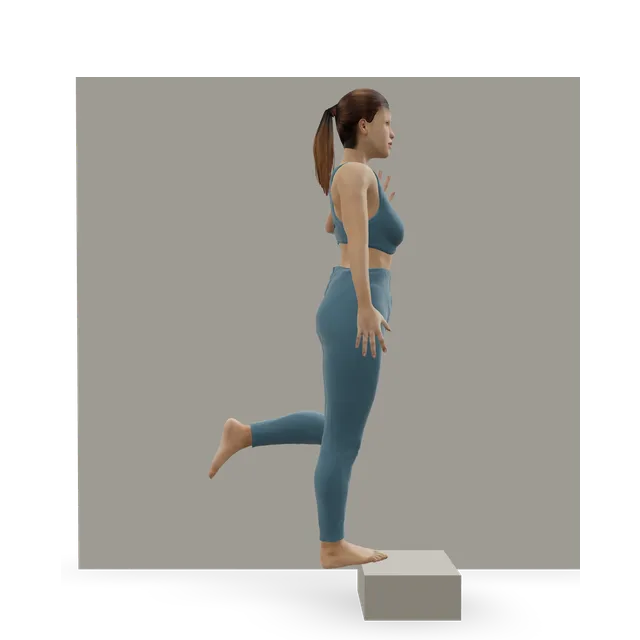
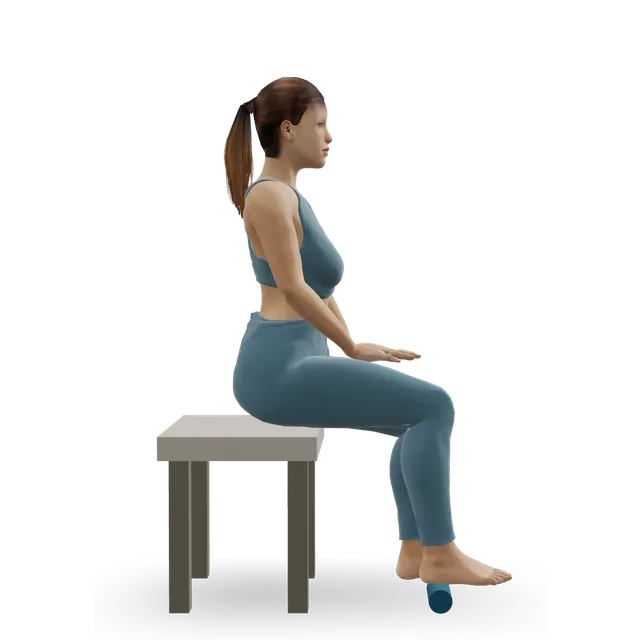
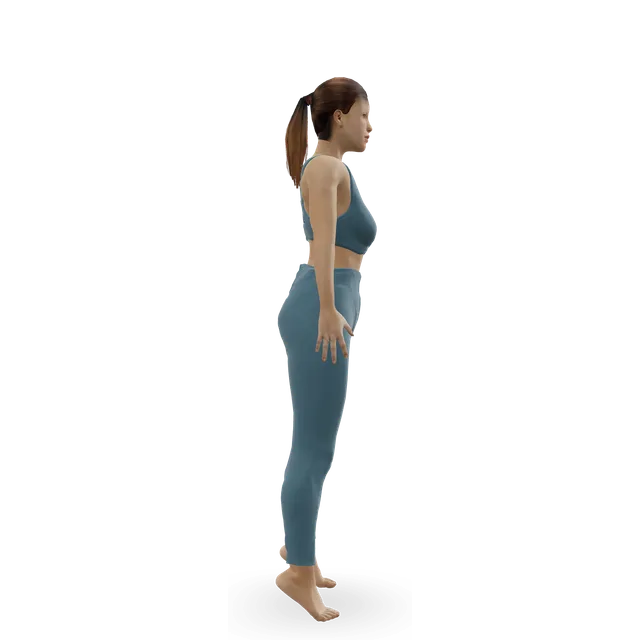
Start at the first stage. Each move opens a full guide with a 3D demo.
Stage 1
Settle: offload, keep fit, start loading
About weeks 0 to 2. With one sore spot on a bone, follow the stress fracture guide and your clinician first. Otherwise cut the running to within the pain rule, or cycle instead, make the shoe, lace and insole changes below, and start daily foot and calf work. Doses are editorial unless a source is named.
Move on when: Walking is comfortable, first-step pain is easing, and no spot on a bone hurts to press.
Follow along: a timer, a cue and the next move, one step at a time.
Stage 2
Build: calf and foot strength, then 30 minutes' brisk walking
About weeks 2 to 6, strength every second day. Slow, heavy calf work, the loading exercise for heel pain and foot strength, building up to 30 minutes of brisk walking.
Every second day: a load you can lift about 12 times for 3 sets, building over the weeks to heavier loads you can lift about 8 times · For heel pain. The move page's dose, from a heel pain trial
Move on when: The stress fracture guide's checks: no tenderness when you press the bone, 30 minutes of brisk walking without pain, and 20 slow single-leg calf raises on each side without pain. With heel pain, first-step pain is mild or gone.
Follow along: a timer, a cue and the next move, one step at a time.
Stage 3
Hop, then walk-jog back
About 6 weeks, then ongoing. Impact comes back in small steps, every other day, distance before speed, as an expert review on bone stress injuries advises and the NHS service's programme does. A high-risk site waits for your specialist's go-ahead.
Every other day for 30 min: week 1, jog 1 min and walk 1 min; week 2, jog 2 and walk 1; week 3, jog 4 and walk 1; week 4, jog 9 and walk 1; week 5, jog 15 and walk 1; week 6, jog 30 min · The NHS service's programme: move up a level after a week without pain, and down a level if you get pain. Flat ground outdoors counts
Move on when: From week 7, add no more than about 10% a week and don't increase distance and time in the same week, as the NHS service advises. If bone pain comes back and doesn't settle when you cut back, stop running and get it checked.
Follow along: a timer, a cue and the next move, one step at a time.
What to change for now
What to change in your running and your shoes (written steps)
Our 3D figure can't show these changes. They come from NHS pages, an NHS service's return to running programme and studies of running shoes and training, so keep what passes the pain rule.
1. One sore spot on a bone: stop running and get it checked. Cycle or swim only if it's pain-free at the bone.
2. Heel pain: cut long runs, hills and speed first, and long spells of standing. The NHS links heel pain with suddenly running a lot more, running uphill, and shoes that aren't supportive enough or are worn out.
3. Top of the foot: loosen the laces over the sore spot, or skip an eyelet there (our suggestion). The NHS names tight shoes among the causes.
4. Ball of the foot or Morton's neuroma: roomy shoes with a low heel and a soft sole, soft insoles or a pad, and less running and jumping for now (the NHS).
5. Don't switch to minimalist or barefoot running suddenly. If you want to change, take at least 12 weeks, as a review of the change suggests.
6. Replace trainers every 300 to 500 miles (the NHS service's tip), and change one thing at a time: shoes, then distance, then speed (our suggestion).
7. Do a similar run 3 or 4 times before adding pace or distance (the NHS), and keep each run within your longest pain-free run of the past month.
Insoles: for heel pain, insoles gave a small benefit in the medium term, and custom ones were no better than ready-made. For prevention, shaped insoles cut stress fractures, but cushioned ones didn't.
Shockwave therapy is the next step for heel pain that isn't improving, in the best practice guide.
Surgery: for a stress fracture of the navicular, treatment off weight in a cast did as well as surgery in pooled studies, though surgery brought an earlier return to sport in a later review; for the base of the fifth metatarsal, surgery gave the best results. These are a specialist's decisions.
Not on one sore spot on a bone, which can be a stress fracture. With heel, arch or ball-of-foot pain, often yes: cut back, stay within the pain rule, and change your shoes or laces if they're part of the problem.
How do I know if it's a stress fracture?
Pain in one spot you can point to with a fingertip, worse with impact, that later aches at rest or at night. An X-ray is often normal at first; an MRI or bone scan shows it earlier. Get it checked rather than running through it.
Why does the top of my foot hurt when I run?
The NHS lists running, kicking or jumping and tight shoes among the causes, along with tendon problems and stress fractures. Loosen the laces over the sore spot (our suggestion), and get one sore spot on a bone checked.
Why does my heel hurt in the morning after running?
Pain under the heel that's worst on the first steps after sleep or rest is usually plantar heel pain (plantar fasciitis). Suddenly running a lot more, running uphill and worn-out shoes are common triggers.
What helps plantar fasciitis in runners?
Stretching the sole of the foot, taping, and advice on load and footwear are the core; slow, heavy heel raises are the loading exercise in this plan. If it isn't improving, shockwave and then custom insoles are the next steps. It can be slow.
What about pain in the ball of the foot?
Usually metatarsalgia: roomy shoes with a low heel and a soft sole, and soft insoles or pads, help. Burning or a pebble feeling between the toes points to Morton's neuroma, for which the NHS also advises less running and jumping for now.
Should I try minimalist or maximalist shoes?
Switching to minimalist shoes raised injuries, mostly forefoot bone stress and calf pain, so change over at least 12 weeks if you do. Highly cushioned shoes haven't been shown to prevent injuries, and one raised impact in a lab study. Choose a pair that feels comfortable.
Do I need custom orthotics?
For heel pain, insoles gave a small benefit, and custom ones were no better than ready-made. Shaped insoles cut stress fractures in trials, but cushioned ones didn't.
Which foot stress fractures are serious?
The navicular (vague pain on top of the inner midfoot) and the base of the fifth metatarsal (the bump halfway along the outer edge) heal less well and need prompt assessment, often with a scan and time off weight. Return to sport after a navicular stress fracture took about 4 months on average.
When can I run again after a metatarsal stress fracture?
Most heal in 6 to 8 weeks. Start a walk-jog programme once daily activities have been pain-free for 5 days in a row and you can walk briskly for 30 minutes without pain, adding distance before speed.
Why do my toes go numb when I run?
Often tight laces or shoes, so loosen them first (our suggestion). A burning, numb feeling between the toes can be Morton's neuroma, and numbness that comes on at the same point in every run and fades when you stop can be exertional compartment syndrome: see a GP.
Exercise education, not a diagnosis or treatment plan. It is written from the guidelines and studies listed above; review by a clinician is pending. If your pain follows an injury, is severe, is getting worse, or comes with any warning sign listed on this page, get it assessed. Health disclaimer.