Pilates for runners: economy, hips and core, injuries and a routine
Pilates may help runners, but the evidence is thinner than most articles suggest. In the one trial of Pilates and running performance, 28 young men who added two mat classes a week to their running for 12 weeks cut their 5 km times more than those who only ran. It hasn't been repeated.
No trial has tested whether Pilates prevents running injuries, and for speed, strength training with heavy weights has much more evidence. Our suggestion is to use Pilates alongside strength training, not instead of it.
This guide covers what the trials show for performance and injuries, how Pilates compares with strength training, how to fit it around your running, and a 30-minute workout for the trunk and hips.
28 young male runners who added two 1-hour mat Pilates classes a week to their running for 12 weeks cut their 5 km time from 25.65 to 23.23 minutes, against 25.33 to 24.61 minutes with running alone. It is one small trial, and its fitness results were unusually large.
Reviews find heavy and combined strength training improve running economy and race times. No trial has compared them with Pilates, so do Pilates as well as lifting, not instead.
No trial has tested Pilates for preventing running injuries, and across 9 trials, exercise programmes in general didn't clearly reduce injuries in runners.
In 325 novice runners, a hip-and-core programme supervised by a physiotherapist and done before runs cut overuse injuries against stretching. Pilates works some of the same muscles, but that's our inference: it hasn't been tested.
Three things: the most oxygen your body can use (maximal oxygen uptake, or VO2 max), how much of it you can sustain, and running economy, the energy you use to run at a given speed. Strength training mostly improves economy rather than VO2 max.
The trunk and hip muscles keep the pelvis and trunk steady while the legs move. In 25 novice runners, tiring the core muscles in a lab changed knee loading, and a review found early evidence that poor core stability is a risk factor for leg injuries in athletes. Neither shows that training the core prevents injuries.
In 720 first-time marathon runners, 8.9% had an injury that stopped them finishing and 48.5% a minor injury. Most of the major injuries came from overuse, and 20 of the 64 were bone stress injuries.
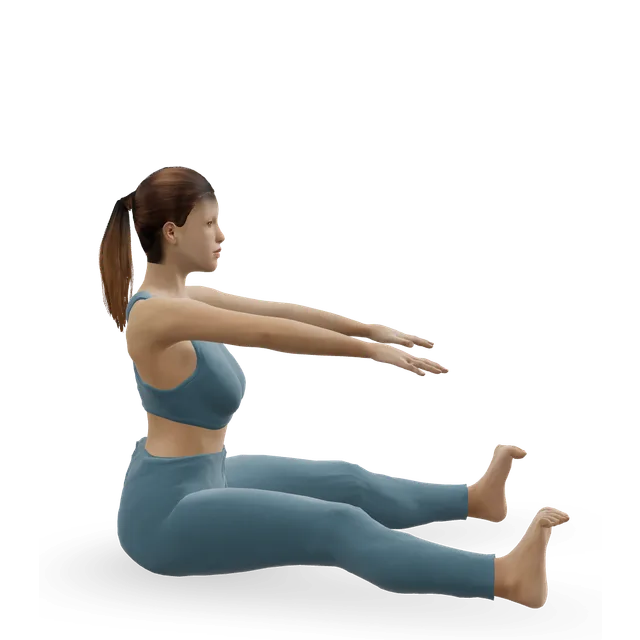
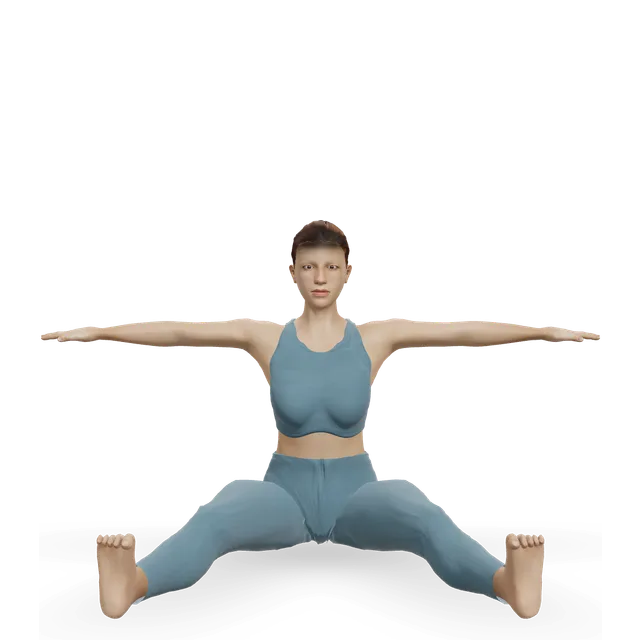
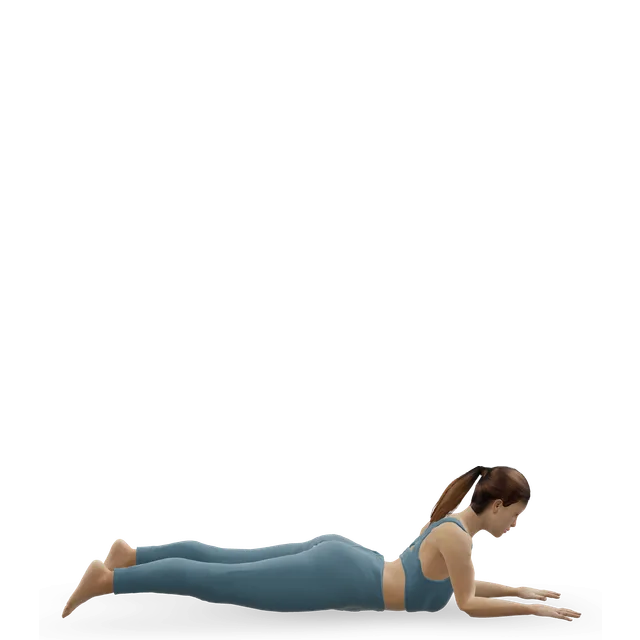
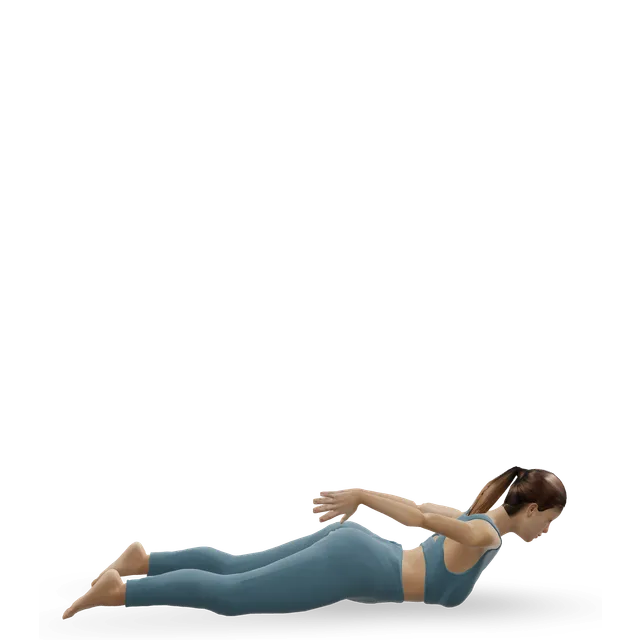
Mat or reformer classes, or short routines of Pilates trunk and hip moves. In the one trial, sessions worked through beginner, basic and intermediate mat levels from a Pilates Method Alliance manual, from the hundred and leg stretches to the side kick series.
32 young men with up to 9 months of running were randomly assigned to run twice a week, with or without two 1-hour mat Pilates sessions a week on other days, for 12 weeks; 28 finished. 5 km time fell from 25.65 to 23.23 minutes with Pilates, against 25.33 to 24.61 minutes without.
VO2 max rose by about 13% in the Pilates group, against about 5% with running alone: an unusually large rise for mat exercise that the trial doesn't explain. It is one small trial in young novice men, with no women, and it hasn't been repeated.
Small trials disagree. Six weeks of core training made 5,000 m times faster in 20 runners but didn't change how they landed; Swiss ball training didn't change running economy in 18 young athletes; 8 weeks of extra core sessions lowered oxygen use at one running speed in 21 college athletes; and a 6-week programme in 6 runners, compared with 6 who didn't do it, found economy 3% better.
Reviews find trunk strength is only weakly linked to sports performance, and core training raises trunk strength far more than it improves performance. Across 31 studies in athletes of many sports, trunk training improved sport-specific performance moderately.
In 40 recreational runners, 6 weeks of clinical Pilates raised movement-screen scores, with no comparison group, and a screen score isn't an injury. In 34 novice runners, 12 weeks of home mat Pilates didn't significantly change how much the knees caved in while running.
Heavy strength training improves economy and race timesStrong evidence
In a review of 24 studies, strength training improved running economy by 2 to 8% in most of the 20 that measured it, and time trials over 1.5 to 10 km tended to improve. Newer reviews found heavy and combined strength training improved economy (moderate certainty) and race performance (very low to moderate certainty), while plyometrics (jump training) alone didn't improve performance.
Heavy resistance training improved economy more than jump training, and loads of 90% or more of the most you can lift once, over 10 to 14 weeks, did best.
Our search found no trial comparing Pilates with strength training in runners. Pilates is mostly body-weight work for the trunk and hips, and heavier strength training has the evidence for speed, so our reading is to do Pilates as well, not instead.
Exercise programmes overall haven't been shown to workEmerging evidence
Across 9 trials of 1,904 endurance runners, exercise programmes didn't clearly reduce the risk or rate of injury, and 7 of the 9 trials were at high risk of bias. In 720 first-time marathon runners, a 10-minute home programme for the thighs, hips and core 3 times a week made no difference to overuse injuries (7.1% against 7.3%).
Supervised hip and core work: one positive trialEmerging evidence
In 325 novice runners, a hip-and-core programme done before runs and supervised by a physiotherapist reduced leg injuries by about a third, and the weekly share of runners with overuse injuries by 39%, against static stretching over 24 weeks. An ankle-and-foot programme didn't reduce overuse injuries and had more sudden injuries. We read this trial as an abstract, so we can't describe its exercises.
Supervised programmes also did better in the review of 9 trials, possibly because people kept them up. Pilates works some of the same hip and trunk muscles, but that's our inference, not evidence: no trial has tested Pilates this way.
In the same trial's runners, neither programme changed strength, and hip angles while running changed by less than 2 degrees, which the authors called a small to negligible effect. Home Pilates didn't change knee movement either.
Poor core stability is a possible risk factor for leg injuries, on early evidence, and tiring the core changed knee loading in a lab study. That's a reason to train the trunk, not proof that it prevents injuries.
Keep two strength sessions with weights a week, and add one or two Pilates sessions or our 30-minute routine on easy-run or rest days, or straight after an easy run. Avoid a long abdominal session just before a hard run or race.
Gentle exercise is usually fine while a running injury settles: the NHS suggests switching to gentle exercise such as yoga or swimming while shin splints heal. Our pain guides have staged plans for each injury.
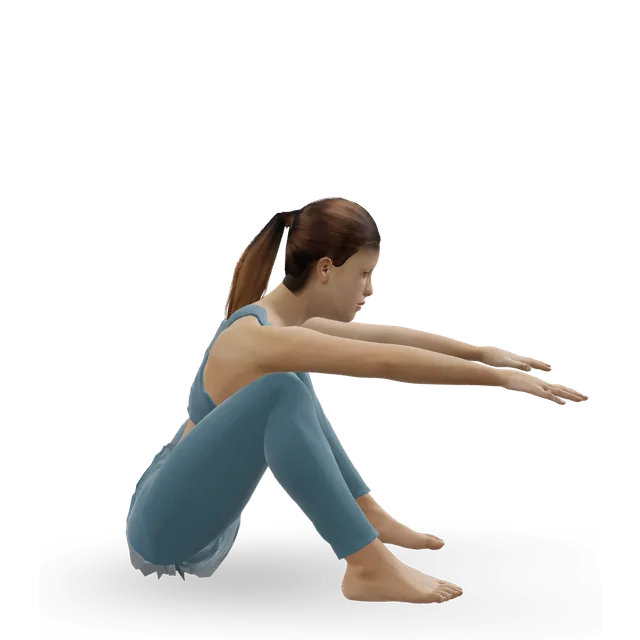
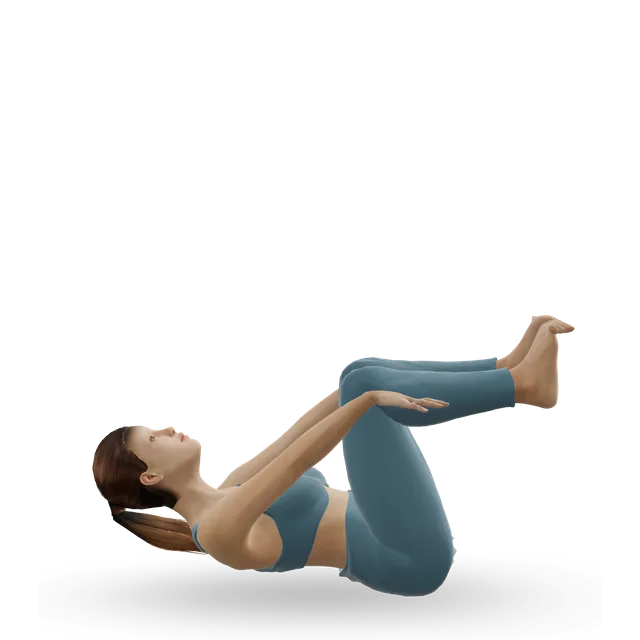
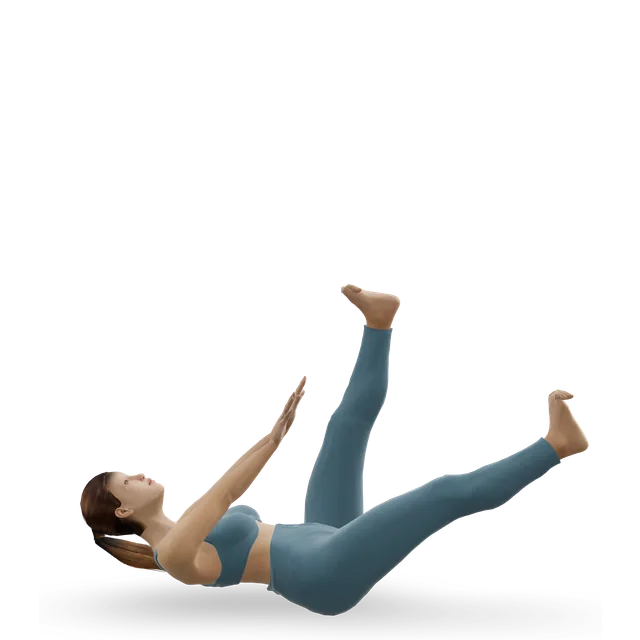
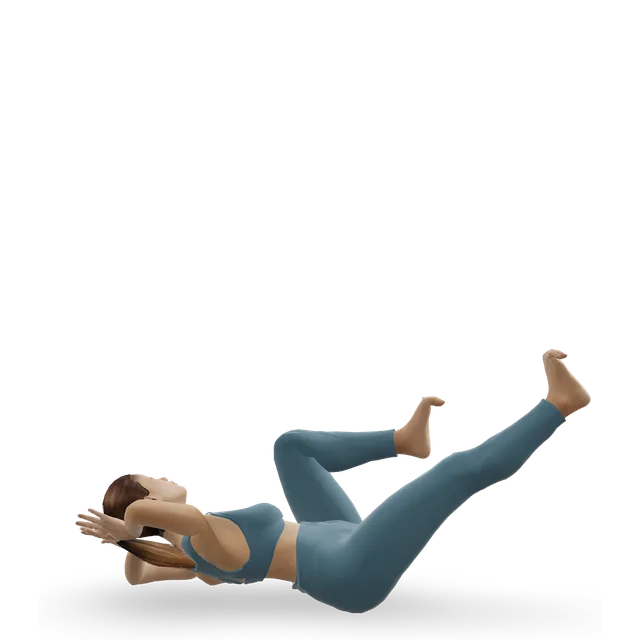
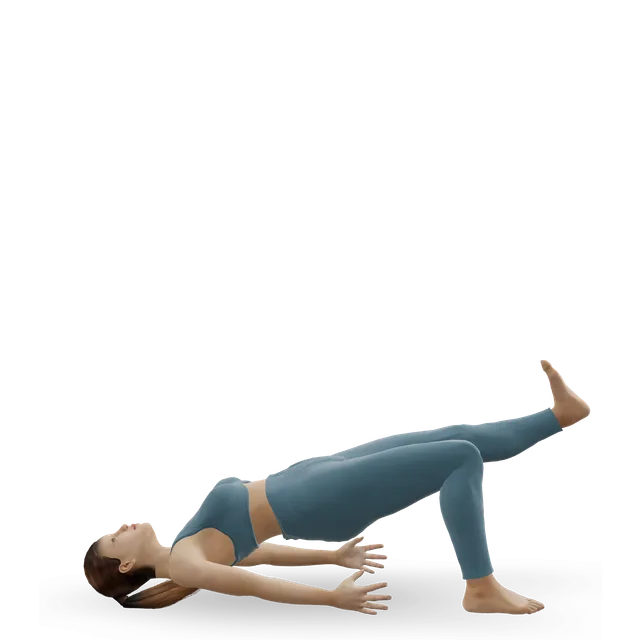
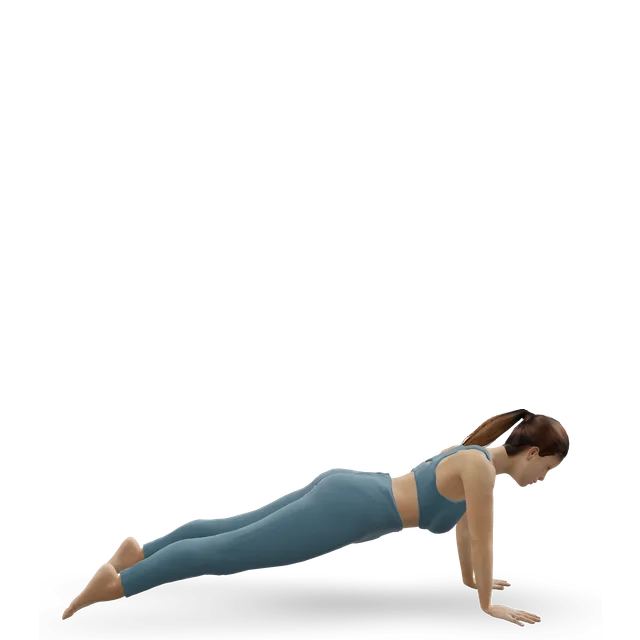
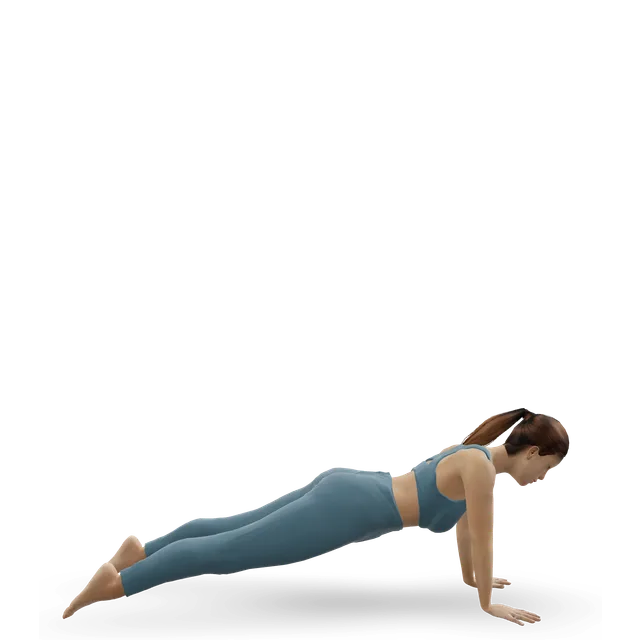
These classical mat moves come from the trial's programme. Rest your head on the mat if your neck tires, and use the half roll back if the roll-up is too hard.
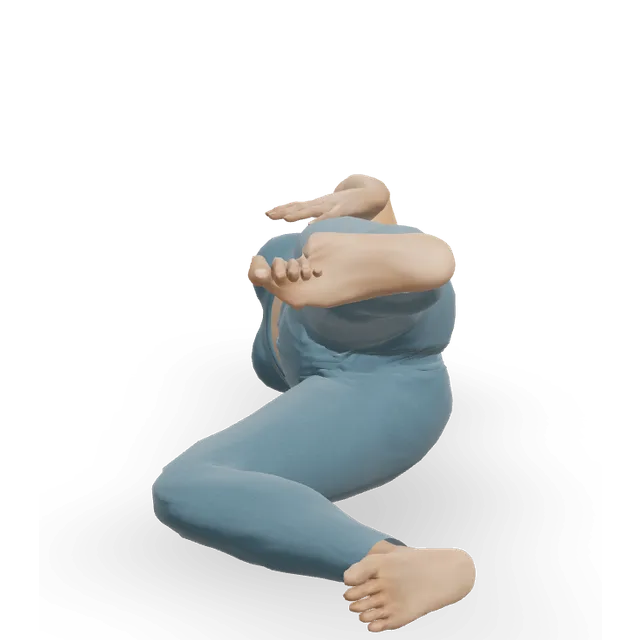
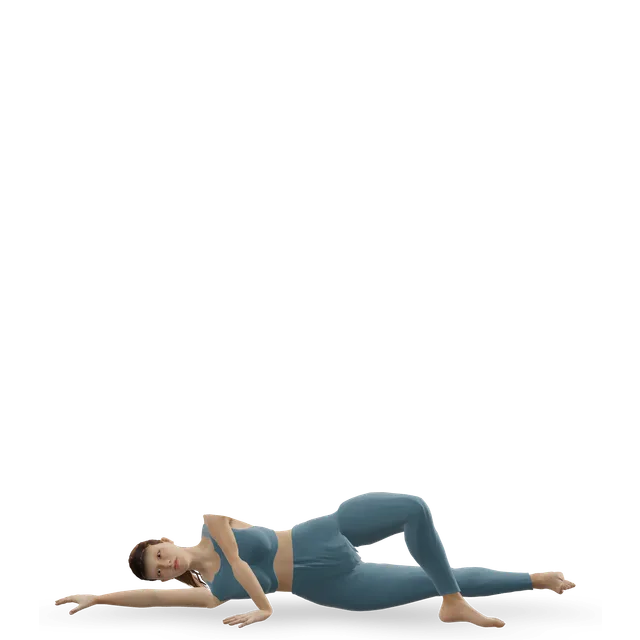
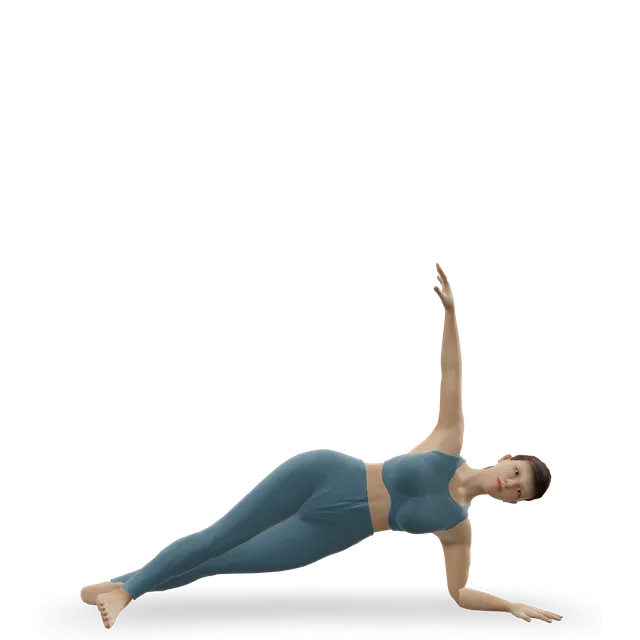
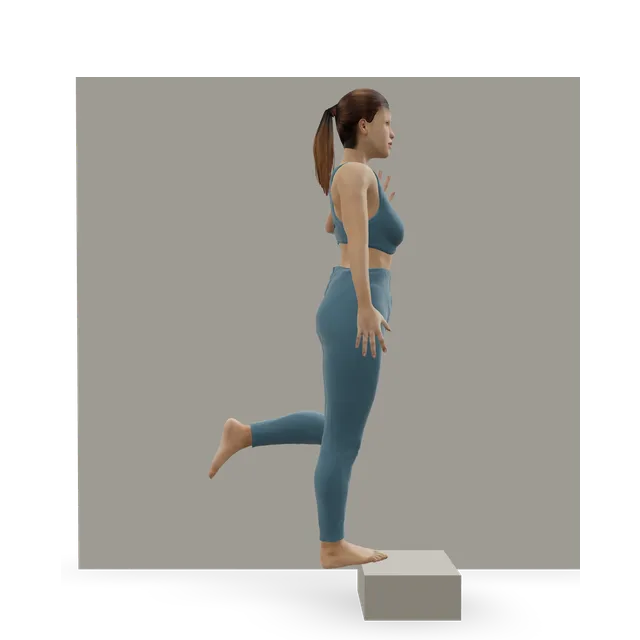
The side kick series and bridges train the hips. For the side plank with a leg lift, our editorial starting point is 2 sets of 10 each side, as in our injury prevention routine for runners.
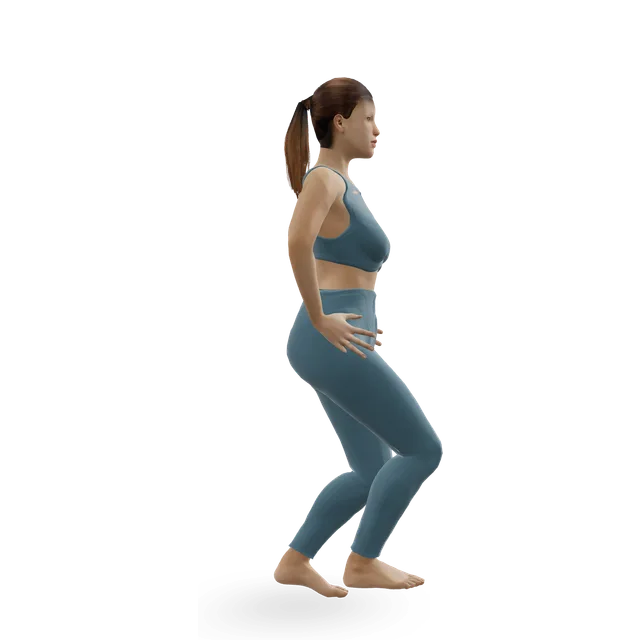
Our Pilates for runners workout is adapted from the trial's mat programme. Our suggestion is to pair it with one of the strength workouts, which have the stronger evidence for speed.
Get help from NHS 111 if shin pain is severe or you've injured your shin, and see a GP if it keeps getting worse or isn't getting better. Bone stress injuries are common in new long-distance runners, so our suggestion is to stop running and get pain that keeps building checked.
Call 999 if back pain comes with numbness or weakness in both legs, loss of feeling around your genitals or bottom, or new bladder or bowel problems. Ask for an urgent GP appointment or call 111 if severe back pain starts suddenly or gets worse quickly.
With a running injury, follow its pain guide first. With runner's knee, keep the knee bend small in the single-leg kick; during a back pain flare, see our Pilates for back pain guide; and in pregnancy, our Pilates in pregnancy guide.
Myths
"Pilates prevents running injuries"Mixed evidence
Untested: no trial has counted injuries after Pilates. Exercise programmes in general haven't been shown to prevent running injuries, though one supervised hip-and-core programme did reduce overuse injuries in novice runners.
It may help, and it counts toward the two muscle-strengthening days a week in UK guidelines. In one small trial, runners who added two mat Pilates classes a week cut their 5 km times more than runners who only ran. It hasn't been tested for preventing injuries.
Does Pilates make you a faster runner?
In the one trial, 5 km time fell from 25.65 to 23.23 minutes with Pilates, against 25.33 to 24.61 with running alone, in 28 young men. That's one small trial, and heavy strength training has more evidence for speed and running economy.
Does Pilates prevent running injuries?
No trial has tested it. Exercise programmes for runners haven't been shown to prevent injuries overall, though a supervised hip-and-core programme before runs reduced overuse injuries in novice runners in one trial. Pilates works some of the same muscles, but that's our inference, not evidence.
Is Pilates enough strength training for runners?
Probably not on its own. Reviews show heavy and combined strength training improve running economy and race times, and no trial has compared them with Pilates. Our suggestion is to do Pilates as well as lifting, not instead.
How often should runners do Pilates?
The trial used two 1-hour sessions a week on days without running. One or two sessions a week alongside two strength sessions is our suggested starting point.
Should I do Pilates before or after running?
No trial has tested the order. Our suggestion: after an easy run or on a rest day works well, and avoid a long abdominal session just before a hard run or race.
Can I run and do Pilates on the same day?
Yes. Pilates is low impact, and although the trial's runners did it on separate days, there's no evidence that doing both on one day is a problem.
Is Pilates or yoga better for runners?
No trial has compared them in runners. Our suggestion: Pilates for trunk and hip strength and control, yoga for flexibility and relaxation, or both; our Pilates vs yoga guide compares them.
Can Pilates help runner's knee?
Hip and knee strengthening is the usual treatment, and Pilates side-lying work trains the hips, but no Pilates trial has tested runner's knee. In one trial, home Pilates didn't change how much the knees caved in while running. Our runner's knee guide has a staged plan.
Is Pilates good for IT band syndrome?
No Pilates trial has studied iliotibial (IT) band syndrome. Hip-strengthening moves like the side kick series fit the usual advice, and our IT band syndrome guide covers the evidence.
Can I do Pilates with shin splints?
Usually yes: the NHS suggests switching to gentle exercise such as yoga or swimming while shin splints heal, and Pilates is low impact. Get help from 111 if the pain is severe or you've injured your shin.
Is reformer Pilates good for runners?
No trial has tested reformer Pilates in runners. The springs add resistance, but our reading is that it doesn't replace heavy lifting.
Exercise education, not a personal prescription, and clinical review of these guides is pending. If you are pregnant, have a health condition or have had recent surgery, check with a doctor, midwife or physiotherapist before starting, and stop for sharp or increasing pain. Health disclaimer.