Pilates
Pilates for runners: trunk, hips and single-leg control
This session is adapted from the mat programme in one small trial, in which 28 young men who added two mat Pilates classes a week to their running for 12 weeks cut their 5 km times more than men who only ran. That trial followed the basic and intermediate mat levels of a Pilates Method Alliance manual, and this session uses moves from those levels, from the hundred to the side kick series, plus a side plank and single-leg balance for the hips. The session itself hasn't been tested, and it doesn't replace strength training with weights, which has the stronger evidence for running economy. The trial's classes were on days without running; our suggestion is to do it on easy days or rest days, with the easier versions until each move feels controlled.
Breathe
- Lateral breathing (Pilates breathing)5 to 8 breathsBeginner · Abs · 3D demoLying on your back, knees bentHarder: Roll-up (Pilates)

Abdominal series
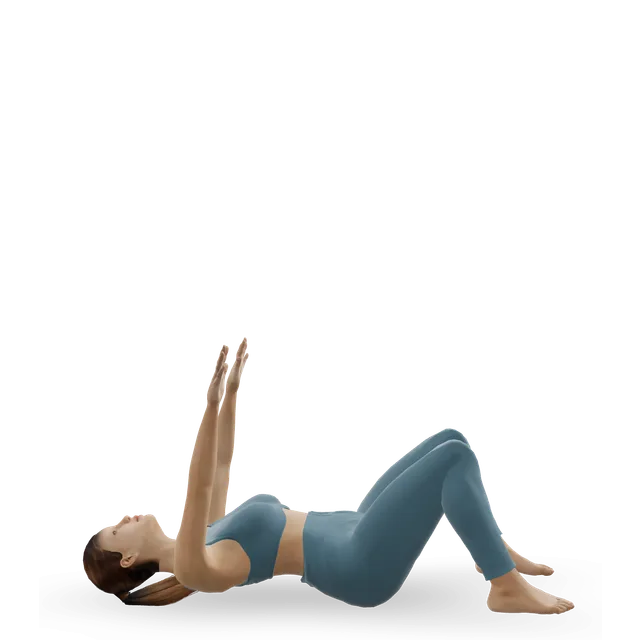
- Hundred (Pilates)50 beats, building to 100Intermediate · Abs, Hip flexors, Shoulders · 3D demoKnees in tabletop if your lower back lifts; head down if your neck achesEasier: Wall hundred (wall Pilates)Harder: Boomerang (Pilates)
- Roll-up (Pilates)3 to 5 slow repsIntermediate · Abs, Hip flexors, Hamstrings · 3D demoOr the half roll back if you can't curl up smoothlyEasier: Half roll back (Pilates C-curve roll back)Harder: Neck pull (Pilates)
- Single-leg circle (Pilates one leg circle)5 each direction, each legBeginner · Abs, Hip flexors, Adductors · 3D demoKeep your pelvis stillHarder: Corkscrew (Pilates)
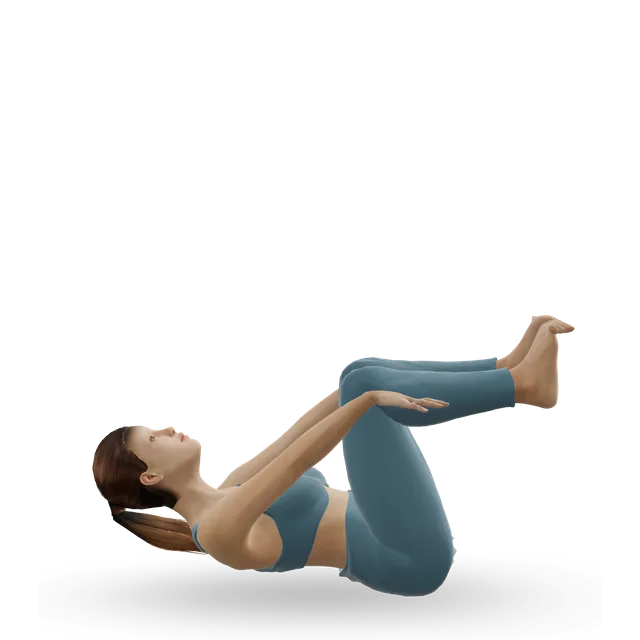
- Single-leg stretch (Pilates one leg stretch)8 each sideIntermediate · Abs, Hip flexors, Neck · 3D demoPull one knee in as the other leg reaches longEasier: Chest lift (Pilates curl-up)Harder: Single straight-leg stretch (Pilates scissors)
- Double-leg stretch (Pilates)6 to 10 repsIntermediate · Abs, Hip flexors, Shoulders · 3D demoReach your arms forward if overhead bothers your shouldersEasier: Chest lift (Pilates curl-up)Harder: Single straight-leg stretch (Pilates scissors)
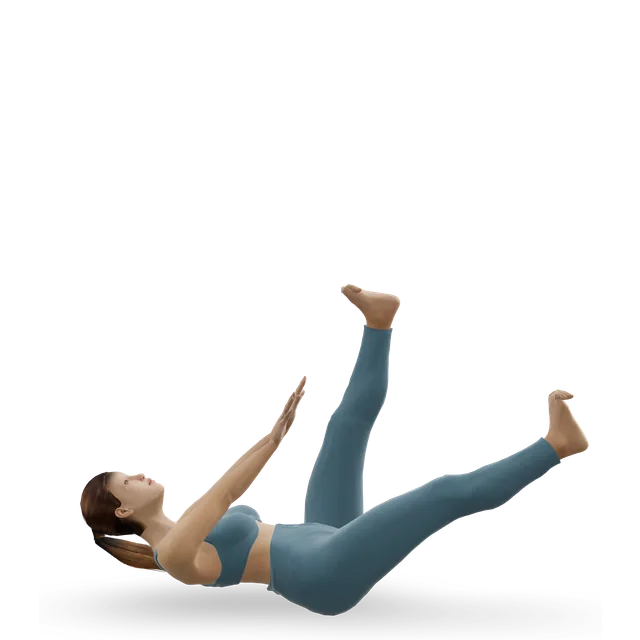
- Intermediate · Abs, Hamstrings, Hip flexors · 3D demoScissor the straight legs with your pelvis steadyEasier: Single-leg stretch (Pilates one leg stretch)Harder: High scissors (Pilates scissors)
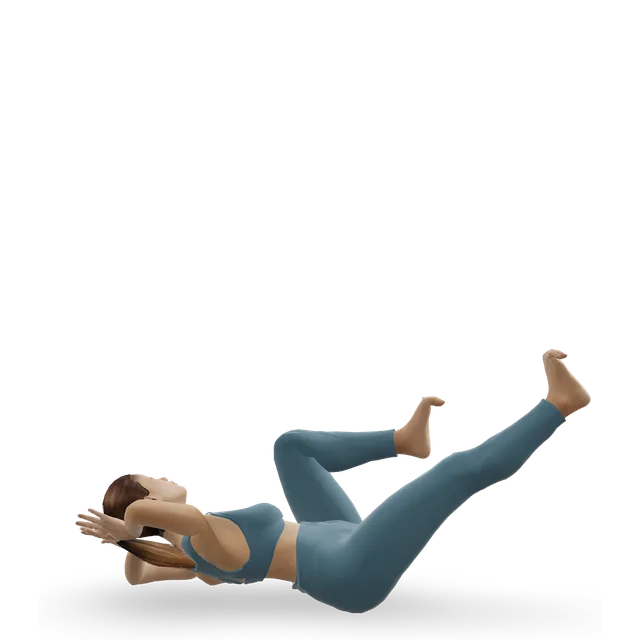
- Criss-cross (Pilates)6 each side, slowlyIntermediate · Abs, Hip flexors, Neck · 3D demoRotate from your ribs, elbows wideEasier: Single-leg stretch (Pilates one leg stretch)Harder: Corkscrew (Pilates)



Spine
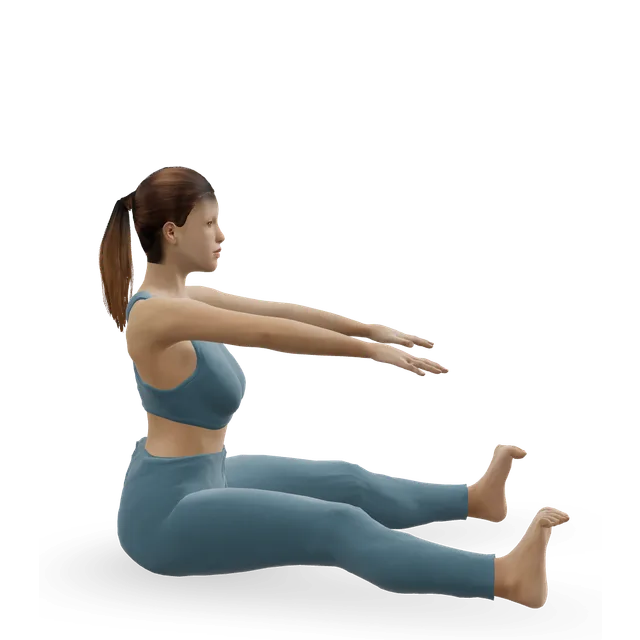
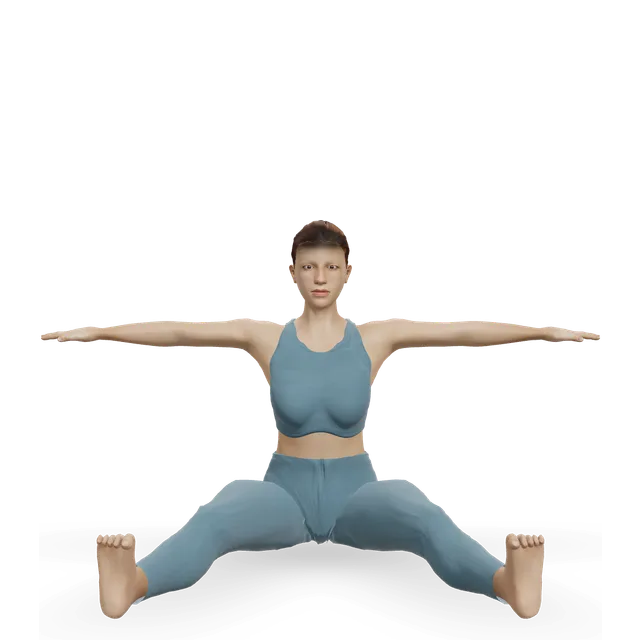
- Beginner · Back, Abs, Hamstrings · 3D demoSit on a folded towel if your back slumpsHarder: Saw (Pilates)
- Saw (Pilates)3 each sideIntermediate · Back, Abs, Hamstrings · 3D demoTwist first, then reachEasier: Spine stretch forward (Pilates spine stretch)Harder: Boomerang (Pilates)
Face down
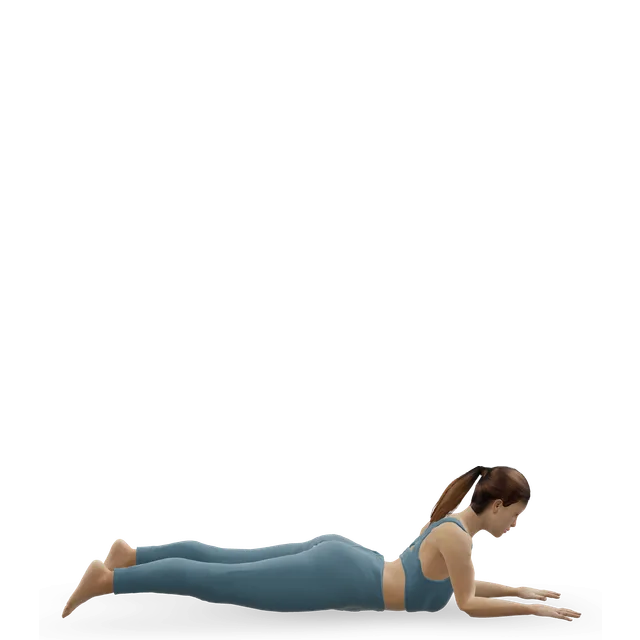
- Single-leg kick (Pilates one leg kick)6 to 8 each legBeginner · Hamstrings, Back, Glutes · 3D demoUse a smaller knee bend if your kneecap complainsEasier: Sphinx pose (Salamba Bhujangasana)Harder: Double-leg kick (Pilates double kick)
Hips
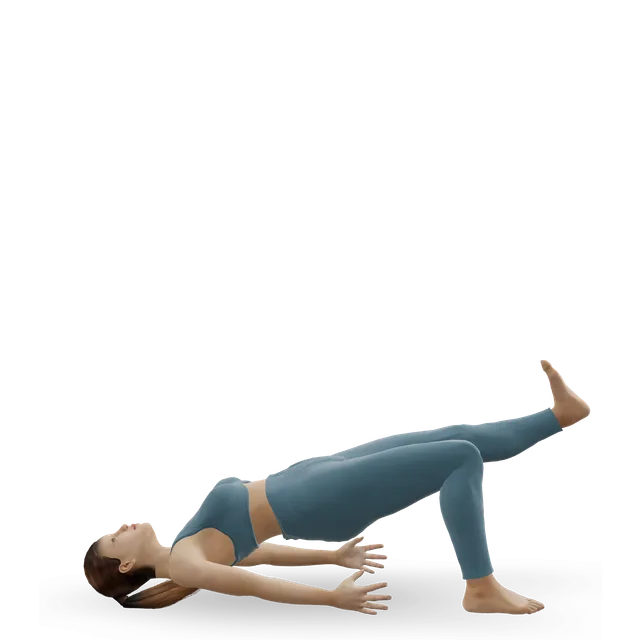
- Shoulder bridge (Pilates)3 kicks each legIntermediate · Glutes, Hamstrings, Abs · 3D demoEasier: a two-legged glute bridgeEasier: Wall bridge (feet-on-wall bridge)Harder: Leg pull back (Pilates leg pull up)
- Side kick (Pilates side kick series)10 each sideBeginner · Hip flexors, Glutes, Hip abductors · 3D demoHips stacked, top leg at hip heightHarder: Side-lying leg circles (Pilates side kick series)
- Side-lying leg circles (Pilates side kick series)8 each direction, each sideBeginner · Hip abductors, Glutes, Abs · 3D demoSmall circles from the hipEasier: Side kick (Pilates side kick series)Harder: Kneeling side kick (Pilates side kick kneeling)
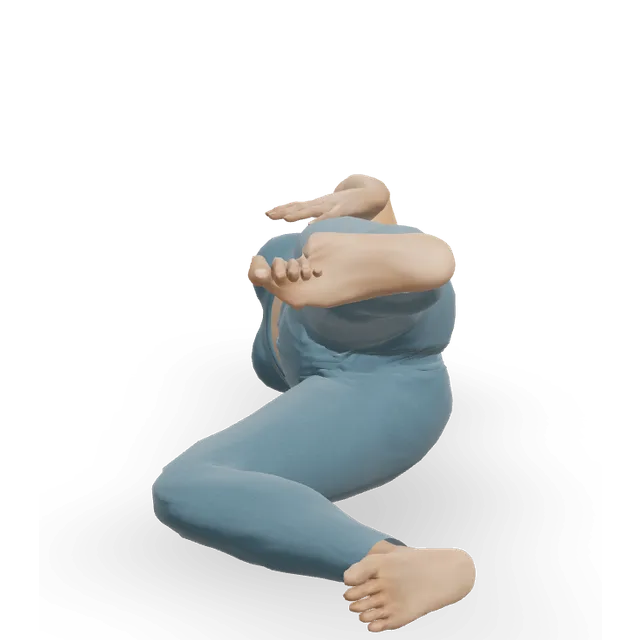
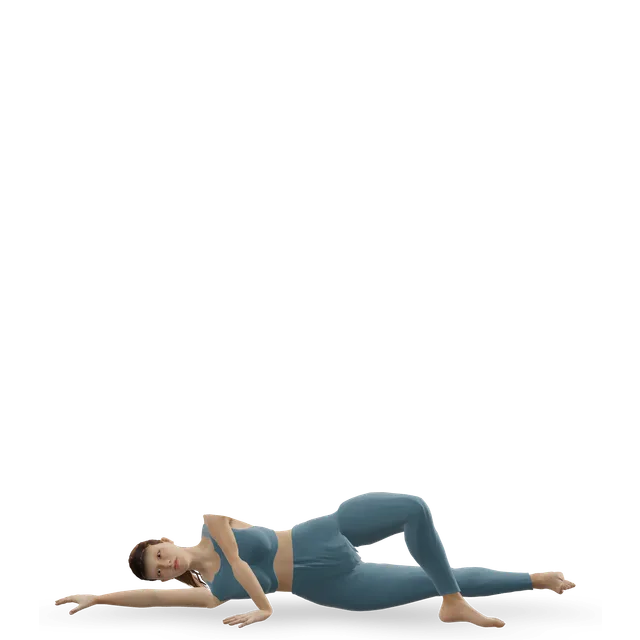
- Beginner · Adductors, Abs · 3D demoLift the bottom leg without rolling backEasier: Side kick (Pilates side kick series)Harder: Kneeling side kick (Pilates side kick kneeling)
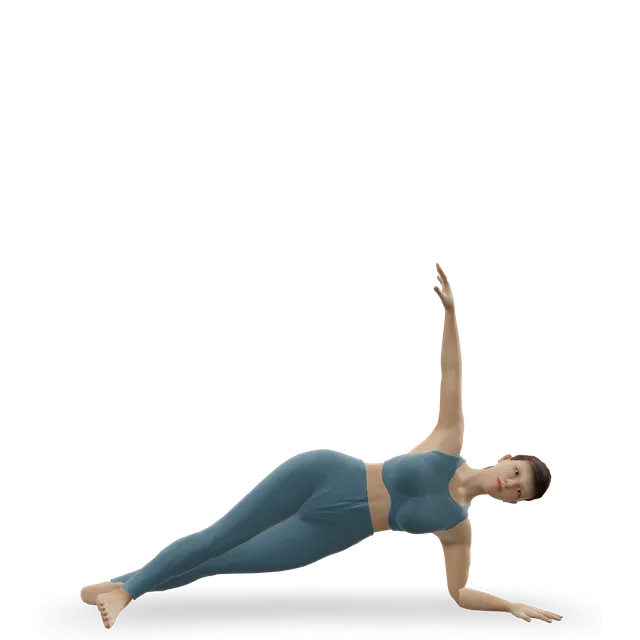
- Side plank with leg lift2 sets of 10 each sideAdvanced · Hip abductors, Glutes, Abs · 3D demoEasier: from a knee side plankEasier: Side plankHarder: Copenhagen plank

Plank
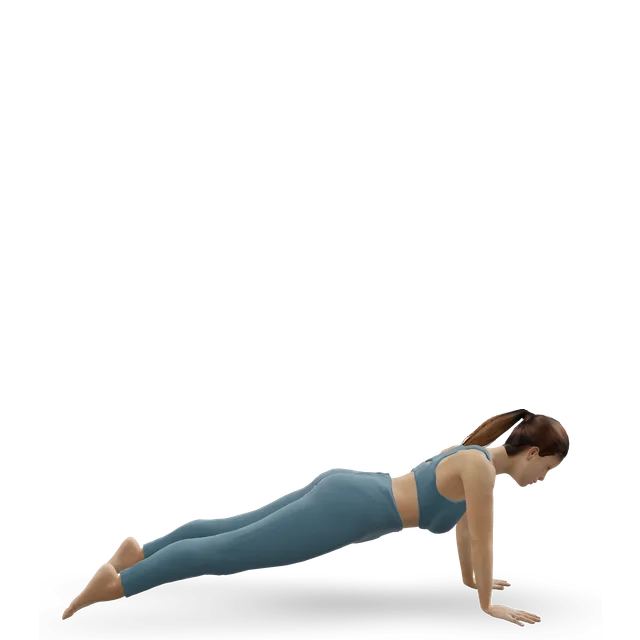
- Leg pull front (Pilates leg pull down)3 each sideAdvanced · Abs, Shoulders, Glutes · 3D demoEasier: a straight-arm plank held for 15 to 30 s, 3 timesEasier: Straight-arm plank (high plank)
Standing balance
- Single-leg stand2 holds of 30 s each legBeginner · Hip abductors, Calves, Glutes · 3D demoHarder: eyes closed, or standing on a cushionEasier: Tandem stance and heel-to-toe walkHarder: Single-leg reach matrix

Tips
- The trial added two 1-hour sessions a week on days without running. Our suggestion: one or two of these sessions a week, alongside two strength sessions with weights.
- Our suggestion is to do it after an easy run or on a rest day, and not to do a long abdominal session just before a hard run or race.
- No trial has tested Pilates for preventing running injuries. If you're injured, follow the pain guide for your injury first.
- With osteoporosis, use the Pilates for osteoporosis workout instead: this session has rounding moves such as the roll-up and spine stretch.
The doses are suggested starting points, not a prescription. Choose a range you can control and stop for sharp or increasing pain, numbness or tingling. Get individual advice after an injury or surgery, or if you are pregnant or managing a health condition.
Guides that recommend it
Find more moves like these
More pilates



Beginner Pilates workout
A 20-minute mat Pilates workout for complete beginners. It covers breathing, spine position and the foundation moves, each with an easier option.
20 minBeginner13 movesNo equipment10-minute Pilates abs
Ten minutes of the classic Pilates abdominal series: the hundred, the roll-up and the series of five, with a plank to finish.
10 minIntermediate11 movesNo equipmentFull-body mat Pilates workout
A 30-minute intermediate mat Pilates class that follows the classical order, from the hundred to the push-up, with prep versions of the hardest moves.
30 minIntermediate22 movesNo equipmentQuestions people ask
How long does the pilates for runners: trunk, hips and single-leg control take?
About 30 minutes, including any warm-up and cool-down listed. Shorten it by doing fewer rounds; lengthen it by adding one.
What equipment do I need?
You need: A wall. Each move links to its guide, where you can find an alternative if you are missing something.
Is it suitable for me?
It is written at intermediate level. 14 of its 18 moves have an easier option listed beside them; use them freely.
How do I make it easier or harder?
Use the easier or harder option listed under each move, change the number of rounds, or adjust the rest. Progress one change at a time.