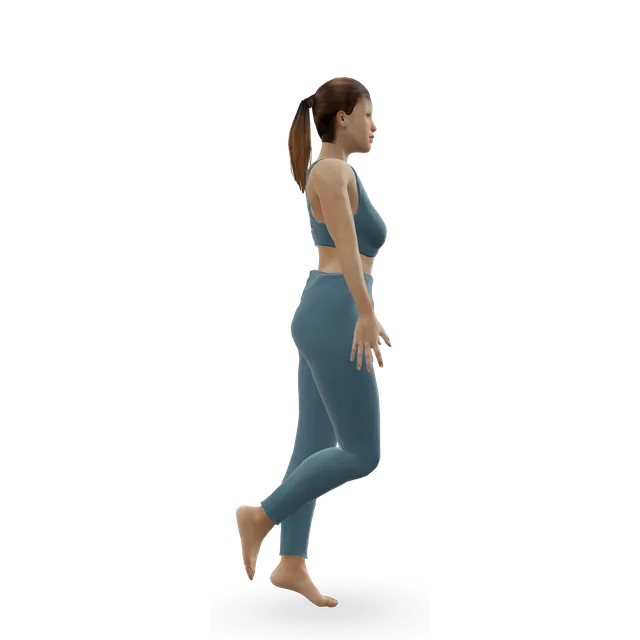
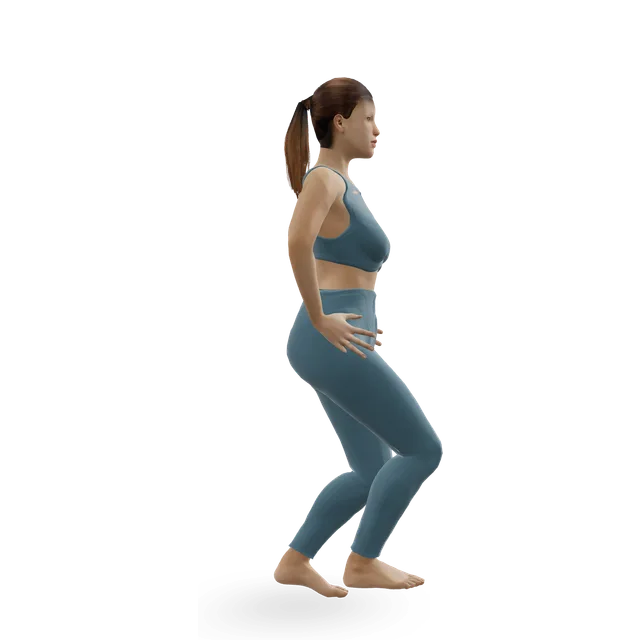
Pain guide · Leg pain

Exertional compartment syndrome: leg pain that builds every time you run

Chronic exertional compartment syndrome (CECS) is a tight, aching pain in a muscle group of the lower leg that builds at about the same point in every run or brisk march, makes you slow down or stop, and fades within minutes of stopping. It often affects both legs. Unlike shin splints or a stress fracture, the pain is in the muscle, not the bone.

Changing how you run is the treatment experts now try first, though no randomised trial has yet compared it with other treatments: a quieter landing further forward on the foot, shorter strides and a quicker step. In small studies most people improved, and in one Dutch military programme about two-thirds of soldiers went back to duty without an operation. Surgery helps most of those who still need it. This guide explains the pressure test, the evidence on each option and a staged plan, after the warning signs of the acute form, which is an emergency.

When to get help first

Exercise is for pain that has been checked or is clearly mild and settling.

Get urgent medical help if

  • Call 999 or go to A&E: sudden, severe pain in a muscle, which may be worse when you stretch it, with swelling, numbness, weakness or pins and needles, or tightness or difficulty moving the leg. This can be acute compartment syndrome, which needs surgery as soon as possible. It usually follows an injury or a bandage or cast that is too tight, but rarely it can follow very hard exercise. Do not drive yourself to A&E.
  • Call 999 or go to A&E: a leg that is suddenly cold, pale, numb, weak or very painful. A sudden loss of blood supply to a leg is a vascular emergency.
  • Call 999: calf or leg pain or swelling with breathlessness or chest pain. It could be a clot that has reached the lungs. Do not drive yourself to A&E.
  • Same day (GP or NHS 111): throbbing pain and swelling in one leg, usually the calf or thigh, with red, blue or darkened skin or swollen veins. This can be a deep vein thrombosis (DVT). It is more likely after surgery, a hospital stay, 3 or more days in bed, a journey of over 4 hours, pregnancy or a recent birth, cancer, a previous clot, or oestrogen-containing contraception or HRT.

See a doctor or physiotherapist if

  • You keep getting pain, numbness, swelling or difficulty moving part of your leg when you exercise: see a GP, who can check whether it is compartment syndrome or something else.
  • Numbness or weakness that stays after exercise, or a foot that slaps down or catches when you run.
  • Pain in one spot on the shin or a foot bone that you can point to with a fingertip, worse with impact and later present at rest or at night: a possible stress fracture.
  • Pain that comes on when you walk a set distance and goes after a few minutes' rest, especially if you smoke or have diabetes. Exercise treats it well, but it needs a diagnosis first.
  • Calf pain or cramps during exercise with tingling in the foot, often in both legs, in a young athlete: ask about popliteal artery entrapment, a rare problem with the artery behind the knee.
  • No improvement at all after 6 to 12 weeks of retraining, or getting worse: get the diagnosis and the plan checked (our suggestion).

Understand it

What it is

The muscles of the lower leg sit in four compartments wrapped in tough tissue (fascia): the front, the outside, and the shallow and deep back of the calf. In CECS, repeated exercise brings on pain and tightness in one or more compartments, and it eases when you stop. The NHS describes symptoms that come on gradually with exercise and go away when you rest.

The usual explanation is that pressure builds inside a compartment that can't expand enough during exercise. A 2026 review points out that this has never been proven, so the cause is still debated.

Sources 1, 2, 3, 4

Who gets it

Mostly young, active people whose sport repeats the same movement, especially running and marching. Of 1,411 people referred to a Dutch specialist centre with exercise-related leg pain, 698 had CECS on testing, and it was commonest at about 20 to 25 years. In US service members it is diagnosed at about 0.49 per 1,000 people a year.

In people under 50 at that centre, 59% had the front compartment involved and 53% the deep back compartment (some had both), and only 22% had it in one leg. It isn't only a young person's problem: 1 in 7 diagnosed were 50 or older. They more often had it in one leg (45%) and in the front compartment (82%), and most of them did no sport beyond walking or hiking.

Sources 5, 6, 7, 1

How it's recognised

In a consensus of 27 civilian and military experts, all those who finished agreed it is likely when someone does an activity that repeats the same muscle action, has pain and tightness during it, stops or avoids that activity, and has the symptoms brought on when examined after exercise. Cramp, weakness and pins and needles can happen but weren't seen as essential.

In a Dutch running study, people's pain came on within the first 15 minutes of running and settled within 15 minutes of stopping. The American Academy of Orthopaedic Surgeons (AAOS) adds numbness, a foot that slaps down when running, and visible muscle bulging. Almost all the experts (96%) didn't use X-rays or MRI (magnetic resonance imaging) scans to confirm it; scans are used to rule out other causes such as a stress fracture.

Sources 3, 8, 1

The pressure test helps, but isn't a clear yes or noStrong evidence

A specialist can measure the pressure in a compartment with a needle before and after exercise. The trouble is that the usual cut-offs overlap with healthy people: in a review of 38 studies, all but one of the common criteria overlapped the range in people without symptoms, and several studies found pressures in people without symptoms that would have counted as positive. Another review of 32 studies found a clear gap only for the reading 1 minute after exercise.

Experts agree the 1-minute reading is the most useful, but not on the cut-off: 54% use the most widely quoted criteria (the Pedowitz criteria) or part of them, and 38% use their own. So a high reading supports the diagnosis when the story fits, a borderline one settles little, and a normal one doesn't rule it out: when people with ongoing symptoms were tested again, 3 of 20 compartments that had been normal before now met the criteria.

Sources 9, 10, 3, 11, 12

Compartment syndrome, shin splints, a stress fracture or narrowed arteries?

These can feel alike, and shin splints and CECS often happen together: about half the people in one Dutch running study had both, and in a Dutch military programme people with both did as well as those with CECS alone.

  • CECS: tightness and pain in the muscle, building at about the same time or distance in each run and easing within minutes of stopping, often in both legs.
  • Shin splints: a tender strip along the inner edge of the shin bone, during and after running. The shin splints guide covers it.
  • Stress fracture: one spot on a bone you can point to, sore with every step and later at rest or at night. The stress fracture guide covers it.
  • Narrowed leg arteries (peripheral arterial disease): an ache in the calf or thigh on walking that goes after a few minutes' rest, more likely if you smoke or have diabetes. In 84 people over 50, CECS came on later in exercise (about 15 minutes against 4), and stopping exercise fully relieved the arterial pain in everyone but not in most people with CECS.
  • Popliteal artery entrapment, a rare problem with the artery behind the knee, can mimic deep calf CECS. In 69 people, tingling in the foot and symptoms in both legs pointed to the artery problem.

Sources 3, 8, 7, 13, 14, 15

How it usually goesEmerging evidence

Left as it is, it tends to stay: in 12 soldiers who were diagnosed but not operated on, all still had the same symptoms about 4 years later, and 16 of 21 legs still met the pressure cut-off. It is usually not an emergency, though: in 191 service members on Dutch conservative programmes, none developed acute compartment syndrome.

Sources 16, 17, 18

Acute compartment syndrome: the emergency

Acute compartment syndrome is different and dangerous: pressure rises fast enough to cut off the blood supply to the muscle. The NHS says it usually starts suddenly, after an injury or a bandage or cast that is too tight, and needs surgery as soon as possible. The British Orthopaedic Association's standard names pain far worse than the injury explains, and pain when the muscle is stretched, as the key signs. The AAOS calls numbness and paralysis late signs.

Rarely, it follows very hard exercise that breaks down muscle, without any injury. In 7 young male athletes it took an average of 97 hours to diagnose, 4 were missed at first, and 2 of those 4 were left with lasting nerve damage and loss of function. In one case report, the pain and a foot drop began the day after a hard workout.

Sources 2, 19, 1, 20, 21

What helps, and how strong the evidence is

Changing how you run: the best-studied option besides surgeryEmerging evidence

In 10 people who were waiting for surgery, 6 weeks of learning to run on the forefoot lowered the pressure after running from 78 to 38 mm Hg (millimetres of mercury) and lengthened the distance they could run from 1.4 to 4.8 km, and none needed surgery a year later. In 19 Dutch service members, 6 weeks of three sessions a week (landing on the ball of the foot, at least 180 steps a minute to a metronome, shorter strides and running quietly) added 43% to running distance and cut the pressure by 36%. In 10 runners with front-of-shin pain who had 6 weeks of coaching, 70% were running pain-free at follow-up.

In a single session with 12 heel-striking runners, landing on the ball of the foot cut the force on the heel the most, and adding a quicker step and standing taller worked best. Experts agree that changing how you run (88%) and stopping the activity that brings it on (71%) are the core of treatment without surgery. These are small studies without control groups, mostly in the military, and mostly about the front compartment.

Sources 22, 8, 23, 24, 3

One Dutch military programme: what happened at 2 yearsEmerging evidence

75 soldiers who were eligible for surgery had 4 to 6 coaching sessions on running and marching, then a graded running schedule, taking about 5 months on average. 65% went back to duty without surgery, 28% were referred for surgery and 7% left the forces. At about 2 years, 57% of those surveyed were still serving without surgery, but more than half of them had moved to a physically less demanding job. Before this programme, only 34% of 44 soldiers operated on were back in their original jobs at 2 years.

In two more groups from the same service, 69% of 108 and 72% of 83 went back to duty, and a single pressure reading didn't predict who would.

Sources 7, 17, 18

No randomised trial has settled it yetMixed evidence

A review of 68 studies found no randomised trials comparing treatments. The only randomised trial found, in US service members, compared supervised and home gait retraining, each with a botulinum toxin or a dummy (saline) injection. Only 8 of the 35 people finished it, so its results are inconclusive. No serious harms were reported; 7 people had minor problems such as ankle sprains, tingling, weakness or an Achilles ache.

A 2016 review found 7 studies of four treatments without surgery (massage, changing how you run, botulinum toxin and a needle procedure on the fascia), all case series or a case report, with few side effects.

Sources 11, 25, 26

Botulinum toxin injections: still experimentalMixed evidence

In 16 people, injections of botulinum toxin, which weakens the muscle, lowered the pressure by about 60% and took away the exercise pain in 15 for up to 9 months, but the injected muscles became weaker in 11, without reported effects on everyday function. In another 16 cases, 69% improved at first, but the pain often came back. The only trial was inconclusive.

Sources 27, 28, 25

Surgery helps most who need it, less so in the militaryEmerging evidence

Surgery (fasciotomy) opens the fascia so the muscle has more room. Across 68 studies, about 85% were satisfied and 80% got back to their activity. Complications came to about 8%, symptoms came back in about 7%, and about 5% had another operation, but all three were more common in military than in civilian patients: about twice as many complications, and about four times as many recurrences and repeat operations.

In 611 US service members, symptoms came back in 45% and 28% couldn't return to full activity. In civilian studies, 81% of 73 people operated on reported success, against 41% of 27 who carried on without surgery; 71% of 44 people operated on for the deep back compartment benefited; and for the outer compartment, long-term success was 33% in one series of 30, and in a later series 64% rated the result good or excellent a year after surgery. After surgery for the front compartment, 82% of 50 people got back to their sport. The AAOS describes less predictable results for the back compartments. Surgery is kept for typical symptoms that persist after good conservative care.

Sources 11, 29, 30, 31, 32, 33, 34, 1

Other measures help littleMixed evidence

The NHS says treatment is often not needed for the chronic form, and suggests avoiding the activity and anti-inflammatory painkillers, with surgery if that doesn't work. The AAOS says physiotherapy, shoe inserts and anti-inflammatory painkillers may be of limited benefit and generally don't allow a return to full activity; it lists cross-training, switching running surfaces and changing from a heel strike to running on the toes. The Dutch programme doesn't use compression sleeves for proven front-compartment CECS. Experts see physiotherapy, shoe changes and botulinum toxin as optional extras.

Sources 2, 1, 7, 3

How much pain is OK while you exercise?

Our adaptation of a Dutch military programme: 3 out of 10 at most, and runs that end pain-freeEmerging evidence

This rule is adapted from one Dutch military programme (our adaptation). That programme kept leg pain at 3 out of 10 or less during its low-impact training, three times a week. Its running schedule set pain-free goals with the new technique, and soldiers went back to their units once they could run at least 12 minutes pain-free. In that programme, 65% went back to duty without surgery, and at about 2 years 57% of those surveyed were still serving without surgery, more than half of them in physically less demanding jobs.

So: keep cross-training and strength work at 3 out of 10 or less. On a run, walk as soon as the familiar tightness starts to build, and never carry on past about 3 out of 10. Don't add running time until the current step feels pain-free. The tightness should fade within about 15 minutes, and the leg should feel normal the next morning. If it gets worse session after session, go back a step.

Stop the session, not just the run, for numbness, tingling, a foot that slaps or catches, or weakness. Severe pain that doesn't ease after you stop is a warning sign: see the top of this page.

Sources 7, 8, 1

The exercise plan: 3 stages

Start at the first stage. Each move opens a full guide with a 3D demo.

Stage 1

Settle and keep your fitness (about 1 to 2 weeks)

Stop the run or march that brings it on and keep fit with low-impact exercise three times a week, at 3 out of 10 or less, as the Dutch programme did. Check whether your calves are tight. Swimming and deep-water running also count. Doses are editorial unless marked.

Stationary cycling demonstrated on the 3D figure3D demoStationary cyclingBeginner · Cardio machine

20 to 30 min, 3 times a week, at 3 out of 10 or less · Three low-impact sessions a week is the Dutch programme's; the time is our suggestion

Harder: Air bike intervals

Knee-to-wall ankle rock demonstrated on the 3D figure3D demoKnee-to-wall ankle rockBeginner · A wall

Test first, then 10 slow rocks each side · If your big toe can't get more than about 5 cm from the wall with the knee touching it, the Dutch programme counts the deep calf muscle (soleus) as tight

Harder: Frog rock

Soleus wall stretch demonstrated on the 3D figure3D demoSoleus wall stretchBeginner · A wall

2 to 3 holds of 30 s each side · Only if the knee-to-wall test says tight

Easier: Seated calf stretch with a towel · Harder: Contract-relax hamstring stretch (PNF)

Move on when: Everyday walking is free of symptoms, and 30 minutes of cycling stays at 3 out of 10 or less.

Follow along: a timer, a cue and the next move, one step at a time.
Stage 2

Build calf strength and learn the new running pattern (about weeks 2 to 6)

Three sessions a week for about 6 weeks, as in the Dutch running study. Strengthen the calf, which takes more of the load when you land further forward, and practise a quiet forefoot or midfoot landing with shorter strides and a quicker step. A coach or physiotherapist with video helps: the Dutch programme used 4 to 6 coaching sessions. Doses are editorial unless marked.

Single-leg calf raise from a step demonstrated on the 3D figure3D demoSingle-leg calf raise from a stepIntermediate · A step + A wall

Build towards 30 in a row on each leg · On flat ground first. The Dutch programme strengthens the calf in anyone who can't manage 30

Easier: Slow calf raise · Harder: Single-leg pogo hops

Ankle bounces (mini pogo) demonstrated on the 3D figure3D demoAnkle bounces (mini pogo)Beginner · No equipment

3 sets of 20 quick, quiet contacts · Running quietly was one of the programme's cues

Harder: Pogo hops

Skipping demonstrated on the 3D figure3D demoSkippingBeginner · No equipment

3 runs of 20 m · Running drills were part of every session

Harder: Alternate-leg bounding

Pogo hops demonstrated on the 3D figure3D demoPogo hopsIntermediate · No equipment

3 sets of 20 · Once ankle bounces are easy

Easier: Ankle bounces (mini pogo) · Harder: Single-leg pogo hops

Treadmill jogging demonstrated on the 3D figure3D demoTreadmill joggingIntermediate · Cardio machine

6 to 10 rounds of 1 min jogging and 1 min walking · Stand tall, land under your hips on the ball of the foot or midfoot, take strides about 10% shorter, lift the knee a little more, and use a metronome app to raise your step rate in steps of about 5% towards about 180 steps a minute. The cues are the Dutch programme's; the rounds and 5% steps are our suggestion

Easier: Treadmill walking · Harder: Sprint intervals

Stationary cycling demonstrated on the 3D figure3D demoStationary cyclingBeginner · Cardio machine

1 to 2 sessions a week · To keep your fitness

Harder: Air bike intervals

Move on when: You can do 30 single-leg calf raises on each leg, the drills feel easy, and the technique bouts leave at most a low, familiar tightness (3 out of 10 or less) that fades within 15 minutes.

Follow along: a timer, a cue and the next move, one step at a time.
Stage 3

Build running time: our adaptation of the Dutch 12-week schedule (about weeks 6 to 18)

Adapted from one Dutch military programme (our adaptation). For 6 weeks, run twice a week, building to 15 minutes non-stop, pain-free, with the new technique. For the next 6 weeks, run 2 or 3 times a week, building to 30 minutes non-stop, pain-free. Add speed and hills last (our suggestion). In the programme, 57% of those surveyed were still serving without surgery at about 2 years, more than half of them in physically less demanding jobs. Strength doses are editorial.

Move on when: You can run 30 minutes non-stop, pain-free, with the new technique. Keep the calf work going twice a week. If symptoms still stop you after 3 to 5 months of good retraining, see a sports medicine doctor about pressure testing and surgery.

Follow along: a timer, a cue and the next move, one step at a time.

What to change for now

Change your running gradually

Landing further forward moves load from the front of the shin to the calf and Achilles tendon, so build the calf first and change bit by bit. An Achilles ache was one of the minor problems reported in the US trial. The Dutch running study ran barefoot for its first 3 weeks, but the later Dutch programme discourages minimalist shoes, so keep your usual trainers unless a clinician advises otherwise.

Sources 8, 7, 25

If you march or hike

The Dutch programme's marching cues were about 5% more steps a minute than usual and a softer heel strike. In a case series of 6 soldiers, 5 weeks of marching retraining brought moderate improvements.

Sources 35, 7

Surfaces, shoes and sleeves

Some people find symptoms vary with the surface, such as concrete against a track or artificial grass against real grass, so switching may help. New running shoes are worth trying only if your symptoms seem linked to your shoes, and compression sleeves aren't used for proven front-compartment CECS in the Dutch programme.

Sources 1, 7

Positions to swap, and why

Habit or positionWhy it mattersInstead
Running through the familiar tightness to break through itThe pattern tends to persist if nothing changes, and numbness or a slapping foot is a reason to stop.Walk as soon as the tightness builds, and keep fit on an exercise bike.Try: Stationary cycling
Long strides with a hard heel strikeThat pattern loads the front-of-shin muscles as they lengthen.Shorter strides, a quicker step and a quiet forefoot or midfoot landing, practised in short jogging bouts.Try: Treadmill jogging
Switching to forefoot running or minimalist shoes overnightThe load moves to the calf and Achilles, and the Dutch programme discourages minimalist shoes.Build to 30 single-leg calf raises first, then change gradually.Try: Single-leg calf raise from a step
Heel walks early on, with pain at the front of the shinWalking on your heels works the front-of-shin muscles hard (our caution).Calf work and running drills first.Try: Seated bent-knee calf raise (soleus raise)
Tibialis raises early on, with pain at the front of the shinLifting the toes against your body weight works the same front-of-shin muscles (our caution).Leave them until running is comfortable, and strengthen the calf instead.Try: Slow calf raise
Relying on compression sleeves, insoles or painkillersThey are of limited benefit on their own.Change how you run and how much you run.
Deciding on surgery from one borderline pressure readingPressures in healthy people overlap the cut-offs, and experts disagree on where to draw the line.Retraining first; a specialist weighs your story, the examination and the test together.

Routines to follow

More moves for this area

Questions people ask

What does exertional compartment syndrome feel like?

A tight, aching or burning pain in the front, outside or back of the lower leg that comes on at about the same time or distance in every run and makes you slow down or stop. It eases within minutes of stopping. Some people get tingling on the top of the foot or a foot that slaps down.

Is it shin splints or compartment syndrome?

Shin splints hurt along the inner edge of the shin bone, and the bone is tender. Compartment syndrome is tightness in the muscle that builds during exercise and fades soon after, often in both legs. The two often happen together.

Can it be treated without surgery?

Often, yes, though no randomised trial has yet compared it with other treatments. Changing how you run, with a quieter landing further forward on the foot, shorter strides and a quicker step, helped most people in small studies. In one Dutch military programme, 65% went back to duty without surgery, though at 2 years many had moved to less demanding jobs.

How is it diagnosed?

Mainly from the pattern of symptoms and an examination after exercise. A needle test of the pressure in the muscle before and after exercise can support it, but healthy people's readings overlap the cut-offs, so the test isn't a clear yes or no.

Should I run through it?

No. Walk as soon as the familiar tightness starts to build, and stop the session for numbness, tingling or a foot that slaps. Add running time only once each step feels pain-free.

Does surgery work?

For most people who need it. Across 68 studies, about 85% were satisfied and 80% got back to their activity after surgery. Results were poorer in the military, where symptoms came back in nearly half in one large study, and for the outer compartment.

What about botulinum toxin injections?

They are experimental. Small case series found the pain eased for months, but the injected muscles became weaker and the pain often came back. The only randomised trial lost most of its participants, so it can't tell us whether they work.

Is it dangerous?

The chronic form isn't an emergency, and it didn't turn into the acute form in 191 soldiers on Dutch conservative programmes. But severe pain that doesn't ease after exercise, a hard, swollen muscle, or numbness or weakness needs A&E straight away.

Will it go away if I just rest?

It usually comes back when you return to the same running. In 12 soldiers who weren't operated on, all still had symptoms about 4 years later. In small studies, changing how you run helped most people.

Can older people get it?

Yes. At one Dutch centre, 1 in 7 people diagnosed were 50 or older, often with it in one leg. In older people a doctor will also check for narrowed leg arteries, whose pain goes after a few minutes' rest.

Do compression socks or insoles help?

Not much on their own. The American Academy of Orthopaedic Surgeons says insoles and physiotherapy are of limited benefit, and the Dutch programme doesn't use compression sleeves for proven compartment syndrome at the front of the shin.

Related exercise guides

Other pain guides

Sources

  1. AAOS OrthoInfo · Compartment syndrome
  2. NHS · Compartment syndrome
  3. Vogels 2022 · Clinical consensus on diagnosing and treating chronic exertional compartment syndrome of the leg (Delphi study of 27 experts, Sports Med)
  4. Vogels 2026 · Diagnostic and therapeutic dilemmas in chronic exertional compartment syndrome (review, Br Med Bull)
  5. de Bruijn 2018 · Factors predicting chronic exertional compartment syndrome of the lower leg (cohort of 1,411, Int J Sports Med)
  6. de Bruijn 2018 · Chronic exertional compartment syndrome in people aged 50 and over (cohort of 698, Orthop J Sports Med)
  7. Zimmermann 2019 · Conservative treatment of front-of-shin chronic exertional compartment syndrome in the Dutch military (cohort of 75, BMJ Open Sport Exerc Med)
  8. Helmhout 2015 · A 6-week running style programme for chronic exertional compartment syndrome (case series of 19, Orthop J Sports Med)
  9. Roberts 2012 · How valid are the pressure criteria for chronic exertional compartment syndrome? (systematic review, Scand J Med Sci Sports)
  10. Aweid 2012 · Compartment pressure testing for chronic exertional compartment syndrome of the leg (systematic review, Clin J Sport Med)
  11. Vogels 2020 · Outcomes after treatment of chronic exertional compartment syndrome of the lower leg (systematic review of 68 studies, Scand J Med Sci Sports)
  12. van Zantvoort 2017 · Repeat compartment pressure measurements in chronic exertional compartment syndrome (case series, Orthop J Sports Med)
  13. de Bruijn 2021 · Telling chronic exertional compartment syndrome from peripheral artery disease in people over 50 (case-control study of 84, J Vasc Surg)
  14. NHS · Peripheral arterial disease (PAD)
  15. Goossens 2026 · Telling popliteal artery entrapment from deep posterior chronic exertional compartment syndrome (cross-sectional study of 69, Orthop J Sports Med)
  16. van der Wal 2015 · The natural course of chronic exertional compartment syndrome of the lower leg (case series of 12, Knee Surg Sports Traumatol Arthrosc)
  17. Vogels 2022 · Front-of-shin compartment pressures and conservative treatment outcome in service members (cohort of 108, Arch Rehabil Res Clin Transl)
  18. van der Wee 2022 · Deep calf compartment pressures and conservative treatment outcome in service members (cohort of 83, Arch Rehabil Res Clin Transl)
  19. British Orthopaedic Association · BOAST: diagnosis and management of compartment syndrome of the extremities (standard, updated 2025)
  20. Livingston 2018 · Acute exertional compartment syndrome in young athletes (case series of 7, Pediatr Emerg Care)
  21. McKinney 2018 · Acute exertional compartment syndrome with muscle breakdown (case report, Am J Case Rep)
  22. Diebal 2012 · Forefoot running for chronic exertional compartment syndrome (case series of 10, AJSM)
  23. Breen 2015 · Gait retraining for exertional pain at the front of the lower leg (case series of 10, Int J Sports Phys Ther)
  24. Zimmermann 2019 · The relative importance of three gait retraining cues (single-session study of 12 runners, Clin Biomech)
  25. Walter Reed National Military Medical Center · Non-surgical treatment options for chronic exertional compartment syndrome (RCT of 35, results posted 2026, ClinicalTrials.gov NCT04409600)
  26. Rajasekaran 2016 · Non-surgical management of chronic exertional compartment syndrome (systematic review, Curr Sports Med Rep)
  27. Isner-Horobeti 2013 · Botulinum toxin in chronic exertional compartment syndrome of the leg (case series of 16, AJSM)
  28. Charvin 2022 · Botulinum toxin A for chronic exertional compartment syndrome (retrospective study of 16 cases, Clin J Sport Med)
  29. Waterman 2013 · Failure rates after surgery for chronic exertional compartment syndrome in service members (cohort of 611, J Bone Joint Surg Am)
  30. Packer 2013 · Function and satisfaction after fasciotomy for chronic exertional compartment syndrome (cohort of 100, AJSM)
  31. Winkes 2016 · Fasciotomy for deep posterior compartment syndrome of the lower leg (prospective cohort of 44, AJSM)
  32. van Zantvoort 2018 · Fasciotomy for chronic exertional compartment syndrome of the outer lower leg (cohort of 30, Int J Sports Med)
  33. van Zantvoort 2023 · Surgery for chronic exertional compartment syndrome of the outer lower leg (prospective case series, Foot Ankle Int)
  34. de Bruijn 2021 · Two fasciotomes for front-of-shin chronic exertional compartment syndrome (RCT of 50, Orthop J Sports Med)
  35. Helmhout 2016 · Changing marching technique in service members with chronic exertional compartment syndrome (case series of 6, Int J Sports Phys Ther)
  36. NHS · Deep vein thrombosis (DVT)

Exercise education, not a diagnosis or treatment plan. It is written from the guidelines and studies listed above; review by a clinician is pending. If your pain follows an injury, is severe, is getting worse, or comes with any warning sign listed on this page, get it assessed. Health disclaimer.