Pain guide · Leg pain

Calf pain when walking: a strain, cramp, narrowed arteries, a clot or the back, and what helps

Calf pain when you walk has a few common causes, and the pattern tells them apart. A sudden pull mid-stride is usually a strain and a sudden knot that passes is cramp, while an ache that comes on after a set distance and goes within a few minutes of standing still can be narrowed leg arteries, called intermittent claudication. One swollen, throbbing calf is different: it can be a blood clot and needs checking the same day.

This guide starts with the signs that need a 999 call, accident and emergency (A&E) or National Health Service (NHS) 111 today, then helps you work out the likely cause, including nerve pain from the back. It explains how a general practitioner (GP) diagnoses claudication, why walking is the main treatment and how walk-rest-walk works, what helps a strain or cramp, and gives a three-stage plan, with a lane for each, that ends with your usual walks.

When to get help first

Exercise is for pain that has been checked or is clearly mild and settling.

Get urgent medical help if

  • Call 999, or have someone drive you to A&E (don't drive yourself): you have pain and swelling in your leg and you're also breathless or have chest pain, or you have difficulty breathing that comes on suddenly. It could be a blood clot that has reached the lungs (a pulmonary embolism).
  • Same day (urgent GP appointment or NHS 111): you think you have a blood clot in a deep vein (deep vein thrombosis, DVT): throbbing pain and swelling in one leg (rarely both), usually in the calf or thigh, with red, blue or darkened skin or swollen veins. It is more likely after surgery, a hospital stay, 3 or more days in bed, a journey of over 4 hours, pregnancy or a recent birth, cancer, a previous clot, or contraception or hormone replacement therapy (HRT) that contains oestrogen.
  • Call 999 or go to A&E: a leg that is suddenly cold, pale, numb, weak or very painful. A sudden loss of blood supply to a leg is a vascular emergency.
  • Go to A&E: sudden swelling, redness, heat and pain in the calf; severe pain after an injury, which can mean a broken bone; or you cannot put any weight on the leg.
  • Same day (GP or NHS 111): burning leg or foot pain that carries on at rest, pale skin, wounds on the feet or legs that do not heal, or toes that go cold, numb, then red or black.
  • Call 999: chest pain that feels tight or like squeezing on your chest, or chest pain spreading to your arms, neck or jaw, whether you're walking or resting. It could be a heart attack. Don't drive yourself to A&E.
  • Get help from NHS 111: pain or tightness in your chest, neck, shoulders, jaw or arms that comes and goes, often brought on by exercise, stress, emotion or cold and easing after a few minutes' rest. It can be angina, a sign of a heart problem.
  • Call 999 or go to A&E: sudden, severe pain in a muscle, which may be worse when you stretch it, with swelling, numbness, weakness or pins and needles, or tightness or difficulty moving the leg. This can be acute compartment syndrome, which needs surgery as soon as possible. It usually follows an injury or a bandage or cast that is too tight, but rarely it can follow very hard exercise. Do not drive yourself to A&E.
  • Same day: a sudden snap, or a feeling of being hit in the back of the lower leg, then walking flat-footed and being unable to push off or stand on tiptoe. This can be an Achilles tendon rupture.
  • Go to A&E: after a bad calf tear, tingling, loss of feeling or coldness in the lower leg or foot. The swelling may be pressing on the nerves and blood vessels.
  • Call NHS 111: you take a statin and think you might be having a serious side effect, such as muscle cramps, severe pain or weakness, especially with a high temperature or red or brown pee.
  • Same day: you have diabetes and a new foot problem, such as an ulcer or wound, signs of infection, or a hot, swollen foot with a change in colour, even if it doesn't hurt. Contact your diabetes foot team or GP: the National Institute for Health and Care Excellence (NICE) asks for these to reach a specialist foot service within 1 working day, and a suspected Charcot foot is kept off weight until it has been checked.
  • Call 999 or go to A&E: leg pain with numbness around the genitals or bottom, new trouble starting or controlling peeing, not knowing when you need to poo or losing control of it, sciatica in both legs, or weakness or numbness in both legs that is severe or getting worse. These can be signs of cauda equina syndrome, which needs treating in hospital as soon as possible.

See a doctor or physiotherapist if

  • Pain that comes on when you walk a set distance and goes after a few minutes' rest, especially if you smoke or have diabetes. Exercise treats it well, but it needs a diagnosis first.
  • Recurring leg pain when you walk or exercise: see a GP, even if you think it's just your age. The NHS says many people mistakenly think this is part of growing older.
  • Claudication that now comes on within about 50 metres, keeps getting worse, or threatens your job: see your GP or vascular team. NHS Scotland's pathway refers severe claudication like this to a vascular surgery service.
  • You keep getting pain, numbness, swelling or difficulty moving part of your leg when you exercise: see a GP, who can check whether it is compartment syndrome or something else.
  • Calf pain or cramps during exercise with tingling in the foot, often in both legs, in a young athlete: ask about popliteal artery entrapment, a rare problem with the artery behind the knee.
  • Pins and needles, or a sharp, hot or burning pain in the back of the calf, with or without back pain: it can come from your back. See a GP if it spreads below the knee and isn't settling after a few weeks.
  • You still can't put weight on the leg 10 days after a calf strain, and it is still painful and swollen: contact a physiotherapist or your GP.
  • Cramps that disturb your sleep, last longer than 10 minutes, or come with numbness or swelling.
  • Muscle aches that you think started with a statin, or side effects that bother you or don't go away: speak to a pharmacist or doctor. Keep taking it unless you're advised to stop.
  • Varicose veins with pain, itching or swelling in your legs, or a sore on your leg that hasn't healed after 2 weeks: see a GP.
  • Pain in one spot on the shin or a foot bone that you can point to with a fingertip, worse with impact and later present at rest or at night: a possible stress fracture.
  • Pain that is not improving after a few weeks, is getting worse, or is stopping your normal activities.

Where does it hurt?

Location narrows the likely causes; it does not diagnose.

An ache, cramp or tightness in the calf after walking a set distance, easing within a few minutes of standing still

Possibly narrowed leg arteries (intermittent claudication), more likely if you smoke or have diabetes: see a GP. Our exercise guide for peripheral arterial disease covers the walking programme.

A sudden sharp pull or kick in the upper inner calf mid-stride, then a limp and one tender spot

A calf strain (tennis leg).

Read: Calf pain →
A sudden painful knot that passes within minutes

Cramp.

Read: Leg cramps →
One calf swollen and throbbing, with red, blue or darkened skin or swollen veins

A possible clot (deep vein thrombosis): get help the same day, as the warning signs say.

Burning, tingling or shooting pain down the back of the calf, with or without back pain

Nerve pain from the back.

Read: Sciatica →
Both calves or legs heavy on walking or standing, eased only by sitting or leaning forward

Possibly spinal stenosis: our lower back pain when walking guide compares it with narrowed arteries.

Read: Back pain when walking →
Tightness that builds at the same point in every brisk walk or run and eases within minutes of stopping, sometimes with tingling on top of the foot

Chronic exertional compartment syndrome.

Read: Exertional compartment syndrome →
The cord above the heel, stiff on your first steps and sore the day after a long walk

Achilles tendon pain.

Read: Achilles tendinopathy →
A snap or kick at the back of the ankle, then you can't push off or stand on tiptoe

A possible Achilles rupture: get help the same day.

Read: Achilles rupture →
Behind the knee with a lump, or sudden calf pain and swelling below it

Possibly a Baker's cyst, which can burst; sudden calf pain and swelling needs the same-day clot check.

Read: Baker's cyst →
Heavy, aching legs with bulging veins, worse after standing and better with your legs up

Varicose veins: our exercise guide for varicose veins covers walking with them.

Aching muscles since starting a statin

A possible side effect: talk to a pharmacist or doctor, and keep taking it unless you're advised to stop.

A long strip of pain on the inner edge of the shin

Shin splints.

Read: Shin splints →
One spot on the shin bone that hurts with every step, later at rest or at night

A possible stress fracture: stop the walking that hurts and get it checked.

Read: Stress fracture →
Calf pain when you run

Our calf pain when running guide.

Read: Calf pain when running →

Understand it

Narrowed leg arteries: intermittent claudicationStrong evidence

Peripheral arterial disease (PAD) is a build-up of fatty deposits that narrows the arteries supplying the leg muscles. Some people with it get "a painful ache in their legs when they walk, which usually disappears after a few minutes' rest", the NHS says, called intermittent claudication, in one or both legs. It's usually felt in the calf, but an NHS trust's leaflet says it can be in the thigh or buttock, depending on which arteries are narrowed.

Smoking is the biggest risk factor, with diabetes, high blood pressure, high cholesterol and age. The NHS says see a GP if you get recurring leg pain when exercising, because "Many people mistakenly think this is just part of growing older". Other signs include hair loss on the legs and feet, numbness or weakness, brittle, slow-growing toenails, wounds that don't heal, pale or blue skin and shiny skin.

Sources 1, 2

A strain, cramp or a clotEmerging evidence

A calf strain starts with a sudden, sharp pain in the back of the leg, then pain, swelling or bruising and difficulty or pain standing on your toes, an NHS trust's leaflet says. In 141 people scanned for suspected tennis leg, two-thirds had torn the inner head of the main calf muscle (the gastrocnemius), a few had torn the plantaris, and about 1 in 10 had a deep vein clot instead. Older age and a previous calf strain are the strongest risk factors for a calf strain in sport, in a review of mostly weak studies.

Cramp is a sudden, painful tightening that lasts from a few seconds to 10 minutes, mostly at night or at rest, and the muscle can feel sore for up to 24 hours. A deep vein thrombosis (DVT) causes throbbing pain and swelling in one leg, usually the calf or thigh, with red, blue or darkened skin or swollen veins.

Sources 3, 4, 5, 6, 7

The back, compartment syndrome, the Achilles and the restEmerging evidence

NHS inform says pins and needles or a sharp, hot or burning pain in the back of the calf can come from the back, even without back pain, and an NHS spinal service says spinal stenosis can cause aching or cramping in the calves, with heaviness in the legs on walking. Chronic compartment syndrome causes pain that comes on gradually with exercise and goes away with rest, the NHS says. Achilles tendon pain is felt along the cord above the heel, with stiffness in the morning and pain that worsens with activity.

Muscle pain is a common side effect of statins, and varicose veins can make your legs ache and feel heavy.

Sources 8, 9, 10, 11, 12, 13

How claudication is diagnosedStrong evidence

A GP looks at your legs and feet for shiny skin, brittle nails, hair loss, a weak or absent pulse and wounds, and compares the blood pressure at your ankle and your arm (the ankle brachial pressure index, ABPI). About 1 is healthy, and below 1 suggests narrowed arteries. More tests may be needed if the result is normal but the symptoms fit, if you're under 60 and have never smoked, or before a procedure.

The National Institute for Health and Care Excellence (NICE) says check the pulses in the groin, behind the knee and in the feet, and don't rule out peripheral arterial disease in someone with diabetes because of a normal or high ABPI alone. A duplex ultrasound scan comes first only when a procedure to open or bypass the artery is being considered.

Sources 14, 15

Tests for a clot or a tearStrong evidence

If a doctor thinks you have a DVT, the NHS says you should be referred to hospital within 24 hours for an ultrasound scan, and NICE asks for the result within 4 hours if possible when a clot is likely. Ultrasound can show a calf tear and rule out a clot: in the tennis leg study, it found a clot in about 1 in 10.

Sources 7, 16, 4

How it usually goesEmerging evidence

With claudication, 75% of people stay the same or improve, an NHS Scotland pathway says, and only 1 to 2 in 100 a year develop narrowing severe enough to threaten the leg, the Circulation Foundation says; walking distance usually improves over 3 to 6 months of regular walking, an NHS trust's leaflet says. The bigger risk is to the heart and brain: each year about 1 in 20 people with PAD has a heart attack or stroke or dies, which is why the medicines and stopping smoking matter.

Most sprains and strains feel better after 2 weeks, though strenuous exercise is best avoided for up to 8 weeks, and a cramp passes within 10 minutes. An NHS physiotherapy leaflet says most new leg pain improves within 6 to 8 weeks. No one can promise a date.

Sources 17, 18, 2, 19, 3, 6, 20

What helps, and how strong the evidence is

Walking is the main treatment for claudicationStrong evidence

NICE says offer a supervised exercise programme to everyone with intermittent claudication, considering about 2 hours a week for 3 months and encouraging exercise "to the point of maximal pain". In 32 trials (1,835 people), exercise added about 82 metres to pain-free walking and about 120 metres to maximum walking distance, on high-quality evidence, with gains lasting up to 2 years; it didn't change the ABPI or the chance of amputation or death.

In 21 trials (1,400 people), supervised exercise added about 120 metres more than home exercise (moderate quality) and about 210 metres more than walking advice (high quality); about 80% of people kept to it, and none of the 13 deaths was caused by the exercise. The NHS says walk until the pain becomes intolerable, rest until it goes, and keep going until you've walked at least 30 minutes in total, several times a week, and aim to exercise daily for the rest of your life.

Sources 15, 21, 22, 23

How much pain to walk intoMixed evidence

The guidance differs a little: NICE says to the point of maximal pain, the NHS until the pain becomes intolerable, and the Circulation Foundation until it becomes unbearable. In 305 people walking at home 5 times a week for up to 50 minutes for a year, walking at a pace that brought on moderate to severe leg symptoms added 34.5 metres to a 6-minute walk, while walking at a comfortable pace without symptoms didn't help. But in the only 2 small trials that compared supervised walking at different pain levels, pain-free and moderate-pain walking improved maximum walking about equally, and no trial has compared walking to maximal pain with walking to moderate pain.

Our reading, as in our exercise guide for peripheral arterial disease: walk until the pain reaches 3 or 4 on a 0 to 4 scale, then rest until it has gone. If that is too much to face, walking into a moderate level of pain still helps.

Sources 24, 25, 23, 15, 18

A strain: start gentle loading within daysEmerging evidence

In a trial of 50 recreational athletes with a severe thigh or calf strain, starting rehabilitation 2 days after the injury rather than 9 got them back to sport almost 3 weeks sooner (after 63 days against 83, a review by the same research group reports), with similar healing on scans and similar strength. It's one trial, in athletes.

An NHS trust's leaflet advises rest from activity for the first 72 hours but not complete rest, gentle pain-free ankle movements from the start, calf stretches once the pain has settled, and heel raises once you can stand on your toes without pain.

Sources 26, 27, 3

Cramp: stretching may help a littleMixed evidence

During a cramp, stretching and massaging the muscle may ease it, and standing up and putting your weight on the leg may help, the NHS says. Daily calf and hamstring stretching may reduce how severe night cramps are in people over 55, but calf stretching alone may make little difference to how often they come, on low-certainty evidence.

Sources 6, 28

Medicines, procedures and the heartStrong evidence

The NHS says the 2 most important changes with PAD are exercising more and stopping smoking; you'll probably be prescribed a medicine to reduce the risk of blood clots, and a statin if your cholesterol is high. The Circulation Foundation calls stopping smoking the most important treatment, and says that after 5 years, people who stopped are twice as likely to still be alive. NICE considers a procedure to widen the artery (angioplasty) only when supervised exercise hasn't helped enough and imaging shows it's suitable.

Muscle pain is a common side effect of statins, though not everyone gets side effects. The NHS says talk to a doctor if you think your medicine is causing side effects, as they may prescribe another statin or change your dose, and keep taking it unless you're advised to stop.

Sources 23, 18, 15, 12, 29

How much pain is OK while you exercise?

Two rules: mild and settling for the muscle, walk into the pain for claudicationEmerging evidence

For a strain, cramp or tight calf, this guide uses our calf pain guide's rule: mild discomfort during exercise, up to about 3 to 4 out of 10 (this site's suggestion), is acceptable if it settles within the day. Sharp pain, or a limp afterwards, means drop back a step for a few days. This follows the strain trial, where starting within days got people back sooner; in long-lasting muscle and joint pain, exercise that allowed some pain did no worse than pain-free exercise. In the first weeks after a strain, stop stretches at the point they become painful, as an NHS trust's leaflet says.

For claudication, once a GP has diagnosed it, the walking programmes walk into the pain on purpose. The NHS says walk "as far and as long as you can before the symptoms of pain become intolerable", then rest until the pain goes and walk again; NICE's supervised programme encourages exercise "to the point of maximal pain".

Our reading of NICE, the NHS and the trials, as in our exercise guide for peripheral arterial disease: walk until the pain reaches 3 or 4 on a 0 to 4 scale (close to the worst you can bear), rest until it has gone, then walk again, until your walking adds up to 30 minutes. In a year-long trial of walking at home, walking into moderate to severe leg symptoms improved walking and comfortable, symptom-free walking didn't; but in two small supervised trials, pain-free walking did about as well as walking into moderate pain. If you can't face walking near your limit, walking into a moderate level of pain still helps.

Most people with PAD don't get worse and often improve, the Circulation Foundation says, and in 21 trials of exercise for claudication, none of the deaths was caused by the exercise. One swollen, throbbing calf, a cold or pale foot, pain at rest, a wound that won't heal or chest pain while walking isn't a pain rule question: see the warning signs.

Sources 26, 30, 3, 23, 15, 24, 25, 22, 18

The exercise plan: 3 stages

Start at the first stage. Each move opens a full guide with a 3D demo.

Stage 1

Settle and get the right diagnosis: keep moving

About the first 2 weeks. Muscle lane (a strain, cramp or tight calf): keep the ankle moving, start gentle loading within days, and walk as normally as you can in shoes with a slight heel. Claudication lane (narrowed arteries, once a GP has diagnosed them): start walk-rest-walk at least 3 times a week, with the calf moves on other days. Nobody starts either lane with one swollen, throbbing calf, a cold or pale foot, pain at rest or a wound that won't heal.

Ankle circles demonstrated on the 3D figure3D demoAnkle circlesBeginner · No equipment

10 slow circles each way with each foot, 3 to 4 times a day · The circles are the move page's dose, an editorial starting point; 3 to 4 times a day, kept pain-free, is an NHS trust's frequency for its gentle ankle movements after a calf strain

Harder: Ankle CARs (controlled articular rotations)

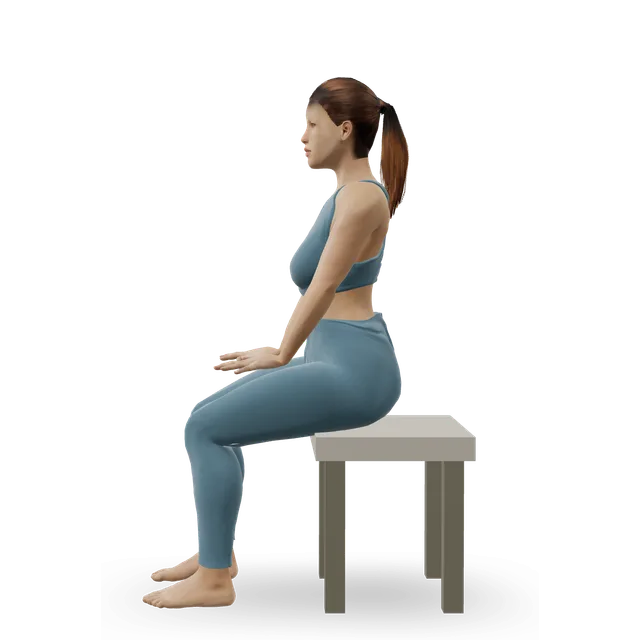
Seated bent-knee calf raise (soleus raise) demonstrated on the 3D figure3D demoSeated bent-knee calf raise (soleus raise)Beginner · A bench or box

2 to 3 at a time, building to sets of 8, 2 to 3 times a day, up to 2 sets of 15 · NHS inform's seated heel raise, with its pacing

Harder: Slow calf raise

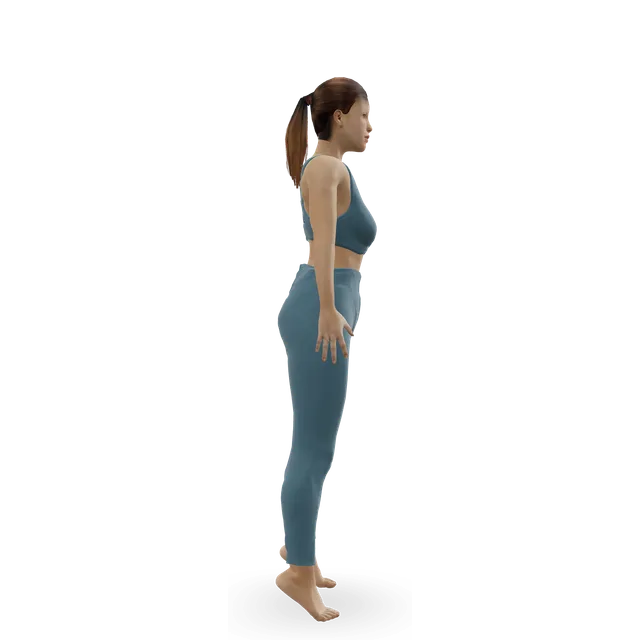
Isometric calf raise hold demonstrated on the 3D figure3D demoIsometric calf raise holdBeginner · A wall

5 holds of 20 to 30 s, both legs, gentle effort (muscle lane) · As in our calf pain guide; the move page's longer holds are for Achilles pain

Easier: Seated bent-knee calf raise (soleus raise) · Harder: Slow calf raise

Treadmill walking demonstrated on the 3D figure3D demoTreadmill walkingBeginner · Cardio machine

Muscle lane: short walks as you can, with a shorter stride. Claudication lane: walk-rest-walk until your walking adds up to 30 minutes, at least 3 times a week · Muscle lane as in our calf pain guide. Claudication lane: the NHS's walk-rest-walk, as in our exercise guide for peripheral arterial disease and our claudication walking workout; NICE's supervised programme is about 2 hours a week

Harder: Treadmill jogging

Stationary cycling demonstrated on the 3D figure3D demoStationary cyclingBeginner · Cardio machine

10 to 20 minutes, easy, if it's pain-free · As in our calf pain when running guide

Easier: Recumbent exercise bike · Harder: Air bike intervals

Move on when: Muscle lane: you can walk at a normal pace without a limp and rise onto your toes on both feet without pain (as in our calf pain when running guide, from an NHS trust's leaflet). Claudication lane: you've managed 3 sessions a week for 2 weeks (editorial).

Follow along: a timer, a cue and the next move, one step at a time.
Stage 2

Build: calf strength and longer walks

About weeks 1 to 6: heel raises from two feet towards one, gentle stretches once the pain has settled, and balance and step strength. Claudication lane: make the walks a little harder every 1 to 2 weeks, as our exercise guide for peripheral arterial disease suggests.

Slow calf raise demonstrated on the 3D figure3D demoSlow calf raiseBeginner · A wall

Holding a support: 2 to 3 at a time, building to sets of 8, up to 2 sets of 15 · NHS inform's standing heel raise, with its pacing. An NHS trust's leaflet starts heel raises once you can stand on your toes without pain

Easier: Seated bent-knee calf raise (soleus raise) · Harder: Standing dumbbell calf raise

Wall calf stretch (gastrocnemius) demonstrated on the 3D figure3D demoWall calf stretch (gastrocnemius)Beginner · A wall

Hold 30 s, 3 times a day, stopping before it becomes painful · An NHS trust's calf strain leaflet (its straight-knee stretch)

Easier: Seated calf stretch with a towel · Harder: Heel-on-step calf and hamstring stretch

Soleus wall stretch demonstrated on the 3D figure3D demoSoleus wall stretchBeginner · A wall

Hold 30 s, 3 times a day, stopping before it becomes painful · The same leaflet's bent-knee stretch. Ease the depth if the front of the ankle pinches, as the move page says

Easier: Seated calf stretch with a towel · Harder: Toes-tucked kneeling (toe squat)

Step-up demonstrated on the 3D figure3D demoStep-upBeginner · A step

3 sets of 8 each leg · As in our leg pain guide

Easier: Low step-up · Harder: Dumbbell step-up

Single-leg stand demonstrated on the 3D figure3D demoSingle-leg standBeginner · A wall

3 holds of 20 to 30 s each leg · As in our leg pain guide. With numb feet, keep a hand on a counter or wall, as the move page says

Easier: Tandem stance and heel-to-toe walk · Harder: Single-leg reach matrix

Treadmill walking demonstrated on the 3D figure3D demoTreadmill walkingBeginner · Cardio machine

Muscle lane: build towards 20 to 30 minutes on the flat. Claudication lane: walk-rest-walk, a little faster or up a gentle slope every 1 to 2 weeks · Muscle lane editorial. Claudication lane as in our exercise guide for peripheral arterial disease, with a diary of the time to pain and the total time

Harder: Treadmill jogging

Move on when: Muscle lane: 3 sets of 8 to 15 single-leg calf raises are comfortable (as in our calf pain when running guide, an NHS trust's check). Claudication lane: the time or distance before the pain is creeping up (editorial).

Follow along: a timer, a cue and the next move, one step at a time.
Stage 3

Your usual walks: hills, pace and distance

From about week 6, strength 2 days a week and walking most days: heavier calf strength and your usual walks back by the written steps below. Claudication lane: keep walk-rest-walk going for life, as the NHS advises.

Single-leg calf raise from a step demonstrated on the 3D figure3D demoSingle-leg calf raise from a stepIntermediate · A step + A wall

3 sets of 10 to 15 each leg · As in our leg pain guide. Face the step and keep a hand on a rail, as the move page says

Easier: Slow calf raise · Harder: Single-leg pogo hops

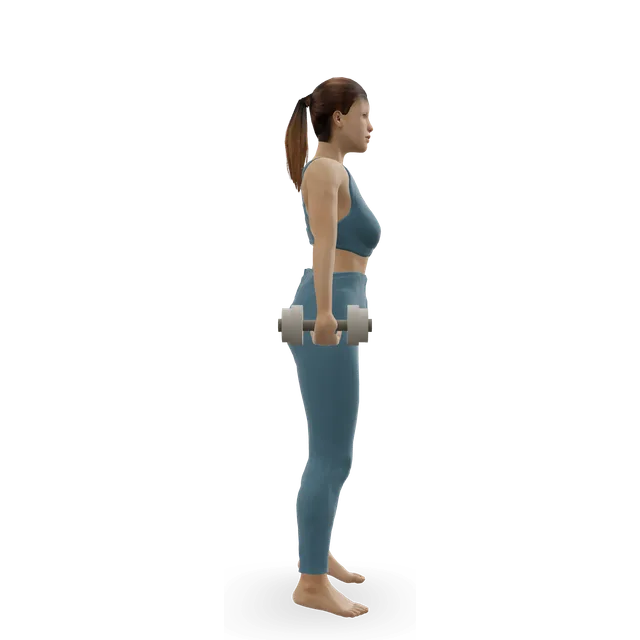
Standing dumbbell calf raise demonstrated on the 3D figure3D demoStanding dumbbell calf raiseIntermediate · A dumbbell

3 sets of 8 to 12 · As in our calf pain guide

Easier: Slow calf raise · Harder: Single-leg pogo hops

Stationary cycling demonstrated on the 3D figure3D demoStationary cyclingBeginner · Cardio machine

30 minutes or more, at least 3 times a week, on days you don't walk · As in our exercise guide for peripheral arterial disease, for when walking isn't possible

Easier: Recumbent exercise bike · Harder: Air bike intervals

Treadmill walking demonstrated on the 3D figure3D demoTreadmill walkingBeginner · Cardio machine

Most days, for the long term · The NHS: aim to exercise daily for the rest of your life with claudication. For a strain, your usual walks (editorial)

Harder: Treadmill jogging

Move on when: Our suggestion: your usual walks, hills and pace come back with the calf no worse the next morning (muscle lane), or with the distance before the pain creeping up (claudication lane). Keep the calf strength going twice a week.

Follow along: a timer, a cue and the next move, one step at a time.

What to change for now

Walk-rest-walk, for claudication (written steps)

Once a GP has diagnosed narrowed leg arteries. These steps come from the NHS, NICE, the Circulation Foundation and an NHS trust's leaflet; the 0 to 4 scale and the route advice are our reading, as in our exercise guide for peripheral arterial disease.

  • 1. Walk as far and as long as you can until the pain is close to the worst you can bear (3 or 4 on a 0 to 4 scale), then stop and rest, standing or sitting, until it has completely gone (the NHS; the scale is our reading).
  • 2. Walk again, and keep going like this until your walking adds up to at least 30 minutes; do it several times a week, and aim for every day for the long term (the NHS). NICE's supervised programmes are about 2 hours a week for 3 months.
  • 3. If you can't face walking near your limit, walking into a moderate level of pain still helps; one trust's leaflet advises a brisk walk as far as your comfort allows, for about 30 minutes, at least 3 times a week.
  • 4. Choose a flat, safe route with places to stop, or a treadmill. Every 1 to 2 weeks, walk a little faster, add a gentle slope or walk longer before you stop (our suggestion, as in our exercise guide for peripheral arterial disease).
  • 5. Keep a diary of the time to the pain and your total walking time; walking distance usually improves over 3 to 6 months (the trust's leaflet).
  • 6. With diabetes or numb feet, check your feet after each walk and wear well-fitting shoes (our exercise guide for peripheral arterial disease).
  • 7. If you can't walk, cycling for 30 minutes or more at least 3 times a week is the alternative our exercise guide for peripheral arterial disease gives.

Sources 23, 15, 18, 2, 24, 25

A strain, cramp or tight calf (written steps)

These come from an NHS trust's calf strain leaflet, the NHS and NHS inform; where a step is our suggestion, it says so.

  • 1. For the first 72 hours after a strain: rest from activity, but not complete rest; trainers or shoes with a slight heel raise; crutches if you can't take weight; and no heat, massage or alcohol (the trust's leaflet).
  • 2. Gentle, pain-free ankle movements 10 times, 3 to 4 times a day, from the start (the trust's leaflet).
  • 3. Walk as normally as you can, with shorter strides at first, and add distance before speed and hills (our suggestion).
  • 4. Back to sport or an active hobby only once you have full strength and movement and can walk briskly without pain or swelling (the trust's leaflet).
  • 5. Cramp: stretch and massage the calf, or stand and put your weight on that leg (the NHS); carry on walking once it has passed (our suggestion).
  • 6. Don't use heat or ice on a leg with poor circulation or numbness (NHS inform).

Sources 3, 6, 19, 8

The heart and the bigger picture (written steps)

The NHS says having peripheral arterial disease is a sign that your blood vessels are unhealthy, so the walking comes with other changes.

  • 1. Stop smoking if you smoke: the Circulation Foundation calls it the most important treatment, and the NHS PAD page links to its stop smoking advice.
  • 2. Take the medicines you're offered, such as a statin and a medicine to reduce the risk of clots (the NHS).
  • 3. If you think a statin is causing muscle aches, speak to a doctor or pharmacist rather than stopping it yourself (the NHS).
  • 4. Chest pain or tightness when you walk is not a leg problem: see the warning signs.

Sources 23, 18, 12

Positions to swap, and why

Habit or positionWhy it mattersInstead
Giving up walking because claudication hurtsWalking is the treatment: NICE offers a supervised exercise programme, and exercise added about 82 metres of pain-free walking in trials.Walk-rest-walk.Try: Treadmill walking
Only ever walking at a pace that never brings on the pain, with claudicationComfortable, symptom-free home walking didn't improve walking in a large trial, while walking into moderate to severe symptoms did, though two small supervised trials found pain-free walking about as good.Walk until the pain reaches 3 or 4 on a 0 to 4 scale, then rest.
Massaging, stretching or walking off one swollen, throbbing calfIt can be a clot, and about 1 in 10 people scanned for a suspected calf tear had a clot instead.A same-day check.
Stretching your calf hard in the first days after a strainAn NHS trust's leaflet starts with gentle, pain-free ankle movements, and stretches only once the pain has settled, stopping at the point they become painful.Ankle circles and seated heel raises.Try: Ankle circles
Heat, massage or alcohol in the first 72 hours after a strainThe trust's leaflet says they can be detrimental in the early stages of healing.Rest from activity, but not complete rest, with gentle movement.
Single-leg calf raises from a step, hills or jogging soon after a strainHeel raises start once you can stand on your toes without pain, and strenuous exercise waits for up to 8 weeks, the trust's leaflet says.Seated heel raises, then two-footed raises holding a chair.Try: Seated bent-knee calf raise (soleus raise)
Flat shoes, flip-flops or bare feet in the first days of a strainThe trust's leaflet says trainers or shoes with a slight heel raise stop the calf overstretching in the first few days.Supportive trainers with a slight heel.
Heat or ice on a leg with poor circulation or numbnessNHS inform says don't use heat or ice if you have circulation or sensation problems.Leave them out; walking is the treatment for claudication.
Smoking with claudicationThe NHS says stopping smoking and exercising are the 2 most important changes, and the Circulation Foundation calls stopping the most important treatment.Get help to stop: the NHS PAD page links to its stop smoking advice.
Stopping a statin yourself because your legs acheThe NHS says talk to a doctor or pharmacist first; they may prescribe another statin or change the dose.Speak to a pharmacist or GP, and keep taking it unless you're advised to stop.
Calf stretches as the cure for walking pain from the arteriesNo guideline we read recommends stretching for claudication; the treatment is walking, and for cramp, calf stretching alone may make little difference to how often they come.Walk-rest-walk, plus the calf strength work.Try: Slow calf raise

Routines to follow

More moves for this area

Questions people ask

Why do my calves hurt when I walk?

A sudden pull mid-stride is usually a strain, a sudden knot that passes is cramp, and an ache that comes on after a set distance and goes within a few minutes' rest can be narrowed leg arteries. One swollen, throbbing calf can be a blood clot and needs a same-day check.

What is calf pain when walking that goes away with rest?

That's the classic pattern of intermittent claudication from narrowed leg arteries (peripheral arterial disease): an ache that comes on as you walk and usually goes after a few minutes' rest. It's more likely if you smoke or have diabetes, high blood pressure or high cholesterol, and with age. See a GP: the NHS says many people mistakenly think it's just part of growing older.

Is calf pain when walking a blood clot?

Usually not, but know the signs: a DVT causes throbbing pain in one leg, usually the calf or thigh, with swelling, red, blue or darkened skin, or swollen veins. Ask for an urgent GP appointment or call NHS 111 if you think you have one, and call 999 if you're also breathless or have chest pain. In people scanned for a suspected calf tear, about 1 in 10 had a clot instead.

How is claudication diagnosed?

A GP examines your legs and feet, checks your pulses and compares the blood pressure at your ankle and arm (the ankle brachial pressure index); a result below 1 suggests narrowed arteries. With diabetes, a normal result doesn't rule it out, and more tests may be needed.

Should I keep walking with claudication?

Yes: walking is the main treatment. The NHS says walk as far and as long as you can until the pain becomes intolerable, rest until it goes, then walk again, until you've walked at least 30 minutes in total, several times a week. In trials, exercise added about 82 metres to pain-free and 120 metres to total walking distance, and supervised programmes did better than home exercise.

How much pain should I walk into with claudication?

UK guidance says walk until the pain is close to the worst you can bear (NICE says to the point of maximal pain, the NHS until it becomes intolerable), then rest until it has gone. In a year-long trial of walking at home, walking into moderate to severe leg symptoms improved walking while comfortable, symptom-free walking didn't, though two small supervised trials found pain-free walking about as good. Our reading is 3 or 4 on a 0 to 4 scale.

Is claudication serious?

For most people the leg doesn't get worse: about 75% stay the same or improve, and about 1 to 2 in 100 a year develop narrowing severe enough to threaten the leg. The bigger risk is to the heart and brain, so stopping smoking, the medicines you're offered, and blood pressure and diabetes care matter as much as the walking.

Why do my calves hurt when I walk uphill or fast?

Uphill and faster walking make the calf muscles work harder, so a calf problem tends to show up sooner (our explanation). If the ache comes on at a predictable point and goes within a few minutes of standing still, see a GP to check for narrowed arteries. Tightness that builds with exercise and eases with rest can also be chronic compartment syndrome.

Can statins cause calf pain when walking?

Muscle pain is a common side effect of statins, though not everyone gets side effects. Talk to a doctor or pharmacist rather than stopping it yourself; they may prescribe another statin or change the dose. Call NHS 111 for muscle cramps, severe pain or weakness with a high temperature or red or brown pee, a rare but serious side effect.

How long does a calf strain take to heal?

Most strains feel better after about 2 weeks, but strenuous exercise is best avoided for up to 8 weeks, and bigger tears take longer. Keep the ankle moving gently in the first days and start loading early; in a trial in athletes, starting rehabilitation early got people back to sport sooner. No one can promise a date.

What helps calf cramps when walking?

Stretching and massaging the muscle may ease a cramp, and standing up and putting your weight on the leg may also help. See a GP if cramps disturb your sleep, last longer than 10 minutes or come with numbness or swelling. A cramp-like ache that comes on every time you walk a set distance and eases with rest is more like claudication.

Can calf pain when walking come from my back?

Yes: NHS inform says pins and needles, or a sharp, hot or burning pain in the back of the calf, can come from the back even without back pain. Spinal stenosis can also cause aching or heaviness in the legs on walking that eases when you sit or lean forward. Our sciatica and lower back pain when walking guides cover these.

Related exercise guides

Other pain guides

Sources

  1. NHS · Peripheral arterial disease (PAD)
  2. Gloucestershire Hospitals NHS Foundation Trust · Intermittent claudication (patient leaflet)
  3. Hull University Teaching Hospitals NHS Trust · Soft tissue injury: calf strain (patient leaflet, 2025)
  4. Delgado 2002 · Ultrasound in 141 people with suspected tennis leg (Radiology)
  5. Green 2017 · Risk factors for calf muscle strains in sport (systematic review, Br J Sports Med)
  6. NHS · Leg cramps
  7. NHS · DVT (deep vein thrombosis)
  8. NHS inform · Calf problems
  9. South Tees Hospitals NHS Foundation Trust · Ten lumbar spinal stenosis facts
  10. NHS · Compartment syndrome
  11. AAOS OrthoInfo · Achilles tendinitis
  12. NHS · Statins
  13. NHS · Varicose veins
  14. NHS · Peripheral arterial disease (PAD): diagnosis
  15. NICE CG147 · Peripheral arterial disease: diagnosis and management (2012, updated 2020)
  16. NICE NG158 · Venous thromboembolic diseases: diagnosis, management and thrombophilia testing (2020, updated 2023)
  17. NHS Scotland Right Decision Service · Intermittent claudication: vascular surgery pathway (past its review date: reviewed September 2024, review due September 2026)
  18. Circulation Foundation · Lifestyle and medical management of peripheral arterial disease
  19. NHS · Sprains and strains
  20. Leicestershire Partnership NHS Trust · Leg pain (thigh and calf): physiotherapy leaflet (2026)
  21. Lane 2017 · Exercise for intermittent claudication (Cochrane review of 32 trials)
  22. Hageman 2018 · Supervised vs home exercise vs walking advice for intermittent claudication (Cochrane review of 21 trials)
  23. NHS · Peripheral arterial disease (PAD): treatment
  24. McDermott 2021 · Low- vs high-intensity home walking in 305 people with peripheral artery disease: the LITE trial (RCT, JAMA)
  25. Seed 2021 · Does pain matter in exercise for intermittent claudication? (systematic review, Ann Vasc Surg)
  26. Bayer 2018 · Early vs delayed rehabilitation after a thigh or calf strain in 50 recreational athletes (RCT, Scand J Med Sci Sports)
  27. Wulff 2024 · Return to sport, reinjury and tissue changes after muscle strain injury, with the early rehabilitation trial's results (narrative review, Transl Sports Med)
  28. Hawke 2021 · Non-drug therapies for preventing leg cramps (Cochrane review)
  29. NHS · Atorvastatin
  30. Smith 2017 · Should exercises be painful in chronic musculoskeletal pain? (systematic review and meta-analysis, Br J Sports Med)
  31. NHS inform · Exercises for calf and ankle problems
  32. NHS · Heart attack
  33. NHS · Angina

Exercise education, not a diagnosis or treatment plan. It is written from the guidelines and studies listed above; review by a clinician is pending. If your pain follows an injury, is severe, is getting worse, or comes with any warning sign listed on this page, get it assessed. Health disclaimer.