Pilates works all three glutes
Bridges, the side kick series, the single-leg kick and swimming all work the glutes. In a lab study, side-lying leg lifts worked the side glute at about 81% of its maximum, about twice as hard as clams.
Pilates guide
Pilates works all three glute muscles: the big one at the back of your hip with bridges and kicks, and the two at the side with the side kick series and standing work at a wall. In lab studies, some of these moves work the glutes hard.
We found no study showing that Pilates makes the glutes bigger. In the one study that scanned them, 9 inactive women did supervised Pilates twice a week for 9 months, with no comparison group, and their glutes didn't grow. To grow your glutes (your bum, or butt), the work has to keep getting harder.
This guide covers which moves work which part, what the studies show, how to make glute Pilates harder, how it compares with squats and hip thrusts, and how to adapt it if your hip hurts. For a class to follow today, try our 25-minute Pilates glute workout.
Bridges, the side kick series, the single-leg kick and swimming all work the glutes. In a lab study, side-lying leg lifts worked the side glute at about 81% of its maximum, about twice as hard as clams.
How hard a muscle works in one session doesn't predict how much it grows: hip thrusts worked the glutes harder than squats in a session but grew them about the same over 9 weeks.
In the one study that scanned the glutes, 9 inactive women did supervised Pilates twice a week for 9 months, with no comparison group, and their glutes didn't grow. One small study can't settle it, but it's all the evidence there is.
Across 11 studies, strength training grew the biggest glute muscle by a moderate amount. Hip thrusts and squats grew it about equally, and full squats grew it more than half squats.
Single-leg versions, a band, slower lowering and heavier reformer springs make the same moves harder. In beginners, bodyweight squats made harder step by step grew the glutes as much as barbell squats.
Gluteus maximus, the big muscle at the back of the hip, straightens the hip, as in a bridge or a kick back. Gluteus medius and minimus at the side lift the leg out to the side and keep your pelvis level when you stand on one leg, and the tensor fasciae latae at the front of the hip works with them.
Source 12
The shoulder bridge "will strengthen your hamstrings and glutes", the side kick strengthens "the glutes, hips, abdominals, and back extensors", the single-leg kick strengthens "the back extensors, the hamstrings, and the glutes", the kneeling side kick "strengthens the torso and glutes", and swimming strengthens "the backside of the body". On the reformer, side splits "Strengthens inner thighs, legs and seat", learnt on 2 springs before 1.
Lab studies measure muscle activity with electrodes on the skin (surface electromyography, or EMG), as a percentage of a maximal effort, or with functional magnetic resonance imaging (MRI) after a set. Both show which muscles work during a move, not how much they grow over months.
In 21 active adults, side-lying leg lifts worked gluteus medius at 81% of its maximum, against about 40% for clams and 64% for a single-leg squat. A review of 56 studies rated single-leg bridges, side-lying lifts with the hip turned slightly in, lateral step-ups, standing side lifts against resistance and side-steps against a band among the best for the side glutes. On functional MRI in 10 adults, side-lying lifts with the hip turned out and single-leg bridges worked gluteus medius more than clams.
In 60 women, the mat shoulder bridge worked the big glute muscle harder than a hip roll on the reformer. In four kneeling "knee stretch" positions on all fours, tucking the pelvis and rounding the back raised glute activity. Face-down swimming worked the back muscles at about half their maximum, and in reformer side splits, heavier springs made the side glute work harder while lighter springs worked the inner thigh more.
A review explains why muscle activity measured in one session isn't a validated predictor of growth. In a trial with MRI scans, hip thrusts worked the glutes harder than squats but grew them about the same over 9 weeks. Use activity studies to choose moves that work the glutes at all, not to promise growth.
In the only study we found that scanned the glutes, 12 inactive women began 36 weeks of supervised studio Pilates, 55 minutes twice a week, and the 9 scanned at both ends showed no significant change in the size of gluteus maximus, medius or minimus. There was no comparison group. An earlier report from the same programme found the front abdominal muscle grew 21%. The authors suggest the moves didn't work the glutes hard enough; one small study can't tell us whether harder Pilates would.
In 49 women aged 60 to 80 who finished an 18-week trial, strength in hip extension held still rose 35.5% with Pilates and 21.4% with a light resistance programme, and only Pilates beat no exercise; strength in moving hip extension didn't differ between the two programmes. Lean mass (muscle and other non-fat tissue) rose in both groups. In 14 older women, hip strength rose over 12 weeks of mat Pilates made gradually harder.
Across 11 studies, strength training grew gluteus maximus by a moderate amount. Hip thrusts and squats grew it about equally on MRI, and full squats grew it 6.7% against 2.2% for half squats in 10 weeks. Loaded side lifts grew the upper part of gluteus maximus about 10%, but medius and minimus only a little. In 13 sedentary young women, bodyweight squats made harder through 10 levels grew the glutes as much as barbell squats over 6 weeks.
Two or three sessions a week (our editorial starting point) fits the NHS guideline of muscle-strengthening activity on at least 2 days a week. The UK Chief Medical Officers add that any strengthening activity is better than none.
Go from two legs to one in bridges, add a band above your knees for clams and side-steps, lower more slowly, do more reps until the last few are hard, and use heavier springs on the reformer, which made the side glute work harder in side splits. Light loads build muscle when the last reps are hard.
The staggered-stance bridge: 5 slow reps each side once a day, building to 2 sets of 5 to 10, the move page's dose, from a trial for outer hip pain. The band-resisted bridge: 2 to 3 sets of 8 to 12, stopping with 2 or 3 reps left in reserve, the move page's dose (our editorial starting point).
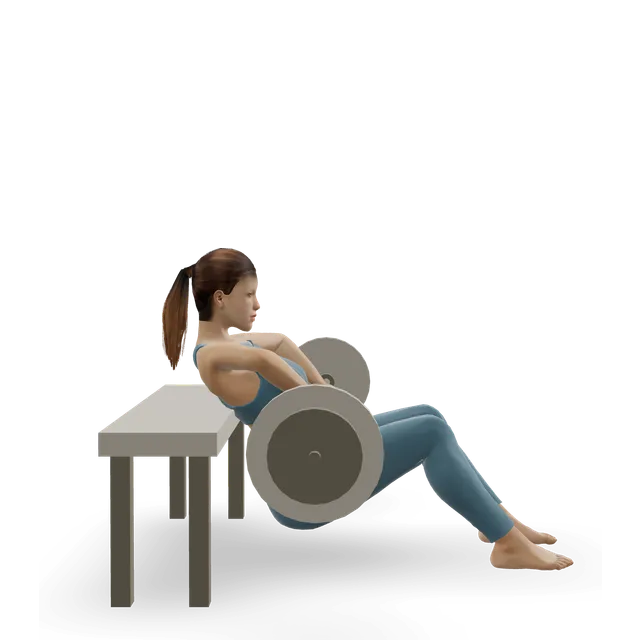
Squats, lunges, step-ups and hip thrusts with a load you keep increasing grew the glutes in trials, and step-ups drew the highest activity in the big glute muscle in a review of 16 studies. Our guide to growing your glutes has the plan; Pilates makes a good second session or a home option.
From Pilates Anytime's description of the classical shoulder bridge, which adds: avoid arching through the ribcage, and keep your spine and pelvis still as the leg moves. Keep your weight on your shoulder blades, not your neck, and bend the standing knee more if your hamstring cramps, as the move page advises.
See the movement on the 3D figure: Shoulder bridge (Pilates)
We found no trial that compared Pilates with squats or hip thrusts for glute size. In older women, only Pilates improved hip strength held still more than no exercise did, and strength in moving hip extension didn't differ between Pilates and a light resistance programme.
Strength training with a load you keep increasing grows the glutes, with hip thrusts and squats about equal. That's the evidence our glute guide builds on.
Our suggestion: use Pilates for control, single-leg strength and side-hip work, and add squats, lunges, step-ups or hip thrusts if you want bigger glutes.
Bridges, the side kick series and standing work at a wall. The class below gives a starting dose for each.
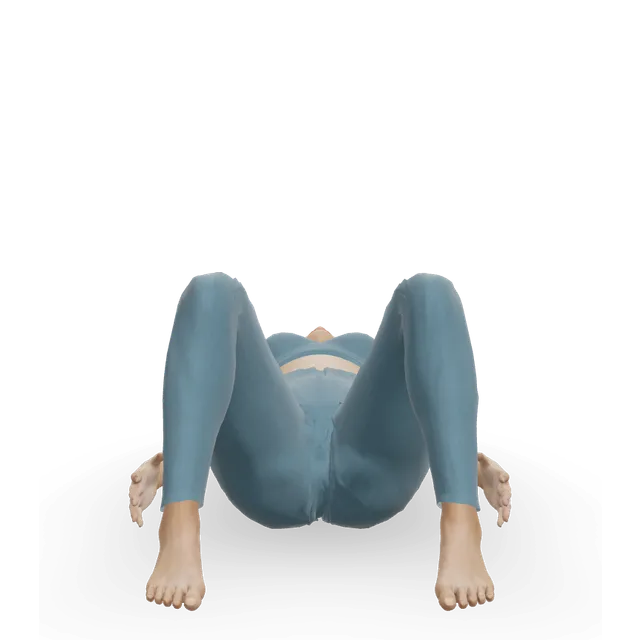
 3D demoPelvic tilt into bridgeBeginner · No equipment
 3D demoGlute bridgeBeginner · No equipment
 3D demoSide kick (Pilates side kick series)Beginner · No equipment
 3D demoSide-lying leg raiseBeginner · No equipment
 3D demoClamshellBeginner · No equipment
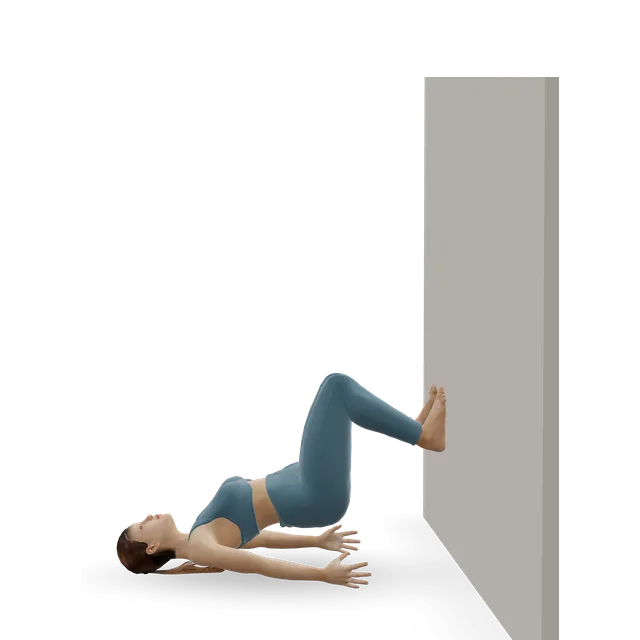
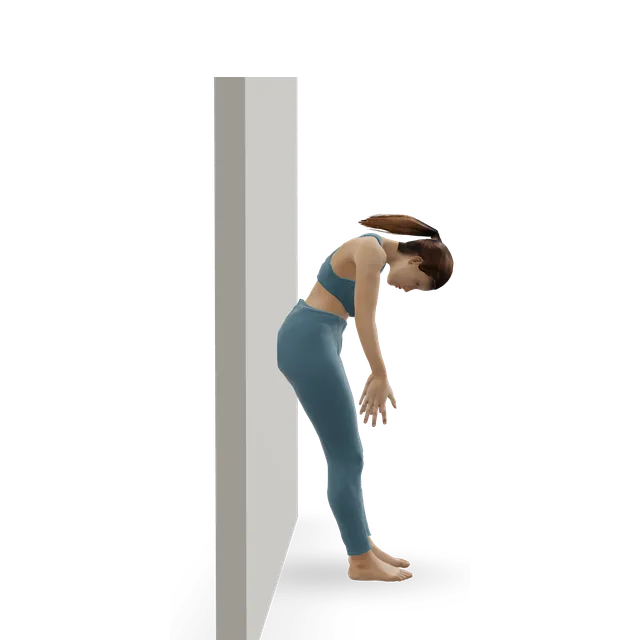
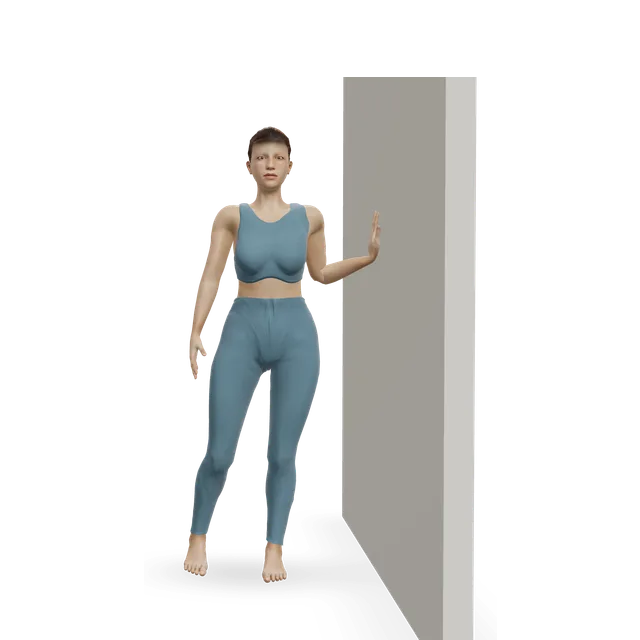 3D demoWall side leg lift (standing side kick at the wall)Beginner · A wall
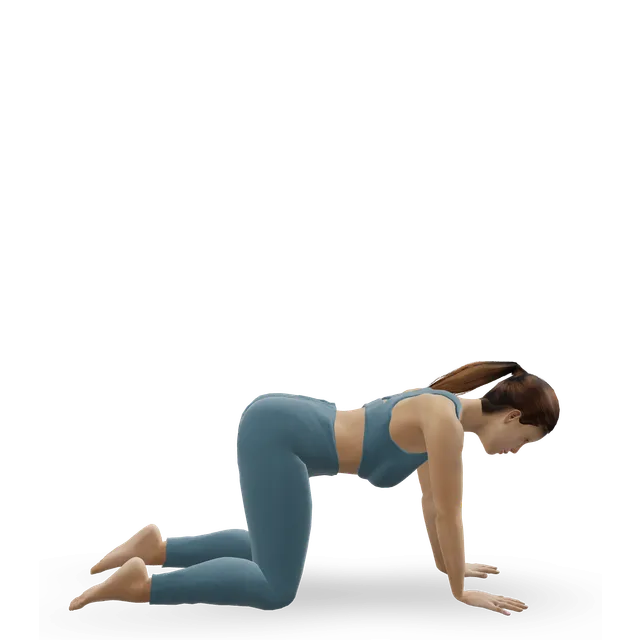 3D demoGlute kickback (quadruped hip extension)Beginner · No equipment
Single-leg versions, a band and standing moves with a step. Add one at a time as the first moves feel easy.
 3D demoSingle-leg glute bridgeIntermediate · No equipment
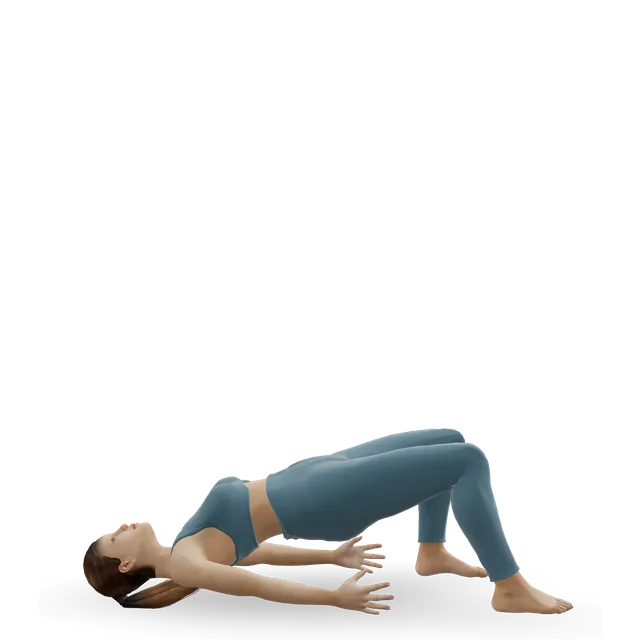 3D demoStaggered-stance bridge (offset bridge)Beginner · No equipment
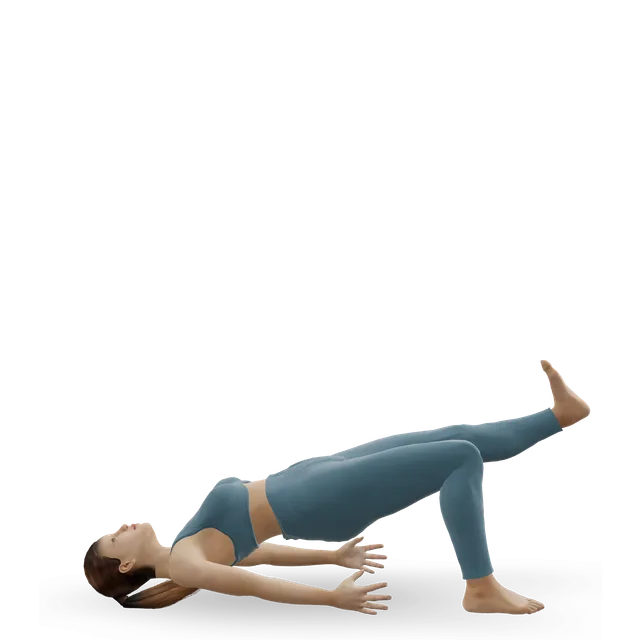 3D demoShoulder bridge (Pilates)Intermediate · No equipment
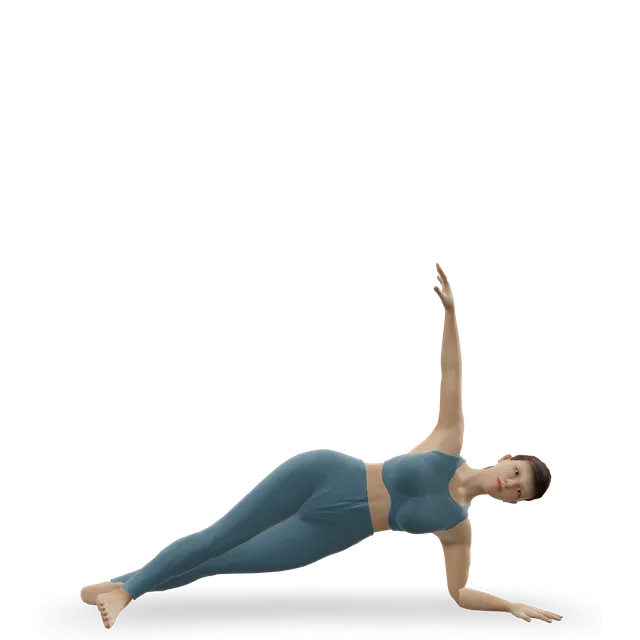 3D demoSide plank with leg liftAdvanced · No equipment
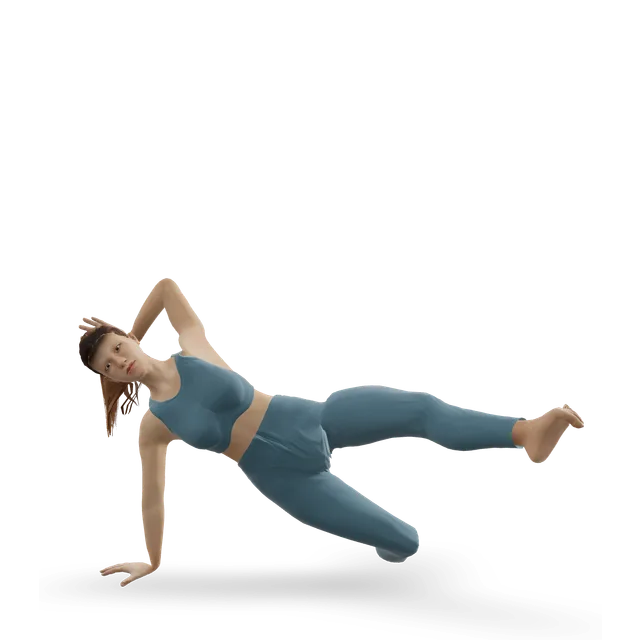 3D demoKneeling side kick (Pilates side kick kneeling)Advanced · No equipment
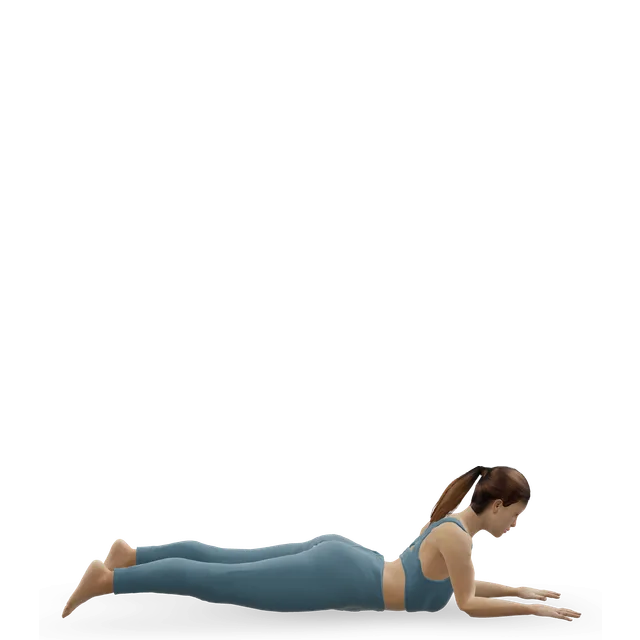 3D demoSingle-leg kick (Pilates one leg kick)Beginner · No equipment
 3D demoLateral band walkBeginner · A band
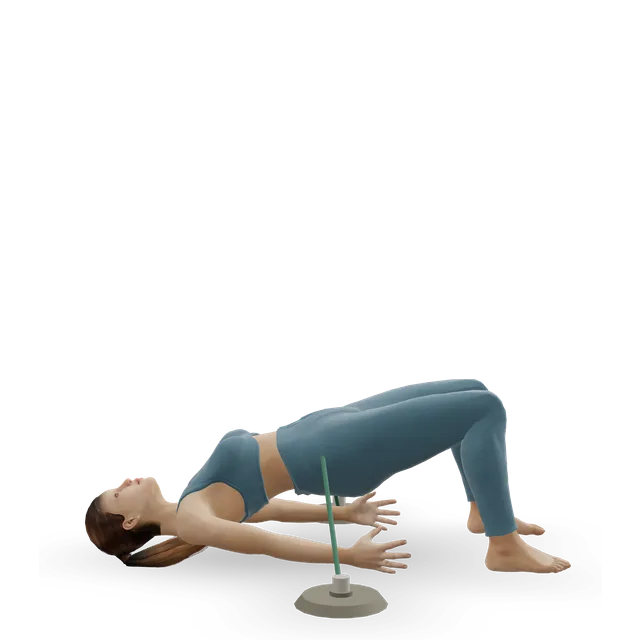 3D demoBand-resisted glute bridgeBeginner · A band + An anchor point
 3D demoReverse lungeIntermediate · No equipment
 3D demoStep-upBeginner · A step
Never lie on the sore side, keep a pillow between your knees in side-lying work, and skip clams; these presses and wall moves are kinder to the hip. Our Pilates for hip pain guide has the detail.
Start with the 25-minute Pilates glute class two or three times a week. The glute workouts at home and in the gym add the loaded moves that grow the glutes.
A 25-minute Pilates class for your glutes: bridges, the side kick series, face-down kicks and standing work at a wall, with a band to make it harder.
25 minBeginner16 movesA wall, A bandA 25-minute glute workout with bodyweight and a mini band: bridges, clamshells, band walks, kickbacks and lunges.
25 minBeginner9 movesA wall, A bandA 30-minute mat Pilates workout for runners, adapted from one small trial's programme: the abdominal series, side kicks for the hips, planks and balance.
30 minIntermediate18 movesA wallA 20-minute beginner wall Pilates workout: standing and floor moves that use a wall for support and feedback. No equipment.
20 minBeginner9 movesA wallA 50-minute gym glute workout: hip thrusts, deep squats, Bulgarian split squats, back extensions and hip abduction, with sets, reps and rest.
50 minIntermediate11 movesA band, A barbellA 20-minute Pilates class for hip pain: bridges, outer-hip holds, standing leg work and balance, without deep bends, crossed legs or lying on the sore side.
20 minBeginner14 movesA band, A wallThe glute plan builds load over 8 weeks; the beginner Pilates plan suits you if Pilates is new.
An 8-week glute workout plan: two glute days and two upper-body days a week, with hip thrusts, squats, hinges and side-hip work, plus a home option.
4 training days50 minIntermediate3 days a weekA free 4-week, 3-day Pilates plan for complete beginners. Two mat days and one wall day, with clear rules for when to move each exercise to its harder version.
3 training days25 minBeginnerIn the US, call 911 for 999, and use your doctor's urgent line or urgent care for NHS 111.
Source 28
In many areas you can refer yourself to NHS musculoskeletal (MSK) services, such as physiotherapy, without seeing a GP first.
Source 28
The NHS links hip pain that may feel worse when lying on your side with bursitis. Never lie on the sore side, keep a pillow between your knees on the other side, skip clams and the inner thigh lift, and use the standing and lying presses instead, as the move pages and our Pilates for hip pain guide explain.
Source 28
Buttock pain that travels down the leg with tingling or numbness may come from the back rather than the glutes: our Pilates for sciatica guide covers it and its warning signs.
The NHS advises avoiding lying flat on your back for more than a few minutes in later pregnancy, and the move pages suggest keeping it short after the first trimester: prop yourself up, or use side-lying and all-fours versions. Our Pilates in pregnancy guide has the swaps.
Source 29
If you worry a lot about one part of your body or check mirrors often, the NHS suggests seeing a GP (body dysmorphic disorder), and the same if you worry about your weight and shape while eating very little or exercising too much. Beat's eating disorders helpline is 0808 801 0677.
Tell the teacher about hip or back pain before a class. The NHS advises getting advice first if you have a health problem, an injury or any symptoms, and stopping straight away if you feel pain or become unwell.
Source 32
Muscle activity in one session doesn't predict growth: hip thrusts worked the glutes harder than squats but grew them about the same. Growth comes from load you keep increasing over weeks.
We found no study showing Pilates grows the glutes; in the one scan study, 9 women's glutes didn't grow over 9 months. Loaded hip training does grow them. No exercise lifts or reshapes one area, and studies measure size, not shape.
Side-lying leg lifts and single-leg bridges worked the side glute harder than clams in lab studies, and standing and single-leg moves ranked highly in a review of 56 studies. Clams are an easy start, not the best move.
Yes: bridges, the side kick series, the single-leg kick and swimming all work them. In a lab study, side-lying leg lifts worked the side glute at about 81% of its maximum, about twice as hard as clams.
We found no study showing it does. In the only study that scanned the glutes, 9 inactive women did supervised Pilates twice a week for 9 months, with no comparison group, and their glutes didn't grow. Hip training with a load you keep increasing does grow them, so make Pilates harder over time or add loaded moves.
No exercise lifts or reshapes one area, and studies measure muscle size, not shape. More glute muscle and less body fat change how your bum looks, and your genes decide the rest.
We found no trial comparing them. Squats and hip thrusts with a load grew the glutes about equally on MRI scans, while Pilates hasn't been shown to grow them, though it did improve hip strength in older women. Use Pilates for control and as a second session, and add loaded moves if growth is the goal.
Single-leg bridges, side-lying leg lifts, standing side lifts against a band and side-steps with a band rank among the hardest-working for the side glutes. For the big glute muscle, the shoulder bridge, kicks and lunges. Our class puts them together.
They're the easiest side-glute move and a fine start, but they worked the side glute less than side-lying leg lifts or single-leg bridges in lab studies. Skip them if the outside of your hip is sore.
Go from two legs to one, add a band, lower more slowly, do more reps until the last few are hard, or use heavier springs on the reformer. In one small trial, bodyweight squats made harder step by step grew the glutes as much as barbell squats.
Feeling a muscle work doesn't predict how much it grows: hip thrusts worked the glutes harder than squats in one session but grew them about the same over 9 weeks. Warm up, then make the main moves hard enough.
Often yes, with changes. With pain on the outside of the hip, never lie on the sore side, put a pillow between your knees, skip clams, and use wall and press-and-hold versions. Call 999 or go to A&E for severe hip pain after a fall or if you can't put weight on your leg.
Two or three times a week is a good start; the trials ran from 12 weeks to 9 months. That also meets the NHS advice to do muscle-strengthening activity on at least 2 days a week.
The springs add load you can change: heavier springs made the side glute work harder in reformer side splits. But the mat shoulder bridge worked the big glute muscle harder than a reformer hip roll in another study, and neither has been tested for growth.
It's a gentle way in, and it improved hip strength in older women who were doing little before. If you want them stronger still, add standing moves such as lunges and step-ups, which work the glutes hard.
Exercise education, not a personal prescription, and clinical review of these guides is pending. If you are pregnant, have a health condition or have had recent surgery, check with a doctor, midwife or physiotherapist before starting, and stop for sharp or increasing pain. Health disclaimer.