How do I jump rope for beginners?
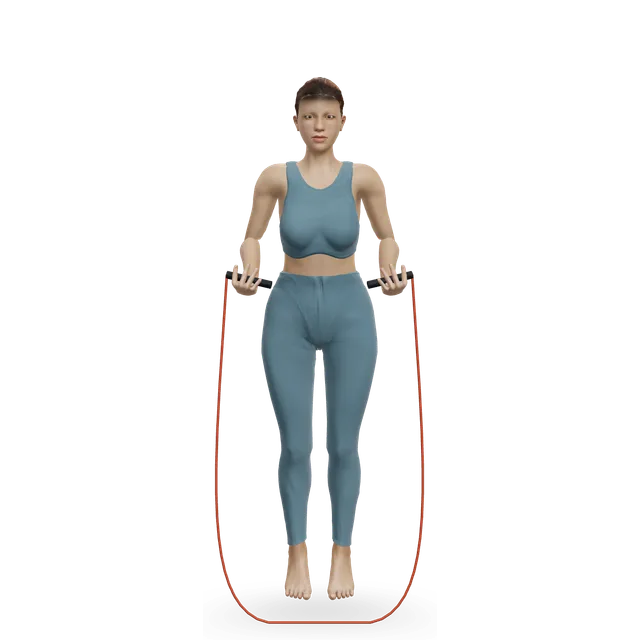
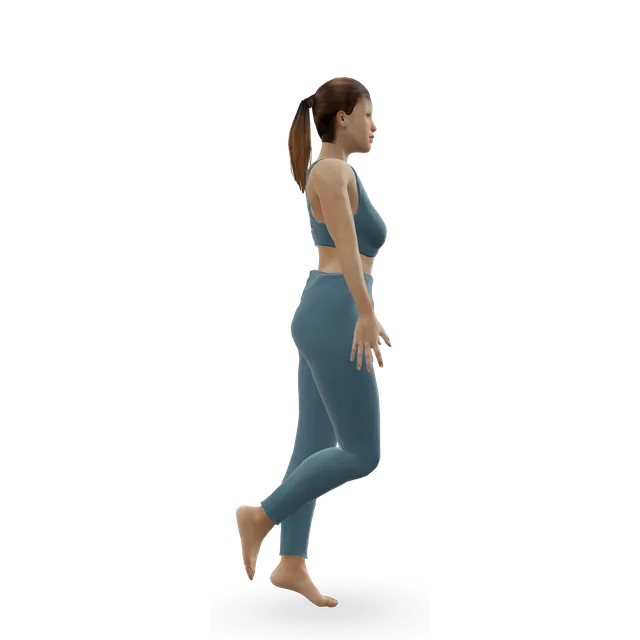
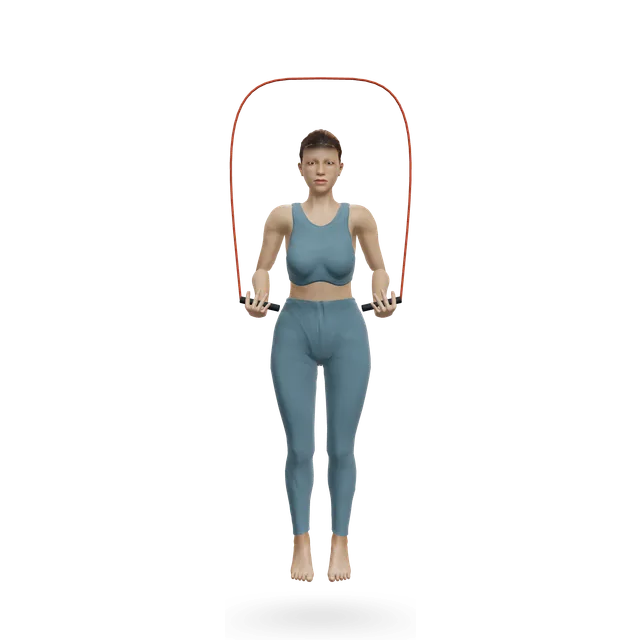
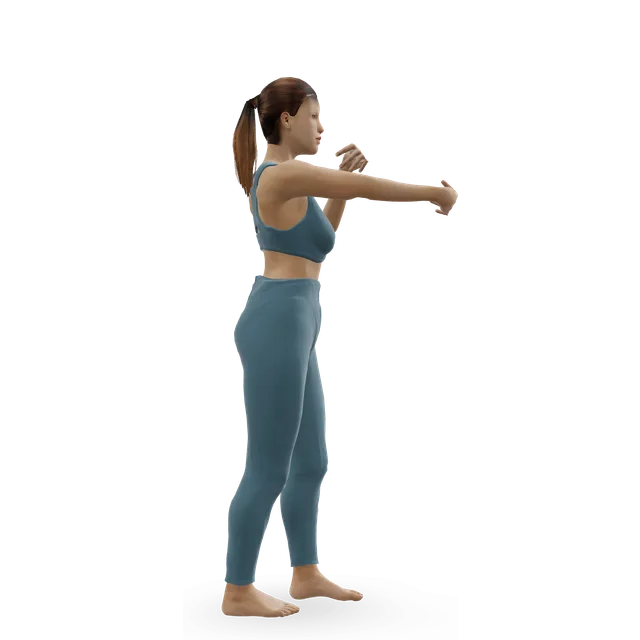
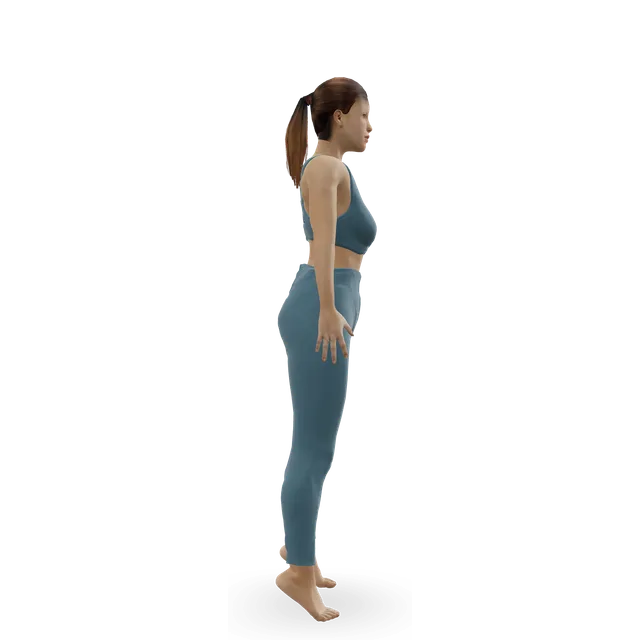
Size the rope first, then practise the basic bounce: feet together, elbows by your sides, turning the rope from your wrists and hopping only about a centimetre, landing softly on the balls of your feet. Start with about 5 rounds of 30 seconds with equal rest and add no more than a few minutes a week; our suggestion is 2 or 3 sessions a week. Our beginner jump rope workout times it for you.
How long should a jump rope be?
There are two rules of thumb, and neither comes from a study: stand on the middle and the handles should reach your armpits (the CDC) or about your chest (ACE). When you jump, the rope should just brush the floor under your feet; if it hits the floor in front of you it's too long, and if it doesn't touch the floor it's too short. Our suggestion is to choose the length that lets you clear it comfortably.
How long should I jump rope each day?
Start with about 2 to 5 minutes of rope in rounds of 30 to 60 seconds, 2 or 3 times a week rather than daily: in a trial, daily rope from scratch brought more injuries and drop-outs. Building towards 10 to 20 minutes of rounds over the following weeks is our suggestion. Later, a harder session of 9 rounds of 2 minutes raised fitness over 8 weeks in a trial in young adults; our HIIT guide suggests hard sessions once or twice a week.
Is jumping rope good exercise?
Yes: the NHS counts skipping as vigorous activity, and rope sessions raised aerobic fitness in trials in adults. In pooled trials, mostly in young people, rope training improved fitness, strength, sprinting and jumping a little.
How many calories does jumping rope burn?
About 8 to 12 METs depending on pace: for a 70 kg person that's roughly 10 calories a minute at a slow pace and 14 to 15 at a moderate or fast pace, by our rough arithmetic. Ten minutes at a moderate pace is about 145 calories. Our calories burned calculator works it out for your weight.
Is jump rope better than running?
Minute for minute, a moderate rope pace costs about the same as running at 12 km/h. But 10 minutes of rope did less for fitness than 30 minutes of jogging, and in one student trial jogging did more over 2 months. Our suggestion: choose the one you'll keep doing, or mix both.
Will jumping rope help me lose belly fat?
Not from your belly in particular: no exercise burns fat from one spot, and 8 weeks of rope training didn't change body composition in young adults. It adds vigorous minutes to your week; what you eat and your total activity matter most.
Is jumping rope good for your bones?
In children and teenagers, jumping builds bone, though rope-only studies are mixed. For adults, the Royal Osteoporosis Society counts skipping as moderate impact and suggests building up to about 50 impacts on most days if you have no spinal fractures, but no trial has tested rope skipping itself. With spinal fractures, keep impact to about brisk walking and ask a physiotherapist.
Why do my calves hurt after jumping rope?
Skipping is a calf and Achilles exercise, so soreness for a day or two is common at first. Keep it at 5 out of 10 or less and settled by the next morning; if it isn't, our suggestion is to drop back a week. A sudden pop at the back of your ankle needs same-day help.
Can jumping rope cause shin splints?
It can, especially if you start exercising after a break or skip on hard surfaces. If your shins hurt, the NHS advises not carrying on with the exercise that caused it and building back up slowly; our suggestion is to skip on a wooden floor or mat, in cushioned shoes. Our shin splints guide has more.
How do I do double-unders?
Jump higher rather than spinning the rope faster, keep your body straight and your hands by your hips, and flick the rope twice from your wrists. Learn them once you can do 50 or more basic bounces in a row, practising 10 singles then 10 doubles.
Why do I leak when I jump rope, and what helps?
It's common: 39% of women CrossFit competitors leaked while jumping rope. Squeeze your pelvic floor just before you start, use shorter rounds or the no-jump options for now, and see our pelvic floor guide; a pelvic health physiotherapist can help.