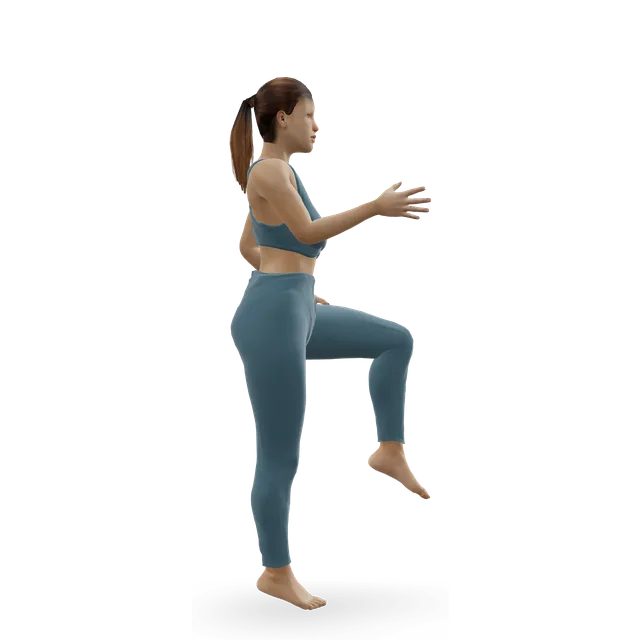
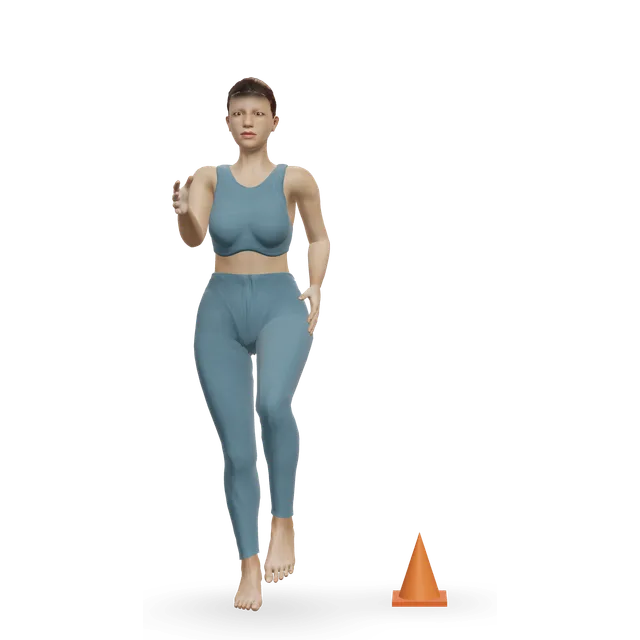
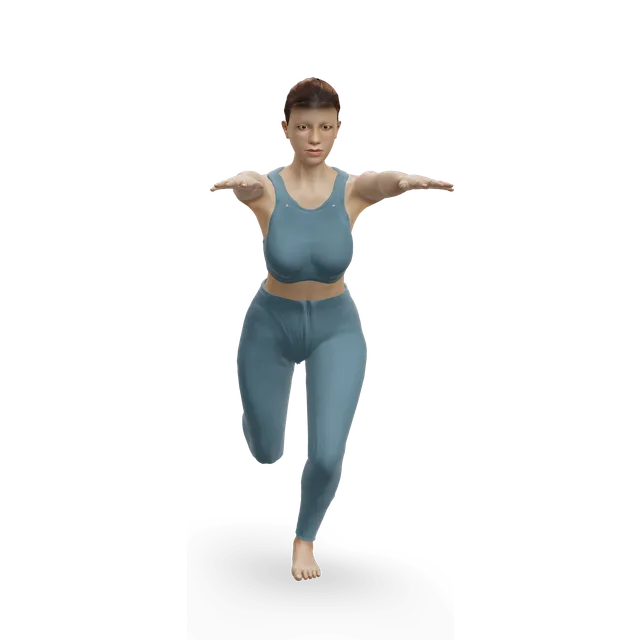
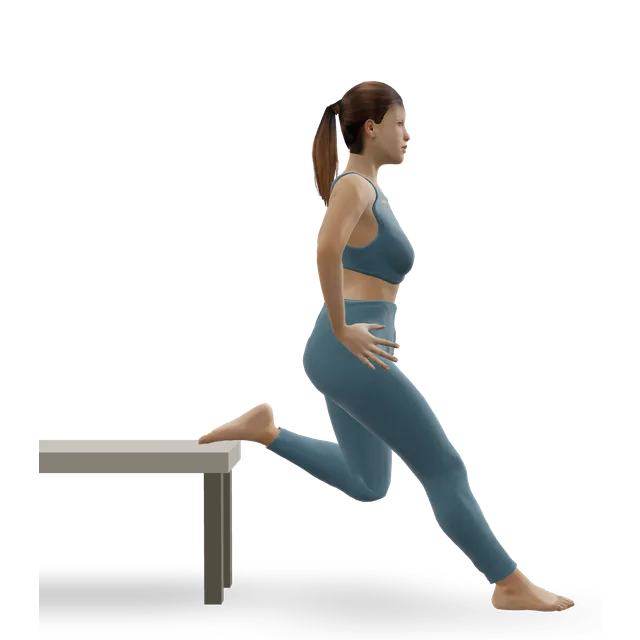
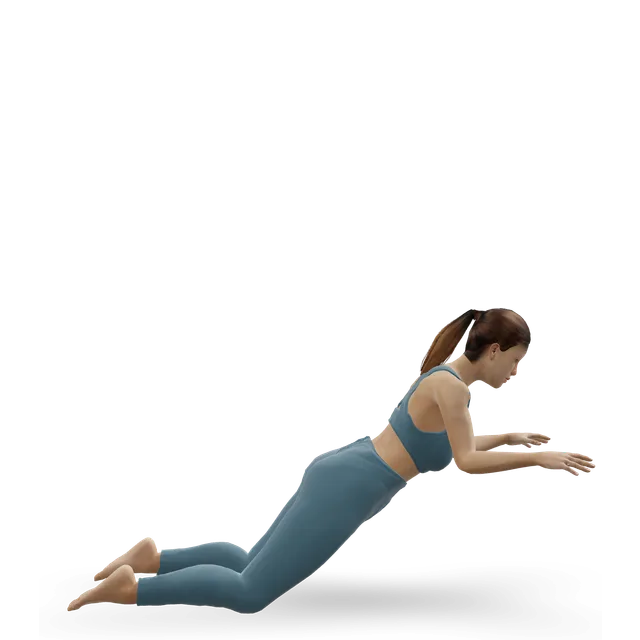
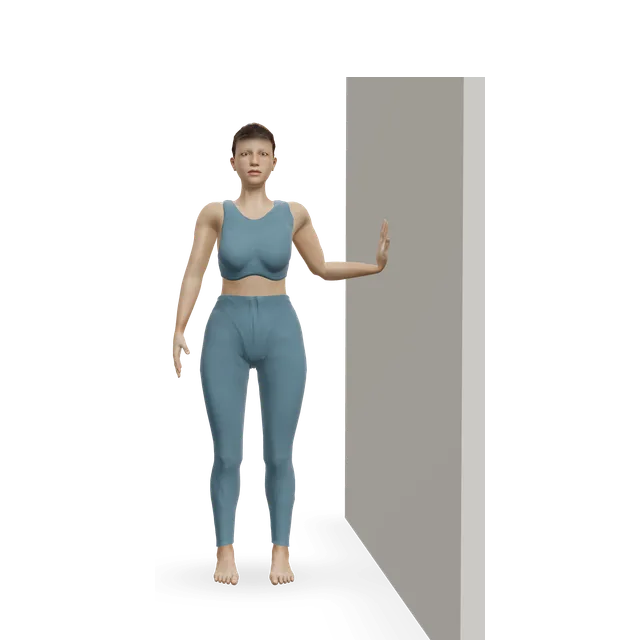
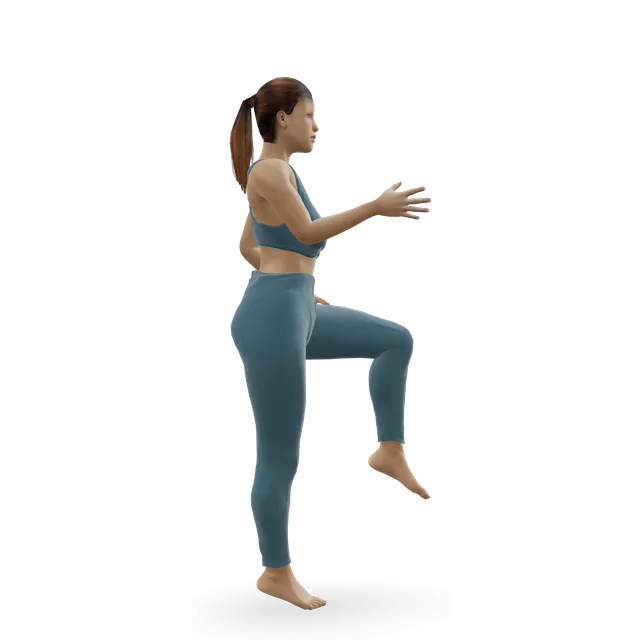
Change of direction improves with almost any leg trainingStrong evidence
Across 74 studies of 1,652 people (average age 16.5, mostly male footballers), plyometric (jump) training improved planned change-of-direction speed by 5.26% against 0.98% in controls, strength training by 3.32% against -0.40%, direction-change drills by 2.4% against 1.2% and sprint training by 2% against 0.12%. No method was clearly best.
Source 4
JumpsEmerging evidence
As our skater jumps guide says, jump training improved change of direction best with mixed jump types, about 100 jumps a session, twice a week for about 7 weeks (24 studies). In boys, the effect was large and grew with age (16 studies), and across 14 racket-sport trials it was moderate, on very low-certainty evidence.
Sources 22, 21, 23
Strength trainingStrong evidence
Across 15 controlled studies of people aged 8 to 28, strength training improved change-of-direction speed by a large amount, more in children and teenagers than in adults, and two sessions a week did at least as well as three.
Source 5
Speed, agility and quickness drillsEmerging evidence
Drills done 2 to 3 times a week for 4 to 12 weeks improved change of direction by a small to moderate amount in 11 trials of 499 athletes, and by a moderate amount in 22 trials of team-sport players aged 9 to 26. Doing more than 120 minutes a week made no clear difference.
Sources 6, 24
Reactive agility trains with a cue to react toEmerging evidence
In one 2026 meta-analysis of 26 studies (755 people aged 10 to 35; only 2 studies, with 43 people, were in women alone, and 6 were mixed), training with something to react to improved reactive agility by a moderate to large amount, on moderate-certainty evidence. Gains were larger with lights or video than with a person, peaked at about 7 to 8 weeks, and most positive results came from sessions of 20 to 25 minutes.
Source 7
Small-sided games and decision trainingEmerging evidence
In 25 under-18 Australian footballers, 11 sessions of small-sided games (15 minutes each) improved reactive agility almost entirely through faster decisions, while cone drills didn't change it. In boys aged about 14, cone drills helped agility without the ball most and small-sided games helped it with the ball. Video decision training sped up reactive agility in 15 rugby league players over 3 weeks and in 34 young footballers over 6 weeks.
Sources 8, 25, 26, 27, 28
Agility laddersEmerging evidence
The evidence is three small trials. In 18 and then 20 under-13 footballers, 6 weeks of ladder training was no better than normal training for sprinting, agility or dribbling. In 76 young female volleyball players, ladder work plus multidirectional speed drills beat volleyball training alone on the T-test, and ladder work plus jumps didn't. No study has tested whether ladder speed carries over to games.
Sources 9, 10, 11
Cutting technique and the kneeEmerging evidence
The faster and sharper the cut, the bigger the load on the knee. In 123 female handball players, a wide foot plant, a knee caving inwards, landing on the toes, a fast approach and a sharp angle each raised the knee's sideways load by 12 to 19%. Braking over the last two steps rather than the last one, with less knee collapse and sideways trunk lean, is the suggested compromise between speed and safety.
Sources 12, 29, 13
Coaching technique: promising, unprovenMixed evidence
Two 20-minute coaching sessions a week for 6 weeks made 8 youth footballers faster and cleaner cutters, but in 15 men a similar programme didn't lower average knee loads. Across 22 studies, balance training and technique coaching lowered knee loads most. None of these trials was randomised.
Sources 30, 31, 32
Warm-up programmes prevent ACL tearsStrong evidence
Across 8 meta-analyses, warm-up programmes halved ACL injuries and cut non-contact ACL injuries in female athletes by about two-thirds, as our basketball and warm-up pages say. They worked better with sessions of more than 20 minutes, 2 or more times a week. There isn't enough evidence in men to be sure.
Sources 14, 33, 34
The FIFA 11+Strong evidence
The FIFA 11+ warm-up, about 20 minutes, cut football injuries by 39% across trials, as our sprint guide says. In 17 studies it also made players quicker at changing direction than usual warm-ups, by a moderate amount and more with 3 or more sessions a week, though a stricter reanalysis found a smaller effect.
Sources 35, 36, 37, 38
Older adultsMixed evidence
In 20 trials of 1,632 older adults, agility-style training improved strength, mobility, endurance and balance against doing nothing, but not clearly more than other exercise. In 98 women aged 75 to 85, agility classes lowered a fall-risk score by 47.5%, against 20.2% with stretching; the trial measured the score, not falls, and the agility group had six falls in class (none needing medical care). A year of twice-weekly classes improved walking and one-leg balance a little in adults about 70.
Sources 39, 40, 41, 42