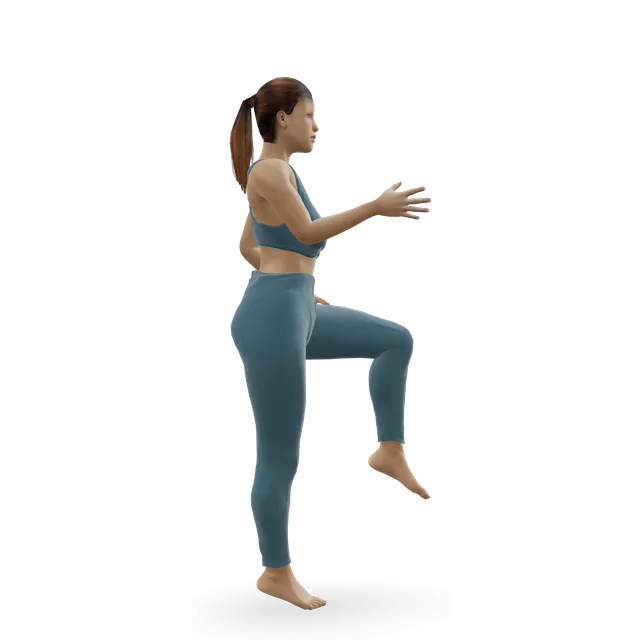
Power is force times speed
It's how much force you can produce, how fast. You build it on a base of strength, then train moving fast.
Training guide
Explosive power is strength produced fast: the push of a jump, a sprint start or a throw, and the quick step that stops a trip. You build it on a base of strength with three tools (jumps, medicine-ball throws and fast lifts such as kettlebell swings), twice a week, while you're fresh, stopping each set while every rep is still fast.
Jump training adds about 5 to 9% to jump height, and lifting fast helps older adults as well as athletes. This guide covers what power is and how it differs from strength, what the trials show for jumps, throws and Olympic-style lifts, how heavy and how many, the steps from landings to box jumps, power for your legs and upper body, power as you get older, and who should check first. Our explosive power workout puts it into one session.
It's how much force you can produce, how fast. You build it on a base of strength, then train moving fast.
Jump training raised jump height by about 5 to 9%, Olympic lift variations did about as well, and kettlebell swings and medicine-ball throws worked in small trials.
Trying to move as fast as possible drove the gains in a classic trial, and the American College of Sports Medicine (ACSM) found power improved most with moderate loads, 30 to 70% of the most you can lift once, low volume and a fast lifting phase.
About 80 jump landings a session as a beginner, building towards 100, and throws and fast lifts in short sets of 2 to 8, resting 1 to 3 minutes, as our jump and power clean guides set out. End each set while every rep is still fast.
Leg power fades faster than strength after 65, and lifting fast improved everyday function in older adults at least as much as slow lifting. The extra benefit is small and low certainty, and the safety data on jumping come from 289 people, mostly supervised.
If you have heart disease, uncontrolled blood pressure, diabetic eye disease, a hernia, or osteoporosis with fractures, or you're pregnant, see the warning signs before you start.
Strength is how much force you can produce; power is how much you can produce quickly. "Explosive" usually means how fast you develop force in the first fraction of a second: a jump, a sprint start, a throw, standing up quickly or catching yourself from a trip.
Source 1
You can't be very powerful without being relatively strong. In people new to lifting, getting stronger raises jump height on its own, as our jump higher guide explains.
Source 2
Jumps, hops and bounds train the quick stretch and recoil of your muscles and tendons. Throws, such as medicine-ball chest pushes and scoop throws, train the upper body and whole body. Fast lifts, such as kettlebell swings, light jump squats, push presses and the Olympic lifts, move a moderate load as fast as you can.
Leg power falls by about 3.5% a year after 65, against 1 to 2% for strength. Heavier people can start with lower-impact options such as step-ups, fast sit-to-stands, swings and throws (our suggestion). Men tended to gain more from jump training than women in pooled studies, and people with more sport experience gained more.
Most power trials are small, short and in young adults or athletes. The older-adult trials are the exception, and their evidence is low certainty.
Across 26 studies of healthy people, jump (plyometric) training raised the countermovement jump by 8.7%, the jump with an arm swing by 7.5%, and squat and drop jumps by 4.7%.
Source 3
Across 56 studies, programmes of more than 10 weeks and 20 sessions, with more than 50 jumps a session and a mix of jump types, gave the biggest gains, and adding weight gave no extra benefit. These are comparisons between studies.
Source 13
In 6 studies of 232 trained young people, weightlifting raised jump height by 7.7% compared with no extra training and 5.1% more than ordinary lifting. Another review found weightlifting and jump training raised the countermovement jump about equally (8.8% against 8.1%), and both more than ordinary lifting.
The ACSM's 2026 review of 137 reviews found power improved most with moderate loads (30 to 70% of a one-rep max), 24 or fewer reps per exercise, Olympic-style lifts and a fast lifting phase, and that lifting fast improved physical function. The load for peak power depends on the lift: up to 30% of your best for jump squats, 30 to 70% for squats and 70% or more for power cleans (27 studies).
In 16 adults over 16 weeks, trying to move as fast as possible against a resistance that stopped the movement gave the same high-speed gains as actually moving fast.
Source 8
In 21 young men, 6 weeks of twice-weekly swing sessions raised vertical jump by about 20% and half-squat strength by about 10%, similar to jump squats. In 21 teenage handball players, 12 weeks of medicine-ball training raised throwing and pressing power more than normal training. Both trials were small.
In 100 healthy people aged 65 to 89, leg power was about 3.5% lower for each year of age, against 1 to 2% for strength. In 80 older women, leg power was the strongest link to everyday function, and across 44 studies power predicted function slightly better than strength.
Lifting fast and lowering slowly improved physical function a little more than slow lifting in a review of 20 trials of 566 older adults (low certainty), and in a review of 11 trials. A 2023 review of 19 trials of 1,055 people called the effects similar. The extra benefit is small and low certainty.
In 12 studies of 289 people with average ages of about 58 to 79, mostly supervised, no study reported more injuries, and at most 1.4% dropped out with an injury.
Source 12
Weightlifting has about 2.4 to 3.3 injuries per 1,000 hours of training, similar to other non-contact strength sports, in low-quality studies.
Source 19
Two power sessions a week, 48 to 72 hours apart, for 8 to 12 weeks, as our jump higher guide suggests. Power work comes first in the session, and hard runs and intervals stay at least 3 hours away, as our plans advise.
Count every landing: about 80 a session, including the warm-up, as a beginner, building towards 100, in sets of 3 to 10 with 60 to 90 seconds' rest, as our jump higher guide sets out. Start with landings, then box and broad jumps, then low depth jumps.
Chest pushes, 3 sets of 5 with a 2 to 4 kg ball; scoop throws, 3 sets of 3 to 5, resting about a minute; and slams, 3 to 5 sets of 5, resting 60 to 90 seconds (our medicine ball workout). Two hands before one, and chest before overhead, as our medicine ball slam guide suggests.
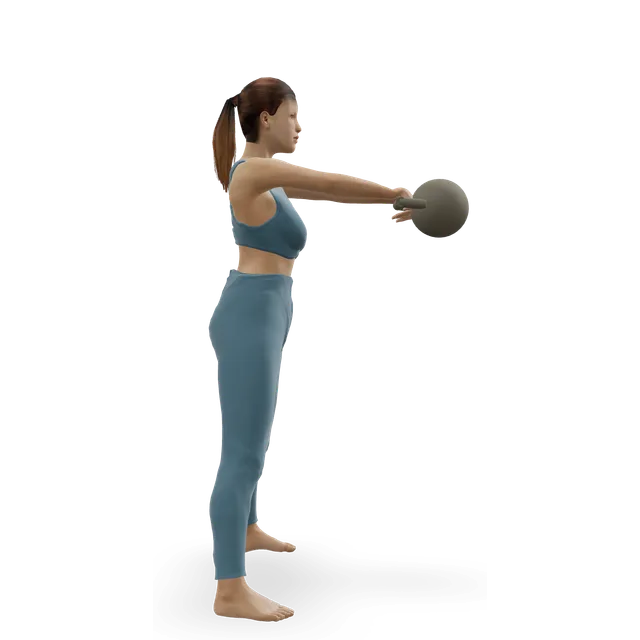
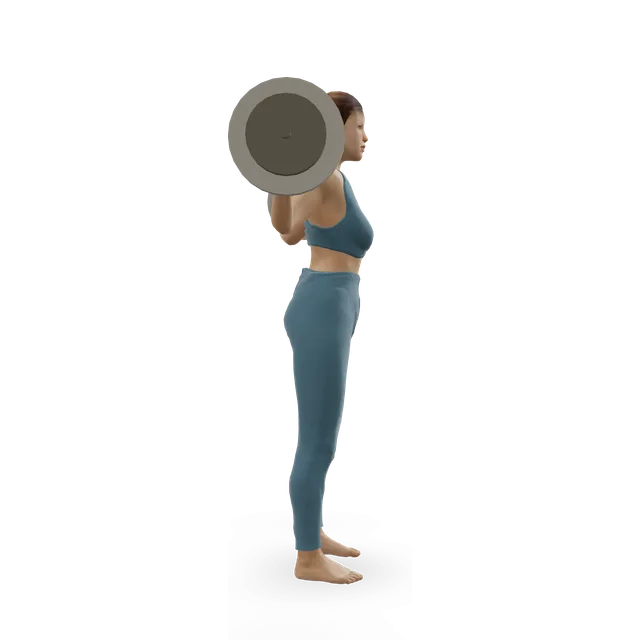
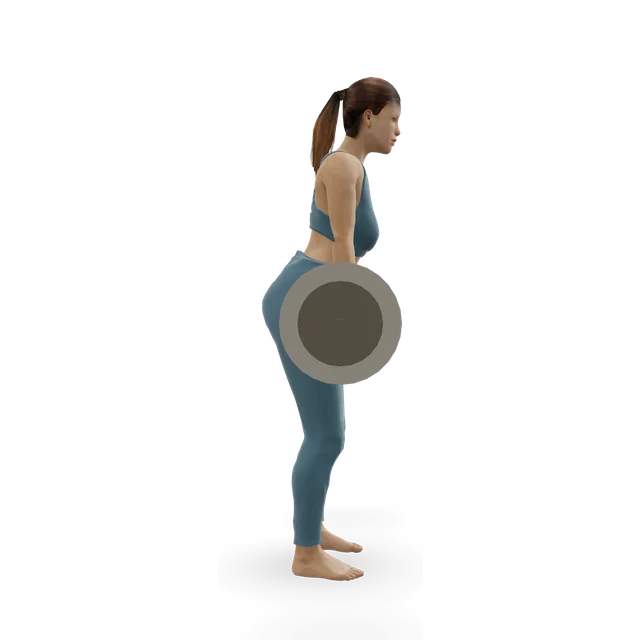
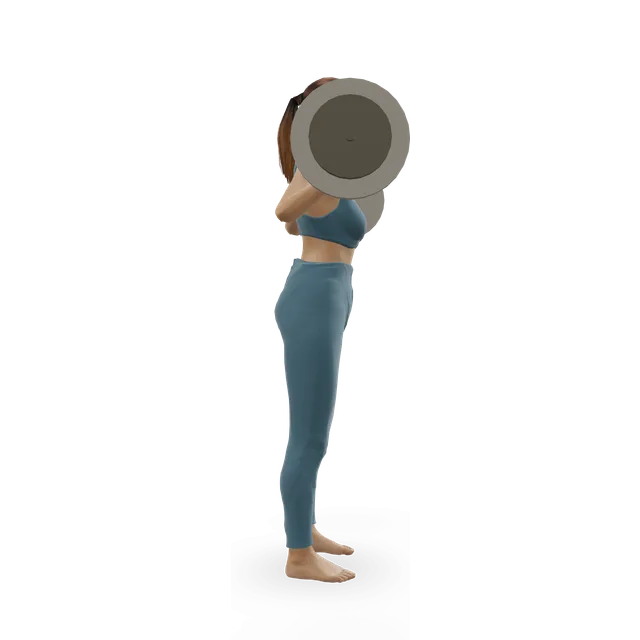
Kettlebell swings, 3 sets of 6 to 8, every rep crisp (our bone-strengthening workout); for power, a heavier bell and 8 or fewer a set, as our kettlebell swing guide says. Hang power cleans, 3 to 5 sets of 2 to 4 with 2 to 3 minutes' rest, ideally with coaching (our power clean guide).
Reps in reserve isn't the right gauge for power. End a set when your landings get loud, your contacts slow or your jumps get lower, or when the bar or bell slows down, and never go to failure, as our jump and power clean guides say.
Two strength sessions a week: a squat, a hinge, a single-leg move and calf raises, stopping 2 or 3 reps short of failure, as our jump higher guide sets out.
Source 2
Our editorial order: jump first while you're fresh, then throws, then a fast lift, then strength, as our jump higher guide's session does, with doses in our explosive power workout. Our box jump guide teaches the jump.
Loading the 3D figure…
The movement on the figure: Box jump
Weeks 1 and 2: snapdowns and box drop landings; weeks 3 to 5: box jumps, broad jumps and lateral bounds; from week 6: low depth jumps and one-leg hops (our jump higher guide's stages). Lateral bounds: 3 sets of 6 to 8 bounds (3 or 4 on each leg), resting a minute between sets (the move page's dose, its editorial starting point).
 3D demoSnapdown to athletic landingBeginner · No equipment
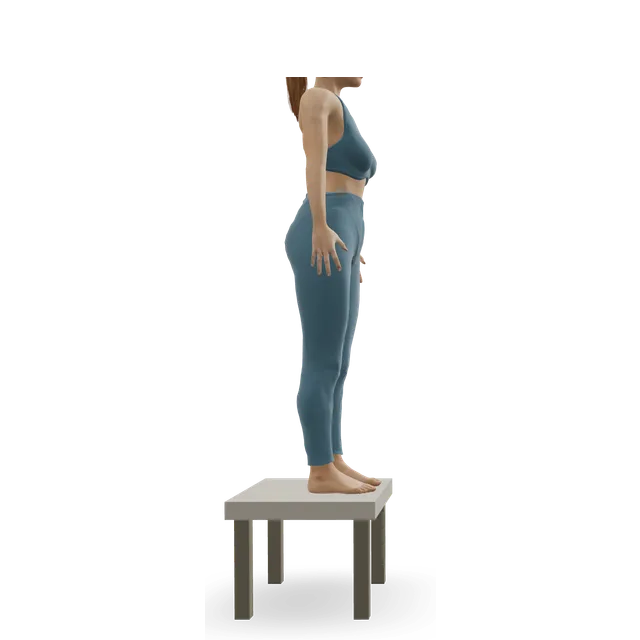 3D demoBox drop landingIntermediate · A step
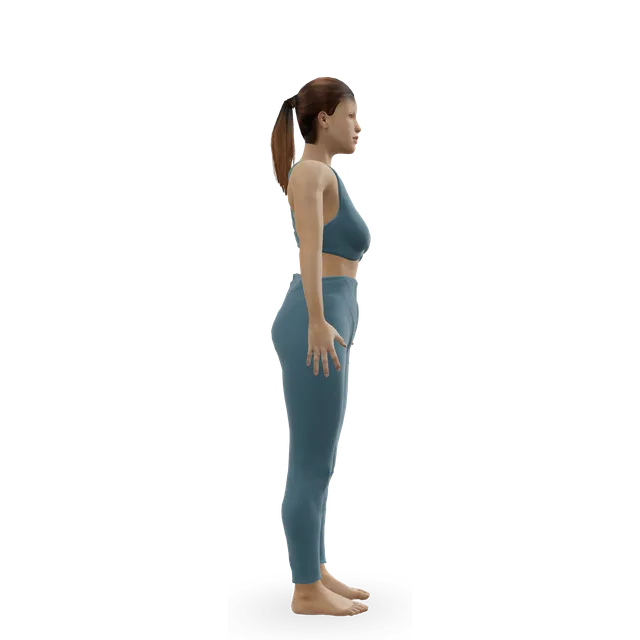 3D demoJump squatIntermediate · No equipment
 3D demoPogo hopsIntermediate · No equipment
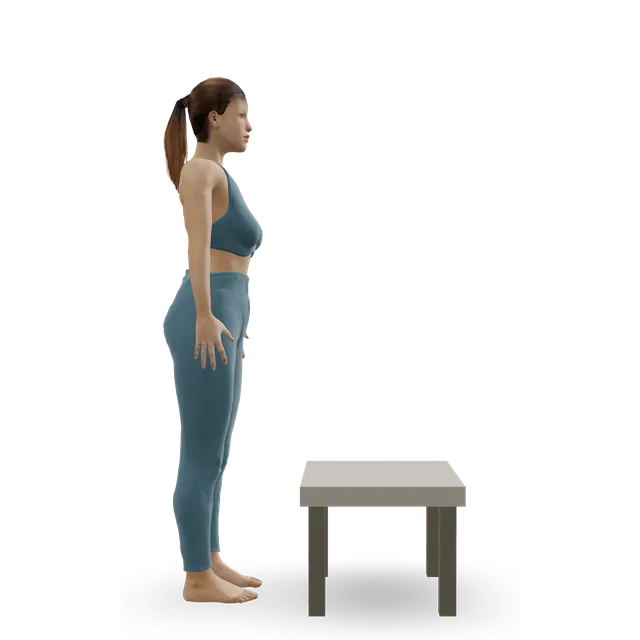 3D demoBox jumpIntermediate · A bench or box
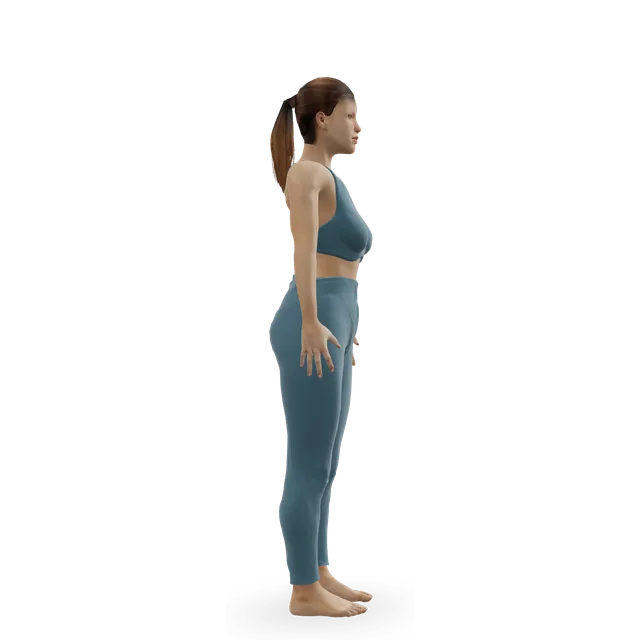 3D demoStanding broad jump with stuck landingIntermediate · No equipment
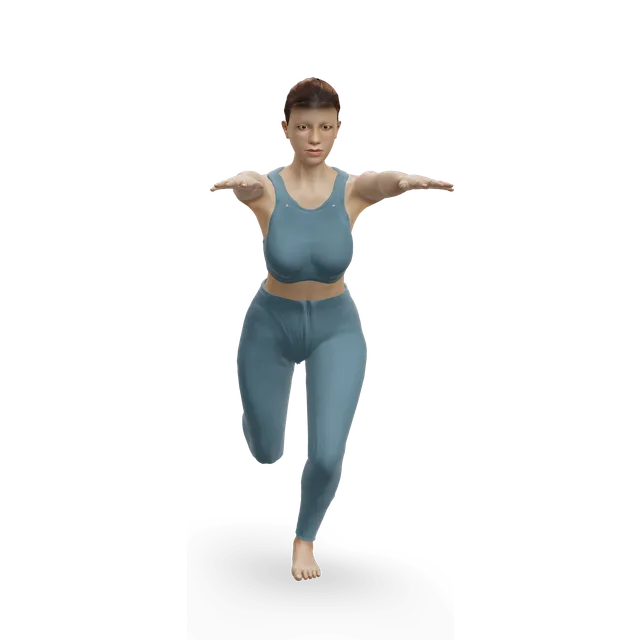 3D demoLateral bound (skater jump)Beginner · No equipment
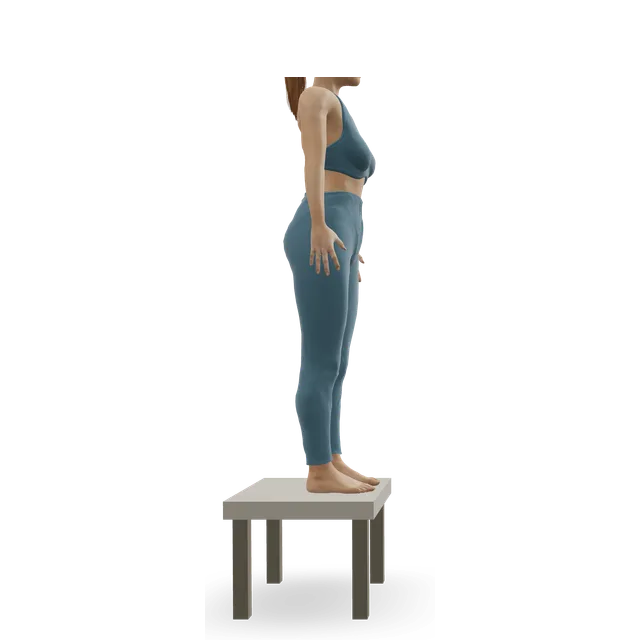 3D demoDepth jumpAdvanced · A step
 3D demoSingle-leg hop and stickIntermediate · No equipment
Chest pushes 3 sets of 5 with a 2 to 4 kg ball; scoop throws 3 sets of 3 to 5 throws, resting a minute between sets (the move page's dose, its editorial starting point); overhead throws and slams 3 to 5 sets of 5. Throw into clear space with nobody behind you.
Learn the hip hinge and the kettlebell deadlift before the swing. Weighted jump squats use about a third of your best squat or less, and the hang power clean and push press are best learned with a coach.
Goblet squats 3 sets of 6 to 8, Romanian deadlifts 3 sets of 8 and calf raises 2 sets of 10 to 12 (our vertical jump workout). Without jumping: brisk sit-to-stands 3 sets of 5 to 8 and step-ups (our power and balance workout), and heel drops, 20 to 30 drops at first, building toward about 50 impacts on most days (the move page's dose).
 3D demoDumbbell goblet squatIntermediate · A dumbbell
 3D demoDumbbell Romanian deadliftIntermediate · A dumbbell
 3D demoRear-foot-elevated split squat (Bulgarian split squat)Intermediate · A bench or box
 3D demoSingle-leg calf raise from a stepIntermediate · A step + A wall
 3D demoSit to stand from a chairBeginner · A bench or box
 3D demoStep-upBeginner · A step
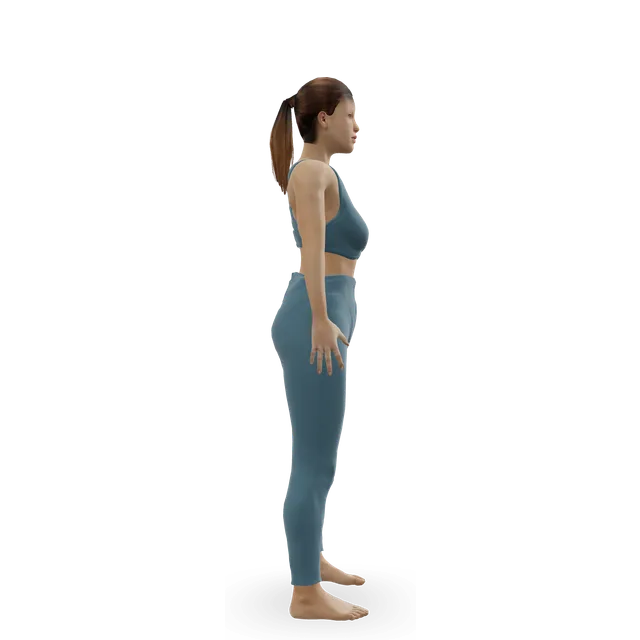 3D demoHeel drop (impact for bone)Beginner · No equipment
Jumps, squats and hinges, and kettlebell swings. Our jump higher guide has the full jump plan, and our sprint faster guide adds sprinting.
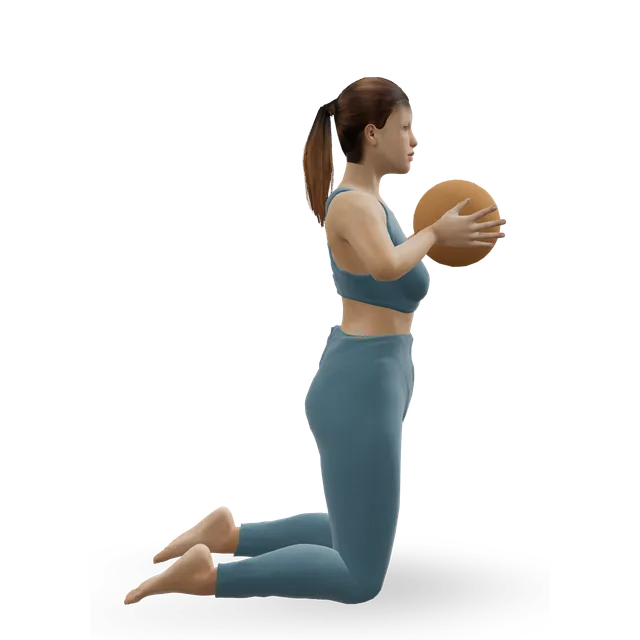
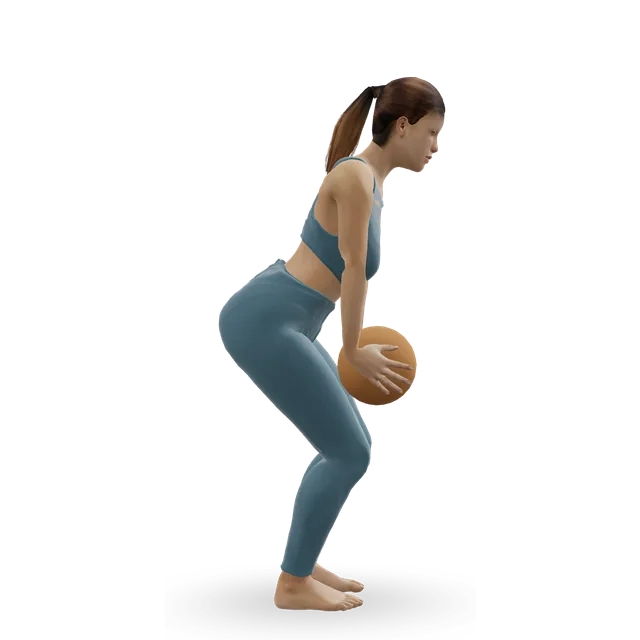
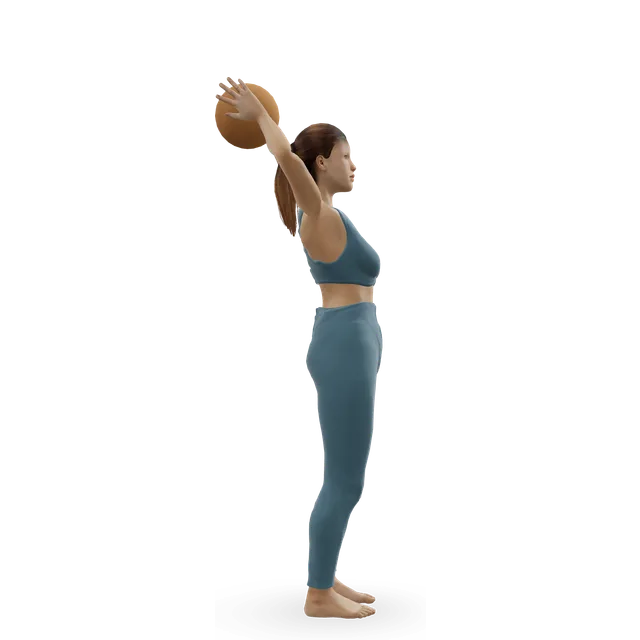
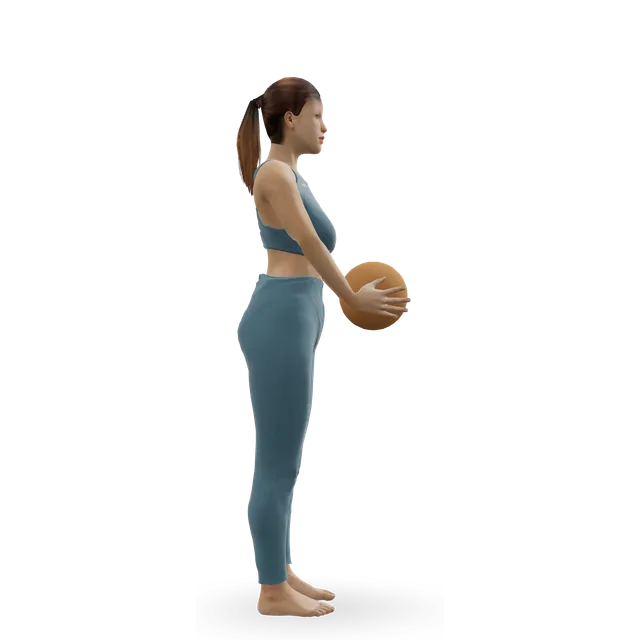
Medicine-ball chest pushes and throws, and push presses or fast dumbbell presses with moderate loads. Our medicine ball workout puts the throws in order.
Your sport's own skills, such as kicking, punching or throwing, carry the power into the game. Our sports pages pair strength and power work with each sport.
Power fades faster than strength with age and links closely to everyday function, such as getting up from a chair or catching yourself from a trip.
Once a move is learned, stand up or press briskly and lower over 2 to 3 seconds, as our build muscle after 50 guide explains. It improved function at least as much as slow lifting, though the extra benefit is small and low certainty.
In 289 people aged about 58 to 79, mostly supervised, jump training didn't add injuries. Start with landings and heel drops, keep any drop very low, and with osteoporosis follow the cautions below.
Our power and balance workout pairs brisk sit-to-stands, step-ups, chest pushes and optional swings with balance work, which together with strength training is what cuts falls.
Source 21
Our explosive power workout puts jumps, throws and a fast lift into one session for fit adults. The vertical jump workout is a staged jump plan; the power and balance workout suits older adults.
A 40-minute power session: landings, box and broad jumps, lateral bounds, medicine-ball throws and kettlebell swings, then squats and hinges, about 80 landings.
40 minIntermediate15 movesA bench or box, Medicine ballA staged jump session for 8 weeks: landings and small jumps, then box and broad jumps, then depth jumps, each followed by squats, hinges and calf work.
40 minIntermediate16 movesA step, A bench or boxAn advanced jump training session: pogo hops, box jumps, split squat jumps, broad jumps and depth jumps.
30 minAdvanced8 movesA bench or box, A stepA 30-minute medicine ball workout: chest pushes, scoop throws and slams for power, an optional slam interval finisher, and two trunk moves, with doses.
30 minIntermediate11 movesA wall, Medicine ballA 25-minute practice session for your first kettlebell swings: hip hinge drills, kettlebell deadlifts, then short sets of swings with a park after each.
25 minBeginner8 movesA wall, A kettlebellA 40-minute technique session for the power clean: the rack and hang positions, the jump and the turnover, light hang power cleans, then cleans from the floor.
40 minIntermediate14 movesCardio machine, A wallA 65-minute strength session for weightlifters: front squats, clean pulls at or above your best clean, push presses, Romanian deadlifts and trunk work.
65 minIntermediate11 movesCardio machine, A wallA 40-minute session of fast sit-to-stands, step-ups and medicine-ball pushes for power, then balance holds and steps beside a counter.
40 minBeginner17 movesA wall, A bench or boxImpact, strength and balance for stronger bones, following UK osteoporosis consensus advice, with options for every level.
40 minBeginner14 movesA kettlebell, Other / check instructionsA 45-minute speed session: running drills, five short accelerations and three flying sprints with full rest, then Nordic curls and calf raises.
45 minIntermediate11 movesCardio machine, A wallA 40-minute first strength workout for teenagers: a warm-up, landing and jump drills, then squats, hinges, push-ups, rows, step-ups and carries, kept light.
40 minBeginner19 movesA wall, A dumbbellThe plan for men over 50 has a power and balance day; the beginner strength programme builds the strength base.
A 12-week workout plan for men over 50: three strength days with power and balance work, cardio and recovery, at the gym or at home, with a 4-day option.
3 training days45 minBeginner3 days a weekA 3-day strength plan for men over 40 with power and bone work, two cardio days and mobility, built on research on ageing muscle.
3 training days45 minBeginner3 days a weekA 12-week plan for women over 40: three strength days, impact for bone, cardio and recovery through the perimenopause, in a gym or at home, with a 4-day option.
3 training days45 minBeginner3 days a weekA 12-week beginner barbell program: squat every session, alternate bench and row with press and deadlift, and add weight each time until it stalls.
3 training days50 minBeginner3 days a weekAn 8-week kettlebell plan for beginners: two strength sessions and a swing-interval day each week, with how to choose a bell and swing safely.
3 training days35 minBeginnerIf you have no spinal fractures, build up to about 50 moderate impacts on most days, such as heel drops, jogging on the spot or small jumps, and add strength training. Walking is weight-bearing but low impact, and on its own it does not raise bone density. Swimming and cycling are not weight-bearing.
The UK consensus recommends moderate impacts, about 50 a session, but not very high impact such as landing from height, and impact only up to brisk walking after spinal fractures. Get individual advice before broad jumps; heel drops are the usual first step.
The UK consensus asks people with osteoporosis to avoid postures with a lot of spinal bending, especially with a weight. Fast, loaded forward bending is what a slam is, so leave slams out, and use the chest push or the scoop throw only after individual advice (our suggestion).
Swings only with no spinal fractures and confident technique, as our bone-strengthening workout says, and avoid deep or repeated rounding under load, as our osteoporosis guide explains.
Don't start box jumps in pregnancy: the NHS advises against starting a new vigorous activity and against activities with a risk of falling.
Pain below the kneecap is worse the next morning: our jumper's knee guide keeps tendon pain at 3 out of 10 or less. If you leak urine when you land, that's common and treatable: build up pelvic floor exercises and lower-impact work first. With osteoporosis and fractures, get physiotherapy advice before impact work.
With proliferative or severe diabetic retinopathy, the American College of Sports Medicine advises avoiding activities that jar the head, such as jumping.
With heart disease, or blood pressure that isn't controlled, ask your GP or heart team before hard intervals or jumping, as our HIIT guide says.
With knee pain, use step-ups and our knee guides first; our knee pain when jumping guide maps the causes and has a staged plan back to jumping. Our suggestion is to come back to jumping once stairs and squats are comfortable.
Supervised strength training is safe for children and teenagers: no growth-plate injury has been reported in prospective studies with professional guidance, and there's no evidence it harms growth in height. Landings in competitive sport can reach 5 to 7 times body weight, more than a coached session.
If you get chest pain or pressure, feel faint or dizzy, are unusually breathless, or your heart races or beats irregularly during exercise, as our plans advise. The American Heart Association says these need immediate medical evaluation.
For chest pain that comes on suddenly and doesn't go away, feels tight or like squeezing, spreads to your arms, neck, jaw, stomach or back, or comes with sweating, feeling sick, light-headedness or breathlessness; arm pain that comes on suddenly with pressure, heaviness or squeezing across your chest; severe difficulty breathing, or a chest that feels tight or heavy; someone who faints while exercising; palpitations that don't go away, or come with chest pain, shortness of breath or feeling faint; or a headache that starts suddenly and is extremely painful, especially while lifting or straining. The NHS says a bleed on the brain may be more likely when lifting something heavy. Don't drive yourself to A&E.
Call 999 or go to A&E if you heard a crack, the joint or limb has changed shape or points at an odd angle, it's numb or tingling, or the skin looks blue or grey or feels cold. Get help from NHS 111 (in the US, urgent care) if it's very painful, very swollen or bruised, very stiff, or you can't put weight on it or walk more than a few steps.
A snap or pop at the back of your ankle, with pain and swelling near your heel or not being able to stand on tiptoe on that leg. A knee that's very painful, won't take your weight, is badly swollen or has changed shape, or locks or gives way.
Pain in one spot on a bone that's worse with jumping or running, eases with rest and hurts when you press it: stop jumping, as it can be a stress fracture, and see a GP. See a GP too for heel pain that hasn't improved after 2 weeks of looking after it yourself, or shin pain that's getting worse or isn't improving.
Call 999 or go to A&E: loss of feeling or numbness around the genitals or bottom, new trouble peeing or controlling your bladder or bowels, changes in genital sensation during sex or problems with erections or orgasm, or pain, tingling, weakness or numbness in both legs. These are signs of cauda equina syndrome, which needs treating in hospital urgently. Don't drive yourself.
Source 23
A pop or tearing at the front of the armpit or chest during a lift, followed by bruising into the chest or upper arm, a change in the shape of the chest or armpit, or weakness pushing, can be a torn chest tendon. Don't wait for it to settle: get help the same day from NHS 111 or an urgent treatment centre, as our pec strain guide explains.
Rhabdomyolysis (a dangerous breakdown of muscle) has followed big, unaccustomed bouts of jumping in young people: more than 250 squat jumps in a 12-year-old, and a conditioning session with jumps in a 16-year-old. Not depth jumps as such, but a reason to build your number of jumps gradually.
Call NHS 111 (in the US, your doctor or urgent care) for severe muscle pain and weakness with dark (cola-coloured) or reduced urine after unusually hard training. This can be rhabdomyolysis, which can harm the kidneys and needs prompt care.
Speak to your GP first if you haven't exercised for some time or have medical conditions or concerns, as the NHS advises. Get advice before hard, explosive or straining work if your blood pressure is uncontrolled (140/90 or higher at a clinic, or 135/85 at home), or you have heart disease or chest pain when you're active, a pacemaker or defibrillator, diabetic eye disease, glaucoma, a hernia, recent eye or tummy surgery, or you're pregnant, as our breathing guide lists.
After a recent shoulder dislocation or shoulder surgery, follow our shoulder dislocation guide or your surgical team first.
Source 24
See a GP if you think you have a hernia, a bulge or lump that may get bigger when you strain and smaller when you lie down. Get help from NHS 111 if you have a hernia and pain in or around it, a bloated tummy, you feel or are sick, you're vomiting blood or your vomit looks like coffee grounds, you're constipated, you have a high temperature or feel hot, cold or shivery, or you've suddenly become confused. Call 999 or go to A&E for a femoral hernia (a small lump at the top of your thigh, in your groin) with very bad tummy pain, sickness, being unable to fart or poo, a high temperature or sudden confusion.
Power fades faster than strength with age, and lifting fast helped older adults' function at least as much as slow lifting, though the extra benefit is small and low certainty. Start with brisk sit-to-stands, step-ups and throws.
That figure is one author's opinion, not a tested threshold, as our jump higher guide explains. Older adults and young people trained safely on programmes that start with landings and small jumps.
Source 12
Weightlifting and jump training raised jump height about equally. The lifts are worth learning with a coach if you enjoy them.
Programmes improved with more than 50 jumps a session, not hundreds, and big, unaccustomed bouts of jumping have been followed by serious muscle breakdown in young people, as our depth jump guide notes. Count your landings.
Source 13
Jumping with added weight gave no extra benefit, and peak power in a jump squat came at light loads, 30% of a squat max or less.
Low to moderate volume improved power most. Stop each set while every rep is still fast.
Source 9
Build strength first, then train moving fast with jumps, medicine-ball throws and fast lifts such as kettlebell swings, twice a week, first in the session. Stop each set while every rep is still fast.
Strength is how much force you can produce; power is how much you can produce quickly. Power fades faster than strength with age.
Jump training raised jump height by about 5 to 9% in trials. Add squats and hinges, and Olympic lift variations if you have coaching; our jump higher guide has the landing counts.
Medicine-ball chest pushes, throws and slams, and push presses with moderate loads. In a small trial, 12 weeks of medicine-ball training raised pressing power in young handball players.
Yes: jump squats, broad jumps, hops, and a kettlebell or medicine ball are enough. Peak power in a jump squat came at your body weight or a light load.
No: weightlifting and jump training raised jump height about equally. The lifts are worth learning with a coach if you enjoy them.
About 80 landings a session as a beginner, including the warm-up, building towards 100, twice a week. Programmes did better over more than 10 weeks, and hundreds a day aren't needed.
Built up gradually, yes: lifting fast improved everyday function at least as much as slow lifting, though the extra benefit is small. Jump training trials in about 289 older adults, mostly supervised, reported no extra injuries; start with brisk sit-to-stands, step-ups and throws.
Moderate: about 30 to 70% of the most you can lift once, with low volume. Light for jump squats and heavier for power cleans, and the intent to move fast matters as much as the speed.
Expect gains over 8 to 12 weeks. Jump programmes over 10 weeks did better, with average gains of about 5 to 9% in jump height.
Not in general, but hard cardio in the same session can blunt jumping power. Keep them at least 3 hours apart, as our plans advise.
Ask first. The UK consensus recommends moderate impacts, about 50 a session, if you have no spinal fractures, but not landing from height, and impact only up to brisk walking after spinal fractures. Heel drops are the usual first step.
Exercise education, not a personal prescription, and clinical review of these guides is pending. Check with a GP before starting hard training if you have a heart condition, chest pain, dizziness or breathlessness when active, and stop for sharp or increasing pain. Health disclaimer.