Training guide

How to do skater jumps: the side-to-side bound, landing, the knees and ankles, and how many

A skater jump is a sideways bound from one leg to the other, like a speed skater's stride: push off, land softly on the other foot in a half squat with your knee over your middle toes and your free leg trailing behind, then push back. It trains side-to-side power, single-leg balance and the muscles on the side of your hips, and done in a steady rhythm it's hard cardio.

Every landing is on one leg, and in lab studies sideways landings are the direction knees handle least well, so learn the landing before the jump. No trial has tested skater jumps on their own for agility, skating speed or injury prevention: they're one useful part of a varied plan.

This guide covers the move step by step with a 3D demo, the steps from no-jump skater steps to stuck landings and continuous jumps, how many to do and how often, your knees and ankles, older adults and the pelvic floor, and the warning signs.

The short version

Push off, land softly, knee over your toes

Stand on one leg in a half squat, push off sideways, and land softly on the other foot in the same half squat, knee bent over your middle toes and your free leg trailing behind; then bound back. A review of plyometric (jump) training lists lateral bounding among the beginner drills, once your landings are steady.

Source 1

Learn the landing first

In lab studies of athletes, sideways landings came with less knee bend than forward ones, and sideways stop-jumps were the most demanding direction for the knee. So build up: side steps, no-jump skater steps, a one-leg hop and stick, then skater jumps holding each landing, before continuous ones.

Sources 2, 3

Your knees: about like running, by our reading

In lab models of 20 young adults, repeated one-leg sideways hops loaded the kneecap joint and its tendon about as much as running. Our reading is that skater jumps sit in that range, but nobody has measured skater bounds from one leg to the other. What they teach is control of that load.

Sources 4, 5

What they train

A sideways jump worked the side glute hard in one study, and sideways jump training improved sideways hop and shuffle tests more than forward jumps in a small trial. Jump training in general improves change-of-direction speed and, a little, balance.

Sources 6, 7, 8, 9

How many

Start with 3 sets of 4 each side, holding each landing for 2 seconds, as our sport workouts do, or 3 sets of 6 to 8 bounds with a minute's rest (our move page's editorial starting point). Count each landing: about 80 to 100 a session suits beginners, with 48 to 72 hours between jump sessions.

Source 1

Not only for athletes

A skater step is one of the Royal Osteoporosis Society's moderate-impact exercises for people who are more active, and jump training in older adults didn't increase injuries across 12 trials. Start with the step and build up.

Sources 10, 11

What a skater jump is, and what it works

The move

A sideways bound from one leg to the other: push off, travel sideways through the air, land on the other leg in a half squat with the free leg trailing behind, and push back. Each landing is on one leg, so that hip, knee and ankle have to stop your body and keep the knee over the foot.

One family, several names

Skater jumps, skater hops, skaters, speed skaters and lateral bounds are one movement family. In coaching use, lateral bounds usually go for distance and hold each landing, for power and landing control, while skater jumps flow from side to side in a rhythm, for cardio (our distinction). The FIFA 11+ warm-up calls them lateral jumps; the American Council on Exercise (ACE) calls the rhythmic version speed skaters.

Sources 12, 13

The skater step

Step sideways onto one leg and touch the back toe down behind you, with no flight: the version with one foot always on the floor. Our lateral bound demo shows the same pattern with a jump; skater steps have no demo of their own.

What it works

Your glutes, especially the side glute (gluteus medius), your thighs, the inner and outer thigh muscles that move you sideways, your calves and ankles, and single-leg balance. The muscle studies used EMG (electromyography: electrodes measuring how hard a muscle works), which shows effort in one session, not what a muscle will build.

Source 6

High impact

Both feet are off the ground in flight, which pelvic health physiotherapists class as high impact. The skater step is the low-impact version.

Source 14

Not the skater squat or the skater lunge

The skater squat is a slow single-leg squat with the back knee lowering towards the floor, and the skater lunge (or curtsy lunge) steps one leg behind and across the other. Neither is a jump; the skater squat builds strength for the landing leg.

Who was studied

Almost every study here is small and in young, healthy adults or athletes, and most measured one session in a lab. We say so where a point rests on them.

How to do a skater jump, step by step

From our lateral bound move page and the FIFA 11+ warm-up's lateral jumps (land softly and hold), with the held landings our sport workouts use. The landing cues and the point to end a set are editorial.

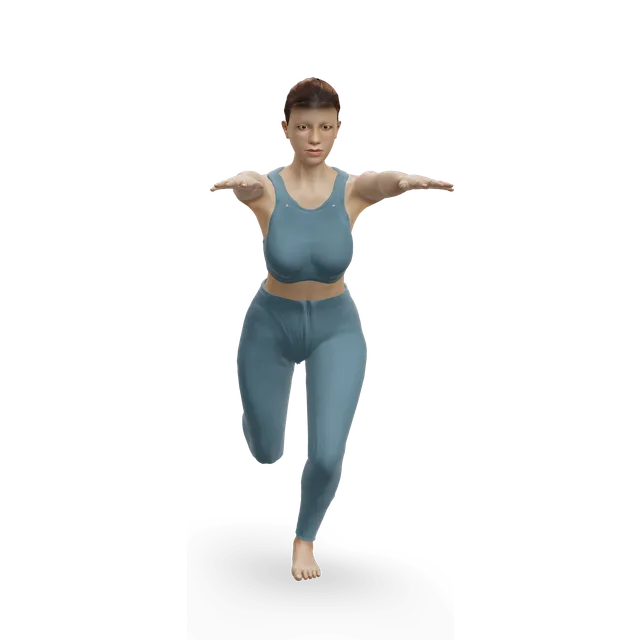
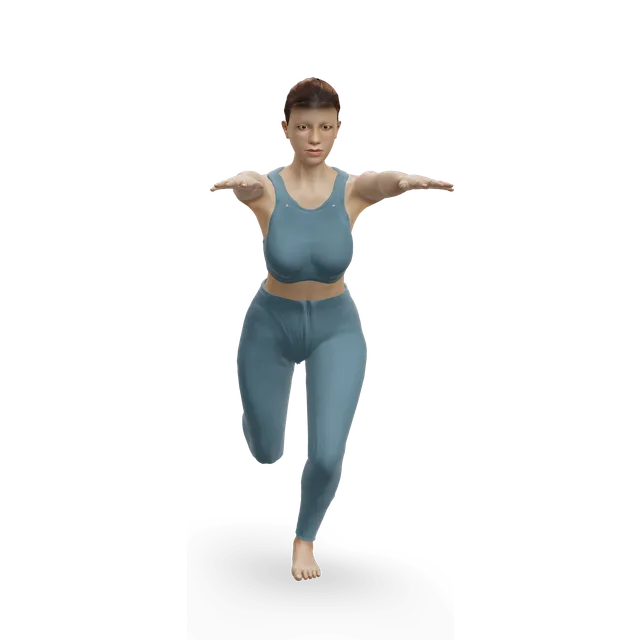
  1. Stand side-on to your direction of travel on your left leg, hip and knee bent in a half squat, right foot just off the floor behind you, chest a little forward, arms ready.
  2. Load your left hip, then push off your left leg to bound up and sideways to the right, swinging your arms across your body like a speed skater.
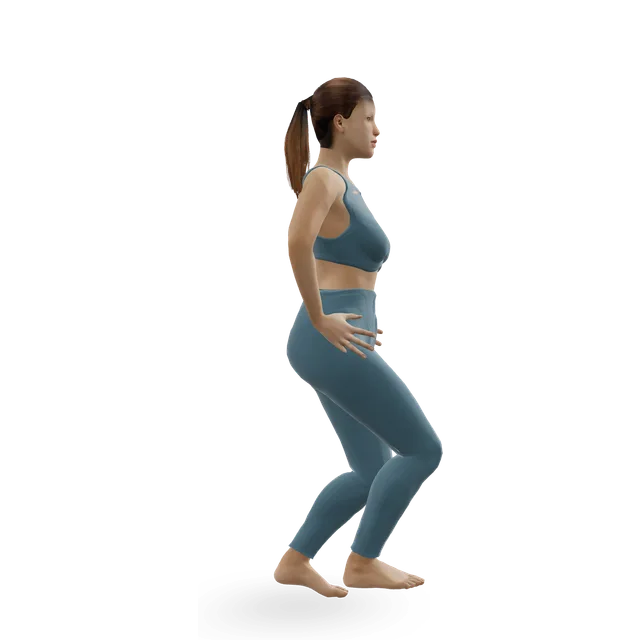
  3. Land softly on the ball of your right foot and let the heel come down, in the same half squat: knee bent over your middle toes, hips back, left leg trailing behind. While you learn, let its toes touch down lightly.
  4. Hold the landing for a second or two, steady and quiet.
  5. Push straight back to the left the same way.
  6. When every landing is quiet and steady, link them into a rhythm and bound a little further.
  7. End the set when your landings get loud, your knee caves inward or your trunk tips far over the landing leg.

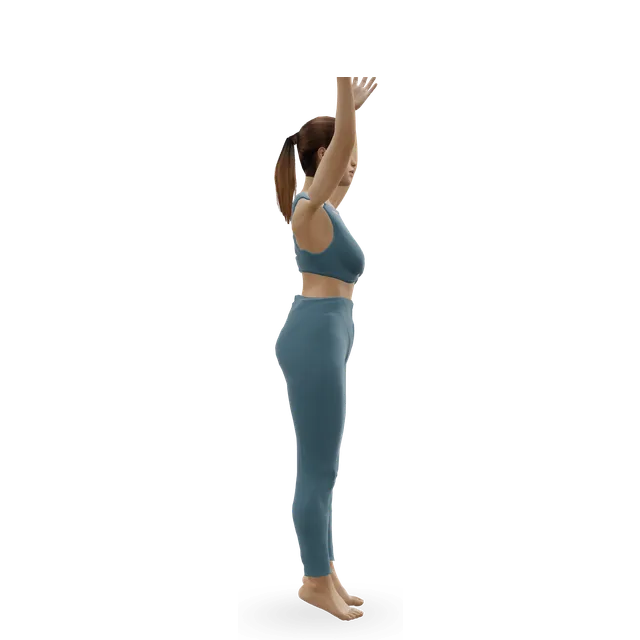
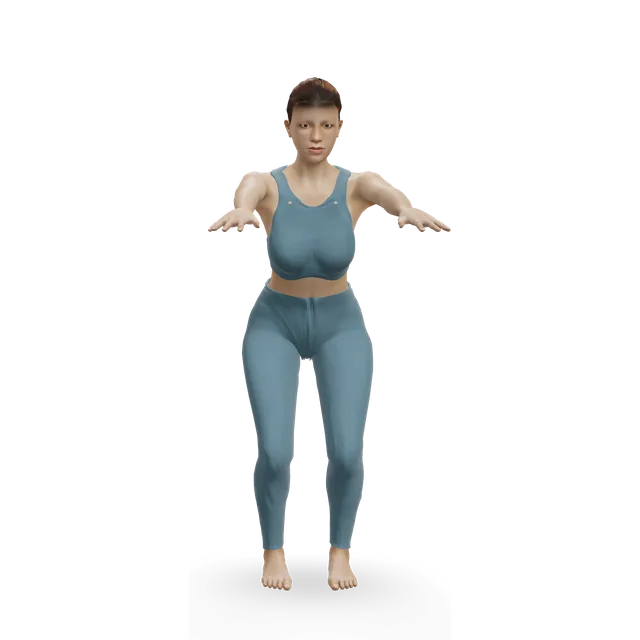
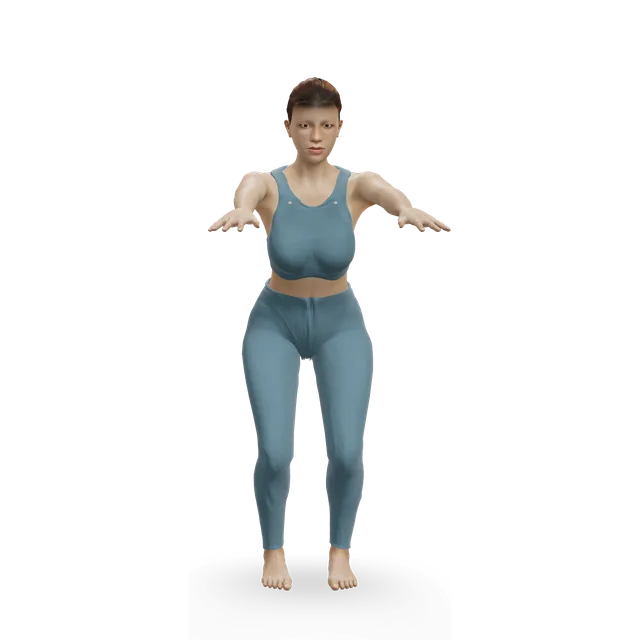
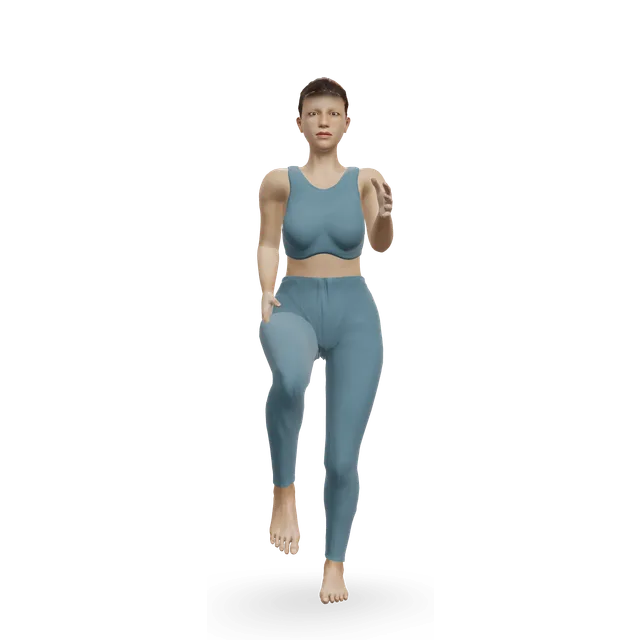
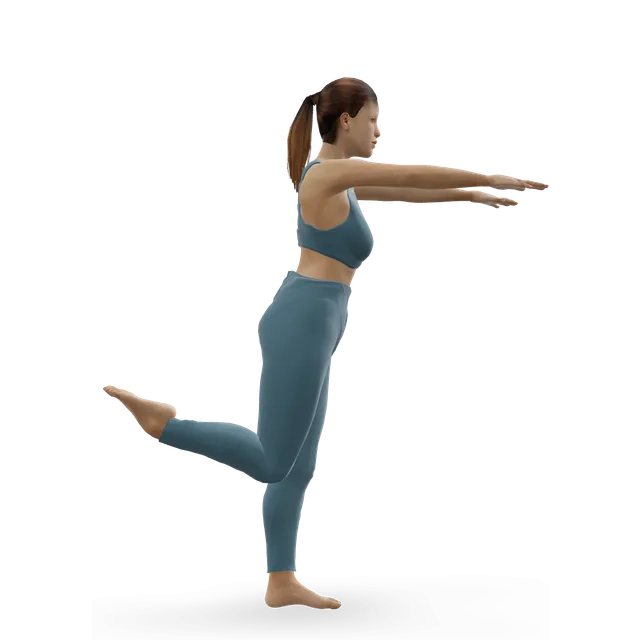
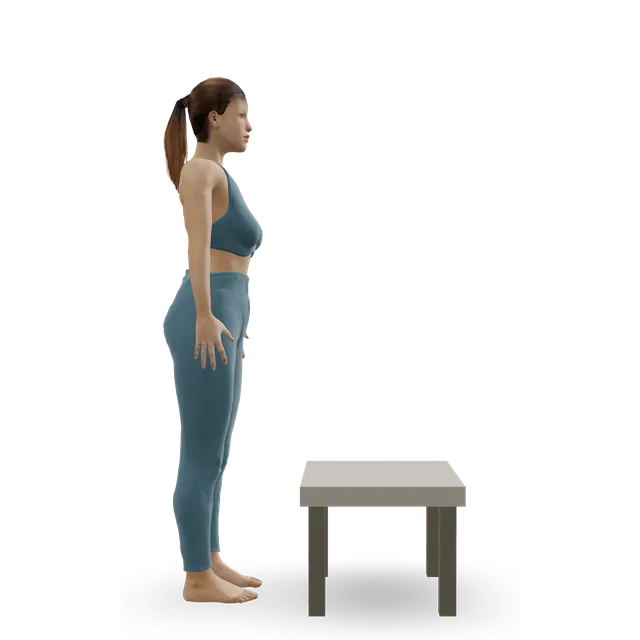
Loading the 3D figure…

Gets into position, then repeats the movement. Technical checks passed; qualified exercise review is pending.

The movement on the figure: Lateral bound (skater jump)

Land first: the single-leg hop and stick

From our single-leg hop and stick move page: 2 sets of 5 on each leg, holding each landing for 2 seconds, as our basketball strength and jump workout does. Before this, two-footed stuck landings (our jump squat guide teaches them) and single-leg stands.

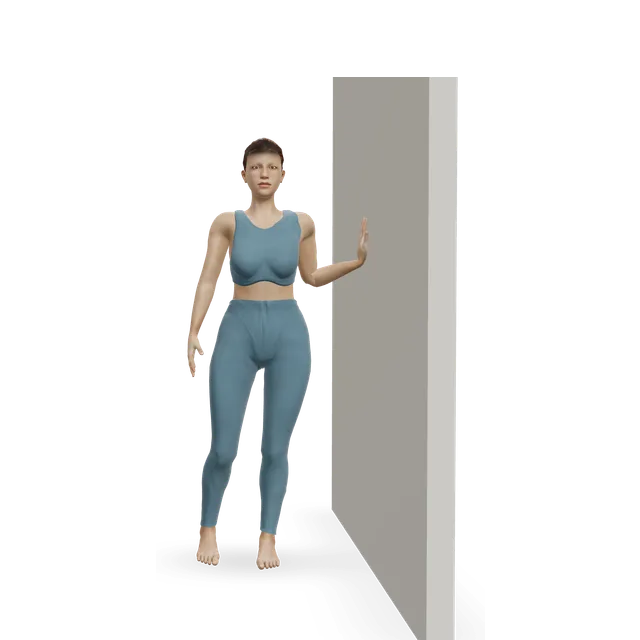
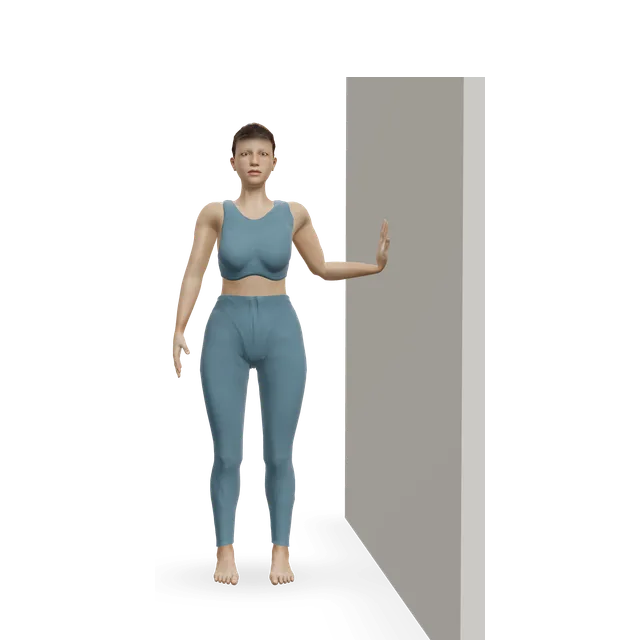
  1. Stand on one foot with the other knee lifted, next to a wall or counter if you need it.
  2. Hop forward a short way and land on the same foot, softly, with your knee bent over your middle toes and no extra hop or wobble.
  3. Hold the landing for 2 seconds, then stand tall.
  4. When forward hops are steady, hop a short way sideways, then change legs.

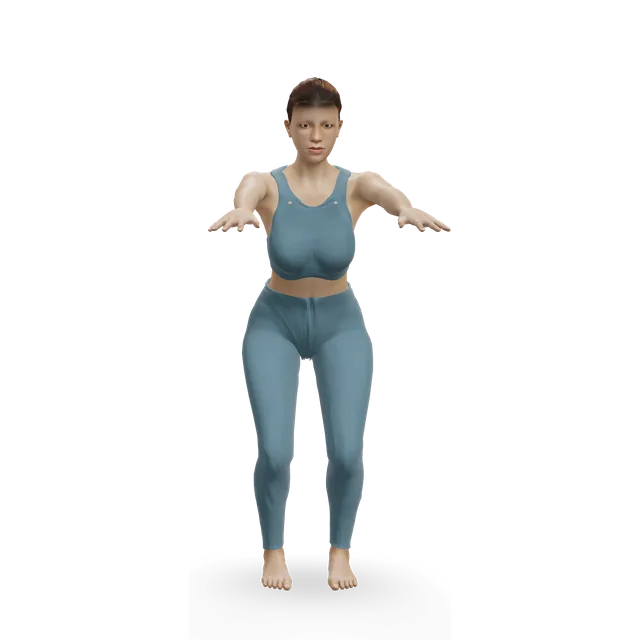
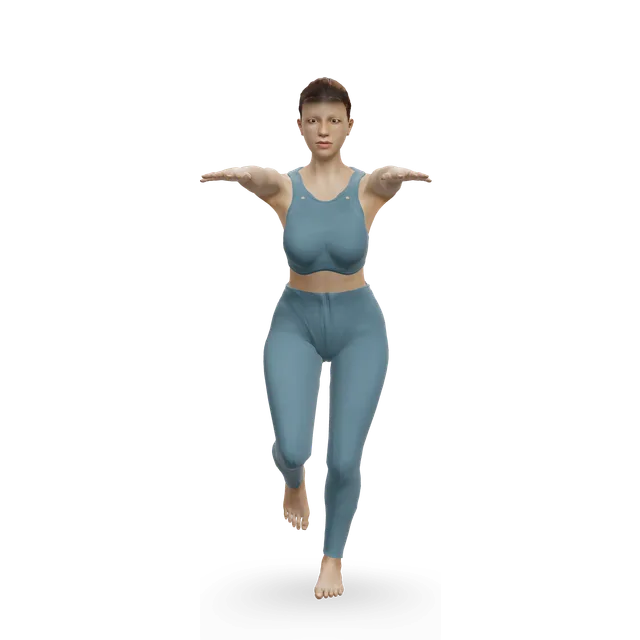
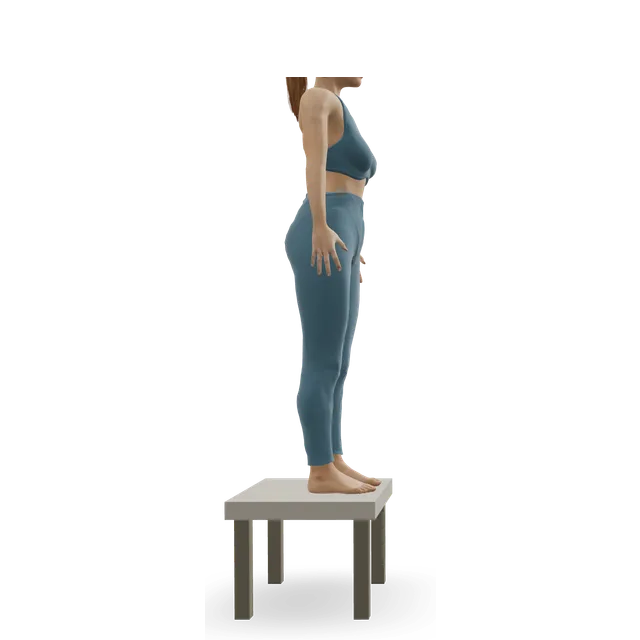
Loading the 3D figure…

Gets into position, then repeats the movement. Technical checks passed; qualified exercise review is pending.

The movement on the figure: Single-leg hop and stick

Sideways landings and your knees

The direction knees handle least wellEmerging evidence

In 18 male athletes, landings got stiffer, with less knee bend and less hamstring activity just before touchdown, as the direction moved from forwards to sideways; the authors advise practising sideways landings with bent knees. In 35 high-school basketball players, sideways stop-jumps were the most demanding of three directions for the knee's anterior cruciate ligament (ACL). That's why this guide teaches held landings first.

Sources 2, 3

Knee loads: about like running, by our readingEmerging evidence

In lab models of 20 healthy young adults, repeated one-leg sideways hops put 5.3 to 6.2 times body weight through the kneecap joint, against 5.4 in running, 4.5 in a full squat and 8.2 in a single-leg decline squat. The tendon below the kneecap was loaded about as much as in running, and two-footed side-to-side jumps loaded both less. Our reading is that skater jumps load the knee about like running, but these were hops on the same leg: nobody has measured skater bounds from one leg to the other.

Sources 4, 5

Women, men and your two legsEmerging evidence

In 30 adults landing sideways on one leg, women landed with larger vertical and inward forces, and most people landed with more inward force on their non-dominant leg. In 89 young female basketball and soccer players, a one-leg sideways jump showed the clearest differences between the sports, including more knee collapse in the basketball players. A lateral bound test scored on video picked up knee collapse reliably when one person did the scoring, less so from day to day, and men showed more than women.

Sources 15, 16, 17

Both legs the same

Do the same number on each side and note which is weaker, as our ski fitness workout advises.

Older adultsEmerging evidence

In 12 trials of 289 adults with average ages of 58 to 79, jump training was feasible and no trial reported more injuries or side effects. Build up from skater steps and held landings.

Source 11

If your knees are sore

Our knee pain after a workout guide's rule applies: 0 to 2 out of 10 is fine, and up to 5 is acceptable if your knee is back to its usual level by the next morning. With pain in the tendon below the kneecap, our jumper's knee guide keeps it to 3 or less. If it isn't settling, go back to skater steps and held landings for a while.

After a knee ligament injury

Wait until you've been cleared for sideways jumps, as our lateral bound move page says, and start with small hops in one direction only.

Your ankles and feet

Land through the ball of the foot

Land on the ball of your foot and let the heel come down, with the foot pointing forward rather than twisting out and the ankle steady rather than rolling (our suggestion, in line with our landing guides).

The ankle and foot rule

Discomfort up to about 5 out of 10 that settles within an hour, with no more swelling or stiffness the next morning, is acceptable, as our ankle pain when running guide says. If it's worse the next day, do a little less.

After a sprain

Follow our ankle sprain guide, and leave out one-leg jumps until you can hop on that leg without pain (our suggestion). Hop and balance training is part of the rehabilitation that lowers the chance of another sprain, as our single-leg hop and stick move page explains; our chronic ankle instability guide covers ankles that keep giving way.

Calves and Achilles

Every push-off and landing works your calves: single-leg calf raises, 2 sets of 10 to 12 each leg (our vertical jump workout), build them. With Achilles pain, leave jumping out, as our sideways standing long jump move page says.

What skater jumps train: the evidence

The side glutesEmerging evidence

In 18 recreational athletes, a sideways jump worked the gluteus medius, the muscle on the side of the hip, at about 85% of its maximum; crossover and hurdle jumps went higher (103% and 93%). That's effort in one session, not proof of what it builds.

Source 6

Change-of-direction speedEmerging evidence

Across 24 studies, plyometric training improved change-of-direction speed, best with mixed jump types, about 100 jumps a session, twice a week for about 7 weeks. In basketball, across 16 studies, training in mixed directions improved it most.

Sources 8, 18

Does training sideways matter?Mixed evidence

In 14 high-school girls who played basketball, 6 weeks of sideways jump training improved sideways hop and shuffle tests (on the left side) more than forward jumps did, while forward jumps improved the vertical jump more. But in 24 male soccer players, vertical, forward or mixed jumps, 100 foot contacts twice a week for 8 weeks, improved change of direction about equally.

Sources 7, 19

Jump tests and agilityEmerging evidence

In 80 students, one-leg vertical, forward and sideways jumps measured different things and predicted sprint and change-of-direction speed poorly; in 31 Australian rules footballers, jump distances went only weakly with reactive agility. In 40 trained adults, 3 sets of 5 lateral bounds just before a change-of-direction test neither helped nor hindered it.

Sources 20, 21, 22

SkatingMixed evidence

In 22 national speed skaters, how fast they pushed off sideways on one leg against a load went with sprint skating speed. In 20 college hockey players, a one-leg sideways jump added little to predicting sprint skating once a vertical jump measure was known.

Sources 23, 24

BalanceEmerging evidence

Across 38 studies of 1,806 people aged 9 to 63, jump training improved balance a little, about as much as balance training did.

Source 9

Injury prevention, as part of a packageEmerging evidence

The FIFA 11+ warm-up includes lateral jumps (2 sets of 30 seconds, about a metre sideways, landing softly) among running, strength, balance and jumping drills. In 1,892 girls aged 13 to 17 playing football, the whole programme cut injuries overall by about a third and severe injuries by nearly half over a season; leg injuries, its main measure, fell by an amount that could have been chance. The jumps are one part of it, as our warm-up guide explains.

Source 12

What nobody has tested

We found no study of the energy cost of skater jumps, no knee-load study of skater bounds from one leg to the other, and no trial of skater jumps on their own for agility, speed or injury prevention.

Skater jumps as cardio

Hard work, not measured

No study has measured what skater jumps cost. The nearest reference values in the Compendium of Physical Activities are 10.5 METs (multiples of your resting energy use) for slide board exercise and 11.0 for vigorous high-intensity interval training (HIIT) with burpees, mountain climbers or squat jumps: general values, not your own cost.

Source 25

In a cardio circuit

ACE uses speed skaters in a 15-minute cardio circuit: 20 reps, each pair of skaters counting as one, alternating with a strength move for 3 minutes, as one of five sets.

Source 13

As an interval

Our editorial starting point: 20 to 30 seconds of continuous skater jumps, resting at least as long, within an interval session once or twice a week, as our HIIT guide suggests for hard intervals. Only once your landings are steady, and every landing counts towards the session's total.

Moderate or vigorous

Brisk skater jumps leave you able to say only a few words, which the NHS calls vigorous; steady skater steps can be moderate, where you can talk but not sing. Both count towards the NHS's 150 minutes of moderate or 75 of vigorous activity a week.

Source 26

Easier and harder: from side steps to bounds

In order: side steps, 10 each way next to a counter (the move page's dose, from the NHS balance exercises), or 2 sets of 20 seconds each way, low and quick (our netball strength and landing workout); lateral band walks, 2 sets of 10 steps each way, single-leg stands, 2 holds of 30 seconds each leg, and snapdowns, 2 sets of 5 holding each landing for 2 seconds (our knee control warm-up); skater steps, 2 sets of 10 (5 each way) touching the back toe down (our editorial starting point, on the lateral bound demo with one foot always down); the single-leg hop and stick, 2 sets of 5 each leg (our basketball strength and jump workout); skater jumps held for 2 seconds, 3 sets of 4 each side (our basketball, netball, hockey and skating workouts), then continuous, 3 sets of 6 to 8 bounds with a minute's rest (the lateral bound move page's dose). Harder: sideways standing long jumps, 3 sets of 4 (their move page's dose); lateral cone hops, one-leg lateral hops and diagonal bounds, 2 sets of 4 to 6 each way or leg within the session's landings (our editorial starting point); the lateral hop to sprint, 3 sets of 6 to 10 hops, each finished with a 5 to 10 metre sprint (its move page's dose); and the carioca, 3 runs of about 20 metres each way (its move page's dose).

Other versions

Two-footed side-to-side jumps

Jumping side to side over a line on both feet, as in lateral cone hops, loaded the kneecap joint and its tendon less than one-leg sideways hops in lab models.

Sources 4, 5

Skater jumps with a toe touch

Reaching down towards the landing foot adds a deeper hip bend to each landing. Keep the knee over the toes as you reach; there's no demo of this version.

With weights

Light dumbbells or a medicine ball make every landing heavier. Add distance and speed first, and keep weights for when unweighted landings are quiet and steady (our suggestion).

Skater hops for footwork

ACE's basketball article uses a three-hop lateral speed skater for footwork and sideways power, and skater hops for single-leg power, and stresses practising the landing, which it calls key to preventing injuries.

Source 27

Common mistakes

Knee caving in

Land with your knee over your middle toes, not caving inwards, as our move page cues. Shorten the bound until it stays there.

Trunk tipping over the landing leg

Keep your chest over your landing knee rather than tipping far to the side, as our move page says.

Stiff, loud landings

Land on the ball of your foot and sink into the half squat. Loud landings mean the set is over.

Bounding too far too soon

Start with short bounds and lengthen them as your landings stay steady, as our move page advises.

Twisting the foot or rolling the ankle

Keep the landing foot pointing forward and the ankle steady (our suggestion).

Carrying on when tired

Expert guidance is quality over quantity: stop when your technique slips.

Source 1

How many, and how often

While you learn

3 sets of 4 skater jumps each side, holding each landing for 2 seconds, as our basketball, netball, hockey and skating workouts do.

For power

3 sets of 6 to 8 bounds (3 or 4 on each leg), resting about a minute between sets: the lateral bound move page's editorial starting point.

In a team warm-up

2 sets of 30 seconds, about a metre sideways, landing softly and holding about a second, as the FIFA 11+ and our FIFA 11+ warm-up do.

Source 12

Count your landings

Each landing is a foot contact. Expert guidance suggests about 80 to 100 a session for beginners, 100 to 120 for intermediates and 120 to 140 for advanced athletes, so 3 sets of 4 each side (24) leaves room for warm-up landings and other jumps.

Source 1

How often

Twice a week, with 48 to 72 hours between jump sessions and the jumps early in the session while you're fresh, as our jump squat guide says. No study has found the best gap.

Source 1

How hard

Every landing quiet and steady. End the set when landings get loud, your knee starts to cave or your trunk tips, rather than counting reps in reserve, as our jump squat guide says.

Progressing

Make one change at a time: a longer bound, then linking the landings into a rhythm, then the harder hops (our suggestion).

Strength that supports it

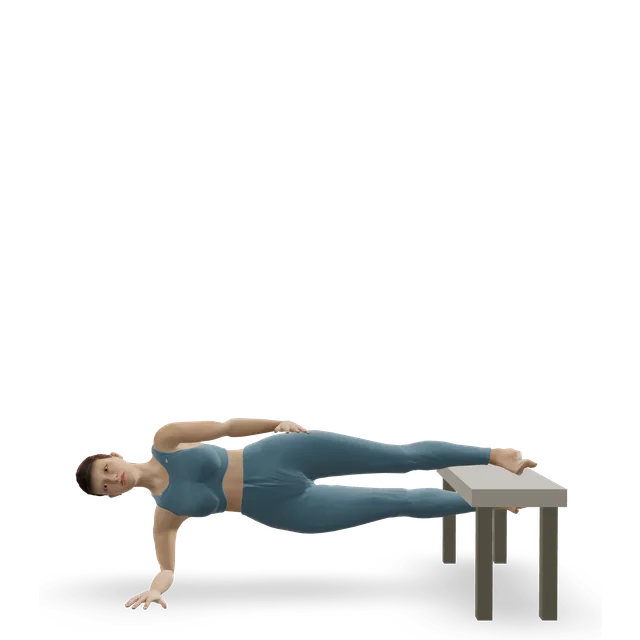
For the landing leg, skater squats, 2 rounds of 5 to 8 each leg with a pad behind the back knee (our ski fitness workout); Cossack squats, 6 slow shifts per side (the move page's dose); single-leg Romanian deadlifts, 8 each leg with your fingertips on a wall at first (our ski fitness workout); Copenhagen planks for the inner thighs, 1 set each side of 3 to 15 reps with the top knee on the bench at first (our off-ice hockey workout); single-leg calf raises, 2 sets of 10 to 12 each leg (our vertical jump workout); and side-to-side leg swings, 2 to 3 sets of 10 to 15 each leg, to warm up (the move page's dose).

Workouts to follow

The knee control and FIFA 11+ warm-ups teach the landings; the ski fitness workout builds from skater squats to skater jumps; the hockey, basketball and netball workouts use held skater jumps; the vertical jump workout trains two-footed jumps and landings; and in the HIIT workout at home, skater jumps can stand in for the skips once your landings are steady.

Knee control warm-up

A 20-minute warm-up that trains your knees to track over your toes: side-hip strength, squats and lunges with alignment practice, balance and quiet landings.

20 minBeginner10 movesA wall, A band

FIFA 11+ warm-up

FIFA's 11+ injury prevention warm-up as its manual sets it out: running drills, strength, balance and jumping at three levels, then faster running.

20 minBeginner20 movesCardio machine, A wall

Ski fitness workout

A 40-minute pre-season workout for skiers and snowboarders: squats, split squats, single-leg hinges, side-to-side strength, landings and balance.

40 minIntermediate17 movesA wall, A dumbbell

Off-ice hockey workout: jumps, legs, groins and trunk

A 50-minute off-ice session for ice hockey: lateral bounds and broad jumps, squats, split squats, single-leg hinges, chin-ups, Copenhagen planks and trunk work.

50 minIntermediate13 movesA wall, A band

Basketball strength and jump workout

A 45-minute basketball gym session: landings, box jumps, skater bounds and hop-and-sticks, then squats, hinges, split squats, Nordics, calf raises and planks.

45 minIntermediate13 movesA bench or box, A dumbbell

Netball strength and landing workout

A 35-minute netball session: drop landings, hop-and-sticks, lateral bounds and jumps, then goblet squats, split squats, single-leg hinges, Nordics and hip work.

35 minIntermediate15 movesA wall, A step

Vertical jump workout: landings, jumps and strength

A staged jump session for 8 weeks: landings and small jumps, then box and broad jumps, then depth jumps, each followed by squats, hinges and calf work.

40 minIntermediate16 movesA step, A bench or box

HIIT workout at home

A 20-minute no-equipment HIIT workout: jumping jacks, jump squats, mountain climbers, burpees, skips and bear crawls.

20 minIntermediate10 movesNo equipment

Plan that uses them

The workout plan for teenagers uses the knee control warm-up, which teaches the landings.

Who should change it

Older adults, or osteoporosis

Start with side steps and skater steps next to a counter. Without spinal fractures, landings count towards the 50 moderate impacts on most days that UK guidance suggests for bone. With spinal fractures or many broken bones, the Royal Osteoporosis Society says it's best to keep to low impact, with one foot always on the ground; ask your doctor or physiotherapist whether you can build up.

Sources 28, 10

Leaking, prolapse or a recent birth

The NHS says high-impact exercise can increase leaks, and pelvic health physiotherapists advise that high impact may worsen prolapse symptoms: use skater steps while you build pelvic floor exercises. After a birth, the NHS advises avoiding high-impact exercise to start with, and UK guidance suggests waiting at least 3 months before running and jumping, until walking, hopping and jogging on the spot cause no leaking, heaviness or pain (expert advice).

Sources 29, 14, 30, 31

Pregnancy

Don't start new jumping: the NHS advises against starting a new vigorous activity in pregnancy, and against activities with a risk of falling. With pelvic girdle pain, skip one-leg and wide sideways moves, which can bring it on, as our single-leg stand, lateral band walk and Cossack squat move pages say.

Source 32

Sore knees, ankles or a higher body weight

Start with skater steps and held landings, and add jumps once those are quiet and comfortable (our suggestion).

Bone pain

Leave hops out with a suspected stress fracture: bone pain should be gone before you hop, as our hop move pages say.

Heart conditions or high blood pressure

With heart disease, or blood pressure that isn't controlled, keep to moderate effort and ask your GP or heart team before hard intervals, as our HIIT guide says.

Warning signs

Stop and get medical help

If you get chest pain or pressure, feel faint or dizzy, are unusually breathless, or your heart races or beats irregularly during exercise, as our plans advise. The American Heart Association says these need immediate medical evaluation.

Source 33

Call 999 (911 in the US)

For chest pain that doesn't go away, feels tight or like squeezing, or spreads to your arms, neck, jaw, stomach or back, or comes with sweating, feeling sick, light-headedness or breathlessness; severe difficulty breathing; someone who faints while exercising; palpitations that don't go away, or come with chest pain, shortness of breath or feeling faint; or a headache that starts suddenly and is extremely painful. Don't drive yourself to A&E.

Sources 34, 35, 36, 37, 38, 39, 40

Check before you start

If you haven't exercised for some time or have a medical condition, speak to your GP first, as the NHS advises. Get advice before hard intervals or jumping if your blood pressure is uncontrolled, or you have heart disease or chest pain when you're active, a pacemaker or defibrillator, diabetic eye disease, glaucoma, a hernia, recent eye or tummy surgery, or you're pregnant, as our breathing guide lists.

Source 26

After a faint, or dizziness that keeps coming back

See a GP after any faint, and for dizziness that won't go away or keeps coming back.

Sources 37, 41

A turned ankle, a twisted knee or a fall

Call 999 or go to A&E if you heard a crack, the joint has changed shape or points at an odd angle, it's numb or tingling, or the skin looks blue or grey or feels cold. Get help from NHS 111 if it's very painful or swollen, or you can't put weight on it or walk more than a few steps. Call 999 if someone has fallen and may have injured their head, back, neck or hip, or can't get up.

Sources 42, 43

Your knee

Get advice from NHS 111 if your knee is very painful, you can't move it or put weight on it, it's badly swollen or has changed shape, or it locks, gives way or clicks painfully. A knee that gives way after a twisting landing needs checking before you jump again. See a GP if knee pain doesn't improve within a few weeks.

Source 44

Heels, Achilles and one sore spot on a bone

After an injury, contact NHS 111 for severe heel pain, a snap, grinding or popping noise at the time, or if you can't walk, walk on your tiptoes or walk up stairs. Pain in one spot on a bone that's worse with jumping and tender to press can be a stress fracture: stop jumping and see a GP, as our stress fracture guide says.

Source 45

A sudden pain in the groin

A sharp pain in the groin or inner thigh during a push-off may be a strain: stop, and follow our groin strain guide. Get help from NHS 111 if it's very painful or you can't walk more than a few steps.

Source 42

Leaking, heaviness or a bulge

Leaking is a reason to change the exercise, not to stop exercising: see a GP or pelvic health physiotherapist. See a GP for a feeling of heaviness or pressure in your lower tummy or vagina, or a bulge or lump in or coming out of your vagina, which can be a prolapse.

Sources 29, 46
Myths

"Skater jumps are only for athletes"Emerging evidence

A skater step is among the Royal Osteoporosis Society's moderate-impact exercises for people who are more active, and jump training in older adults didn't increase injuries across 12 trials. Start with the step and held landings.

Sources 10, 11

"Skater jumps are low impact"Emerging evidence

Both feet leave the ground, which pelvic health physiotherapists class as high impact, and one-leg sideways hops loaded the kneecap about as much as running in lab models. The skater step is the low-impact version.

Sources 14, 4, 5

"Skater jumps make you agile, or a faster skater"Mixed evidence

Jump training improves change-of-direction speed, but gains from training one direction are inconsistent, jump tests barely predict agility, and sideways jump speed went with skating speed in speed skaters but added little in hockey players. They're one useful part of a varied plan.

Sources 8, 7, 19, 20, 21, 23, 24

"Skater jumps prevent injuries"Emerging evidence

Sideways jumps are part of warm-up programmes that cut injuries in team sports, such as the FIFA 11+, but no trial has tested skater jumps on their own. Their value is in learning to land well.

Source 12

"A workout only counts if you're out of breath"Strong evidence

Moderate activity, where you can talk but not sing, counts towards the NHS's 150 minutes a week; the World Health Organization says some activity is better than none; and short bouts count. Steady skater steps count too.

Sources 26, 47, 48

Questions people ask

How do you do skater jumps?

Stand on one leg in a half squat, push off sideways and land softly on the other foot, knee bent over your middle toes and your free leg trailing behind, arms swinging across. Hold each landing for a second or two while you learn, then link them into a rhythm.

What muscles do skater jumps work?

Your glutes, especially the side glute (gluteus medius), which worked at about 85% of its maximum in a sideways jump in one study, plus your thighs, inner and outer thighs and calves. They also train single-leg balance.

Are skater jumps the same as lateral bounds?

They're the same movement family. Lateral bounds usually go for distance and hold each landing, for power; skater jumps flow from side to side in a rhythm, for cardio. Skater steps keep one foot on the floor.

How many skater jumps should I do?

Start with 3 sets of 4 each side, holding each landing, or 3 sets of 6 to 8 bounds with a minute's rest. Count each landing: about 80 to 100 a session suits beginners, with 48 to 72 hours between jump sessions.

Are skater jumps bad for your knees?

Not if you build up to them. In lab models, one-leg sideways hops loaded the knee about as much as running, and sideways landings are the direction knees handle least well, so technique matters: soft landings, your knee over your toes, and stop when landings get loud. With knee pain, keep it to 0 to 2 out of 10, or up to 5 if your knee is back to normal by the next morning, and after a knee ligament injury wait until you're cleared for sideways jumps.

Are skater jumps low impact?

No: both feet leave the ground, which pelvic health physiotherapists class as high impact. The skater step, with one foot always on the floor, is the low-impact version.

Are skater jumps good cardio?

Done continuously, yes, though no study has measured what they cost. The nearest reference values are 10.5 METs (multiples of your resting energy use) for slide board exercise and 11 for vigorous HIIT, and ACE uses speed skaters in a 15-minute cardio circuit.

What can I do instead of skater jumps?

Skater steps (step across and tap the back toe down), side steps and lateral band walks keep the side-to-side work with no jump. Two-footed side-to-side hops loaded the knee less than one-leg hops in lab models.

Do skater jumps improve agility and speed?

Jump training improves change-of-direction speed, and sideways jump training improved sideways tests more than forward jumps in one small trial. But other trials found the direction mattered little, and single jump tests barely predict agility, so use skater jumps as one part of a varied plan.

Are skater jumps good for skiing, hockey or skating?

They copy the sideways push, and our ski, hockey and skating workouts use them. In national speed skaters, loaded sideways jump speed went with sprint skating speed; in college hockey players, a vertical jump measure mattered more.

Can older adults do skater jumps?

Many can, built up gradually: jump training in older adults didn't increase injuries across 12 trials. Start with side steps and skater steps next to a counter. With spinal fractures or many broken bones, keep to low-impact moves, where one foot stays on the ground.

What's the difference between a skater jump and a skater squat?

A skater squat is a slow single-leg squat with the back knee lowering towards the floor; a skater jump is a sideways bound. The squat builds the strength the jump's landing needs.

Sources

  1. Davies 2015 · Current concepts of plyometric exercise: drill levels, foot contacts and rest (clinical commentary, Int J Sports Phys Ther)
  2. Sinsurin 2016 · Knee muscle control in landings from four directions, in 18 male athletes (lab study, Asian J Sports Med)
  3. Sell 2006 · Knee loads in forward, sideways and vertical stop-jumps, in 35 high-school basketball players (lab study, Am J Sports Med)
  4. Song 2023 · Kneecap joint loads in 35 exercises, including sideways hops and jumps, in 20 adults (lab study, Am J Sports Med)
  5. Scattone Silva 2024 · Patellar tendon loads in 35 exercises, including sideways hops and jumps, in 20 adults (lab study, Med Sci Sports Exerc)
  6. Heick 2020 · Glute activity in four jumps, including a sideways jump, in 18 recreational athletes (EMG study, Int J Sports Phys Ther)
  7. McCormick 2016 · Six weeks of sideways or forward plyometrics in 14 female basketball players (randomised trial, Int J Sports Physiol Perform)
  8. Asadi 2016 · Plyometric training and change of direction: 24 studies (meta-analysis, Int J Sports Physiol Perform)
  9. Ramachandran 2021 · Plyometric jump training and balance: 38 studies, 1,806 people (meta-analysis, Front Physiol)
  10. Royal Osteoporosis Society · Impact exercise to help make your bones stronger
  11. Vetrovsky 2019 · Plyometric training in older adults: 12 trials, 289 people (systematic review, Sports Med)
  12. Soligard 2008 · The FIFA 11+ warm-up and injuries in 1,892 young female footballers (cluster randomised trial, BMJ)
  13. Thielen 2015 · Rev up your cardio with this 15-minute drill, with speed skaters (American Council on Exercise blog)
  14. POGP · Pelvic organ prolapse: a guide for women (past its review date: published 2020, review due 2023)
  15. Aizawa 2018 · Ground forces in one-leg sideways jump-landings, in 15 women and 15 men (lab study, J Phys Ther Sci)
  16. Taylor 2017 · Jump landings in several directions, in 89 female basketball and soccer players (lab study, J Strength Cond Res)
  17. Waldhelm 2022 · The lateral bound test: reliability and differences between the sexes in 30 adults (reliability study, Int J Sports Phys Ther)
  18. Barrera-Domínguez 2024 · Jump direction in training and change of direction in basketball: 16 studies (meta-analysis, J Strength Cond Res)
  19. Moran 2024 · Vertical, horizontal or combined plyometrics in 24 male soccer players (randomised trial, PLoS One)
  20. Meylan 2009 · One-leg vertical, forward and sideways jumps, sprinting and changing direction, in 80 students (lab study, J Strength Cond Res)
  21. Henry 2016 · One-leg jumps and reactive agility in 31 Australian rules footballers (lab study, J Strength Cond Res)
  22. Orjalo 2020 · Lateral bounds before a change-of-direction test, in 40 trained adults (crossover study, Sports)
  23. Zukowski 2023 · Loaded one-leg sideways jumps and sprint speed skating in national speed skaters (lab study, J Strength Cond Res)
  24. Fitzgerald 2026 · Strength and jump tests that predict sprint skating in 20 college hockey players (lab study, J Strength Cond Res)
  25. Compendium of Physical Activities 2024 · Conditioning exercise: MET values (adult compendium)
  26. NHS · Physical activity guidelines for adults aged 19 to 64
  27. Chelik 2017 · Exercises to improve your basketball game, with skater hops (American Council on Exercise blog)
  28. Brooke-Wavell 2022 · Strong, steady and straight: UK consensus statement on physical activity and exercise for osteoporosis (consensus statement, Br J Sports Med)
  29. NHS · 10 ways to stop leaks (past its review date: reviewed June 2023, review due June 2026)
  30. NHS · Your post-pregnancy body
  31. Goom 2019 · Returning to running postnatal: guidelines for medical, health and fitness professionals (UK guideline; its timings are expert opinion)
  32. NHS · Exercise in pregnancy
  33. Paluch 2024 · Resistance exercise training with and without cardiovascular disease: 2023 update (American Heart Association scientific statement, Circulation)
  34. NHS · Chest pain (past its review date: reviewed August 2023, review due August 2026)
  35. NHS · Heart attack
  36. NHS · Shortness of breath
  37. NHS · Fainting
  38. NHS · Heart palpitations
  39. NHS · Headaches
  40. NHS · Subarachnoid haemorrhage
  41. NHS · Dizziness (past its review date: reviewed April 2023, review due April 2026)
  42. NHS · Sprains and strains
  43. NHS · Falls
  44. NHS · Knee pain
  45. NHS · Heel pain
  46. NHS · Pelvic organ prolapse
  47. Bull 2020 · World Health Organization 2020 guidelines on physical activity and sedentary behaviour (guideline, Br J Sports Med)
  48. Jakicic 2019 · Bout duration of physical activity and health: 29 studies (systematic review, Med Sci Sports Exerc)

Exercise education, not a personal prescription, and clinical review of these guides is pending. Check with a GP before starting hard training if you have a heart condition, chest pain, dizziness or breathlessness when active, and stop for sharp or increasing pain. Health disclaimer.