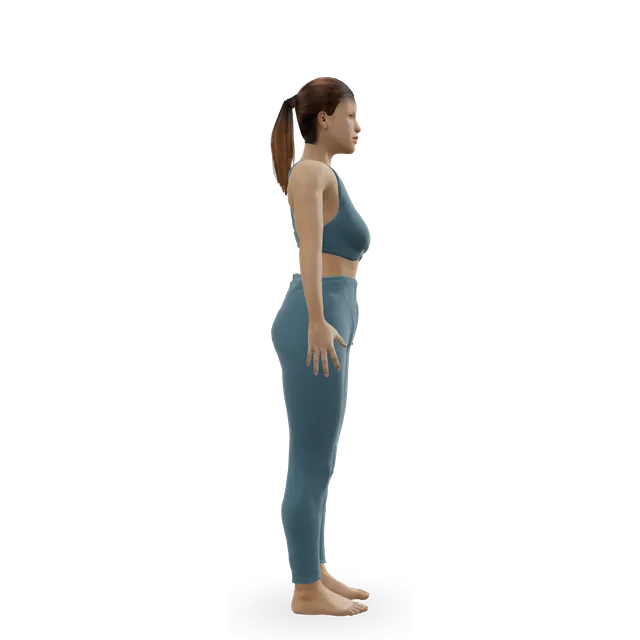
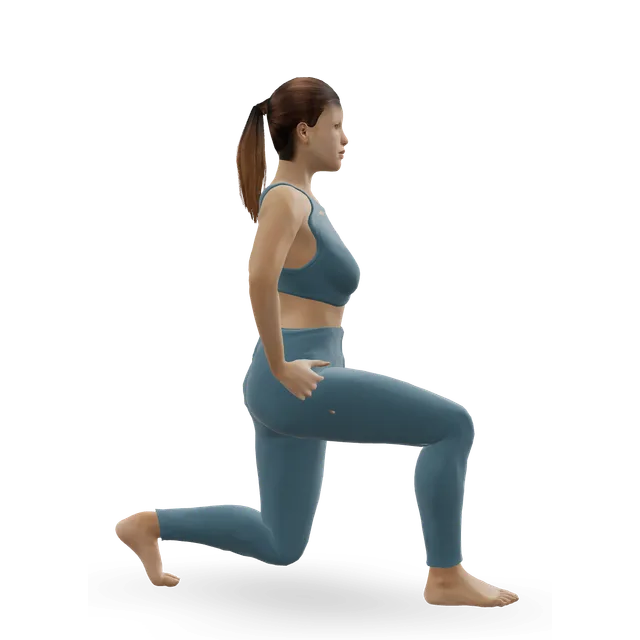
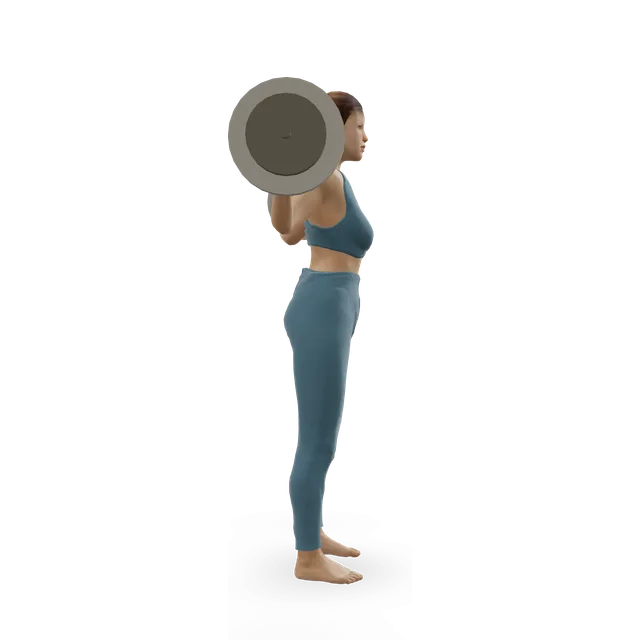
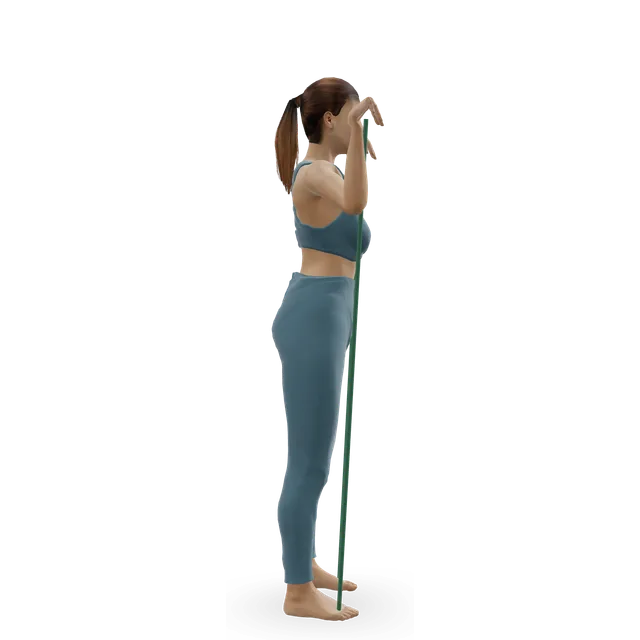
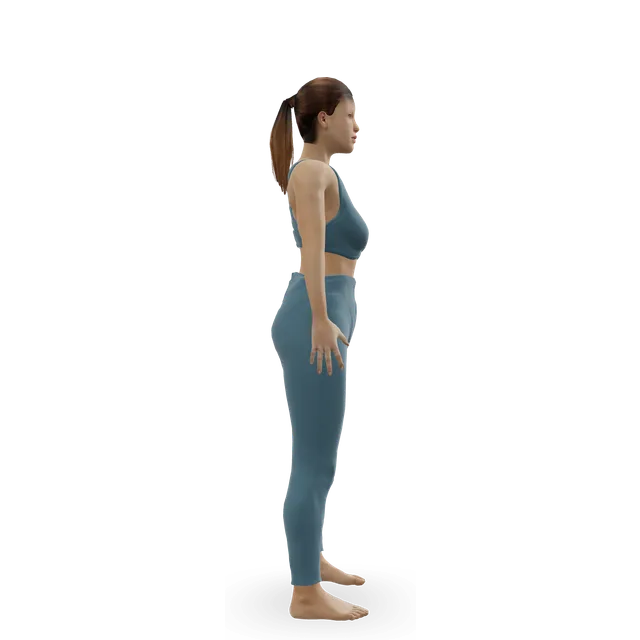
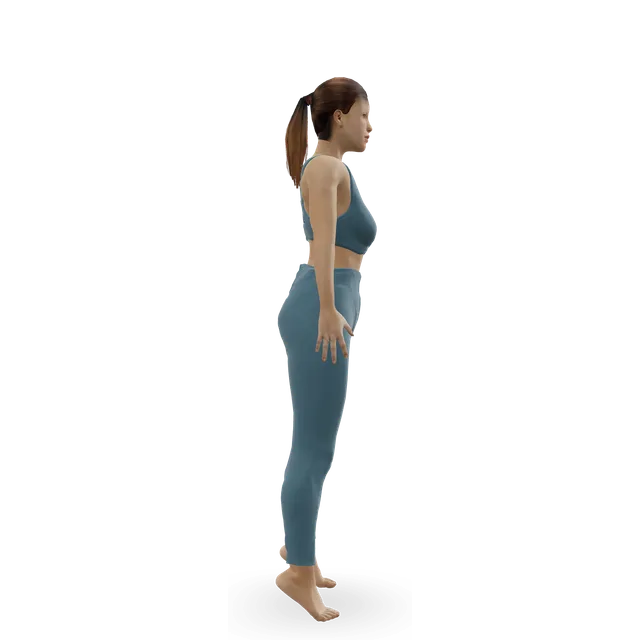
Are jump squats and squat jumps the same?
In the gym, yes: both mean dipping into a squat and jumping up. In sports science, a squat jump starts from a paused squat with no dip, and the version with a quick dip is a countermovement jump; the dip adds about 3 cm.
What do jump squats work?
Your thighs, glutes and calves, working fast. They train power and how high you jump more than muscle size: jump training grew the thigh muscles a little in a review of 15 studies.
Are jump squats bad for your knees?
Not for healthy knees, built up sensibly: in lab models of single jumps in 20 healthy young adults, a two-footed jump loaded the knee about as much as running, and jump training didn't add injuries in older adults. The risk is tired, loud landings with your knees caving in. If your knees are sore, build up with squats and step-ups first.
Should my knees go past my toes in a jump squat?
That's normal in a squat, as our squat guide explains. What matters is that your knees point the same way as your toes and don't cave in. As you land, push your hips back so they share the work.
How many jump squats should I do?
For power, 3 sets of 5, resting 60 to 90 seconds, with about 80 jumps and landings in the whole session as a beginner. Every jump should be a full effort with a quiet landing; end the set when your landings get loud.
Can I do jump squats every day?
It isn't needed: twice a week, 48 to 72 hours apart, is the usual guidance, and much bigger sessions added little in volleyball trials, as our jump higher guide reports. Daily 100-jump challenges mostly add tired, sloppy landings.
Will jump squats make me jump higher?
Yes, as part of jump training: across 26 studies, jump training added about 9% to the countermovement jump, roughly 2 to 6 cm, over several weeks. Mixing jump types and keeping up your squats helps; in weaker lifters, heavy squats raised jump power as much as jump squats did.
Will jump squats make me taller?
No. Your height is set by the growth plates in your bones, which close during your teens and are replaced by solid bone. Jump squats raise how high you jump, not how tall you are, and they don't stunt growth either.
Are weighted jump squats better?
Not for most people: across 56 studies, jumping with added weight gave no extra benefit to jump height. If you add weight later, keep it light, about a third of your best squat or less, which is where jump squat power peaks.
Are jump squats good for beginners?
Yes, once you can squat comfortably and land quietly: ACE rates them a beginner exercise, after learning to land and starting with small jumps. Begin with snapdowns and step-off landings, as weeks 1 and 2 of our vertical jump workout do.
Are jump squats good for bone density?
We can't say: the bone trials used brief maximal vertical jumps in young and premenopausal women, not jump squats as such, though as few as 10 jumps a day raised hip bone density. With osteoporosis, get advice first: the UK consensus advises moderate impacts, not landing from height, and heel drops are the usual first step.
Why do I leak when I jump, and can I jump while pregnant?
Leaking on landing is common, affecting about 4 in 10 women in CrossFit studies, and treatable: build up pelvic floor exercises and lower-impact work first, and see a GP or pelvic health physiotherapist. Don't start jumping in pregnancy, and after a birth wait at least 3 months, until walking, hopping and jogging on the spot cause no leaking, heaviness or pain.