Training guide

How to do jumping jacks: form, the low-impact step jack, your knees and pelvic floor, and how many

A jumping jack, or a star jump as most people in the UK call it, is a rhythmic hop: your feet jump apart as your arms sweep up overhead, then back together as your arms come down. Land softly on the balls of your feet with your knees a little bent. The step jack does the same pattern with one foot stepping out at a time, so there's no jump and almost no noise.

Done briskly, jumping jacks are vigorous exercise, but they're the gentlest of the common jumping intervals: in a lab study of 12 active men going all out, they cost less energy than burpees, mountain climbers or squat jumps. Short interval sessions that included them raised fitness in small 4-week trials. No trial has tested them on their own, or for bone.

This guide shows you the move step by step with a 3D demo, the step jack, how hard jumping jacks are and roughly what they burn, how many to do, and what to know about your knees, shins, shoulders, pelvic floor, pregnancy and bones, with the warning signs.

The short version

Feet out, arms up, land softly

Stand tall with your feet together. Jump your feet out a little wider than your hips as your arms sweep up overhead, then jump back together as they come down, landing softly on the balls of your feet with your knees a little bent. In the UK these are usually called star jumps.

Source 1

The step jack: no jump, no noise

Step one foot out to the side as both arms sweep up, step it back as they come down, then the other side. It's the swap for sore knees or feet, leaking, pregnancy, a first week back or neighbours below, as our step jack move page says, and the National Academy of Sports Medicine (NASM) suggests stepping instead of jumping for beginners.

Source 1

Vigorous, but the gentlest jumping interval

In 12 active men going all out for 30 seconds, jumping jacks cost 7.8 METs (metabolic equivalents: multiples of your resting energy use), less than mountain climbers, squat jumps or burpees. The Compendium of Physical Activities gives vigorous calisthenics, a group that includes jumping jacks, a reference value of 7.5 METs.

Sources 2, 3

Fitness: as part of short intervals

Short interval sessions that included jumping jacks raised peak oxygen uptake, a measure of aerobic fitness, in small 4-week trials in young adults, at home as well as in a lab. No trial has tested jumping jacks on their own.

Sources 4, 5

Knees and the pelvic floor

In children, a jumping jack landed at about 2.5 to 3.5 times body weight, less than bigger jumps; nobody has measured adults. Jumping jacks raised pressure in the tummy more than any of 13 exercises in 25 women, and the NHS says high-impact exercise can increase leaks. If you leak, use step jacks while you build up pelvic floor exercises.

Sources 6, 7, 8, 9

How many

30 to 60 seconds as a warm-up or a circuit station, or 20 to 40 seconds on in intervals, as our workouts use them. NASM suggests intervals of 30 to 60 seconds. Keep hard interval sessions to once or twice a week, as our guide to HIIT (high-intensity interval training) says.

Source 1

What a jumping jack is, and how hard it is

The move

A rhythmic two-footed hop. Your feet jump apart as both arms sweep out and up, then come back together as the arms come down, so each jack is two small jumps. Our jumping jack move page lists the calves and shoulders as the main movers, with the thighs and the muscles at the side of the hip helping.

Star jumps or jumping jacks?

The same move in everyday UK speech: our children's workouts call jumping jacks star jumps, and a UK interval trial used the name without describing the move. Some trainers use "star jump" for one big jump from a half squat, spreading your arms and legs into an X in the air; our power star jump move page shows that harder version.

Source 5

The step jack

One foot steps out as the arms rise and back in as they come down, alternating sides. One foot stays on the floor, so there's no impact. It suits anyone who shouldn't jump or doesn't want to.

How hard it is

Done briskly, jumping jacks are vigorous activity: you can't say more than a few words without pausing for breath, as the NHS describes it. Done slowly, or as step jacks, they can be moderate activity, where you can talk but not sing. In 106 young people aged 6 to 18, jumping jacks used the most energy of 15 everyday activities measured.

Sources 10, 11

What you need first

Nothing for step jacks. For jumping jacks: hopping that's comfortable, with no foot, knee or hip pain and no leaking when you cough or hop (our suggestion).

How people differ

A higher body weight means more force with every landing, so start with step jacks, as our beginner bodyweight workout suggests. Leaking with exercise is common in women, and age, weight and having had children make it more likely. Breasts move a lot in star jumps, more with a larger cup size, so a supportive sports bra helps. Stiff shoulders can keep the arms at shoulder height.

Sources 12, 13, 14

How to do a jumping jack, step by step

From our jumping jack move page and NASM's jumping jack guide. The space check and the cue to stop when landings get loud are our suggestions, as in our jump squat guide.

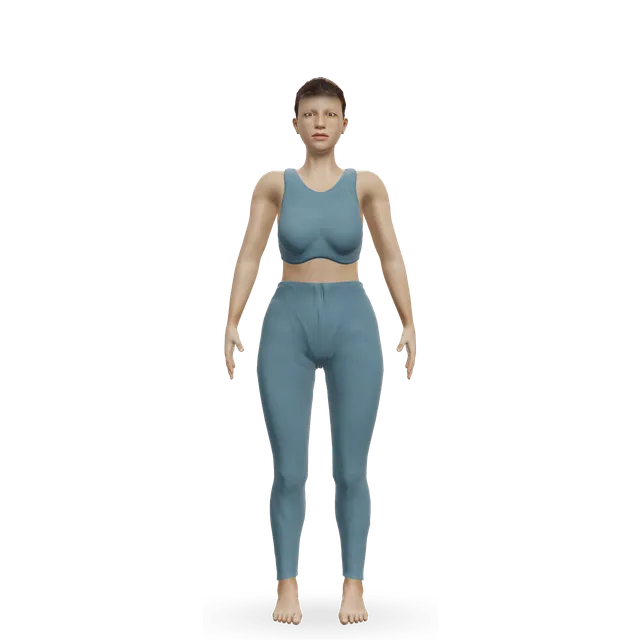
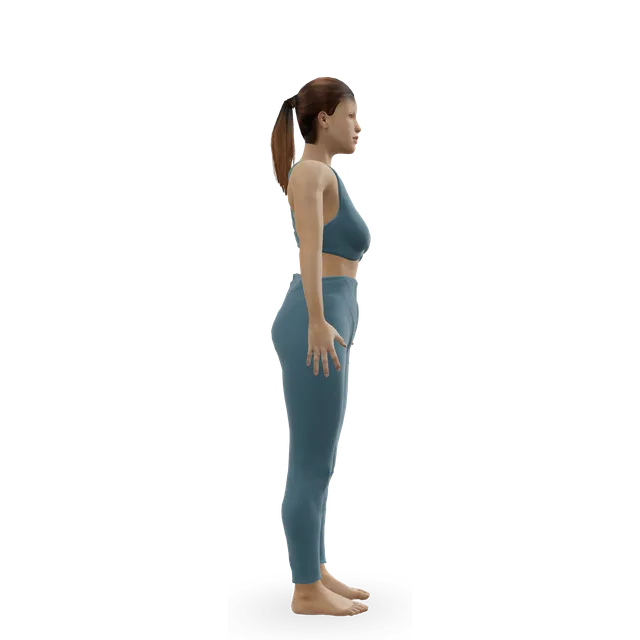
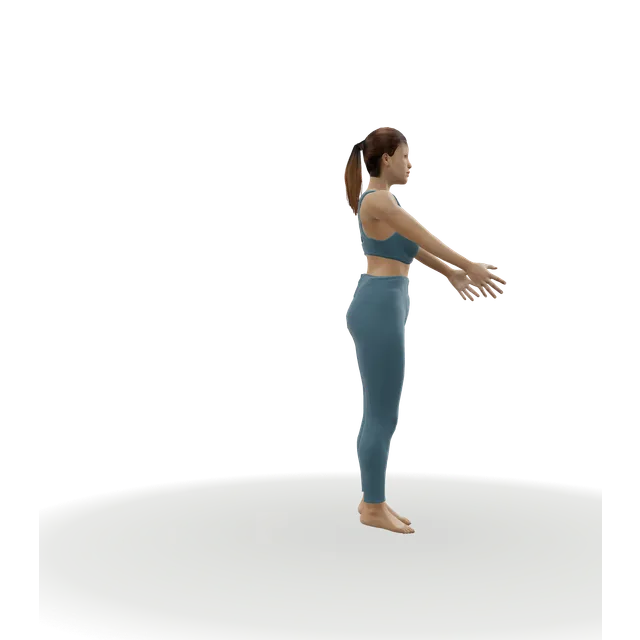
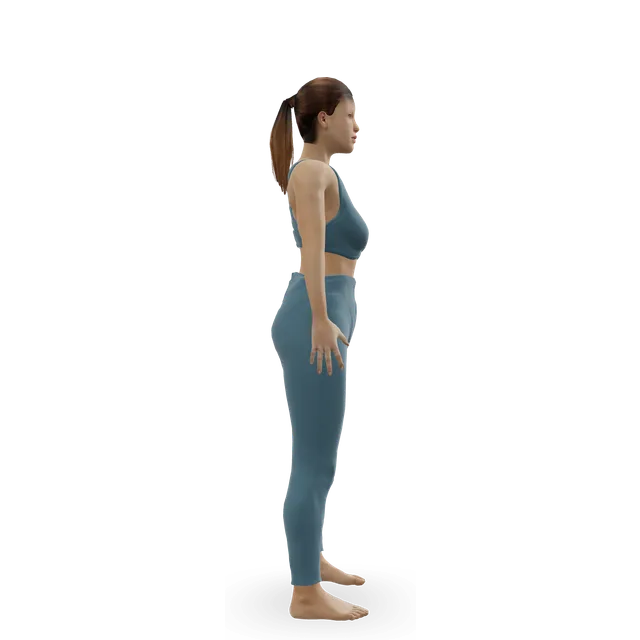
  1. Stand tall with your feet together, your arms by your sides and your knees soft. Clear an arm's length of space around you and above your head.
  2. Jump your feet out to a little wider than your hips as both arms sweep out and up, until your hands meet or nearly meet overhead.
  3. Land softly on the balls of your feet with your knees a little bent, letting your heels touch down lightly.
  4. Jump your feet back together as your arms sweep down to your sides.
  5. Keep a steady rhythm, stand tall and keep breathing.
  6. For more effort, go a little faster or lift your arms more briskly; for less, slow down or step instead.
  7. End the set when your landings get heavy or loud, or your knees stiffen or cave inwards.

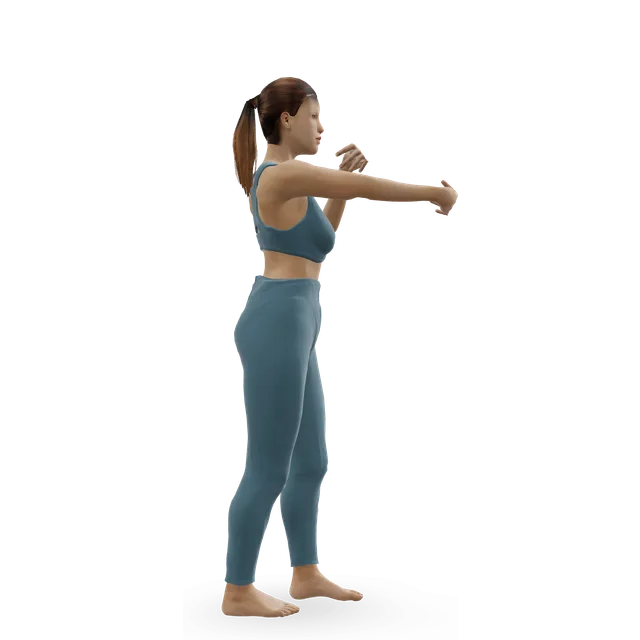
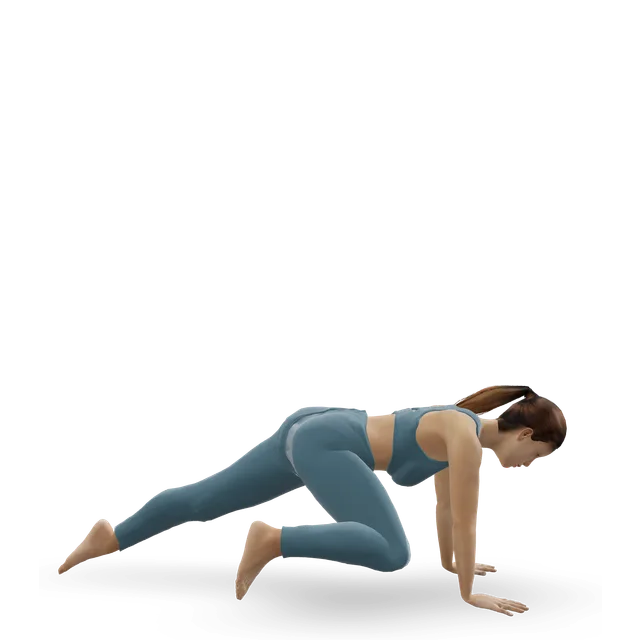
Loading the 3D figure…

Gets into position, then repeats the movement. Technical checks passed; qualified exercise review is pending.

The movement on the figure: Jumping jack

The step jack: no jumping, no noise

From our step jack move page, whose dose is 30 to 45 seconds within a circuit, 2 to 3 rounds (its editorial starting point).

  1. Stand tall with your feet together and your arms by your sides.
  2. Step your right foot out to the side as both arms sweep out and up, overhead or to shoulder height.
  3. Step it back in as your arms come down.
  4. Repeat to the left, and keep alternating at a steady rhythm.
  5. Go faster, or lift your arms higher, to raise the effort. Hold a chair back with one hand if your balance is unsure.

Loading the 3D figure…

Gets into position, then repeats the movement. Technical checks passed; qualified exercise review is pending.

The movement on the figure: Step jack (low-impact jumping jack)

What the evidence says

The gentlest of four all-out bodyweight intervalsEmerging evidence

In 12 physically active men doing five 30-second all-out efforts of each exercise, with 30 seconds' rest, jumping jacks cost 7.8 METs and about 10.5 calories a minute, with heart rate at about 80% of the session's peak and effort rated 7.5 out of 10. Mountain climbers cost 9.9 METs, squat jumps 10.3 and burpees 11.5. Jumping jacks came first in the session, when heart rate and oxygen use were still rising, so the order may have made them look a little easier, and it's one small study.

Source 2

A reference value, not your own costEmerging evidence

The 2024 Compendium of Physical Activities gives vigorous calisthenics (push-ups, sit-ups, pull-ups, jumping jacks, burpees and battling ropes) 7.5 METs, moderate calisthenics 3.8, low-impact aerobic dance 4.8 and high-impact aerobic dance 8.0. These are values for groups of activities, not a measurement of jumping jacks at your pace.

Source 3

Hard work for young people tooEmerging evidence

In 106 young people aged 6 to 18, jumping jacks used the most energy of 15 activities measured, more than climbing stairs or dribbling a basketball.

Source 10

Intervals that included them raised fitnessEmerging evidence

In 22 young women, the 7 who did 4 weeks of 8 bursts of 20 seconds of one move (burpees, jumping jacks, mountain climbers or squat thrusts), 4 days a week, raised their peak oxygen uptake by about 8%, as much as the 7 who trained on a treadmill (7%). In 30 young adults, 12 sessions over 4 weeks of five 1-minute efforts that started and ended with star jumps raised it by about 2.9 mL/kg/min supervised and 2.6 at home, against no training, with no adverse events. Jumping jacks were one move among several, and the trials were small and short.

Sources 4, 5

Landing forces, measured in childrenEmerging evidence

In 8 children aged 8 to 12, a jumping jack landed at 2.6 times body weight, against 3.1 for a drop jump. In 70 children aged 8 to 11, jumping jacks landed at about 3.5 times body weight, against about 5 for countermovement and drop jumps. We found no study in adults.

Sources 6, 7

Gentler in waterEmerging evidence

In 12 young women, doing six exercises in a pool with their heads out of the water, jumping jacks among them, cut the peak landing force to 28 to 59% of the dry-land value.

Source 15

Impact and older kneesEmerging evidence

In 80 women aged 50 to 66 with mild knee osteoarthritis, 12 months of progressive high-impact training 3 times a week didn't change their knee cartilage on scans, and bone mineral content at the hip rose slightly (0.6%, against a 1.2% loss without training). Across 12 trials of 289 adults with average ages of 58 to 79, jump training caused no increase in injuries.

Sources 16, 17

What nobody has tested

We found no trial of jumping jacks on their own for fitness, weight or bone, no study of knee or ankle loads in adults doing them, no study of step jacks, and no study showing that jumping jacks strengthen the pelvic floor.

Calories: a rough guide

A general reference value

The Compendium's reference value for vigorous calisthenics, 7.5 METs, works out by our rough arithmetic at about 9 calories a minute for a 70 kg person, about 7.5 for 60 kg and about 11 for 85 kg. It's a value for a group of activities, not a measurement of you: your pace, how high you jump and your size all change it.

Source 3

What one lab measured

Active men going all out burned about 10.5 calories a minute during each 30-second effort, and much less in the rests between.

Source 2

How many for 100 calories?

By the same rough arithmetic, 100 calories is about 11 minutes of brisk jumping jacks for a 70 kg person. Count minutes rather than jacks, because how many jacks you fit in depends on your pace. Our calories burned calculator does the sum for your weight and time.

Source 3

Not a belly-fat burner

No exercise burns fat from one place, as our exercise for weight loss guide explains: jumping jacks add to the energy your whole day uses.

Your knees, shins, feet and shoulders

Knees

Jumping jacks are small hops: in children their landings were lower than bigger jumps, and in older women with mild knee osteoarthritis a year of high-impact training didn't change knee cartilage. Nobody has measured knee loads in adults doing jumping jacks, so if your knees are sore, start with step jacks.

Sources 6, 7, 16, 17

The knee rule

With knee pain, our knee pain after a workout guide's rule applies: 0 to 2 out of 10 during and after is fine, and up to 5 is acceptable if your knee is back to its usual level by the next morning. If it isn't, go back to step jacks for a while.

Shins and surfaces

The NHS lists running or jumping on hard surfaces among the causes of shin splints. A sprung floor, a mat or grass is kinder than concrete, and so are cushioned trainers (our suggestion).

Source 18

Numb feet and diabetic eye disease

With numb feet from diabetes or another cause, choose step jacks, wear well-fitting shoes and check your feet afterwards, as our jumping jack move page says. With proliferative or severe non-proliferative diabetic retinopathy, avoid jumping and jarring.

Shoulders

A fast overhead swing can bother stiff shoulders: take your arms to shoulder height instead, as our step jack move page suggests.

The pelvic floor, pregnancy and after a birth

Jumping raises the pressureEmerging evidence

In 25 women who exercised regularly, jumping jacks produced the highest pressure inside the tummy of 13 exercises, about twice that of full sit-ups. In 57 women, jumping on the spot matched three hard coughs and beat running. Whether that pressure harms the pelvic floor isn't known.

Sources 8, 19

A common trigger for leakingEmerging evidence

In 59 physically active women, skipping, trampolining, jumping jacks and running were the activities most likely to cause leaking. In 452 women CrossFit competitors, 41.8% had leaked in the past 3 months and 38.3% during training or competition, most often with high-impact, high-repetition jumping and running, and some leaked most near the end of long sets. In elite athletes, jumps raised vaginal pressure the most of five sports activities, and clinics use star jumps to bring on a leak in bladder tests.

Sources 20, 12, 21, 22

Good or bad for the pelvic floor?Mixed evidence

A review found that women who exercise generally have pelvic floor muscles as strong as, or stronger than, women who don't, and that walking lowers the risk of leaking; but women athletes are about three times as likely to leak. Jumping doesn't train the pelvic floor: we found no study suggesting it does.

Source 23

If you leak

It's common and treatable. The NHS says high-impact exercise can increase leaks and pelvic floor exercises can reduce them: switch to step jacks, build up pelvic floor exercises, and see a GP or a pelvic health physiotherapist. Our pelvic floor guide has a plan.

Source 9

Prolapse

With a prolapse, the NHS advises avoiding activities that put a lot of strain on the pelvic floor, like heavy lifting, running and trampolining, and a pelvic health physiotherapy booklet counts any activity with both feet off the ground at once as high impact. Step jacks keep a foot down.

Sources 24, 25

Pregnancy

The NHS advises against starting a new vigorous activity in pregnancy. If you already do jumping jacks, stop when they cause leaking, heaviness or pelvic pain, as our jumping jack move page says, and switch to step jacks.

Source 26

After a birth

The NHS advises avoiding high-impact exercise to start with. UK guidance suggests waiting at least 3 months before running and jumping, and only once walking, hopping and jogging on the spot cause no leaking, heaviness or pain; that timing is expert opinion.

Sources 27, 28

A good sports braEmerging evidence

In 39 women doing star jumps without a bra, the breasts moved up to 18.7 cm, and discomfort rose with cup size. In 20 full-busted women, sports bra design changed body sway in jumping jacks and running. A supportive, well-fitting sports bra makes jumping more comfortable.

Sources 13, 14

Jumping jacks and your bones

What UK guidance asks forStrong evidence

The UK consensus on exercise for osteoporosis recommends moderate impact on most days, such as stamping, jogging, low-level jumping or hopping, about 50 impacts a session, for example 5 sets of 10. The Royal Osteoporosis Society calls an impact moderate when you push off and land with a medium amount of force, often with both feet leaving the ground.

Sources 29, 30

Our reading: they count

Jumping jacks fit that description, so by our reading they count towards those 50 impacts. But no trial has tested jumping jacks for bone, and in children their landings were lower than the jumps used in bone programmes; one study's authors doubted that loads under 3 times body weight are enough to build children's bones.

Sources 6, 7

After spinal fractures

With spinal fractures or several broken bones, the guidance keeps impact low, at the level of brisk walking, with one foot always on the ground: step jacks rather than jumping jacks, and ask a physiotherapist before anything harder.

Sources 29, 30

Easier and harder versions

From easiest: the standing march, 60 seconds brisk (our dynamic warm-up); standing punches, 30 to 45 seconds within a circuit (their move page's dose); step jacks, 30 to 45 seconds within a circuit, 2 to 3 rounds (their move page's dose); jumping jacks, 30 to 60 seconds (our workouts); and the power star jump, 3 sets of 5 with about a minute's rest (its move page's dose), a maximal jump rather than a rhythm.

Other versions, with no demo of their own

Half jacks

The arms go out to shoulder height instead of overhead: kinder to stiff or sore shoulders.

Seal jacks

The arms open wide and clap together in front of your chest as the feet jump out and in.

Squat jacks

The feet jump out into a wide squat and back in: harder on the thighs, so learn soft landings first, as our jump squat guide teaches.

Plank jacks

The feet jump in and out in a high plank: closer to a mountain climber, with your weight through your wrists.

In a pool

Jumping jacks in a pool, with your head out of the water, cut the landing force to roughly a quarter to a half of the dry-land value in one study.

Source 15

Holding weights

We'd leave them out: they add load to your shoulders at the top of the swing, and no study has shown a benefit (our suggestion).

Harder jumping intervals

Mountain climbers, jump squats, skipping and burpees are harder intervals. Our HIIT workout at home uses 40 seconds on and 20 off, with 1 or 2 rounds in your first sessions.

Common mistakes

Stiff, loud landings

NASM lists landing with straight or barely bent knees as a common mistake. Land on the balls of your feet with your knees a little bent.

Source 1

Jerky landings, and carrying on when tired

NASM also lists jerky, uncontrolled landings and jumping on when you're tired. End the set when your landings get heavy or loud.

Source 1

Jumping higher than you need

Your feet only need to clear the floor (our suggestion).

Knees caving in

Keep your knees in line with your toes as your feet land wide, as our landing guides teach.

Forcing your arms overhead

With stiff or sore shoulders, take your arms to shoulder height.

Holding your breath

Breathe steadily: during brisk jacks you should still manage a few words.

How many, and how often

As a warm-up

30 to 60 seconds, then the moves of the session: our beginner bodyweight workout uses 30 seconds, our full-body bodyweight workout 45 and our HIIT workout at home 60. Our dynamic warm-up uses 60 seconds of step jacks, or jumping jacks if impact feels fine.

In intervals

20 to 40 seconds on: 20 on and 10 off in our Tabata workout, 30 on and 10 off in our 7-minute workout, and 40 on and 20 off in our HIIT workout at home. NASM suggests intervals of 30 to 60 seconds with short rests.

Source 1

The 7-minute circuit

Jumping jacks are the first of 12 moves in the 7-minute circuit, 30 seconds each with 10 seconds to change. Its authors described it in an expert article but didn't test it, and advised caution for people who are new to exercise, injured, older, carrying more weight or living with other health conditions.

Source 31

Every minute on the minute

20 jumping jacks at the start of each minute, resting for the rest of it; easier, 20 step jacks; harder, 30 (our EMOM workout).

How often

Hard interval sessions once or twice a week for most people, up to three, as our HIIT guide says. Easier jumping jacks or step jacks can go in on any day: bouts of any length count towards the 150 minutes of moderate or 75 minutes of vigorous activity a week that the NHS recommends.

Sources 11, 32, 33

100, 500 or 1,000 a day?

There's no evidence for a number. If you take on a daily challenge, build up over weeks from what you can do with quiet landings, split the total into sets, and stop for joint pain. Very large, sudden amounts of exercise can cause rhabdomyolysis, a serious breakdown of muscle: MedlinePlus lists severe exertion such as calisthenics among its causes.

Source 34

Progressing

Add 10 seconds to each bout, or a round, from week to week, or move from step jacks to jumping jacks, while your landings stay quiet (our suggestion: with body weight, our plans add a little at a time, then move to the harder option).

Moves that go with it

Single-leg calf raises from a step, 2 sets of 10 to 12 each leg (our vertical jump workout), for your calves; snapdowns, 2 sets of 5 holding each landing for 2 seconds (our knee control warm-up), to learn soft landings; heel drops, 20 to 30 at first, building towards about 50 impacts on most days (their move page's dose), as a first impact step for bone; and pelvic floor exercises, 8 slow holds of up to 10 seconds and 8 quick squeezes, three times a day, building towards 10 of each (their move page's dose).

Workouts to follow

The 7-minute and Tabata workouts start with jumping jacks, the EMOM workout has a minute of them in every round, and our HIIT workout at home uses them in 40-second intervals. The low-impact cardio workout uses step jacks instead, the beginner bodyweight workout warms up with them, and the dynamic warm-up gives you the choice.

Plans that use them

These plans use the beginner bodyweight, full-body bodyweight, low-impact cardio or circuit workouts, which warm up with jumping jacks or use step jacks.

Who should change it

Check first

If you haven't exercised for some time or have a medical condition, speak to your GP first, as the NHS advises.

Source 11

A higher body weight, sore knees or sore feet

Start with step jacks, as our beginner bodyweight workout suggests, and add jumping jacks once a few minutes of step jacks feel easy (our suggestion).

Heart conditions or high blood pressure

With heart disease, or blood pressure that isn't controlled, keep to moderate effort and ask your GP or heart team before hard intervals, as our HIIT guide says.

Older adults

Step jacks are a good start, with a hand on a chair back if your balance is unsure. Jump training in older adults didn't increase injuries, and the NHS recommends activities for strength, balance and flexibility on at least 2 days a week alongside cardio.

Sources 17, 35

Leaking, pregnancy or a recent birth

Use step jacks, and follow the pelvic floor notes above.

Warning signs

Stop and get medical help

If you get chest pain or pressure, feel faint or dizzy, are unusually breathless, or your heart races or beats irregularly during exercise, as our plans advise. The American Heart Association says these need immediate medical evaluation.

Source 36

Call 999 (911 in the US)

For chest pain that doesn't go away, feels tight or like squeezing, or spreads to your arms, neck, jaw, stomach or back, or comes with sweating, feeling sick, light-headedness or breathlessness; severe difficulty breathing; someone who faints while exercising; palpitations that don't go away, or come with chest pain, shortness of breath or feeling faint; or a headache that starts suddenly and is extremely painful. Don't drive yourself to A&E.

Sources 37, 38, 39, 40, 41, 42, 43

Check before you start

If you haven't exercised for some time or have a medical condition, speak to your GP first, as the NHS advises. Get advice before hard intervals or jumping if your blood pressure is uncontrolled, or you have heart disease or chest pain when you're active, a pacemaker or defibrillator, diabetic eye disease, glaucoma, a hernia, recent eye or tummy surgery, or you're pregnant, as our breathing guide lists.

Source 11

After a faint, or dizziness that keeps coming back

See a GP after any faint, and for dizziness that won't go away or keeps coming back.

Sources 40, 44

Get help the same day: muscle pain and dark urine

After a big or unusual session, such as a first high-rep challenge, muscle pain, swelling or weakness far worse than the session explains, with dark (red, brown or cola-coloured) urine, needs same-day help: NHS 111 (in the US, urgent care), or A&E if you feel very unwell. Dark pee isn't always there, so muscles far sorer, more swollen or weaker than the session explains still need the check.

Source 34

Your knee

Get advice from NHS 111 if your knee is very painful, you can't move it or put weight on it, it's badly swollen or has changed shape, or it locks, gives way or clicks painfully. See a GP if knee pain doesn't improve within a few weeks.

Source 45

Shins, heels and one sore spot on a bone

Contact NHS 111 if shin pain is severe or you've injured your shin, and see a GP if shin splints are getting worse. Heel pain with a snap, grinding or popping noise at the time, or not being able to walk on your tiptoes, is an NHS 111 call. Pain in one spot on a bone that's worse with jumping and tender to press can be a stress fracture: stop jumping and see a GP, as our stress fracture guide says.

Sources 18, 46

A turned ankle or a fall

Call 999 or go to A&E if you heard a crack, the joint has changed shape or points at an odd angle, it's numb or tingling, or the skin looks blue or grey or feels cold. Get help from NHS 111 if it's very painful or swollen, or you can't put weight on it or walk more than a few steps. Call 999 if someone has fallen and may have injured their head, back, neck or hip, or can't get up.

Sources 47, 48

Leaking, heaviness or a bulge

Leaking is a reason to change the exercise, not to stop exercising: see a GP or pelvic health physiotherapist. See a GP for a feeling of heaviness or pressure in your lower tummy or vagina, or a bulge or lump in or coming out of your vagina, which can be a prolapse.

Sources 9, 24

A new lump in the groin

See a GP if you think you have a hernia. Get help from NHS 111 if you have a hernia and pain in or around it, a bloated tummy, sickness, constipation or a high temperature. Call 999 or go to A&E for a femoral hernia (a lump at the top of the thigh) with very bad tummy pain, sickness, being unable to fart or poo, a high temperature or sudden confusion.

Sources 49, 50

Myths

"Jumping jacks are bad for your knees"Emerging evidence

Their landings were modest in children, high-impact training didn't change knee cartilage in older women with mild knee osteoarthritis, and jump training in older adults didn't add injuries. Nobody has measured adults' knees in jumping jacks, so with sore knees, start with step jacks and the knee rule: that's a reason to change the move, not proof of harm.

Sources 6, 7, 16, 17

"Jumping jacks strengthen your pelvic floor"Mixed evidence

We found no study suggesting they do. They raise pressure in the tummy more than most exercise and are a common trigger for leaking, though women who exercise generally have pelvic floor muscles as strong as, or stronger than, women who don't. Pelvic floor exercises train it; step jacks keep you moving meanwhile.

Sources 8, 20, 23, 9

"10 to 20 jumping jacks a day build your bones"Mixed evidence

UK guidance for bone asks for about 50 moderate impacts on most days. By our reading jumping jacks count towards them, but no trial has tested jumping jacks for bone, and their landing forces are lower than the jumps used in bone studies.

Sources 29, 6

"Jumping jacks burn belly fat"

No exercise burns fat from one place. Brisk jumping jacks burn roughly 9 calories a minute for a 70 kg person, by our rough arithmetic from a general reference value, as part of everything your day uses.

Source 3

"A workout only counts if you're out of breath"Strong evidence

Moderate activity, where you can talk but not sing, counts towards the NHS's 150 minutes a week; the World Health Organization says some activity is better than none; and short bouts count. Steady step jacks count too.

Sources 11, 33, 32

Questions people ask

How do you do a jumping jack properly?

Stand tall with your feet together and your arms by your sides. Jump your feet out a little wider than your hips as your arms sweep up overhead, then jump back together as they come down, landing softly on the balls of your feet with your knees a little bent. Keep a steady rhythm and stop the set when your landings get heavy.

Are jumping jacks and star jumps the same thing?

In everyday UK speech, yes: "star jumps" usually means jumping jacks. Some trainers use "star jump" for one big jump from a squat, spreading your arms and legs into an X in the air, and our power star jump move page shows that harder version.

How many calories do jumping jacks burn?

Roughly 9 calories a minute for a 70 kg person, by our rough arithmetic from a general reference value for vigorous calisthenics, so 100 calories takes about 11 minutes of brisk jacks. It isn't a measurement of you: pace, jump height and body size all change it. All-out efforts measured about 10.5 calories a minute in one lab study of active men.

How many jumping jacks should I do a day?

There's no magic number. A minute or two warms you up, and 2 to 5 rounds of 20 to 40 seconds make a cardio block. If you take on a daily challenge, build up over weeks, split it into sets, and get same-day help for muscle pain far worse than the session explains, especially with dark urine.

Are jumping jacks good cardio?

Yes: done briskly they're vigorous activity, though the gentlest of the common jumping intervals, below mountain climbers and burpees. Short interval sessions that included them raised fitness in small 4-week trials. Slower jacks or step jacks count as moderate activity if you can talk but not sing.

Are jumping jacks bad for your knees?

Not for most people: they're small hops, and in studies of older adults, jump training didn't add injuries or change knee cartilage. With sore knees, use step jacks and keep pain to 0 to 2 out of 10, or up to 5 if your knee is back to normal by the next morning. See a GP if knee pain isn't improving within a few weeks.

How can I do jumping jacks quietly, or without jumping?

Do step jacks: step one foot out as your arms sweep up and back in as they come down, then the other side. If you jump, land softly on the balls of your feet with your knees bent, on a mat rather than bare floorboards.

Do jumping jacks help or harm the pelvic floor?

They don't strengthen it, and they're a common trigger for leaking: they raise pressure in the tummy more than most exercise. Leaking is common and treatable, so swap to step jacks, do pelvic floor exercises, and see a GP or pelvic health physiotherapist.

Can I do jumping jacks while pregnant, or after having a baby?

The NHS advises against starting a new vigorous activity in pregnancy; if you already do them, stop when they cause leaking, heaviness or pelvic pain, and use step jacks. After a birth, avoid high impact to start with: UK guidance suggests waiting at least 3 months, until walking, hopping and jogging on the spot cause no leaking, heaviness or pain.

Do jumping jacks build bone?

By our reading they count towards the 50 or so moderate impacts on most days that UK guidance recommends for bone. But no trial has tested jumping jacks for bone, so we can't say what they build. After spinal fractures or several broken bones, keep impact low and ask a physiotherapist.

Jumping jacks or jump rope?

Both are vigorous. Jumping rope needs more skill and works the calves harder, and our jump rope guide covers it; jumping jacks need no kit and have a no-jump version, the step jack.

Are jumping jacks good for older adults?

Step jacks are a good start, with a hand on a chair back if your balance is unsure, and many people can build up to jumping jacks: jump training in older adults didn't add injuries. The NHS also recommends strength, balance and flexibility work on at least 2 days a week.

Sources

  1. NASM · Jumping jacks (exercise library)
  2. Machado 2020 · Energy cost of jumping jacks, burpees, mountain climbers and squat jumps in 12 active men (lab study, Motriz)
  3. Compendium of Physical Activities 2024 · Conditioning exercise: MET values (adult compendium)
  4. McRae 2012 · Four weeks of 20-second bursts of burpees, jumping jacks, mountain climbers or squat thrusts in 22 young women (randomised trial, Appl Physiol Nutr Metab)
  5. Sian 2021 · Four weeks of equipment-free intervals with star jumps, at home or supervised, in 30 young adults (randomised trial, Front Sports Act Living)
  6. Fassett 2022 · Landing forces of five jumps, including the jumping jack, in 8 children (lab study, Pediatr Exerc Sci)
  7. McKay 2005 · Ground forces of the jumps in a school bone programme, in 70 children (lab study, Br J Sports Med)
  8. de Gennaro 2019 · Pressure inside the abdomen in 13 exercises, in 25 women (lab study, Female Pelvic Med Reconstr Surg)
  9. NHS · 10 ways to stop leaks (past its review date: reviewed June 2023, review due June 2026)
  10. Schuna 2016 · Energy cost of everyday activities, including jumping jacks, in 106 young people aged 6 to 18 (lab study, J Phys Act Health)
  11. NHS · Physical activity guidelines for adults aged 19 to 64
  12. Wikander 2020 · Leaking during exercise in 452 women CrossFit competitors (survey, Int J Womens Health)
  13. Bridgman 2010 · Breast movement during two-step star jumps in 39 women (lab study, J Appl Biomech)
  14. Clement 2025 · Sports bra design and body sway in jumping jacks and running, in 20 full-busted women (lab study, J Appl Biomech)
  15. Alberton 2015 · Landing forces of six exercises, including jumping jacks, in water and on dry land, in 12 young women (lab study, J Sports Sci)
  16. Multanen 2014 · Twelve months of high-impact training, bone and knee cartilage in 80 women with mild knee osteoarthritis (randomised trial, J Bone Miner Res)
  17. Vetrovsky 2019 · Plyometric training in older adults: 12 trials, 289 people (systematic review, Sports Med)
  18. NHS · Shin splints (past its review date: reviewed February 2023, review due February 2026)
  19. Shaw 2014 · Pressure inside the abdomen during everyday and exercise activities, in 57 women (lab study, J Sports Sci)
  20. Brennand 2018 · Which activities cause leaking, in 59 physically active women (survey, Int Urogynecol J)
  21. Hagovská 2025 · Vaginal pressure and leaking in five sports activities in elite women athletes (pilot study, Int Urogynecol J)
  22. Arora 2015 · A wireless vaginal pressure sensor tested with coughs and star jumps in 27 women (clinical study, Int Urogynecol J)
  23. Bø 2020 · Is physical activity good or bad for the female pelvic floor? (narrative review, Sports Med)
  24. NHS · Pelvic organ prolapse
  25. POGP · Pelvic organ prolapse: a guide for women (past its review date: published 2020, review due 2023)
  26. NHS · Exercise in pregnancy
  27. NHS · Your post-pregnancy body
  28. Goom 2019 · Returning to running postnatal: guidelines for medical, health and fitness professionals (UK guideline; its timings are expert opinion)
  29. Brooke-Wavell 2022 · Strong, steady and straight: UK consensus statement on physical activity and exercise for osteoporosis (consensus statement, Br J Sports Med)
  30. Royal Osteoporosis Society · Impact exercise to help make your bones stronger
  31. Klika 2013 · High-intensity circuit training using body weight: the 7-minute circuit (expert article, ACSM's Health & Fitness Journal)
  32. Jakicic 2019 · Bout duration of physical activity and health: 29 studies (systematic review, Med Sci Sports Exerc)
  33. Bull 2020 · World Health Organization 2020 guidelines on physical activity and sedentary behaviour (guideline, Br J Sports Med)
  34. MedlinePlus (US National Library of Medicine) · Rhabdomyolysis
  35. NHS · Physical activity guidelines for older adults
  36. Paluch 2024 · Resistance exercise training with and without cardiovascular disease: 2023 update (American Heart Association scientific statement, Circulation)
  37. NHS · Chest pain (past its review date: reviewed August 2023, review due August 2026)
  38. NHS · Heart attack
  39. NHS · Shortness of breath
  40. NHS · Fainting
  41. NHS · Heart palpitations
  42. NHS · Headaches
  43. NHS · Subarachnoid haemorrhage
  44. NHS · Dizziness (past its review date: reviewed April 2023, review due April 2026)
  45. NHS · Knee pain
  46. NHS · Heel pain
  47. NHS · Sprains and strains
  48. NHS · Falls
  49. NHS · Hernia
  50. NHS · Femoral hernia

Exercise education, not a personal prescription, and clinical review of these guides is pending. Check with a GP before starting hard training if you have a heart condition, chest pain, dizziness or breathlessness when active, and stop for sharp or increasing pain. Health disclaimer.