3D demo
Lateral hop to sprint
Conditioning · Quads, Calves, Glutes
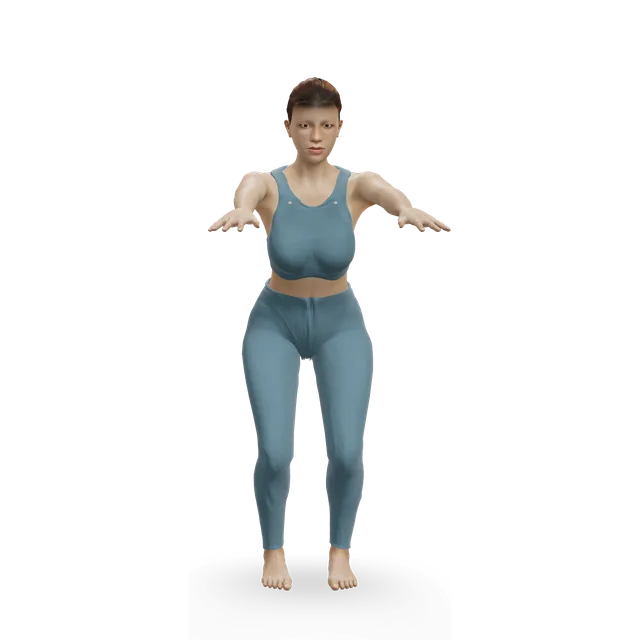
Loading the 3D figure…
The figure repeats the movement from its starting position. Drag to turn it; the arrows open the demos either side.
Quick two-footed hops sideways over a single cone, back and forth, finished with a sprint off the last landing: it links fast side-to-side feet to a start. ACE rates lateral cone jumps intermediate, and 8 weeks of plyometrics at 100 foot contacts twice a week improved change of direction in soccer players (Moran 2024).
Movement guide
Lateral hop to sprint
Make it easier or harder
Choose a version that fits your control and comfort.
Easier option
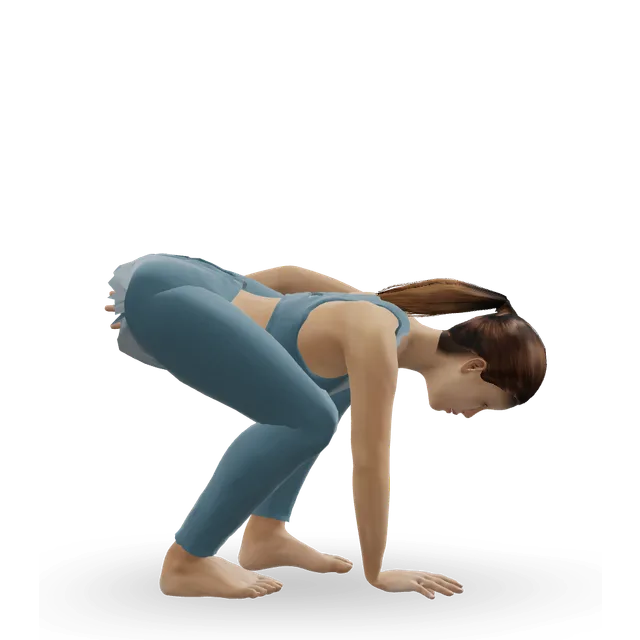 3D demoThree-point sprint startBeginner · No equipment
Similar move, beginner grade.
Harder option
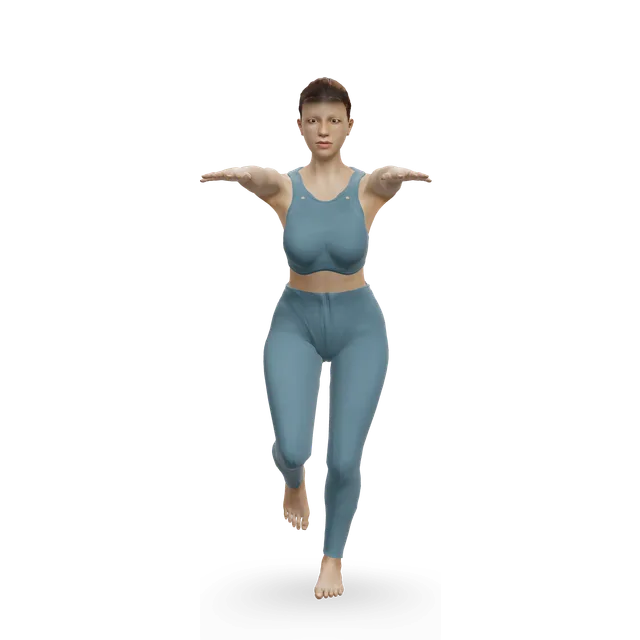 3D demoSingle-leg lateral hopAdvanced · Other / check instructions
Similar move, advanced grade.
Source-researched guide.
Form cues
- Keep the hops low and the contacts short.
- Turn the hips and drive the arms into the sprint.
- Avoid: letting the knees fall inwards as you land.
Practice and cautions
3 sets of 6 to 10 hops, each finished with a 5 to 10 metre sprint, walking back to rest (our editorial starting point). Count each landing as a foot contact: about 80 to 100 a session suits beginners, with 48 to 72 hours between sessions (Davies 2015).
Leave it out with a suspected stress fracture: bone pain should be gone before you hop. Use a soft cone or a line on the floor while you learn. This is movement education, not an assessment or treatment prescription. Stop for sharp or increasing pain, dizziness, numbness or tingling; seek individual guidance for symptoms, injury or restrictions.
Sources and review status
Sources support the educational description; they do not establish that this exercise is suitable for you.
- ACE · Lateral cone jumps (intermediate) ↗
- Moran 2024 · 100 foot contacts twice a week for 8 weeks improved jumping and change of direction in soccer players, whether the jumps were vertical, horizontal or both (randomised trial, PLOS ONE) ↗
- Davies 2015 · Current concepts of plyometric exercise: drills graded beginner, intermediate and advanced, about 80 to 100 foot contacts a session for beginners, and 48 to 72 hours between sessions (clinical commentary, IJSPT) ↗
- Free Exercise DB · community text ↗
Unlicense · Free Exercise DB contributors; derived from wrkout/exercises.json. Text import; no photographs or media. · Revision f00c92c7dcf1216a928a52c3706c7ce8e2f71ed5
No variation is labeled clinically validated.
What it works
Muscles
Main: Quads, Calves. Also: Glutes, Hip abductors, Adductors, Hamstrings.
Anatomy: Sartorius, Quadriceps, Rectus femoris, Vastus medialis, Vastus lateralis, Gastrocnemius.
Equipment
Other / check instructions
Level
Intermediate. See the easier and harder options above.
Workouts that use it
Guides that use it
Similar moves
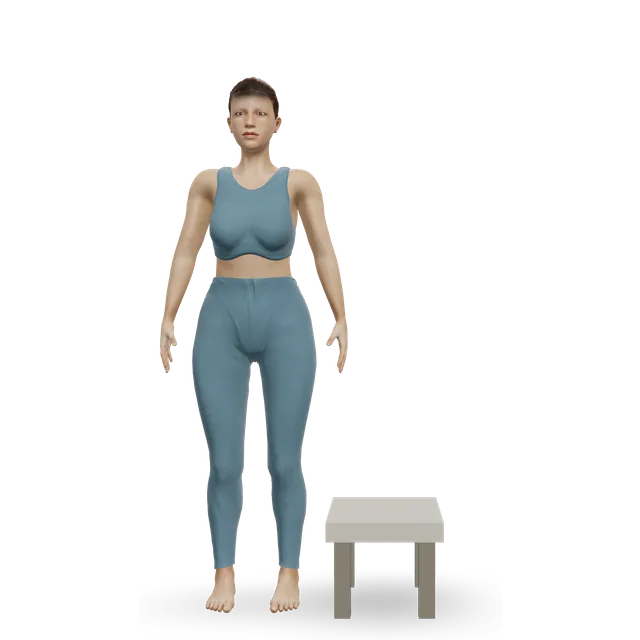 3D demoLateral box jumpAdvanced · A step
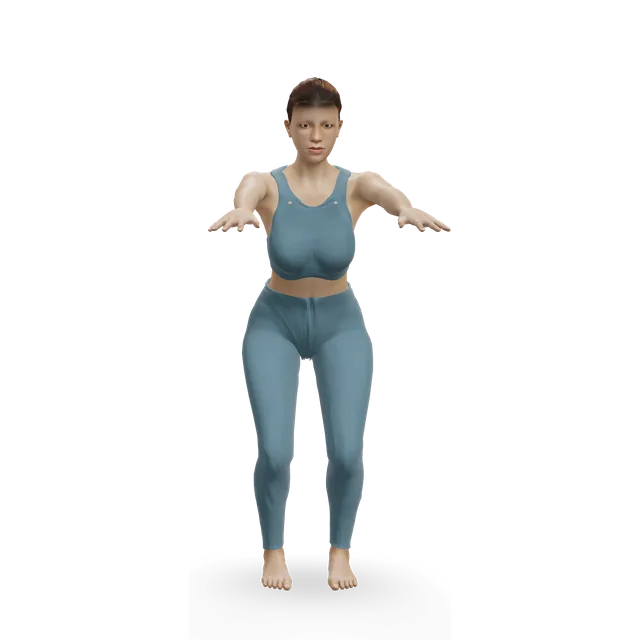 3D demoLateral cone hopsIntermediate · Other / check instructions
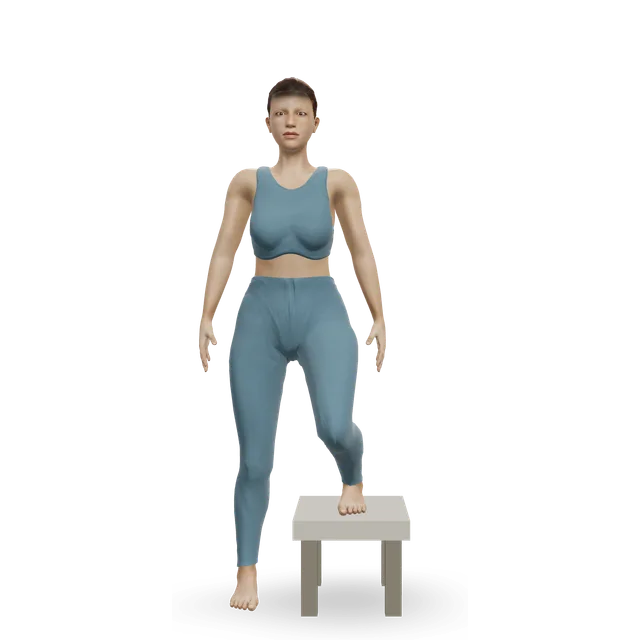 3D demoLateral box shuffleIntermediate · A step
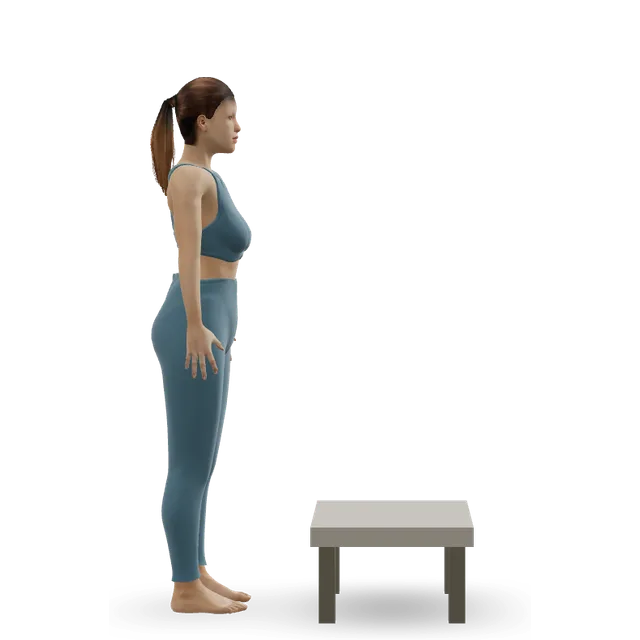 3D demoBox jump and leap offAdvanced · A bench or box
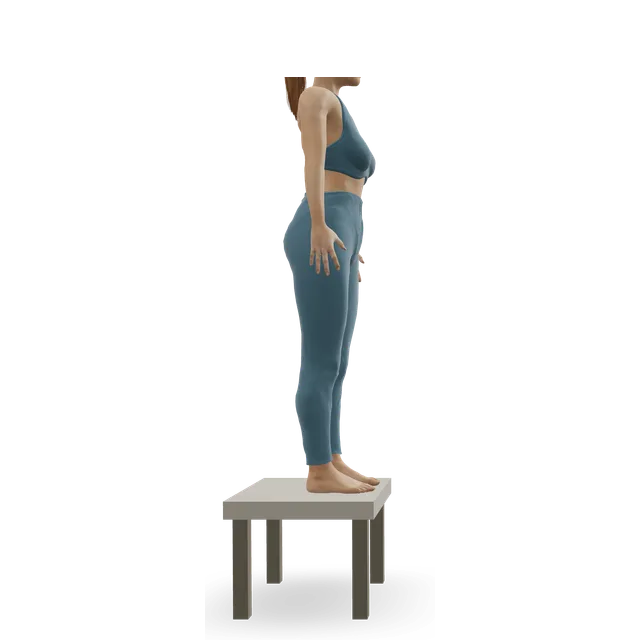 3D demoBox-to-box depth jumpAdvanced · A bench or box
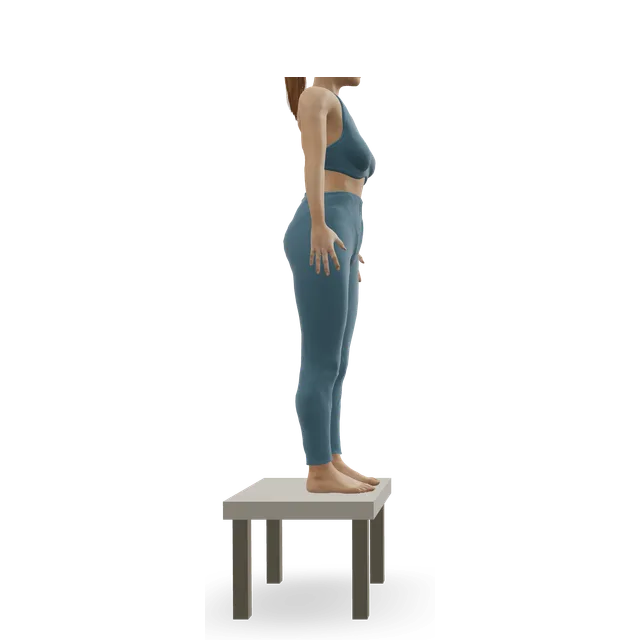 3D demoDepth jump to a second boxAdvanced · A step
Browse more
Questions people ask
What muscles does the Lateral hop to sprint work?
Mainly the quads and calves, with help from the glutes, hip abductors, adductors and hamstrings.
What equipment do I need for the Lateral hop to sprint?
Other / check instructions.
Is the Lateral hop to sprint good for beginners?
It is graded intermediate. If it is too hard right now, start with the Three-point sprint start.
What is an easier alternative to the Lateral hop to sprint?
Try the Three-point sprint start or the Lateral bound (skater jump). It works similar muscles at a lower grade.
How do I make the Lateral hop to sprint harder?
Progress to the Single-leg lateral hop or the Single-leg butt-kick hop. Follow that guide’s technique and any stated timing.