3D demo
Three-point sprint start
Conditioning · Glutes, Hamstrings, Quads
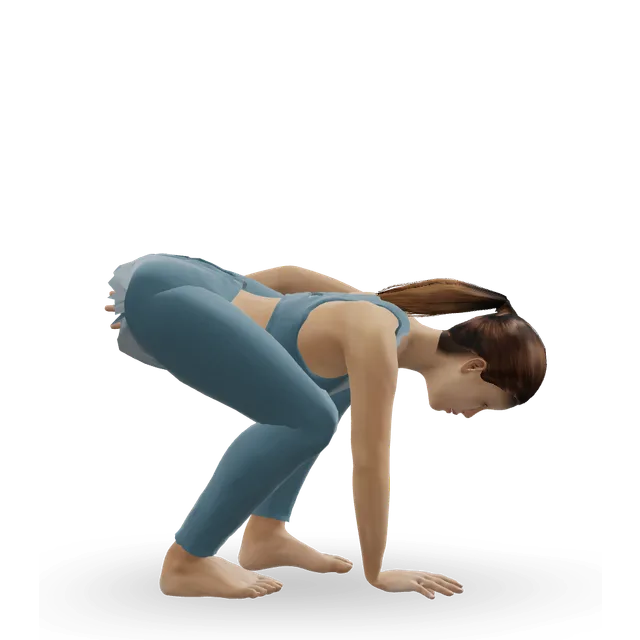
Loading the 3D figure…
The figure repeats the movement from its starting position. Drag to turn it; the arrows open the demos either side.
A crouched start from a line, one hand down and the weight loaded on the front leg, for accelerating from a standstill. In a study of American football starts, the body was moving about 12% faster one second in from three points than from standing, though the head started low and took about as long to come upright (Bonnechère 2014).
Movement guide
Three-point sprint start
Make it easier or harder
Choose a version that fits your control and comfort.
Easier option
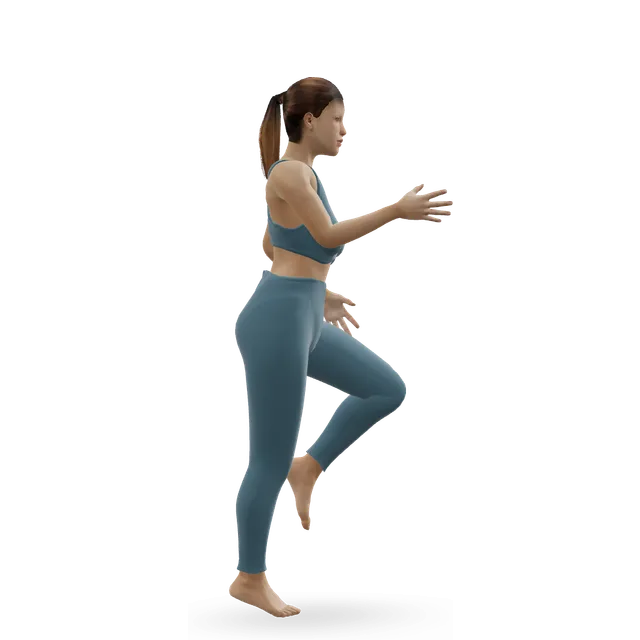 3D demoMoving claw drillBeginner · No equipment
Suggested next step, beginner grade.
Harder option
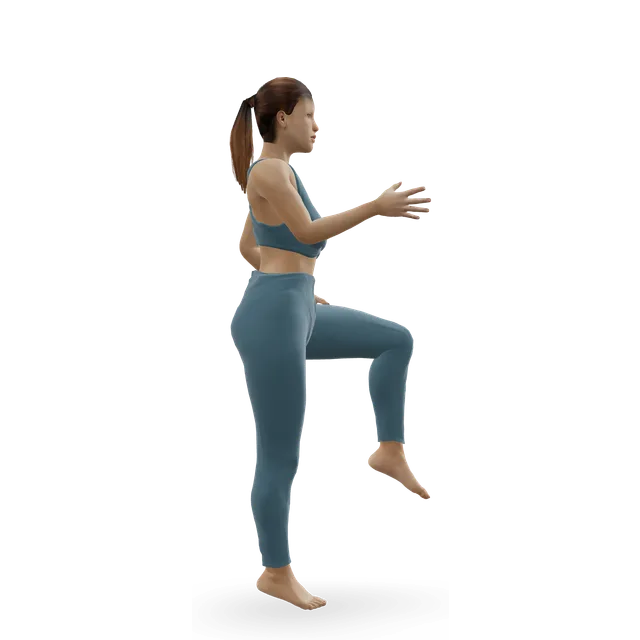 3D demoSprint intervalsAdvanced · No equipment
Suggested next step, advanced grade.
Source-researched guide.
Form cues
- Push back against the ground rather than standing straight up.
- Let the body rise gradually over the first few strides.
- Avoid: popping up tall on the first step.
Practice and cautions
4 to 6 starts over 10 to 20 metres, walking back and resting about 2 minutes between them (our editorial starting point). For a young, relatively untrained athlete, a typical acceleration session might be 20 metre runs from a crouch with 2 minutes' recovery between (Haugen 2019).
Sprint starts load the hamstrings and calves hard: warm up first, and leave sprints out while a hamstring or calf strain is settling. This is movement education, not an assessment or treatment prescription. Stop for sharp or increasing pain, dizziness, numbness or tingling; seek individual guidance for symptoms, injury or restrictions.
Sources and review status
Sources support the educational description; they do not establish that this exercise is suitable for you.
- Bonnechère 2014 · Four-, three- and two-point sprint starts in American football: one second in, the body moved about 12% faster from three points than from standing (motion analysis, J Sports Sci Med) ↗
- Haugen 2019 · Training sprint performance: drills are slower and easier to control than sprinting and sit in the warm-up; acceleration runs of 10 to 50 m from a crouched or three-point start, with full recovery (review, Sports Medicine Open) ↗
- Free Exercise DB · community text ↗
Unlicense · Free Exercise DB contributors; derived from wrkout/exercises.json. Text import; no photographs or media. · Revision f00c92c7dcf1216a928a52c3706c7ce8e2f71ed5
No variation is labeled clinically validated.
What it works
Muscles
Main: Glutes, Hamstrings, Quads. Also: Calves.
Anatomy: Gluteus maximus, Piriformis, Obturator internus, Hamstrings, Biceps femoris, Sartorius.
Equipment
None: body weight and floor space.
Level
Beginner. See the easier and harder options above.
Workouts that use it
Guides that use it
Similar moves
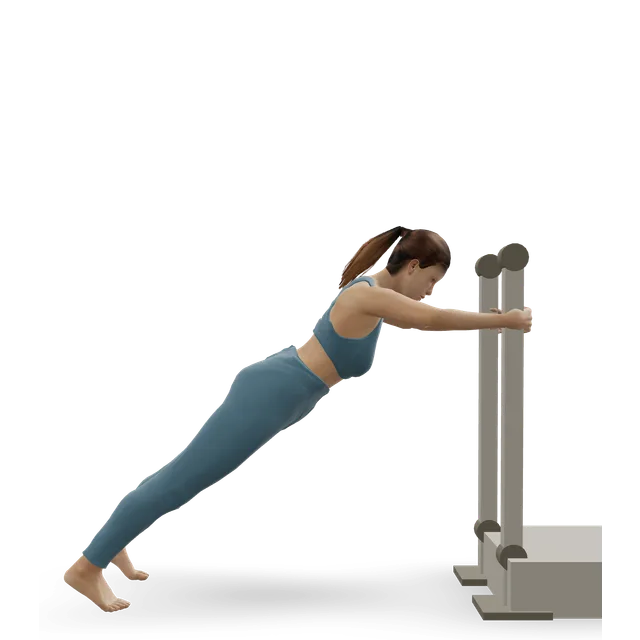 3D demoProwler sprint (light sled push)Beginner · A sled
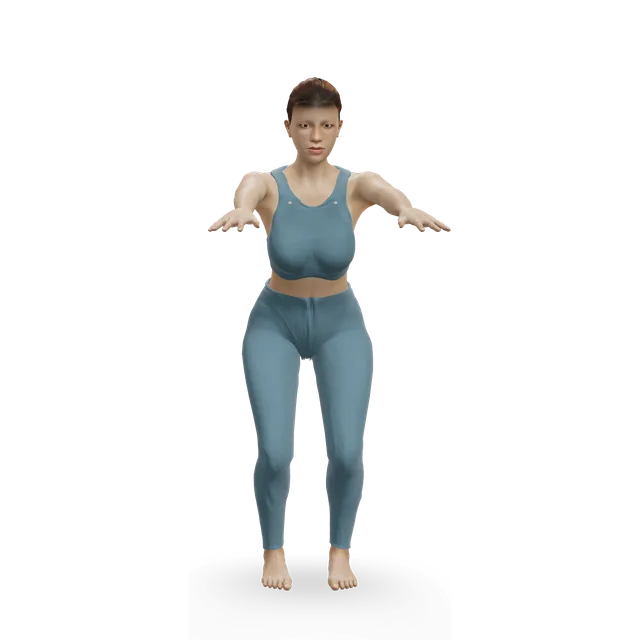 3D demoLateral hop to sprintIntermediate · Other / check instructions
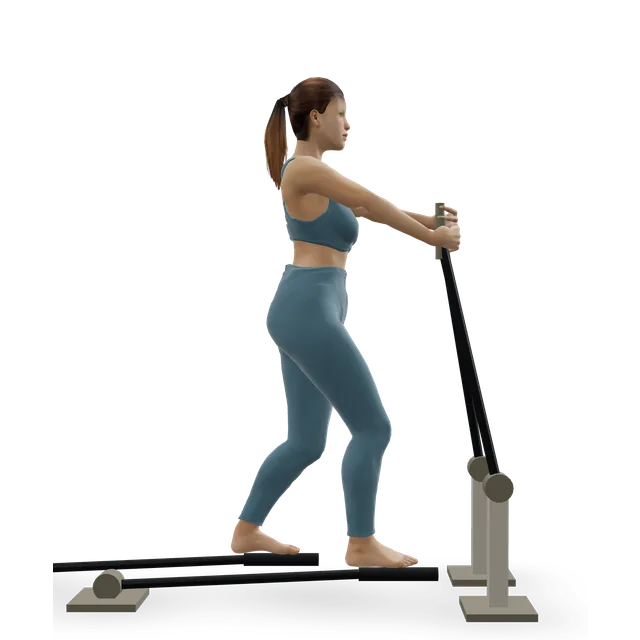 3D demoElliptical trainerBeginner · Cardio machine
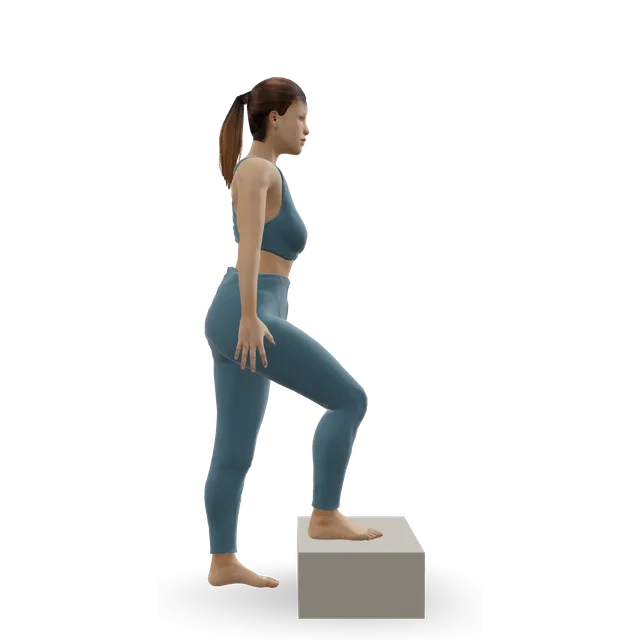
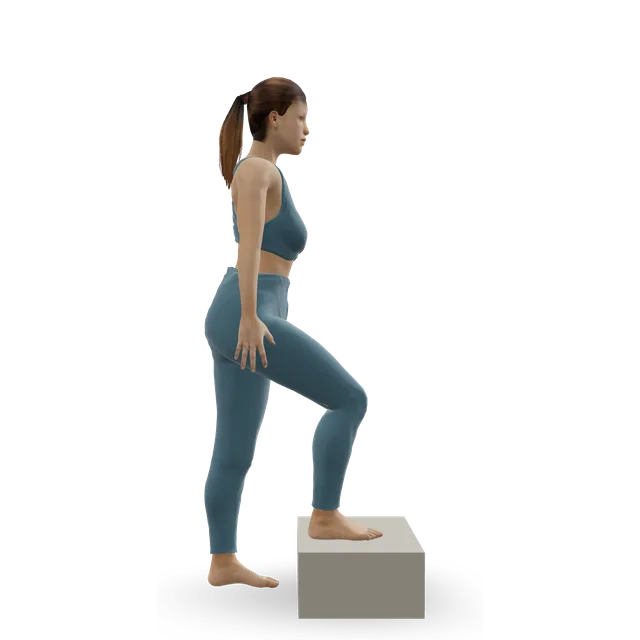 3D demoStair climbingIntermediate · A step
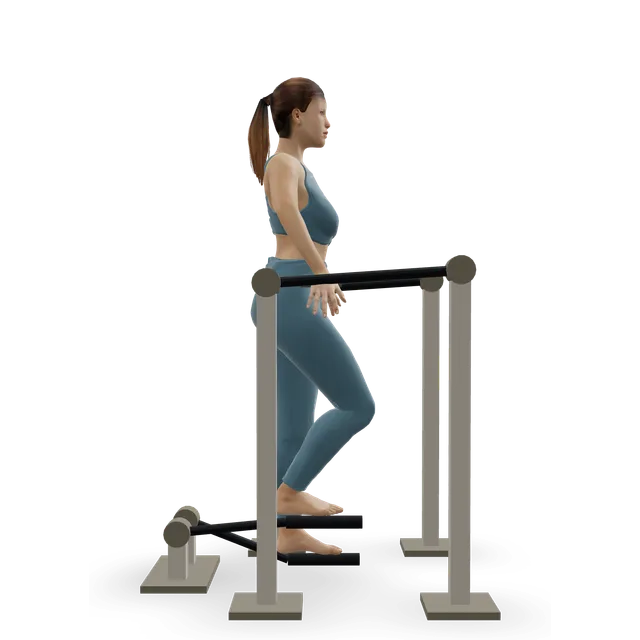 3D demoStair-stepper machineIntermediate · Cardio machine
 3D demoStep mill (revolving stair machine)Intermediate · Cardio machine
Browse more
Questions people ask
What muscles does the Three-point sprint start work?
Mainly the glutes, hamstrings and quads, with help from the calves.
What equipment do I need for the Three-point sprint start?
No equipment: your body weight and a little floor space.
Is the Three-point sprint start good for beginners?
It is graded beginner, so it suits most people starting out. When it feels easy, try the Sprint intervals.
What is an easier alternative to the Three-point sprint start?
Try the Moving claw drill. It is the suggested step down from this move.
How do I make the Three-point sprint start harder?
Progress to the Sprint intervals or the Hill sprints. Follow that guide’s technique and any stated timing.