Bodyweight glute exercises
Bodyweight glute exercises, from the easiest version to the hardest. Everything here uses your own body as the load, with at most a floor, a wall or a sturdy step.
Beginner bodyweight glute exercises 30
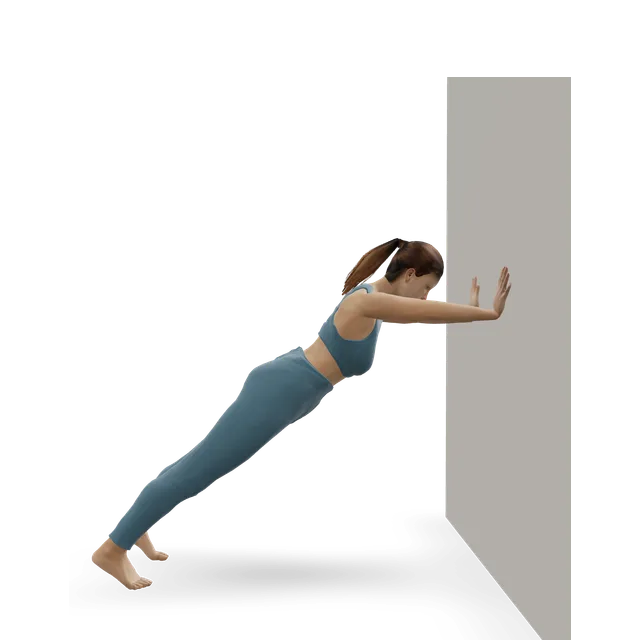 3D demoAcceleration wall drillBeginner · A wallLeaning into a wall at about 45 degrees on straight arms, you drive one knee up and punch the foot back down under your hips, first one leg at a time and then fast, rehearsing the body angle and leg action of a sprint start without moving.
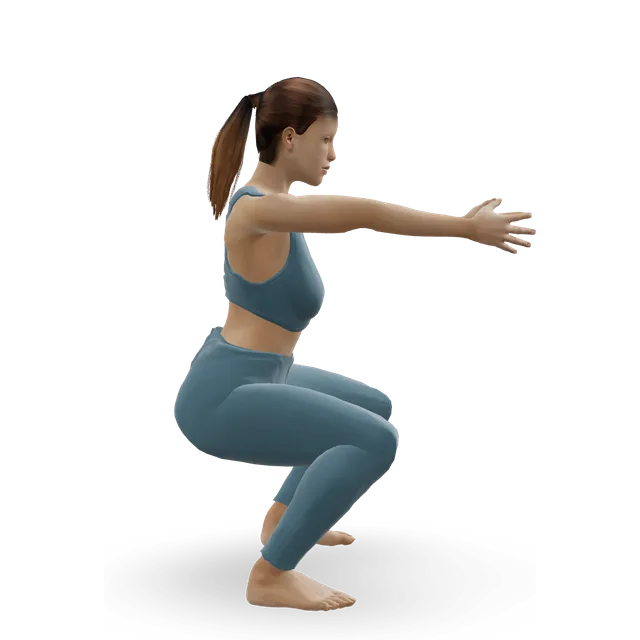 3D demoBodyweight squatBeginner · No equipmentA standing squat without external weight.
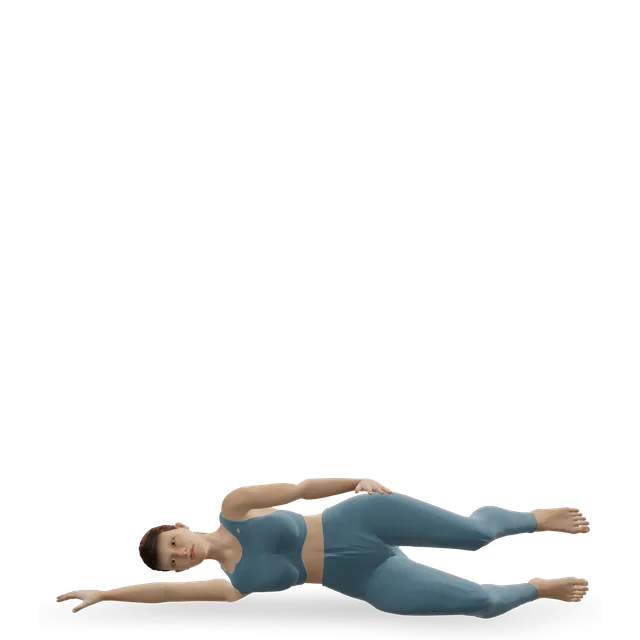 3D demoClamshellBeginner · No equipmentLying on the side with the knees bent, the top knee opens toward the ceiling while the pelvis stays still; of the three, it asks least of the gluteus medius.
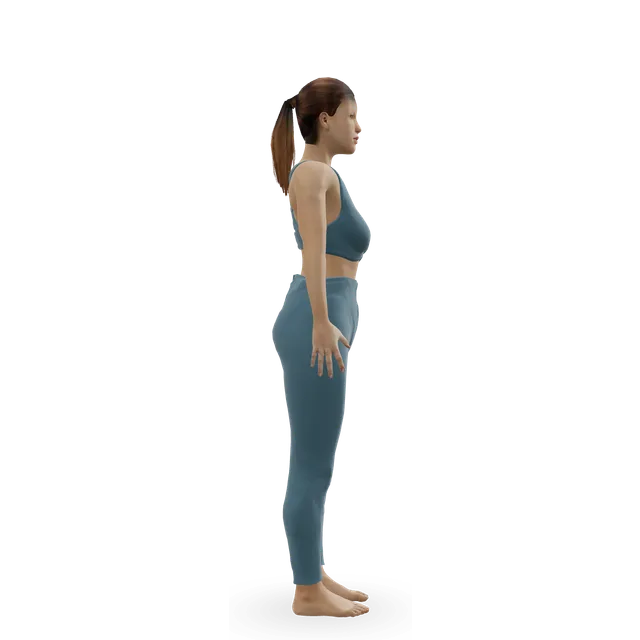 3D demoGet up and down from the floorBeginner · No equipmentLowering yourself from standing to the floor and lying down, then reversing the route to stand, using your hands and knees as much as you need.
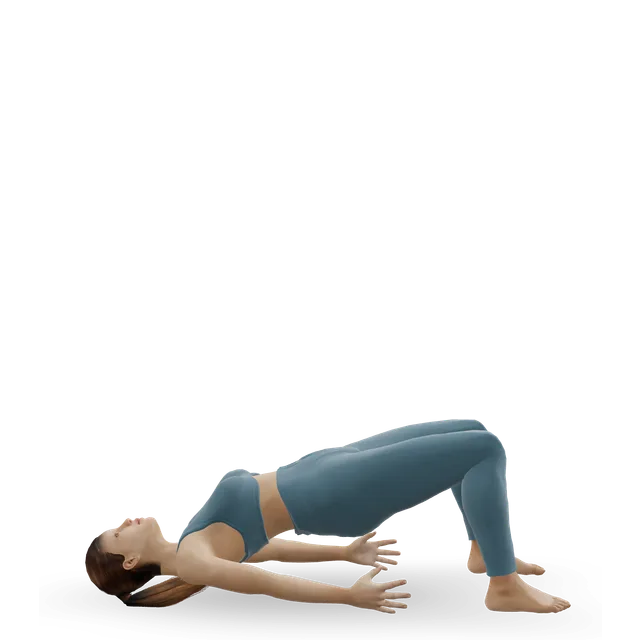 3D demoGlute bridgeBeginner · No equipmentLift the pelvis with both feet supported and the upper back resting on the floor.
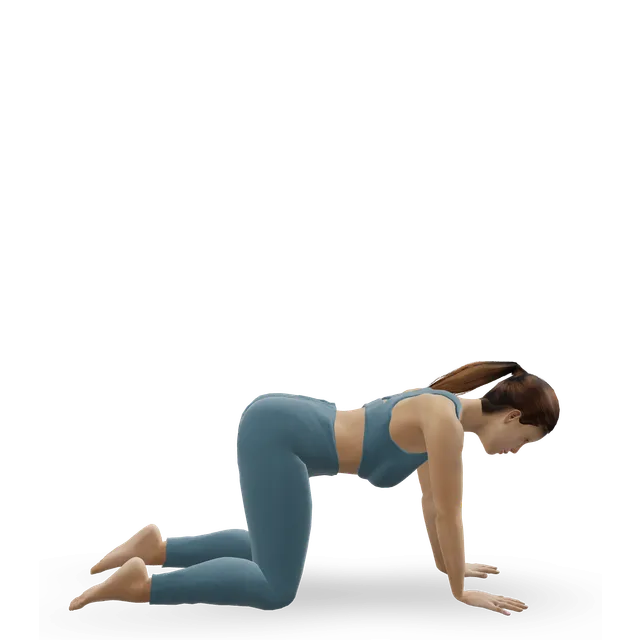 3D demoGlute kickback (quadruped hip extension)Beginner · No equipmentOn all fours, one bent knee drives the heel up until the thigh is level with the back: in EMG studies the gluteus maximus works between the two-leg and the one-leg bridge.
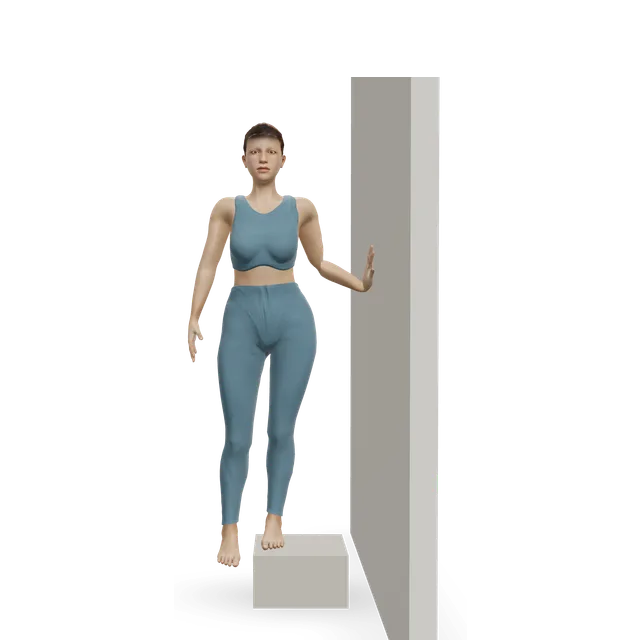 3D demoHip hitch (pelvic drop)Beginner · A stepStanding side-on on a low step with one foot hanging off the edge, you let the free side of your pelvis drop a few centimetres, then lift it back up level using the side hip muscles of the standing leg, with both knees straight.
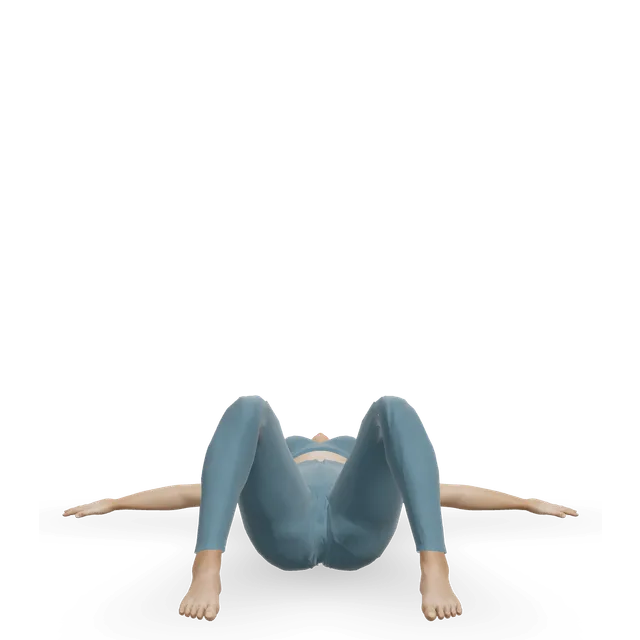 3D demoHip windshield wipersBeginner · No equipmentLying on your back with your feet set wider than your hips, you let both knees fall to one side and then the other, so one hip turns in as the other turns out.
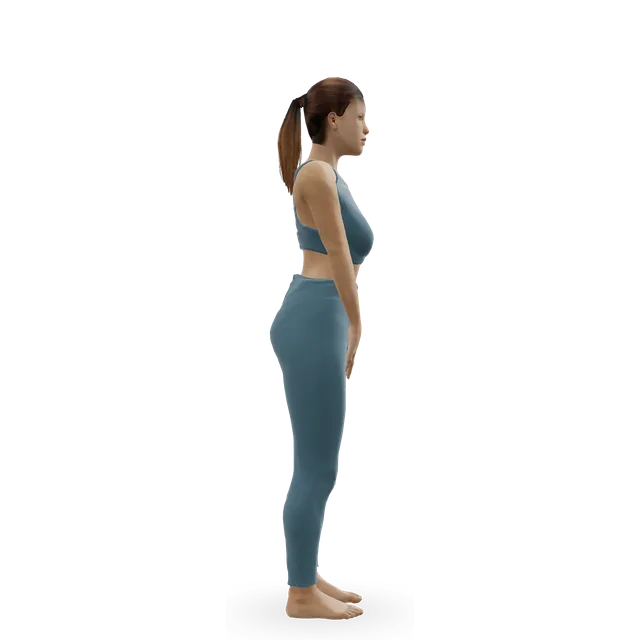 3D demoHip-hinge practiceBeginner · No equipmentAn unloaded rehearsal of moving from the hips before adding weights.
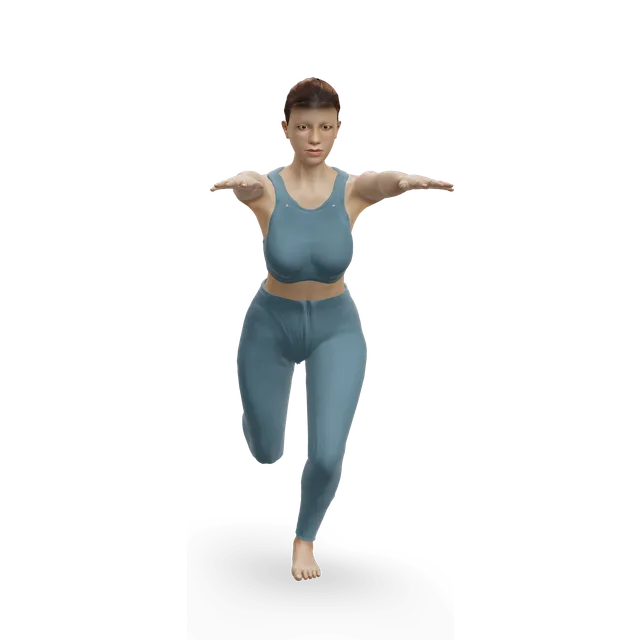 3D demoLateral bound (skater jump)Beginner · No equipmentBounding sideways from one leg to the other, each landing sunk into a half squat with the free leg trailing behind: the skater jump.
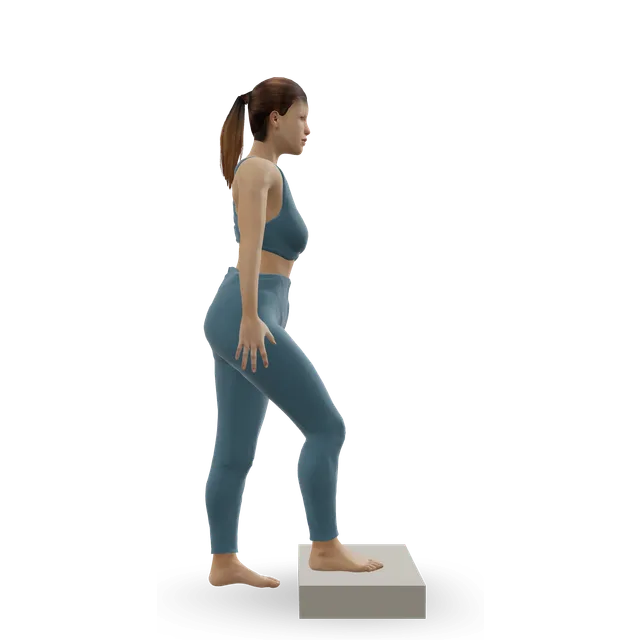 3D demoLow step-upBeginner · A stepThe step-up onto a step about half the usual height, around 10 cm: the knee bends less and lifts the body a shorter way, the place a sore or weak knee starts before going higher.
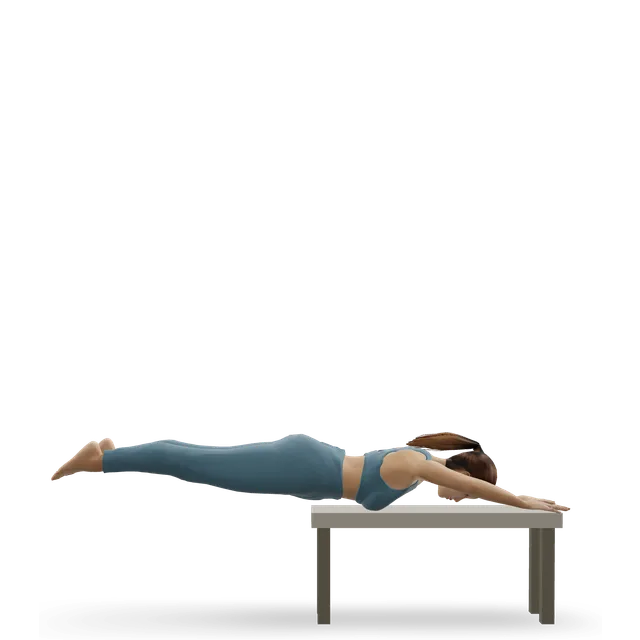 3D demoProne flutter kicks on a benchBeginner · A bench or boxFace down on a bench with the hips at its end and the straight legs held level, the legs scissor up and down in small quick kicks.
- Side kick (Pilates side kick series) · Beginner
- Side-lying leg circles (Pilates side kick series) · Beginner
- Side-lying leg raise · Beginner
- Side-stepping (sideways walking) · Beginner
- Single-leg push-off, facing the box · Beginner
- Sit to stand from a chair · Beginner
- Sit to stand, pushing on the thighs · Beginner
- Slider hamstring curl, lowering only · Beginner
- Snapdown to athletic landing · Beginner
- Staggered-stance bridge (offset bridge) · Beginner
- Standing hip CARs · Beginner
- Standing long jump · Beginner
- Standing wall-press hip abduction · Beginner
- Step-up · Beginner
- Three-point sprint start · Beginner
- Trail running and walking · Beginner
- Wall bridge (feet-on-wall bridge) · Beginner
- Wall side leg lift (standing side kick at the wall) · Beginner
Intermediate bodyweight glute exercises 35
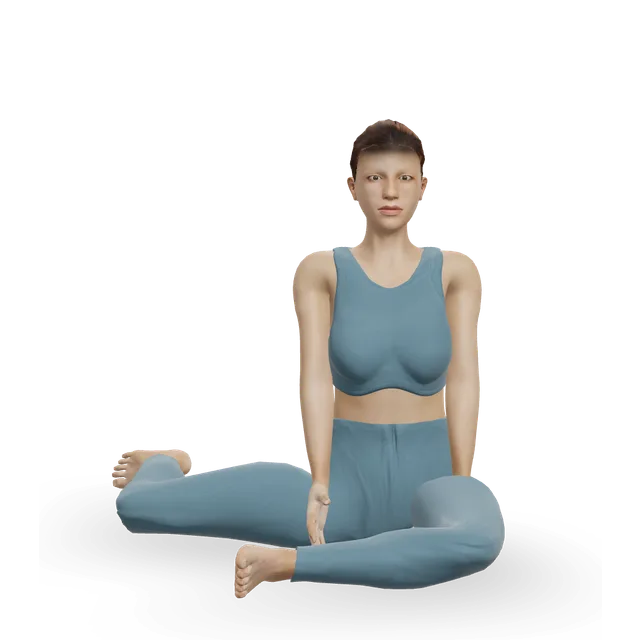 3D demo90/90 hip lift-offIntermediate · No equipmentSitting in 90/90, one leg bent in front and the other bent out to the side behind you, you lift the back shin off the floor using the hip alone, hold and lower, then lift the front knee.
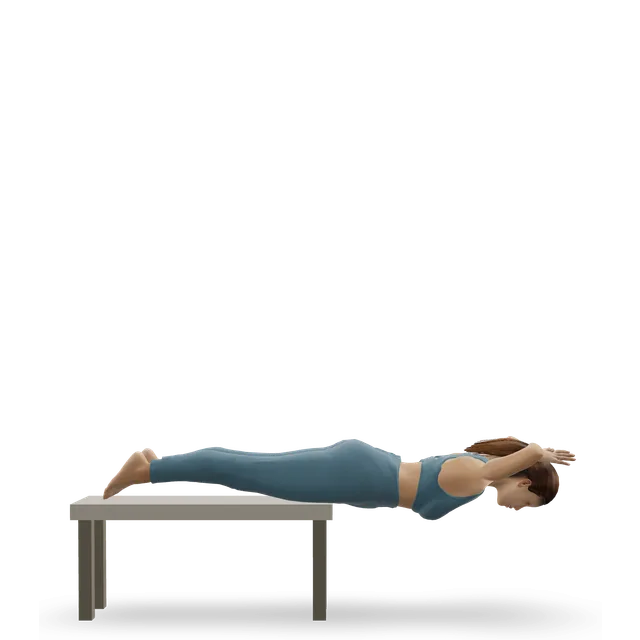 3D demoBack extension off a flat benchIntermediate · A bench or boxFace down along a flat bench with the hips off its end and a partner holding the legs, the trunk bends down off the end and rises back to straight.
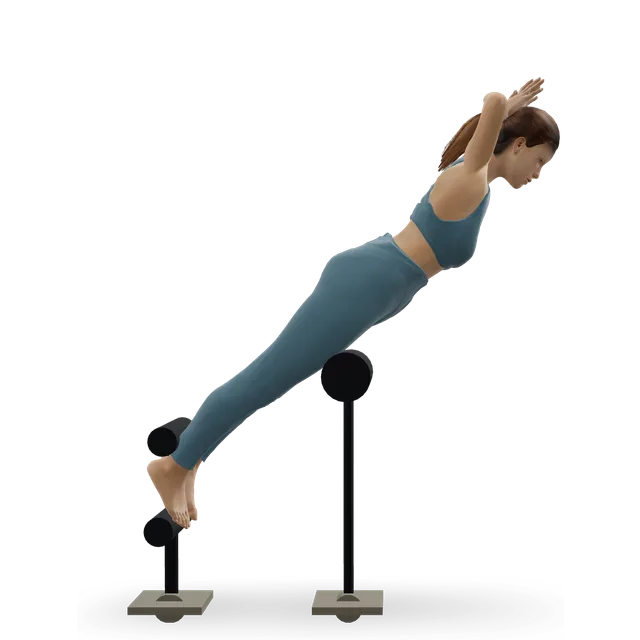 3D demoBack extension on a 45-degree benchIntermediate · A bench or boxHinging over the pad of a 45-degree Roman chair and rising until the body is straight.
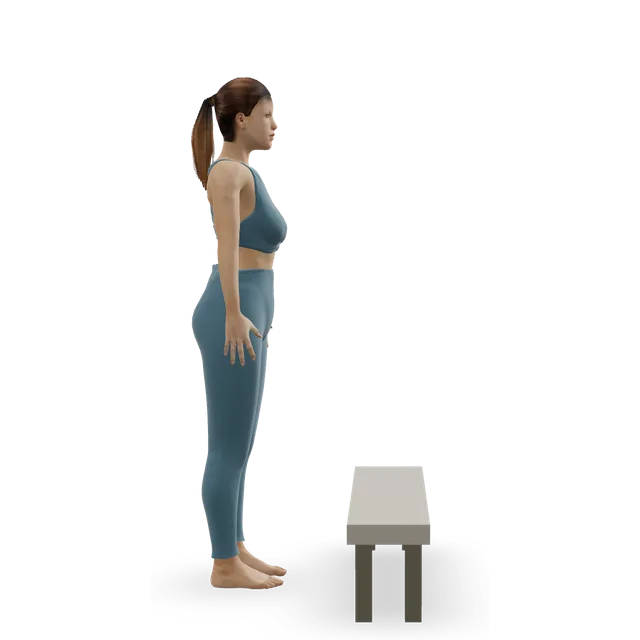 3D demoBench jump-overIntermediate · A bench or boxYou jump forward over a low bench from both feet, land softly on the far side, then turn round and jump back.
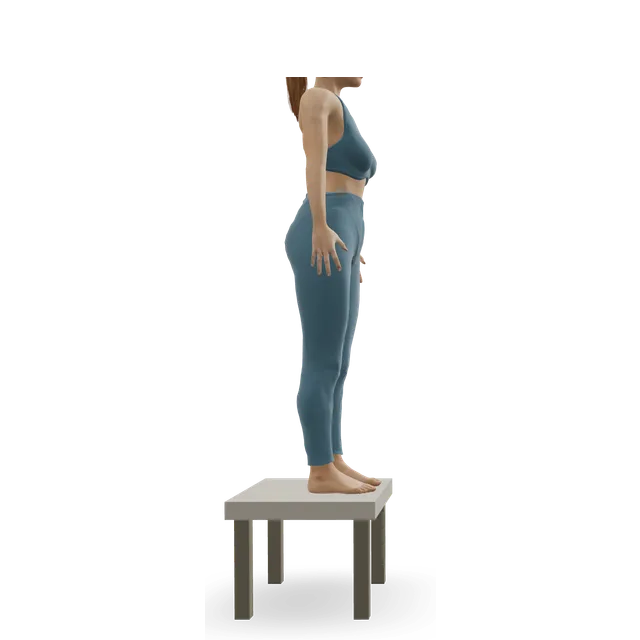 3D demoBox drop landingIntermediate · A stepStepping off a box and sticking the landing: absorbing a real drop before learning to rebound from one.
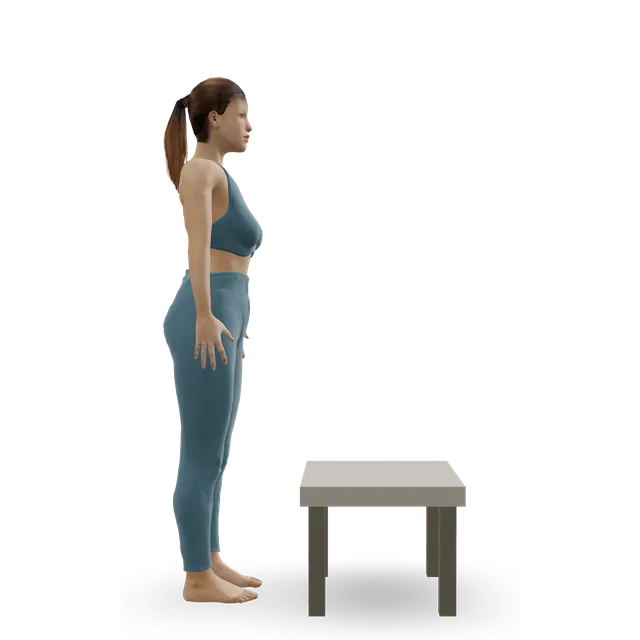 3D demoBox jumpIntermediate · A bench or boxA two-footed jump up onto a sturdy box, landing softly on top and stepping down: an advanced plyometric that rewards a powerful take-off and a controlled landing.
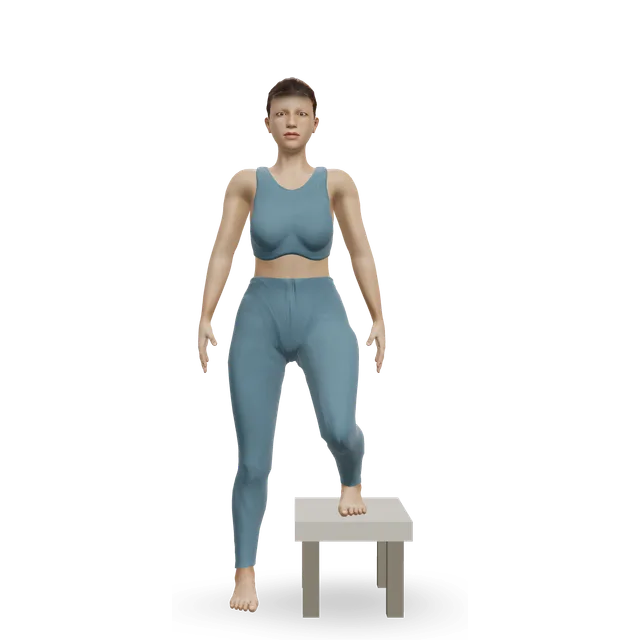 3D demoBox push-off jumpIntermediate · A stepOne foot on a short box, the top leg drives the body straight up and it lands back with the same foot on the box: the step-up turned into a jump, among the beginner plyometrics.
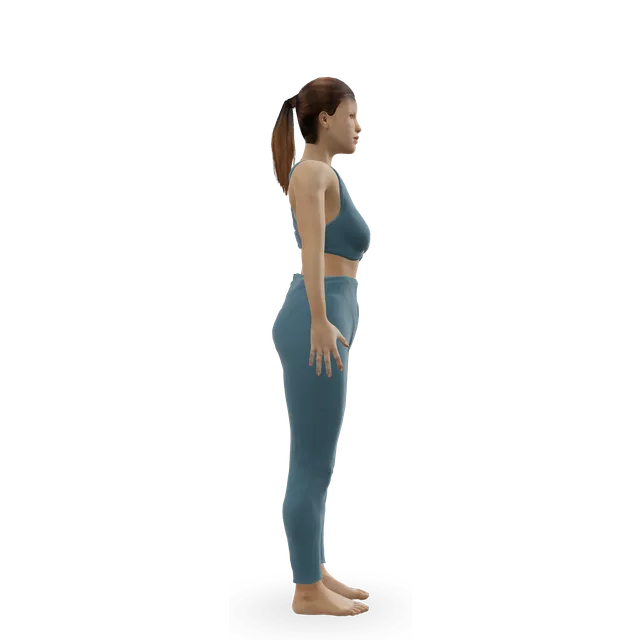 3D demoButt-kick jumpIntermediate · No equipmentA vertical jump from both feet in which the heels kick up towards the buttocks at the top, then come back under the hips for the landing.
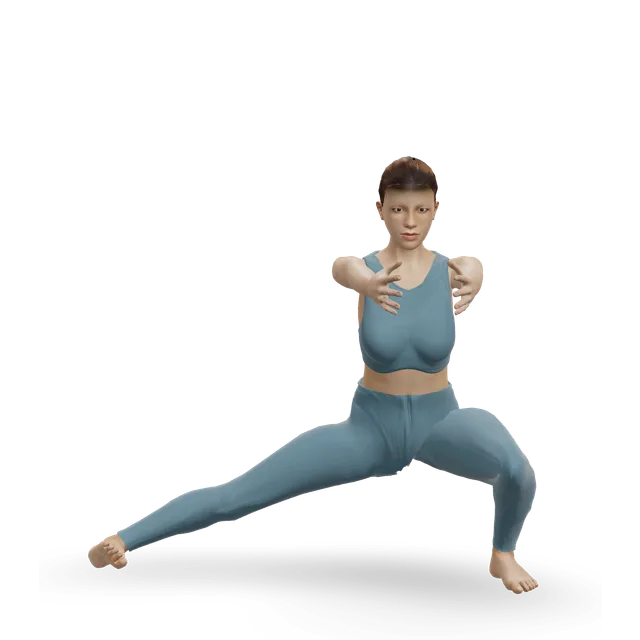 3D demoCossack squatIntermediate · No equipmentWide stance, shift all the way over one leg while the other stays long.
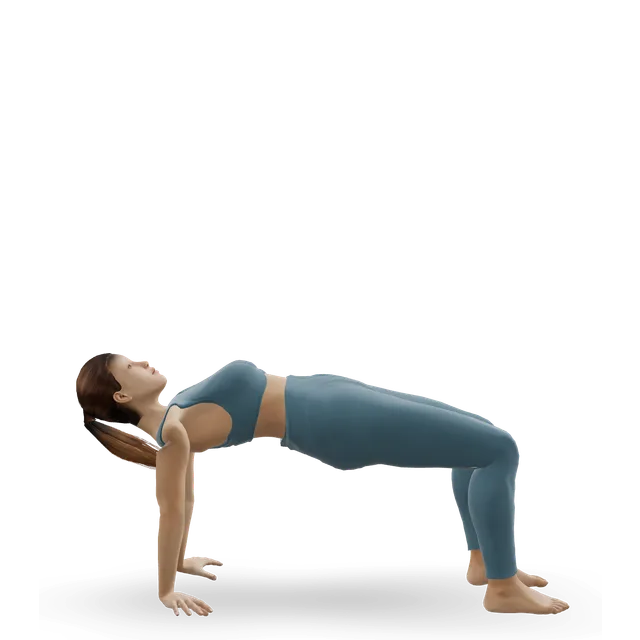 3D demoCrab reachIntermediate · No equipmentFrom sitting with your hands behind you, you lift your hips into a tabletop, then drive them higher as one arm reaches up and over your head, the chest turning open.
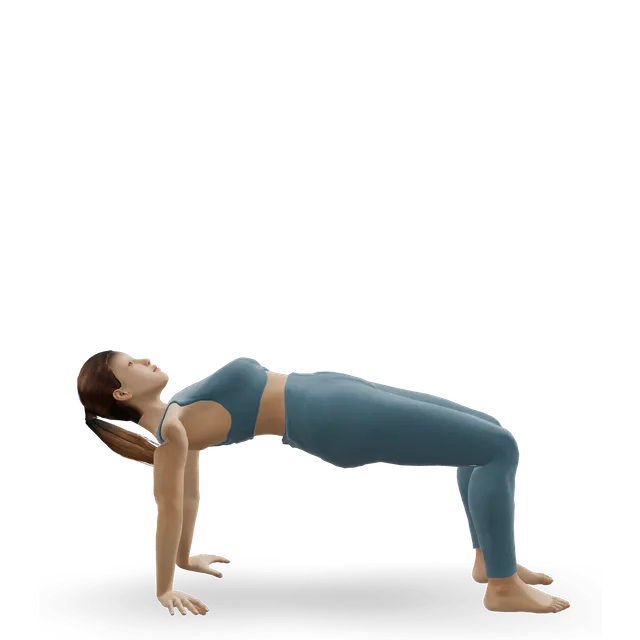 3D demoCrab walkIntermediate · No equipmentSitting with your hands flat behind you and your feet flat in front, you lift your hips into a table and walk on hands and feet, opposite hand and foot together.
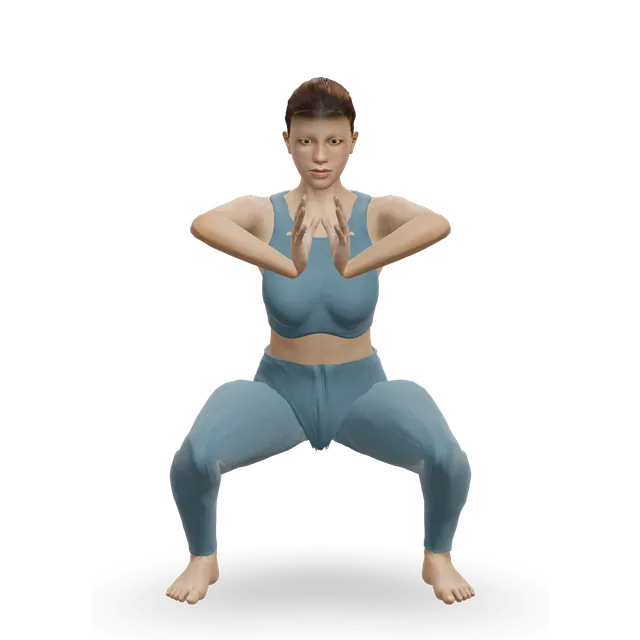 3D demoDeep squat holdIntermediate · No equipmentSitting all the way down in a squat with the heels flat and resting there: the deepest bend of hips, knees and ankles, most often limited by the ankles.
- Jump squat · Intermediate
- Lateral box shuffle · Intermediate
- Patrick step-down · Intermediate
- Power star jump (X jump) · Intermediate
- Rear-foot-elevated split squat (Bulgarian split squat) · Intermediate
- Reverse lunge · Intermediate
- Rocket jump (jump and reach) · Intermediate
- Shoulder bridge (Pilates) · Intermediate
- Side-to-side box push-off · Intermediate
- Sideways standing long jump · Intermediate
- Single-leg glute bridge · Intermediate
- Single-leg hop and stick · Intermediate
- Slider hamstring curl · Intermediate
- Split jump (same-leg landing) · Intermediate
- Split squat · Intermediate
- Stair climbing · Intermediate
- Standing broad jump with stuck landing · Intermediate
- Step-up with knee raise · Intermediate
- Superman · Intermediate
- Swimming (Pilates) · Intermediate
- Tuck jump · Intermediate
- Walking lunge · Intermediate
- Supported 90/90 hip rotation · Intermediate
Advanced bodyweight glute exercises 24
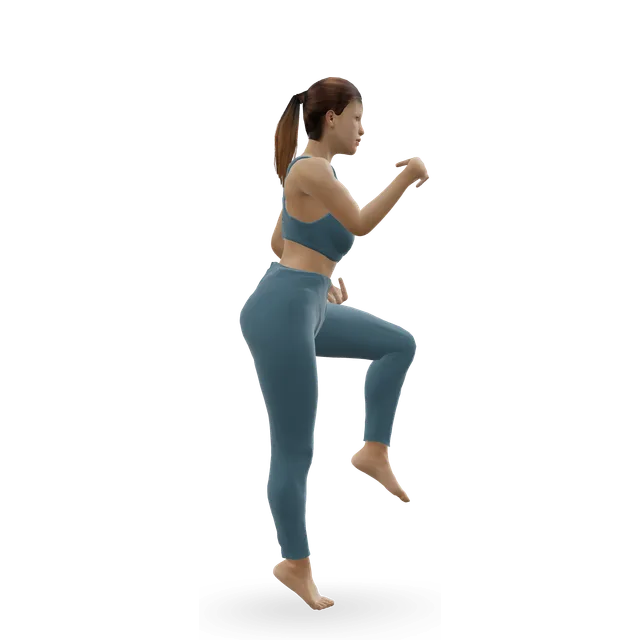 3D demoAlternate-leg boundingAdvanced · No equipmentRunning in exaggerated leaps from one leg to the other, the knee driving up and a long float between landings: bounding straight ahead, with a higher landing force than skipping.
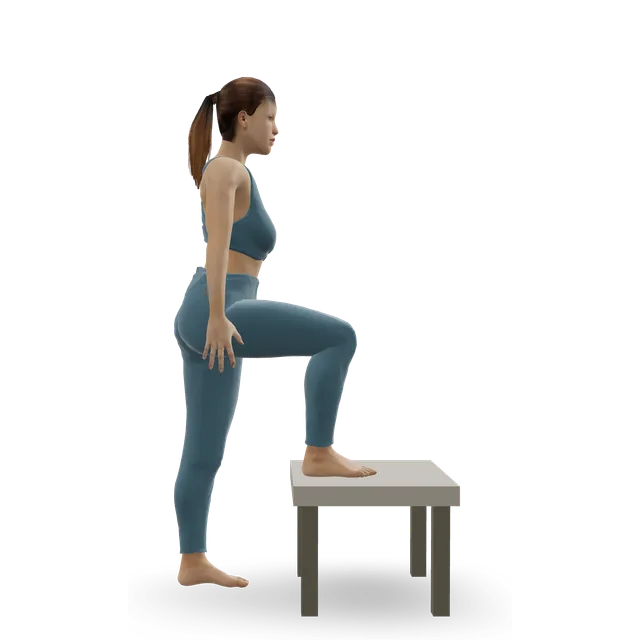 3D demoAlternate-leg box push-offAdvanced · A bench or boxFacing a knee-high box with one foot on top, you drive off it, swap feet in the air and land with the other foot on the box, then keep alternating at a brisk rhythm.
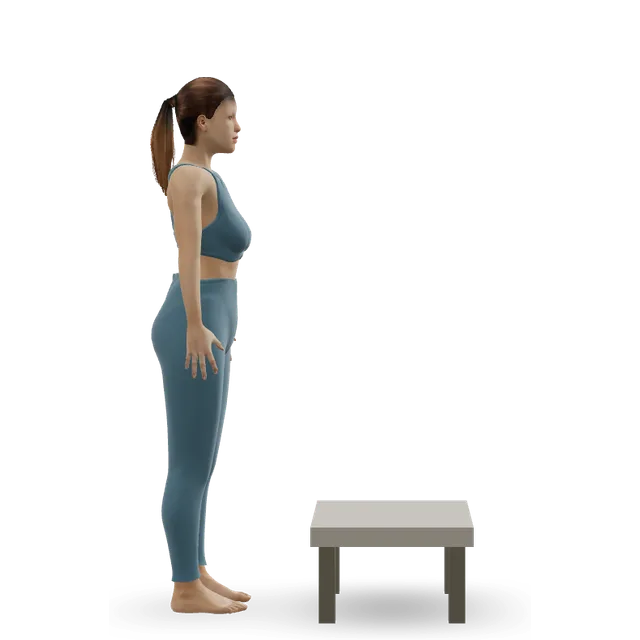 3D demoBox jump and leap offAdvanced · A bench or boxA box jump that doesn't stop: you land on top and leap straight up and off the other side, so the drop to the floor comes from the box's height plus your leap.
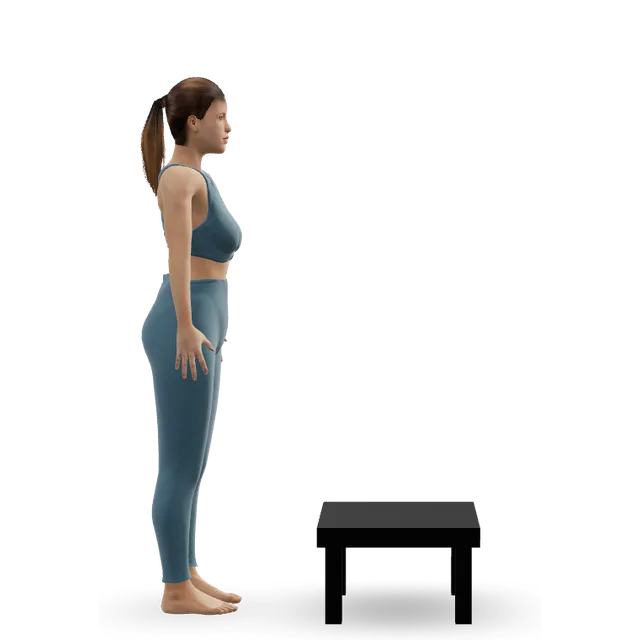 3D demoBox skipAdvanced · A bench or boxA skip onto and off a low box: you bound up onto it with one foot, spring off that foot as the other knee drives up, and land on the floor on the same foot before stepping to the next box.
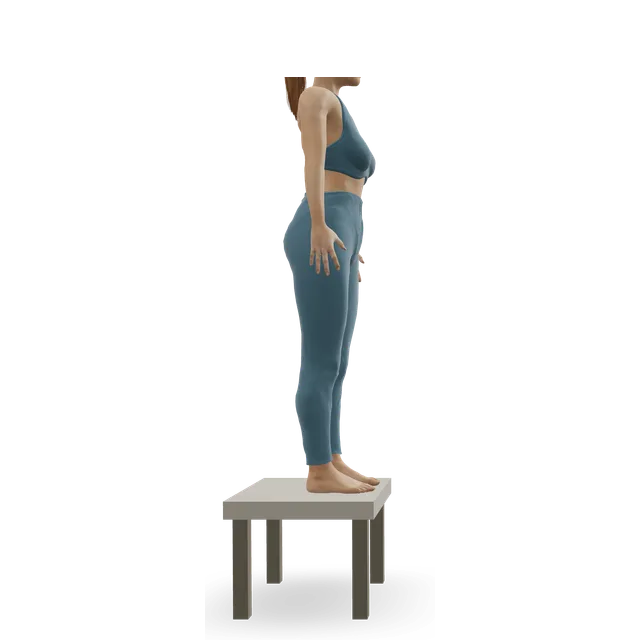 3D demoBox-to-box depth jumpAdvanced · A bench or boxYou step off one low box, land on both feet and rebound at once up onto a second box a stride or two ahead.
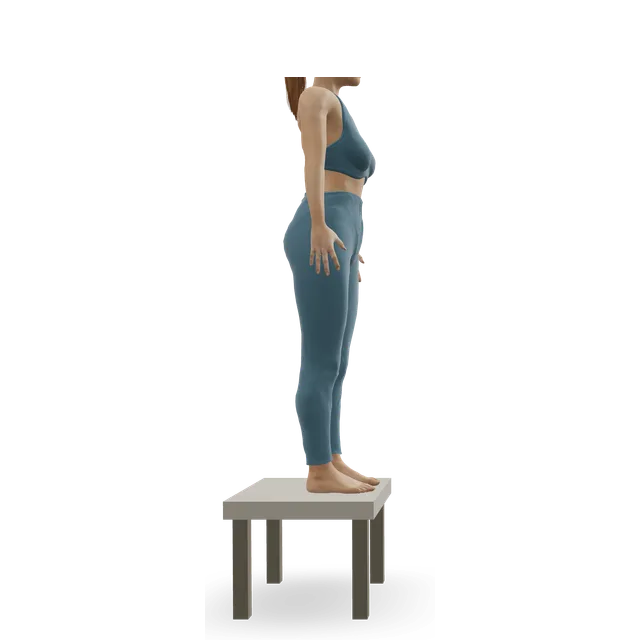 3D demoDepth jumpAdvanced · A stepDropping from a box and rebounding straight up as fast as possible: a reactive jump for people who already land well.
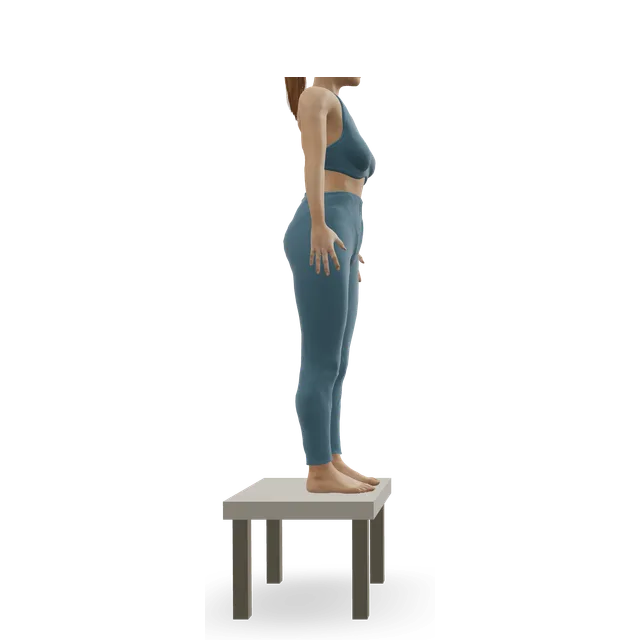 3D demoDepth jump to a second boxAdvanced · A stepDropping off a low box, the body lands on both feet and takes off again at once, leaping up onto a second box: an advanced depth jump, for experienced jumpers only.
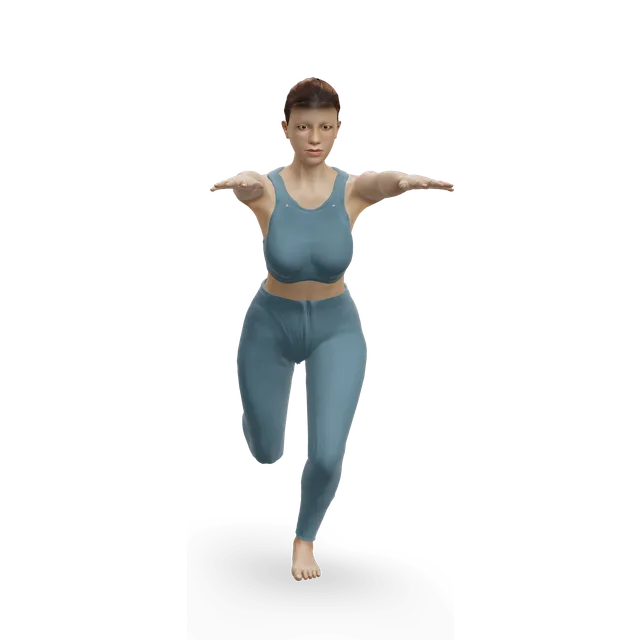 3D demoDiagonal boundsAdvanced · No equipmentBounding from one leg to the other on a diagonal, each landing loaded in a half squat and driven into the next: advanced bounding, well above skipping in landing force.
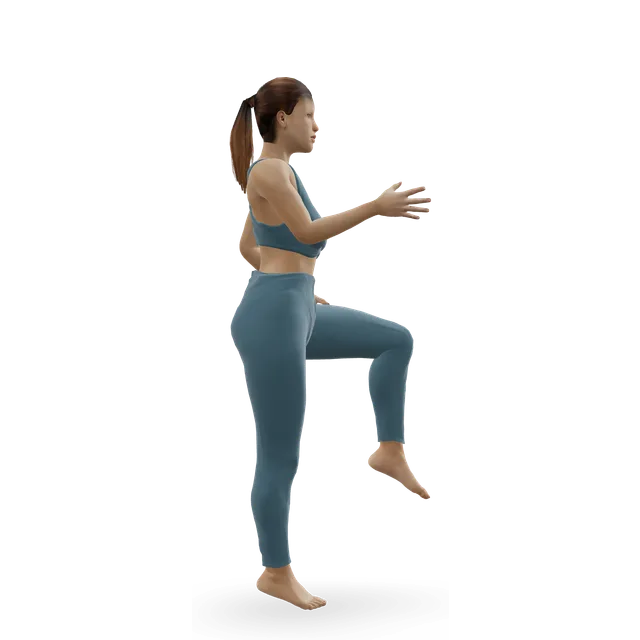 3D demoHill sprintsAdvanced · No equipmentRunning hard up a moderate hill for 8-10 seconds, then walking back down: sprinting up hills is very vigorous activity, and uphill running among the highest energy costs measured.
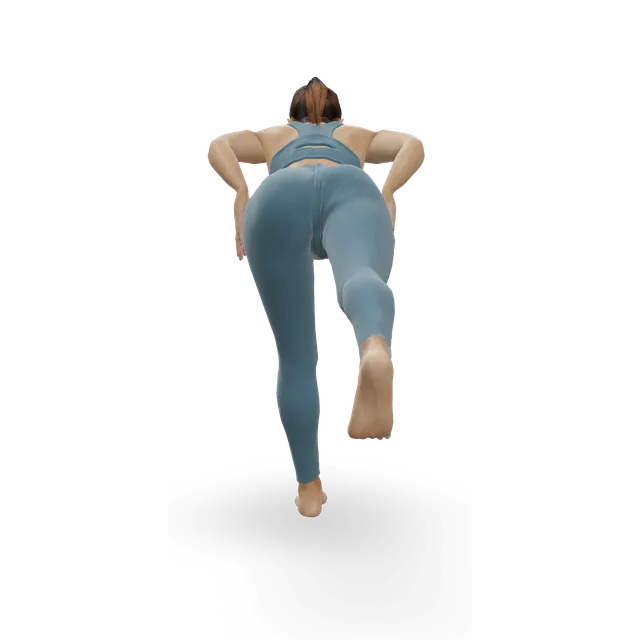 3D demoHip airplaneAdvanced · No equipmentBalanced on one leg with your trunk hinged forward and the other leg long behind you, you turn the pelvis open towards the ceiling, then close it back down square, the standing foot planted.
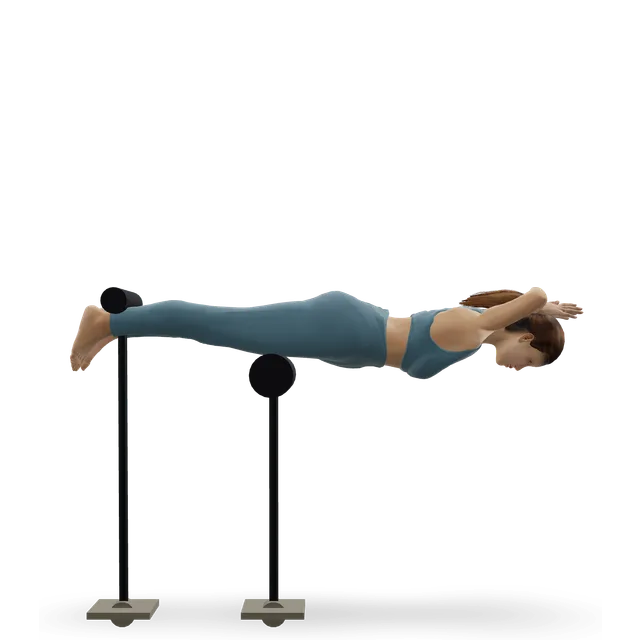 3D demoHorizontal back extension (hyperextension, Roman chair)Advanced · A bench or boxThe same hinge over a level Roman chair: the trunk hangs straight down and rises to level against its full weight, and the back extensors worked hardest of the chair's angles in an EMG comparison.
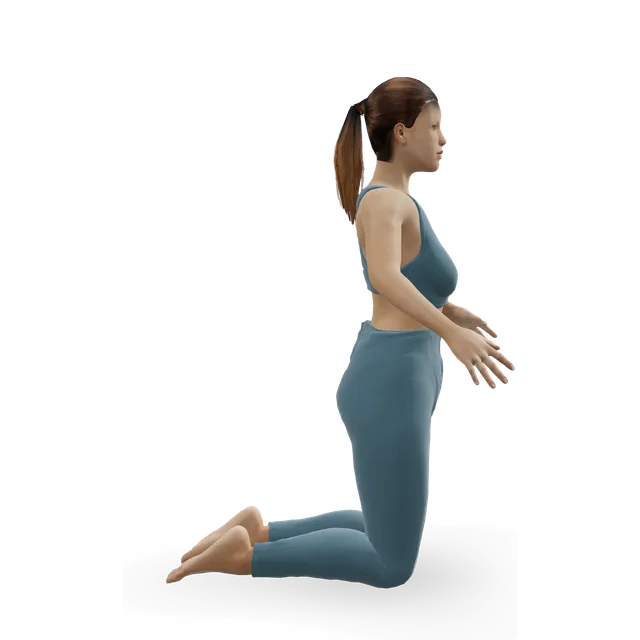 3D demoKneeling jump squatAdvanced · No equipmentFrom kneeling tall, the hips sit back toward the heels and then snap forward hard enough to lift the knees, so the feet land flat in a deep squat before you stand up.
- Lateral box jump · Advanced
- Leg pull back (Pilates leg pull up) · Advanced
- Pistol squat · Advanced
- Repeated box jumps · Advanced
- Reverse hyperextension · Advanced
- Shuttle runs · Advanced
- Side plank with leg lift · Advanced
- Single-leg butt-kick hop · Advanced
- Skater squat · Advanced
- Split squat jump · Advanced
- Sprint intervals · Advanced
- Shrimp squat · Expert
Workouts that use them
More bodyweight exercises (no equipment)
- All bodyweight exercises (no equipment)317
- Bodyweight chest exercises29
- Bodyweight back exercises27
- Bodyweight shoulder exercises29
- Bodyweight triceps exercises30
- Bodyweight ab exercises90
- Bodyweight quad exercises67
- Bodyweight hamstring exercises21
- Bodyweight calf exercises33
- Bodyweight arm exercises38
- Bodyweight leg exercises136
- Bodyweight core exercises96
- Bodyweight upper body exercises95
- Bodyweight full body exercises67
More glute exercises
Questions people ask
What are good bodyweight glute exercises for beginners?
Start with moves graded easy, such as Acceleration wall drill, Bodyweight squat, Clamshell. There are 30 of them on this page. Each guide links to a harder option for when it starts to feel easy.
Can I do bodyweight glute exercises at home without equipment?
Yes. 73 of the 89 moves here need nothing but your body, a floor, a wall or a step, for example Acceleration wall drill, Bodyweight squat, Clamshell.
What are the hardest bodyweight glute exercises?
Moves graded advanced or expert include Shrimp squat. Most have stepping stones; open a guide to see its easier options.
How do I choose the right level?
Pick a move you can do for the planned reps or time with control and a couple of reps in reserve. If it is easy, step up; if your form slips, step down. Every guide shows an easier and a harder option when one exists.
Movement education, not medical advice. Difficulty grades for imported entries are source-assigned and await editorial review. Stop for sharp or increasing pain, numbness or tingling. Health disclaimer.